Top 21 Most Docile Animals in The World (With Pictures)
In a world where fierce predators often steal the spotlight, the gentle giants and serene creatures deserve our attention. Understanding the most docile animals not only enriches our appreciation for wildlife but also sheds light on the beauty of peaceful coexistence. In this article, we will explore these calm beings and discover how they contribute to our ecosystems and our lives.
List of Most Docile Animals in The World
Below is the list of most docile animals in the world:
- Capybara
- Dogs
- Manatee
- Sloth
- Rabbits
- Llama
- Giant Tortoise
- Sheep
- Guinea Pig
- Cats
- Doves
- Cow
- Horse
- Quokka
- Bearded Dragons
- Elephants
- Giant Panda
- Domestic Goat
- Deer
- Bats
- Dolphins
Capybara
Scientific Name: Hydrochoerus hydrochaeris
Class: Mammalia
Diet: Herbivore
The capybara, often dubbed the world’s largest rodent, exemplifies docility in a remarkable way. These sociable creatures thrive in groups, often seen lounging peacefully by water sources, where their calm demeanor allows them to coexist seamlessly with various other species — from birds to monkeys. Their affinity for social bonds not only hints at their placid nature, but also emphasizes the importance of community among wildlife.
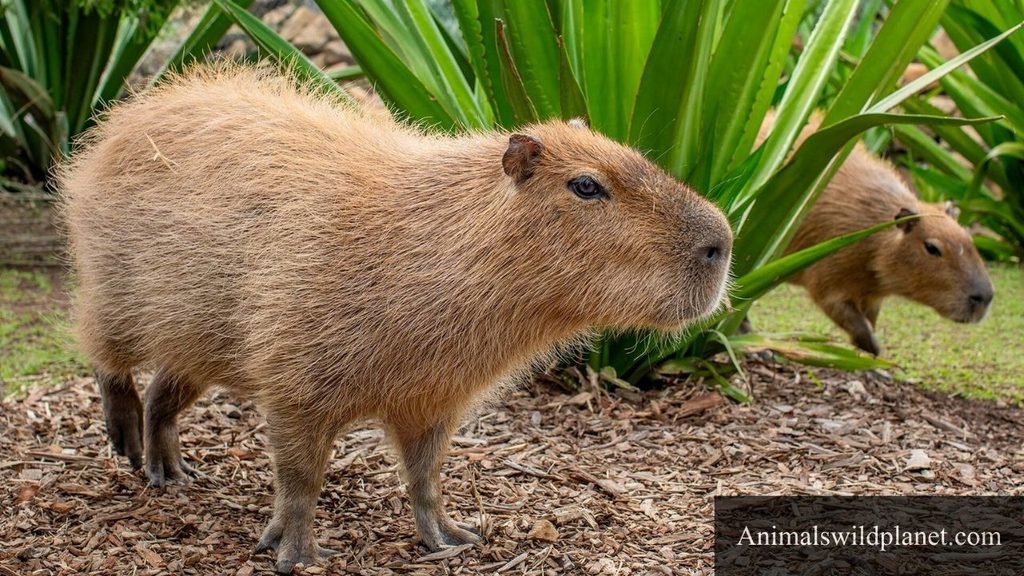
What sets capybaras apart is their almost zen-like ability to remain unfazed in the face of potential threats. This attitude undoubtedly contributes to their role as a keystone species in their ecosystems. By offering a safe haven for other animals to interact, they foster biodiversity and inspire conservation efforts. Observing these gentle giants, one can’t help but appreciate how their tranquility serves as a reminder of the harmony that can exist within nature’s intricate network.
Dog
Scientific Name: Canis lupus familiaris
Class: Mammalia
Diet: Omnivore
Dogs, often dubbed “man’s best friend,” embody loyalty and companionship in ways that few other animals can. Their inherent docility stems from centuries of domestication, where selective breeding emphasized temperament alongside physical traits. This nurturing nature isn’t just about obedience; it also reflects their ability to interpret human emotions, adapting their behavior to comfort and support their owners.
The set of breeds commonly hailed for their gentleness — like Golden Retrievers, Labradors, and Cavalier King Charles Spaniels — are not merely passive companions. These dogs thrive on social interaction and mental stimulation, showcasing that docility is intertwined with an active engagement in family life. Their eagerness to please often leads to impressive learning abilities, making them not just pets, but valuable partners in therapy and service roles, enriching lives in profound ways. Embracing a dog opens up a unique dialogue, creating a bond that transcends words and fosters emotional well-being.
Manatee
Scientific Name: Trichechus manatus
Class: Mammalia
Diet: Herbivore
Manatees, often dubbed as “sea cows,” embody a gentle charm that captivates anyone fortunate enough to encounter them. These large, aquatic mammals glide gracefully through warm coastal waters, embodying a serene presence that contrasts sharply with the hustle of modern life. Their docility and slow movements allow them to engage in a surprisingly playful manner, often seen curiously interacting with divers and snorkelers. This endearing trait makes them a favorite subject in wildlife documentaries and an attraction for eco-touristic adventures.

Despite their size, which can reach up to 13 feet, manatees display a unique vulnerability in their behaviors and habitats. They primarily subsist on seagrass, delicately grazing in shallow waters — a task that requires them to spend up to eight hours a day foraging. This feeding habit not only highlights their peaceful nature but also underscores their critical role in maintaining aquatic ecosystems. By pruning seagrass and promoting its growth, manatees help sustain the habitats of diverse marine life, proving that sometimes the most docile creatures can have a profound impact on their environment.
Readmore: Explore Top 19 Most Patient Animals In The World.
Sloth
Scientific Name: Folivora
Class: Mammalia
Diet: Herbivore
Sloths, often characterized by their languid movements and serene expressions, exemplify nature’s mastery of adaptation. These intriguing creatures spend the majority of their lives hanging upside down in the canopy of tropical forests, embodying a lifestyle that seems blissfully unhurried. Their deliberate pace is not merely a whim; it’s a survival strategy. By moving slowly, sloths minimize the risk of detection by predators, blending seamlessly into the foliage thanks to their algae-covered fur, which offers both camouflage and a unique ecosystem in itself.
What truly sets sloths apart is their gentle demeanor and social structure. Unlike many animals that display aggression when threatened, sloths are known to engage in a slow dance of communication, using subtle body language and soft vocalizations. Their docility extends even to humans; many people have reported heartwarming interactions with them in wildlife sanctuaries, where sloths display curiosity and affection rather than fear. This peaceful coexistence invites us to rethink our perceptions of wildlife and consider how slow-paced interaction can foster deeper connections with nature, reminding us that in a fast-paced world, there is profound beauty in patience and tranquility.
Rabbit
Scientific Name: Oryctolagus cuniculus
Class: Mammalia
Diet: Herbivore
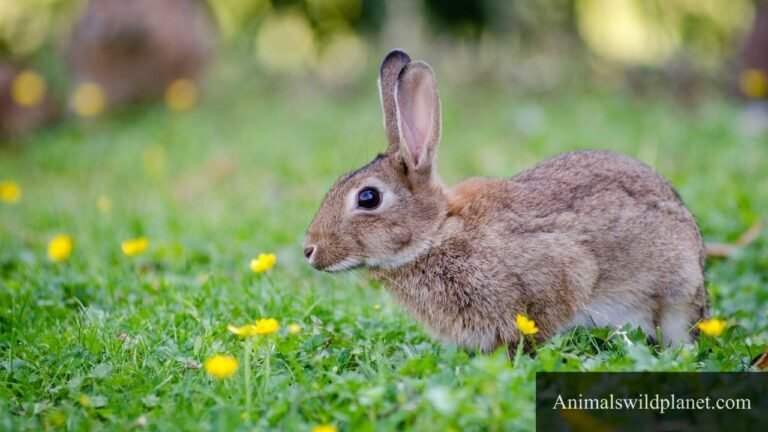
Rabbits, often celebrated for their gentle demeanor, offer a captivating glimpse into the realm of docility in the animal kingdom. With their expressive eyes and soft fur, they are not just adorable companions but also exemplify calmness under pressure. Interestingly, their natural instinct is to hide and freeze when threatened, which leads many to believe they are timid creatures. However, this behavior is a testament to their survival instincts rather than a reflection of their overall temperament.
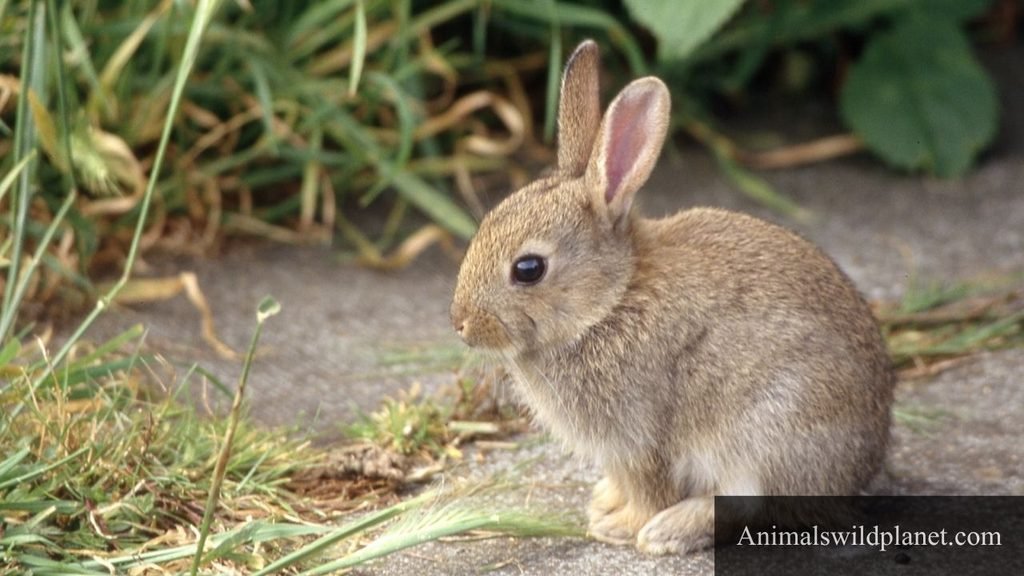
In domestic settings, rabbits thrive in environments filled with affection and patience, often forming deep bonds with their human caretakers. They communicate through subtle body language: a gentle thump or a playful hop can indicate contentment or curiosity. This sensitivity makes them unique companions, often more in tune with their owner’s mood than many people realize. Furthermore, their social nature encourages companionship, forming strong bonds not only with humans but also with other rabbits, showcasing their inherent gentleness and need for connection. Embracing a rabbit means welcoming a creature that embodies tranquility, teaching us about the beauty of patience and love.
Llama
Scientific Name: Lama glama
Class: Mammalia
Diet: Herbivore
Llamas, known for their gentle demeanor and striking appearance, are often regarded as one of the most docile animals on the planet. Beyond their fluffy coats and endearing faces, these South American native creatures exhibit remarkable social behaviors. In herds, llamas form close-knit bonds and communicate through a variety of vocalizations and body language, showcasing their intelligence and emotional depth. Their calm disposition makes them ideal companions for both humans and other animals, fostering a sense of peace wherever they roam.
Llamas have been used as pack animals for centuries, thanks to their sturdy build and exceptional endurance. Unlike many other livestock, they handle stressful situations with grace and tend to display minimal aggression. This unique trait not only makes them easier to train but also endears them to families and farmers alike. As guardians of livestock, llamas have even been known to protect sheep from predators, showcasing their bravery alongside their gentle nature. This blend of strength and serenity makes them a fascinating study in the world of animal behavior.
Giant Tortoise
Scientific Name: Chelonoidis niger
Class: Reptilia
Diet: Herbivore
The giant tortoise, a majestic creature known for its impressive size and ancient lineage, embodies tranquility in the animal kingdom. Often found leisurely ambling across the sun-soaked landscapes of the Galápagos Islands, these gentle giants can live well over a century, offering us not just longevity but also a unique perspective on resilience. Their slow-paced existence encourages us to reflect on the importance of taking life one step at a time, savoring each moment rather than rushing through the chaos of modern living.
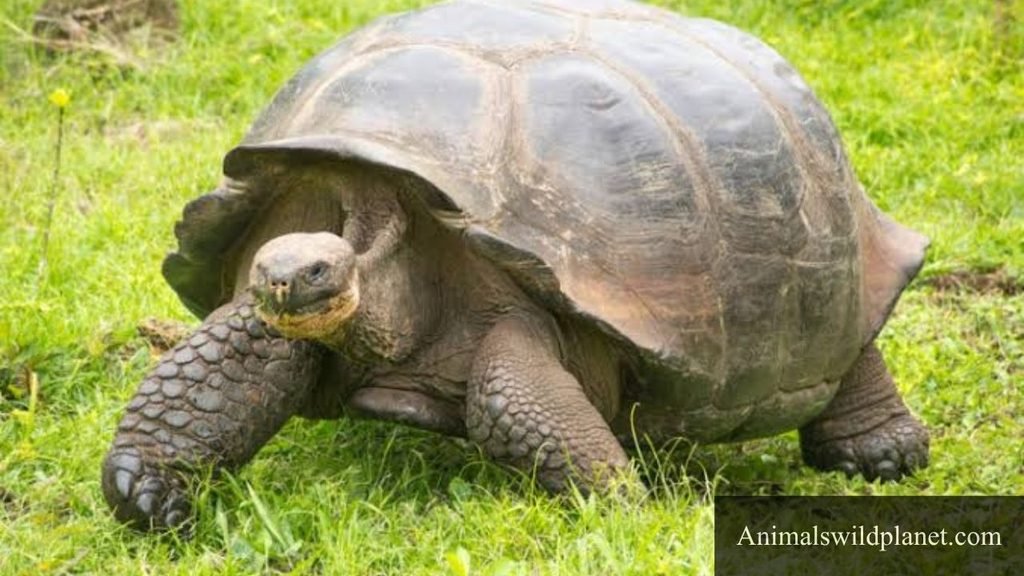
What truly sets giant tortoises apart is their docile nature and curiosity. Despite their considerable bulk, these tortoises exhibit a remarkable sense of calm, often approaching humans with an almost childlike curiosity. Observers report a profound feeling of peace in their presence, creating an aura that captivates anyone fortunate enough to encounter them. Their herbivorous diet, consisting mainly of grasses, leaves, and fruits, further illustrates their gentle disposition, reminding us of the beauty of a vegetarian lifestyle that promotes harmony rather than conflict. Engaging with these fascinating creatures invites us to consider how our own lives can be less about aggression and more about the peaceful coexistence that they exemplify.
Sheep
Scientific Name: Ovis aries
Class: Mammalia
Diet: Herbivore
Sheep, often seen grazing peacefully in meadows, possess a remarkable blend of docility and intellect. These gentle creatures are more than mere farm animals; they exhibit strong social bonds and have distinctly complex personalities. Their ability to recognize individual faces — both human and sheep — demonstrates an advanced level of social awareness, akin to that seen in primates. This trait allows them to form tight-knit groups, relying on one another for safety and companionship, which is crucial given their natural instincts to flock.
Sheep have shown an impressive capacity for learning and can navigate mazes or respond to certain commands with minimal training. Their docility isn’t just a passive trait; it reflects an adaptive strategy evolved over thousands of years. In the wild, their calm demeanor helps them evade predators, as erratic movements can attract attention. By studying sheep, we gain insight into the subtle dynamics of herd behavior and the importance of community, reminding us that even the most unassuming creatures hold deep layers of complexity and intelligence.
Guinea Pig
Scientific Name: Cavia porcellus
Class: Mammalia
Diet: Herbivore
Guinea pigs are often celebrated for their gentle and affectionate nature, making them one of the most docile pets to welcome into a home. These small creatures, with their round bodies and endearing squeaks, thrive on companionship, not just from fellow guinea pigs but also from their human caretakers. Interestingly, they have a unique way of communicating; gentle chirps and purring sounds signify contentment, while a series of quick squeaks can indicate excitement, particularly during feeding time. This vocalization enriches the pet-owner bond, allowing for a deeper understanding of their moods.
Guinea pigs are not just easy to handle; their low-maintenance requirements make them ideal for families, especially children. Unlike many other pets, they don’t need extensive grooming or elaborate exercise routines, which allows for a more relaxed approach to pet ownership. Their social nature means they thrive in groups, so keeping them in pairs or small groups can elevate their happiness and make their behavioral quirks even more entertaining. Ultimately, the presence of a guinea pig can transcend basic companionship, fostering a nurturing environment that encourages responsibility, empathy, and joy.
Cat
Scientific Name: Felis catus
Class: Mammalia
Diet: Carnivore
Cats, often regarded as the quintessential companions, embody a unique blend of independence and affection that makes them intriguing pets. These agile hunters possess an innate ability to adapt to various environments, showcasing a remarkable docility that often surprises their owners. Unlike many animals, cats communicate their affection subtly, often purring softly while curling up next to you — an endearing contrast to their fierce, wild ancestors.
The socialization of cats plays a crucial role in their temperament. Kittens exposed to varied stimuli and positive interactions during their formative weeks often become well-adjusted adults, comfortable in both human and multi-pet households. This adaptability can lead to nurturing relationships where cats not only bond with their human companions but also exhibit playful, gentle behaviors that endear them to families worldwide. Ultimately, their balance of independence and loving nature makes them one of the most docile animals in households, blending seamlessly into the rhythm of human life.
Dove
Scientific Name: Columbidae
Class: Aves
Diet: Omnivore
Doves are often celebrated for their gentle demeanor and serene presence, making them emblematic of peace and harmony. Unlike many birds that exhibit a considerable range of aggressive behaviors, doves demonstrate an innate calmness that captivates those who observe them. Their soft coos and delicate movements invite a sense of tranquility, fostering a deeper connection with nature. This docility isn’t just a product of breeding; it resonates in their social structure as well. Doves often thrive in community settings, where they coo and nest together, creating a supportive environment that contributes to their peaceful nature.
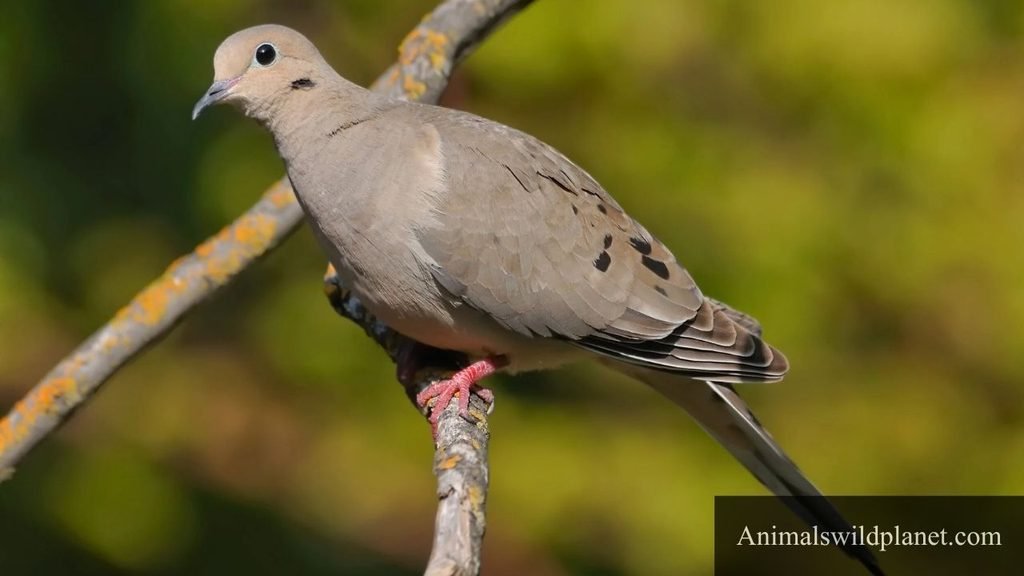
Doves have been symbolic in various cultures, representing hope and love. The ability of these birds to coexist peacefully with humans and other species adds layers to their docility. Interactions with doves can offer insightful lessons on vulnerability and openness, encouraging us to embrace gentleness in our own lives. Whether seen in city parks or as companions in homes, these birds remind us that sometimes, the most profound connections are forged through quiet companionship and calm acceptance.
Cow
Scientific Name: Bos taurus
Class: Mammalia
Diet: Herbivore
Cows, often seen grazing peacefully in pastures, embody a remarkable gentleness that belies their size. Known for their docile nature, these animals have been domesticated for thousands of years, serving as companions and essential contributors to agriculture. Each cow has its unique personality, showcasing traits ranging from curiosity to affection, which can be quite surprising for those who are unfamiliar with them.
Their social structures also reveal an intriguing side; cows form strong bonds within their herds and can even display signs of grief when a fellow member is lost. This emotional depth challenges the stereotype of cattle as mere livestock and highlights their intelligence and emotional capacities. Observing cows can be a lesson in peaceful coexistence, reminding us of the simple joys found in companionship and the strength of community. By understanding these gentle giants, we gain a greater appreciation for their role in our world and the quiet wisdom they impart through their serene presence.
Horse
Scientific Name: Equus caballus
Class: Mammalia
Diet: Herbivore
The horse stands as a paragon of docility, characterized by its gentle nature and remarkable adaptability to human environments. These majestic creatures possess an innate ability to form deep bonds with their handlers, often responding to tone and body language with an acute sensitivity that many other animals lack. Their social behavior mirrors that of humans, making them highly attuned to emotions and moods, which allows for a rich, communicative partnership that transcends mere companionship.
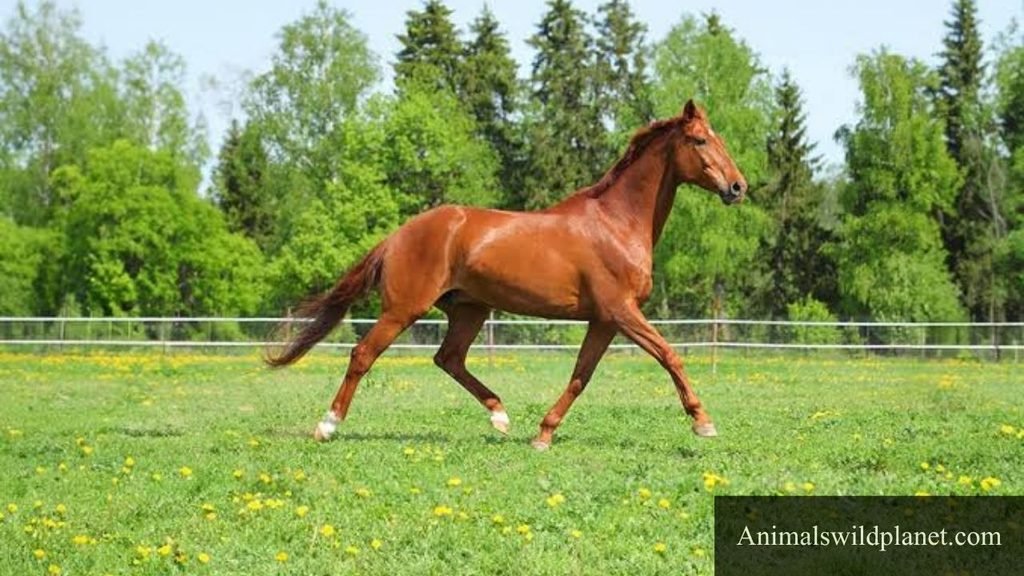
In addition to their docility, horses have been recognized for their therapeutic qualities. Equine-assisted therapy, which uses the horse’s calming presence to help individuals overcome various emotional and psychological challenges, has gained popularity worldwide. This unique relationship not only highlights the horse’s serene disposition but also showcases their capacity to foster healing and connection, serving as a testament to their significant role in human lives. Ultimately, horses inspire us to cultivate patience and empathy, reminding us of the profound bonds we can share with the animal kingdom.
Quokka
Scientific Name: Setonix brachyurus
Class: Mammalia
Diet: Herbivore
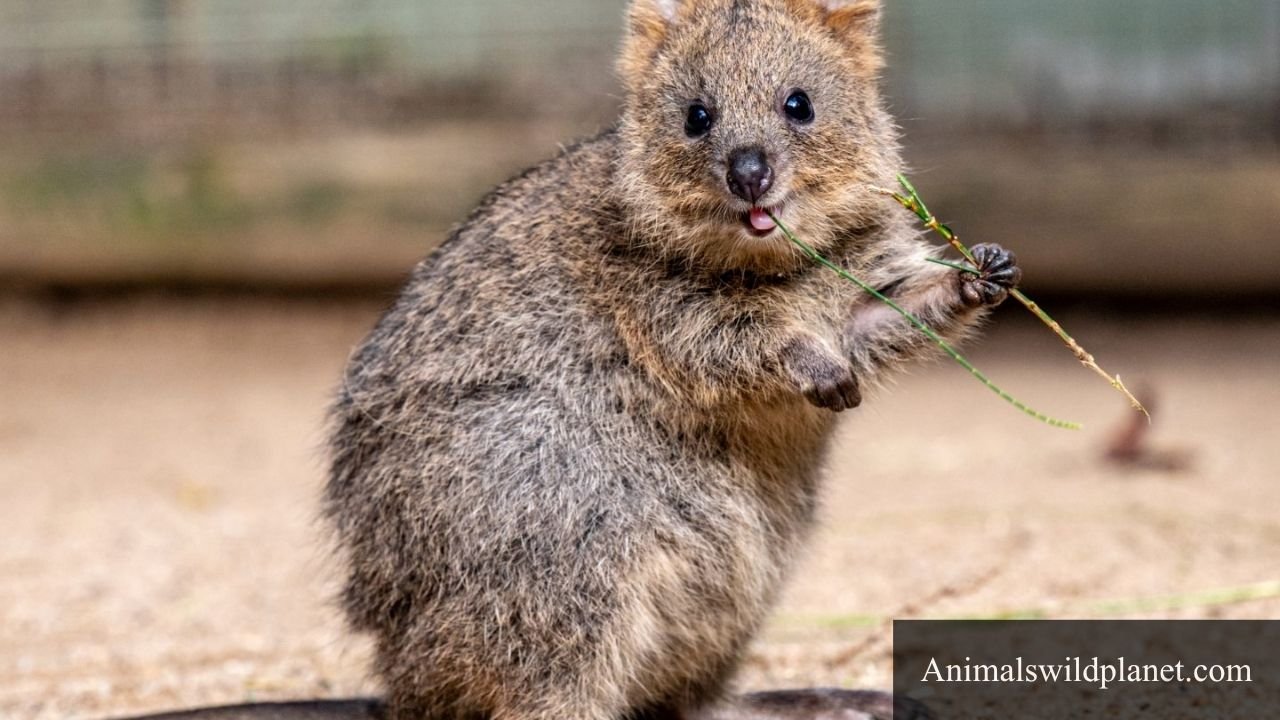
The quokka, often referred to as the “world’s happiest animal,” embodies a charm that is hard to resist. Native to Australia, particularly the small island of Rottnest, this petite marsupial sports an endearing smile that has made it a social media sensation. With their friendly disposition, quokkas often approach humans with an air of curiosity, making them one of the most approachable species in the animal kingdom. Observing their playful antics can transform an ordinary day into a delightful experience, as they frolic through their natural habitat.
What makes quokkas particularly fascinating beyond their looks is their surprising resilience. Although they thrive in social groups, these creatures can adapt to varying environmental conditions, demonstrating a unique blend of docility and survival instinct. Their herbivorous diet primarily consists of grasses and leaves, showcasing a harmonious relationship with their surroundings. While these adorable animals may appear carefree, they play a critical role in the ecosystem, helping to disperse seeds and promote biodiversity on their island home. Engaging with quokkas offers not just a chance to connect with nature but also an opportunity to reflect on the importance of preserving their habitat for future generations.
Bearded Dragon
Scientific Name: Pogona
Class: Reptilia
Diet: Omnivore
Bearded dragons, known for their calm demeanor and striking appearance, have earned their place as one of the most docile pets in the reptile kingdom. These lizards, native to Australia, have fascinating social behaviors that make them surprisingly interactive companions. Unlike many reptiles that prefer solitude, bearded dragons often enjoy human interaction, basking in the warmth of their owners’ hands. Their ability to recognize human faces and respond to their names adds a personal touch, fostering a unique bond between the pet and its owner.
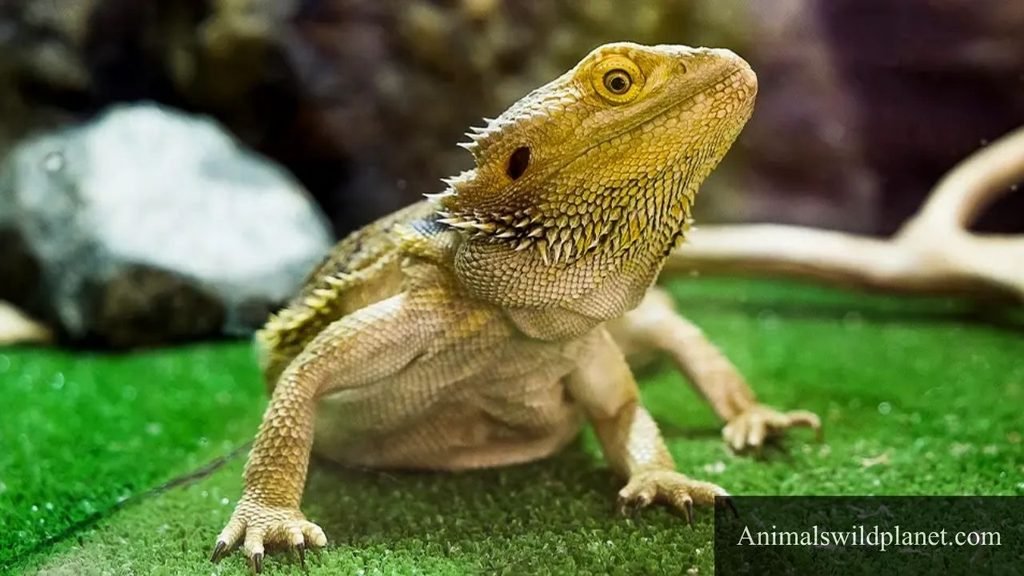
One of the most endearing traits of bearded dragons is their range of expressions. They can change color based on their mood, from vibrant oranges and yellows when basking in contentment to darker shades when stressed. This color-changing ability offers insights into their emotional state, making it easier for owners to understand and respond to their needs. With proper care and a calm environment, these gentle reptiles thrive, showcasing remarkable adaptability — traits that make them ideal for both novice reptile enthusiasts and seasoned herpetologists alike.
Elephant
Scientific Name: Elephantidae
Class: Mammalia
Diet: Herbivore
Elephants, often revered as gentle giants, possess an astonishing emotional depth that sets them apart from many other species. Their remarkable social structures are akin to that of human communities; matriarchs lead families with wisdom, nurturing their young and nurturing intricate bonds. These majestic creatures express a range of emotions, exhibiting behaviors that suggest empathy, grief, and even playfulness. Witnessing an elephant gently caressing its young or mourning the loss of a herd member introduces us to their profound sensitivity, showcasing that strength can seamlessly coexist with tenderness.
Elephants have an innate ability to communicate over vast distances. Their low-frequency rumbles travel through the ground, revealing a sophisticated social network that transcends mere survival. This capability reflects not just their intelligence, but also their deep need for connection — a reminder that docility in the animal kingdom often intertwines with a compelling complexity. Observing elephants in their natural habitats offers insights into the delicate balance of power, emotion, and community, urging us to rethink our perceptions of dominance in the animal world.
Giant Panda
Scientific Name: Ailuropoda melanoleuca
Class: Mammalia
Diet: Herbivore
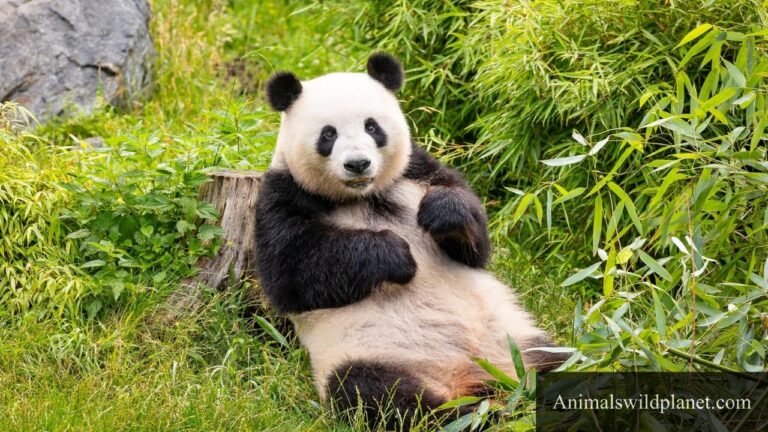
Giant pandas, often regarded as the epitome of docility, exude a gentle charm that captivates the hearts of many. Their slow, languid movements and adorable demeanor create an image of serenity that contrasts sharply with the unpredictable nature of many wild animals. Surprisingly, these bears are not just passive; their diet primarily consists of bamboo, which demands a significant amount of time — up to 10-16 hours a day — dedicated to consuming vast quantities to meet their nutritional needs. This lifestyle fosters a peaceful existence, allowing them to thrive in the lush bamboo forests of China.
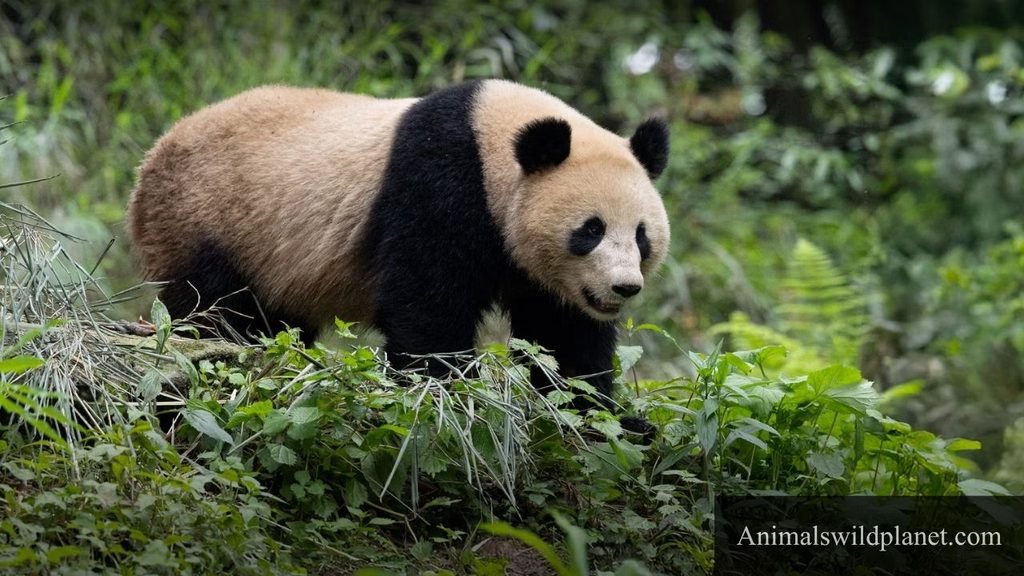
Beyond their charming appearance, giant pandas play a crucial role in their ecosystem, acting as ambassadors for conservation efforts. Their docility has made them a symbol of wildlife preservation, drawing attention and support for habitat conservation and environmental awareness. In zoos around the world, visiting these gentle giants promotes empathy and understanding, encouraging people to care for wildlife and their environments. Observing a giant panda lazily munching on bamboo serves as a gentle reminder of the delicate balance in nature, urging us to protect these remarkable creatures and their habitats before they become a distant memory.
Domestic Goat
Scientific Name: Capra aegagrus hircus
Class: Mammalia
Diet: Herbivore
The domestic goat stands out as one of the most gentle and adaptable animals on the planet, embodying a unique blend of curiosity and calm. Known for their friendly demeanor, these creatures are often described as social butterflies of the animal kingdom. They thrive in herds, developing strong bonds not just with their companions but also with humans. This social nature makes them particularly engaging for families and farmers alike, turning daily chores into enjoyable interactions.
Goats exhibit remarkable intelligence that sets them apart. Their ability to learn and problem-solve showcases a playful spirit, often leading them to seek new adventures when grazing or exploring their environment. The wide array of breeds — from the tiny Nigerian Dwarfs to the majestic Nubians — also highlights their versatility, making them suitable companions for a variety of settings. Whether frolicking in the fields or nestled in a farmer’s arms, domestic goats seamlessly blend gentle affection with a spirited personality, making them beloved additions to homesteads around the globe.
Deer
Scientific Name: Cervidae
Class: Mammalia
Diet: Herbivore
Deer are often celebrated for their gentleness and tranquility, captivating observers with their graceful movements and serene demeanor. These creatures have developed a remarkable ability to coexist within their environments, adapting to various habitats from dense forests to urban parks. Their innate curiosity and cautious nature make them fascinating subjects for wildlife enthusiasts. You might find them foraging quietly at dawn or dusk, embodying a sense of calm that seems to imbue their surroundings with peace.
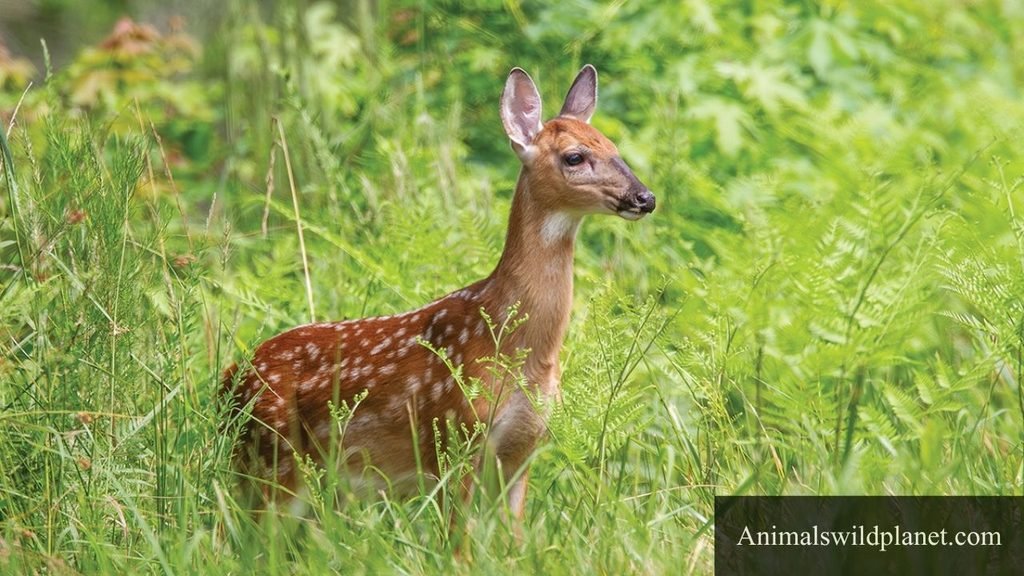
Deer communicate through a complex system of body language and subtle vocalizations, which showcases their social intelligence. Deer mothers exhibit remarkable nurturing instincts, attentively caring for their fawns in a way that mirrors the protective bond found in many domesticated animals. This behavior reflects not only a fierce maternal instinct but also an inherent docility that underscores their role as prey animals. Such traits often evoke a connection with nature, reminding us of the beauty in gentle interactions and the balance of the ecosystem.
Bat
Scientific Name: Chiroptera
Class: Mammalia
Diet: Omnivore
Bats, often misunderstood as fearsome creatures of the night, are surprisingly gentle and docile animals. These remarkable mammals, with over 1,400 species worldwide, play essential roles in ecosystems, particularly in pest control and pollination. Unlike the fearsome image often portrayed in movies, many bat species exhibit a fascinating social behavior, forming tight-knit colonies where they groom, care for their young, and even show signs of affection towards one another.
One of the most enchanting aspects of bats is their ability to echolocate, navigating the darkest environments with remarkable precision. This skill not only helps them find food but also reflects their highly developed sensory world, emphasizing their adaptability and intelligence. While some bats may be shy and retreat from human presence, those encountered in rehabilitation centers or sanctuaries often display an innate curiosity and calmness, allowing humans to form unique bonds with them. Understanding the docility of bats can shift perceptions, encouraging conservation efforts to protect these vital creatures from the threats they face, such as habitat loss and disease.
Dolphin
Scientific Name: Delphinidae
Class: Mammalia
Diet: Carnivore
Dolphins are often celebrated for their intelligence and playful nature, but their docility is equally remarkable. When humans encounter dolphins in the wild or in aquariums, the creatures exude a sense of calmness that transcends typical animal behavior. Their social intelligence allows them to form strong bonds, not just with their own kind but also with humans, leading to fascinating interactions. Observing a dolphin’s gentle demeanor during these encounters evokes a profound sense of connection, suggesting an almost empathetic understanding of human emotions.

Beyond their playful interactions, dolphins possess an intriguing ability to respond to human cues, showcasing their adaptability and willingness to engage. Studies have demonstrated that these marine mammals can even learn simple tasks and cooperate with trainers, reflecting their amicable nature. This docility not only enhances human-dolphin relationships but also provides valuable insights into their complex social structures in the wild. The grace with which dolphins navigate their oceanic realms serves as a gentle reminder of the harmonious coexistence that is possible between species.
Readmore: Explore Top 13 Small Monkey Breeds in The World.
Final Thoughts
The world is home to a remarkable array of docile animals that demonstrate the beauty of gentleness. From the serene nature of a capybara to the playful charm of a bunny, these creatures remind us of the importance of kindness in our interactions with the animal kingdom. Their calm demeanor not only makes them delightful companions but also encourages a harmonious environment for both humans and animals alike.
As we learn more about these gentle beings, it becomes clear that fostering a connection with them can enrich our lives. Let us appreciate and protect these docile creatures, ensuring they thrive in their natural habitats.
FAQs
What animal is strong but gentle?
One great example of an animal that embodies strength and gentleness is the elephant. These massive creatures are incredibly powerful, capable of moving large trees and carrying heavy loads. Despite their size, elephants are known for their gentle nature, especially when interacting with their young and other members of their herd. They display remarkable empathy and social bonds, showcasing how strength doesn’t have to come with aggression.
What is the least aggressive animal?
The least aggressive animal is often considered to be the sloth. These slow-moving mammals have a laid-back lifestyle and prioritize calmness over confrontation. Their main defense mechanism is simply to move slowly enough that predators might not even notice them.
What is the calmest animal?
The capybara is often considered the calmest animal. These social rodents are known for their gentle demeanor and relaxed attitude. They’re usually found lounging by the water, basking in the sun, or calmly interacting with other animals, including birds and monkeys.