Top 19 Most Patient Animals In The World (With Pictures)
In the wild, patience is not just a virtue; it is a crucial survival skill. This article will delve into the Most Patient Animals in the World, highlighting fascinating species that have perfected the art of waiting. By exploring their behaviors and habitats, you’ll gain insights into how patience plays a vital role in the animal kingdom and what we can learn from it.
List of Most Patient Animals in The World
Below is the list of animals that have patient:
| Number of Animals | Names of Patient Animals |
| 1 | Crocodiles |
| 2 | Python |
| 3 | Chameleon |
| 4 | Piranhas |
| 5 | Owls |
| 6 | Heron |
| 7 | Tortoise |
| 8 | Wolf |
| 9 | Tigers |
| 10 | Killer Whales |
| 11 | Elephant |
| 12 | Lions |
| 13 | Cats |
| 14 | Sloth |
| 15 | Orangutan |
| 16 | Eagle |
| 17 | Komodo Dragon |
| 18 | Frogfish |
| 19 | Spider |
Crocodiles
Scientific Name: Crocodylus
Class: Reptilia
Diet: Carnivore
Crocodiles are the epitome of patience in the animal kingdom, embodying a silent predator’s strategy that often goes unnoticed. These ancient reptiles can spend hours, even days, lurking motionless by the water’s edge, blending seamlessly into their surroundings. This behavior not only showcases their stunning camouflage but also highlights an impressive hunting technique; the ability to wait for the perfect moment to strike is what sets them apart. Unlike many hunters that rely on speed and agility, crocodiles depend on this stillness, allowing their prey to come dangerously close before launching a powerful ambush.
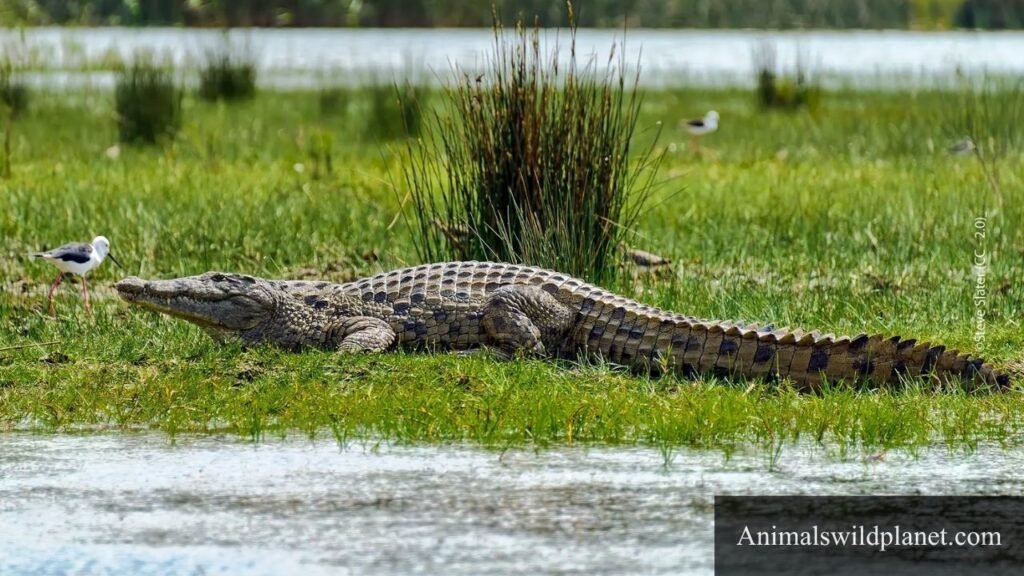
Their patience extends beyond just hunting; it is a survival strategy shaped by millions of years of evolution. In times of drought or scarcity, crocodiles can enter a state of brumation, slowing their metabolism and effectively “pausing” their need for food. This ability to endure prolonged periods without sustenance not only underscores their resilience but also showcases an extraordinary adaptability to fluctuating environments.
Python
Class: Reptilia
Diet: Carnivore
Pythons exemplify patience in the animal kingdom, showcasing a remarkable ability to remain motionless for extended periods. As ambush predators, they rely on stillness to blend into their surroundings, waiting for unsuspecting prey to wander nearby. This strategy not only conserves energy but also increases their chances of a successful hunt. Their silent, calculated approach serves as a reminder of nature’s artistry in evolution, where restraint can lead to remarkable outcomes.
What’s fascinating about pythons is their extraordinary ability to assess their environment. With keen sensory adaptations, they can detect heat signatures from potential prey, even from a distance. This acute awareness means they often wait for the perfect moment to strike, highlighting a sophisticated understanding of timing that many other animals lack. In their world, patience is not merely a virtue but a survival strategy, setting a powerful example of the delicate balance between aggression and restraint in the pursuit of sustenance.
Chameleon
Scientific Name: Chamaeleonidae
Class: Reptilia
Diet: Insectivore
The chameleon embodies patience in a unique form, demonstrating an extraordinary ability to adapt and blend seamlessly into its surroundings. This not-so-common patience is not just a survival tactic but also a striking display of the complex relationship between the chameleon and its environment. As it waits for the perfect moment to catch its prey — often remaining completely still for extended periods — these creatures remind us of the virtues of stillness and subtlety in a fast-paced world.
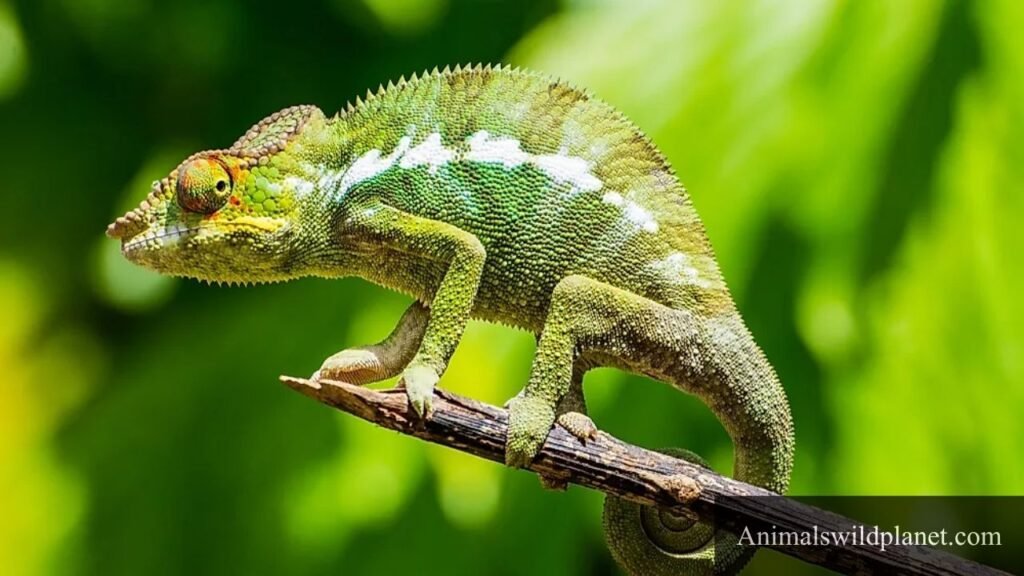
Interestingly, the chameleon’s color-changing ability goes beyond mere camouflage; it’s a nuanced form of communication. When a chameleon shifts hues, it’s often signaling its mood or intentions, whether to attract a mate or ward off potential threats.
Readmore: Explore Top 21 Skinny Animals in The World.
Piranhas
Class: Actinopterygii
Diet: Omnivore
Piranhas often evoke images of ravenous, bloodthirsty predators, but beneath their fearsome reputation lies a surprising trait: incredible patience. These fish utilize a methodical approach when hunting, often lying in wait for the perfect moment to strike. Their sharp teeth are not just tools of aggression; they symbolize a strategy of stealth and precision. While they can unleash fury in a feeding frenzy, it’s their calculated ambush tactics that truly highlight their patience, effectively turning the tables on both prey and competitors in their often turbulent waters.
Furthermore, piranhas epitomize social patience through their schooling behavior. When grouped, they exhibit remarkable teamwork, coordinating their actions to maximize their hunting efficiency. Instead of acting impulsively, they communicate subtly, allowing the excitement of the hunt to build until the opportune moment arrives. This dynamic not only ensures their survival but also emphasizes the intriguing blend of instinct and patience that governs their behavior in the wild. In the vibrant tapestry of aquatic life, piranhas stand out as a testament to the virtue of waiting — to observe, to strategize, and ultimately, to thrive.
Owls
Scientific Name: Strigiformes
Class: Aves
Diet: Carnivore
Owls exemplify patience in a way that highlights their strategic prowess as hunters. Their signature silent flight and acute nocturnal vision allow them to stalk prey in the stillness of the night, waiting for the perfect moment to strike. This calculated restraint doesn’t just serve practical purposes; it reflects a deep-rooted evolutionary advantage. Unlike many predators that rely on speed and aggression, owls are masters of stillness, blending seamlessly into their surroundings as they await an unsuspecting mouse or vole.
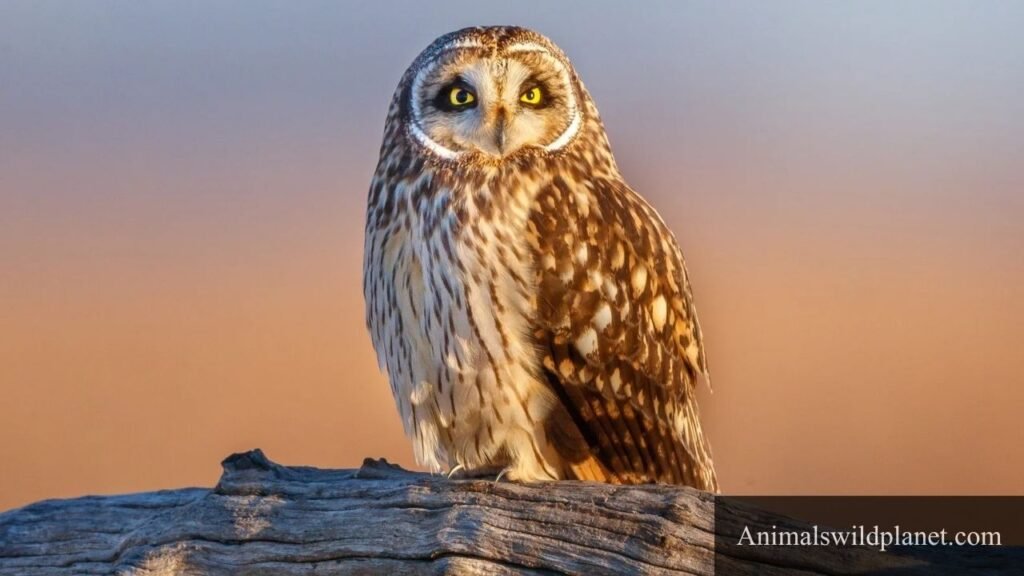
Moreover, their unique hunting technique reveals layers of patience rarely found in the animal kingdom. An owl can sit motionless on a branch for long periods, scanning its environment for clues of movement. This silent observance transforms them into apex predators, showcasing how stillness often speaks louder than action.
Heron
Class: Aves
Diet: Carnivore
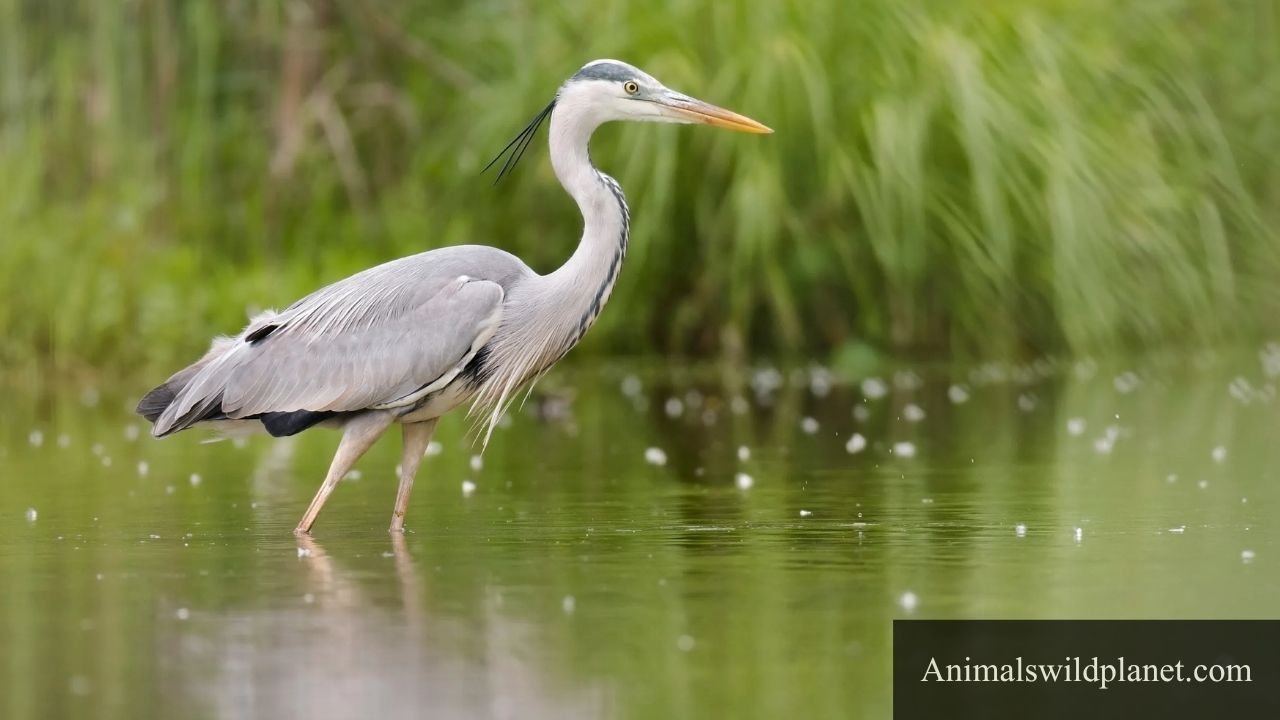
The heron’s patient demeanor is not just a trait; it’s a survival strategy perfected over millennia. Standing still for hours, these elegant birds embody tranquil resilience as they wait for the perfect moment to strike. Their keen eyesight and ability to remain motionless make them masters of the art of hunting. With a single, calculated lunge, they snatch fish from the water, demonstrating that patience is often rewarded in nature.
What’s fascinating is how this methodical approach extends beyond mere hunting. Herons often return to the same spots, relying on their memory and instinct, further highlighting their deep connection with their environment. Each motion is deliberate, illustrating a powerful blend of intuition and dedication. This balance of patience and perseverance allows the heron to thrive in its ecosystem, making it a remarkable example of nature’s wisdom at work.
Tortoise
Scientific Name: Testudinidae
Class: Reptilia
Diet: Herbivore
The tortoise, with its unhurried pace and centuries-long lifespan, serves as a living testament to the virtues of patience. Unlike many animals that rely on swift movements for survival, tortoises navigate their world with deliberate slowness, allowing them to observe their surroundings more keenly.
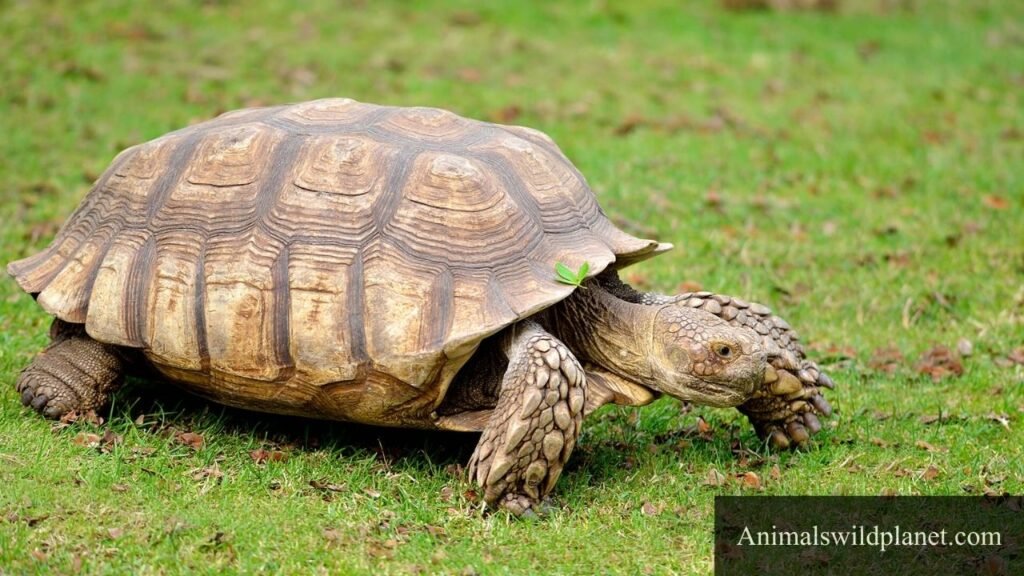
Moreover, tortoises possess a remarkable resilience that underscores their patient nature. Their thick, protective shells symbolize not just physical defense but also a mental fortitude that enables them to withstand adversities — be it climate changes or predatory threats.
Wolf
Scientific Name: Canis lupus
Class: Mammalia
Diet: Carnivore
Wolves embody a unique blend of patience and strategy, showcasing their remarkable ability to adapt to their environments. Unlike many apex predators that rely solely on speed and strength, wolves often employ a methodical approach when hunting. They work as a pack, meticulously planning ambushes and using endurance to tire out their prey over long distances. This cooperative behavior reflects not only their intelligence but also a deep understanding of teamwork and timing, revealing the intricate social dynamics within wolf packs.
Moreover, wolves exemplify patience beyond the hunt. They engage in elaborate rituals to solidify social bonds, taking time to communicate and establish hierarchy within their packs. This investment in relationships fosters stability, enabling them to thrive in varying landscapes.
Tigers
Scientific Name: Panthera tigris
Class: Mammalia
Diet: Carnivore
In the wild, tigers are often viewed as fierce and formidable hunters, but their patience is just as remarkable as their strength. Unlike many predators that rely solely on speed and aggression, tigers exhibit a unique hunting style rooted in stealth and calculated waiting. A tiger may spend hours stalking its prey, blending seamlessly into the jungle’s dappled shadows and observing even the slightest movements. This quiet vigilance not only showcases their acute sensory abilities but also highlights a deep understanding of the delicate balance of their ecosystem.
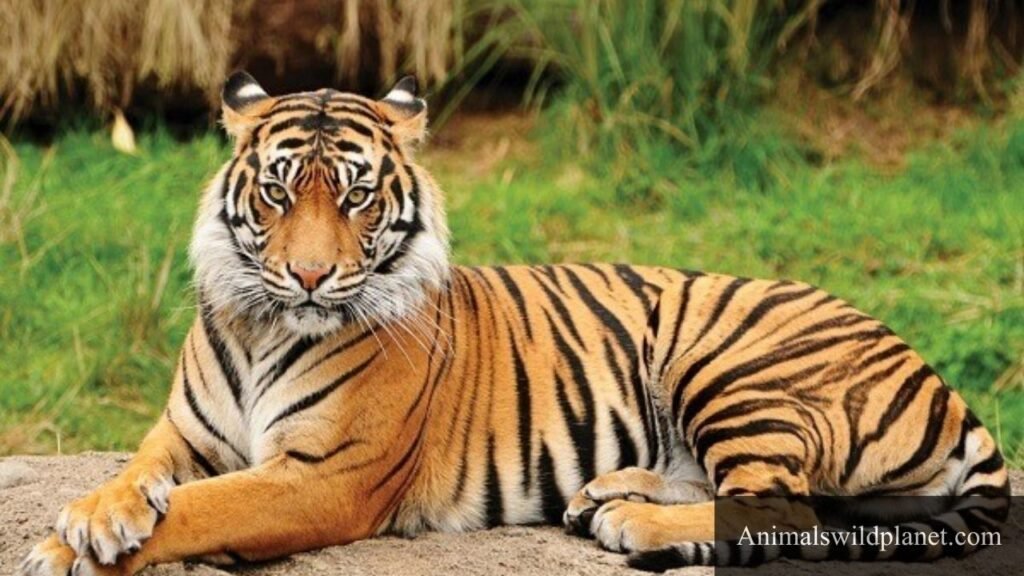
Interestingly, this patient approach extends beyond hunting. In their solitary lives, tigers demonstrate a strong ability to adapt their behavior to various environmental pressures. For instance, during periods of scarcity, they may tolerate the presence of other large predators around their territory, biding their time until the conditions are right for a successful hunt. This adaptability underscores a nuanced layer to their survival strategy, revealing that patience can sometimes be more powerful than brute force.
Killer Whales
Scientific Name: Orcinus orca
Class: Mammalia
Diet: Carnivore
Killer whales, or orcas, are often misunderstood due to their imposing name and striking presence. However, what many don’t realize is that these highly intelligent marine mammals exhibit remarkable patience, especially in hunting techniques. They employ a sophisticated method known as “carousel feeding,” where they work together in pods to corral fish into tight groups. This collective strategy not only showcases their intelligence but also highlights their ability to wait for the opportune moment, turning the tide in their favor.
What’s particularly fascinating is how killer whales nurture and teach their young. Within a pod, the adults patiently guide the calves through the intricacies of hunting and social interactions, embodying a learning environment that emphasizes gradual mastery rather than instant success. Such patience is critical for their survival, as the longevity of knowledge passed down through generations strengthens the pod’s cohesion and effectiveness. In the world of killer whales, patience is not merely a virtue; it is a survival technique, ensuring that these magnificent creatures thrive in the vast, turbulent oceans they call home.
Elephant
Class: Mammalia
Diet: Herbivore
Elephants exemplify remarkable patience, both in their social structures and daily behaviors. Living in matriarchal herds, these gentle giants exhibit a profound understanding of familial bonds, supporting each other through challenges. A matriarch leads her herd with wisdom accumulated over decades, making decisions that often reflect an understanding of their environment and the needs of each member. This patience extends to their nurturing of young calves, who learn essential survival skills at a gradual pace, a process enhanced by the calming presence of their elders.
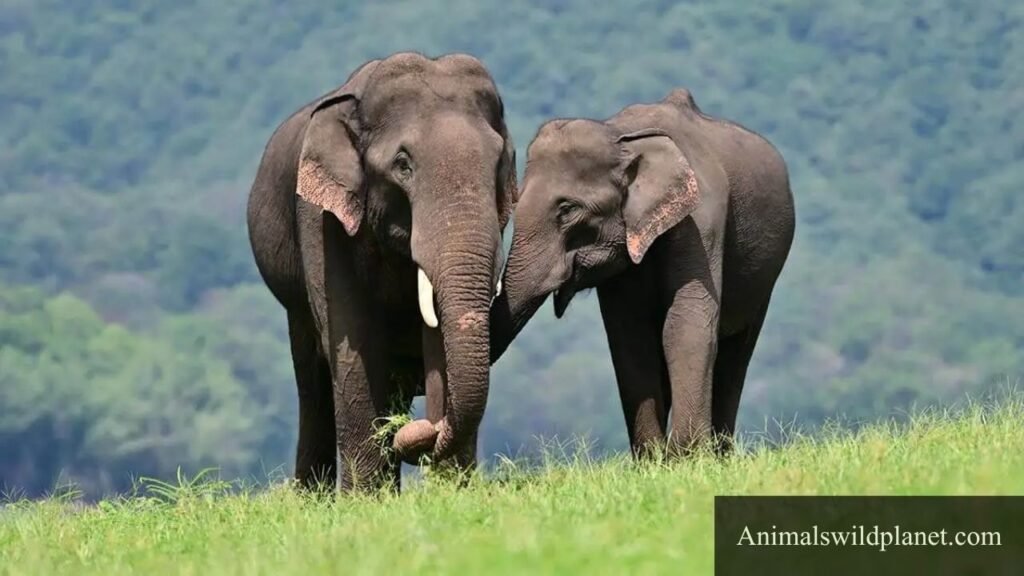
In the wild, elephants can wander vast distances in search of water and food, yet they do so with a calm determination that speaks to their resilience. When faced with obstacles, such as drought or human encroachment, these creatures exhibit astonishing patience as they adapt to shifting circumstances. Their ability to communicate and strategize demonstrates that patience is not just a passive state but an active engagement that maximizes the survival of the herd. This profound connection to their environment and each other showcases elephants as symbols of patience and emotional intelligence in the animal kingdom.
Lions
Scientific Name: Panthera leo
Class: Mammalia
Diet: Carnivore
Lions, often lauded as the kings of the savannah, exhibit remarkable patience that is not commonly acknowledged. While we typically associate them with strength and ferocity, the lion’s true brilliance lies in its strategic approach to hunting. A pride can spend hours lying in wait, carefully observing the movements of their prey. This calculated stillness allows them to assess environmental factors such as wind direction and herd dynamics, highlighting a level of intelligence that transcends sheer brute force.
Moreover, the social structure of a lion pride is a testament to their patient nature. Female lions, the primary hunters, often collaborate in coordinated efforts, showcasing their ability to work cohesively over extended periods. They employ a technique known as the “encirclement,” where they patiently position themselves around the prey, waiting for the optimal moment to strike. This intricate dance of timing and teamwork reveals an understanding that effective hunting isn’t just about speed — it’s about waiting for the right opportunity to pounce, epitomizing patience in action.
Cats
Scientific Name: Felis catus
Class: Mammalia
Diet: Carnivore
Cats are often underestimated for their remarkable patience, especially in a world that celebrates constant activity. Unlike many canine companions, felines take their time observing their surroundings, which highlights their strategic approach to life. Whether crouching in wait for a bird to flit by or leisurely contemplating a sunbeam, their ability to remain still is a testament to their keen instincts.
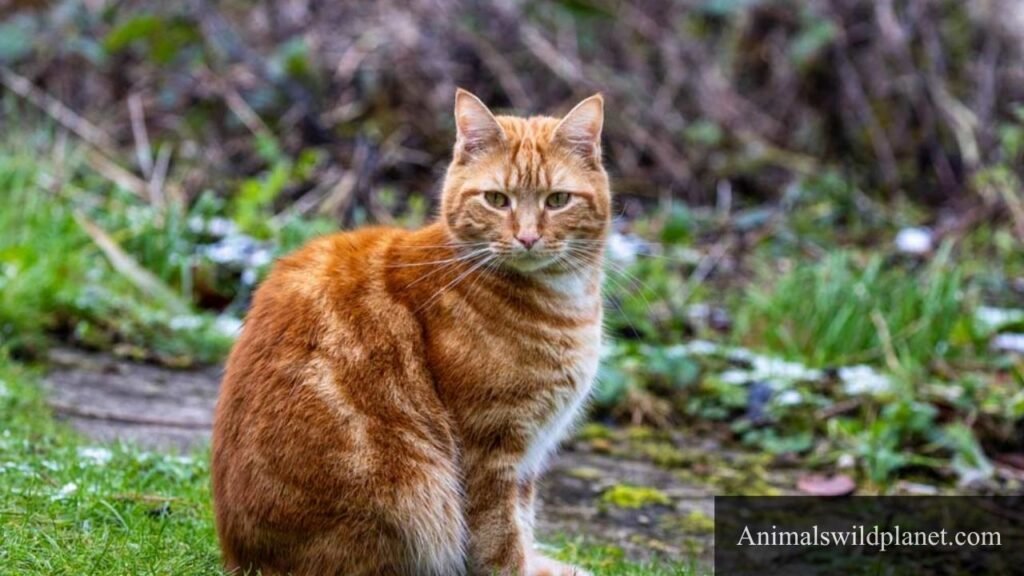
This innate patience is not just a survival skill; it can also reflect the deep bond they share with their human companions. Cats often exhibit a form of patience that involves silently watching over their owners, embodying a calm presence during stressful moments. It’s this quiet steadfastness that allows them to connect deeply, providing a grounding influence without imposing themselves.
Sloth
Scientific Name: Folivora
Class: Mammalia
Diet: Herbivore
The sloth epitomizes the art of patience in the animal kingdom, thriving in a world that often buzzes with frenetic energy. These remarkable creatures, known for their languid movements and leisurely lifestyle, serve as a profound reminder of the virtues of taking it slow. Their metabolism is meticulously adapted to a diet of leaves, allowing them to savor their meals while spending up to 20 hours a day resting or sleeping. This deliberate pace, far from being a drawback, allows sloths to conserve energy in an environment where resources can be scarce.
Sloths digest food at a staggeringly slow rate — taking up to a month to process a single meal — resulting in a life that’s a serene counterpoint to the hustle and bustle of the outside world. Interestingly, sloths have developed a unique symbiotic relationship with their environment, hosting algae in their fur that not only provides a green camouflage against predators but also nourishes them over time.
Orangutan
Scientific Name: Pongo
Class: Mammalia
Diet: Omnivore
Orangutans embody a unique blend of patience and intelligence in their daily lives, particularly evident in their foraging behavior. Unlike many animals that search frantically for food, these incredible primates often exhibit a methodical approach. They’ll spend hours selecting the ripest fruits, weighing the effort and energy required for each bite, showcasing an evolutionary adaptation that values quality over quantity. This thoughtful process highlights not only their patience but also a deep understanding of their environment.
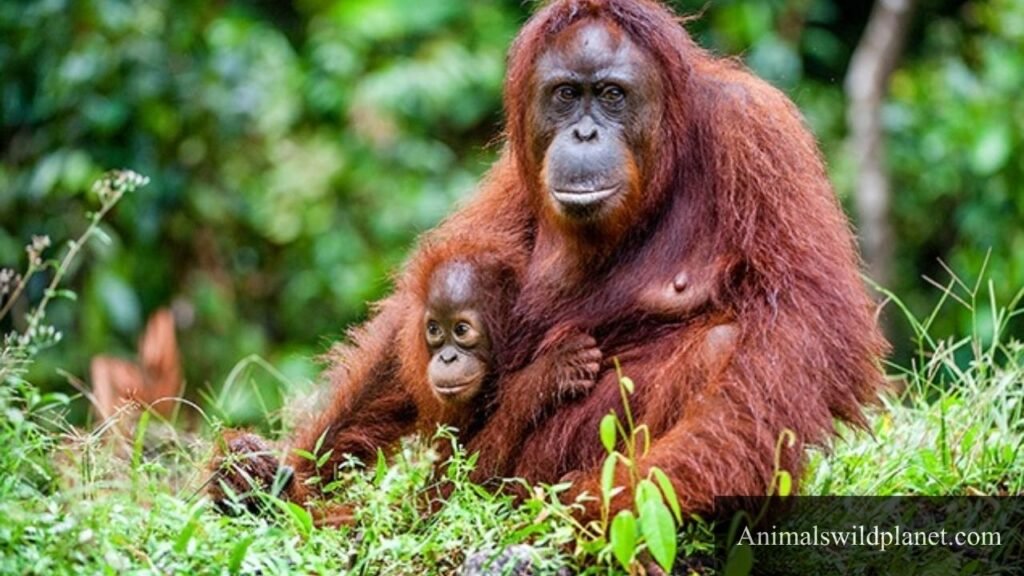
Moreover, orangutans demonstrate remarkable resilience and emotional depth, often forming profound bonds with their offspring. Mother orangutans engage in elaborate play and teaching routines, allowing their young to learn crucial survival skills at their own pace. This nurturing behavior illustrates a level of patience that goes beyond mere instinct; it’s a conscious choice to invest time and energy in the future of their species.
Eagle
Class: Aves
Diet: Carnivore
The eagle embodies patience in the wild, often waiting for hours for the perfect moment to strike. Perched high on a branch or a rocky ledge, it scans the landscape with unwavering focus. This remarkable ability to hold still not only showcases their acute vision but reveals a strategy honed through evolution. They understand that haste leads to missed opportunities; their survival hinges on calculated actions rather than impulsive ones.
In the art of hunting, an eagle’s patience pays off dramatically. Once a target locks into view, the eagle can dive at speeds up to 150 miles per hour, executing a precision strike that leaves little room for error.
Komodo Dragon
Scientific Name: Varanus komodoensis
Class: Reptilia
Diet: Carnivore
The Komodo dragon, the largest living lizard, showcases an extraordinary blend of patience and predatory skill in its hunting strategy. Unlike many animals that rely on speed or stealth for their meals, these formidable reptiles can spend hours — sometimes even days — lying in wait for their unsuspecting prey. Their method is far more about stamina than swiftness, demonstrating a unique form of patience that is often overlooked in the animal kingdom.
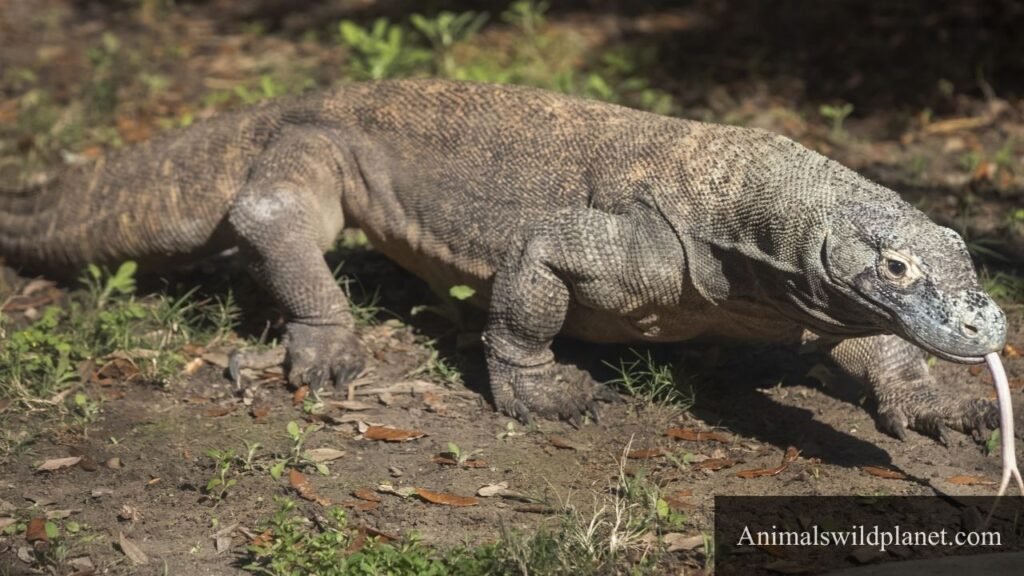
What’s particularly fascinating is how this patient ambush technique complements their ecological role as apex predators. While they may not chase down their food with the ferocity of a cheetah, their ability to remain concealed allows them to capitalize on the element of surprise. Their keen sense of smell aids them in detecting carrion from miles away, but it’s the hours of stillness that ultimately lead to a successful hunt.
Frogfish
Scientific Name: Antennariidae
Class: Actinopterygii
Diet: Carnivore
Frogfish are the ultimate masters of stealth and patience in the underwater realm. With their remarkable ability to blend seamlessly into their surroundings, these ambush predators make waiting their art form. Instead of chasing after prey, frogfish employ a strategy that resembles a game of fishing — stationing themselves perfectly camouflaged among coral, sponges, or seaweed, they sit quietly, sometimes for hours, before executing a swift and lightning-quick strike with their specialized lure. This passive yet highly effective hunting technique challenges our conventional understanding of predation; it highlights that sometimes, patience does not just win the race — it secures the meal.
What sets frogfish apart is not just their ability to hold still but also the evolutionary marvel of their unique lure. This fascinating appendage mimics prey, enticing unsuspecting fish into range. When the moment is right, they unleash their extraordinary speed, capable of swallowing prey larger than themselves in the blink of an eye. This blend of tranquility and explosive action is a reminder of nature’s delicate balance; it demonstrates how diversity in hunting strategies can lead to survival.
Spider
Class: Arachnida
Diet: Carnivore
Spiders embody a remarkable patience that sets them apart in the animal kingdom. Their intricate webs, often seen glistening with morning dew, are not merely functional structures; they are masterpieces of engineering forged through a slow and deliberate process. When a spider spins its web, it carefully considers the environment around it, choosing locations and designs that optimize efficiency. This meticulous approach allows spiders to entrap prey with minimal energy expenditure, reflecting a profound understanding of both their surroundings and their predatory role.
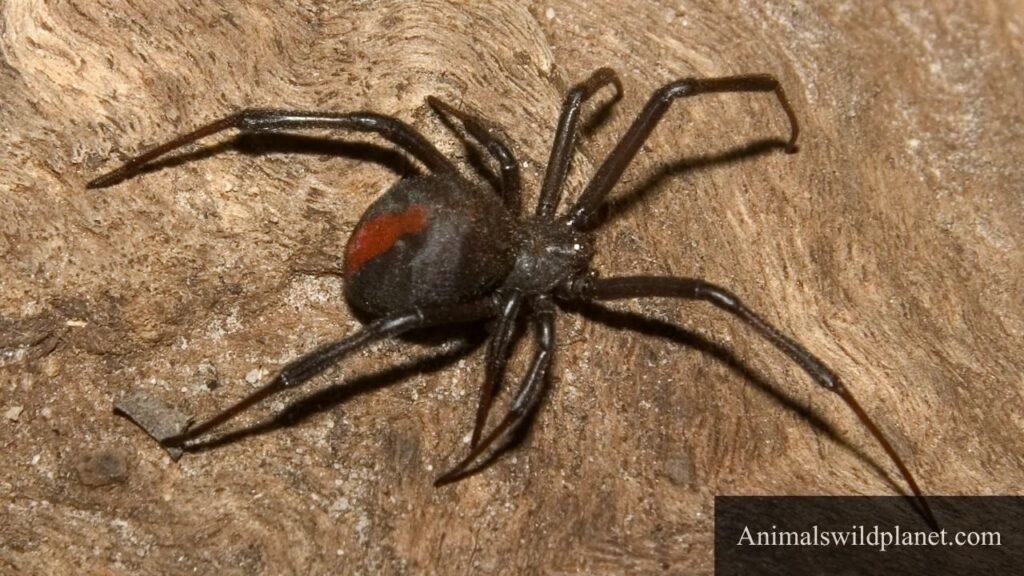
Moreover, the hunting tactics of certain spider species, like the ambush or trapdoor spiders, amplify their patient pursuits. These arachnids can wait for hours, camouflaged and motionless, until the perfect victim wanders too close.
Readmore: Explore Top 9 Animals With Short Tails.
Final Words
The world of patient animals reveals a fascinating array of creatures that embody the virtues of persistence and tranquility. From the steadfast tortoise to the wise elephant, these animals teach us important lessons about taking our time and embracing calmness in an often chaotic world. Their unique adaptations and behaviors showcase how patience can be a survival strategy, allowing them to thrive in their respective environments. By observing and learning from these patient beings, we can enhance our own lives with a greater sense of resilience and mindfulness.
FAQs
What animals have the most patience?
Predators like the tiger are known for their incredible ability to wait silently for hours, sometimes even days, just to catch their prey. Their stealth and endurance showcase a strategic patience that’s crucial for survival. On the other hand, social animals like elephants also display remarkable patience, especially when nurturing their young or working together to solve problems. They often take time to teach their young and stay close-knit as a herd, demonstrating a deeper level of patience in social contexts.
What is the most patient animal in the world?
The most patient animal in the world is often considered to be the sloth. These slow-moving creatures take their time, spending up to 20 hours a day resting or sleeping. Their leisurely pace isn’t just a lifestyle choice; it helps them conserve energy and avoid predators.
What animal waits patiently for its prey?
One of the most patient hunters in the animal kingdom is the chameleon. These reptiles have a unique strategy of waiting motionless for their prey to come close. Their ability to blend into their surroundings helps them remain unnoticed until they strike, using their long, sticky tongues to catch insects with incredible speed.