Top 23 Birds With Long Legs (Pictures Included)
Birds with long legs are much more than just spectacles at the water’s edge; they are remarkable creatures equipped to thrive in diverse habitats. In this article, we’ll delve into the anatomy, behavior, and significant roles of these birds in our ecosystems. You’ll gain insights into their fascinating lives and understand why preserving their habitats is essential for maintaining biodiversity.
List of Birds With Long Legs
Here is the list of birds with long legs:
- Tricolored Heron
- White-faced Ibis
- Limpkin
- Black-winged Stilt
- Jabiru
- Ostrich
- Sandhill Crane
- Great Blue Heron
- Emu
- Purple Heron
- Reddish Egret
- Sarus Crane
- Roseate Spoonbill
- Flamingos
- Cattle Egret
- Wood Stork
- Secretary Bird
- Snowy Egret
- Shoebill
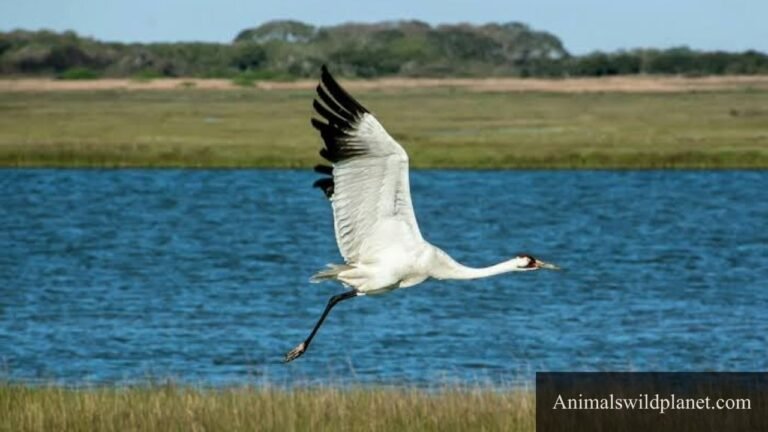
- Whooping Crane
- Great Egret
- Scarlet Ibis
- Gray Heron
Tricolored Heron
Scientific Name: Egretta tricolor
Class: Aves
Diet: Carnivore
The Tricolored Heron, with its elongated legs and striking plumage, is a marvel of evolution in shallow wetlands. This bird’s unique hunting technique is as captivating as its appearance; it employs a graceful, stealthy stalk, using its long legs to wade through water while simultaneously keeping a keen eye on potential prey. With a blend of blue-gray feathers, a white belly, and rust-colored accents, it stands out against the vibrant greenery of its habitat, making it a favorite subject for photographers and bird watchers alike.
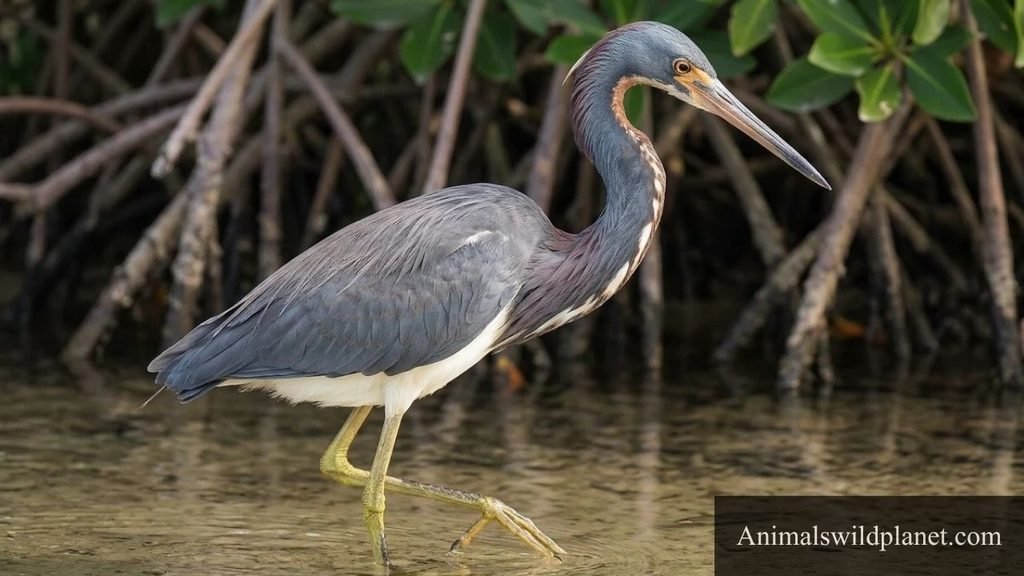
Observing a Tricolored Heron dive is a lesson in patience and precision. Its feeding strategy involves a series of quick, darting motions that can mesmerize an onlooker, showcasing the delicate balance between hunger and survival. Beyond the aesthetic allure, these birds signal the health of their wetlands, serving as indicators of environmental changes. The presence of the Tricolored Heron in an area often reflects a functioning ecosystem, revealing just how interconnected life in these fragile habitats can be.
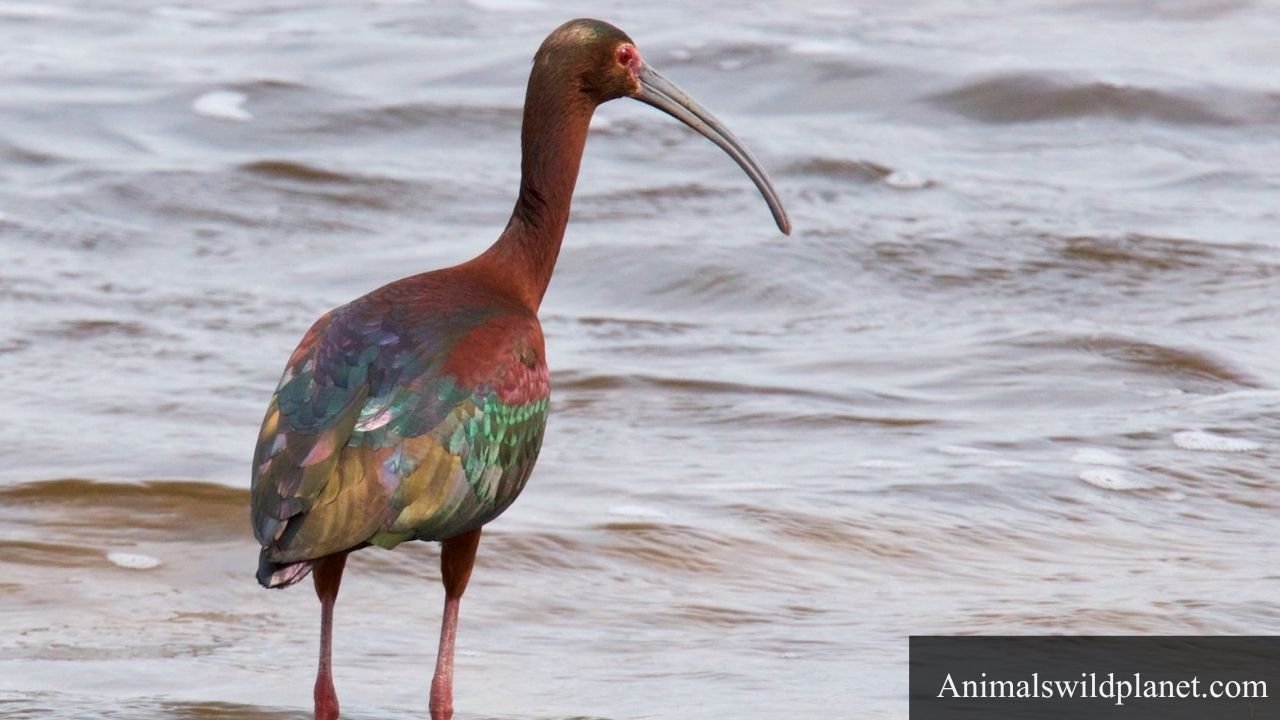
White-Faced Ibis
Scientific Name: Plegadis chihi
Class: Aves
Diet: Carnivore
The White-Faced Ibis, with its striking plumage and elongated legs, presents a graceful silhouette against wetland habitats. This bird’s long legs aren’t merely for show; they’re a vital adaptation that allows it to forage effectively in shallow waters, expertly probing the mud for invertebrates and crustaceans. Observing these birds as they navigate their environment reveals a delicate balance between elegance and utility, showcasing nature’s ingenuity.
What adds to the fascination is the White-Faced Ibis’s social behavior. Often found in large flocks, they exhibit a captivating display of synchronized movement, almost like a choreographed dance on water. This communal lifestyle not only aids in foraging but also offers protection against predators, making them a brilliant example of how cooperation and functionality are intertwined in the avian world. As you watch them wade gracefully, it’s easy to appreciate the evolution of such unique traits, each helping to carve out their niche in diverse ecosystems.
Limpkin
Scientific Name: Aramus guarauna
Class: Aves
Diet: Carnivore
The Limpkin, with its striking long legs, is often overshadowed by its more flamboyant avian relatives. Yet this wading bird offers unique charm, particularly in its haunting calls echoing through wetlands. Unlike many species, Limpkins primarily feast on apple snails, showcasing a specialized diet that reveals their adaptability. Observing them, one might notice their graceful movements, as they navigate through marshes, sometimes lifting those long legs with surprising elegance.
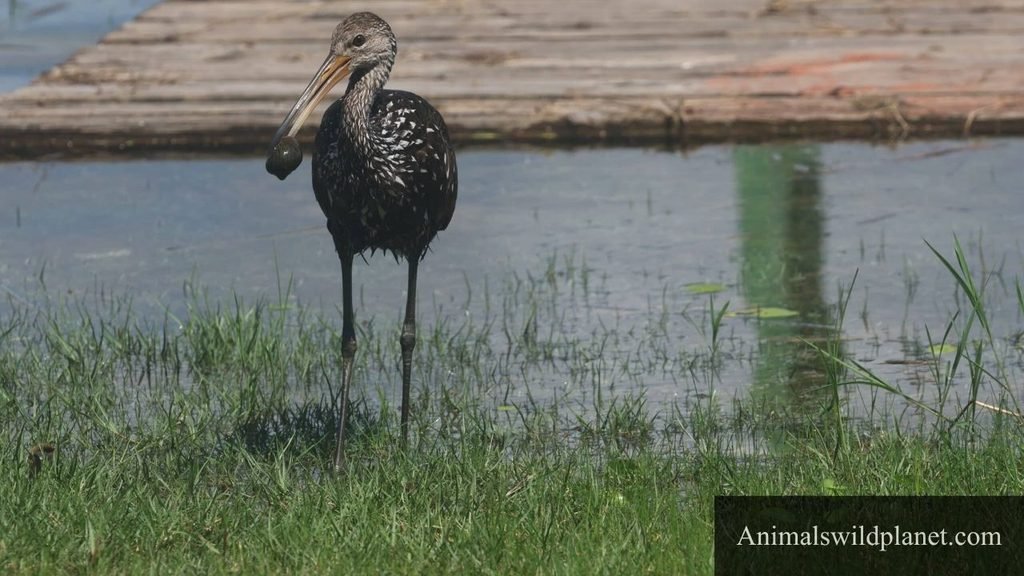
These birds have an intriguing social behavior, often seen in pairs or small groups, sharing foraging areas but maintaining a respectful distance. Their mottled brown plumage blends seamlessly into their surroundings, a perfect camouflage against predators. In a world where flashy feathers often steal the spotlight, Limpkins remind us that beauty can thrive in subtlety, embodying the delicate balance of life in their wetland habitats. Each sighting invites deeper appreciation for the ecosystem’s intricate web, where every creature — no matter how unassuming — plays a vital role.
Readmore: Explore Top 19 Scavenger Birds in The World.
Black-Winged Stilt
Scientific Name: Himantopus himantopus
Class: Aves
Diet: Carnivore
The black-winged stilt, with its strikingly elongated legs and bold contrast of black and white plumage, embodies elegance in avian form. These waders are not just visually stunning; their long legs are a remarkable adaptation for foraging in shallow waters. This unique morphology allows them to glean small invertebrates while navigating quickly through wetland habitats, showcasing a symbiotic relationship with their environments. Observing them in action — gingerly balancing on one leg while probing the water with their slender bills — can feel almost like witnessing a delicate dance.
Black-winged stilts exhibit fascinating social behaviors. Often found in flocks, they communicate through a series of sharp calls, reinforcing social bonds and coordinating their foraging activities. Interestingly, during breeding season, they engage in elaborate courtship displays, which involve synchronized movements and aerial acrobatics. These rituals not only foster pair bonding but also showcase the creativity inherent in their species. As climate change and habitat loss threaten their wetland ecosystems, the beauty and grace of the black-winged stilt serve as a potent reminder of the delicate balance we must strive to maintain in our natural world.
Jabiru
Scientific Name: Jabiru mycteria
Class: Aves
Diet: Carnivore
The Jabiru, a striking stork native to wetlands across Central and South America, commands attention not only for its impressive height but also for its unique ecological role. Standing at nearly five feet tall, the Jabiru boasts the longest legs of any stork species, which are perfectly adapted for wading through shallow waters. This impressive stature allows the bird to forage for fish, amphibians, and invertebrates while effortlessly navigating its marshy habitat. Observing a Jabiru in motion is a reminder of nature’s elegance; its long legs seem to glide over the water, an embodiment of grace and purpose.
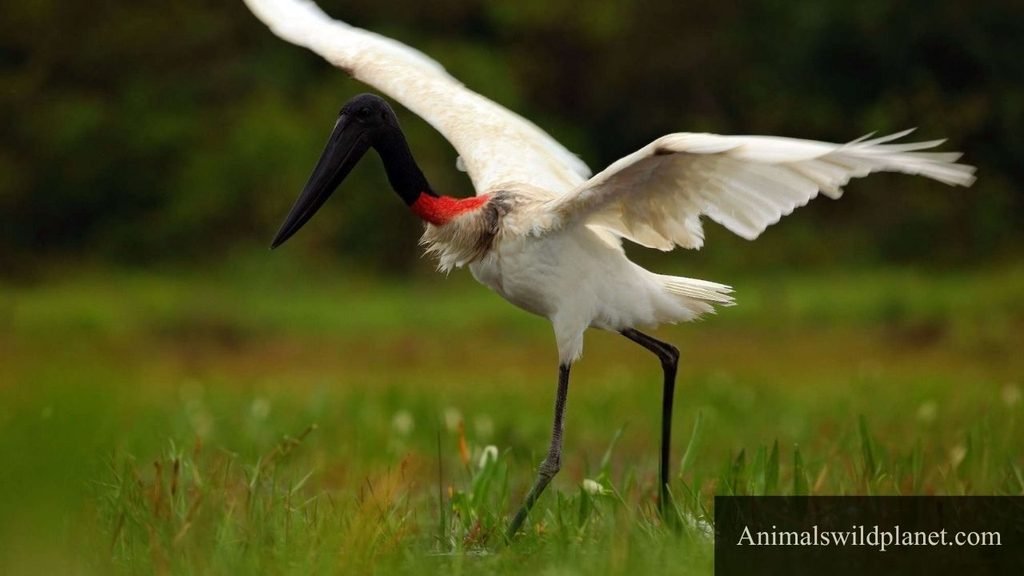
But the Jabiru’s significance extends beyond its physical attributes. As an apex predator in its environment, it plays a crucial role in maintaining ecological balance. By controlling fish populations, the Jabiru supports the health of its aquatic habitat, underscoring the interconnectedness of species within the ecosystem. However, like many wildlife species around the globe, the Jabiru faces threats from habitat destruction and climate change. Conservation efforts are essential not just for the survival of this magnificent bird, but also for the preservation of the delicate wetlands it represents. Each Jabiru sighting becomes not just a moment of beauty but an urgent reminder of our responsibility to protect the natural world.
Ostrich
Scientific Name: Struthio camelus
Class: Aves
Diet: Omnivore
The ostrich, a true marvel of the avian world, reigns as the tallest and heaviest bird, a formidable presence that captivates every observer. Its long, powerful legs, designed for velocity, can reach speeds of up to 45 miles per hour, making it the fastest bird on land. Unlike most birds that rely on flight, ostriches have evolved to thrive in sprawling savannas and open plains, showcasing an unparalleled adaptation to their environment. The graceful yet muscular limbs allow them to cover vast distances swiftly, hunting for food while evading predators.
But there’s more than just speed at play; their legs also serve as a form of defense. Artfully wielded, an ostrich can deliver a kick strong enough to deter even the most formidable threats. This dual functionality — speed and defense — reflects a fascinating aspect of their evolutionary journey. Beyond their impressive physical traits, ostriches have intricate social structures and unique behaviors, conveying rich narratives about survival in the wild. Observing these majestic birds reveals not just their physical prowess but also a deeper connection to the ecosystem they inhabit.
Sandhill Crane
Scientific Name: Antigone canadensis
Class: Aves
Diet: Omnivore
The Sandhill Crane, with its striking height and elegant grace, stands out not only for its long legs but also for its fascinating behaviors. These birds, soaring up to four feet tall, use their long limbs to navigate wetlands with finesse, moving through tall grasses and marshes to forage for seeds, insects, and small vertebrates. Yet, it’s not just about their physical prowess; these cranes are known for their elaborate courtship dances, where the males and females engage in synchronized movements that showcase their strength and agility, transforming their bipedal stride into a rhythmic display of elegance.
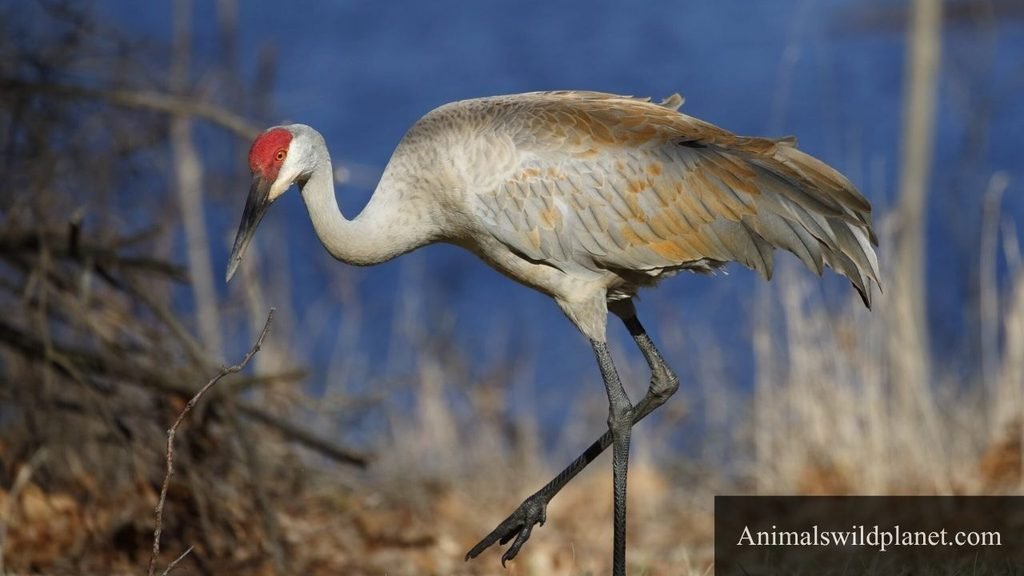
What’s remarkable about Sandhill Cranes is how they symbolize resilience and adaptability. Migrating thousands of miles between breeding and wintering grounds, they rely on social structures and vocalizations to maintain cohesion within their flocks. Their iconic calls resonate across vast landscapes, serving not just as communication cues but as a reminder of the deep connections that bind these avian travelers. In a world where many habitats face rapid changes, the Sandhill Crane’s ability to thrive in diverse environments — from wetlands to grasslands — reflects nature’s ingenuity and the intricate dance of survival.
Great Blue Heron
Scientific Name: Ardea herodias
Class: Aves
Diet: Carnivore
The Great Blue Heron, with its striking stature and elegant poise, commands attention among wetland inhabitants. Standing up to four feet tall, these birds are adept at balancing their long legs on slippery shores, expertly wading through shallow waters in search of fish and amphibians. Their long legs not only provide the ability to navigate varied aquatic environments but also serve as an advantage in spotting prey from afar, enhancing their hunting prowess.
What’s fascinating about the Great Blue Heron’s legs is how they function as a key tool in the art of stealth. Unlike many birds, which flutter and flinch, this patient predator uses its long limbs to silently stalk through marshy landscapes, blending seamlessly with the reeds and grasses. Observing one in action offers a rare glimpse into a world where time stands still — each deliberate step is a blend of grace and precision, enabling the heron to strike with unparalleled speed when the moment is just right. Beyond their striking physicality, these birds embody a quiet resilience, adapting to changing ecosystems while remaining an enduring symbol of tranquility in nature.
Emu
Scientific Name: Dromaius novaehollandiae
Class: Aves
Diet: Omnivore
Emus, the iconic flightless birds native to Australia, are a marvel of evolution, perfectly adapted to their environments with their long legs and powerful strides. Standing up to 6.6 feet tall, these birds can sprint at speeds of nearly 30 miles per hour, making them among the fastest running birds in the world. Their long legs are not just for show; they play a crucial role in thermoregulation, allowing emus to dissipate heat as they traverse the sunbaked Australian outback.
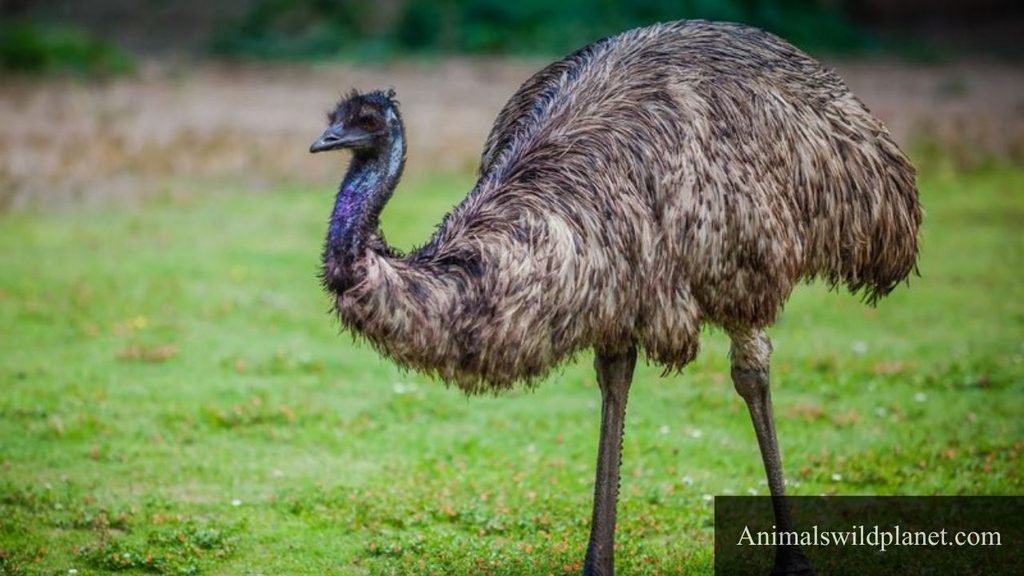
What’s particularly fascinating is how these long limbs serve a dual purpose. Emus are not only adept at escaping predators but are also skilled foragers, using their height to survey the landscape for food sources like seeds and fruits. In addition, their long legs help them navigate the diverse terrain of their habitat, from dense woodlands to open plains. Furthermore, the social structure of emus is intriguing; they often roam in groups, showcasing their leg strength and agility as they bond and communicate through a series of distinctive calls. This combination of physical prowess and social behavior adds depth to our understanding of these remarkable birds, making them a symbol of resilience and adaptability in the wild.
Purple Heron
Scientific Name: Ardea purpurea
Class: Aves
Diet: Carnivore
The Purple Heron, with its striking plumage and elongated legs, is a marvel of adaptability and grace. Unlike many wading birds, this species is particularly adept at navigating diverse habitats, from tranquil wetlands to bustling rice paddies. Its long legs enable it to wade through shallow waters with ease, allowing it to blend seamlessly into its environment while hunting for fish, frogs, and small invertebrates. Observers often notice the heron’s remarkable patience, standing motionless for long stretches, a strategic approach that underscores its mastery of stealth.
The Purple Heron’s long legs do more than just facilitate foraging; they also serve as a vital asset in evading predators. By maintaining distance from the water’s edge and using its height to scan the surroundings, the heron remains ever-vigilant. During the breeding season, these elegant birds take on vibrant hues and elaborate displays, showcasing not just their physical attributes but also their intricate social structures. This interaction within their flocks offers a glimpse into the complex dynamics of avian life, as they engage in courtship dances and vocalizations that resonate through the marshes, adding to the rich tapestry of sounds in their habitat.
Reddish Egret
Scientific Name: Egretta rufescens
Class: Aves
Diet: Carnivore
The Reddish Egret showcases its long legs with a grace that captivates birdwatchers and nature enthusiasts alike. These striking waterbirds sport a mix of reddish-brown and gray plumage, allowing them to blend seamlessly into their coastal habitats. What sets the Reddish Egret apart, however, is not just its striking colors but its unique hunting style, which often resembles a dance. With a series of erratic lunges and swift movements, these birds chase fish through shallow waters, a performance that turns their everyday survival into an art form.
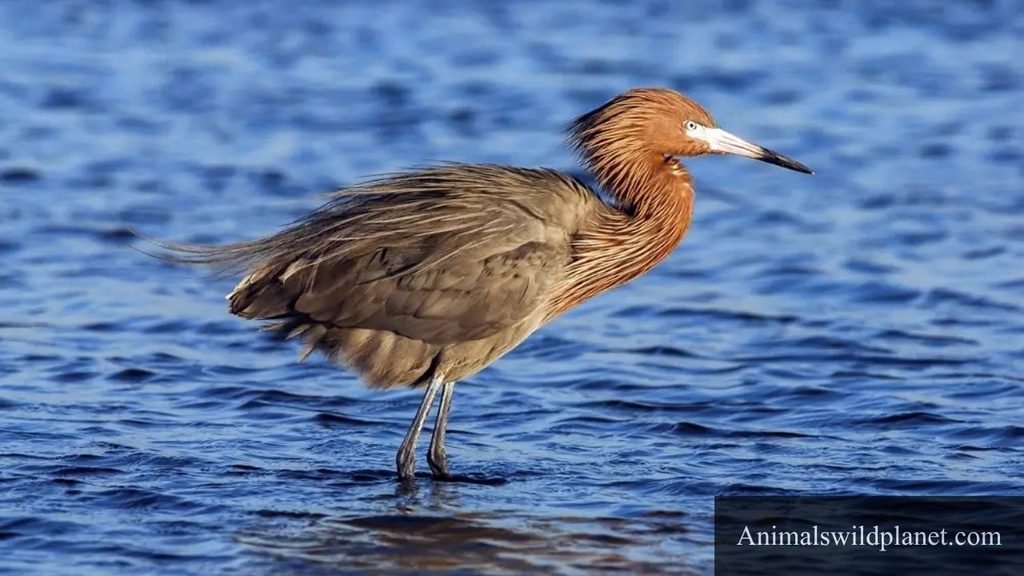
Beyond their captivating appearance and fascinating antics, Reddish Egrets play a critical role in their ecosystems. By keeping fish populations in check, they help maintain ecological balance, working alongside other shorebirds to create a symphony of life along coastal wetlands. Their social structures are equally intriguing; they can often be seen foraging in groups, displaying a level of camaraderie that speaks to avian adaptability. As climate change and habitat loss threaten their fragile environments, the Reddish Egret serves as a poignant reminder of the importance of preserving natural habitats, not just for their survival, but for the delicate interconnections that sustain all life.
Sarus Crane
Scientific Name: Antigone antigone
Class: Aves
Diet: Omnivore
The Sarus Crane, a majestic figure soaring gracefully across the wetlands of India, Nepal, and Australia, stands out not only for its impressive height but also for its remarkable adaptability. With legs that can reach up to six feet long, these cranes are masterful foragers, utilizing their towering stature to wade through shallow waters and reach aquatic plants and small animals often hidden beneath the surface. This unique adaptation allows them to thrive in diverse habitats, from rice paddies to marshlands, showcasing a stunning example of nature’s ingenuity.
What’s truly captivating about the Sarus Crane is its intricate social behavior and romantic rituals. Known for their monogamous pair bonds, these cranes engage in elaborate courtship dances that involve synchronized movements, head bobbing, and majestic leaps. Observing this behavior not only highlights the bond between the pair but also reflects a deep cultural significance; in many regions, the Sarus is a symbol of love and loyalty. As these elegant birds gracefully navigate their environment, they remind us of the delicate interplay between beauty, resilience, and the intricate ecosystems they inhabit.
Roseate Spoonbill
Scientific Name: Platalea ajaja
Class: Aves
Diet: Carnivore
The Roseate Spoonbill, with its striking pink plumage and uniquely elongated legs, is more than just a visual marvel; it’s a testament to nature’s ingenuity. Found mainly in shallow wetlands across the southern United States, Central America, and parts of South America, these birds have adapted remarkably to their environment. Their long legs facilitate wading through murky waters, allowing them to forage effectively for fish, crustaceans, and aquatic insects. While their vibrant color is captivating, it’s important to note that this hue comes from the carotenoids in their diet, making them living canvases of their nutritional choices.
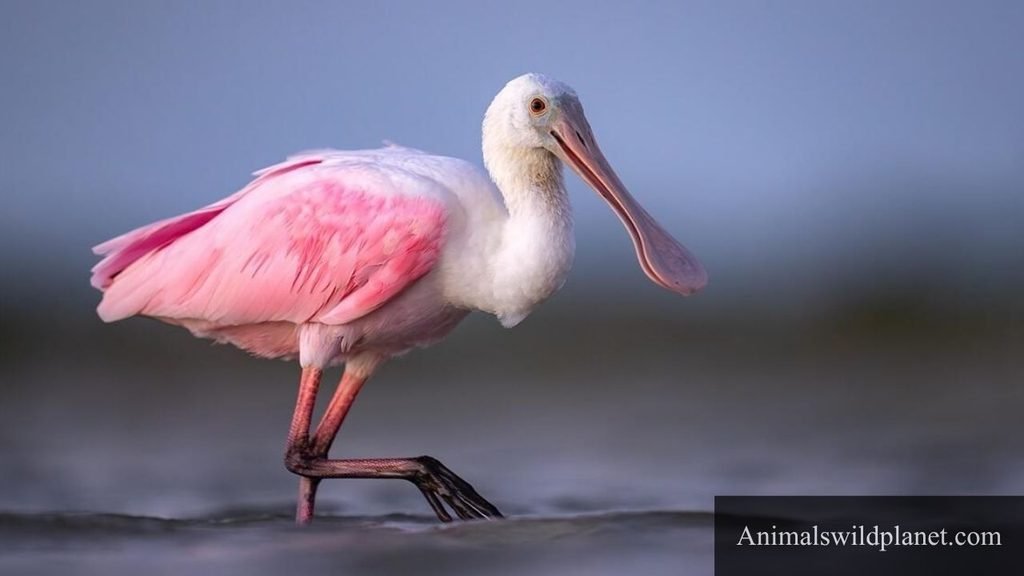
Roseate Spoonbills exhibit fascinating social behaviors, often nesting in colonies where they engage in elaborate courtship displays. Their spoon-shaped bills are not just for show; they serve as remarkable tools for locating food by sweeping side-to-side through the water. Observing a flock in flight, one cannot help but be struck by the elegance with which these birds navigate the air and land — a perfect harmony of form and function. As they flourish in their habitats, they serve as indicators of ecosystem health, reminding us of the delicate balance within our wetlands. Thus, the Roseate Spoonbill is not only a symbol of beauty but also a vital player in the ecological tapestry of its world.
Flamingo
Scientific Name: Phoenicopterus roseus
Class: Aves
Diet: Omnivore
Flamingos are not just remarkable for their long legs; they embody a unique adaptation that allows them to thrive in shallow waters. These elegant birds possess a highly specialized feeding technique known as filter feeding. By wading through murky lagoons, flamingos utilize their elongated necks and specialized beaks to extract algae, crustaceans, and other small organisms, turning their colorful diet into the vibrant pink hues we associate with them.
Their long legs serve more than just a practical purpose; they are also a stunning example of evolution in action. These limbs provide not only the ability to traverse deeper waters but also an innate grace that captivates observers. In a fascinating social twist, flamingos often gather in large flocks, synchronizing their movements, which enhances their survival by confusing potential predators with a mesmerizing display of color and rhythm. This elegant dance showcases how something as simple as long legs can play a pivotal role in the beauty and complexity of avian life.
Cattle Egret
Scientific Name: Bubulcus ibis
Class: Aves
Diet: Carnivore
The Cattle Egret, with its striking white plumage and distinctively long legs, is an avian marvel often found in open fields and pastures. Unlike many of its heron cousins, this bird has adapted remarkably to human-altered landscapes, frequently seen foraging alongside livestock. This symbiotic relationship provides a unique ecological advantage; as cattle roam, they disturb insects hidden in the grass, turning the ground into a buffet for the attentive Cattle Egret.
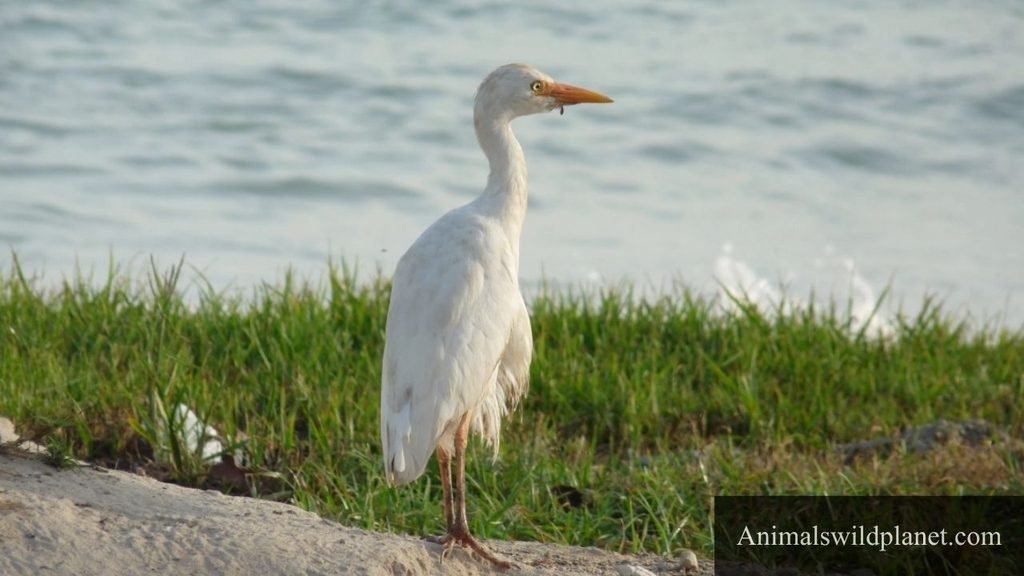
Cattle Egrets have evolved behaviorally to thrive in various environments. Their versatility extends beyond foraging, as they often display impressive migratory patterns, traveling great distances in search of food. Adaptability, however, doesn’t mean they lack elegance; their long legs and delicate stature give them a graceful presence as they navigate the wetland edges and dry fields alike. Watching them during a sunrise is often a mesmerizing sight — a reminder of how wildlife finds its niche amidst human influence.
Wood Stork
Scientific Name: Mycteria americana
Class: Aves
Diet: Carnivore
The Wood Stork, with its strikingly elongated legs, is a master of both grace and purpose in the wetlands it inhabits. Typically found wading through shallow waters, these birds possess a distinct advantage when foraging for food. Their long legs enable them to hunt for fish, crustaceans, and amphibians in murky waters where other birds may struggle to navigate. This adaptation not only speaks to their evolutionary prowess but also showcases the delicate balance of ecosystems they contribute to, acting as both predator and indicator of environmental health.
The Wood Stork’s social dynamics during nesting season reveal a fascinating aspect of their behavior. They tend to form large colonies, often sharing nesting sites with other species, which enhances the safety of their young from potential predators. The unique sound of their communication — an assortment of clattering sounds — adds a symphony to the airwaves of their chosen habitats. Observing these remarkable birds not only provides insight into their ecological roles but also highlights the importance of preserving their wetland environments, encouraging a deeper appreciation for the intricate tapestry of life they represent.
Secretary Bird
Scientific Name: Sagittarius serpentarius
Class: Aves
Diet: Carnivore
The Secretary Bird, with its strikingly long legs, is more than just a remarkable sight in the open African savannah; it’s an astonishing predator. Standing nearly four feet tall, this bird employs its elongated limbs with incredible precision, using them to stomp out venomous snakes and other prey. What’s particularly fascinating is the bird’s unique hunting style; it combines agility with brute force, delivering powerful strikes that can incapacitate even the most formidable of serpents.
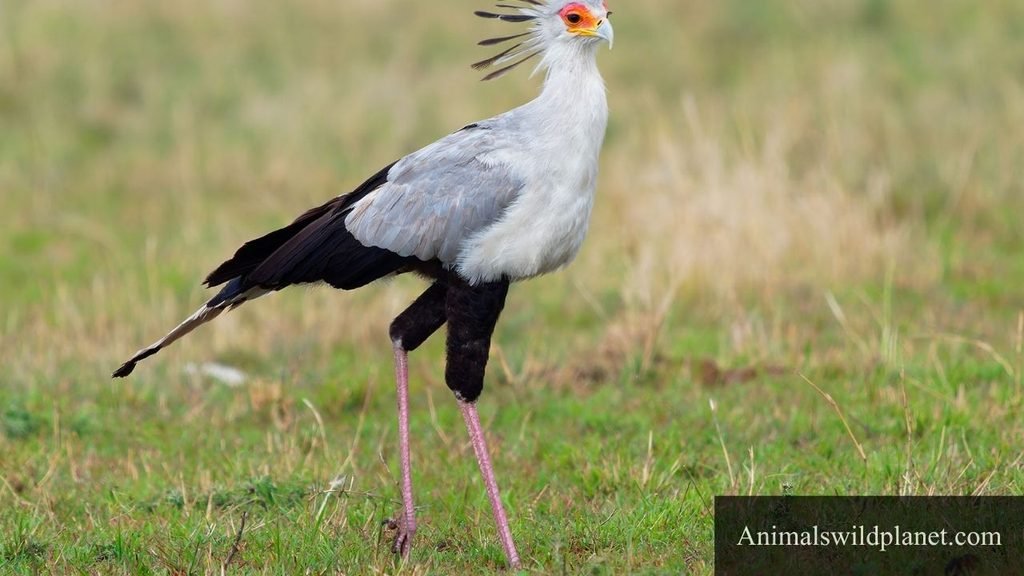
Beyond its prowess as a hunter, the Secretary Bird carries cultural significance across many African societies. Often seen as a symbol of perseverance and adaptability, it embodies the spirit of the African landscape. The bird’s interesting behavior — such as its elaborate courtship displays, characterized by energetic hopping and fluffing of feathers — further showcases its captivating nature. Observing these graceful yet formidable creatures in the wild can inspire a deep appreciation for the interconnectedness of ecosystems and the role every species plays in the balance of nature.
Snowy Egret
Scientific Name: Egretta thula
Class: Aves
Diet: Carnivore
The Snowy Egret, with its striking white plumage and elegant long legs, embodies grace and adaptability. These slender legs elevate the bird above the water’s surface, allowing it to wade through shallow marshes and tidal areas without disturbing the aquatic ecosystem. This unique adaptation not only aids in hunting but also showcases the delicate balance they maintain while navigating their environments.
What sets the Snowy Egret apart is its remarkable hunting technique, characterized by a series of quick, decisive movements. The bird uses its long legs to stir up the water and flush out fish, shrimp, and other small prey, demonstrating a fascinating blend of strategy and precision. Observing one in action is a reminder of nature’s intricate rhythms; as the egret strikes with lightning speed, it reveals the vitality of life beneath the surface.
Shoebill
Scientific Name: Balaeniceps rex
Class: Aves
Diet: Carnivore
The Shoebill, with its strikingly large bill and elongated legs, is not just a peculiar-looking bird but also a fascinating predator adept at navigating its swampy habitat. Towering up to five feet tall, its long legs provide the perfect leverage for wading through murky waters, where it can easily spot its primary prey — lungfish. Watching a Shoebill in action showcases its remarkable hunting technique: standing still for long periods, it expertly waits for the unsuspecting fish to come within reach, then strikes with unmatched precision.
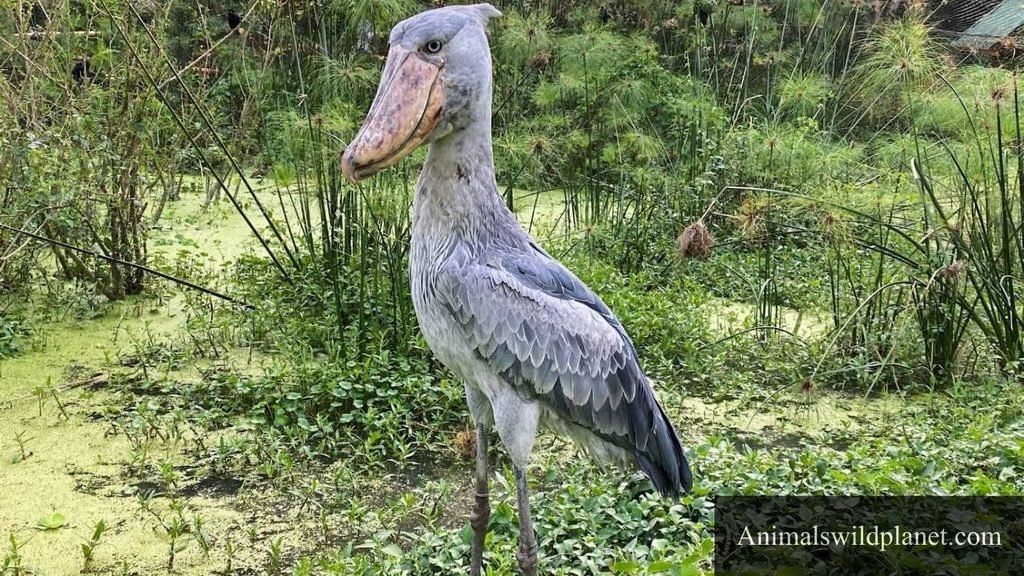
But what truly sets the Shoebill apart is its unique behavioral traits that extend beyond hunting. Known for its contemplative disposition, this bird engages in what appears to be moments of deep reflection, often standing motionless for hours. This behavior intrigues ornithologists who speculate that it could be linked to its hunting strategy or perhaps a form of communication with mates. The juxtaposition of its majestic presence and seemingly stoic demeanor invites observers to ponder the mysteries of adaptation and survival in the wild, reinforcing the idea that beauty often exists in the most unexpected forms.
Whooping Crane
Scientific Name: Grus americana
Class: Aves
Diet: Omnivore
The Whooping Crane stands out not only for its striking white plumage and robust stature but also for its extraordinary legs that seem almost to defy proportion. These long legs are perfectly adapted for wading through shallow marshes and wetlands, allowing the species to forage for fish, crustaceans, and plants hidden beneath the water’s surface. With a height of up to five feet, their lofty presence is both mesmerizing and functional, making them expert travelers in their migratory routes across North America.
But beyond their physical attributes, the Whooping Crane’s lengthy legs symbolize the fragility of their existence. Once teetering on the brink of extinction, conservation efforts have brought them back from the edge, revealing a story of resilience nestled within those tall, elegant stilt-like legs. As they glide gracefully over their habitats, they not only capture the admiration of bird watchers but also serve as vital indicators of ecosystem health. Each stride in their delicate dance is a reminder of the intricate balance between nature and humanity, urging us to continue our commitment to preservation and sustainability.
Great Egret
Scientific Name: Ardea alba
Class: Aves
Diet: Carnivore
The Great Egret stands as a magnificent emblem of grace and elegance among birds with long legs. Its striking white plumage contrasts beautifully with the lush wetlands it inhabits, creating a visual allure that captivates birdwatchers and nature enthusiasts alike. These statuesque birds are not just about looks; their long legs serve a vital purpose, allowing them to wade through deep waters with poise as they hunt for fish, frogs, and crustaceans. Observing them in their natural habitat reveals a choreography of patience and precision, a testament to their adaptability.
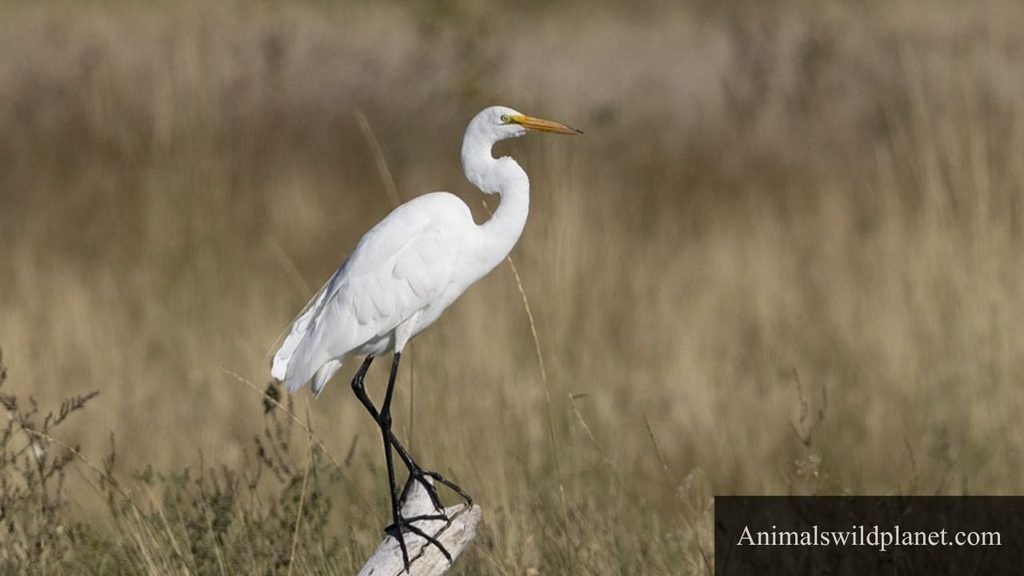
Tthe Great Egret has transcended its role as a mere avian predator to become a symbol of conservation efforts worldwide. Once hunted extensively for its elegant plumes, the species faced drastic declines, leading to early conservation movements aimed at protecting both the bird and the wetlands it depends on. Today, as we marvel at their beauty, we’re reminded of the essential link between wildlife and habitat preservation. The Great Egret not only enchants with its presence but also inspires a deeper commitment to environmental stewardship, making each sighting a celebration of nature’s resilience.
Scarlet Ibis
Scientific Name: Eudocimus ruber
Class: Aves
Diet: Carnivore
The Scarlet Ibis, a striking bird often seen wading through the shallow wetlands of South America and the Caribbean, captivates not only with its vibrant red plumage but also its elegant long legs. These limbs are more than just an aesthetic feature; they are crucial for navigating the intricate ecosystems of marshes and estuaries. With a body designed for grace, the Ibis uses its long legs to probe the mud for crabs, insects, and other delicacies, displaying a level of foraging sophistication that mirrors its colorful appearance.
The Scarlet Ibis’s striking coloration is closely linked to its diet. The bird’s vibrant hue comes from carotenoid pigments found in the crustaceans it consumes. This nutritional connection highlights a fascinating aspect of the species: its beauty is not merely skin-deep but a reflection of its ecological role. Even more intriguing is how these long-legged wonders engage in social dynamics during feeding; flocks often synchronize their movements, creating a mesmerizing dance as they forage together. Observing this behavior provides an invaluable lesson about the interconnectedness of species and their environments, reminding us that beauty in nature often stems from a deeper purpose.
Gray Heron
Scientific Name: Ardea cinerea
Class: Aves
Diet: Carnivore
The gray heron, with its striking stature and elegant long legs, is a master of its environment, gracing wetlands and shores across Europe, Asia, and Africa. These birds possess an innate grace that belies their formidable hunting prowess. With the ability to stand silently for hours, they blend seamlessly into their surroundings, waiting patiently for unsuspecting fish and amphibians to draw near. This blend of patience and precision underscores the heron’s adaptability in diverse habitats, from serene lakes to bustling riverbanks.
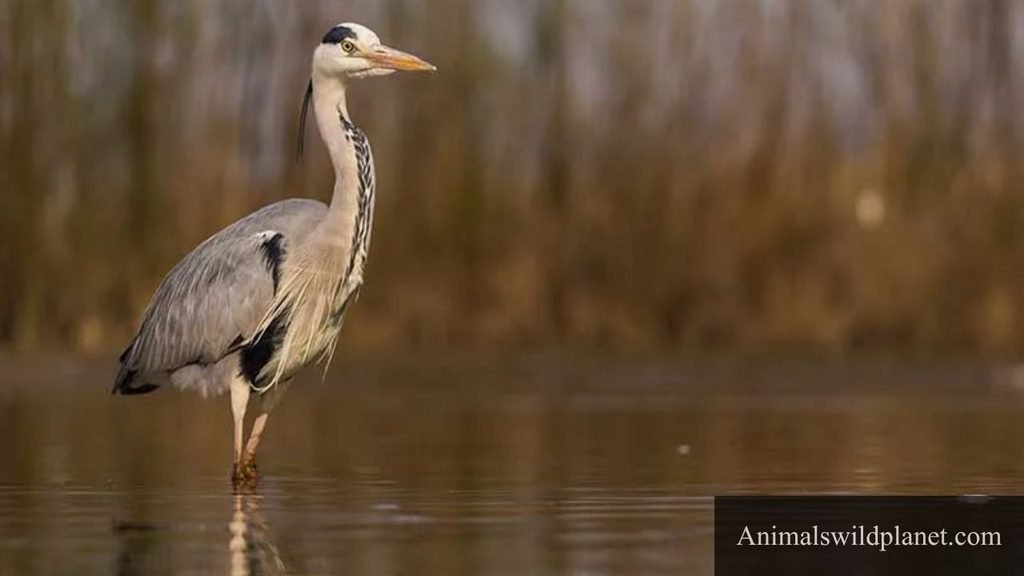
What’s truly mesmerizing about the gray heron is its remarkable breeding behavior. During the nesting season, these birds gather in colonies, often returning to the same location year after year. Here, they engage in elaborate courtship displays that showcase not only their physical charms but also their intelligence and social structures. Observing these interactions reveals a complex social dynamic, highlighting the heron’s dual life of solitary hunter and communal nurturer. As they return to their nests, they embody not just the elegance of their long legs but also the intricate balance between independence and cooperation in the avian world.
Readmore: Explore Top 27 Most Energetic Animals.
Final Thoughts
Birds with long legs showcase incredible adaptations that allow them to thrive in diverse environments. Their elongated limbs not only assist in hunting and foraging but also enable them to navigate challenging terrains with ease. From the graceful heron wading through shallow waters to the elegant flamingo balancing on one leg, these avian species captivate our imagination. Understanding their unique physiological traits can deepen our appreciation for the complexities of nature. As we continue to explore the world of birds, let us remain mindful of the vital roles they play in our ecosystems and commit to their protection.
FAQs
What are some examples of small birds with long legs?
Some small birds with long legs include the Sandpiper, which is often seen along shorelines. They have slender legs that help them wade through shallow water in search of food. Another example is the Black-winged Stilt. These birds are known for their striking black and white plumage and incredibly long legs, allowing them to navigate wetlands efficiently.
What bird has long, skinny legs?
The bird with long, skinny legs that often comes to mind is the heron. Herons are wading birds found near freshwater and coastal environments. Their slender legs help them navigate through water while hunting for fish and other aquatic prey. Another notable example is the stilt, especially the black-necked stilt. These birds are characterized by their exceptionally long legs, which elevate them above the water and allow for efficient foraging.