Top 27 Most Energetic Animals (With Pictures)
In the animal kingdom, energy and agility often determine survival, making certain species the epitome of vitality. In this article, we’ll explore the most energetic animals on the planet, delving into their fascinating behaviors and adaptations. By the end, you’ll not only marvel at their extraordinary capabilities but also understand how their energy plays a crucial role in their ecosystems.
List of Most Energetic Animals in The World
Here is the list energetic animals in the world:
- Sea Otters
- Arabian Horse
- Honeybees
- Jack Russell Terrier
- Dolphins
- Swallow
- Meerkat
- Red Fox
- Border Collies
- Hummingbirds
- Ants
- Siberian Husky
- Arctic Tern
- Capuchin Monkey
- Kangaroos
- African Wild Dogs
- Squirrel
- Adélie Penguin
- Pronghorn
- Wolf
- Baby Goats
- Cheetahs
- Shrews
- Mustang Horse
- Chimpanzee
- Tasmanian Devil
- Squirrel Monkeys
Sea Otters
Scientific Name: Enhydra lutris
Class: Mammalia
Diet: Carnivore
Sea otters, often seen floating lazily on their backs, are deceptively energetic creatures. These agile marine mammals are equipped with incredible dexterity, using their nimble paws to manipulate tools in their quest for food. In fact, they are one of the few animal species known to use rocks to crack open shellfish, showcasing not only their intelligence but also their playful nature. Observing a sea otter diving to the ocean floor, gathering food, and then returning to the surface is a fascinating display of efficiency and energy.
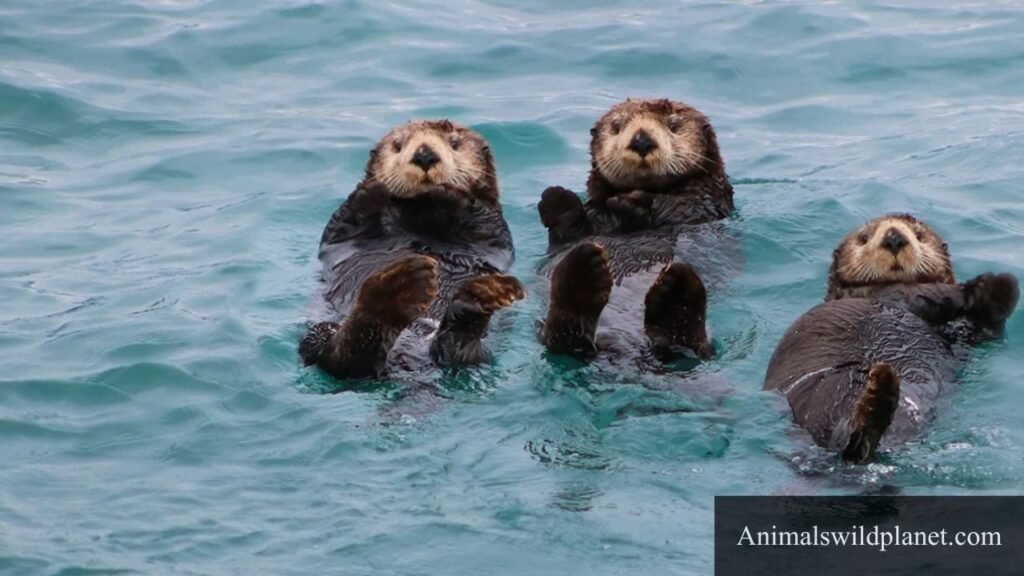
Beyond their foraging prowess, sea otters are social beings that exhibit energetic interactions with each other. They often engage in playful antics, tumbling and chasing one another in the water, which serves not only as a form of social bonding but also as an essential exercise that keeps them fit. Their thick fur, consisting of nearly a million hair strands per square inch, is critical for insulation in frigid waters and contributes to their lively lifestyle, as they spend hours grooming to maintain its warmth. This unique blend of high energy, intelligence, and social behavior makes sea otters a captivating subject of study and a true testament to nature’s wonders.
Arabian Horse
Class: Mammalia
Diet: Herbivore
The Arabian horse stands out not just for its striking beauty, but for an unparalleled synergy of energy and endurance that has fascinated equestrians for centuries. Renowned for their agility and stamina, these horses can sustain intense activity over long distances, making them a favorite among endurance riders. With their distinctive dished faces and strong, muscular builds, Arabians capture the spirit of vitality. Their natural inclination for speed and agility allows them to navigate various terrains with grace, showcasing a unique resilience that has been refined through generations of selective breeding.
What sets Arabian horses apart is not merely their physical prowess but also their spirited temperament. Known for their high intelligence and sensitivity, they form profound bonds with humans, often displaying an eagerness that can energize even the most novice rider. This emotional connection amplifies their energy, creating a dynamic partnership that transcends mere physical ability. Whether racing across the desert sands or navigating a wooded trail, the Arabian horse embodies an exuberance that is both infectious and inspiring.
Honeybees
Scientific Name: Apis
Class: Insecta
Diet: Herbivore
Honeybees are the quintessential symbols of energy and cooperation in the animal kingdom. These tiny powerhouses can flap their wings up to 200 times per second, creating a mesmerizing buzz that’s as much a part of their identity as their intricate hives. Beyond their impressive flight mechanics, honeybees display a remarkable work ethic; a single bee can visit up to 2,000 flowers in a day, tirelessly extracting nectar and spreading pollen crucial for plant reproduction. This relentless foraging is not just a survival tactic but a vital service that underscores the interconnectedness of our ecosystems.
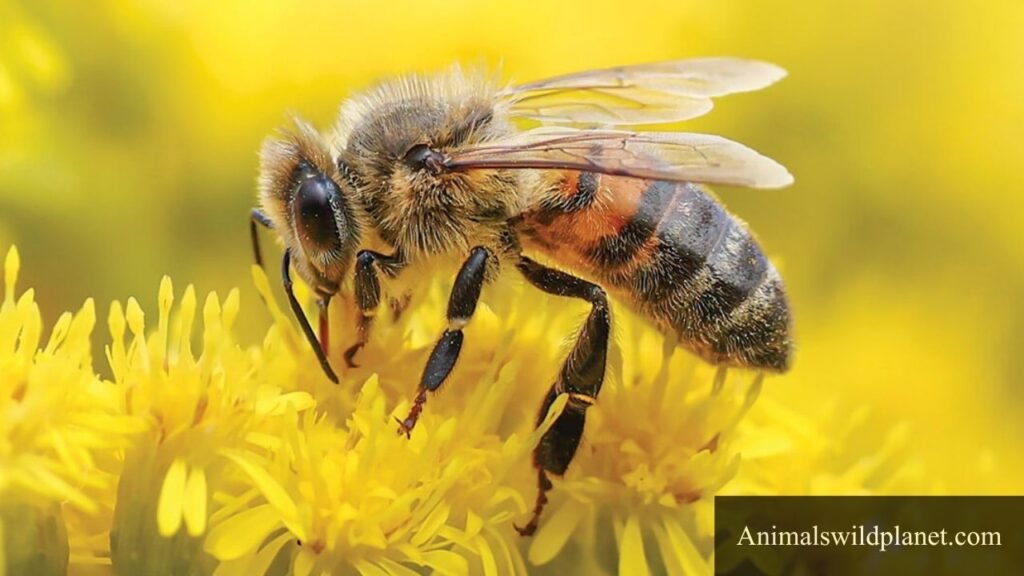
What makes honeybees truly fascinating is the sophisticated communication system they employ to coordinate their efforts. The iconic “waggle dance” enables them to share precise locations of food sources with fellow hive mates, showcasing a level of social intelligence that rivals many higher organisms. This behavior reinforces the idea that energy is not just about physical stamina; it’s also about the ability to work together seamlessly, multiplying their collective impact.
Readmore: Explore Top 19 Most Patient Animals In The World.
Jack Russell Terrier
Class: Mammalia
Diet: Omnivore
The Jack Russell Terrier is a bundle of energy packaged in a small, agile frame. Renowned for their unwavering enthusiasm, these dogs are not just companions but true athletes at heart. Originally bred for fox hunting, their explosive bursts of speed and remarkable endurance allow them to thrive in various activities, from agility competitions to exhilarating fetch sessions in the park. Their boundless spirit is often contagious, inspiring owners to engage in active lifestyles.
These intelligent pups require more than just physical exercise; they thrive on mental stimulation as well. Interactive games like puzzle toys or scent-work challenges keep their keen minds busy, preventing boredom-driven antics that might otherwise lead to mischief. Whether it’s running through obstacles or solving complex tasks, Jack Russells excel in environments where their energy and wit can shine, proving that a stimulated mind is just as important as a tired body.
Dolphins
Scientific Name: Delphinidae
Class: Mammalia
Diet: Carnivore
Dolphins are like the acrobats of the ocean, exhibiting an incredible blend of agility, intelligence, and playfulness that captivates anyone fortunate enough to witness them. Their streamlined bodies and powerful tails allow them to travel at speeds over 20 miles per hour, making them not just swift, but truly mesmerizing as they leap and flip gracefully out of the water. This kind of agility is not just for show — dolphins use these skills to communicate and socialize, often engaging in synchronized swimming that showcases their complex social structures.
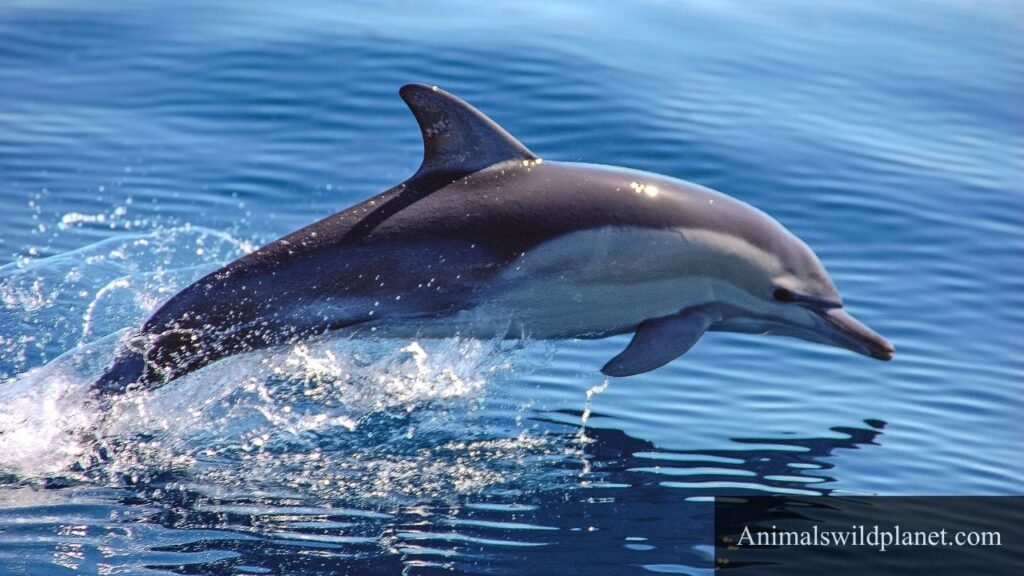
Beyond their physical prowess, dolphins possess an extraordinary level of intelligence, often forming intricate social bonds and displaying behaviors that indicate problem-solving capabilities. Their playful nature leads them to engage in games, both with one another and with other marine creatures, enhancing their social interactions and reinforcing community ties. This vibrant energy also manifests in their playful behavior towards humans, often swimming alongside boats or delighting onlookers with a spontaneous display of flips and spins.
This combination of energetic movement and deep social connections makes dolphins not only remarkable athletes but also ambassadors of the ocean, reminding us of the wonders of the natural world. As we learn more about these dynamic creatures, we gain insights into the importance of preserving their habitats and the delicate ecosystems they inhabit, inspiring a deeper appreciation for the lively heartbeat of our oceans.
Swallow
Scientific Name: Hirundinidae
Class: Aves
Diet: Insectivore
Swallows, with their sleek bodies and graceful flight, embody the essence of energy in the animal kingdom. Known for their incredible aerial acrobatics, these birds can pivot and dive with astonishing precision, allowing them to catch insects midair. Their migration patterns further exemplify their vigor; some species traverse thousands of miles, moving between diverse climates in search of food and nesting sites. This remarkable journey not only highlights their endurance but also their adaptability to various environments.
What’s truly captivating about swallows is their social structure. They thrive in colonies, often nesting in groups that can transform mundane structures into bustling avian communities. This communal lifestyle lends a vibrant energy to their surroundings, as the rhythmic chirping and synchronized flight create a stunning display. Their strong bonds and cooperative behaviors showcase a deeper layer of vitality — swallows aren’t just energetic in motion; they exemplify the power of collective strength and playfulness in nature. This charismatic spirit makes swallows not just symbols of vitality, but reminders of the joy found in communal ties.
Meerkat
Scientific Name: Suricata suricatta
Class: Mammalia
Diet: Omnivore
Meerkats are the ultimate embodiment of energy in the animal kingdom, known for their spirited social structures and playful antics. Found primarily in the arid regions of southern Africa, these small mammals thrive in tightly-knit family groups, where each member contributes to the community’s survival. Their dynamic communication, which includes a range of vocalizations and body language, not only fosters cooperation but also amplifies their energetic presence. Watching a group of meerkats stand sentinel, sentinels alert to the world around them, showcases their vibrant, watchful spirit as they balance the joys of companionship with the duties of guarding against predators.
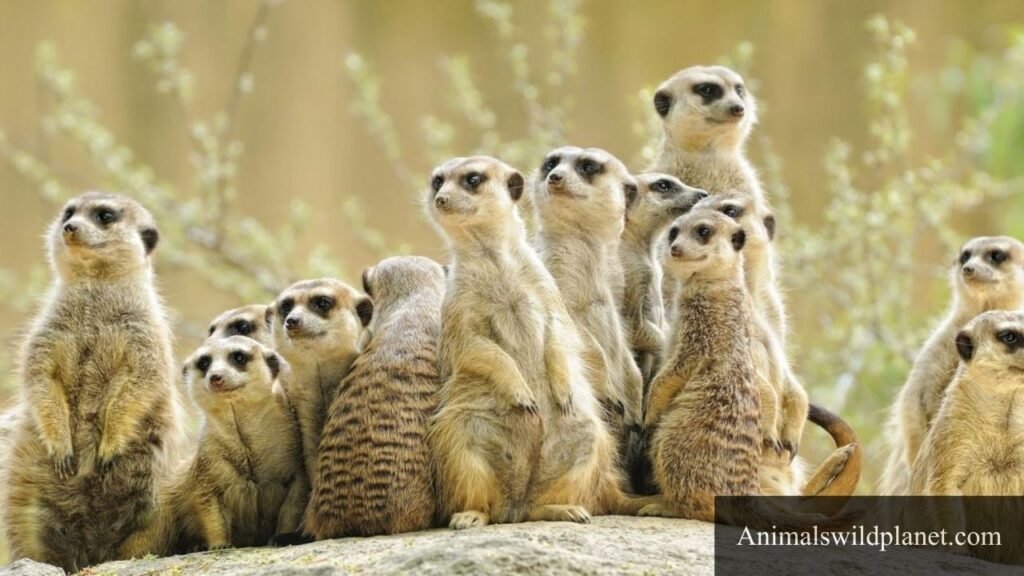
Intriguingly, meerkats showcase a fascinating blend of playfulness and vigilance. Their energetic burrows, meticulously dug for shelter and safety, become playgrounds during the day, where they engage in wrestling, chasing, and even sunbathing. This playful behavior isn’t just for fun — it’s an essential part of their development and social bonding, reinforcing the group’s cohesion. Furthermore, their instinctual coordination during foraging expeditions reflects a remarkable synergy, as they work together to uncover food while maintaining a heightened sense of alertness.
Red Fox
Scientific Name: Vulpes vulpes
Class: Mammalia
Diet: Omnivore
The red fox, with its vibrant coat and cunning demeanor, is a creature that embodies both agility and adaptability. Commonly seen darting through fields or basking in the sun, these animals are more than just picturesque wildlife; they are strategic hunters, employing a fascinating technique called “mousing.” By listening intently to the sounds beneath the snow, a red fox can pinpoint the movements of small rodents, launching itself through the frost to capture its meal with astonishing precision. This unique hunting method not only showcases their physical prowess but also highlights their acute sensory perception, making them masters of their environment.
Beyond their hunting skills, red foxes are renowned for their social structures and communication abilities. They utilize a range of vocalizations, from barks to screams, to convey messages to one another. This intricate language allows them to maintain contact within their family groups, often resulting in playful interactions that seem almost like a dance of sorts. Interestingly, red foxes also demonstrate a remarkable level of intelligence, employing problem-solving skills that rival those of many domesticated pets.
Border Collies
Class: Mammalia
Diet: Omnivore
Border Collies are often celebrated for their remarkable intelligence and boundless energy, but what truly sets them apart is their unparalleled work ethic and drive. Originally bred for herding livestock, these dogs possess an innate ability to think independently and solve problems, making them not just excellent companions, but also formidable partners in a variety of dog sports. Their agility and stamina enable them to excel in activities such as agility courses, frisbee, and even flying disc competitions, showcasing their need for both mental and physical stimulation.
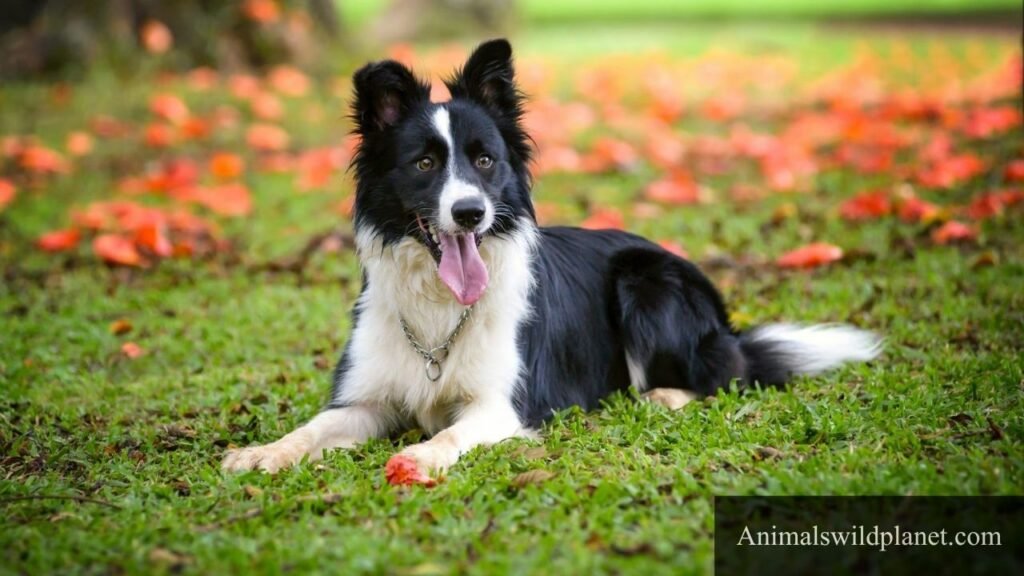
Moreover, deepening the bond with a Border Collie goes beyond just physical exercise; it requires engaging their minds. Interactive puzzle toys, obedience training, and scent work can keep their perceptive minds busy, providing an outlet for their natural instincts. While they thrive in dynamic environments, it’s essential to personalize their routines, ensuring that daily adventures — whether it’s a long hike or a game of fetch — keep them both physically satisfied and mentally challenged.
Hummingbirds
Scientific Name: Trochilidae
Class: Aves
Diet: Omnivore
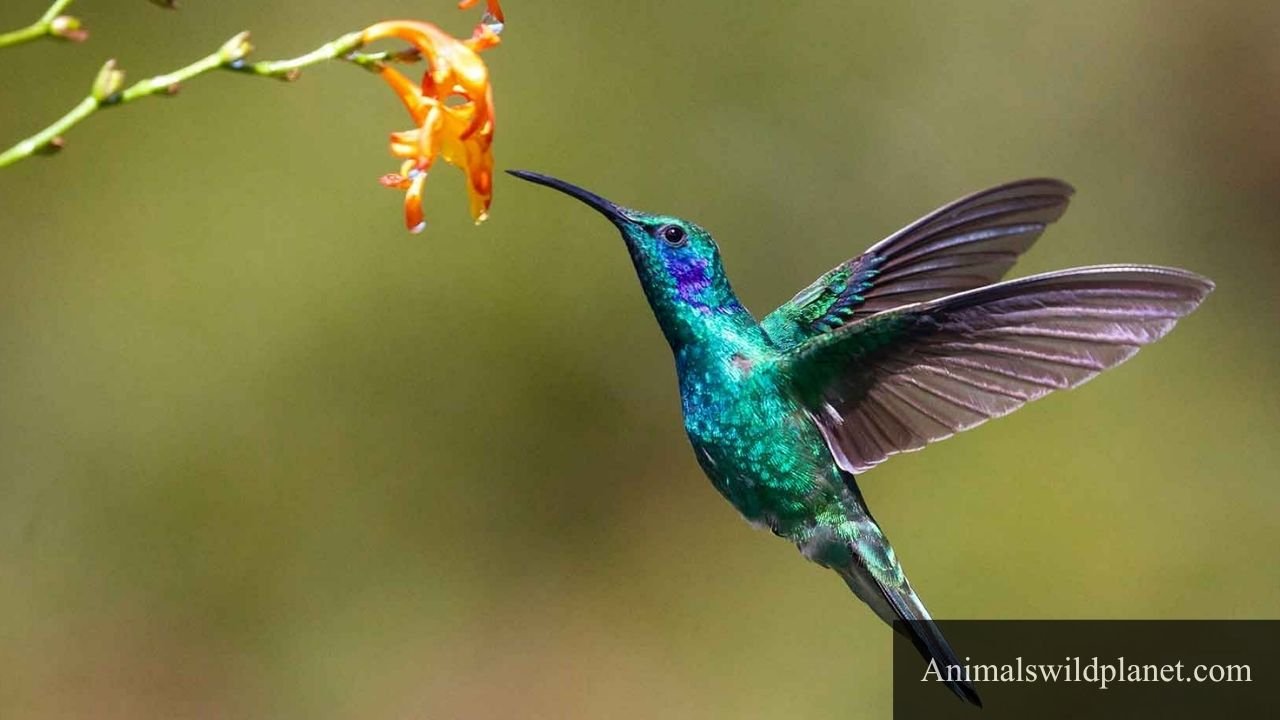
Hummingbirds are often celebrated for their dazzling iridescence and remarkable agility, but their energetic lifestyle offers deeper insights into their ecological significance. These tiny aviators flap their wings at an astounding rate of up to 80 beats per second, creating a mesmerizing blur of colors that enables them to hover seamlessly while sipping nectar from flowers. This unique adaptation not only fuels their own energy requirements but also plays a crucial role in pollination, making them unsung heroes of the ecosystem. With their high metabolism, a hummingbird can consume twice its body weight in nectar daily, transforming their feeding habits into a dance of sustainability.
Moreover, their migratory patterns reveal a fascinating resilience and adaptability. Some species travel thousands of miles between breeding and wintering grounds, showcasing an instinctual drive that mirrors the tenacity of many larger mammals. As these birds journey across expansive distances, they face numerous challenges, including extreme weather and dwindling food sources, yet they persevere. This ability to thrive in varying environments invites reflection on the challenges faced by wildlife amidst climate change, urging us to consider how we can protect these vibrant creatures and their habitats.
Ants
Scientific Name: Formicidae
Class: Insecta
Diet: Omnivore
Ants are some of the most energetic creatures on the planet, bustling about with an unparalleled drive and efficiency that can leave onlookers in awe. These tiny powerhouses form complex societies, showcasing a level of organization and communication that rivals even the most sophisticated human enterprises. Their ability to coordinate and mobilize quickly in response to environmental changes highlights a remarkable intelligence rooted in instinct, making them not just survivors, but thriving communities.
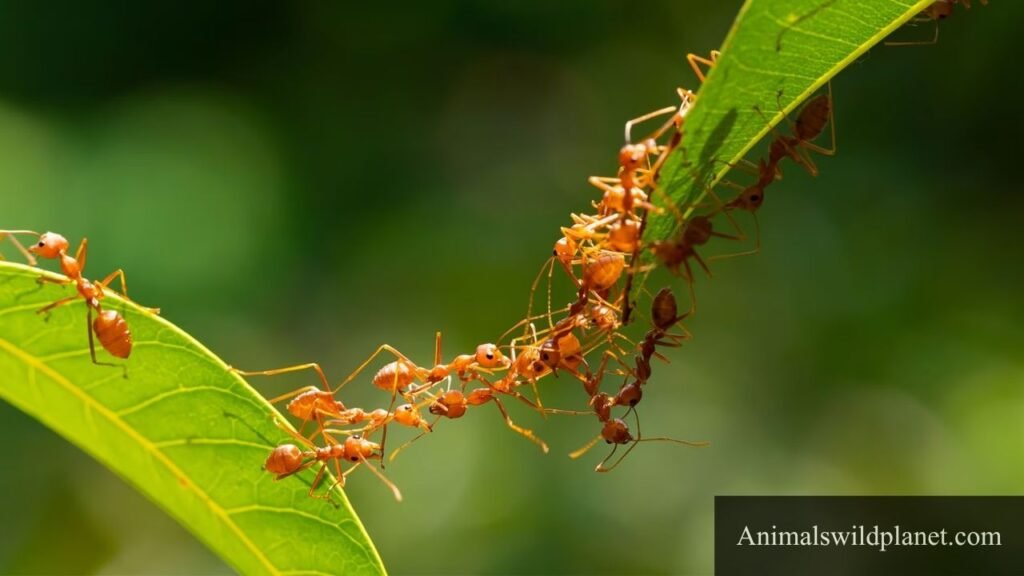
Moreover, a single ant can lift objects many times its own body weight, embodying a spirit of teamwork and collaboration that transcends individual capabilities. This collective power is often referred to as “superorganism” behavior, wherein the colony functions as a single entity, addressing challenges and achieving feats that would be impossible for any lone ant. Their tireless efforts in foraging, nest-building, and even farming fungi illustrate a relentless drive that inspires admiration and respect, reminding us that strength isn’t just about size but about unity and shared purpose.
Siberian Husky
Class: Mammalia
Diet: Omnivore
Siberian Huskies are not just pets; they are a testament to resilience and vitality, bred for endurance in extreme conditions. Their boundless energy reflects an ancient lineage as sled dogs, originally utilized by the Chukchi people of Siberia. This innate drive means they require more than just a casual stroll around the block; these dogs thrive on adventures that challenge both their bodies and minds. Engage them with activities like hiking, running, or even agility training, and watch their true spirit shine.
Yet, their energetic lifestyle comes with responsibilities for pet owners. Huskies are notorious escape artists, driven by their curiosity and need for exploration. Investing time in stimulating toys and training can harness that energy positively, transforming potential mischief into skills and tricks that both you and your furry friend can enjoy. A well-exercised Husky not only becomes a loyal companion but also a joyful partner in outdoor escapades, reminding us of the simple pleasure found in shared adventure.
Arctic Tern
Scientific Name: Sterna paradisaea
Class: Aves
Diet: Carnivore
The Arctic Tern is a marvel of nature’s endurance, known for its incredible migratory journey that spans an astonishing 44,000 miles each year. This small seabird travels from its breeding grounds in the Arctic to wintering regions in Antarctica, showcasing a level of stamina and tenacity that rivals any marathon runner. What sets the Arctic Tern apart is not just its distance, but the fact that it experiences more daylight than any other creature on Earth, earning the nickname “the bird of two summers.” This unique migration allows it to enjoy abundant food resources and favorable nesting conditions, emphasizing a fascinating adaptability to shifting environments.
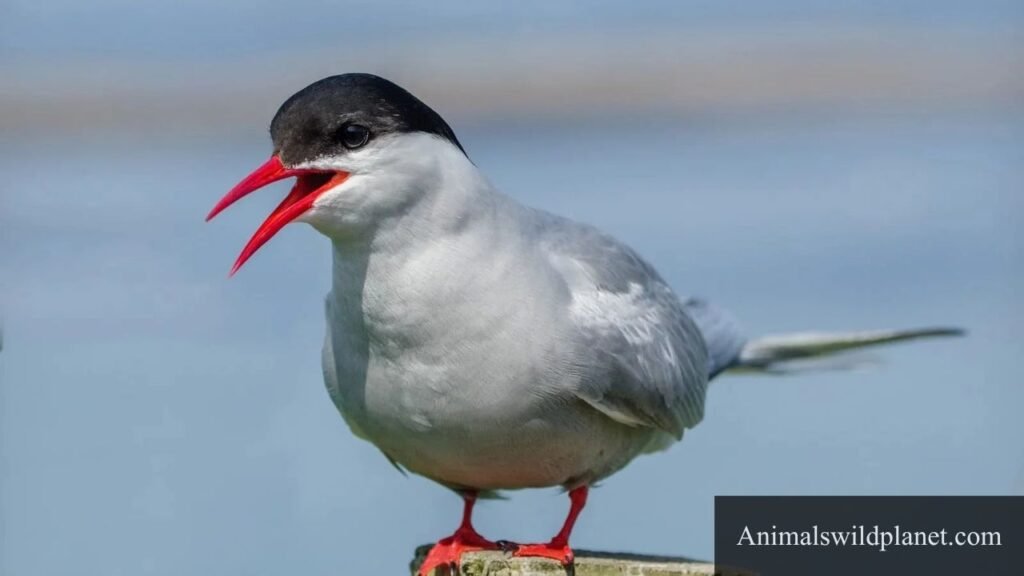
Moreover, the Arctic Tern’s physical adaptations reflect its energetic lifestyle. With long, slender wings and a lightweight body, it masters the art of gliding with minimal effort. Its remarkable vision allows it to spot prey from great heights, ensuring it remains a step ahead in the quest for survival. However, it’s the tern’s social dynamics during migration that captivate ornithologists. Traveling in large flocks not only provides safety in numbers but also fosters a captivating community spirit among these birds, showcasing an intricate balance of independence and cooperation.
Capuchin Monkey
Scientific Name: Cebinae
Class: Mammalia
Diet: Omnivore
Capuchin monkeys, with their striking features and playful demeanor, embody the spirit of curiosity and intelligence in the animal kingdom. Known for their dexterity, these small primates can manipulate objects with remarkable precision, showcasing skills that often astound researchers. Their ability to use tools — such as stones for cracking nuts — demonstrates not just their cognitive capabilities, but also their social learning, as they pass down these techniques through generations. This blend of ingenuity and adaptation makes them fascinating subjects for studying evolution and behavior.
In their natural habitats, capuchins exhibit dynamic social structures that are as intricate as their problem-solving abilities. These animals thrive on interaction, forming strong bonds within their communities, which bolster their survival instincts. Their vocalizations, ranging from distinct calls to nuanced chatter, play a crucial role in maintaining these social networks. Through their expressive communication, they not only convey warning signals but also share in the joys of everyday life, reinforcing a sense of unity that is vital for group dynamics. In a world increasingly affected by human activity, understanding and protecting the lively capuchin offers profound insights into both biodiversity and the intricate webs of life that sustain our planet.
Kangaroos
Scientific Name: Macropus
Class: Mammalia
Diet: Herbivore
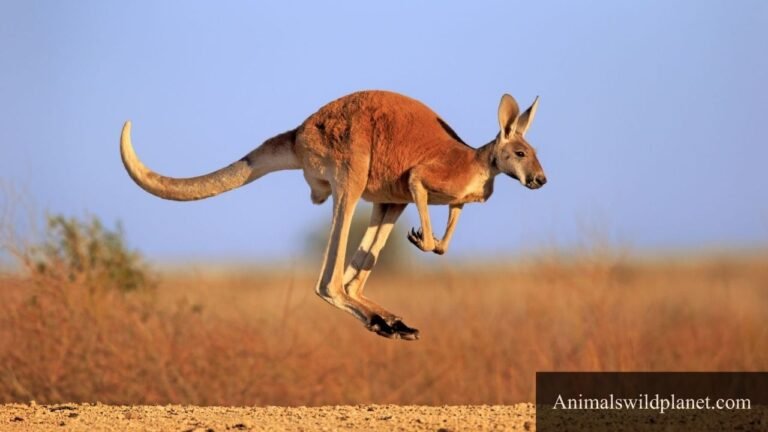
Kangaroos are not just the iconic symbol of Australia; they epitomize resilience and adaptability in the face of challenging environments. These energetic marsupials possess an astounding capacity for movement, able to cover large distances in a single bound. With their powerful hind legs, they can leap over obstacles effortlessly, reaching heights of up to ten feet and hopping at speeds exceeding 35 miles per hour. This remarkable agility is not merely for show; it serves as an essential survival strategy against potential predators in the wild.
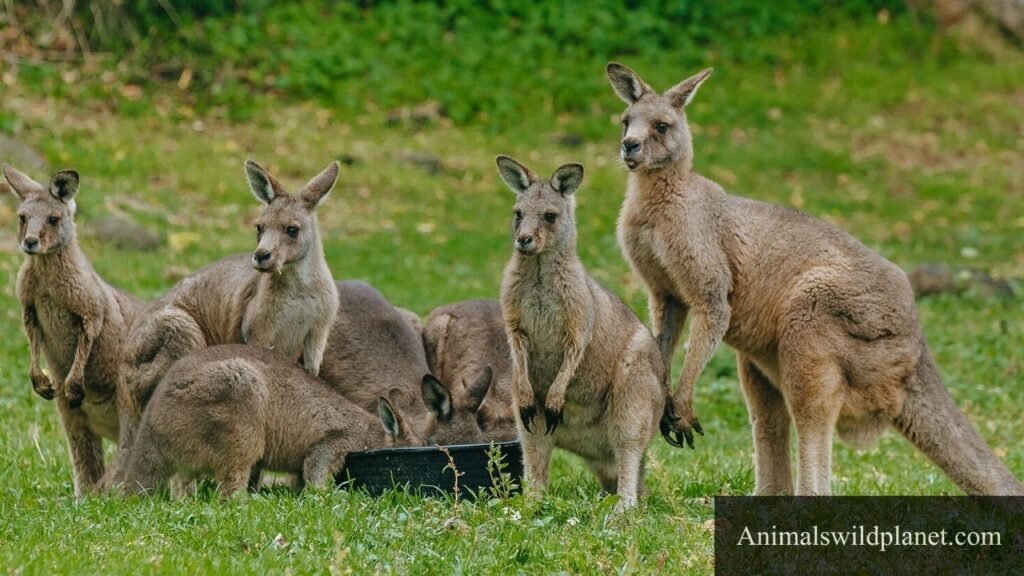
What’s particularly fascinating is the social structure of kangaroo groups, known as mobs. Within these dynamic communities, kangaroos communicate through a series of vocalizations and body language, strengthening their social bonds. They exhibit a surprising level of care for their young, often taking turns to watch over joeys while others graze. This communal aspect highlights their intelligence and emotional depth, challenging the misconception of them as solitary creatures. Observing kangaroos can reveal not just their physical prowess but also the intricacies of their social interactions, making them a captivating subject for nature enthusiasts and researchers alike.
African Wild Dogs
Scientific Name: Lycaon pictus
Class: Mammalia
Diet: Carnivore
Known for their striking appearance and unparalleled stamina, African wild dogs are a testament to the power of teamwork in the animal kingdom. These social canines, characterized by their unique patchwork coats, are not only visually captivating but also showcase exceptional hunting strategies. While many predators stalk their prey silently as solitary hunters, African wild dogs employ a high-energy chase, relying on their endurance rather than stealth. This collaborative approach allows them to take down animals much larger than themselves, making them one of Africa’s most effective predators.
What sets these dogs apart is their incredible social structure, which fosters communication and cooperation. They engage in playful behaviors and vocalizations that strengthen their bonds, enhancing their overall efficiency during hunts. Observing them in action highlights a remarkable balance between strategy and spontaneity, as they zigzag swiftly through the savannah, demonstrating an exhilarating blend of speed and agility. This energetic nature is essential not only for survival but also serves as a reminder of the rich dynamics within ecosystems, where teamwork and adaptability are key. In an age where many species face threats from habitat loss and human encroachment, the African wild dog’s plight underscores the importance of conservation efforts.
Squirrel
Scientific Name: Sciuridae
Class: Mammalia
Diet: Omnivore
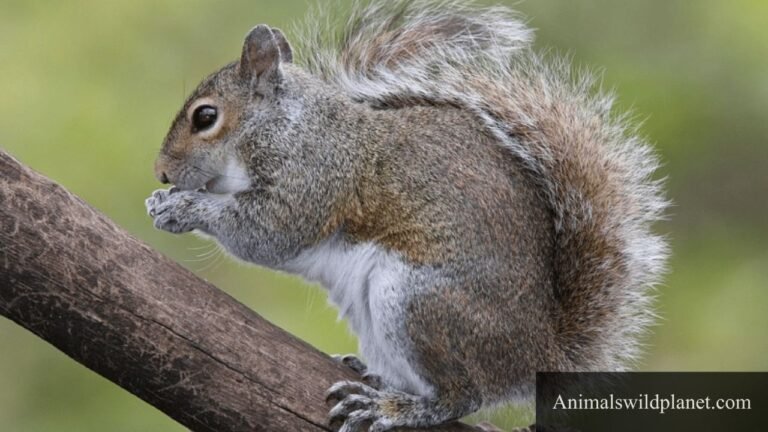
Squirrels are nature’s acrobats, showcasing a dazzling mix of agility and intelligence that often goes overlooked. With their nimble bodies and bushy tails, they’re not just urban tree climbers; they play a crucial role in our ecosystems. As they scurry about, foraging for food, they inadvertently facilitate the growth of various tree species by burying nuts, many of which they forget. This unintentional act of “planting” contributes to forest regeneration, making them unsung heroes of biodiversity.
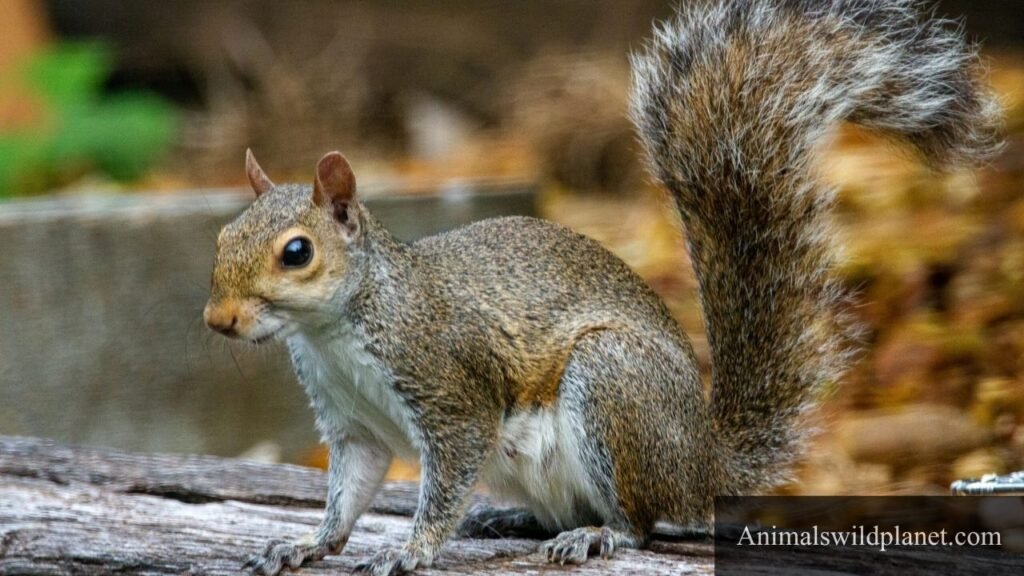
Observing a squirrel is a lesson in resilience and adaptability. Whether they’re leaping from branch to branch or darting across the ground, their zest for life is palpable. Studies suggest that squirrels have sharp problem-solving skills; they can navigate complex environments with an impressive memory, allowing them to remember the locations of their hidden treasures. In the face of adversity — like a fierce competitor or an unexpected weather change — squirrels demonstrate a remarkable ability to adapt strategies and behaviors, emphasizing their vital role in the delicate balance of our ecosystems.
Adélie Penguin
Scientific Name: Pygoscelis adeliae
Class: Aves
Diet: Carnivore
The Adélie penguin, with its distinctive black and white tuxedo appearance, is more than just a charming figure of the Antarctic landscape. Known for their playful personality, these penguins are avid explorers and social creatures, often seen tobogganing down icy slopes or diving gracefully through icy waters. Their energetic antics not only showcase their agility but also play a crucial role in their survival, as they must navigate through melting ice and predators to secure food.
Adélie penguins are remarkably resilient, thriving in one of the harshest climates on Earth. Their breeding rituals are as dynamic as their daily lives; they build nests from stones and engage in enthusiastic courtship displays. Interestingly, these penguins exhibit a strong sense of community, often working together to protect their young from threats, which fosters an intriguing social structure. As climate change impacts their icy habitat, observing how these spirited birds adapt or struggle reveals vital insights into ecosystem health and the resilience of life in extreme conditions.
Pronghorn
Scientific Name: Antilocapra americana
Class: Mammalia
Diet: Herbivore
Pronghorns are nature’s sprinters, embodying an extraordinary blend of speed and endurance. They can reach impressive speeds of up to 55 miles per hour, making them the fastest land mammals in North America. This remarkable ability is not just a product of swift legs; it stems from a unique evolutionary history that predates even the last Ice Age. Unlike true antelopes found in Africa, pronghorns possess a specialized respiratory system that allows them to efficiently take in oxygen, making them not only quick but also capable of maintaining high speeds over long distances.
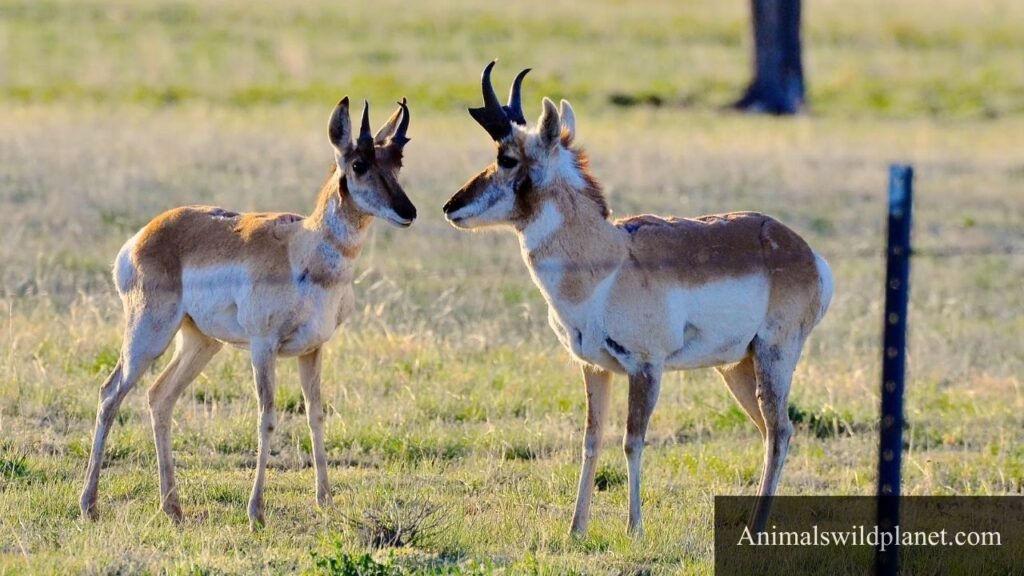
The pronghorn’s lifestyle is equally fascinating. They thrive in open plains and grasslands, where their keen eyesight is an asset, helping them spot potential predators from miles away. Unlike many animals that depend on camouflage as a defense, pronghorns utilize their incredible speed and agility to evade threats. Their habitat also shapes their social behaviors: they often roam in small groups, engaging in dynamic displays of communication that can include leaping and prancing — an ode to their zest for life and survival instincts.
Wolf
Scientific Name: Canis lupus
Class: Mammalia
Diet: Carnivore
Wolves are often portrayed as symbols of loyalty and teamwork, embodying the spirit of community within their pack structures. These magnificent creatures operate on a complex social hierarchy, where each member plays a vital role, showcasing not only their intelligence but also their emotional depth. This intricate social fabric allows wolves to adapt and thrive across diverse terrains, from the icy tundras of the Arctic to the dense forests of North America, illustrating their resilience and versatility.
Beyond their impressive hunting skills, wolves possess a remarkable capacity for communication. Their vocalizations — ranging from haunting howls to subtle growls — serve not only as calls to unite the pack but also as methods for establishing territory and recognizing individuals. This nuanced language connects wolves to their environment and each other, revealing a sophisticated understanding of social dynamics that resonates even in human contexts.
Baby Goats
Scientific Name: Capra aegagrus hircus
Class: Mammalia
Diet: Herbivore
Baby goats are the embodiment of boundless energy and playfulness. Their frolicking leaps and playful headbutts create an almost whimsical atmosphere on farms and homesteads. What makes these little critters particularly captivating is their curious nature; they explore their surroundings with an insatiable desire to understand the world around them. Each bounce and playful nudge seems to communicate their zest for life, reminding us of the joy found in simple play.
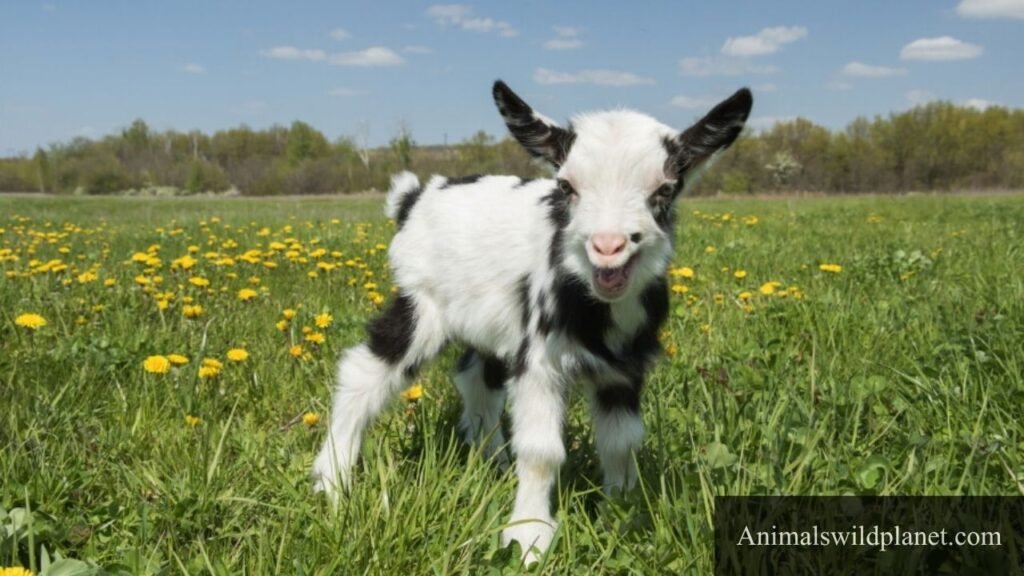
The bond between baby goats and their caretakers is equally enchanting. These animals are incredibly social and thrive on interaction, often forming deep connections with humans. Whether they’re climbing onto a lap for some affection or nuzzling up for a scratch, their personalities shine through.
Cheetahs
Scientific Name: Acinonyx jubatus
Class: Mammalia
Diet: Carnivore
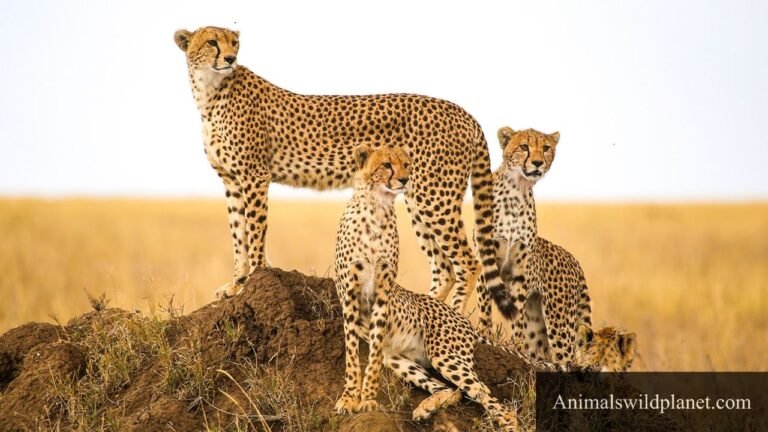
Cheetahs are nature’s ultimate sprinters, renowned for their astonishing speed and agility, reaching up to 60 miles per hour in mere seconds. What sets them apart is not just their notable speed, but their unique hunting strategy. Unlike other big cats that rely on stealth and ambush, cheetahs utilize their powerful muscular build and keen eyesight to chase down prey in wide-open savannas, making high-speed pursuits that can last up to 30 seconds. This remarkable burst of energy is fueled by a specialized respiratory and cardiovascular system, allowing them to outpace their quarry.
Yet, their high-octane lifestyle comes at a cost. Cheetahs cannot sustain their incredible speed for long, meaning they must be incredibly strategic in their approach. Unlike other big cats, cheetahs often hunt alone or in small family groups, relying on their agility and speed rather than brute strength. Conservation efforts have highlighted their vulnerability; with habitats shrinking and populations declining due to inbreeding and competition, preserving these energetic cats is imperative for maintaining biodiversity. Engaging in local and global conservation efforts offers a chance to protect these magnificent creatures and ensure that future generations witness their breathtaking sprint across the African plains.
Shrews
Scientific Name: Soricidae
Class: Mammalia
Diet: Insectivore
Shrews, often overlooked in the animal kingdom, are a powerhouse of energy packed into a small frame. With metabolisms that operate at breakneck speed, these tiny mammals can consume up to twice their body weight in food daily. Their diet predominantly consists of insects, earthworms, and even small vertebrates, showcasing their voracious appetite and role as opportunistic foragers. Unlike many creatures, shrews must remain constantly active to generate the necessary heat to survive, making their lives a whirlwind of perpetual motion and relentless foraging.
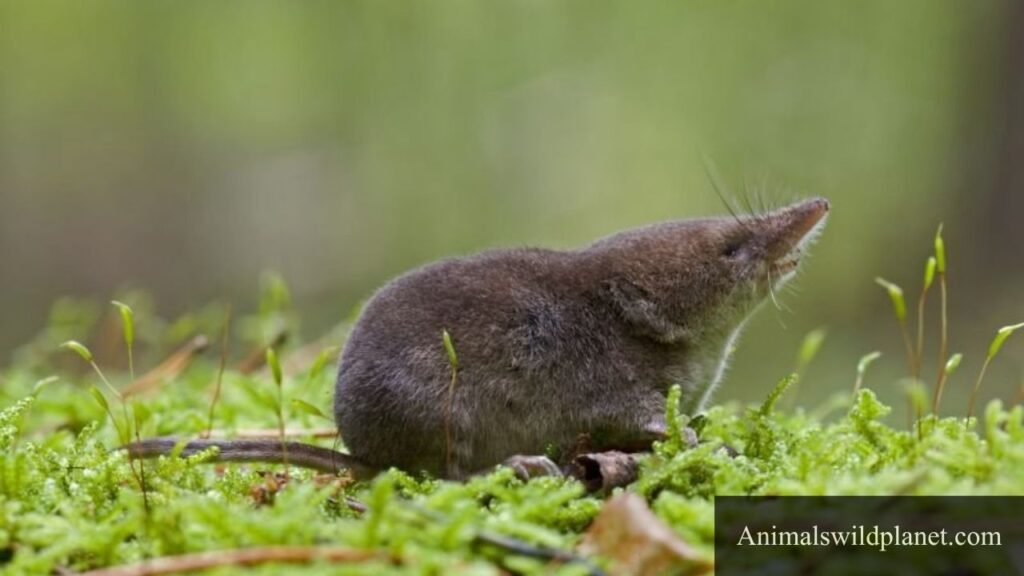
Interestingly, some species, like the Eurasian Water Shrew, have adapted to semi-aquatic lifestyles, evolving webbed feet to aid in swift swimming. This adaptation not only expands their habitat but also enhances their hunting strategy, allowing them to capture prey underwater. Shrews also possess an intriguing defense mechanism: the secretion of venom from salivary glands, which they use to immobilize their prey. This unique trait sets them apart from other mammals and underlines the complexity of their interactions within their ecosystems.
Mustang Horse
Class: Mammalia
Diet: Herbivore
The Mustang horse, a symbol of the American West, embodies the spirit of freedom and resilience. These magnificent creatures are descendants of Spanish horses brought to North America in the 16th century, and over the centuries, they have adapted to thrive in diverse environments. Mustangs roam the open plains with a grace that captures the essence of untamed vitality, their powerful muscles rippling beneath their sleek, often dappled coats. Watching a herd gallop across the horizon is not just witnessing a display of speed but an intricate dance of instinct, communication, and survival.
Beyond their iconic status, Mustangs serve as a poignant reminder of nature’s wild beauty and the human responsibility to protect it. Their populations are managed through a delicate balance; while they are celebrated for their independence, they often face threats from habitat loss and overpopulation. Organizations dedicated to their preservation underscore the need for empathy toward these majestic animals, encouraging us to rethink our relationship with nature.
Chimpanzee
Scientific Name: Pan troglodytes
Class: Mammalia
Diet: Omnivore
Chimpanzees are not just our closest relatives in the animal kingdom; they embody an astonishing spectrum of energy and intelligence that often mirrors our own playful spirit. Known for their vibrant social dynamics, these primates can engage in spontaneous games that showcase their physical agility and clever problem-solving skills. Whether swinging through tree branches or participating in lively grooming sessions, their energy is infectious and highlights their intricate social bonds and emotional depth.
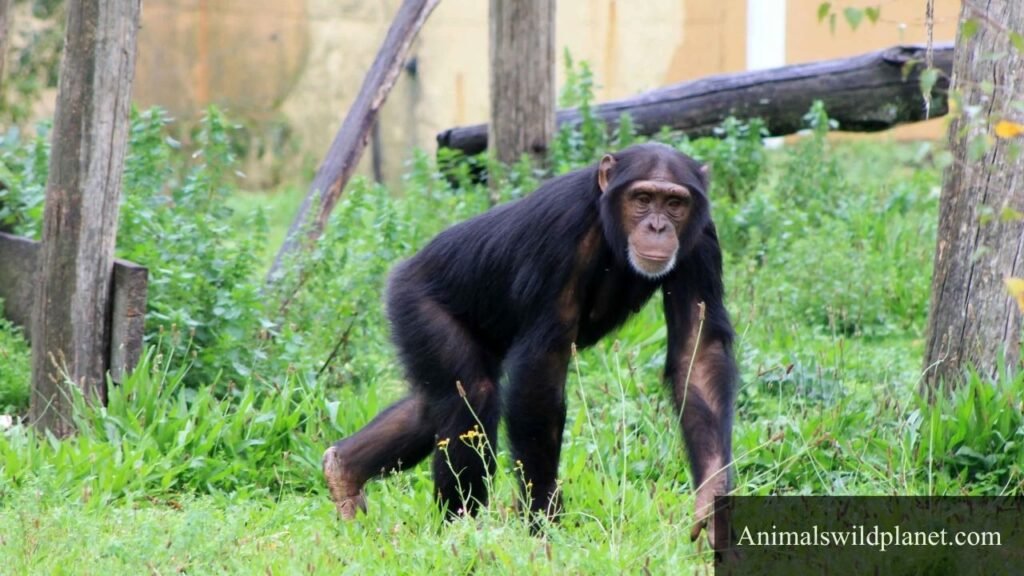
In the wild, chimpanzees exhibit a remarkable resilience and adaptability, thriving in various environments from lush forests to savannas. Recent studies have shown that their playful behavior isn’t purely for enjoyment; it plays a crucial role in skill development and social cohesion. This energetic playfulness fosters cooperation, allowing them to navigate the complexities of their social structures, akin to how humans build relationships through shared experiences.
Tasmanian Devil
Scientific Name: Sarcophilus harrisii
Class: Mammalia
Diet: Carnivore
The Tasmanian devil, often overshadowed by its cartoonified namesake, is a fascinating creature with a personality that belies its small size. Known for its powerful jaws and a unique vocal repertoire that can resemble a devilish growl, this marsupial thrives in the wilds of Tasmania and plays a crucial role in its ecosystem. Their scavenging habits help keep the environment clean, as they consume carrion and help prevent the spread of disease, showcasing nature’s clever recycling system.
Beyond their fierce reputation, Tasmanian devils display complex social behaviors, often engaging in communal feeding and demonstrating a surprising level of cooperation. They can be seen participating in play or social grooming, which fosters bonds within their small family groups. Sadly, these enigmatic animals face significant threats from disease and habitat loss, making their conservation essential. By understanding the Tasmanian devil on a deeper level, we can appreciate not only their role as energetic scavengers but also their intricate place within the tapestry of life in Tasmania.
Squirrel Monkeys
Scientific Name: Saimiri sciureus
Class: Mammalia
Diet: Omnivore
Squirrel monkeys, with their vivid yellow and black fur, are a dazzling embodiment of vitality in the animal kingdom. These social climbers thrive in the canopies of Central and South America, showcasing an unparalleled agility that allows them to leap effortlessly between branches. Their energetic antics aren’t just a spectacle; they play a crucial role in their ecosystem by dispersing seeds and maintaining the health of their forest habitats. Observing them, one can’t help but marvel at their intricate social structures and emotional bonds, as these small primates often form tight-knit troops that engage in play, grooming, and vocal communication.
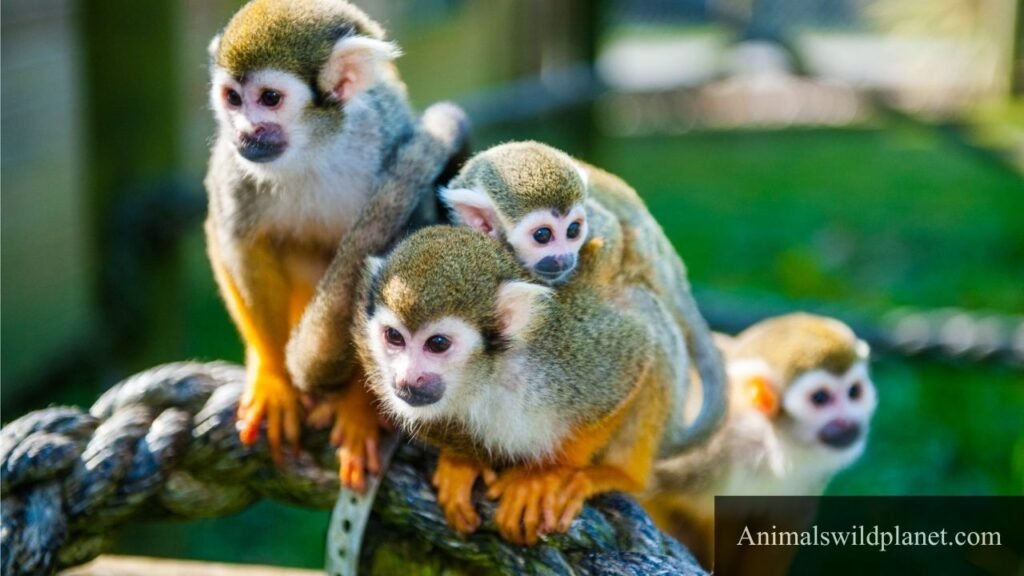
What sets squirrel monkeys apart is their remarkable adaptability, equipped with a set of skills that not only ensure their survival but also foster community. Every leap they take is accompanied by a cacophony of chattering calls and expressive body language, emphasizing the importance of collaboration in their lives. Their intelligence shines through in problem-solving scenarios, as they work together to forage for food, demonstrating that their energetic nature is supported by a sophisticated social framework. Each encounter with these lively primates reveals deeper layers of connection and cooperation — qualities that resonate deeply within our own human experiences.
Readmore: Explore Top 18 Most Independent Animals.
Conclusion
The world is home to some truly remarkable animals that exemplify energy and vitality. From the agile cheetah sprinting across the plains to the playful dolphin leaping through ocean waves, these creatures inspire us with their boundless enthusiasm. Understanding the behaviors and habitats of these energetic animals not only highlights the diversity of wildlife but also emphasizes the importance of conserving their environments. By appreciating their vitality, we can foster a deeper connection with nature. Let’s take a moment to learn more about these fascinating species and advocate for their protection in the wild.
FAQs
What is the most energetic animal in the world?
The most energetic animal in the world is often considered to be the hummingbird. These tiny birds have an incredible metabolism and can flap their wings up to 80 times per second. Their rapid wing movement allows them to hover in place and even fly backward, showcasing their remarkable energy and agility.
What is the highest stamina animal?
The pronghorn is often considered the highest stamina animal. These incredible creatures can maintain high speeds over long distances, reaching up to 55 mph and sustaining it for several miles. This endurance allows them to evade predators effectively.