Top 15 Animals With No Tails (With Images)
“Animals With No Tails” explores the intriguing adaptations and evolutionary reasons behind this unique trait. Understanding these tail-less animals can shed light on their survival strategies and ecological roles. In this article, you’ll discover a variety of tail-less species and learn why their lack of tails is not just a quirky characteristic but a testament to nature’s ingenuity.
List of Animals With No Tails
Here is the list of animals without tails:
| Number of Animals | Names of Animals That Have No Tails |
| 1 | Octopus |
| 2 | Manx Cat |
| 3 | Gorillas |
| 4 | Koala |
| 5 | Spiders |
| 6 | Chimpanzees |
| 7 | Capybara |
| 8 | Barbary Macaque |
| 9 | Gibbons |
| 10 | Kiwi Bird |
| 11 | Frogs and Toads |
| 12 | Bonobos |
| 13 | Guinea Pig |
| 14 | Pika |
| 15 | Orangutans |
Octopus
Scientific Name: Octopus vulgaris
Class: Cephalopoda
Diet: Carnivore
The octopus stands out as one of nature’s most fascinating creatures, particularly because of its unique anatomy. Lacking a tail, it relies heavily on its remarkable ability to maneuver through its environment. With eight arms lined with sensitive suckers, the octopus can effortlessly navigate terrain, grasp prey, and interact with its surroundings with extraordinary dexterity. This adaptation reflects an evolutionary response to life in complex underwater landscapes, where agility often dictates survival.
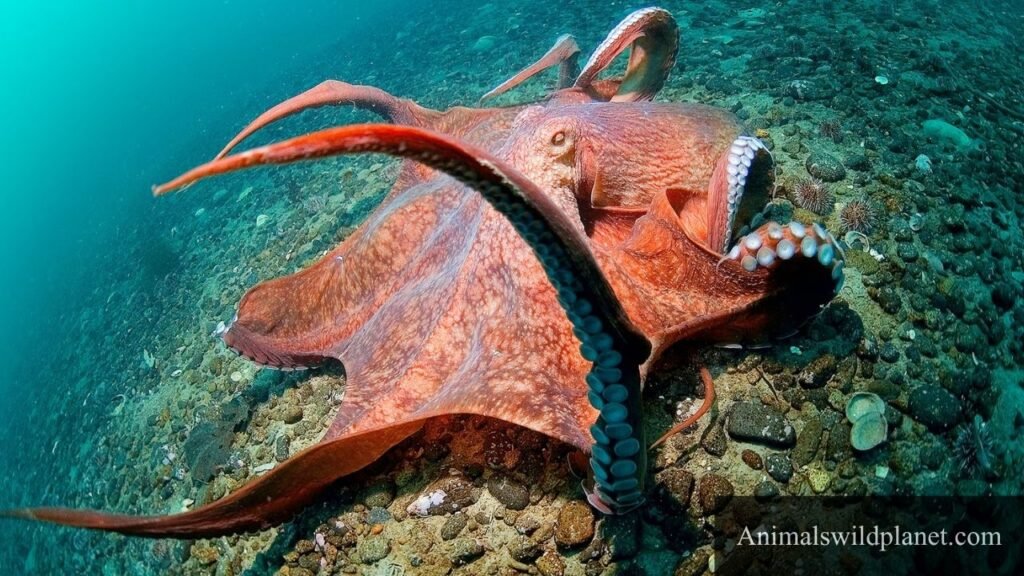
Moreover, the octopus possesses an intelligence that rivals some mammals. Their problem-solving skills and capacity for learning from experience are astonishing. Whether escaping predators or opening jars to access food, octopuses demonstrate behaviors that suggest a deep understanding of their environment. This cognitive prowess, combined with their fluid movements, makes them not only masters of camouflage but also adept escape artists in a world teeming with threats.
Manx Cat
Class: Mammalia
Diet: Carnivore
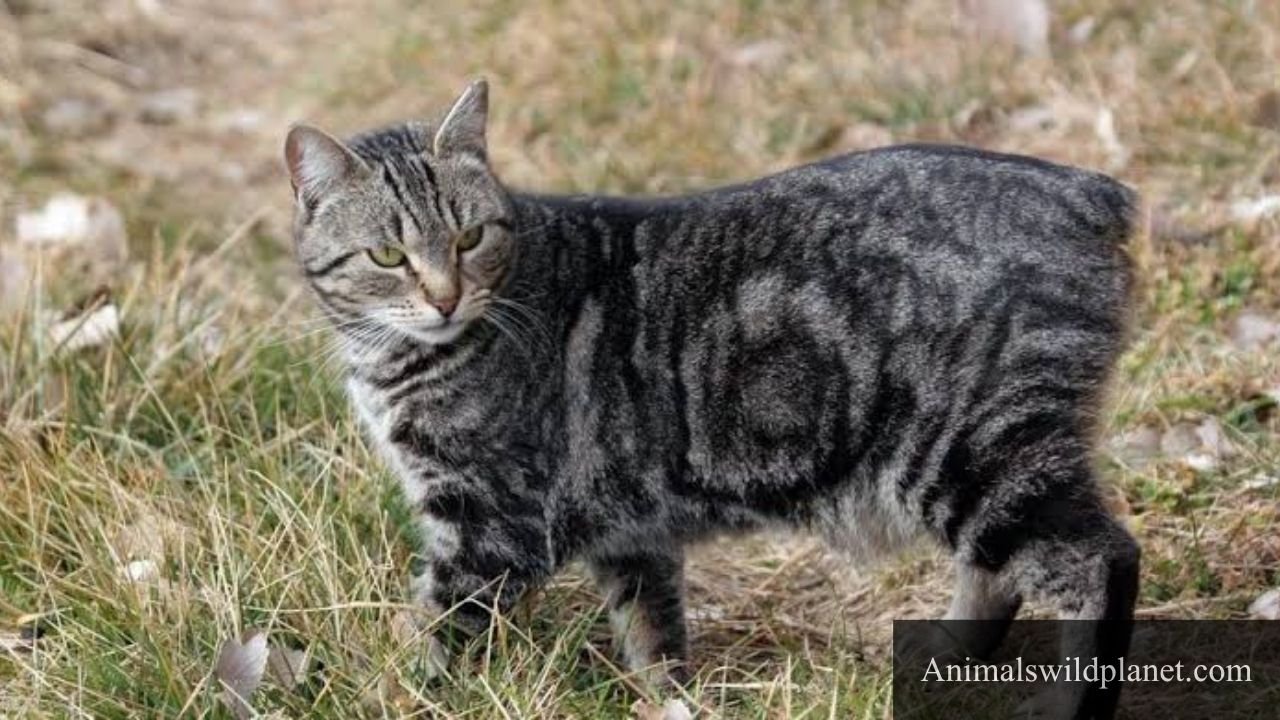
The Manx cat, a breed renowned for its striking taillessness, captivates not only with its unique appearance but also with its rich history. Originating from the Isle of Man, these felines are steeped in local lore, often celebrated as symbols of the island’s cultural heritage. Their peculiar genetic mutation arises from a dominant gene that affects spinal development, leading to varying lengths of tail, with some being completely tailless.
Beyond their physical traits, Manx cats are known for their playful and affectionate nature. They often exhibit dog-like behaviors, forming deep bonds with their human companions and displaying a curious intelligence that keeps owners engaged. Interestingly, their sturdy build and hearty disposition have made them exceptionally good climbers, defying any assumptions about their limitations due to their lack of a tail.
Gorillas
Scientific Name: Gorilla gorilla
Class: Mammalia
Diet: Herbivore
Gorillas, often celebrated for their strength and impressive stature, are fascinating not just for their size but also for their unique adaptations. Lacking a prominent tail, gorillas rely on their powerful limbs for balance and mobility in their forest habitats. This absence of a tail doesn’t hinder their agility; rather, it emphasizes their robust upper body strength, which is essential for climbing trees and navigating dense vegetation. Their muscular build allows them to traverse both the ground and the treetops with remarkable ease, showcasing an evolutionary design perfectly suited for their environment.
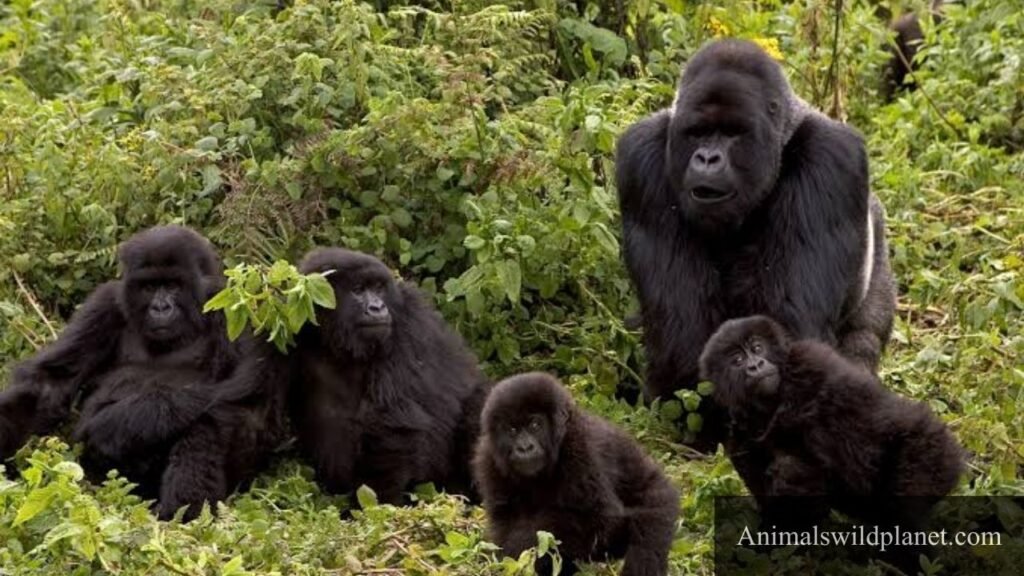
Interestingly, the tail-less anatomy of gorillas also plays a role in their social interactions. In the absence of a tail, these primates communicate a significant amount through their body language, using facial expressions and postures to convey emotions and intentions. This rich non-verbal communication is crucial in their complex social structures, where social bonds are paramount for group cohesion and nurturing familial ties. Thus, while they may lack a tail, gorillas compensate with a profound depth of connection and understanding, highlighting the intricate tapestry of life in the animal kingdom.
Koala
Scientific Name: Phascolarctos cinereus
Class: Mammalia
Diet: Herbivore
Koalas, often celebrated for their cuddly appearance and adorable faces, are fascinating creatures that embody a unique evolutionary niche. Despite their lack of tails, these marsupials have developed specialized adaptations that allow them to thrive in the eucalyptus forests of Australia. Their muscular forelimbs and strong claws enable them to climb with remarkable agility, making them adept at navigating the treetops in search of their primary food source: eucalyptus leaves.
Interestingly, the absence of a tail enhances their balance and stability while perched among the branches. Instead of relying on a tail for support, koalas utilize their large, round ears to help detect changes in their environment, tuning into the rustling sounds of potential predators below. This evolutionary adjustment showcases nature’s remarkable ability to optimize survival, allowing koalas to maintain their iconic, slothful demeanor while remaining alert and vigilant.
Spiders
Scientific Name: Araneae
Class: Arachnida
Diet: Carnivore
Spiders, often stereotyped as creepy crawlers lurking in dark corners, showcase an astonishing diversity that extends well beyond their eight legs. Notably, many spider species lack tails, instead employing a range of fascinating adaptations for survival and predation. The absence of a tail doesn’t hinder their agility; rather, it complements their unique anatomy, including specialized spinnerets that allow them to produce silk for web-building, trapping prey, and even creating draglines during acrobatics.
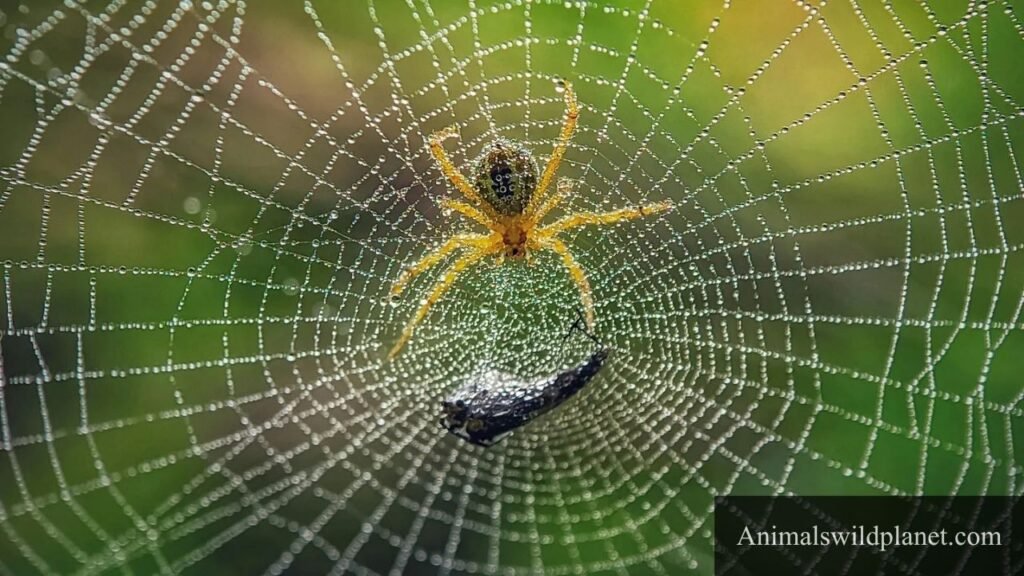
Some species, like the enigmatic jumping spider, demonstrate extraordinary vision and agility, relying on keen eyesight rather than a tail for balance or maneuverability. Their vibrant colors and intricate mating dances highlight a captivating evolutionary strategy — one that thrives without the need for a tail. With their ability to leap impressive distances and their hunting approach, these tail-less spiders remind us that nature often finds innovative solutions, proving that adaptability is the key to success in the animal kingdom.
Chimpanzees
Scientific Name: Pan troglodytes
Class: Mammalia
Diet: Omnivore
Chimpanzees, our closest living relatives, exhibit a surprising absence of tails, a trait that underscores their remarkable evolutionary journey. Unlike many other primates, their lack of a tail means they rely more on their highly developed limbs and dexterous hands to navigate the treetops. This adaptation not only enhances their climbing ability but also reflects a shift towards more complex social behaviors. With their opposable thumbs, chimpanzees engage in intricate tasks, from crafting tools to grooming one another, fostering social bonds that are essential for their survival.
Moreover, the absence of a tail has implications for their physical communication. Chimpanzees rely heavily on facial expressions and body language to convey emotions and intentions, often using their long arms and agile movements to create a compelling display. This non-verbal communication is vital within their social structures, allowing them to express everything from playfulness to aggression without the reliance on a tail for balance or signaling.
Capybara
Scientific Name: Hydrochoerus hydrochaeris
Class: Mammalia
Diet: Herbivore
Capybaras, often dubbed the world’s largest rodents, have a unique charm that sets them apart, and their lack of a tail is just one aspect of their fascinating biology. This tail-less feature doesn’t inhibit their lifestyle; instead, it enhances their streamlined bodies, making them surprisingly agile swimmers. These social creatures thrive in groups, exhibiting strong bonds with one another. They communicate through a range of vocalizations, but it’s their body language that often speaks volumes — tail gestures can be important in many animals, but capybaras rely more on posture and proximity to convey affection and warning signals.
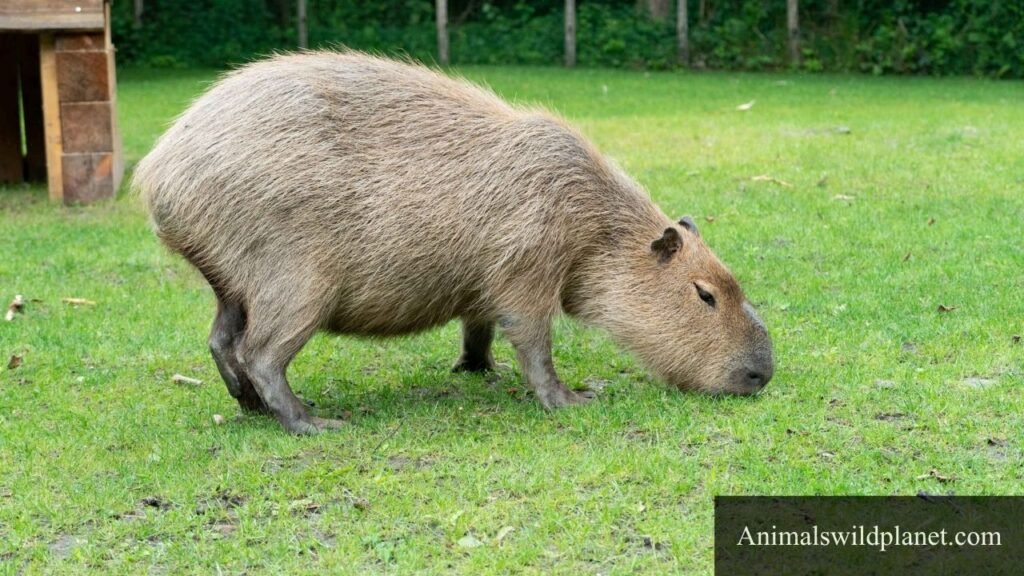
In their native South American wetlands, capybaras have adapted to a life both on land and in the water. Their semi-aquatic nature means they spend much time submerged, where their lack of a prominent tail doesn’t impede them but rather aids in reducing drag as they glide through the water. Furthermore, the absence of a tail is a striking adaptation in an environment filled with predators; these gentle giants rely more on their communal living to fend off threats, exemplifying how collaboration often trumps individual traits.
Barbary Macaque
Scientific Name: Macaca sylvanus
Class: Mammalia
Diet: Omnivore
The Barbary macaque, often mistaken for a tailless ape, serves as a fascinating example of adaptation and evolution. Found primarily in the mountainous regions of North Africa and parts of Gibraltar, these primates exhibit a unique blend of social structures and survival strategies. Unlike many other primate species, their lack of a tail does not compromise their agility; instead, it allows them to navigate rocky terrain with ease. This physical trait sparks curious conversations about how evolution shapes behaviors and environments in specific contexts.
Social dynamics among Barbary macaques are equally intriguing. Live in large troops of up to 100 individuals, these animals showcase complex relationships marked by grooming and vocalizations. Their social interaction is vital for cohesion, especially in environments where resources can be scarce. Interestingly, their troops are matriarchal, with females often holding the most significant influence over group decisions. This unique structure provides a glimpse into the varied models of primate society that challenge conventional hierarchies seen in other species.
Gibbons
Scientific Name: Hylobatidae
Class: Mammalia
Diet: Omnivore
Gibbons, often referred to as the “lesser apes,” embody a unique blend of agility and social intricacy, forging their identity in the lush canopies of Southeast Asia. Unlike their tailed primate cousins, gibbons are tail-less, which enhances their remarkable brachiation skills — swinging gracefully from branch to branch using their long arms. This specialized form of locomotion allows them to navigate their arboreal environment with both speed and precision, evading predators while foraging for fruits and leaves.
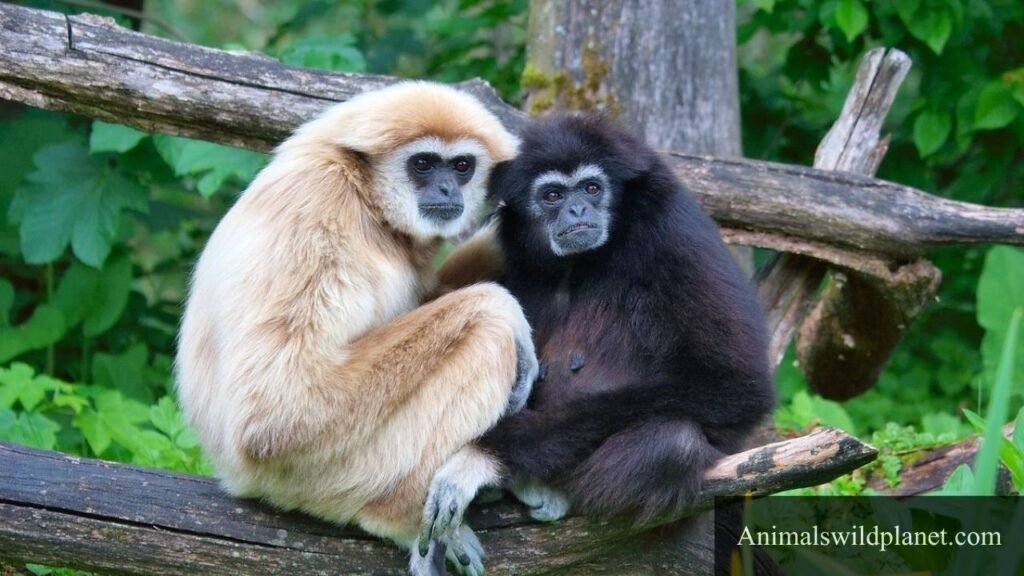
Their intriguing social structures further set gibbons apart. Typically found in monogamous pairs, these vocal primates are known for their elaborate songs, which echo through the forest and serve as both a declaration of territory and a means of reinforcing pair bonds. Each duo develops a distinct duet, resonating with a harmony that reflects their deep connection, underscoring the notion that communication goes beyond mere survival; it’s about nurturing relationships in the wild.
Kiwi Bird
Scientific Name: Apteryx australis
Class: Aves
Diet: Omnivore
The kiwi bird, a flightless avian native to New Zealand, stands out not only for its unique appearance but also for its intriguing lack of a tail. While many birds use their tails for balance and steering, kiwis have evolved this trait differently. Their streamlined bodies and powerful legs allow them to navigate dense underbrush and forest floors with ease, relying on their keen sense of smell to forage for insects, worms, and berries. With no tail to weigh them down, kiwis exhibit a curious waddle as they graze, embodying a charming awkwardness that captivates anyone fortunate enough to encounter them.
This absence of a tail does more than enhance their mobility; it connects to the kiwi’s role in the ecosystem. As nocturnal foragers, these birds dig through leaf litter and soil, aerating the ground and promoting nutrient cycling. Their unique hunting style, coupled with their inability to fly, fosters a profound relationship with the rich biodiversity of New Zealand, showcasing how adaptation can lead to intricate ecological interdependencies.
Frogs and Toads
Class: Amphibia
Diet: Carnivore
Frogs and toads, often celebrated for their remarkable jumping abilities and vibrant colors, share a curious trait: they possess no tails as adults. Instead of tails, these amphibians boast powerful hind legs that serve as their primary means of locomotion. This evolutionary adaptation allows them to leap away from predators and navigate a variety of terrains with impressive agility. The absence of a tail also signifies a shift in their lifestyle; unlike their aquatic larval stage, which features a tail for swimming, adult frogs and toads are more terrestrial, favoring stealthy movements to ambush prey.
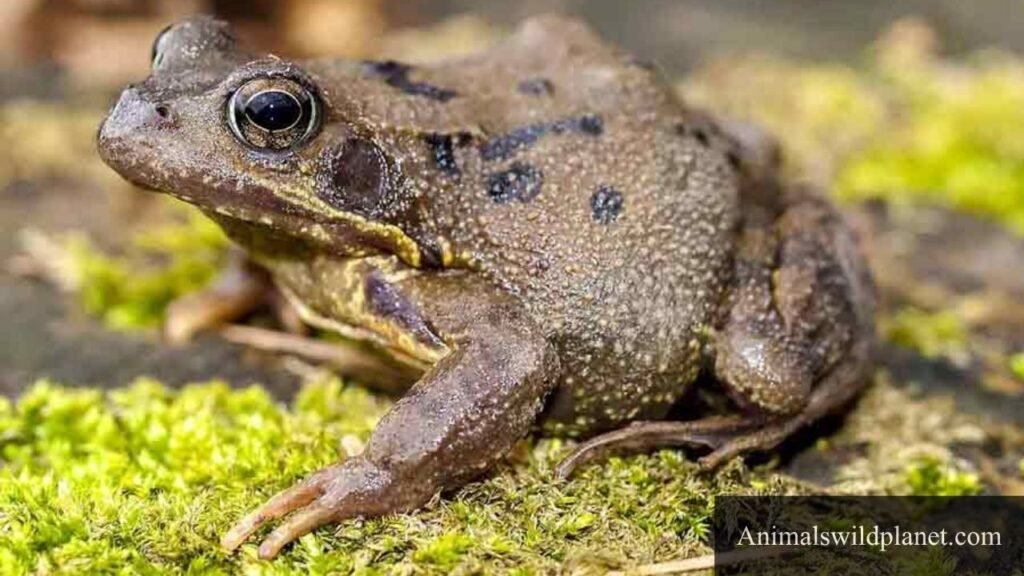
Interestingly, the loss of a tail has also influenced their social behaviors and communication methods. Many species use vocalizations to attract mates or defend territories, capitalizing on their unique sound-producing vocal sacs. This auditory communication can be particularly crucial in dense habitats where visual signals might be lost among thick vegetation.
Bonobos
Scientific Name: Pan paniscus
Class: Mammalia
Diet: Omnivore
Bonobos, often seen as the more peaceful cousins of chimpanzees, exhibit fascinating social behaviors that go beyond their tail-free anatomy. Their lack of a tail might seem like a limitation, but it complements their unique method of communication, relying heavily on facial expressions, vocalizations, and body language. This rich tapestry of interactions fosters strong social bonds, allowing bonobos to resolve conflicts through play and affection rather than aggression.
Moreover, this absence of a tail emphasizes their remarkable adaptability in navigating dense forest environments. Without a tail for balance, bonobos exhibit incredible agility, swinging gracefully from branch to branch in search of food and companionship. Their playful demeanor, coupled with their sophisticated problem-solving abilities, challenges preconceived notions about intelligence in non-human primates.
Guinea Pig
Scientific Name: Cavia porcellus
Class: Mammalia
Diet: Herbivore
Guinea pigs, often overlooked in the world of tail-less animals, boast a unique charm that captivates pet lovers. Unlike many rodents, these sociable creatures have evolved without the need for a long tail, relying instead on their robust bodies and expressive faces to communicate. Their short, stubby bodies are surprisingly agile, allowing them to scurry about and explore their environments with enthusiasm. This lack of a tail doesn’t hinder their balance; rather, it enhances their ability to maneuver through the grasslands of their native South America where they’ve adapted to a life of foraging.
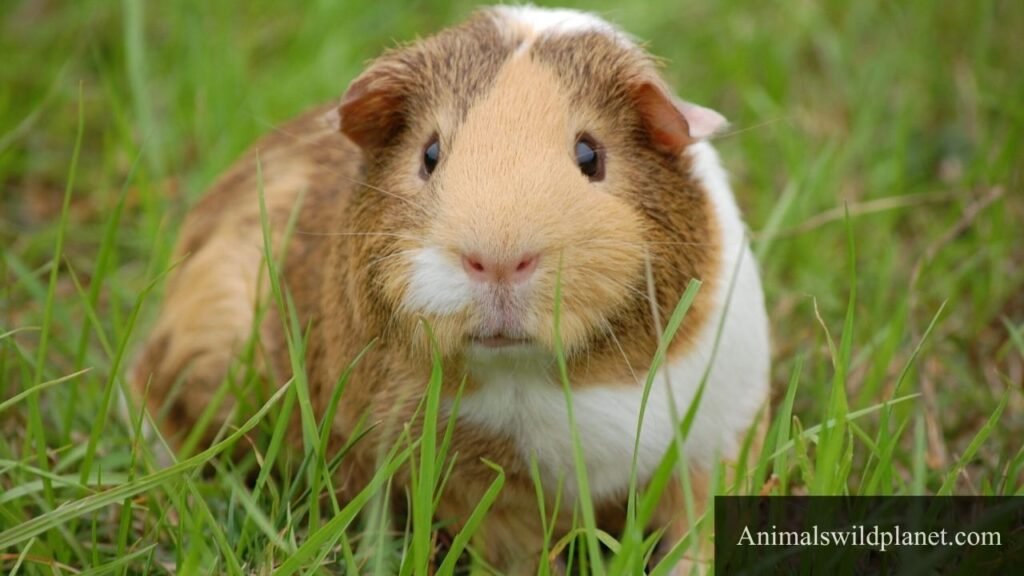
Moreover, guinea pigs display fascinating social behaviors that compensate for their tail-less state. In the wild, they live in groups and utilize vocalizations, such as whistles and chirps, to stay connected with each other. These sounds help coordinate movement and alert their companions to potential dangers, emphasizing their strong community bonds.
Pika
Scientific Name: Ochotona princeps
Class: Mammalia
Diet: Herbivore
The pika, a small, mountain-dwelling relative of the rabbit, sparks curiosity not only for its charming appearance but also for its lack of a visible tail. This endearing creature thrives in rocky terrains of North America and Asia, where its robust body is perfectly adapted for navigating steep slopes. While most mammals utilize their tails for balance and communication, pikas rely on their agile limbs, powerful hind legs, and keen sense of hearing to navigate their alpine habitats.
Interestingly, the pika’s short tail might not be a disadvantage; instead, it reflects an evolutionary strategy that enhances its survival. The pika’s compact build minimizes exposure to harsh winds and chilling conditions at high altitudes, making it less susceptible to the elements. Instead of vocalizing through tail movements, pikas communicate using a series of high-pitched calls, fostering a strong social dynamic within their colonies.
Orangutans
Class: Mammalia
Diet: Omnivore
Orangutans, the gentle giants of the rainforest, may lack the prominent tails found in many primate species, but this absence is far from an evolutionary disadvantage. Instead, their physical adaptations highlight a fascinating harmony with their arboreal lifestyle. These remarkable creatures possess long, powerful arms that allow them to swing gracefully from branch to branch, making their tail redundant in navigating the forest canopy. Their keen intelligence and dexterous hands enable them to manipulate tools and forage for food, showcasing an evolution that prioritizes problem-solving over mere locomotion.
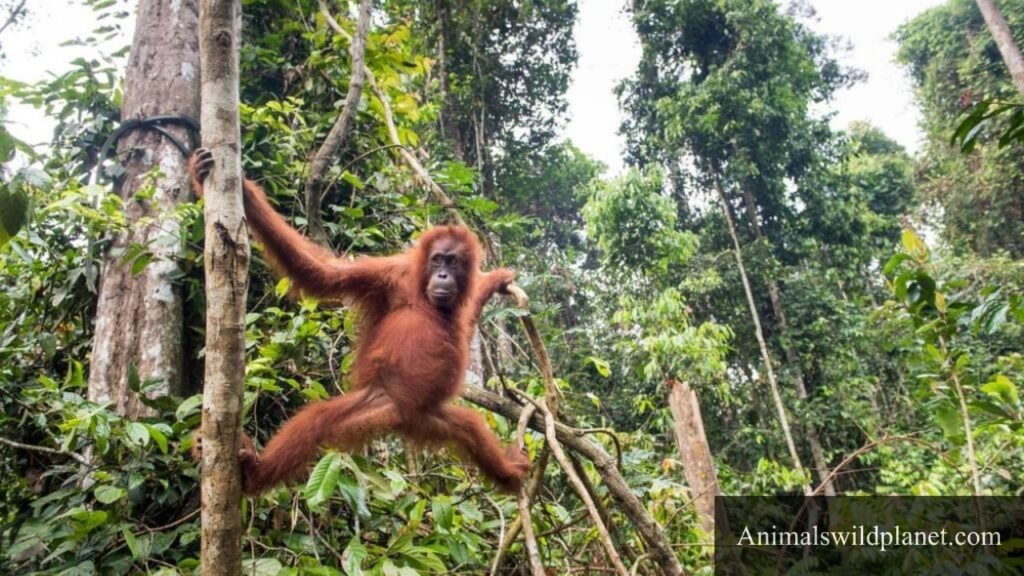
The lack of a tail also emphasizes their unique social structure. While other primates might rely on tail communication for social interaction, orangutans use their vocalizations and facial expressions to bond and collaborate. Males, in particular, exhibit a striking physical feature known as cheek pads, which not only help assert dominance but also enhance social interactions within their often solitary lifestyle. This adaptation underscores the intricate balance of independence and sociality that defines orangutan life, creating a nuanced perspective on how they thrive in their complex, enchanting environments.
Readmore: Explore Top 23 Animals That Have Lowest IQ.
Conclusion
The absence of tails in various animals exemplifies the remarkable adaptability of life on Earth. These fascinating species, each with their own specialized roles in the ecosystem, remind us that evolution can take many forms. Whether it’s improving balance, aiding in hunting, or enhancing camouflage, these tailless wonders illustrate the unique strategies that have allowed them to survive and flourish. Understanding these animals not only enriches our appreciation for the complexity of biodiversity but also highlights the importance of conservation efforts. Let’s commit to protecting these remarkable species and their ecosystems for future generations.
FAQs
What animals don’t have tails?
Apes, for instance, are part of the primate family that evolved without tails as they adapted to life in trees, facilitating their agile movement and balance. Octopuses are fascinating creatures without tails, using their eight arms for navigation and manipulation instead. Frogs and toads also typically lack prominent tails in their adult forms, as they lose these features during their metamorphosis from tadpoles.
Which pet animal has no tail?
One of the most common is the Manx cat, a breed that naturally has little to no tail due to a genetic mutation. They are playful and affectionate, making them popular among cat lovers.
What are mammals without tails?
Mammals without tails include several fascinating species. Humans and great apes, for example, have lost their external tails through evolution, adapting to their environment in different ways. Guinea pigs and capybaras also lack visible tails. They’ve developed other features that help them thrive in their habitats. Manx cats, a breed known for their taillessness, have unique genetics that give them a distinct appearance. Each of these mammals showcases the diversity and adaptability of nature.