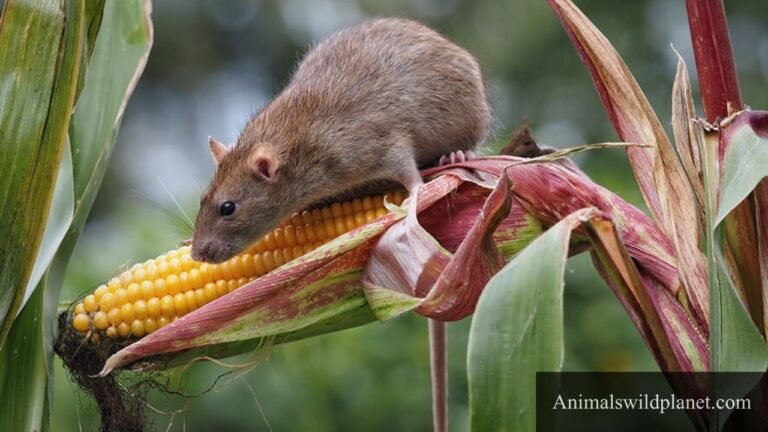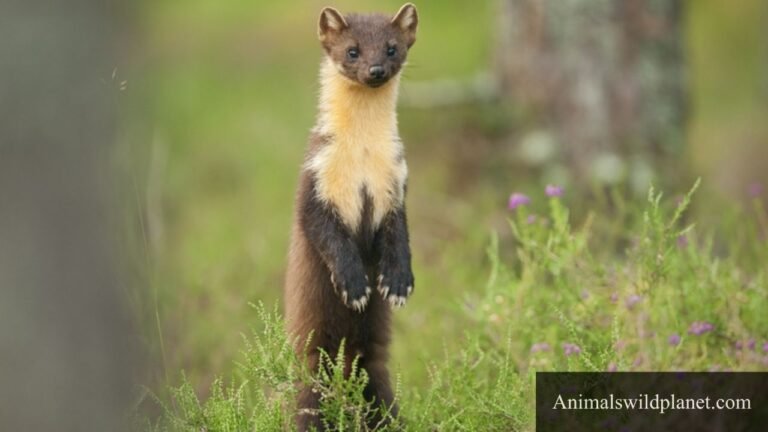
Top 24 Shy Animals in The World (Images Included)
This article delves into the lives of shy animals in the world, exploring not just their timidity but also the critical roles they play in their habitats. By uncovering the secrets behind their elusive nature, readers will gain insight into the delicate balance of ecosystems and the importance of preserving these often-overlooked species. Join us on a journey to understand and appreciate the enigmatic creatures who prefer to stay under the radar.
List of Shy Animals in The World
Here is the list of most shy animals in the world:
| Number of Animals | Names of Shy Animals |
| 1 | Kangaroo |
| 2 | Slow Loris |
| 3 | Dik-Dik |
| 4 | Meerkat |
| 5 | Okapi |
| 6 | Red Squirrel |
| 7 | Fossa |
| 8 | Koala |
| 9 | Pangolins |
| 10 | Cheetah |
| 11 | Kiwi |
| 12 | Aardvarks |
| 13 | Tarsier |
| 14 | Giant Anteater |
| 15 | Sloth |
| 16 | Deer |
| 17 | Axolotl |
| 18 | Hedgehog |
| 19 | Red Panda |
| 20 | Binturong |
| 21 | Fennec Fox |
| 22 | Maned Wolf |
| 23 | Snow Leopard |
| 24 | Aye-aye |
Kangaroo
Scientific Name: Macropus
Class: Mammalia
Diet: Herbivore
Kangaroos, often celebrated for their iconic hopping and joyful demeanor, reveal a surprising layer of shyness that sets them apart in the animal kingdom. While they might be seen bounding freely across the Australian outback, these marsupials exhibit a fascinating range of social behaviors and tendencies to retreat when they sense human presence. Their keen sense of awareness makes them acutely attuned to their surroundings, and they often rely on their powerful legs not just for movement, but as a means of escape when feeling threatened.
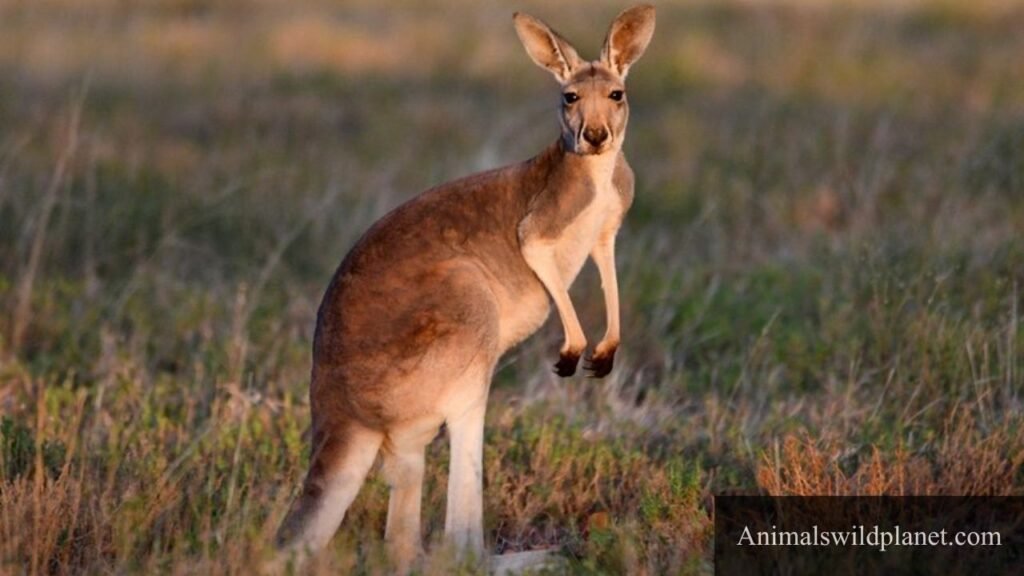
This shyness extends to their social interactions as well. In groups, known as mobs, kangaroos exhibit a hierarchy that influences their behavior. More dominant individuals may come forward to interact, while the timid ones tend to linger back, observing silently from a safe distance. This nuanced social structure showcases their adaptability and caution — qualities that are essential for survival in a landscape rife with predators.
Slow Loris
Scientific Name: Nycticebus
Class: Mammalia
Diet: Omnivore
The slow loris, with its large, round eyes and gentle demeanor, is a paradoxical marvel of the animal kingdom. Unlike most primates, these nocturnal creatures thrive in solitude, moving stealthily through the treetops of Southeast Asia’s rainforests. Their slow-motion elegance allows them to blend seamlessly into the shadows, a tactic that serves both as a camouflage and a means of avoiding predators. This unhurried lifestyle is punctuated by a fascinating ability: slow lorises can secrete toxins from their elbows, which they mix with saliva, creating a potent defensive chemical that deters threats.
Despite their seemingly gentle appearance, slow lorises face grave threats from habitat loss and illegal wildlife trafficking. Their soft fur and quirky behaviors make them appealing to the exotic pet trade, yet owning a slow loris often leads to significant stress for these sensitive animals. Fresh insights into their social structure reveal that, although they are solitary, slow lorises engage in a complex communication system that includes pheromones and vocalizations, indicating a rich world of interaction often overlooked by casual observers. Recognizing these creatures’ unique adaptations and vulnerabilities encourages a deeper appreciation for their role in the ecosystem and underscores the urgent need for conservation efforts to protect their fragile existence.
Dik-Dik
Scientific Name: Madoqua
Class: Mammalia
Diet: Herbivore
The dik-dik, a petite antelope native to the arid regions of East Africa, showcases an intriguing blend of shyness and resilience. Measuring just around 16 to 30 inches tall, these creatures are easily overlooked, often blending seamlessly into the scrubland where they thrive. Their name, derived from the alarm calls they emit when startled, perfectly encapsulates their gentle nature. When approached, these nimble animals prefer to freeze and rely on their extraordinary camouflage rather than fleeing, a fascinating behavior that highlights their deeply ingrained survival instincts.
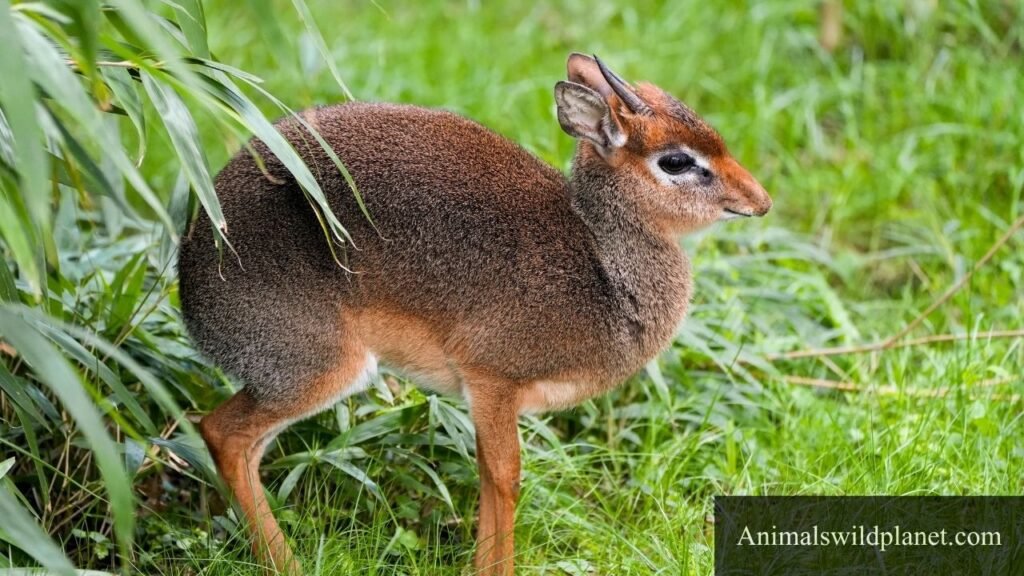
Beyond their physical attributes, dik-diks exhibit a remarkable social structure that is both intimate and intricate. Typically forming monogamous pairs, these antelopes engage in mutual grooming rituals that strengthen their bonds and provide comfort amid the harsh conditions of their environment. Their shy demeanor is not mere timidity; it’s a sophisticated survival tactic. By remaining discreet and alert, dik-diks can evade predators, proving that sometimes, modesty is a key to thriving in the wild.
Readmore: Explore Top 15 Stubborn Animals In The World.
Meerkat
Scientific Name: Suricata suricatta
Class: Mammalia
Diet: Omnivore
Meerkats, despite their iconic lookout posture, embody a fascinating blend of shyness and community. Often spotted standing upright, these small mammals symbolize a remarkable balance between vigilance and vulnerability. In the wild, meerkats are known to take turns foraging and standing sentry, showcasing a deep-rooted trust among group members. This cooperative behavior not only maximizes their safety from predators but also reinforces social bonds, illustrating that even the shyest creatures thrive in interconnected environments.
Their timid nature extends to their interactions with unfamiliar scenarios or threats. When startled, meerkats will scurry back to their burrows, displaying an instinctive reserve that is intriguing. However, it’s in their quiet moments, such as nurturing their young or grooming one another, where their true personalities shine. These affectionate behaviors reveal that beneath their reserved exterior lies a rich emotional tapestry, emphasizing the complexity of social dynamics in the animal kingdom. Not just shy creatures, meerkats are a testament to the strength found in vulnerability and the beauty of communal living.
Okapi
Scientific Name: Okapia johnstoni
Class: Mammalia
Diet: Herbivore
The okapi, often dubbed the “forest giraffe,” is a remarkable testament to nature’s ability to surprise. With its striking combination of zebra-like stripes on its hindquarters and the body structure of a giraffe, this elusive creature seamlessly blends into the dense rainforests of the Democratic Republic of the Congo. Unlike its more extroverted relatives, the okapi is naturally shy, favoring solitude in its tranquil habitat. This tendency not only protects it from predators but also allows it to flourish in a world that remains largely unexplored and untouched by humans.
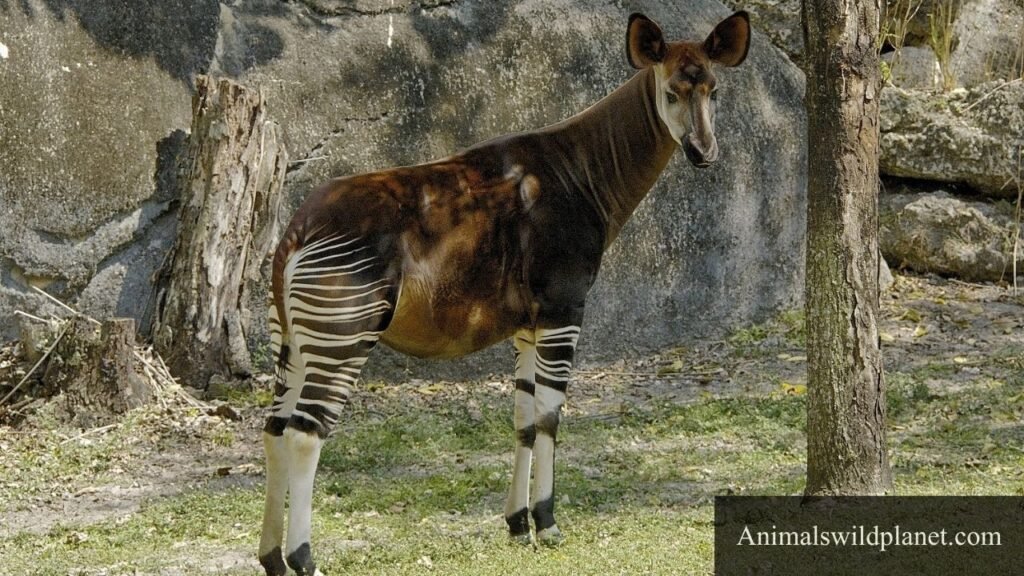
Despite their secretive nature, okapis are fascinating in their social structures. They communicate using a variety of sounds, including low-frequency bleats and whistles, which are inaudible to human ears. This vocal repertoire highlights their adaptability and showcases a complex social life that balances their solitary tendencies with the need for communication during mating seasons and rearing young. Their keen sense of smell aids navigation through fog, enhancing their ability to thrive in their dense surroundings, making every interaction a carefully calculated decision in a world filled with potential threats.
Conservation efforts for the okapi reveal deeper insights into our responsibility to protect such unique species. As deforestation and poaching threaten their habitat, these shy animals symbolize the delicate balance of their ecosystem. Each okapi not only represents the biodiversity of the Congo rainforest but also serves as a reminder of the profound connections between all living beings, urging us to appreciate and safeguard this hidden gem of the animal kingdom.
Red Squirrel
Scientific Name: Sciurus vulgaris
Class: Mammalia
Diet: Omnivore
Red squirrels, often overshadowed by their more social gray counterparts, exhibit an intriguing blend of shyness and assertiveness that makes them unique park dwellers. These small, fluffy creatures, with their striking rust-colored fur and tufted ears, are not just adorable; they play a crucial role in forest ecosystems. Their secretive nature often leads them to forage alone, allowing them to maintain a low profile while skillfully navigating their arboreal environment.
What truly sets red squirrels apart is their extraordinary adaptability. Despite their timid demeanor, they fiercely defend their territory from intruders, showcasing a surprising level of boldness when threatened. Recent studies suggest that individual red squirrels may even recognize specific calls from predators, enabling them to gauge the appropriate response. This combination of shyness and vigilance creates a compelling survival strategy, reminding us that even the quietest of creatures can harbor remarkable resilience and intelligence in the wild.
Fossa
Scientific Name: Cryptoprocta ferox
Class: Mammalia
Diet: Carnivore
The fossa, often dubbed Madagascar’s secretive predator, is a fascinating blend of feline grace and weasel agility. These elusive carnivores bear a striking resemblance to both cats and civets, yet they occupy a unique ecological niche on the island. Their slender bodies and long tails make them adept climbers, which they leverage to navigate the treetops of Madagascar’s lush rainforests. The fossa’s enigmatic nature is accentuated by its largely solitary lifestyle, allowing it to blend seamlessly into its surroundings — a master of camouflage in a vibrant, yet competitive ecosystem.
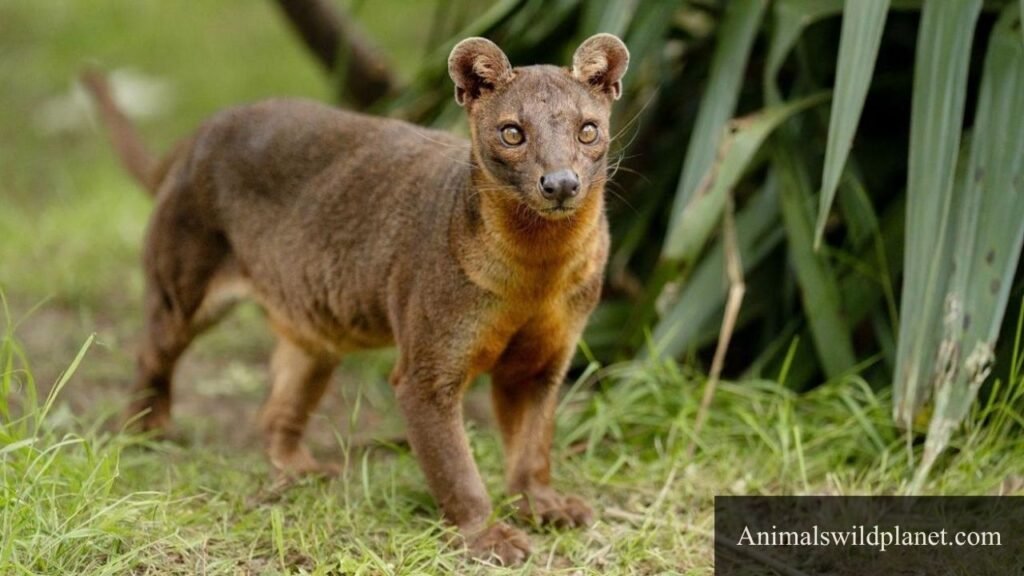
Despite their prowess as hunters, fossas face significant threats from habitat loss and human encroachment. As their natural homes are cleared for agriculture and development, the shy creatures become increasingly vulnerable, relying on their instincts to evade both danger and detection. The fossa’s elusive behavior has sparked curiosity among wildlife enthusiasts and researchers alike, urging conservation efforts to protect this unique species. By understanding their role as both predator and prey, we can better appreciate the delicate balance of Madagascar’s ecosystem and the fossa’s pivotal place within it.
Koala
Scientific Name: Phascolarctos cinereus
Class: Mammalia
Diet: Herbivore
Koalas, with their endearing faces and eucalyptus-filled habitats, often embody the essence of shyness in the animal kingdom. Despite their iconic status, these marsupials lead largely solitary lives, emerging from their trees primarily for nourishment. Interestingly, their shyness is not mere timidity; it’s a clever survival tactic evolved over eons. In the wild, koalas can remain hidden for hours, perfectly camouflaged among the eucalyptus leaves, minimizing their risk from predators and human intruders alike.
Beyond their physical adaptations, koalas exhibit unique social behaviors that reveal their gentle nature. Their vocalizations, particularly the deep bellowing sounds males produce during mating season, may seem assertive at first; however, these calls actually hold a dual purpose — attracting mates while simultaneously signaling their presence to deter rivals, all without necessitating close encounters. This intricate balance of existence demonstrates how shyness can be a subtle strength, allowing koalas to thrive in a world that often encroaches upon their delicate habitat.
Pangolins
Class: Mammalia
Diet: Insectivore
Pangolins, often referred to as the world’s most trafficked mammal, are a fascinating mix of intrigue and vulnerability. Clad in a unique armor of keratin scales, these shy creatures are elusive, typically retreating into their burrows when threatened. Unlike typical mammals, pangolins have a highly developed sense of smell, relying on it to locate their primary food source: ants and termites. With long, sticky tongues adapted for extracting their meals, they truly epitomize nature’s clever designs.
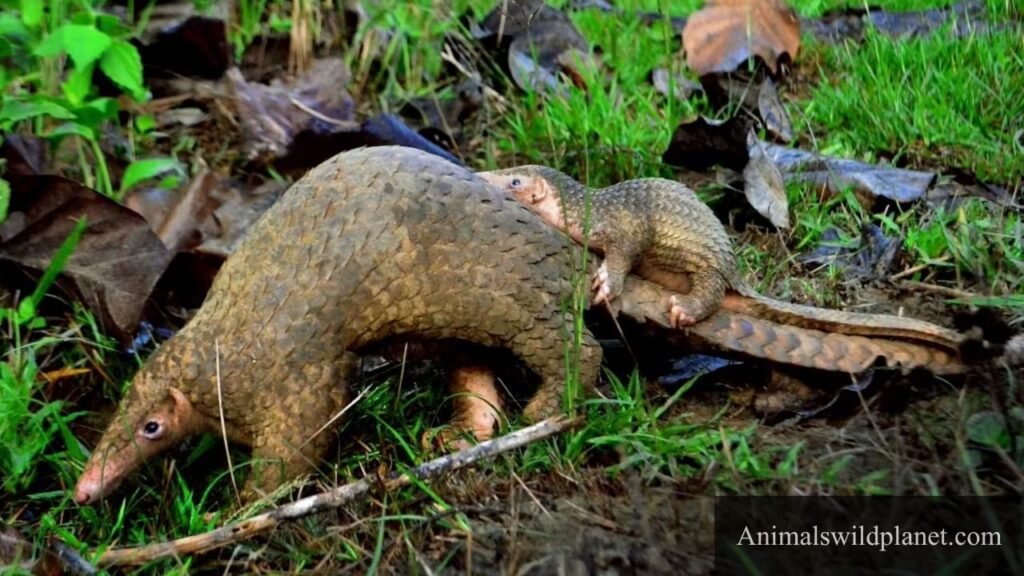
What makes these nocturnal foragers particularly captivating is their social structure. While they are mainly solitary, pangolins communicate using soft vocalizations and scent-marking, showcasing a complex form of social interaction seldom seen in shy creatures.
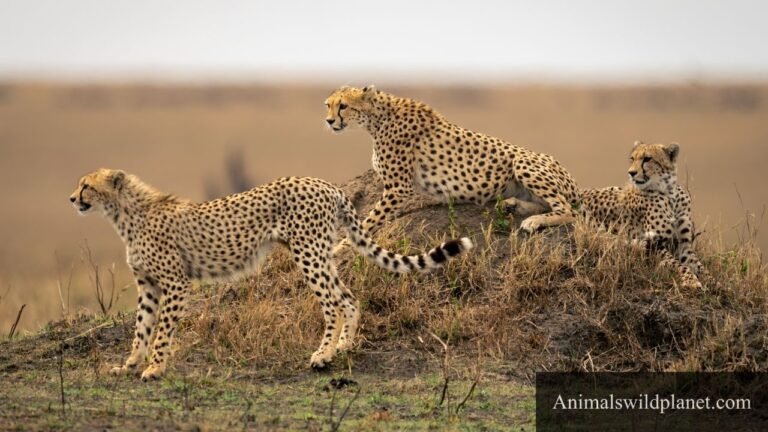
Cheetah
Scientific Name: Acinonyx jubatus
Class: Mammalia
Diet: Carnivore
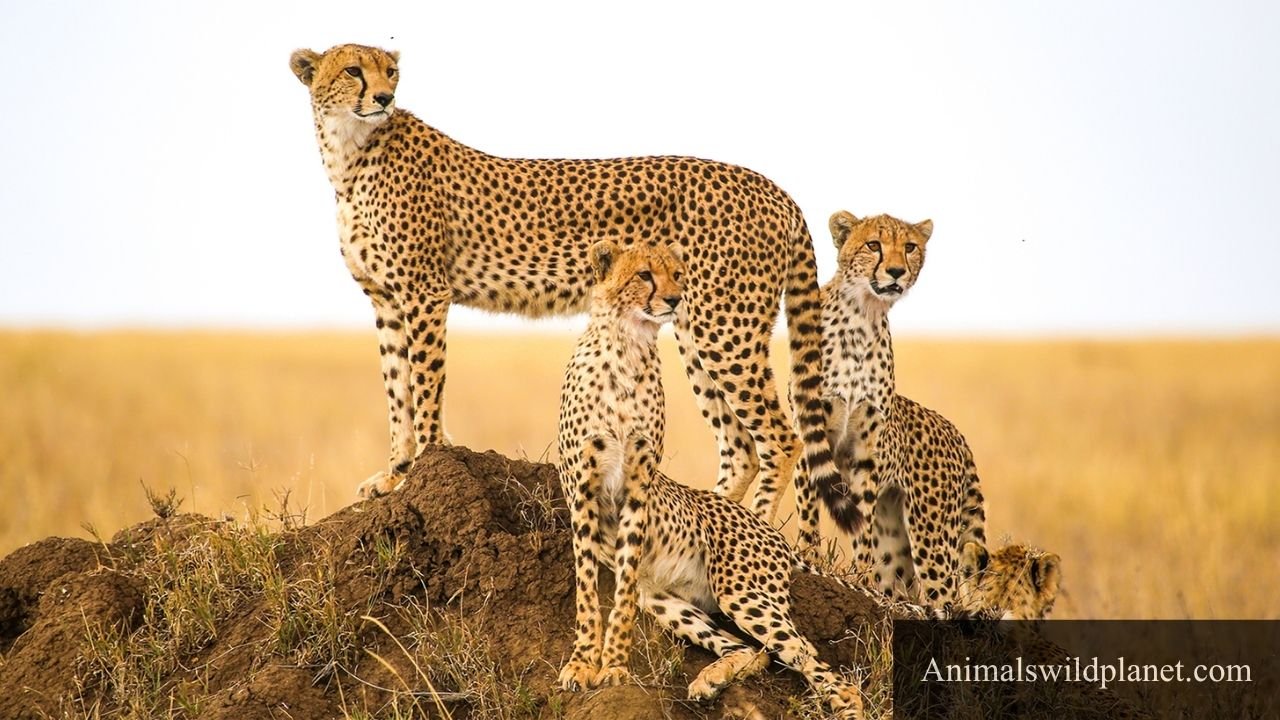
Cheetahs are often celebrated for their incredible speed, reaching up to 60 miles per hour in just a few seconds. However, beneath their athletic prowess lies a surprisingly shy nature, especially compared to their more dominant big cat counterparts like lions. When you observe a cheetah in the wild or even in a sanctuary, you may notice their preference for solitude or small family groups. This behavior stems from their unique strategy for survival: minimizing competition and reducing the stress of potential confrontations over territory or food.
Their shyness is intricately linked to their hunting technique. Unlike lions that hunt in prides, cheetahs rely on stealth and speed, requiring a calm environment to stalk their prey. Their spots act as natural camouflage, allowing them to blend into the tall grass until the perfect moment to sprint is upon them. This quiet demeanor not only aids in hunting efficiency but also highlights their role as unique predators in the ecosystem, showing that being a top-tier athlete doesn’t mean being flamboyant or aggressive.
Kiwi
Class: Aves
Diet: Omnivore
The kiwi, a flightless bird native to New Zealand, is a fascinating embodiment of shyness and adaptability. With its small stature and long, slender beak, the kiwi epitomizes the idea of being beautifully unassuming. Its nocturnal nature adds an intriguing layer to its character; while the world teems with vibrant life during the day, the kiwi ventures out cautiously under the cloak of night, showcasing its preference for solitude over the spotlight.
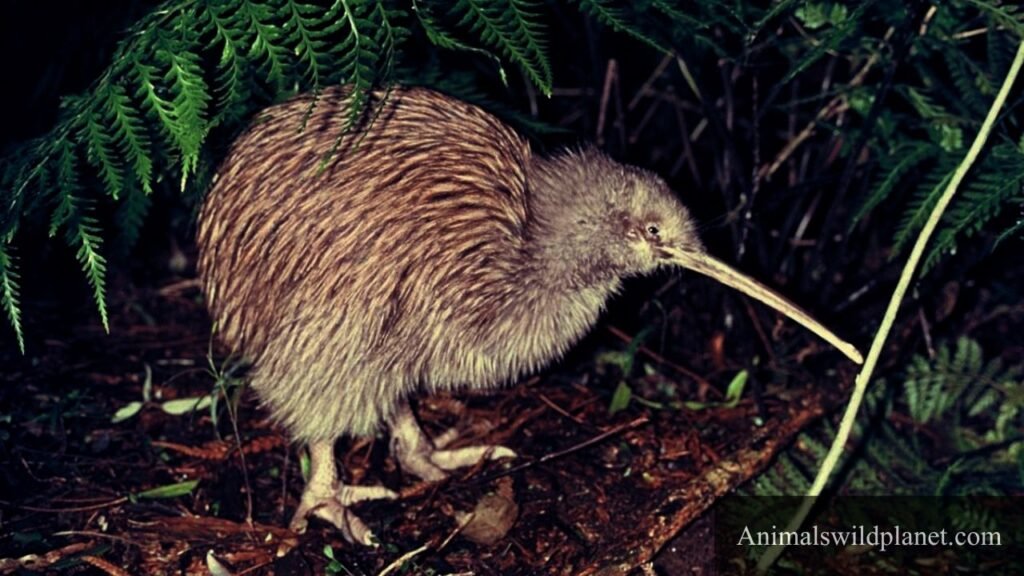
What truly captivates about the kiwi is its unique foraging behavior. Using its sensitive nostrils, it sifts through soil in search of insects and worms, embodying a quiet resilience in an ever-evolving habitat. The kiwi’s shyness extends to its mating rituals as well; rather than displaying flamboyant courtship behavior, these introverted birds are more likely to engage in understated, intimate interactions that strengthen their bonds.
Aardvarks
Scientific Name: Orycteropus afer
Class: Mammalia
Diet: Insectivore
Aardvarks, often overshadowed by more flamboyant African wildlife, are fascinating creatures cloaked in subtlety and shyness. These nocturnal foragers possess an intriguing build, featuring long snouts and powerful claws perfectly adapted for digging into termite mounds and ant hills. While many animals command attention through vivid displays or boisterous behaviors, aardvarks lead a more elusive existence, seamlessly blending into their surroundings and often remaining hidden during daylight hours.
Their shyness is not merely a personality trait; it’s an evolutionary advantage. By being active after sunset, aardvarks avoid many predators, allowing them to thrive in a habitat where survival depends heavily on stealth. Furthermore, their diet — primarily insects — plays a role in their solitary behavior, as locating food requires meticulous foraging in the dark, away from competition.
Tarsier
Scientific Name: Tarsius
Class: Mammalia
Diet: Carnivore
Tarsiers, often overshadowed by their more famous primate cousins, offer a fascinating glimpse into the world of shy animals. These nocturnal beings, with their enormous eyes and agile limbs, rely heavily on their stealth to navigate the dense forests of Southeast Asia. Unlike many primates that socialize openly, tarsiers are solitary creatures, using their acute senses to pinpoint insects and small vertebrates in the dark, relying on patience rather than bravado to ensure their survival.
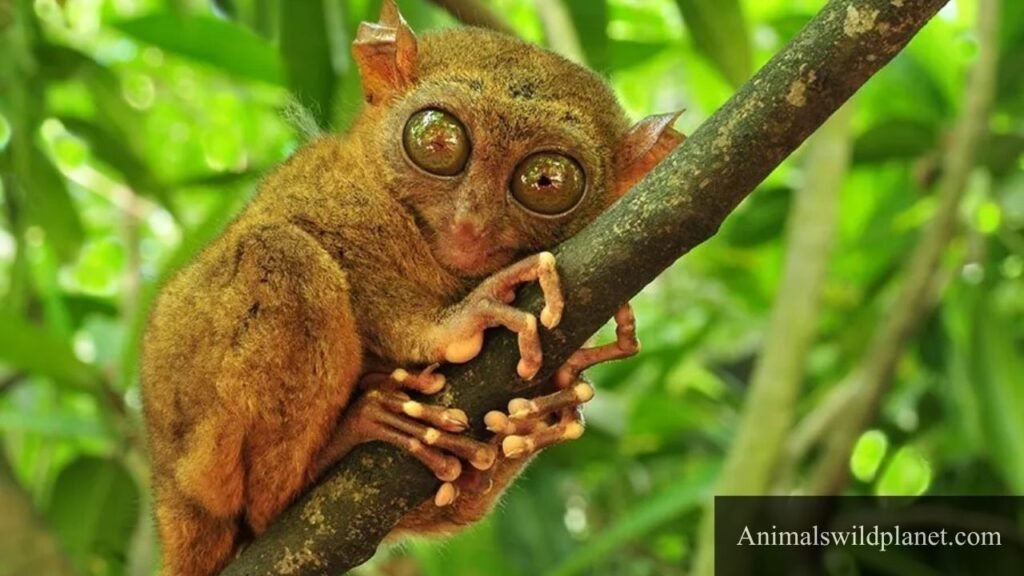
What sets tarsiers apart is their remarkable ability to rotate their heads nearly 180 degrees, which grants them an unparalleled view of their surroundings while remaining quietly perched. This unique adaptation not only aids in hunting but also acts as a protective mechanism against predators. Their silence is another testament to their shy nature; unlike most primates, they communicate through subtle vocalizations, avoiding loud calls that might attract unwanted attention.
Giant Anteater
Scientific Name: Myrmecophaga tridactyla
Class: Mammalia
Diet: Insectivore
Giant anteaters, with their elongated snouts and distinctive fur patterns, often lead solitary lives, making them one of nature’s shy wonders. While many may be captivated by their unique appearance, their elusive behavior adds to their charm. Encountering a giant anteater in the wild is a rarity; they prefer to roam quietly through the grasslands and forests of South America, foraging for ants and termites with their remarkably long tongues. This lifestyle, combined with their low, deliberate movements, offers a glimpse into a world where patience is a survival skill.
Their shyness extends beyond just their physical presence; these animals employ fascinating defense mechanisms. When threatened, a giant anteater will rise on its hind legs, brandishing its powerful foreclaws, which serves as both a deterrent and a display of confidence. In addition to their physical prowess, these gentle giants have a delicate sensory world, relying heavily on their keen sense of smell to navigate and locate food.
Sloth
Scientific Name for Three-toed Sloth: Bradypus
Scientific Name for Two-toed Sloth: Choloepus
Class: Mammalia
Diet: Herbivore
Sloths, often viewed as the embodiment of laziness in the animal kingdom, invite a deeper exploration beyond their languid demeanor. These tree-dwelling mammals move at a pace that can only be described as meditative, spending up to 20 hours a day clinging to branches, a deliberate choice that serves multiple purposes. Their slow lifestyle is a strategy rooted in survival; the reduced activity conserves energy and helps them avoid detection by predators like the harpy eagle.
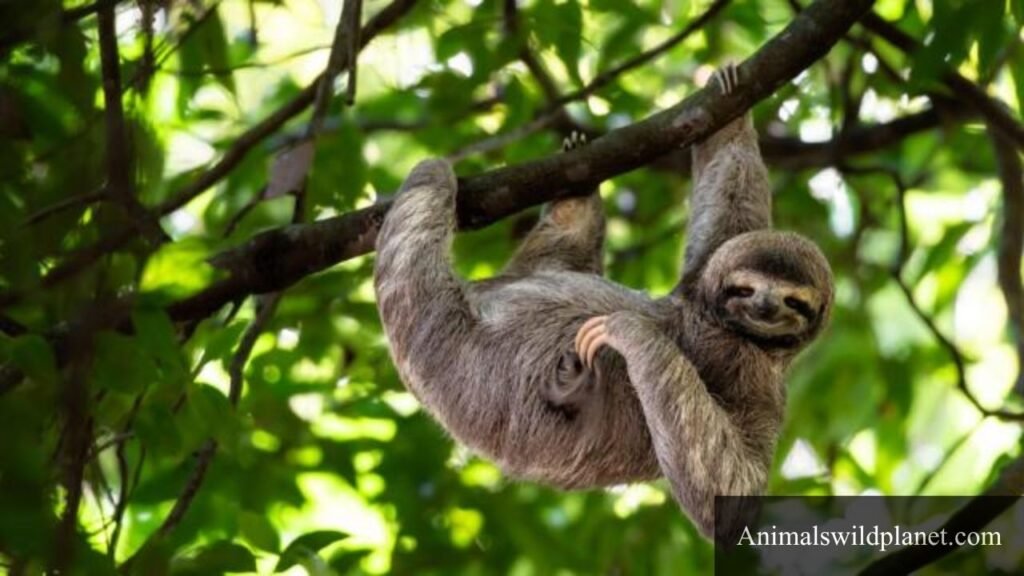
What truly sets sloths apart is their unique approach to social interaction. While they may appear solitary, sloths communicate in subtler ways that often go unnoticed. They emit low-frequency vocalizations, usually heard at night, which resonate through the forest. This method of connection reflects a gentle coexistence with their environment, where presence rather than intrusion dictates social dynamics.
Deer
Scientific Name: Cervidae
Class: Mammalia
Diet: Herbivore
In the serene underbrush of forests across the world, deer exemplify a delicate balance of grace and vulnerability. Their large, expressive eyes seem to mirror the gentle awareness of their surroundings, prompting an almost instinctual curiosity rather than overt boldness. This shyness, which often leads them to freeze in place at the slightest rustle, is not merely a survival tactic; it’s a profound form of communication within their social structures. When one deer detects a potential threat, it stays still, allowing its fellow herd members to sense danger and adapt accordingly.
Interestingly, this behavior isn’t a solitary trait but rather part of a larger network of connection among deer. Through subtle body language and a keen sense of smell, they convey complex emotions and messages. In regions where human encroachment is common, their shyness often transforms into an incredible adaptability; they learn to navigate urban landscapes, foraging in gardens and fields under the cover of darkness.
Axolotl
Scientific Name: Ambystoma mexicanum
Class: Amphibia
Diet: Carnivore
The axolotl, often referred to as the “Mexican walking fish,” is not a fish at all, but rather an astonishing amphibian. With its delicate frills and playful behavior, this creature thrives in its native underwater habitat of Mexico City’s ancient lakes. Interestingly, the axolotl retains its juvenile features, a phenomenon known as neoteny, which allows it to live its entire life in water, resembling an eternal adolescent. This unique trait is a key factor that allows researchers to delve into regenerative medicine, as axolotls can regrow entire limbs, parts of their heart, and even sections of their brain — a capability that continues to baffle and inspire scientists worldwide.
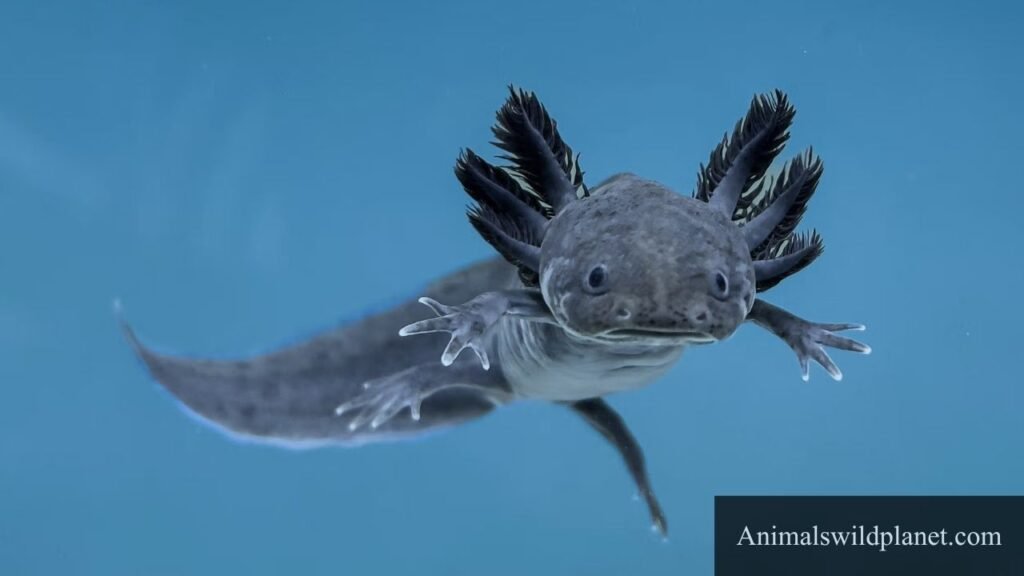
Beyond their remarkable biological traits, axolotls possess a shyness that adds to their charm. While they may appear docile, these creatures often prefer the depths of their aquatic environments, hiding among rocks and plants, showcasing a fascinating behavior of cautiousness in the face of perceived threats. This timidity not only plays a role in their survival but also highlights the delicate balance of their ecosystem, which faces increasing pressures from urbanization and pollution. Understanding the shy nature of axolotls invites us to appreciate the intricate lives of these amphibians and the urgent need for conservation efforts to protect their dwindling habitats.
Hedgehog
Scientific Name: Erinaceidae
Class: Mammalia
Diet: Omnivore
Hedgehogs, with their endearing spines and gentle demeanor, make for some of nature’s most shy yet fascinating creatures. Often found curled up in a defensive ball, these little beings have developed a unique strategy for survival, relying on their quills as a protective barrier against predators. However, this defensive behavior masks a curious personality beneath the surface. Intriguingly, hedgehogs are also known to be nocturnal foragers, scuttling through gardens and forests, unearthing insects and worms under the cover of darkness.
Beyond their shyness, hedgehogs play a critical role in our ecosystems. As natural pest controllers, they munch on pests that can otherwise disrupt agricultural settings, promoting a healthier balance in gardens and fields. Observing a hedgehog in its natural habitat provides a rare glimpse into the intricate web of life that sustains our environment.
Red Panda
Scientific Name: Ailurus fulgens
Class: Mammalia
Diet: Omnivore
The red panda, often overshadowed by its more famous namesake, captivates with an allure all its own. These elusive creatures, native to the temperate forests of the Himalayas and southwestern China, display a unique blend of charm and caution. Rarely seen in the wild, their shyness is a survival tactic; they prefer the serene solitude of their leafy habitats, where they can blend seamlessly into their surroundings. With their rust-colored fur and mischievous faces, red pandas evoke a sense of whimsy, yet they approach the world with a careful demeanor.
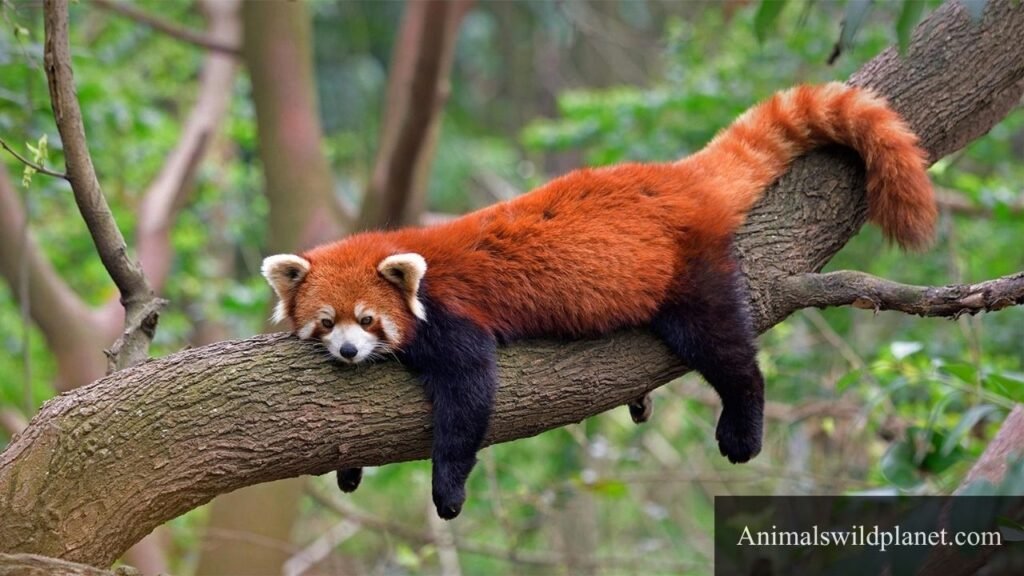
What’s intriguing about red pandas is their unique social structure; they are largely solitary, coming together only during mating season. This solitary behavior is a fascinating survival tactic, allowing them to maintain their territory without the competition of a pack. Despite their secretive tendencies, red pandas communicate through a range of vocalizations and scent markings, subtly expressing their emotions in a forest kingdom that thrives on whispers.
Binturong
Scientific Name: Arctictis binturong
Class: Mammalia
Diet: Omnivore
The binturong, often referred to as the “bearcat,” is a fascinating creature that defies easy classification. Native to the rainforests of Southeast Asia, this shy and elusive mammal exhibits a unique blend of characteristics, from its cat-like face to its surprisingly adept climbing skills. Unlike many other animals, binturongs have a distinctive, musky scent that resembles buttered popcorn, a trait that not only adds to their charm but also plays a crucial role in communication and territorial marking among these solitary creatures.
Beyond their intriguing aroma, binturongs are remarkable for their social behaviors, often forming transient relationships with one another, particularly during the mating season. Their prehensile tails, which can be as long as their bodies, not only assist in maintaining balance while perching high in trees but also serve as an expressive tool in their quiet interactions.
Fennec Fox
Scientific Name: Vulpes zerda
Class: Mammalia
Diet: Omnivore
The fennec fox, with its strikingly large ears and playful demeanor, is a testament to nature’s adaptability. Native to the arid expanses of the Sahara Desert, these small creatures have developed unique survival strategies that make them both fascinating and endearing. Their oversized ears, which can measure up to half the length of their body, serve multiple purposes: muffling sounds of predators, radiating heat to keep them cool, and enhancing their acute sense of hearing, allowing them to detect the underground movements of prey.
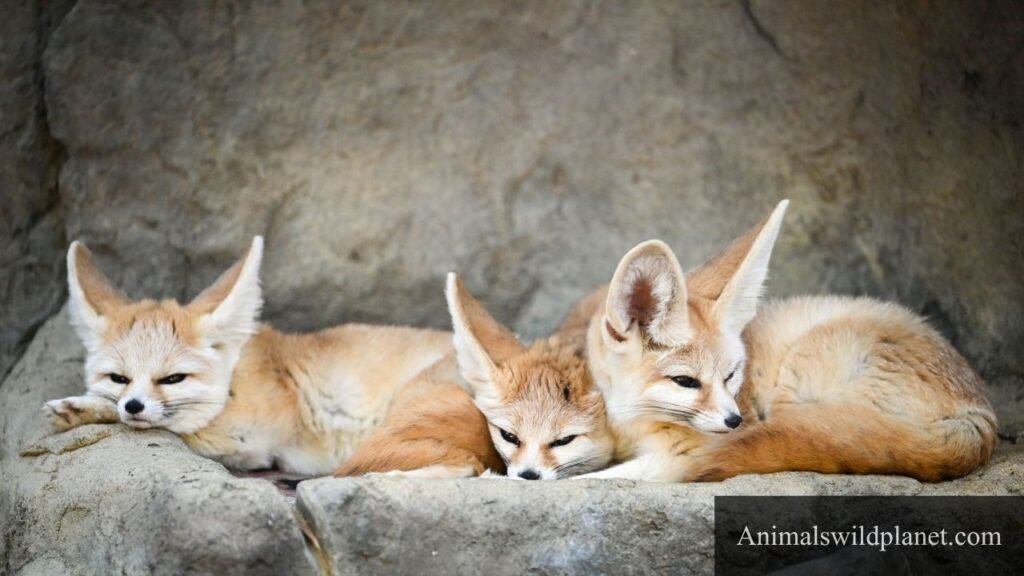
Socially, fennec foxes exhibit shy yet curious behaviors, often avoiding interactions with humans while thriving in the company of their kin. Their communication is intricate, utilizing a range of barks, growls, and whines, forming a social structure based on close-knit family units. While they may seem timid, their playful antics — like bounding across the dunes in graceful leaps — showcase a spirited resilience and an innate curiosity about their surroundings, reminding us that shyness does not equate to weakness.
Maned Wolf
Scientific Name: Chrysocyon brachyurus
Class: Mammalia
Diet: Omnivore
The maned wolf is a striking creature, often mistaken for a fox due to its long legs and distinctive mane. Roaming the grasslands and savannas of South America, these shy canids have an elusive nature that makes them a rare sight even for seasoned wildlife observers. Unlike their more social relatives, the maned wolf prefers solitude, often hunting alone or in pairs. This preference shapes their behavior, leading to a life of quiet exploration, where stealth is key to survival.
Their diet is as unique as their appearance, primarily consisting of a variety of fruits and small animals. The maned wolf has a particular fondness for the lobeira fruit, also known as the “wolf apple,” adding a sweet twist to its otherwise carnivorous diet. This adaptability is crucial, especially as their habitats face threats from deforestation and agriculture. Observing these animals reveals a profound connection to their environment, highlighting the balance they maintain within their ecosystems. The maned wolf’s shyness is not a weakness but a survival strategy, allowing it to navigate the challenges of its diminishing world with grace and resilience.
Snow Leopard
Scientific Name: Panthera uncia
Class: Mammalia
Diet: Carnivore
Snow leopards are often regarded as the elusive phantoms of the mountains, a title they earn through their remarkable stealth and solitary nature. In the stark, rugged landscapes of the Himalayas and Central Asia, these majestic cats blend seamlessly into their surroundings, making them both a symbol of beauty and a challenge for wildlife enthusiasts. Their adaptive thick fur and large paws enable them to navigate treacherous terrains with surprising agility, but it’s their keen senses that truly set them apart, allowing them to stalk prey without a whisper.
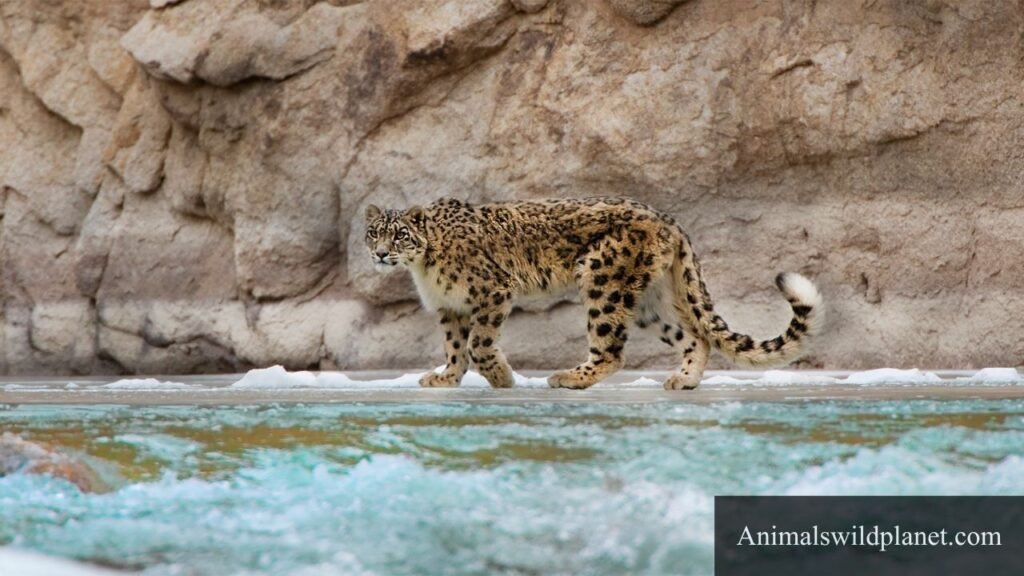
Despite their shyness, snow leopards communicate through a range of vocalizations and markings. Their ability to convey emotions without direct confrontation highlights a complex social structure often overlooked. Despite their impressive skills, snow leopards are notoriously shy and tend to avoid human interaction. This elusive demeanor has earned them the moniker of “ghosts of the mountains,” and underscores the importance of conservation efforts as their populations dwindle due to habitat loss and poaching.
Aye-aye
Scientific Name: Daubentonia madagascariensis
Class: Mammalia
Diet: Omnivore
The aye-aye, a nocturnal lemur native to Madagascar, is an enchanting paradox of nature. With its oversized ears and elongated middle finger, it isn’t just a curiosity; it employs these distinct traits for survival. By tapping on tree trunks, the aye-aye listens intently for the sounds of grubs burrowing beneath the bark. This unique foraging technique, known as percussive foraging, showcases an extraordinary adaptation honed over millennia, allowing this shy creature to thrive in its habitat.
Conservationists advocate for its protection, emphasizing that the aye-aye plays a crucial role in maintaining the health of forest ecosystems by helping to control insect populations. As we delve deeper into the life of the aye-aye, it becomes apparent that embracing its quirks might lead to a greater appreciation for the delicate balance of biodiversity in Madagascar’s unique landscapes.
Readmore: Explore Top 13 Animals That Waddle.
Conclusion
Shy animals often embody the delicate balance of instinct and survival in the wild. Their timid nature allows them to evade predators while showcasing the diverse behaviors found in nature. From the elusive snow leopards to the introverted aardvarks, these creatures remind us of the beauty in restraint and caution. By fostering awareness and respect for these creatures, we can contribute to preserving their habitats and ensuring their survival for future generations.
FAQs
What is the shyest animal in the world?
The shyest animal in the world is often considered to be the saola, also known as the Asian unicorn. Native to the Annamite Range of Vietnam and Laos, this elusive creature was only discovered by scientists in 1992. Its rarity and secretive nature have made it a symbol of the mysterious wildlife that inhabits the region.
What are the animals that are quiet and shy?
Some animals are naturally quiet and shy, often avoiding loud environments and human interaction. For instance, many small mammals like rabbits and deer tend to be very timid. They prefer to stay hidden in their habitats, relying on their keen senses to detect predators instead of making noise. Similarly, certain reptiles, like snakes and tortoises, are generally low-key. They often rely on camouflage and silence to avoid threats. Even among birds, some species, like the American woodcock, are more reserved and less vocal compared to their more boisterous counterparts.
What animals are shy but friendly?
Many animals display a shy yet friendly demeanor, especially when given the right environment and care. For instance, rabbits are often timid at first. They require patience, but once they feel safe, they can be incredibly affectionate and enjoy bonding with their owners. Another great example is the shy cat. Some breeds, like the Ragdoll or Maine Coon, may initially keep their distance but can warm up significantly over time, showing a loyal, loving side. These animals thrive on gentle interaction and can become wonderful companions once they trust you.