Top 11 Animals That Have Quills (With Images)
In the wild, quills serve as a remarkable adaptation that protects these creatures from potential predators. In this article about Animals That Have Quills, we’ll dive into the fascinating world of these spiky animals, exploring their unique abilities and habitats. By the end, you’ll gain a newfound appreciation for these prickly protectors and the roles they play in our ecosystem.
List of Animals That Have Quills
Below is the list of animals with quills:
- Thorny Devil Lizard
- Echnida
- Old World Porcupine
- Greater Hedgehog Tenrec
- North American Porcupine
- Pufferfish
- African Brush‑tailed Porcupine
- Lowland Streaked Tenrec
- Hedgehogs
- Spiny rats
- Indian Crested Porcupine
Thorny Devil Lizard
Scientific Name: Moloch horridus
Class: Reptilia
Diet: Insectivore
The Thorny Devil Lizard, native to the arid landscapes of Australia, is a remarkable example of nature’s ingenuity. This fascinating reptile boasts an armor-like exterior, adorned with a myriad of spiny protrusions that serve not only as a defense mechanism but also as a tool for survival in its harsh environment. When threatened, the Thorny Devil flattens its body against the ground, making these spikes appear even more formidable. This clever form of camouflage helps it evade predators while blending seamlessly into its rocky surroundings.
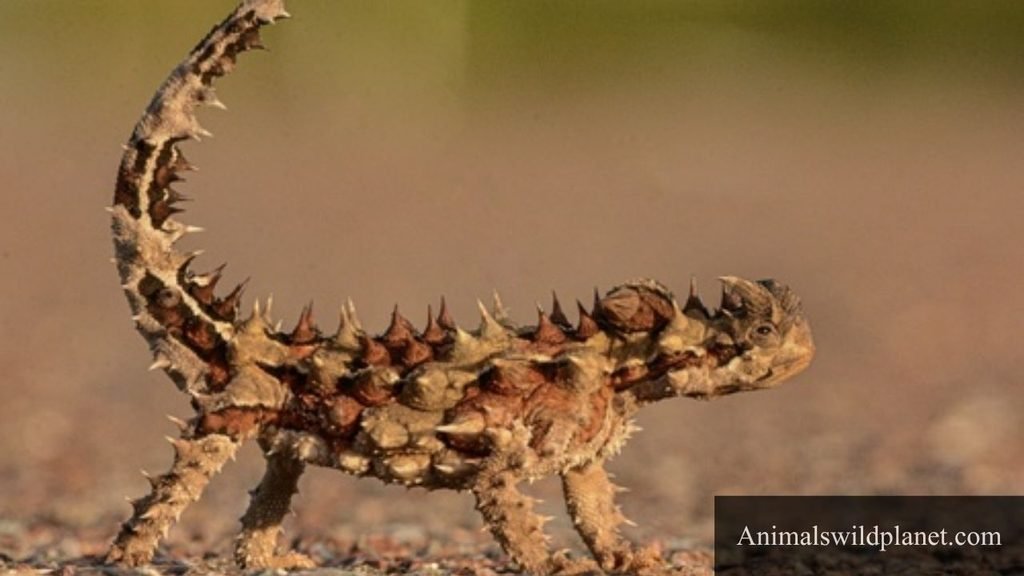
Beyond its striking appearance, the Thorny Devil is an expert at water conservation. It has a unique ability to collect moisture from rain or dew through its skin and channel it to its mouth. This adaptation enables it to thrive in a habitat that receives minimal rainfall. Observing this remarkable process highlights the ingenious ways in which species have evolved to overcome the challenges of their ecosystems. With its quirky behavior and impressive survival tactics, the Thorny Devil serves as a captivating reminder of nature’s creativity.
Echidna
Scientific Name: Tachyglossus aculeatus
Class: Mammalia
Diet: Insectivore
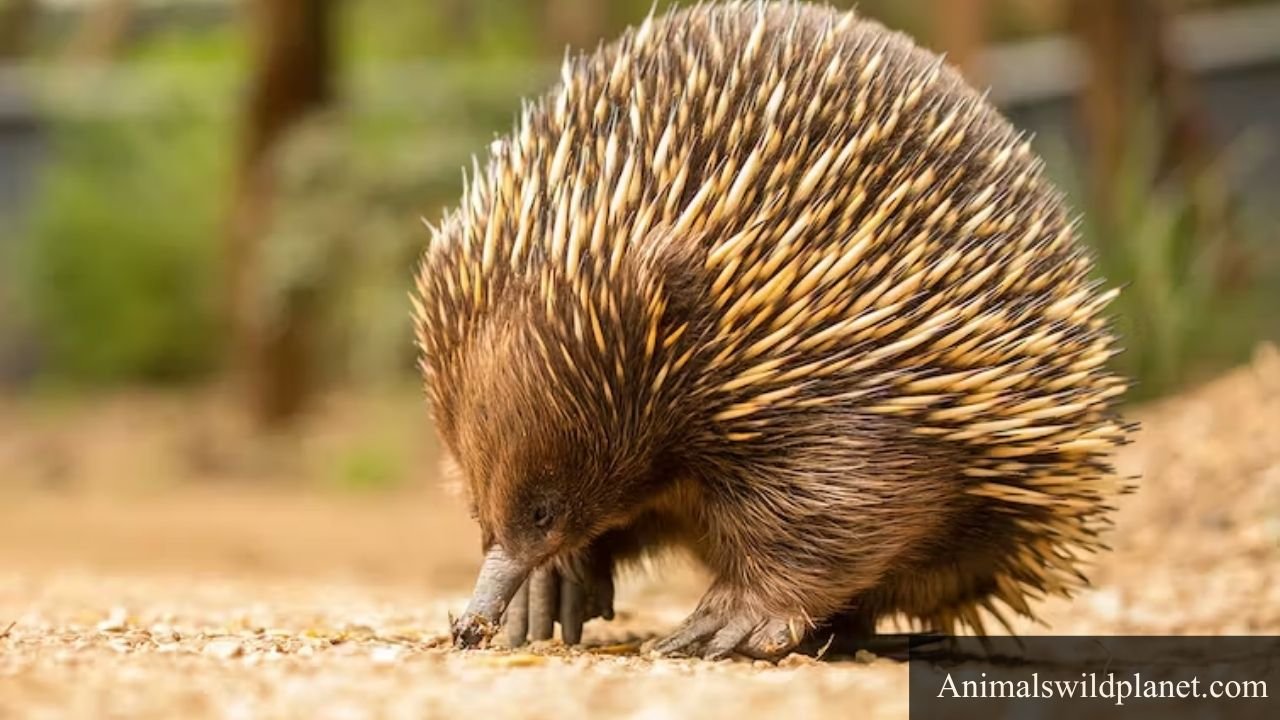
The echidna, often overshadowed by its more famous cousin, the platypus, is a true marvel of evolutionary adaptation. As one of only five extant monotreme species, it possesses a unique blend of features that set it apart in the animal kingdom. Its quills, unlike those of porcupines, are actually modified hairs made of keratin, offering more than just an impressive defense mechanism; these spiky shields are an evolutionary response to predator pressure in its rugged habitat. When threatened, an echidna can curl into a spiky ball, making it nearly impossible for would-be predators to get a mouthful.
Beyond its striking appearance and defensive strategies, the echidna’s reproductive methods are equally fascinating. As a monotreme, it lays eggs and nurses its young with milk, yet has anatomical features reminiscent of both reptiles and mammals. This remarkable blend of characteristics paints a picture of an animal that bridges two worlds, providing insights into the evolutionary history of mammals. Their foraging habits, digging for ants and termites with their long snouts, showcase an intricate balance of survival tactics that help them thrive in varied environments, from forests to arid landscapes. The echidna is not just a creature of quills; it’s a living testament to the wonders of evolution and adaptability in the animal world.
Old World Porcupine
Scientific Name: Hystricidae
Class: Mammalia
Diet: Herbivore
The Old World porcupine, primarily found in Africa, Europe, and Asia, boasts quills that are a fascinating blend of defense and adaptation. Unlike their New World cousins, whose quills can detach, Old World porcupines have solid quills that can pierce through predators, acting as both armor and deterrent. These formidable spines are not just for show; they serve strategic purposes in communication and camouflage, mimicking the tree bark or the spines of the surrounding flora.
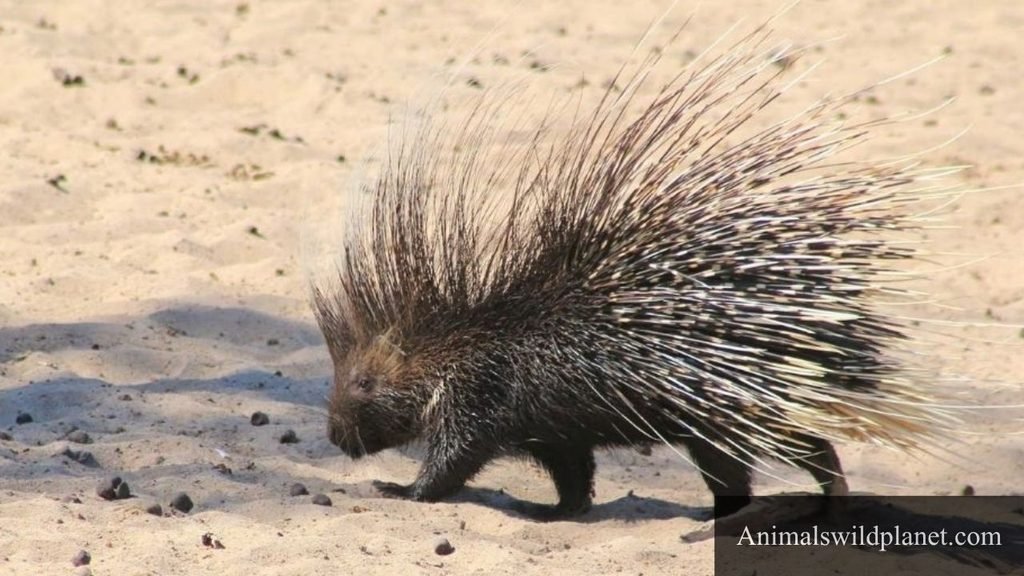
What truly sets the Old World porcupine apart is its social structure and nocturnal habits. In many ways, their quills symbolize resilience; they are inherently solitary creatures but form strong family bonds, often sharing dens and foraging together. Their ability to thrive in diverse habitats — ranging from rocky cliffs to dense forests — underscores their adaptability. Observing these creatures reveals a different side to quilled defenses, illustrating that even in the animal kingdom, vulnerability can coexist with strength and companionship in the dance of survival.
Readmore: Explore Top 23 Animals That Have Lowest IQ.
Greater Hedgehog Tenrec
Scientific Name: Setifer setosus
Class: Mammalia
Diet: Insectivore
The Greater Hedgehog Tenrec, native to Madagascar, is a fascinating creature with a unique defensive strategy: quills. Unlike the more familiar hedgehog, this small mammal boasts a dense coat of sharp, spiny quills that can be raised when threatened, creating a formidable barrier against predators. What sets the Greater Hedgehog Tenrec apart is its ability to produce quills that vary in length and sharpness, allowing for more tailored responses to different threats. This adaptability speaks to the creature’s evolutionary path, showcasing nature’s ingenuity in the face of peril.
Beyond their protective function, these quills also serve a surprising social purpose. The Greater Hedgehog Tenrec engages in a behavior known as “quill shaking,” a non-aggressive display used during interactions with conspecifics. This unique communication method emphasizes their social structure, illustrating that even defensive features can play a role in intricate social dynamics. The quills, combined with their ability to thrive in Madagascar’s diverse habitats, make them a true testament to the beauty of evolutionary specialization. Engaging with the world around them, Greater Hedgehog Tenrecs remind us that survival strategies can also enrich social bonds.
North American Porcupine
Scientific Name: Erethizon dorsatum
Class: Mammalia
Diet: Herbivore
The North American porcupine, an iconic creature cloaked in a coat of quills, serves as a fascinating study in adaptation and defense. Each porcupine boasts around 30,000 quills — modified hairs that can detach with the slightest provocation. Unlike popular belief, these quills don’t shoot out like darts; instead, they are easily embedded in potential threats. This unique defense mechanism goes beyond mere self-protection; it’s a remarkable example of evolutionary innovation allowing these creatures to thrive in diverse habitats, from hardwood forests to rugged mountains.
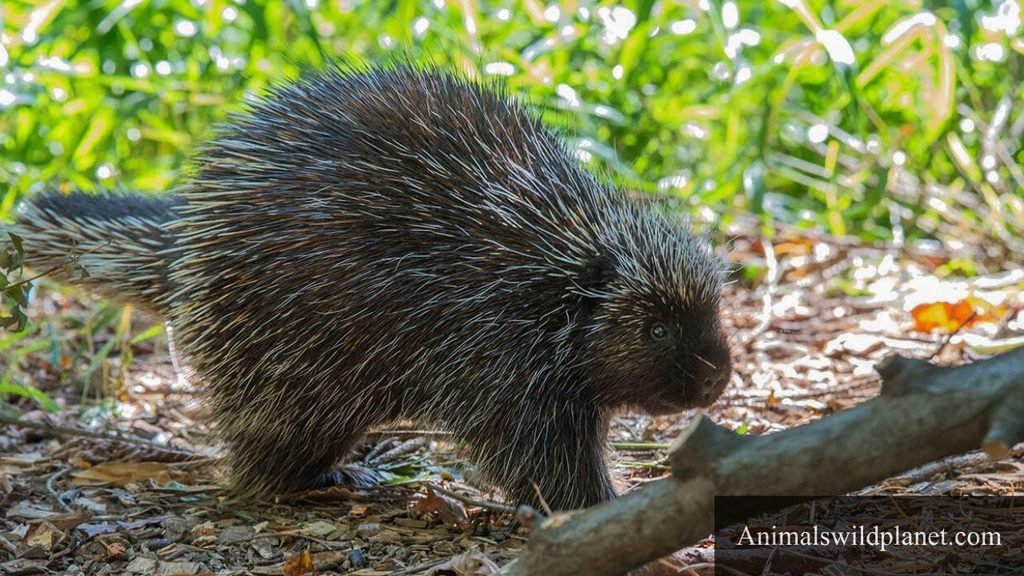
Perhaps even more intriguing is the porcupine’s relatively gentle nature. Contrary to its prickly demeanor, it spends much of its time in trees, foraging for leaves, fruits, and bark. This arboreal lifestyle not only helps them maintain a steady diet but also showcases a fascinating balance between defense and utility. Quill construction is a captivating lesson in biology, comprised mainly of keratin, the same protein found in human hair and nails. Through this lens, the North American porcupine becomes a symbol of resilience, navigating a world that constantly tests the boundaries between threat and survival.
Pufferfish
Scientific Name: Tetraodontidae
Class: Actinopterygii
Diet: Omnivore
Pufferfish are often celebrated for their extraordinary ability to inflate, but their quilled defense mechanism offers another layer of intrigue. These fascinating marine creatures can prick their would-be predators with spines, a tactic that enhances their resilience against threats. Unlike traditional quills, the spines of pufferfish are a natural extension of their body, covered in layers of tough skin, which becomes more prominent when they puff up. This adaptive strategy not only serves as a warning to predators but also showcases the remarkable evolution of marine life.
Interestingly, the pufferfish’s quills are complemented by a powerful toxin — tetrodotoxin — that further reinforces their survival strategy. While their quills might deter some predators, this potent poison can incapacitate bigger threats, adding a layer of complexity to their defense. What makes this symbiosis even more fascinating is that some animals have developed an immunity to the toxin, creating a unique predator-prey dynamic. This swirling balance of danger and defense highlights the intricate ties of ocean ecosystems, where even the most seemingly whimsical creatures have evolved mechanisms for survival.
African Brush‑tailed Porcupine
Scientific Name: Atherurus africanus
Class: Mammalia
Diet: Herbivore
The African brush-tailed porcupine, a lesser-known species among its quilled cousins, showcases an impressive blend of adaptability and unique behavior. Unlike their North American relatives, these porcupines possess long, bristly quills that are not only for defense; they also play a significant role in communication. When threatened, the brush-tailed porcupine can make its quills rattle, creating a startling sound that serves both as a warning and an intimidation tactic, fascinatingly blending survival with social interaction.

Living in the lush forests and grasslands of sub-Saharan Africa, these nocturnal creatures are expert foragers. Their diet primarily consists of bark, roots, and fruits, which they skillfully locate under the cover of darkness. Interestingly, they are more than just solitary scavengers; they exhibit complex social structures and often communicate through a series of grunts and whistles. This ability to form connections adds another layer to their fascinating lives, highlighting the intricacies of interspecies communication in the wild. The African brush-tailed porcupine is not merely a spiny creature to be feared; it is an emblem of resilience and social nuance in the animal kingdom.
Lowland Streaked Tenrec
Scientific Name: Hemicentetes semispinosus
Class: Mammalia
Diet: Insectivore
The Lowland Streaked Tenrec, a remarkable creature native to Madagascar, offers a unique perspective on the evolution of quills. Unlike the more popularly known porcupines, these small mammals sport a distinctive array of spines and quills that are not just for show; they serve as essential tools for survival. When threatened, the tenrec can raise its quills, creating an intimidating display that deters would-be predators. This fascinating defense mechanism speaks volumes about the intricate adaptations of wildlife in Madagascar’s diverse ecosystems.
What sets the Lowland Streaked Tenrec apart is its ability to communicate through quill vibrations. Unlike most animals, these tenrecs utilize their quills to convey signals to others, showcasing a complex social behavior uncommon in rodents. As they scuttle along the forest floor, their quills can produce sounds that resonate within their environment, facilitating interactions in the dense underbrush. This integration of quills into both defense and communication highlights the remarkable versatility of this little-known mammal, inviting us to appreciate the intricate relationships between adaptations and ecology in the animal kingdom.
Hedgehogs
Scientific Name: Erinaceinae
Class: Mammalia
Diet: Omnivore
Hedgehogs, those charming little creatures with their tiny faces and spiky backs, are not just cute; they’re fascinating in their evolutionary adaptations. Their quills, which number in the thousands, serve as an extraordinary defense mechanism against predators. When threatened, a hedgehog can roll into a tight ball, presenting a formidable wall of spiky armor that can deter even the most ambitious of attackers. This unique behavior isn’t just about protection; it’s a clever survival strategy that highlights how animals in the wild cleverly adapt to their environment.
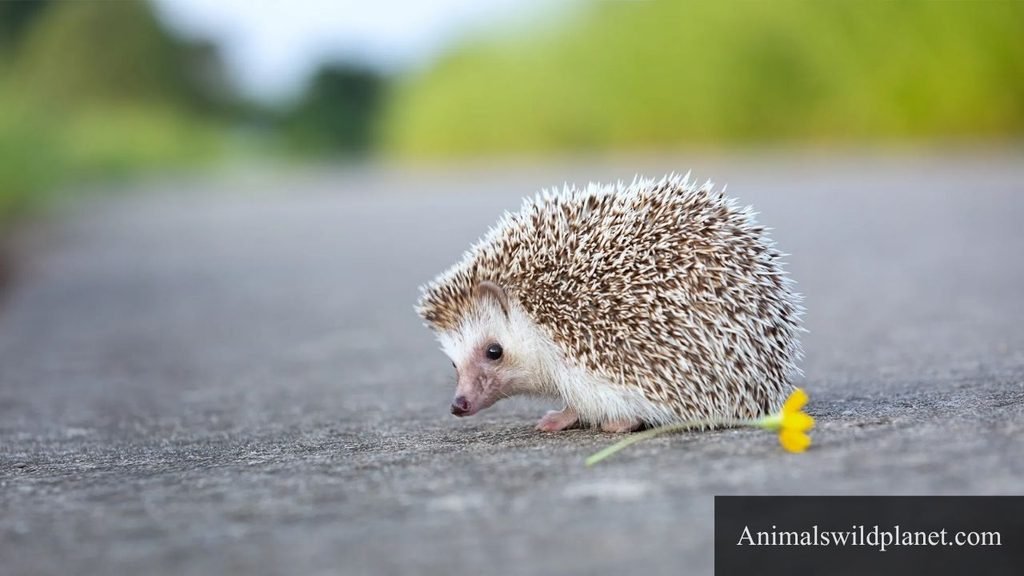
Beyond their defensive abilities, hedgehogs showcase intriguing social behaviors that challenge common perceptions. While often viewed as solitary creatures, hedgehogs display a surprising level of interactivity during mating seasons and in familial roles. Mother hedgehogs are deeply nurturing, carefully tending to their young and teaching them the ropes of survival. Their foraging habits, which include nocturnal wanderings for insects and fruits, further highlight their adaptability in diverse habitats. As these endearing creatures continue to capture our hearts, they remind us of the rich complexities of animal life and the vital roles they play in their ecosystems.
Spiny Rats
Scientific Name: Echimyidae
Class: Mammalia
Diet: Herbivore
Spiny rats, native to the forests of Central and South America, are intriguing creatures that challenge the common perceptions of quilled animals. Unlike porcupines, their quills are not sharp spines but rather stiffer hairs that offer an interesting defensive mechanism. When threatened, spiny rats engage in a unique display of puffing up their bodies, making these bristly hairs stand upright and providing an illusion of larger size to deter predators. This fascinating tactic showcases the ingenuity of evolution, where a simple adaptation can have profound implications for survival.
Beyond their defensive adaptations, spiny rats are often underappreciated for their role in their ecosystem. Feeding primarily on a varied diet of fruits and seeds, they contribute to seed dispersal, promoting the health of their forest habitat. Their social structures also provide insight into animal behavior; they often live in small family groups, engaging in communal grooming and nurturing young ones, which highlights the complexities of their social interactions. As we delve deeper into the lives of these remarkable rodents, it becomes clear that spiny rats are more than just their quills — they are vital cogs in the rich tapestry of biodiversity.
Indian Crested Porcupine
Scientific Name: Hystrix indica
Class: Mammalia
Diet: Herbivore
The Indian crested porcupine, a fascinating creature found predominantly in the forests and grasslands of the Indian subcontinent, brings a unique blend of charm and defensiveness. Unlike their North American cousins, these porcupines sport long, striking quills that can defend against potential predators. The quills are not just a means of defense; they serve multiple purposes, including temperature regulation and even communication through their rustling sounds.
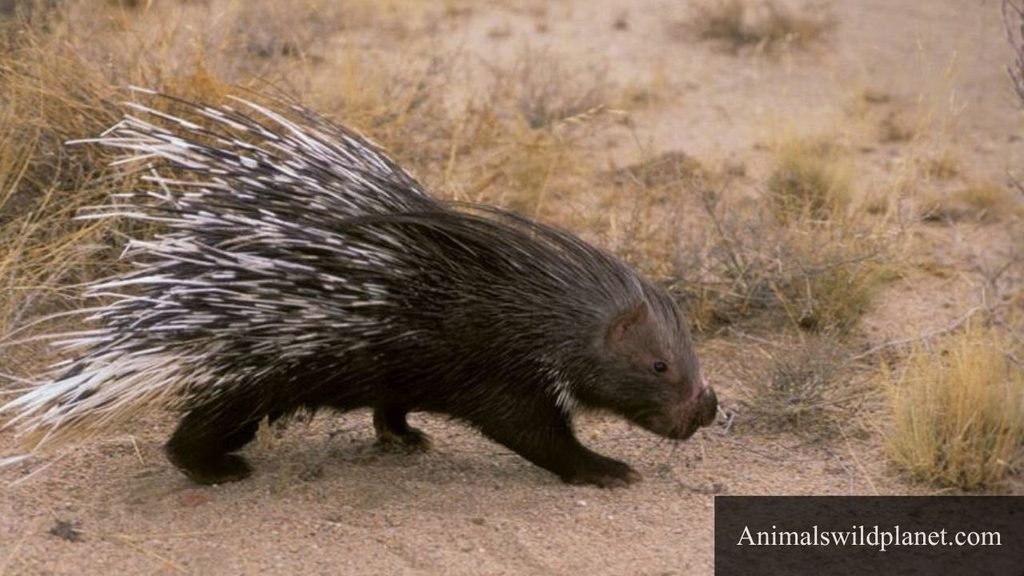
What’s particularly intriguing about the Indian crested porcupine is its social behavior. These animals are largely nocturnal and are often seen foraging in small family units, foraging for roots, tubers, and even agricultural crops. Their intelligence is apparent in how they navigate their environment, using their keen sense of smell to locate food and their formidable quills as a last resort against threats. Beyond their spiny exterior lies a creature that exemplifies resilience and adaptability, making the Indian crested porcupine not just a symbol of defense, but also of family and community within the wild tapestry of the Indian ecosystem.
Readmore: Explore Top 18 Most Independent Animals.
Final Words
Quilled animals like porcupines and echidnas showcase the incredible adaptations that allow them to thrive in their environments. These unique creatures not only highlight the diversity of the animal kingdom but also evoke curiosity about their behaviors and habitats. As fascinating as they are, quilled animals also play essential roles in their ecosystems, from pest control to seed dispersal. Understanding and appreciating these animals can deepen our connection to nature and underscore the importance of conservation. Let’s continue to explore the wonders of wildlife and protect these remarkable species for future generations.
FAQs
Which animals have sharp quills?
Several animals are known for their sharp quills, with the most notable being porcupines. These nocturnal rodents have quills that they can raise when threatened, making them formidable opponents. Their quills are barbed, which means they can become embedded in the skin of predators, causing pain and injury. Another example is the hedgehog, which has spiny fur that serves as a defense mechanism. When threatened, hedgehogs curl into a tight ball, exposing their sharp spines to deter attackers.
Do porcupines have 30,000 quills?
Yes, porcupines can have around 30,000 quills. These sharp, barbed hairs serve as a defense mechanism against predators. When threatened, porcupines will back up into a predator, using their quills as a deterrent. Each quill is actually a modified hair, and they can easily detach when they come into contact with another animal. Once lodged in the skin, they can be quite painful and hard to remove, making porcupines less appealing targets for predators.