Top 15 Stubborn Animals in The World (With Pictures)
Did you know that some animals can be as stubborn as a teen refusing to clean their room? In the wild, certain species exhibit surprising defiance that can bewilder even the most seasoned animal observers. This article dives into the world of stubborn animals, exploring their behaviors and traits that make them stand out.
Understanding these creatures not only sparks our curiosity but also sheds light on the fascinating dynamics of animal behavior. Get ready to meet some of the most headstrong animals on the planet!
List of Stubborn Animals in The World
Here is the list of most stubborn animals in the world:
| Number of Animals | Names of Stubborn Animals |
| 1 | Camels |
| 2 | Donkeys |
| 3 | Pig |
| 4 | Goats |
| 5 | Cows |
| 6 | Terrier Dogs |
| 7 | Bulls |
| 8 | Buffalo |
| 9 | Llama |
| 10 | Mules |
| 11 | Badger |
| 12 | Tortoises |
| 13 | Cats |
| 14 | Horses |
| 15 | Elephants |
Camels
Scientific Name for Dromedary camel: Camelus dromedarius
Scientific Name for Bactrian camel: Camelus bactrianus
Class: Mammalia
Diet: Herbivore
Camels, often dubbed the “ships of the desert,” possess a remarkable stubbornness that is intimately connected to their survival instincts. This trait isn’t just mere obstinacy; it’s a strategic choice honed over thousands of years. When a camel digs its heels in, it may be recognizing potential danger, assessing daunting environmental stressors, or simply asserting its autonomy. This behavior can be surprising to travelers who expect them to be docile and compliant; however, this resilience reflects their ability to adapt in one of the planet’s most inhospitable climates.
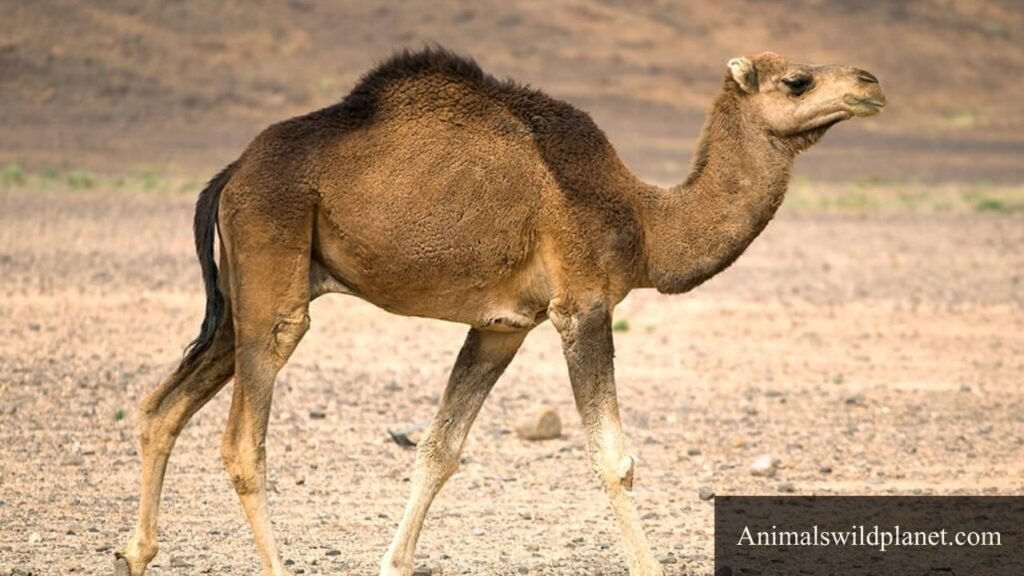
Interestingly, camels have a strong sense of agency and are known for forming emotional bonds with their handlers. This deep-rooted connection can lead to moments of stubbornness when they feel uneasy or disrespected. Rather than viewing this as defiance, it can be seen as a form of communication — each huff and sigh expressing their unique perspective on their journey. By understanding a camel’s motivations and moods, handlers can cultivate a deeper relationship, one that transforms stubbornness into a partnership built on trust and mutual respect.
Donkeys
Scientific Name: Equus africanus asinus
Class: Mammalia
Diet: Herbivore
Donkeys often get a bad rap for being stubborn, but this reputation overlooks their remarkable intelligence and strong personalities. In fact, their so-called obstinacy is frequently a display of discernment; donkeys are highly attuned to their surroundings and can instinctively detect danger. Instead of blindly following orders, they often pause to assess a situation, which can make them seem resistant. This trait, often misconstrued as stubbornness, serves as a survival mechanism, demonstrating their ability to think critically rather than just react impulsively.
Moreover, donkeys have a unique social structure that influences their behavior. In the wild, they establish strong bonds within their herds, relying on one another for security. This deep-rooted social instinct means that donkeys are more likely to follow the lead of a trusted companion rather than a human stranger, highlighting their need for positive relationships. By understanding and building trust with these animals, caregivers can uncover their gentle, loyal nature, transforming any interaction into a rewarding experience for both. Embracing the donkey’s complexity reveals not just a stubborn creature, but a thoughtful companion capable of forging meaningful connections.
Pig
Scientific Name: Sus scrofa domesticus
Class: Mammalia
Diet: Omnivore
Pigs are often labeled as stubborn creatures, but this perception deserves a deeper look. Their intelligence rivals that of dogs, often leading to a strong will that can be mistaken for obstinacy. When a pig sets its mind on something — be it a mud puddle for a roll or a particular food treat — it’s not mere defiance; it’s a reflection of their keen ability to prioritize environmental comforts and personal desires. Unlike many animals, pigs don’t simply follow orders; they weigh their options, exhibiting a brand of stubbornness steeped in discernment rather than rebellion.
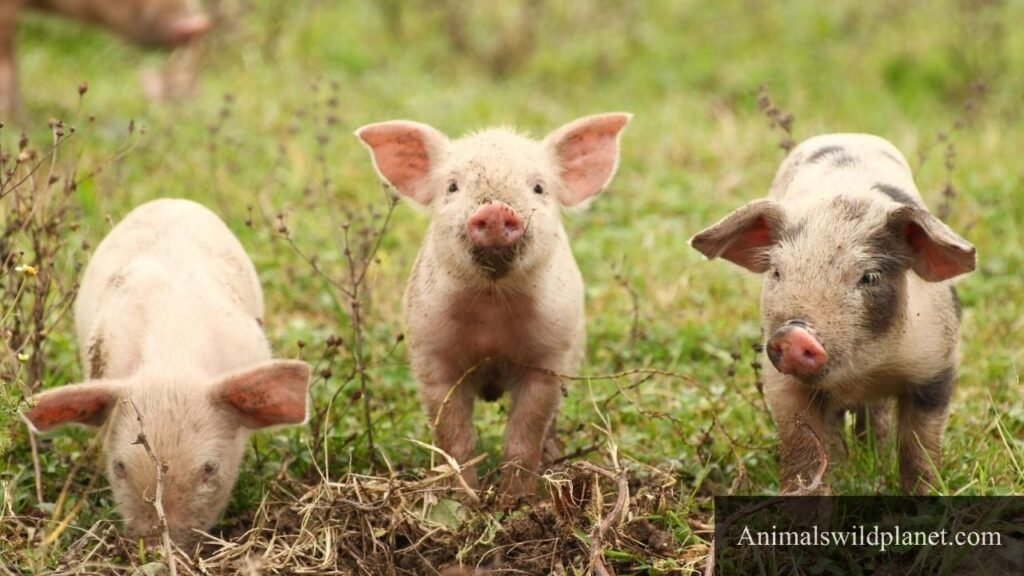
Moreover, their social structures reveal a fascinating dimension of their stubbornness. In a herd, pigs establish hierarchies and relationships that influence their interactions, means of communication, and even decision-making. When faced with a challenge, such as navigating an unfamiliar space, a pig may initially refuse to comply with a handler’s guidance out of a combination of caution and independence. This behavior isn’t just stubbornness but rather an adaptive strategy, showcasing their remarkable ability to evaluate risks in a complex social landscape. Understanding this can transform our view of pigs from mere farm animals into highly responsive beings with their own set of values and preferences.
Read More: Explore Top 16 Humble Animals in The World.
Goats
Scientific Name: Capra hircus
Class: Mammalia
Diet: Herbivore
Goats, often celebrated for their quirky personalities, embody a unique blend of stubbornness and charm that intrigues animal lovers and farmers alike. Their innate curiosity drives them to explore their surroundings, but this also means they can be quite resistant when it comes to following commands or settling down. It’s not uncommon to witness a goat defiantly climbing to the highest point in their enclosure, basking in the thrill of rebellion, all while ignoring the hay you meticulously laid out for them.
Interestingly, this stubbornness can be a double-edged sword; it showcases their independent thinking and adaptability in the wild. Goats have evolved to be excellent problem solvers, which some might interpret as sheer obstinacy. Their ability to navigate challenging terrains and find food in the most unlikely places is not just a survival tactic but also a demonstration of their tenacity. Rather than viewing their headstrong behavior as mere mischief, embracing it reveals a deeper insight into their intelligence and social structures, making them more than just pets or livestock, but fascinating companions with personalities all their own.
Cows
Scientific Name: Bos taurus
Class: Mammalia
Diet: Herbivore
Cows often get a bad rap for being stubborn, but this characteristic has deeper roots tied to their social structures and instincts. A cow’s reluctance to move could stem from its strong herd mentality; when one member feels threatened or anxious, the entire group tends to exhibit similar hesitation. Understanding this behavior unveils the complexities of their social dynamics and raises questions about how cattle respond to their environments and each other.
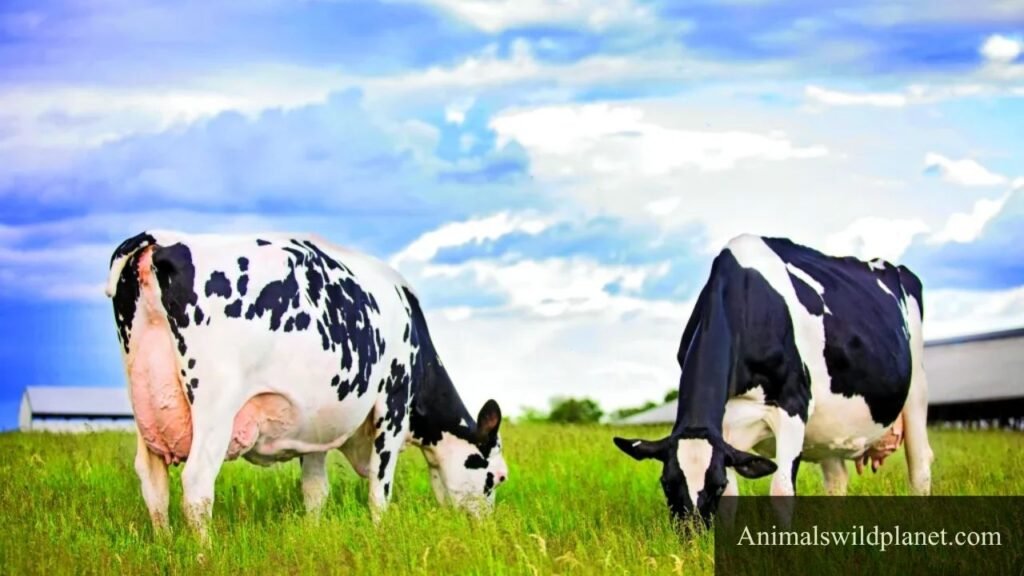
Moreover, their stubbornness can be seen as a form of intelligent decision-making. Cows are naturally curious creatures, but their caution often prevails when faced with new experiences. This cautiousness is an evolutionary advantage, helping them avoid potential dangers. By recognizing their stubbornness as a protective mechanism, we gain a new appreciation for these gentle giants, whose seemingly defiant nature is actually a testament to their instinct for survival in often unpredictable circumstances.
Terrier Dogs
Class: Mammalia
Diet: Omnivore
Terrier dogs are the quintessential embodiment of tenacity, with their origins rooted in hunting and vermin control. This unwavering stubbornness, often seen as a challenge by their owners, actually signals a well-developed sense of independence and strong personality. These dogs thrive on mental stimulation and assert their will with a fierce loyalty that can make training a rewarding, albeit sometimes exasperating, experience. Owners soon realize that patience and consistency are key to harnessing the terrier’s energy.
What truly sets terriers apart is their boundless enthusiasm coupled with a delightful curiosity. They approach the world with a fearless attitude, unafraid to engage with anything that piques their interest, which often leads them into amusing antics. The trick is to channel their stubborn nature into positive outlets — agility training, interactive toys, or even scent work can transform that stubborn streak into a focused, happy pup. Embracing their quirks not only strengthens the bond between owner and dog but also fosters a profound appreciation for their resilient spirit.
You Can Also Read: Explore Top 9 Animals That Can Bark.
Bulls
Scientific Name: Bos taurus
Class: Mammalia
Diet: Herbivore
Bulls have long been synonymous with strength and determination, but their stubbornness often captivates us in unexpected ways. Unlike other domesticated livestock, bulls possess a fierce independence and innate curiosity that can sometimes come off as defiance. This behavior stems from their complex social structures; herd dynamics dictate that bulls, especially mature ones, often assert their dominance. It’s this very assertion that leads many to misunderstand their motivation, mistaking it for mere obstinacy rather than a natural display of leadership.
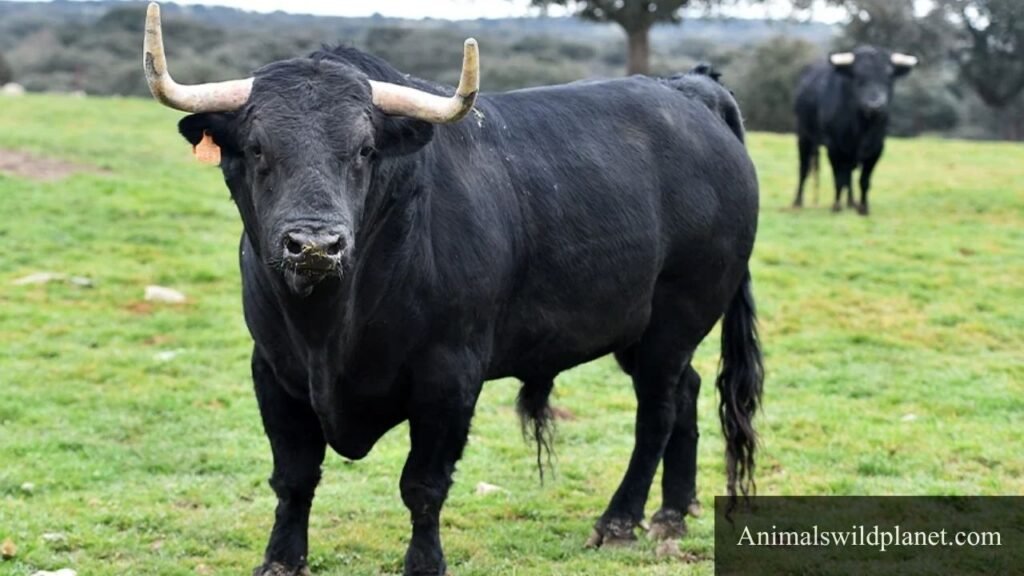
Interestingly, a bull’s stubbornness can be seen as a double-edged sword. On one hand, it can complicate tasks like herding or training; on the other, it speaks to their rich emotional intelligence. Bulls are known to form lasting bonds with their human handlers and are capable of recognizing individual voices, indicating that their reluctance to obey might actually reflect a desire for trust and respect. This unique blend of instinct and personality truly sets them apart in the animal kingdom, inviting us to reconsider what we deem as ‘stubbornness’ and recognize the deeper layers of behaviors that characterize these magnificent creatures.
Buffalo
Scientific Name: Bubalus bubalis
Class: Mammalia
Diet: Herbivore
Buffalo, often seen roaming the vast plains, embody a unique blend of strength and stubbornness that captivates the imagination. Known for their imposing size and thick, powerful bodies, these creatures display a remarkable resilience that has helped them thrive in diverse environments. However, their tenacity goes beyond mere survival; buffalo have a reputation for standing their ground against threats. This behavior is not just about defiance; it demonstrates an intricate social structure where an individual’s stubbornness can protect the entire herd.
In the wild, this steadfastness can mean the difference between life and death, as buffalo are known to band together when confronted by predators. Instead of scattering, they often form a protective circle around their young, showcasing an extraordinary sense of community. Their refusal to back down can also be viewed as an instinctive strategy to assert dominance over a territory, ultimately ensuring their survival.
Llama
Scientific Name: Lama glama
Class: Mammalia
Diet: Herbivore
Llamas are often celebrated for their gentle demeanor and social nature, but their infamous stubbornness adds a layer of charm and challenge to their care. Known for their ability to express discontent through dramatic refusal to move, llamas can instantly become a comical spectacle as they plant their feet firmly on the ground. This behavior, while frustrating for handlers, taps into an instinctual need for autonomy and security that resonates with their herding ancestry.
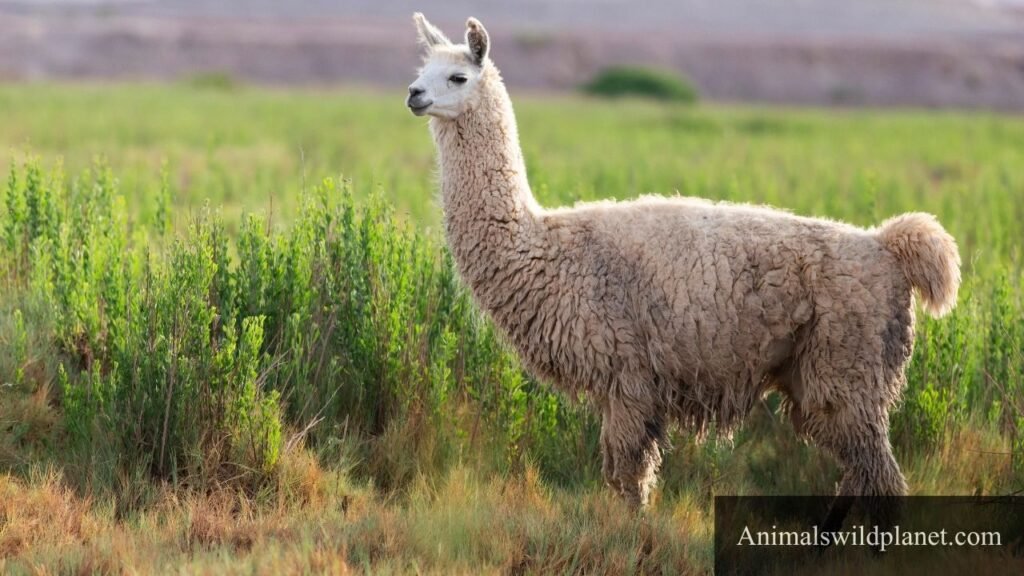
Interestingly, this stubbornness can be seen as a sign of intelligence. Llamas are discerning animals; they possess a keen awareness of their surroundings, leading them to assess whether a situation is worth their effort. This characteristic not only demands patience and understanding from their caretakers but also allows for a unique bonding experience. When faced with a stubborn llama, the key isn’t to force obedience but to foster trust, often leading to surprising teamwork and mutual respect. Ultimately, the journey with a llama rewards those who approach their stubbornness with a creative and compassionate mindset.
Also Read: Explore Top 15 Most Cleanest Animals.
Mules
Scientific Name: Equus mulus
Class: Mammalia
Diet: Herbivore
Mules are often labeled as stubborn creatures, but this perception is a misinterpretation of their innate intelligence and independent spirit. These hybrids, born from a male donkey and a female horse, possess a unique blend of traits from both parents. While they may be slow to act or reticent in following commands, this behavior is often a cautious response to unfamiliar or potentially unsafe situations. Instead of viewing their reluctance as defiance, it’s more accurate to appreciate their strong survival instincts and deep-seated sense of self-preservation.
Moreover, mules have an incredible ability to read their surroundings, making them exceptionally valuable in challenging terrains. Their surefootedness and resilience allow them to navigate rocky paths and steep inclines that would deter lesser animals. This adaptability stems from thousands of years of use as dependable pack animals in harsh environments, where it was crucial for them to be discerning about which routes to take. In essence, their so-called stubbornness can be reframed as a reflection of their wisdom — an insistence on safety that is ultimately an asset rather than a liability.
Badger
Class: Mammalia
Diet: Omnivore
Badgers exemplify tenacity in the animal kingdom, showcasing a remarkable blend of determination and resilience. Often found in burrows, these creatures exhibit a fierce loyalty to their homes, digging intricate tunnel systems that can span over 300 feet. This commitment to their territory is matched only by their boldness; they are known to stand their ground, facing off against much larger threats without flinching.
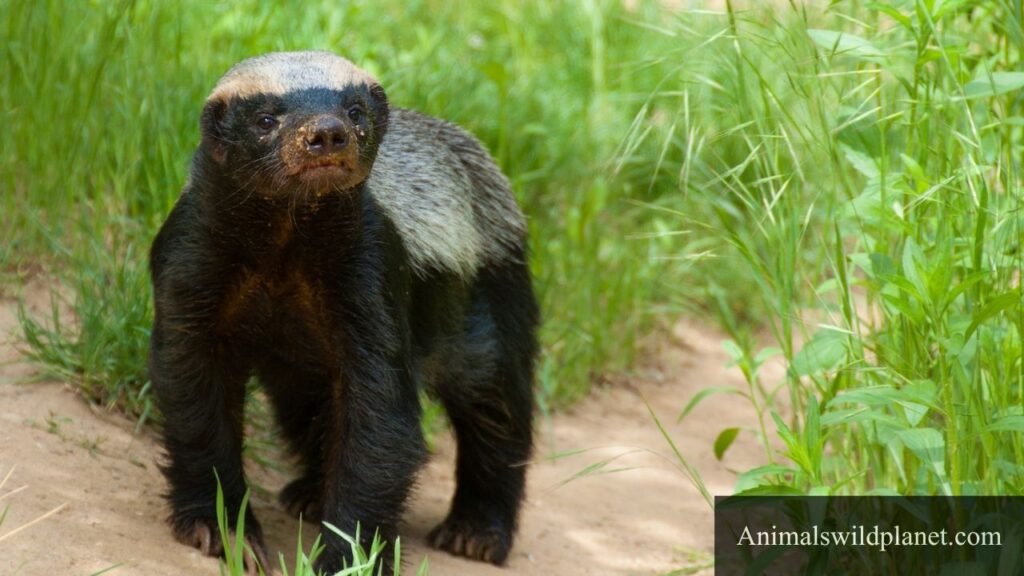
While many animals might retreat when challenged, badgers display an astonishing confidence, often relying on their sharp claws and powerful jaws to defend what is theirs. This stubbornness is not just a means of survival; it also plays a vital role in their social structure. Badgers are typically solitary but form clans known as cete that work together to protect their young and forage for food, highlighting a cooperative spirit that contrasts with their fierce independence. Through understanding their behavior, we gain insight into the delicate balance of determination and collaboration in the animal world, reminding us that sometimes, standing your ground can lead to unexpected alliances.
Tortoises
Scientific Name: Testudinidae
Class: Reptilia
Diet: Herbivore
Tortoises epitomize stubbornness, but this trait is intricately linked to their survival strategy. Unlike faster creatures that might flee danger, tortoises retreat into their hard shells, embodying a steadfastness that allows them to withstand threats. This deliberate approach encourages us to embrace patience over haste — a value many of us deem essential in a world that glorifies speed.
Their slow pace may make them seem lethargic, yet it’s a calculated strategy. By moving at their own tempo, tortoises conserve energy, fostering a lifestyle of deliberate choices rather than impulsive reactions.
You Can Also Read: Explore Top 23 Animals That Gallop in The World.
Cats
Scientific Name: Felis catus
Class: Mammalia
Diet: Carnivore
Cats possess an innate sense of independence that often veers into stubborn territory, a trait that can bewilder even the most seasoned cat owners. When a cat decides it’s time to ignore your calls or refuses to relinquish a prized sitting spot on the couch, it’s less about defiance and more about their unique personality. Each cat is a master negotiator, establishing boundaries that might seem frustrating but ultimately add texture to their relationship with humans. Their stubbornness invites us to understand their preferences and moods, turning every interaction into an exercise of patience and rapport.
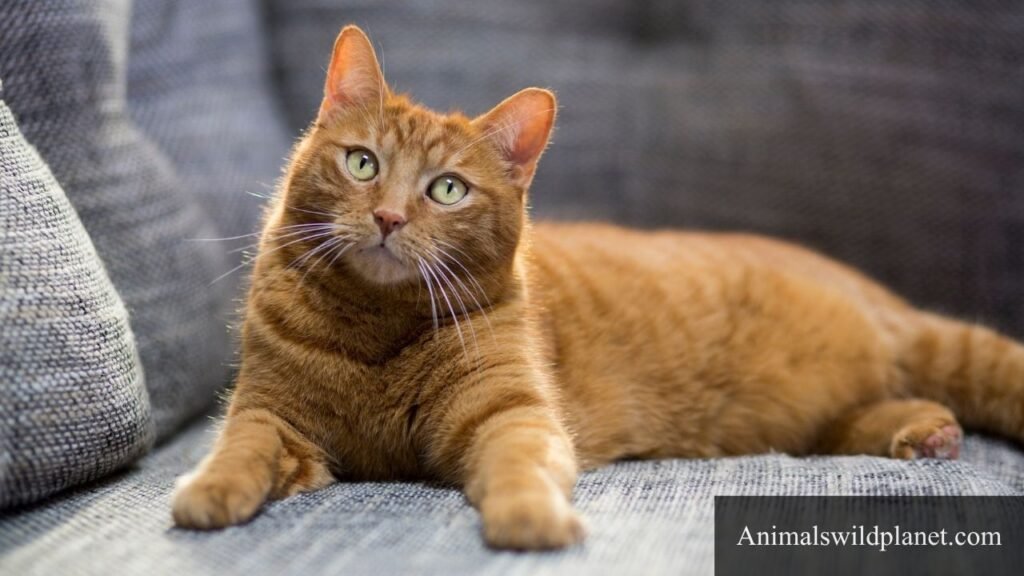
Interestingly, this stubbornness can reflect deeper aspects of their nature. In the wild, a cat’s survival hinges on its ability to make independent choices, whether it’s selecting the safest vantage point or the optimal time to hunt. This instinct is ingrained in domesticated cats, leading them to maintain that sense of autonomy even within the comforts of home. Embracing this quality means recognizing that your cat’s occasional refusal to comply is a testament to its strength and intelligence, encouraging a partnership built on respect rather than mere obedience. Ultimately, their stubbornness becomes a bridge, deepening the bond between pet and owner as you navigate the whims of your feline companion together.
Horses
Scientific Name: Equus ferus caballus
Class: Mammalia
Diet: Herbivore
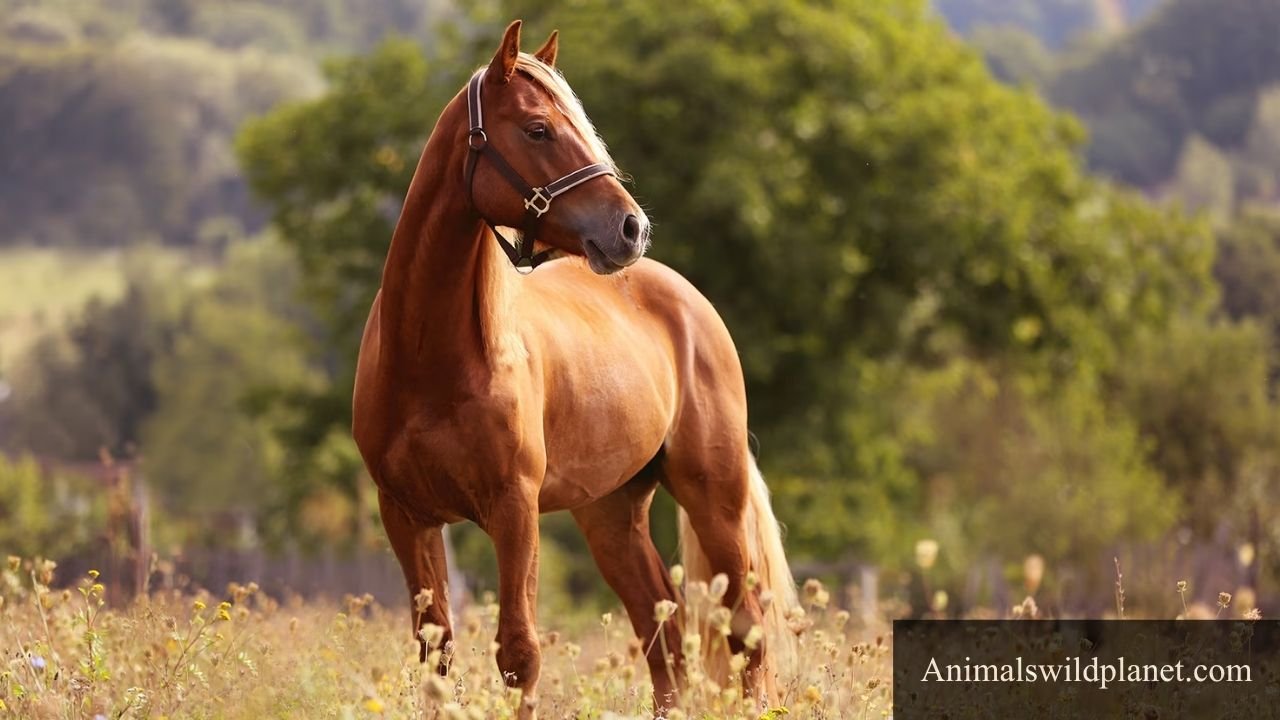
Horses, often celebrated for their grace and beauty, can sometimes display an unexpected streak of stubbornness that can leave even the most seasoned riders scratching their heads. This behavior isn’t just obstinacy; rather, it often stems from their deep-rooted instincts. As prey animals, horses are programmed to prioritize their safety, which can manifest as reluctance to move forward in certain situations. A horse that refuses to budge may be sensing an unseen threat or simply feeling overwhelmed by its environment.
Understanding a horse’s stubbornness requires empathy. Instead of viewing it as defiance, consider it a reflection of their sensitivity and intelligence. When faced with challenges, a horse may respond with hesitation, signaling the need for a more nuanced approach. Building trust and establishing a strong connection can transform these moments of resistance into opportunities for growth. With patience and the right training methods, riders can foster a sense of security that encourages collaboration rather than confrontation, turning those stubborn standoffs into empowering partnerships.
Elephants
Scientific Name for African Elephant: Loxodonta africana
Scientific Name for Asian Elephant: Elephas maximus
Class: Mammalia
Diet: Herbivore
Elephants, renowned for their intelligence and emotional depth, often exhibit what can be perceived as stubbornness in their behaviors. This trait manifests in surprising ways; for instance, a matriarch might refuse to follow a specific migratory route if it conflicts with her herd’s safety, choosing instead to take a longer path that ensures their well-being. Such decisions showcase their ability to assess risks, proving that what we label as stubbornness may, in fact, be profound instinct and protective parenting.
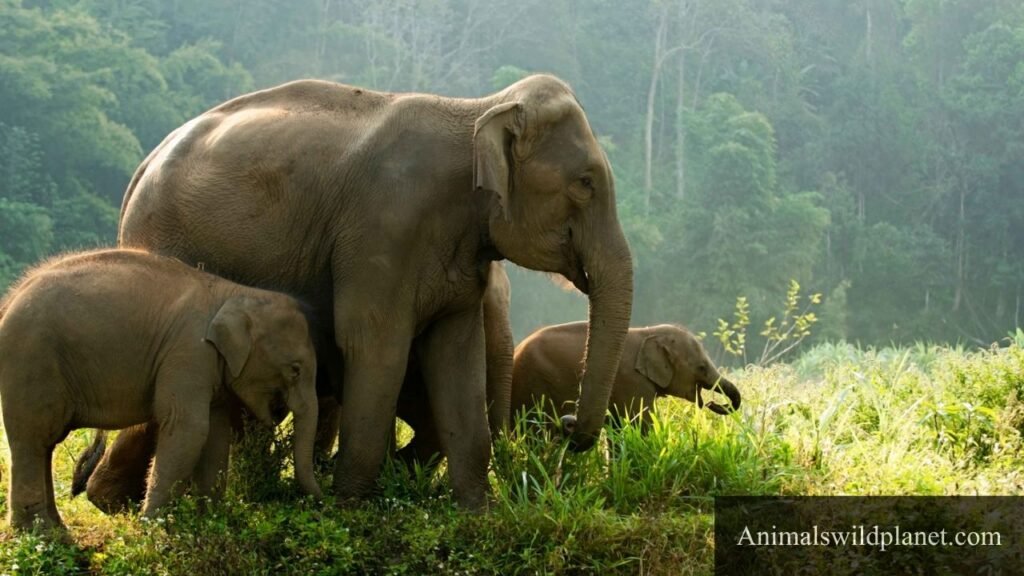
Moreover, elephants display a remarkable capacity for memories, enabling them to remember locations of water sources or past encounters with humans — both positive and negative. This memory can lead to reluctance or outright refusal to revisit certain areas where they’ve experienced trauma, demonstrating a level of wisdom that transcends mere obstinacy. In social structures, their refusal to conform to herd dynamics can surface during disputes over mates or resources, where an elephant may stand its ground firmly until it’s clear the situation has shifted in its favor. Rather than seeing this behavior as mere stubbornness, we might recognize it as a complex interplay of survival instincts, emotional intelligence, and social strategies that underline their profound connection to their environment and community.
Read More: Explore Top 19 Most Patient Animals In The World.
Final Thoughts
The stubbornness of certain animals is a reflection of their natural instincts and individual character. This trait, while occasionally challenging for owners and trainers, highlights the importance of patience and understanding in our interactions with animals. As we learn to navigate their strong-willed behaviors, we cultivate a more empathetic relationship that benefits both parties. Ultimately, acknowledging and respecting these inherent traits can lead to more harmonious living environments. Let’s celebrate the uniqueness of our furry friends and strive to adapt our methods to accommodate their spirited nature.
FAQs
What animals are stubborn?
Stubbornness can be found in various animals, each exhibiting unique behaviors that might be interpreted as stubbornness. For instance, goats are often seen as particularly obstinate; they have a natural tendency to resist moving when they don’t want to. Their strong personalities and independent spirit make them notorious for digging in their heels — literally. Horses can also be quite stubborn, especially if they don’t want to cooperate or are feeling uncomfortable. Training and patience are key, as a horse might decide it’s not going anywhere until certain conditions are met.
What is the most stubborn animal in the world?
When it comes to stubbornness, donkeys often top the list. Known for their strong will, these animals can be incredibly persistent. If a donkey decides it doesn’t want to move, it can take some serious coaxing to change its mind. This trait has earned them a reputation for being hard-headed, but it also makes them reliable workers when properly trained.
Are bulls stubborn?
Yes, bulls are often perceived as stubborn, but it’s more about their natural instincts and behavior. When they refuse to move or comply, it’s usually because they’re feeling threatened or want to assert their dominance. Bulls are strong animals with a strong will, which can make them appear stubborn when they’re simply acting on their instincts.