
Top 14 Birds With Long Necks (With Images)
Birds with long necks not only captivate our imagination but also play crucial roles in their ecosystems, from foraging to mating displays. In this article, we’ll explore the fascinating adaptations and behaviors of these elegant creatures, highlighting how their unique necks help them thrive. Prepare to be amazed by the diversity and significance of long-necked birds!
List of Birds With Long Necks
Below is the list of birds with long necks:
- Roseate Spoonbill
- Goose
- Emu
- Whooping Crane
- Black-necked Stork
- Greater Flamingo
- Swan
- Giant Ibis
- Goliath Heron
- Marabou Stork
- Ostrich
- Great Egret
- Anhinga
- Cormorant
Roseate Spoonbill
Scientific Name: Platalea ajaja
Class: Aves
Diet: Carnivore
The Roseate Spoonbill, with its striking pink plumage and long, flat bill, is a mesmerizing spectacle in wetlands across the southeastern United States and parts of Central America. Often mistaken for flamingos at a distance, these elegant birds possess a unique characteristic that sets them apart: their spoon-shaped bills, which they deftly use to forage in shallow waters for crustaceans and small fish. Watching one in action is a lesson in grace, as they sweep their bills side to side, sensing movement beneath the surface.
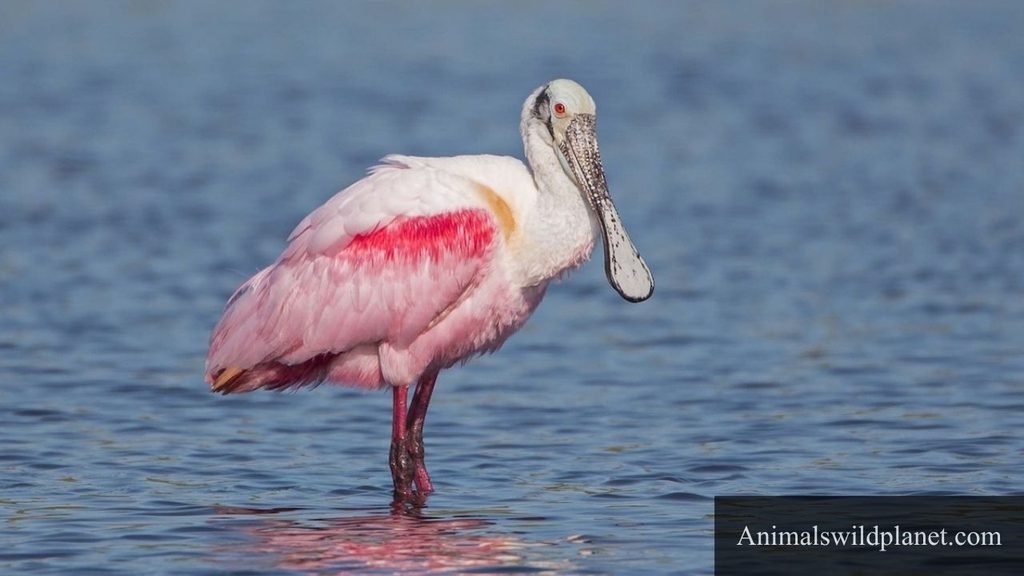
What makes the Roseate Spoonbill particularly intriguing is its social behavior. They often gather in large flocks, engaging in elaborate courtship displays that involve synchronized movements and colorful interactions. Not only are these gatherings a feast for the eyes, but they also highlight the intricate dynamics of avian communication and cooperation. Each bird plays a role in maintaining the ecosystem, showcasing the delicate weave of nature that relies on its avian custodians for balance and health. Their vibrant presence serves as a reminder of the importance of conserving wetland habitats, ensuring that future generations can continue to marvel at these remarkable creatures.
Goose
Scientific Name: Anser anser
Class: Aves
Diet: Omnivore
The goose, often overlooked in discussions about long-necked birds, deserves a moment in the spotlight for its unique adaptations and social behaviors. While many may picture graceful swans or herons, the goose brings a robust presence to this niche. Its long neck enables unparalleled maneuverability in foraging, allowing it to reach aquatic vegetation and grasses that many other birds can only admire from a distance.
Geese are fascinating when you consider their complex social structures. They are known for their migratory patterns, traveling in impressive V formations that not only maximize efficiency but also showcase their remarkable coordination. This cooperation is further reflected in their vocalizations, as they’re often heard communicating through a range of honks and calls that strengthen their bonds during difficult journeys. By studying the goose, we can gain insights into the intricate dynamics of avian communities, highlighting how even the most familiar species have layers waiting to be uncovered.
Emu
Scientific Name: Dromaius novaehollandiae
Class: Aves
Diet: Omnivore
The emu, a flightless bird native to Australia, captivates with its distinct long neck and robust stature. Unlike its ostrich counterpart, the emu’s neck gives it a unique balance and agility, allowing it to navigate through the diverse Australian terrain — from open grasslands to dense bushland. This adaptability not only aids in foraging for seeds and insects but also serves as a key factor in its social behavior.

Emus communicate using a range of vocalizations, from booming calls to low-frequency rumbles that can be felt rather than heard. Their long necks play a vital role in this communication, as the positioning of their heads can convey social cues. Moreover, the emu’s feathers, which are soft and shaggy, help regulate body temperature and provide camouflage in their natural habitat, showcasing a brilliant blend of form and function that’s often overlooked. Observing an emu in its natural environment reveals not just its physical prowess, but also a keen intelligence that challenges the perception of flightless birds as merely simple creatures.
Readmore: Explore Top 15 Stubborn Animals In The World.
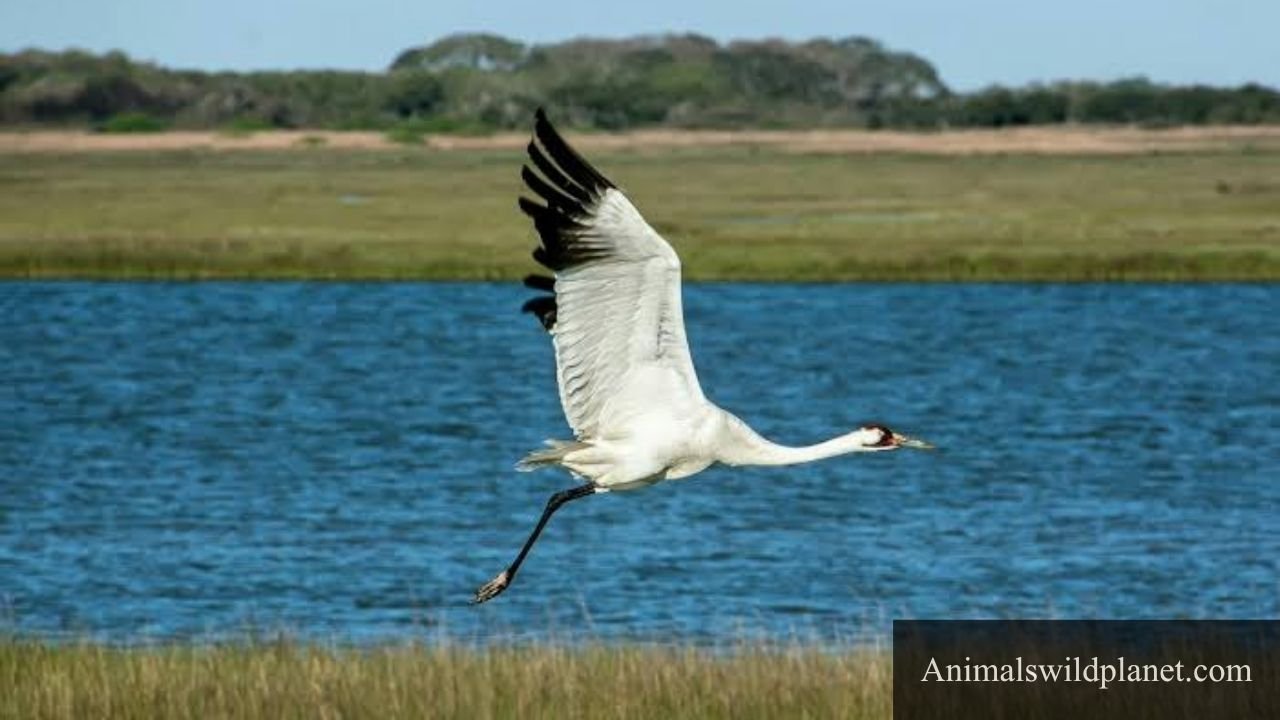
Whooping Crane
Scientific Name: Grus americana
Class: Aves
Diet: Omnivore
The Whooping Crane, with its impressive stature and elongated neck, stands as a symbol of resilience in the avian world. Towering over many other bird species, this majestic crane can reach heights of up to five feet, its slender form accentuated by striking black and white plumage. Their long neck not only aids in foraging for food — such as crustaceans and plants in wetlands — but also plays a critical role in their elaborate mating displays. During courtship, these cranes perform synchronized dances, showcasing both their physical grace and the intricate social bonds that are essential for survival.
Despite their grandeur, Whooping Cranes face significant threats from habitat loss and climate change, leading to a dramatic decline in their population. Conservation efforts are underway, emphasizing the importance of wetland preservation and the establishment of safe migratory routes. Each spring, as these cranes make their pilgrimage from wintering grounds in Texas to breeding areas in Canada, they illuminate the delicate balance of ecosystems. Observing their journey offers a powerful reminder of the interconnectedness of species and the shared responsibility humans hold in safeguarding these magnificent creatures for future generations.
Black-necked Stork
Scientific Name: Ephippiorhynchus asiaticus
Class: Aves
Diet: Carnivore
The Black-necked Stork, also known as the Indian Black-necked Stork, is a striking figure wading through shallow wetlands and marshes. Its elongated neck and graceful stature create a fascinating silhouette against the backdrop of vibrant landscapes. This bird not only captivates with its unique appearance but also plays a vital role in its ecosystem. As a predatory forager, it hunts for fish, amphibians, and small mammals, showcasing a remarkable hunting technique that involves a swift plunge of its long bill.
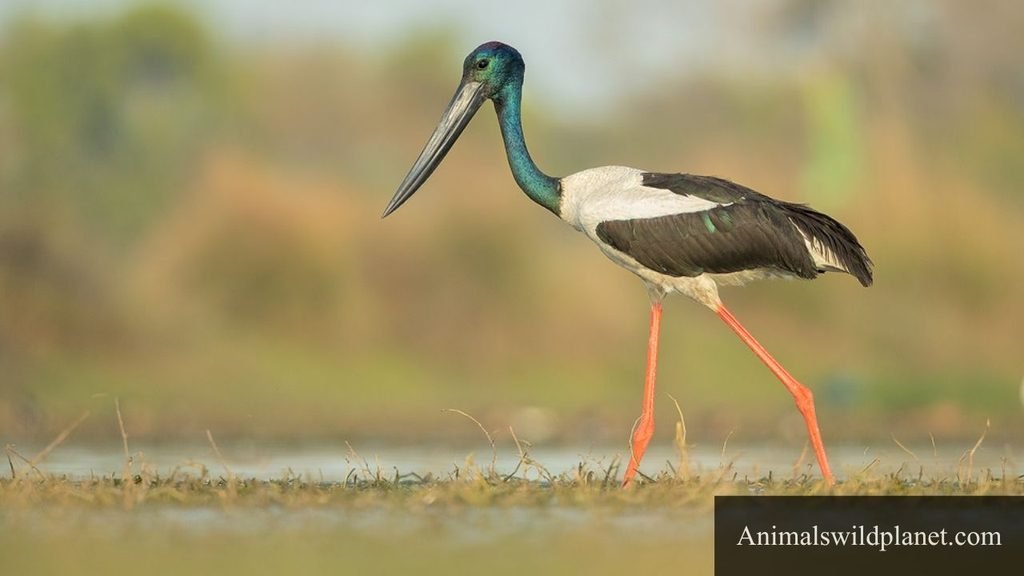
These storks are known for their remarkable adaptability, often thriving in diverse habitats — from flooded rice paddies to brackish mangroves. Their social structure is equally compelling; they engage in complex courtship displays, where they showcase their acrobatic flying skills. Interestingly, their nesting behavior reflects an extraordinary level of cooperation; pairs often return to the same nesting grounds year after year, strengthening their bond while contributing to local biodiversity. Observing a Black-necked Stork in its natural habitat offers not just a visual spectacle but a window into the intricate interconnections that sustain wetland ecosystems.
Greater Flamingo
Scientific Name: Phoenicopterus roseus
Class: Aves
Diet: Omnivore
The greater flamingo, with its striking coral plumage and elegantly elongated neck, embodies the beauty of adaptation in avian life. These magnificent birds can reach impressive heights of up to five feet, allowing them to forage in waters that fewer species can access. Their long necks are not just for show; they possess a unique skeletal structure that facilitates the delicate art of filter feeding. By sweeping their heads through muddy water, they extract tiny organisms and algae, showcasing an extraordinary relationship between anatomy and ecology.
The greater flamingo is a social creature, often seen in vast flocks that can number in the thousands. This communal behavior is essential not only for protection against predators but also for breeding and feeding efficiency. The vibrancy of their flock displays, accentuated by their distinct neck movements, creates a mesmerizing spectacle. Observing them in their natural habitats offers insights into their synchronized behaviors, reminding us that beauty in nature often lies in the collective. Each flamingo, with its graceful neck, contributes to a stunning tableau that is a testament to the wonders of evolution.
Swan
Scientific Name: Cygnus olor
Class: Aves
Diet: Omnivore
Swan necks are not just remarkable for their length but also for their elegance and functionality. These graceful birds possess a unique anatomy that allows them to perform exquisite movements, transitioning effortlessly between swimming and preening. A swan’s long neck acts as a versatile tool, enabling it to reach deeper waters for food and navigate through both aquatic and terrestrial environments with grace. This adaptation not only aids in foraging but also plays a crucial role in mating rituals, where their necks become an essential part of their courtship displays, characterized by synchronized movements and striking postures.
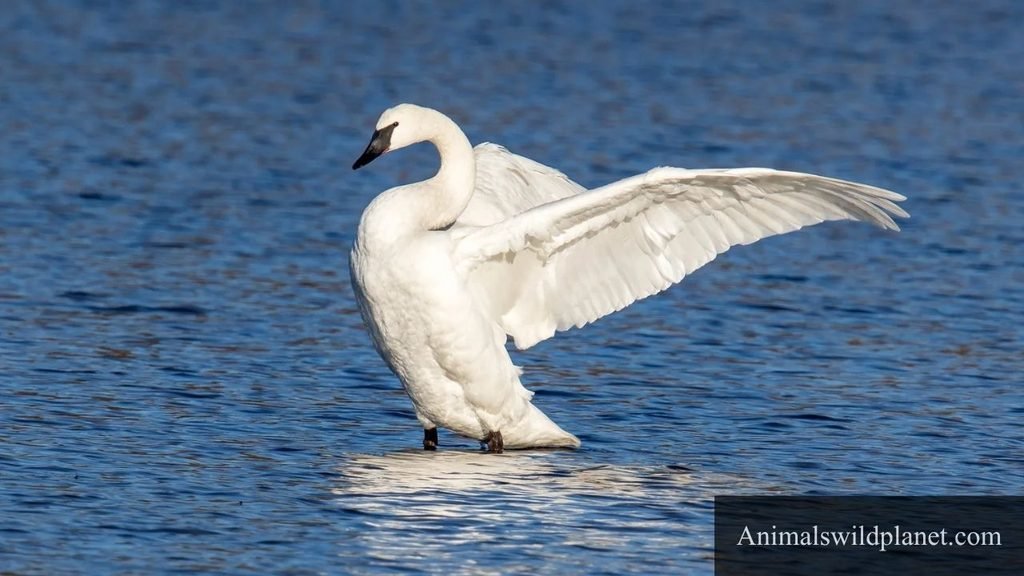
The length of a swan’s neck can also be a reflection of its species. For instance, the mute swan’s elongated neck allows it to express dominance and attract mates within their complex social hierarchies. Beyond mere aesthetics, swan necks symbolize aspirations and freedom in various cultures, often representing beauty and love in folklore and art. Witnessing a swan glide across the water, neck arched gracefully, is a reminder of nature’s artistry and the harmonious blend of form and function. In the delicate interplay of their surroundings, swans embody a serene elegance, making them timeless subjects of fascination for bird watchers and nature enthusiasts alike.
Giant Ibis
Scientific Name: Thaumatibis gigantea
Class: Aves
Diet: Carnivore
The Giant Ibis, weighing in at a substantial 3.5 kg, is a striking embodiment of adaptability, thriving in the wetlands of Southeast Asia. With its elongated neck and distinctive curved bill, this bird is not just an exquisite sight but a marvel of evolutionary design. The long neck allows it to forage efficiently in muddy waters, sifting through silt for crustaceans, small fish, and edible plants, thus showcasing an intricate balance between form and function.
Beyond mere physical adaptations, the Giant Ibis tells a story of environmental resilience and the delicate ecosystems it inhabits. As a symbol of Cambodia, its presence reflects the health of wetland habitats, which face threats from urban development and climate change. Observing these majestic creatures in their natural environment can evoke a sense of urgency to protect their dwindling habitat. Each sighting not only captivates the eye but also highlights the profound interconnectedness of nature, urging us to appreciate and conserve these remarkable landscapes before they disappear altogether.
Goliath Heron
Scientific Name: Ardea goliath
Class: Aves
Diet: Carnivore
The Goliath Heron, one of the largest heron species in the world, isn’t just a visual marvel but a master of adaptability. Towering at over 5 feet tall, with a wingspan rivaling that of a small airplane, its striking blue-gray plumage offers a stunning contrast against the sun-dappled wetlands of Africa. These birds embody elegance as they glide over their environment, their long necks gracefully extending to spot prey hidden among reeds or shallow waters.

What truly sets the Goliath Heron apart, however, is its hunting prowess. Equipped with a long, powerful bill, it can capture fish, amphibians, and even small mammals with surprising agility. This adaptability not only showcases its role as a top predator but also highlights its importance in maintaining the ecological balance of its habitat. Observing these magnificent herons skillfully maneuver through their domain reveals an intricate dance of nature, reminding us that even the largest birds rely on delicacy and precision to thrive.
Marabou Stork
Scientific Name: Leptoptilos crumenifer
Class: Aves
Diet: Carnivore
The Marabou Stork, often seen as a striking figure in the African savanna, is not merely a bird with a long neck; it symbolizes resilience in its wild habitat. Towering up to five feet tall, this scavenger boasts a unique appearance, with a bare, wrinkled head that helps it maintain hygiene while feeding on carrion. In stark contrast to its somewhat grotesque look, the stork plays a crucial role in the ecosystem, effectively cleaning up the environment and preventing the spread of disease.
What truly sets the Marabou Stork apart is its fascinating mating ritual. During courtship, males inflate a large throat pouch, creating a dramatic display that not only showcases their physical prowess but also attracts potential mates. This visual extravaganza is often accompanied by a mesmerizing series of hisses and claps, turning the sky into a stage where elegance meets survival. Observing these birds offers a glimpse into the intricate dance of life in the wild, where beauty and functionality coexist in the most unexpected forms.
Ostrich
Scientific Name: Struthio camelus
Class: Aves
Diet: Omnivore
Ostriches, the giants of the avian world, are not only remarkable for their size but also for their extraordinary adaptations. Their long necks serve multiple functions, allowing them to survey vast savannas for predators while also aiding in foraging. This height advantage grants them a panoramic view, essential for survival in the wild where threats can emerge from any angle. Interestingly, an ostrich’s neck can twist in ways that enhance its ability to spot potential dangers, a testament to evolution’s ingenuity.
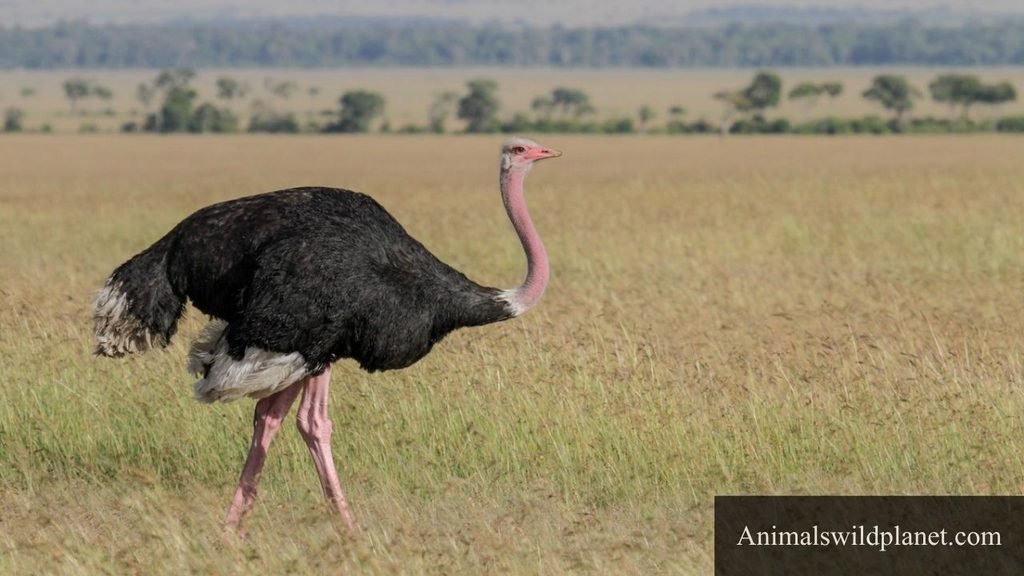
Beyond survival, the ostrich’s neck plays a vital role in their intricate social behaviors. During courtship displays, males elegantly sway their necks to attract females, showcasing both strength and agility. This ritual is not just a dance; it speaks to the unique bonding processes within ostrich communities. Moreover, the neck’s length contributes to the bird’s heat regulation, helping it stay cool under the blistering sun while traversing its arid habitat. This dual purpose of adaptation — from survival strategy to social signal — highlights the fascinations of being an ostrich in the wild.
Great Egret
Scientific Name: Ardea alba
Class: Aves
Diet: Carnivore
The Great Egret, with its elegant silhouette and striking white plumage, serves as a timeless symbol of grace in the avian world. Often seen wading through shallow waters, this bird’s long neck allows it to reach deep into marshes and wetlands, skillfully hunting for fish and amphibians. Its adaptability is remarkable; not only does it thrive in diverse habitats, from coastal regions to freshwater swamps, but it also plays a crucial role in maintaining ecological balance by controlling prey populations.
Beyond its hunting prowess, the Great Egret’s mating rituals are a fascinating display of avian courtship. During the breeding season, these birds don elaborate plumage and engage in intricate dance-like displays to attract mates. This combination of beauty and behavior highlights the intricate ways nature has evolved to ensure survival, with the egret embodying both elegance and efficiency. Observing these birds in their natural habitat provides a unique perspective on the interconnectedness of ecosystems and the vital role each species plays in sustaining them.
Anhinga
Scientific Name: Anhinga anhinga
Class: Aves
Diet: Carnivore
The Anhinga, often referred to as the “snakebird,” boasts a unique hunting strategy that sets it apart from many aquatic birds. With its long neck and slender body, this fascinating creature adeptly glides through the water, submerging its body while leaving only its neck visible, reminiscent of a serpent. This remarkable adaptation not only aids in camouflage but also enhances its ability to ambush unsuspecting fish, which make up the majority of its diet.
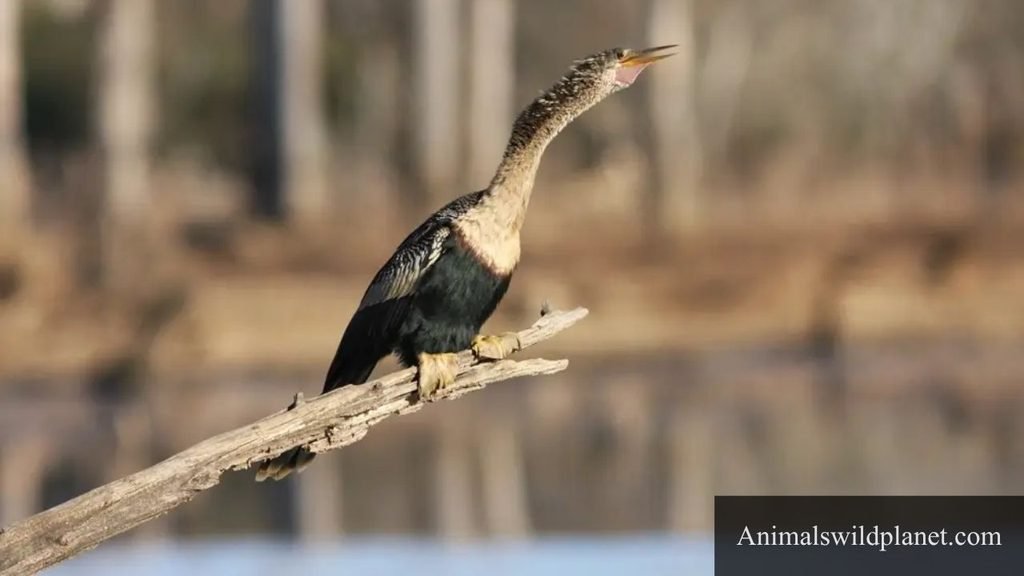
The Anhinga’s feathers, unlike those of many other birds, are not waterproof. This characteristic compels them to dry their wings after a dive, leading to a striking display as they perch with their wings spread wide, glistening in the sunlight. Observing this process can evoke a sense of tranquility, as the bird stands still, patient and poised — an embodiment of grace in nature. Moreover, the Anhinga’s small, sharp bill, combined with its agile swimming abilities, allows it to pursue prey with precision, showcasing a balance of power and elegance that captivates bird watchers and nature enthusiasts alike.
Cormorant
Scientific Name: Phalacrocorax carbo
Class: Aves
Diet: Carnivore
Cormorants, with their elongated necks and striking silhouettes, are truly fascinating creatures in the avian world. These aquatic birds are master divers, showcasing their remarkable adaptation to life on the water. Their long necks grant them the ability to reach deeper underwater, effortlessly snatching fish and other prey. When they emerge from a dive, their sleek black plumage glistens in the sunlight, adding a touch of elegance to their rugged hunting ritual.
Interestingly, cormorants have a unique method of drying their wings after a fishing session — often seen perching on rocks or tree branches, they spread their wings wide in a almost theatrical display. This not only helps them dry but also regulates body temperature. Observing these birds reveals a fascinating contrast: while they are agile hunters, their moments of stillness, wings outstretched, invite a deeper appreciation for their dual existence between water and land. Each cormorant embodies the beauty of adaptability, showcasing the intricate balance of nature in its quest for survival.
Readmore: Explore Top 15 Most Cleanest Animals.
Final Words
Birds with long necks are fascinating creatures that have evolved to thrive in diverse environments. Their unique adaptations allow them to access food resources that other birds cannot reach, showcasing the incredible diversity of avian life. From the graceful elegance of herons to the striking beauty of swans, these birds captivate our attention and inspire a deeper appreciation for nature. As we continue to study and protect their habitats, we ensure that future generations can marvel at their presence. Let us commit to preserving the delicate ecosystems that support these magnificent long-necked birds.
FAQs
What is a small bird with a long neck?
The little bittern is a small, wading bird known for its long neck and compact body. Typically found in wetland areas, these birds are masters of camouflage, blending seamlessly with reeds and tall grasses. Their slender build and unique posture make them stand out, especially when they’re trying to remain hidden. These nocturnal hunters are adept at catching fish and small invertebrates.
What is black bird with long neck?
The black bird with a long neck is likely the anhinga. Often seen swimming with just its neck above water, it’s sometimes called the “snakebird” because of this unique appearance. Anhingas are found in warm freshwater and coastal habitats across the Americas. They are excellent divers and have a distinctive, elongated body that helps them glide through the water while hunting for fish.
What is the name of bird with long legs and long neck?
Herons are known for their long legs and long necks, which help them wade through shallow waters while fishing. Their elegant stature and striking appearance make them easy to recognize in wetlands and near bodies of water.