Top 15 Most Cleanest Animals (With Images)
Did you know that some animals obsessively groom themselves for hours each day? In the animal kingdom, hygiene isn’t just a human concern; certain species take cleanliness to an extraordinary level. This article explores the most cleanest animals and delves into their fascinating habits. By the end, you’ll not only appreciate these creatures more but also learn why cleanliness is crucial for their survival and health.
List of Most Cleanest Animals in The World
Here is the list of most clean animals in the world:
| Number of Animals | Names of Animals That are Clean |
| 1 | Elephants |
| 2 | Raccoons |
| 3 | Sea Otters |
| 4 | Hamsters |
| 5 | Tigers |
| 6 | Squirrels |
| 7 | Polar Bears |
| 8 | Ants |
| 9 | Cats |
| 10 | Birds of Paradise |
| 11 | Beavers |
| 12 | Deer |
| 13 | Badgers |
| 14 | Rabbits |
| 15 | Songbirds |
Elephants
Scientific Name: Elephantidae
Class: Mammalia
Diet: Herbivore
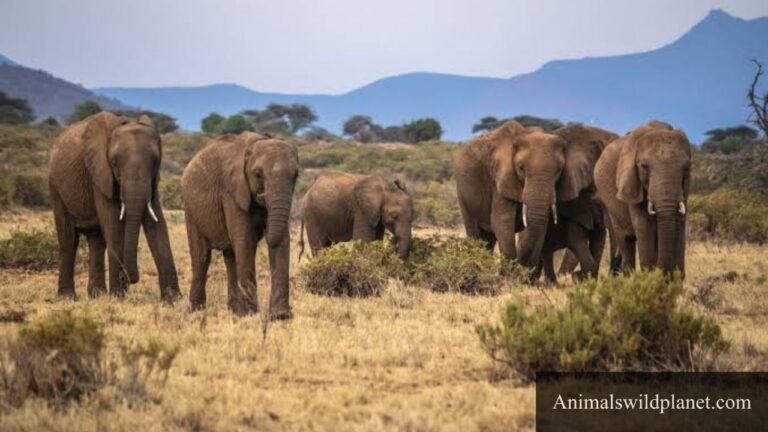
Elephants, often celebrated for their intelligence and emotional depth, also exhibit remarkable hygiene habits that spotlight their meticulous nature. These gentle giants engage in a daily ritual of dust bathing, using dirt to not only shield themselves from harsh sun rays but also to deter pesky parasites. The act of throwing sand and mud over their bodies serves both as a natural sunscreen and an insect repellent, illustrating a unique blend of practicality and instinctual behavior that safeguards their health.
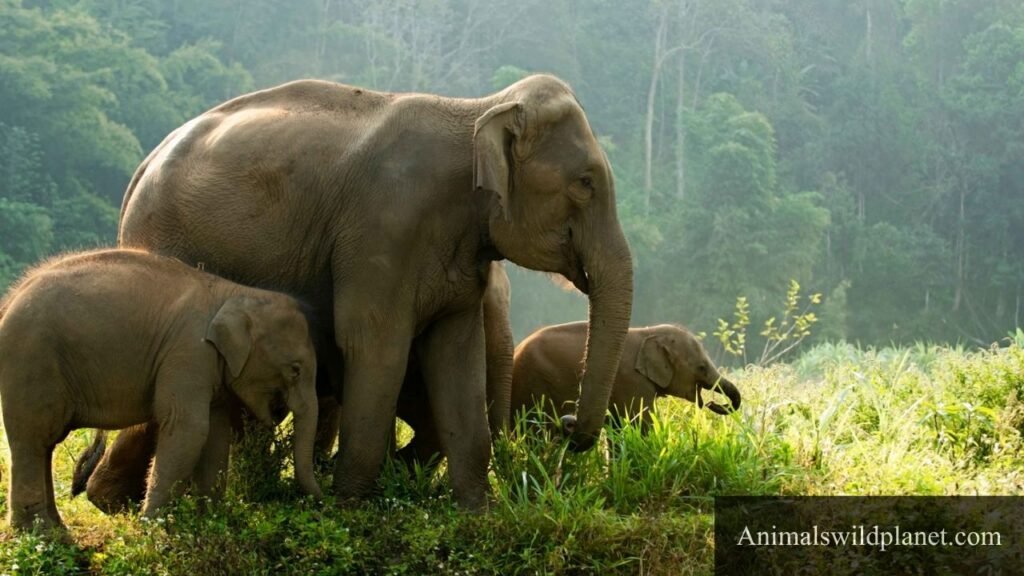
Moreover, elephants frequently visit water sources, demonstrating their affinity for cleanliness. They don’t just drink but also engage in playful splashing and submerging, which helps them cool down and wash off accumulated dirt. This love for water is not merely a survival tactic; it reflects their complex social interactions, as young elephants often play in pools, bonding with their herd while reinforcing social structures. Even in their search for food, elephants exhibit selective behavior, often opting for cleaner feeding practices by selecting certain plants over others, showcasing a conscious effort to maintain their well-being.
Raccoons
Scientific Name: Procyon lotor
Class: Mammalia
Diet: Omnivore
Raccoons often get a bad rap for rummaging through trash, but their cleanliness might surprise you. In the wild, these clever creatures have an innate ability to maintain their hygiene. They designate specific areas as latrines, and their grooming habits rival those of house cats. Observing them wash their food in water — a behavior often termed “dousing” — is a fascinating spectacle. This ritual not only helps remove contaminants but also demonstrates their keen intelligence and adaptability.
Raccoons have dexterous front paws that allow them to manipulate objects and groom themselves meticulously. They often take the time to tidy their surroundings, instinctively organizing their foraging spots. Unlike many animals, raccoons exemplify a unique blend of curiosity and conscientiousness. Their ability to thrive in urban environments also highlights their resourcefulness, turning trash into treasure while still maintaining a level of cleanliness that often goes unnoticed. This blend of charm and cleanliness makes raccoons both intriguing and essential players in their ecosystems.
Sea Otters
Scientific Name: Enhydra lutris
Class: Mammalia
Diet: Carnivore
Sea otters are not just adorable; they’re also nature’s meticulous groomers. With their dense fur, which is the thickest of any animal, they boast a specialized fur coat that traps air for insulation and buoyancy. Remarkably, sea otters spend a significant portion of their day — up to 50% — grooming themselves. This ritual isn’t just for aesthetics; it plays a crucial role in maintaining the health of their fur, ensuring it stays waterproof and warm in the chilly ocean.
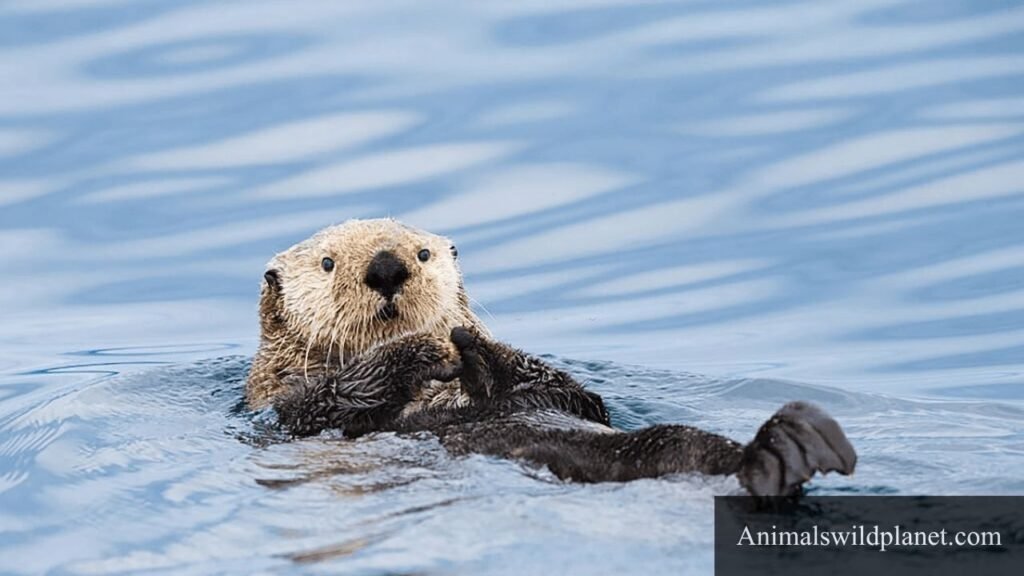
Beyond their personal hygiene, sea otters contribute to the cleanliness of their underwater ecosystems. By preying on sea urchins, they help control these populations, preventing overgrazing of kelp forests. Healthy kelp forests not only foster biodiversity but also absorb carbon dioxide, playing a vital role in combating climate change. In this way, sea otters exemplify how the act of grooming extends beyond the individual to support and enhance the health of their entire environment. Their clean habits are a testament to the interconnectedness of life in the ocean.
Readmore: Explore Top 16 Humble Animals in The World.
Hamsters
Class: Mammalia
Diet: Omnivore
Hamsters are often overlooked as clean pets due to their small size and adorable fluffiness, but these little creatures are surprisingly meticulous about their hygiene. Unlike other small animals that may embrace a messier lifestyle, hamsters have an inherent instinct to keep their living spaces tidy. They carefully designate specific areas within their habitats for eating, sleeping, and… well, using the restroom! This natural separation helps them maintain a sense of order in their environment.
In addition to their organizational skills, hamsters engage in regular grooming routines, using their tiny paws to clean their fur and maintain a healthy coat. This behavior not only ensures they look their best but also plays a crucial role in their overall well-being, keeping parasites and dirt at bay. Furthermore, their burrowing habits allow them to instinctively create clean spaces while foraging for food, demonstrating an innate ability to balance their needs within their habitat. This combination of cleanliness and behavioral adaptation makes hamsters not only delightful companions but also fascinating examples of nature’s design for hygiene.
Tigers
Scientific Name: Panthera tigris
Class: Mammalia
Diet: Carnivore
Tigers are not just majestic apex predators; they are also surprisingly meticulous when it comes to their hygiene. In the wild, these solitary hunters invest a significant amount of time in grooming themselves, utilizing their rough tongues to remove dirt, parasites, and loose fur. This behavior not only keeps their coats pristine, enhancing their striking appearance, but it also plays a crucial role in regulating body temperature and maintaining overall health. The ritualistic grooming they perform acts as a form of self-care, highlighting their instinctual understanding of well-being.
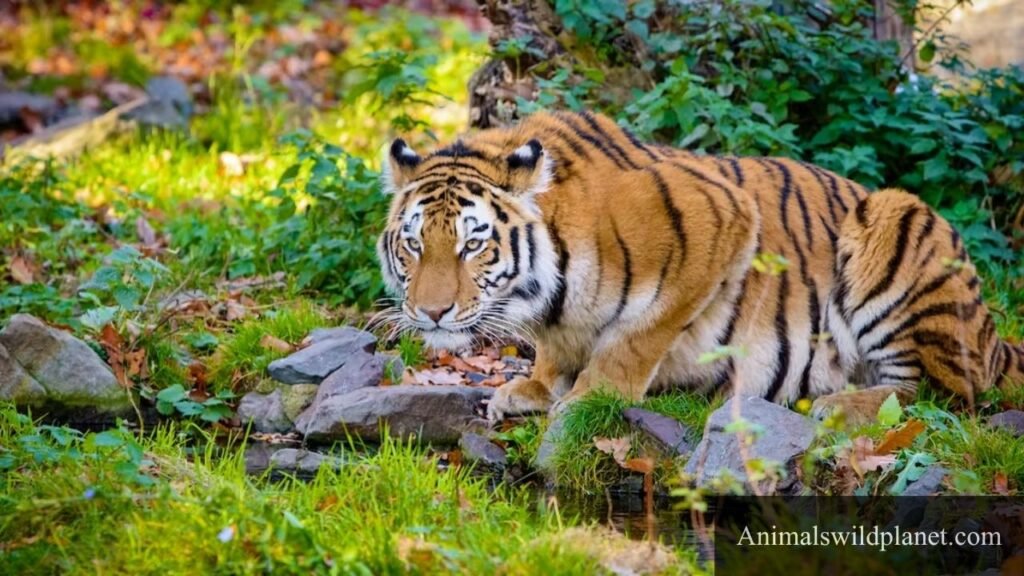
Interestingly, the cleanliness of tigers extends beyond mere grooming. These big cats often select specific areas in their territory as latrines, showing discernment in their waste disposal habits. This not only keeps their environment cleaner but also serves a purpose in marking territory, as the scent communicates important social cues to other animals. Moreover, their choice of resting spots typically involves sandy or dry ground, which aids in keeping their fur free from moisture and mold.
Squirrels
Scientific Name: Sciuridae
Class: Mammalia
Diet: Omnivore
Squirrels, often seen darting through parks and gardens, are surprisingly meticulous in their cleanliness. These nimble creatures engage in what can only be described as a daily grooming ritual, using their front paws to keep their fur free from dirt and debris. This not only helps them maintain their striking appearance but is also crucial for regulating their body temperature and keeping parasites at bay.
In addition to personal grooming, squirrels are known for their organized food storage habits. They create “middens,” which are essentially small caches of food that they meticulously hide away and periodically check. This behavior highlights their instinctual drive not just to gather food but to ensure it remains uncontaminated, showcasing a level of forethought that resonates with their commitment to cleanliness.
Polar Bears
Scientific Name: Ursus maritimus
Class: Mammalia
Diet: Carnivore
Polar bears, often seen as majestic symbols of the Arctic, are surprisingly particular about their cleanliness. Despite their harsh, icy environment and their reputation as fierce predators, these magnificent creatures maintain stringent hygiene practices, crucial for their survival. Their fur, while appearing white, is actually transparent and hollow, reflecting light and allowing them to blend seamlessly into their snowy surroundings. This unique structure also traps air, providing insulation, which is why keeping their fur clean and free of debris is essential.
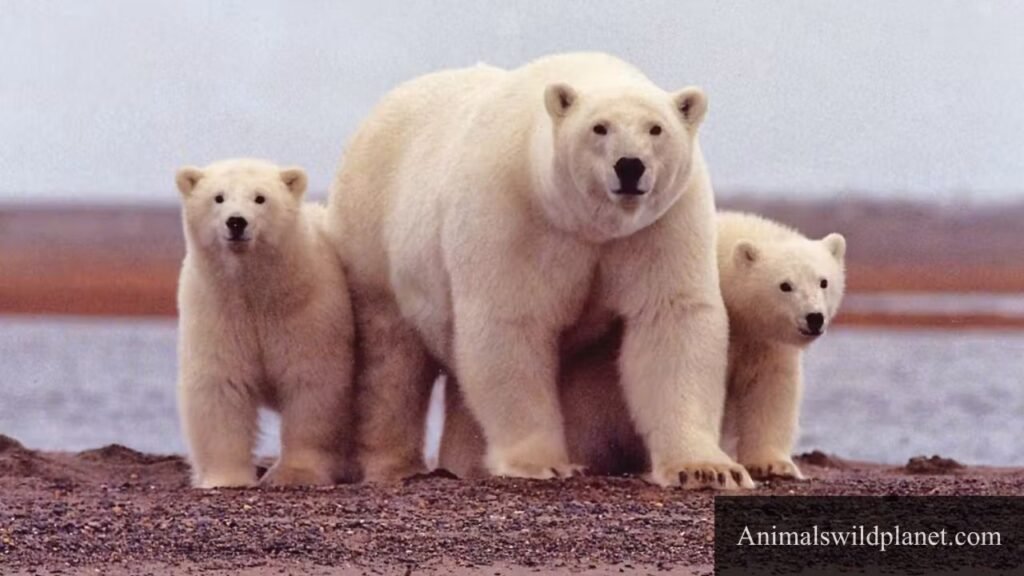
Moreover, polar bears can often be seen engaging in grooming rituals, where they use their powerful front paws to remove snow and dirt, keeping their dense fur pristine. This grooming not only helps them maintain insulation but also prevents parasites and enhances their overall health. Interestingly, these bears are not just vigilant about their own cleanliness; they play a critical role in their ecosystem by keeping their environment free of excess carrion. By maintaining balance within their habitat, they contribute to the health of the Arctic ecosystem, demonstrating that, in the wild, cleanliness isn’t just a matter of appearance — it’s a vital component of survival.
Ants
Scientific Name: Formicidae
Class: Insecta
Diet: Omnivore
Ants are often hailed as nature’s cleanest animals, showcasing meticulous hygiene practices that keep their colonies thriving. These tiny creatures dedicate a portion of their day to grooming themselves and their nest mates, a behavior critical for eliminating bacteria and parasites. With specialized mouthparts and legs, ants effectively scrub their bodies, demonstrating not just care for personal hygiene but also the collective health of their community.
Moreover, their living spaces are a testament to cleanliness. Ants maintain a structured organization within their nests, often designating specific areas for waste disposal and food storage. This spatial awareness minimizes disease transmission and optimizes their environment for survival. Some species even practice “fungal farming,” cultivating beneficial fungi to decompose organic materials, further enhancing the cleanliness and efficiency of their colonies. Through these practices, ants not only exemplify cleanliness on an individual level but also contribute to a well-ordered ecosystem, highlighting the intricate balance of nature.
Cats
Scientific Name: Felis catus
Class: Mammalia
Diet: Carnivore
Cats are renowned for their meticulous grooming habits, often spending a significant portion of their day maintaining their coats. This self-cleaning ritual serves more than just aesthetic purposes; it helps regulate body temperature and strengthens their bond with fellow felines through social grooming. The unique structure of their tongues, lined with tiny, hook-like structures called papillae, enables them to effectively remove dirt and loose fur, showcasing nature’s design intricacies.
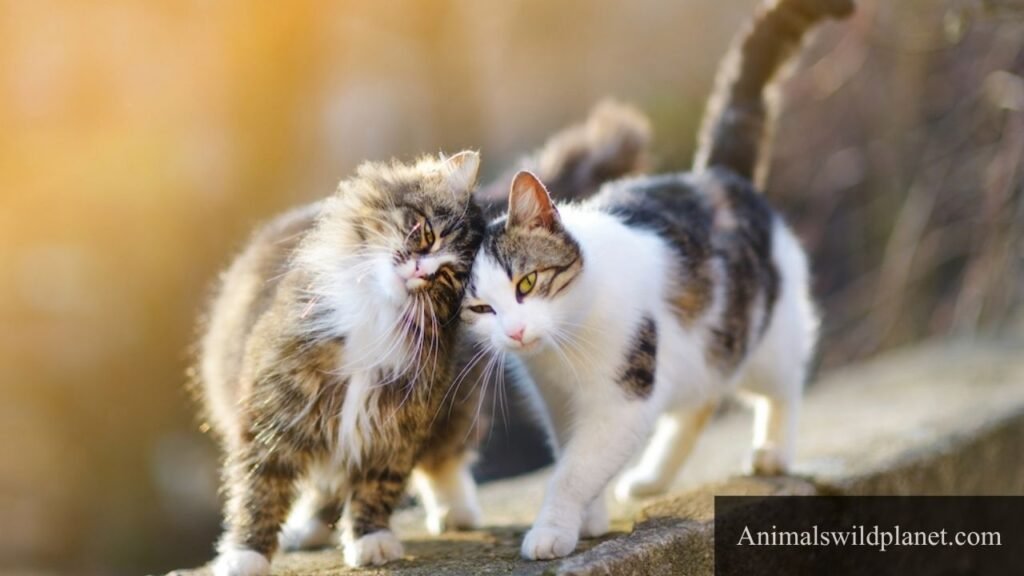
Beyond their grooming, cats also exhibit remarkable behaviors that enhance their cleanliness. In the wild, they instinctively bury their waste to mask their scent from predators, demonstrating an inherent understanding of hygiene that can translate into a well-mannered indoor companion. Their preference for clean litter boxes and fresh water can encourage owners to maintain a tidy environment, fostering a harmonious living space that benefits both the pet and its human family. In essence, the cat’s fastidious nature not only reflects its survival instincts but can profoundly influence the cleanliness habits of those fortunate enough to share their lives with these graceful creatures.
Birds of Paradise
Scientific Name: Paradisaeidae
Class: Aves
Diet: Omnivore
Birds of Paradise, with their vibrant plumage and intricate courtship displays, also embody a remarkable aspect of cleanliness that often goes unnoticed. These exquisite birds engage in meticulous preening, a behavior not only vital for maintaining feather condition but also crucial for their mating success. By removing dirt and parasites, they ensure their colors remain bright and striking, enhancing their attractiveness during elaborate mating rituals. This attention to personal grooming underscores an important evolutionary tactic: clean feathers can significantly affect their reproductive success.
Beavers
Scientific Name: Castor
Class: Mammalia
Diet: Herbivore
Beavers are often celebrated for their industrious nature, but their commitment to cleanliness deserves equal attention. These remarkable animals are meticulous architects of their own aquatic homes, constructing dams and lodges that not only serve as shelters but also create a pristine habitat for various species. Their choice of materials — branches, mud, and stones — is deliberate, often selected for their ability to foster a clean environment amid the busy ecosystems they create.
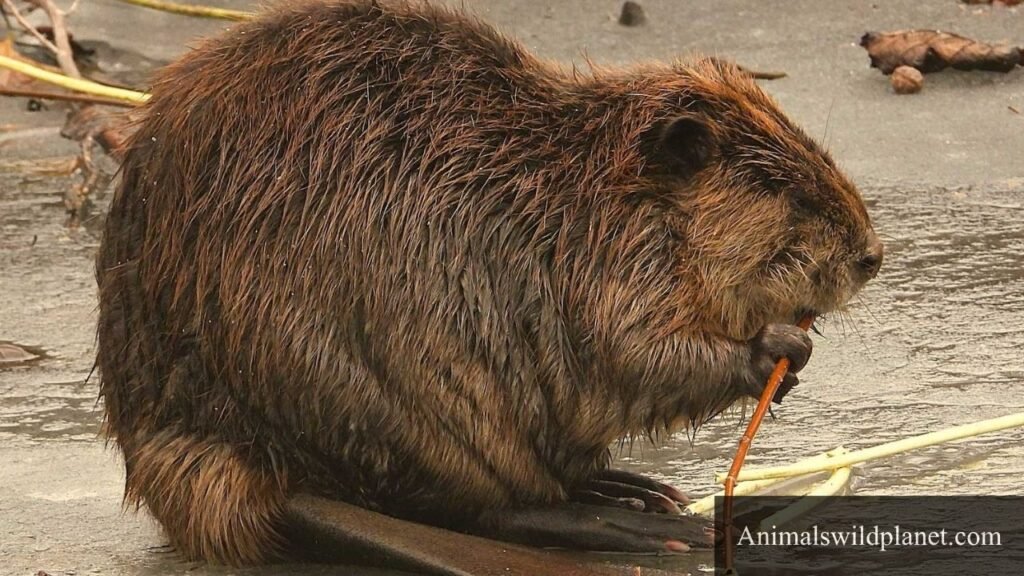
Interestingly, beavers engage in a unique behavior known as “cleaning their waterways.” By building dams and creating ponds, they help manage sediment levels and promote clear water flow. This natural filtration process supports diverse aquatic life, demonstrating how their inherent tidiness contributes to ecosystem health. Moreover, their grooming habits, which include spending hours cleaning their fur, highlight a surprising aspect of their biology: a well-maintained coat is essential for insulation, allowing them to thrive in a range of temperatures. In essence, beavers remind us that cleanliness in nature resonates far beyond mere aesthetics — it’s a vital component of ecological balance.
Deer
Scientific Name: Cervidae
Class: Mammalia
Diet: Herbivore
Deer are often celebrated for their graceful demeanor and elegant figures, but their cleanliness sets them apart in the animal kingdom. These creatures are meticulous groomers; they regularly use their tongues to clean their fur, removing dirt and parasites, which not only keeps them looking pristine but also enhances their overall health. This self-grooming behavior helps deter pests and can reduce the risk of diseases, showcasing a remarkable instinct for survival.
Moreover, deer have an innate understanding of habitat hygiene. They tend to avoid soiled areas when choosing spots for bedding or foraging, which minimizes their exposure to pathogens and enhances their wellbeing. Their instinctive practices extend to their droppings, which they strategically deposit away from feeding grounds. This behavior not only maintains the cleanliness of their environment but also plays a critical role in nutrient cycling within their ecosystems, highlighting their impact on biodiversity. By prioritizing cleanliness, deer not only secure their own health but also contribute to the balance of their habitats, making them unsung heroes in the realm of wildlife.
Badgers
Class: Mammalia
Diet: Omnivore
Badgers are often underestimated in their role as nature’s meticulous cleaners. Despite their rugged appearance, these remarkable creatures exhibit remarkable hygiene habits, routinely grooming themselves and their young. They spend considerable time maintaining their fur, which serves not only to regulate their body temperature but also to ward off parasites. This grooming ritual highlights their instinctual drive for cleanliness, often making them among the tidiest animals in their habitats. Badgers often designate specific latrine areas to relieve themselves, keeping their living space clean and minimizing odors.
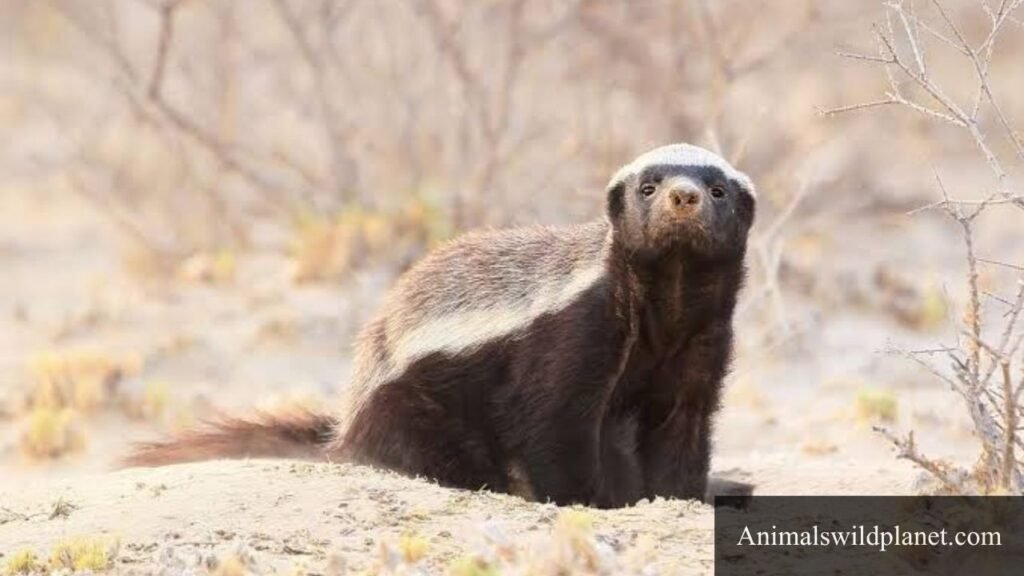
Furthermore, badgers contribute to their ecosystems by controlling soil health. Their burrowing activities aerate the ground and create spaces for other species, including plants and smaller animals, to thrive. By digging and foraging for food, they help break down organic material, promoting nutrient cycling and improving soil quality. This natural behavior underscores the interconnectedness of cleanliness and ecological health, showcasing how badgers play a vital role in maintaining balance within their environments.
Rabbits
Class: Mammalia
Diet: Herbivore
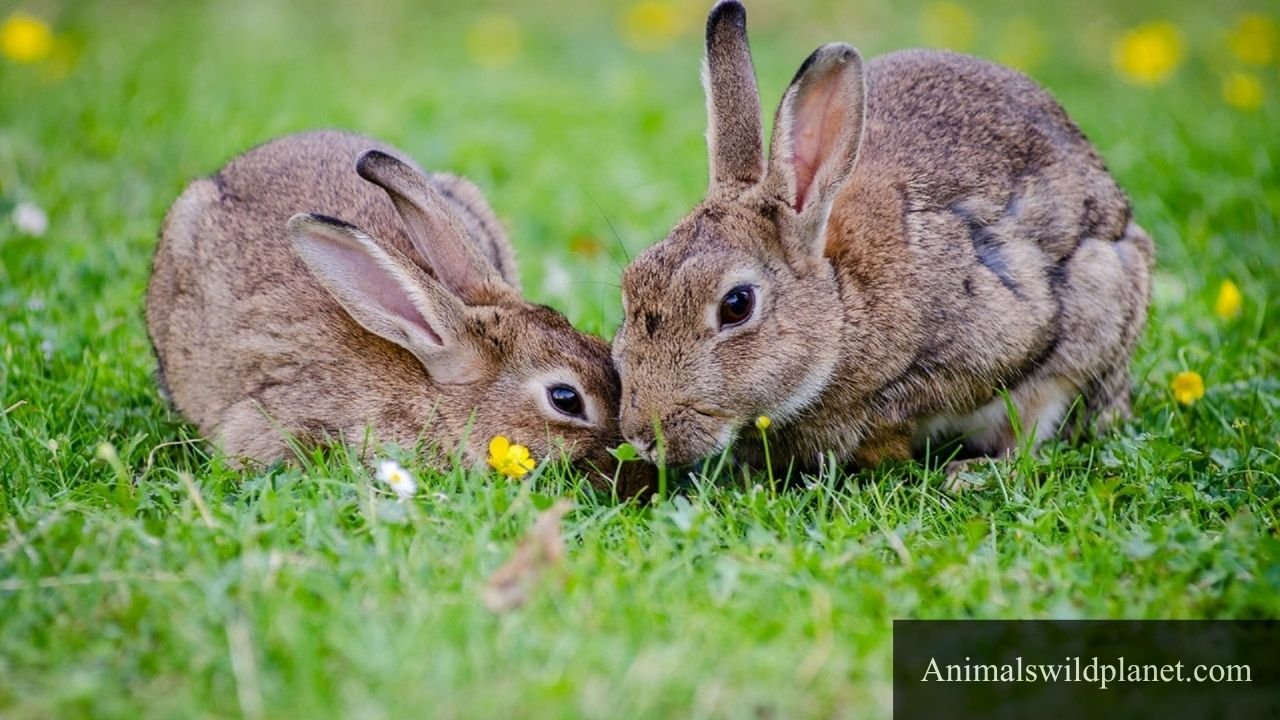
Rabbits are often celebrated not just for their adorable appearance but also for their impressive hygiene habits. These small mammals are notorious for their meticulous grooming routines. With a tongue well-equipped for this task, they spend a significant portion of their day cleaning their fur, which helps maintain insulation and eliminates parasites. This natural instinct not only keeps them clean but also plays a vital role in their overall health, as a well-groomed coat is less susceptible to skin issues.
What may surprise many is that their cleanliness extends beyond personal grooming; rabbits are also particular about their living spaces. In the wild, they instinctively choose to establish their nests in clean, dry areas, steering clear of soiled spots. This behavior can be observed in domestic settings too, where a litter box can become a rabbit’s designated clean zone. By instinctively differentiating between clean and dirty, rabbits create a hygienic environment that contributes to their well-being, reminding us of the deep-rooted instincts that guide even the smallest of creatures.
Songbirds
Scientific Name: Passeri
Class: Aves
Songbirds, renowned for their melodic tunes, also exhibit fascinating grooming habits that elevate their status among nature’s cleanest animals. These feathered musicians partake in a behavior known as preening, where they meticulously arrange their feathers and remove dirt or parasites. This ritual not only ensures optimal insulation and waterproofing of their plumage but also enhances their ability to fly gracefully, showcasing their vibrant colors and patterns to attract mates.
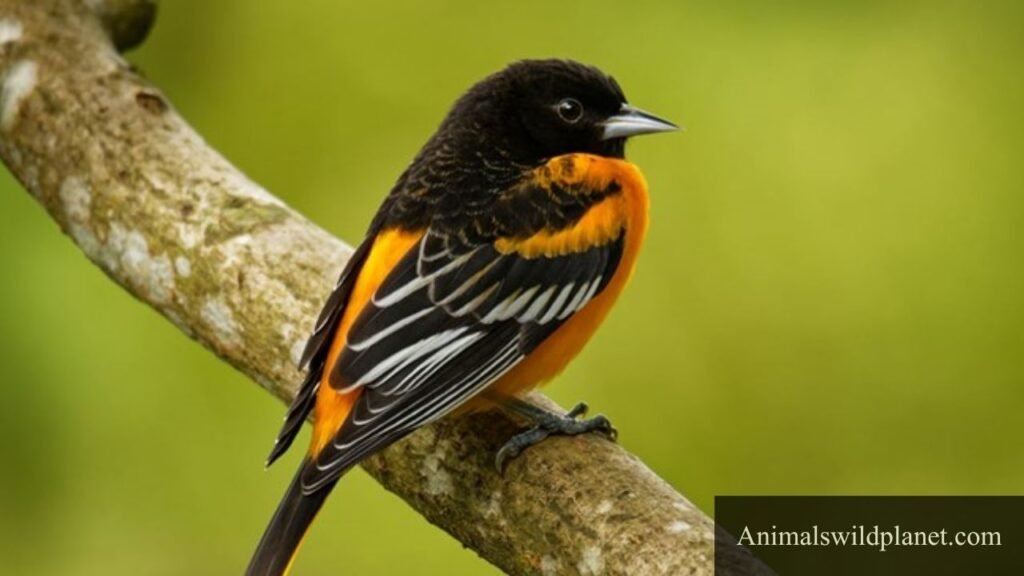
Interestingly, the social dynamics among songbirds play a crucial role in their cleanliness. Many species engage in cooperative preening, where individuals help each other remove unwanted pests. This communal grooming fosters social bonds and demonstrates an intriguing blend of self-care and interdependence.
Readmore: Explore Top 19 Most Flexible Animals.
Conclusion
The world of animals is filled with remarkable species that prioritize cleanliness in their daily lives. From the meticulous grooming habits of cats to the thorough cleaning routines of elephants, these creatures demonstrate that hygiene is not only vital for health but also plays a role in social interactions and survival. By observing and learning from these animals, we can enhance our own habits and foster healthier environments. Let us embrace the lessons of cleanliness that nature teaches us and strive to create a healthier world for ourselves and the animals we share it with.
FAQs
What are the cleanest animals?
When it comes to cleanliness in the animal kingdom, certain species stand out. For example, pigs often get a bad reputation, but they are actually quite clean animals. They separate their sleeping areas from their bathroom spots and tend to wallow in mud primarily to cool off and protect their skin from sunburn and insects. Another notable clean animal is the cat. Cats are known for their grooming habits; they spend a good portion of their day licking their fur to keep it clean. This self-grooming not only helps them stay tidy but also regulates their body temperature.
What is the cleanest animal in the world?
The cleanest animal in the world is often considered to be the pig. Contrary to popular belief, pigs are very tidy creatures. They choose specific spots to relieve themselves, keeping their living areas clean. They also love to roll around in the mud, not because they’re dirty, but to cool off and protect their skin from sunburn and bites.
What is the most hygienic pet?
When it comes to hygiene, small pets like hamsters, guinea pigs, or rabbits often rank high. They groom themselves regularly and can be trained to use a litter box. Their cages require routine cleaning, but overall, they don’t carry the same odor or mess as larger pets. Fish can also be considered very hygienic. A well-maintained aquarium doesn’t emit odors and requires minimal direct interaction. As long as you keep up with water changes and filtration, fish can be a clean and low-maintenance pet choice.