
Top 23 Most Quiet Animals in The World (Pictures Included)
While many creatures are known for their vocalizations, the most quiet animals possess fascinating traits that allow them to thrive in muted environments. This article uncovers these incredible, overlooked beings and explores the reasons behind their stealthy lifestyles. By the end, you’ll gain a newfound appreciation for the unassuming roles these animals play in our natural world.
List of Most Quiet Animals in The World
Below is the list of most quiet animals in the world:
- Turtles
- Snakes
- Rabbits
- Starfish
- Giraffes
- Butterfly
- Snow leopard
- Eels
- Crabs
- Octopus
- Spiders
- Llama
- Snails
- Hedgehogs
- Jellyfish
- Sharks
- Deer
- Goldfish
- Manatee
- Lizards
- Sloths
- Worms
- Koala
Turtles
Scientific Name: Testudines
Class: Reptilia
Diet: Omnivore
Turtles are among the most quiet animals in the world, embodying an unassuming elegance that often goes unnoticed. Unlike many creatures that make a ruckus as part of their existence, turtles communicate predominantly through body language and subtle movements. Their soft, deliberate gestures create a serene atmosphere, allowing them to thrive in their aquatic and terrestrial habitats without attracting undue attention from predators.
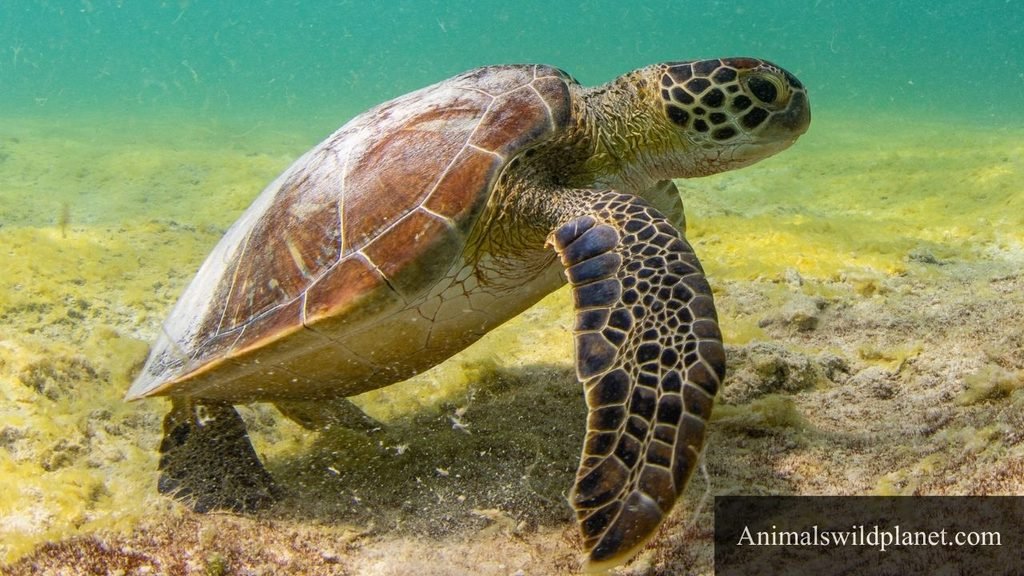
This tranquility is not just a survival strategy; it also shapes their intriguing social structures. For instance, sea turtles may nest on the same beach year after year, relying on instinct rather than vocal calls to locate each other. Their silent navigation through vast oceans is a remarkable feat, drawing on both keen visual acuity and magnetic orientation. As they emerge from their shells and adopt a life of quiet contemplation, turtles remind us that communication goes beyond sound, urging us to appreciate the soft whispers of nature that often speak louder than mere noise.
Snakes
Scientific Name: Serpentes
Class: Reptilia
Diet: Carnivore
Among the myriad of quiet creatures that inhabit our planet, snakes stand out as some of the most intriguing. These stealthy reptiles possess a unique adaptation that allows them to navigate their environments almost silently, making them masters of ambush. Unlike many mammals that may vocalize or communicate through sounds, snakes rely on their acute sense of sight and smell, using their forked tongues to detect scents in the air. This silent hunting tactic not only conserves energy but enables them to approach prey without being detected.
Interestingly, the silence of snakes extends beyond their hunting practices. Their lack of vocal cords means they cannot produce sounds like other animals; instead, their presence is often signaled by the subtle rustling of leaves or a flickering tongue. This inherent quietness offers a fascinating contrast to their often fearsome reputation. In many cultures, snakes are symbols of mystery and transformation, embodying the duality of nature — both the allure of beauty and the potential for danger — all while remaining predominantly voiceless. Observing these creatures in their natural habitats can inspire a deep appreciation for the power of silence in the animal kingdom.
Rabbits
Scientific Name: Oryctolagus cuniculus
Class: Mammalia
Diet: Herbivore
Rabbits, often seen as gentle and playful creatures, are surprisingly adept at keeping their voices down. In the wild, they have evolved into masters of silence, using their impeccable hearing and keen instincts to avoid predators. This natural quietness serves as a crucial survival tool, allowing them to detect danger before it becomes imminent. Their ability to remain almost completely still and silent in the face of threats makes them fascinating subjects for wildlife enthusiasts.
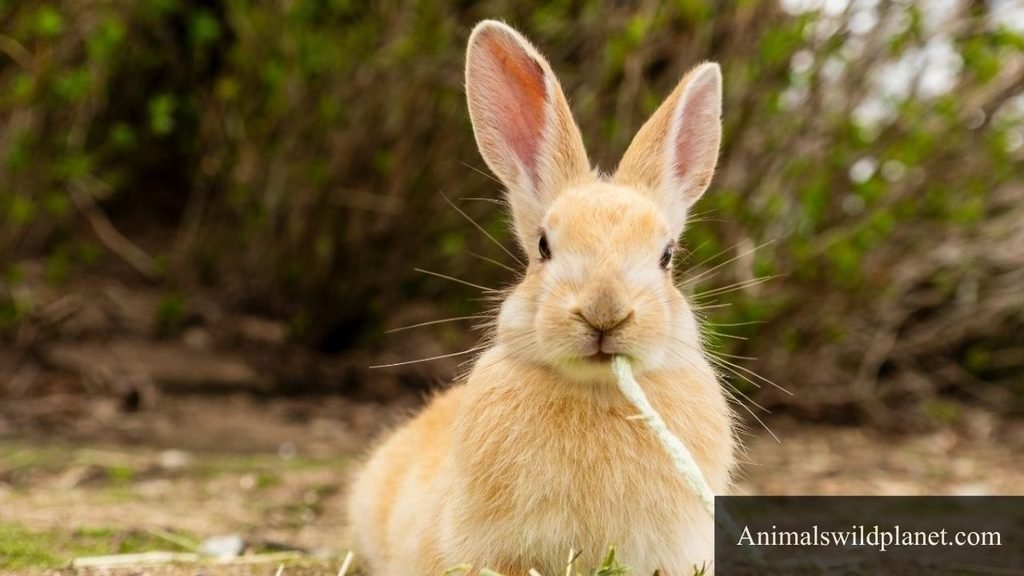
In captivity, the serene nature of rabbits can be a delightful surprise for pet owners. While they might occasionally thump their hind legs as a warning, their vocalizations are rare and often limited to soft whimpers or purr-like sounds when they’re content. This tranquility not only makes them soothing companions but also allows for a unique bond to form through non-verbal communication. Observing a rabbit’s subtle body language and playful nudges can be just as enriching as any loud display, inviting their caretakers into a world of gentle interactions and hushed affection.
Readmore: Explore Top 21 Skinny Animals in The World.
Starfish
Scientific Name: Asteroidea
Class: Asteroidea
Diet: Carnivore
Starfish, or sea stars, embody a serene existence in the underwater world, drawing attention with their unique, quiet demeanor. Unlike many marine creatures that communicate through sounds or vibrant displays, starfish navigate their habitats in near silence, relying on a sophisticated system of touch and scent to interact with their surroundings. Their ability to blend into the ocean floor enhances this tranquil presence, allowing them to thrive unnoticed among corals and rocks.
With their remarkable regenerative powers, starfish can lose and regrow limbs, creating a compelling narrative of resilience without a dramatic flair. This silent strength reflects a deeper connection to their environment, showcasing an evolutionary strategy that prioritizes survival over spectacle. Observing a starfish’s slow, deliberate movements invites a sense of calm, encouraging us to appreciate the beauty found in stillness and understated simplicity within the vast complexities of marine life.
Giraffes
Scientific Name: Giraffa camelopardalis
Class: Mammalia
Diet: Herbivore
Giraffes, often admired for their towering presence and striking patterns, are also among the quietest animals in the world. These gentle giants communicate primarily through subtle body language and low-frequency vocalizations, which often go unnoticed by human observers. Their ability to use infrasound allows them to relay messages over long distances, an adaptation that helps maintain cohesion within their herds, especially in the sprawling savannas of Africa.

What truly sets giraffes apart in their silence is their inherent adaptability. In the wild, excessive noise can betray their location to predators, making their calm demeanor a survival strategy. This tranquility not only allows them to coexist peacefully with other species but also fosters an enchanting sense of serenity in their environment. Observing a group of giraffes in their natural habitat offers a unique opportunity to appreciate the quiet strength and grace they embody, reminding us of the beauty that often goes unnoticed in the animal kingdom.
Butterfly
Scientific Name: Lepidoptera
Class: Insecta
Diet: Herbivore
Among the most quiet animals in the world, butterflies stand out not only for their serene beauty but also for their near silence. Unlike many creatures that express themselves through sounds or movements, butterflies convey their essence through delicate gestures and vibrant colors. Their wings, often adorned with intricate patterns, whisper through the air as they glide gracefully from flower to flower, embodying an ethereal quality that captures our imagination.
This silence is not merely a lack of noise; it serves a vital purpose in their survival. By remaining unobtrusive, butterflies reduce their chances of predation, relying on their camouflage and dexterous flight to evade eager birds and other threats. Furthermore, this quietude allows them to engage fully with their environment, sipping nectar and playing crucial roles in pollination without drawing undue attention. In a world that often values loudness and vibrance, the butterfly reminds us of the strength found in stillness and the beauty of quiet existence.
Snow Leopard
Scientific Name: Panthera uncia
Class: Mammalia
Diet: Carnivore
The snow leopard, a master of stealth, roams the rugged mountains of Central and South Asia, embodying a rare tranquility amidst its harsh environment. Unlike many big cats, the snow leopard relies on its silent agility rather than vocalizations or frantic displays. Its thick, beautiful coat, patterned with rosettes, not only aids in camouflage but also allows this elusive feline to approach prey with an almost ghost-like presence, ensuring that every movement is deliberate and silent.
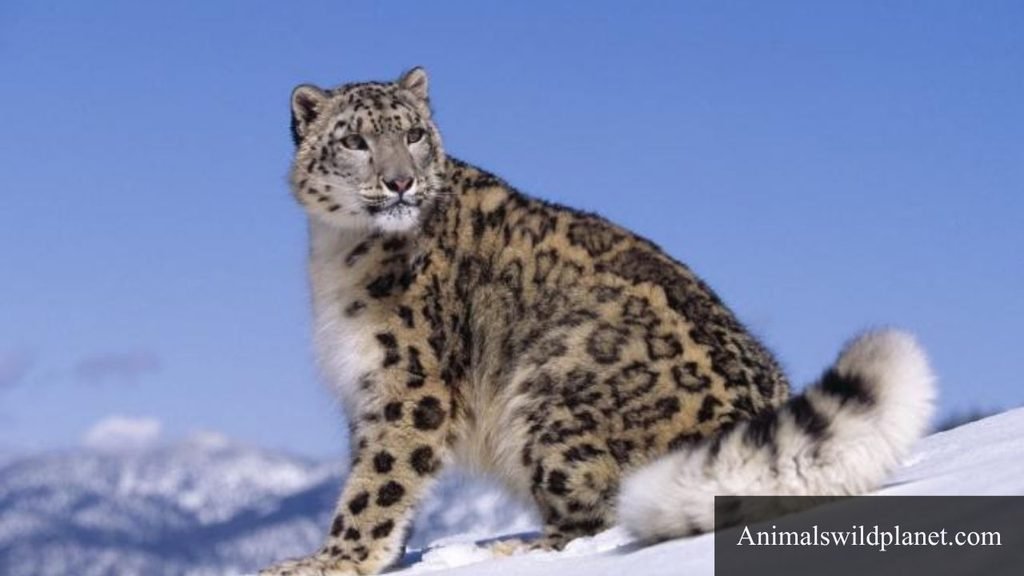
Their secretive behavior contributes not just to their hunting prowess but also to their conservation status. Studies have shown that preserving the snow leopard’s silence — through reduced human interference and habitat protection — ultimately aids in ecological balance. Snow leopards play a vital role in maintaining the populations of their prey, which includes animals like ibex and blue sheep, enhancing biodiversity within their alpine habitats. Observing this majestic animal in its natural setting invites reflection on the delicate harmony of life in some of the world’s most remote regions.
Eels
Scientific Name: Anguilliformes
Class: Actinopterygii
Diet: Carnivore
Eels are the epitome of stealth in the aquatic world. These slender, elongated creatures glide through the water with a grace that belies their enigmatic nature. Unlike more vocal marine animals, eels have mastered the art of silence, communicating primarily through subtle body language or pheromones. This quiet existence not only helps them evade predators but also positions them as elusive hunters, often waiting patiently among rocks and crevices for unsuspecting prey.
Their silence extends far beyond mere behavior; it’s an evolutionary advantage. Eels can inhabit densely populated environments without attracting attention. Their unique adaptations, such as the ability to breathe through their skin, allow them to remain motionless for extended periods, enhancing their camouflaged state. In doing so, they underscore the fascinating balance of nature where being quiet can be as powerful — and sometimes more beneficial — than vocal displays. Through this lens, the eel transforms from a mere inhabitant of the ocean depths to a master strategist in the art of survival.
Crabs
Scientific Name: Brachyura
Class: Malacostraca
Diet: Omnivore
Among the most fascinating yet overlooked quiet creatures are crabs, which inhabit a diverse range of environments, from sandy beaches to deep ocean floors. Unlike many animals known for their vocalizations, crabs communicate primarily through body language and chemical signals, a testament to the adaptability of life forms in silence. This non-verbal communication method not only conserves energy but also reduces the risk of attracting predators, making these crustaceans masters of stealth in their underwater realm.
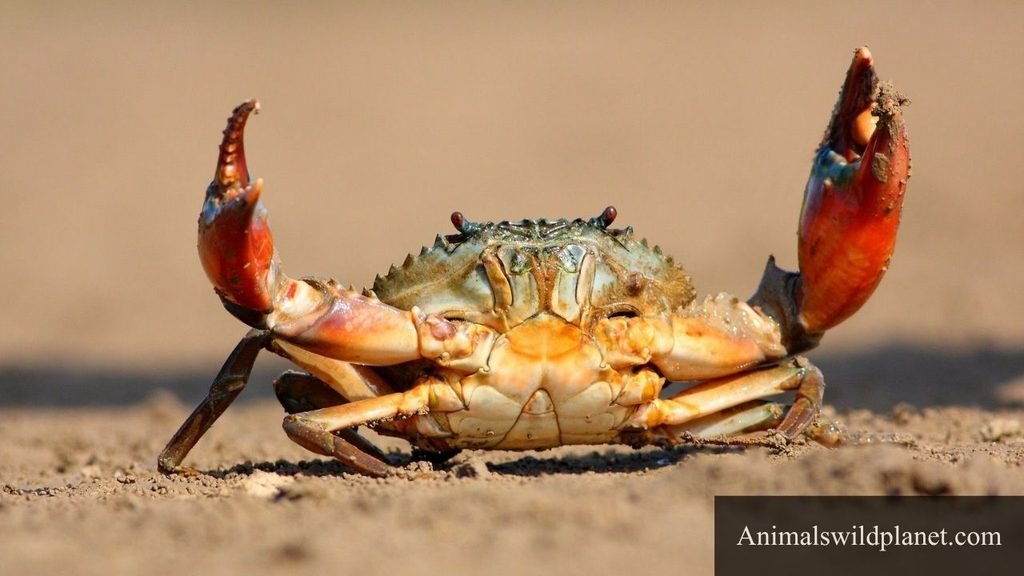
Crabs often exhibit an impressive level of social interaction without uttering a sound. For example, during mating seasons, males display vibrant colors and unique movements to attract females, engaging in intricate dances that convey their strength and vitality. Some species even rely on the subtle movements of their claws and bodies to establish territory and engage with neighbors, demonstrating that silence can be a powerful tool in the animal kingdom. Their quiet existence reminds us that not all communication requires noise; sometimes, the most profound messages are conveyed through the gentle, yet purposeful, motions of life.
Octopus
Scientific Name: Octopoda
Class: Cephalopoda
Diet: Carnivore
The octopus, a creature often associated with intelligence and mystery, is also a master of silence in the marine world. Unlike many marine animals that communicate through sounds, octopuses rely on a complex array of body language and color changes to convey emotions and intentions. Their ability to alter their skin textures and colors not only serves as camouflage but also helps them express unease or confidence without uttering a sound.
This quiet adaptability is a testament to their evolutionary success. In the depths of the ocean, where noise can be a predator’s ally, the octopus thrives by blending into its surroundings to avoid detection. Moreover, their strategy of retreating into tightly-knit crevices further emphasizes their stealthy nature. It’s fascinating to consider that such a remarkably complex creature can navigate its world in near silence, relying on visual cues and tactile interactions instead of vocalizations. This silent sophistication challenges our perceptions of communication in the animal kingdom and highlights the ingenious adaptations of life beneath the waves.
Spiders
Scientific Name: Araneae
Class: Arachnida
Diet: Carnivore
Among the myriad quiet creatures that inhabit our planet, spiders stand out not just for their silent hunting skills, but for their fascinating communication methods. Unlike many animals that rely on vocalizations, spiders utilize subtle body language and chemical signals to interact, making their presence often unnoticed. For example, some species can vibrate their silk to convey messages, a skill that allows them to warn off rivals or attract mates without a single sound.
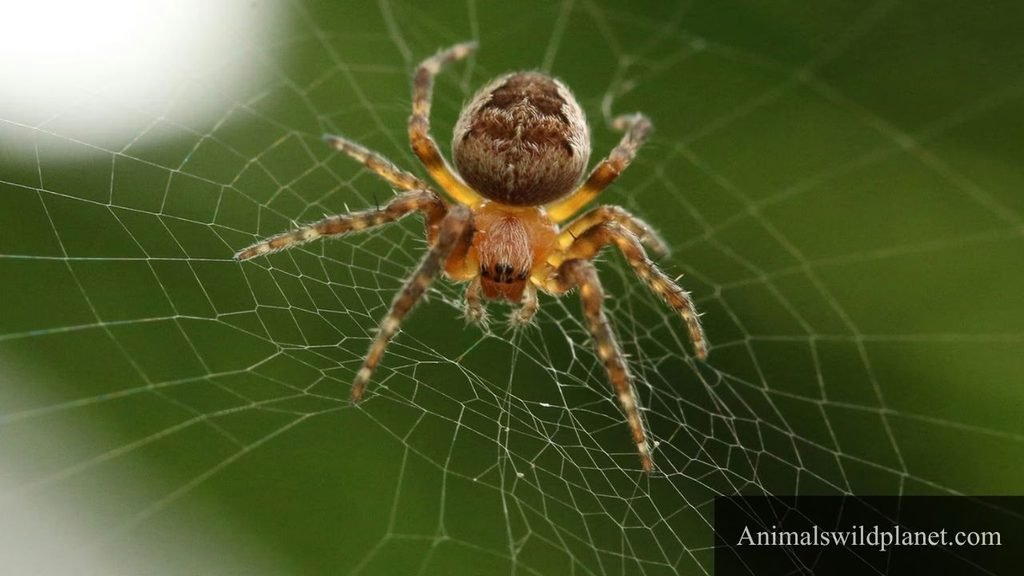
Exploring the world of spiders reveals their incredible adaptations while reinforcing their status as silent predators. The lonesome wolf spider, for instance, hunts stealthily at night, relying on its acute sense of touch and sight rather than jazzing up its environment with noise. This quiet existence is a strategic advantage; the less attention they draw, the more successful they are in ambushing prey. Their stealth not only invites curiosity but also sheds light on the delicate balance within ecosystems, where these unassuming arachnids play significant roles as both predators and prey, showcasing a harmony that is often overlooked in the louder, more boisterous animal kingdom.
Llama
Scientific Name: Lama glama
Class: Mammalia
Diet: Herbivore
Llamas, often celebrated for their gentle demeanor and striking appearance, are surprisingly quiet creatures. Unlike many animals that communicate through loud calls or vocalizations, llamas communicate primarily through body language and subtle humming. This humming can signify a range of emotions — from contentment to curiosity — but is often so soft that it goes unnoticed amid the sounds of nature. Their silent nature allows them to thrive in the rugged Andes Mountains, where they navigate the terrain without disturbing the delicate ecosystem around them.
The llama’s quietness isn’t merely a behavioral quirk; it serves a purpose in their social structures. Their non-confrontational communication style fosters a peaceful environment within their herds, minimizing stress among companions and promoting social bonds. As guardians of livestock, llamas excel not only in their roles as protectors but also as calm companions, subtly observing their surroundings while remaining unobtrusive. This tranquil disposition makes them not only remarkable animals but also unique contributors to the biodiversity and beauty of their habitats.
Snails
Scientific Name: Gastropoda
Class: Gastropoda
Diet: Herbivore
Snails, often overlooked in the animal kingdom, possess a unique charm that thrives in their subtlety. With their slow-paced movements and delicate shells, these mollusks are the epitome of tranquility. Unlike the raucous cacophony of wildlife, snails communicate in the quiet language of touch and chemical signals, leaving behind trails of slime that tell stories of their solitary journeys. This silent existence is a testament to the beauty of patience and observation, inviting us to appreciate the wonders of life at a slower tempo.
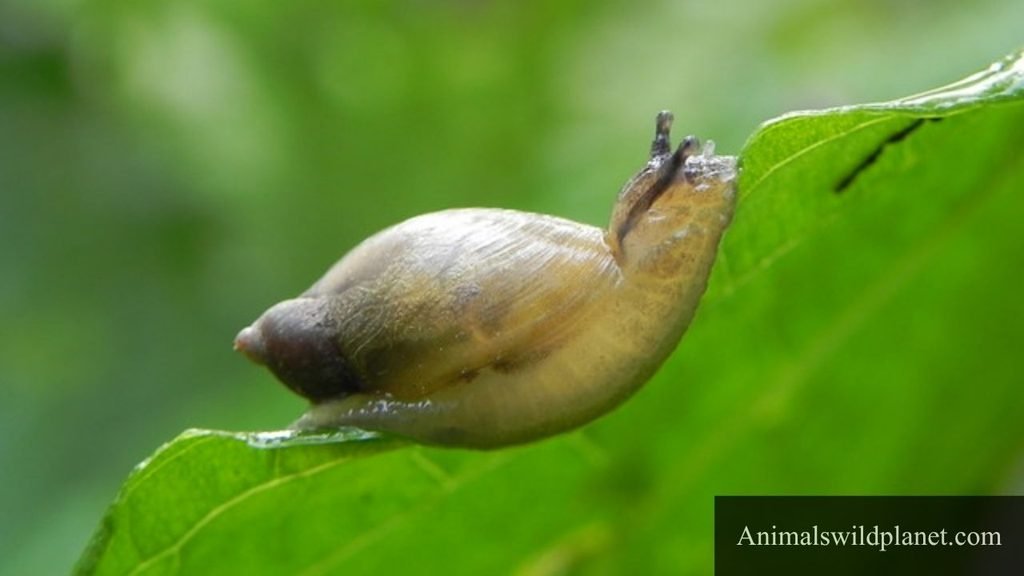
Snails have adapted to thrive in a world where silence reigns. Their ability to retract into their shells not only serves as protection but also creates an intimate cocoon, shielding them from the chaos of predators and environmental stressors. This isolation fosters a profound connection to their surroundings, demonstrating that sometimes, the quietest beings hold the most profound wisdom. By embracing the calmness of snails, we can learn the importance of pausing, reflecting, and valuing the subtle nuances of our own lives.
Hedgehogs
Scientific Name: Erinaceinae
Class: Mammalia
Diet: Omnivore
Hedgehogs epitomize the art of quiet living. Unlike many other animals that rely on vocalizations to communicate, these enchanting creatures have developed an extraordinary set of behaviors and adaptations that enable them to thrive in silence. Their nocturnal nature allows them to explore the world under the cloak of night, utilizing their acute sense of smell and hearing rather than sound. This unique lifestyle not only minimizes disturbance to their surroundings but also helps them avoid predators and navigate through their habitats with grace.
The hedgehog’s silence doesn’t equate to a lack of personality. In moments of social interaction, they can express themselves through body language — curling into a tight ball when startled or excited. This fascinating defense mechanism, combined with their nocturnal habits, paints a portrait of an animal that prefers solitude yet possesses a rich inner life. As they scuttle through gardens and underbrush, their quiet movements serve as a gentle reminder of the beauty in stillness and the importance of preserving the delicate balance of our ecosystems.
Jellyfish
Scientific Name: Scyphozoa
Class: Scyphozoa
Diet: Carnivore
Jellyfish are fascinating creatures, not just for their ethereal beauty but also for their remarkable silence. As they drift through the ocean depths, they embody a serene elegance, moving with a grace that belies their simplicity. Lacking a brain or central nervous system, jellyfish operate on primal instincts, responding to their environment without a sound. This absence of noise makes them some of the quietest animals in the world, allowing them to glide through their aquatic realm undetected by many predators and prey alike.
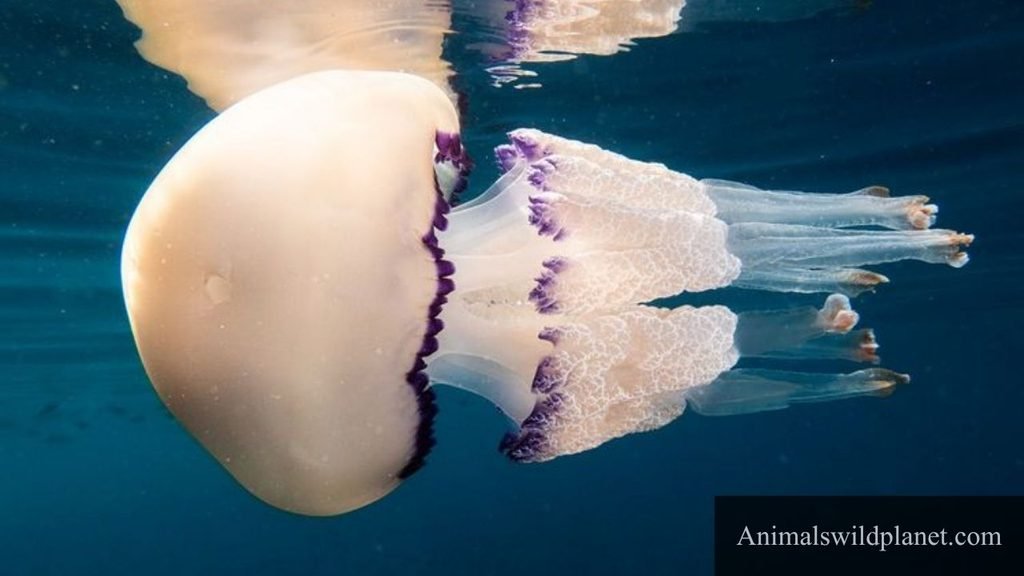
Their stealth extends beyond mere silence; jellyfish possess a unique form of predation. Utilizing specialized cells called cnidocytes, they can deliver a sting without any audible warning, capturing unsuspecting prey in a silent and deadly embrace. This method not only heightens their hunting efficiency but also minimizes disruption in their ecosystem, allowing jellyfish populations to thrive even in the face of environmental changes. In a world often dominated by the cacophony of animal calls and interactions, jellyfish remind us of the beauty of quietude, moving gracefully through the blue expanse, echoing the tranquility of the depths.
Sharks
Scientific Name: Selachimorpha
Class: Chondrichthyes
Diet: Carnivore
Sharks actually embody a remarkable quietude, both in their behaviors and communication. These ancient predators possess an exquisite form of stealth, gliding through the ocean’s depths with minimal effort. They don’t rely on vocalizations to communicate; instead, they use body language and finely tuned senses, making them some of the most silently efficient creatures in the marine world. This low-profile existence allows them to become the ultimate ambush predators, minimizing the disturbance they create in their environment.
Recent studies reveal that many shark species exhibit unique adaptations that enhance their ability to remain undetected. For instance, their lateral line system — a series of sensory organs running along their bodies — detects even the faintest movements in the water. This silent prowess not only aids in hunting but also plays a crucial role in avoiding potential threats. As we deepen our understanding of these enigmatic beings, we begin to appreciate their role in the ocean’s delicate balance, underscoring the importance of preserving their often-overlooked presence in ecosystems worldwide.
Deer
Scientific Name: Cervidae
Class: Mammalia
Diet: Herbivore
Among the myriad of species that populate our forests and fields, deer stand out not only for their grace but also for their remarkable quietness. Unlike many other animals that communicate vocally, deer have evolved to rely on subtle body language and pheromones to convey their emotions and intentions. This behavior allows them to navigate their environment stealthily, avoiding potential predators while engaging in social interactions among their herd without drawing unwanted attention.
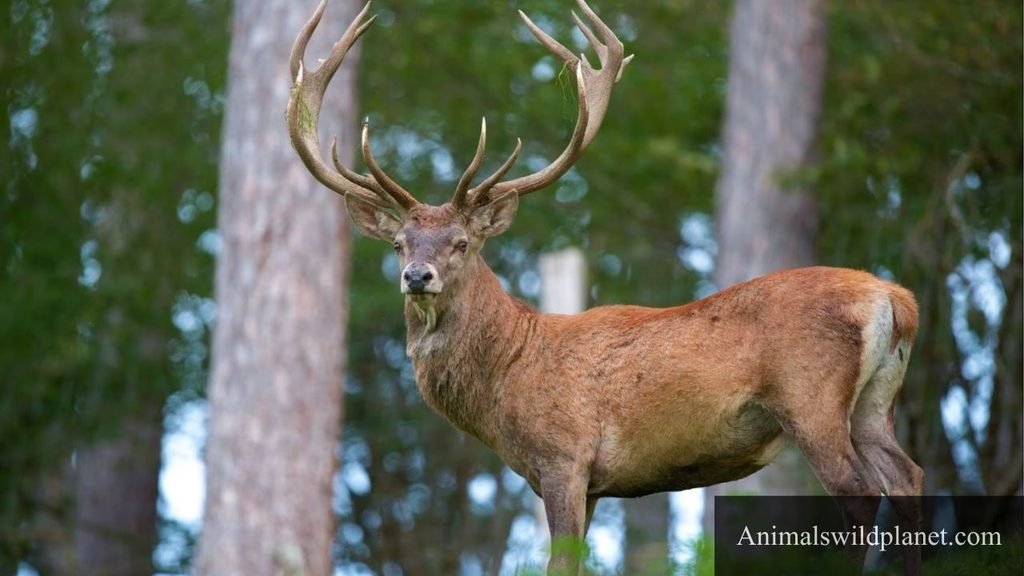
The ability to remain silent is a critical survival tactic for deer. Their soft footfalls and gentle movements make them adept at blending into their surroundings. During dusk or dawn, when they are most active, their muted presence allows them to forage and socialize while minimizing the risk of detection. Observing deer in this serene state can be a meditative experience, inviting us to appreciate the elegance of their unspoken language and the delicate balance of the natural world they inhabit.
Goldfish
Scientific Name: Carassius auratus
Class: Actinopterygii
Diet: Omnivore
Goldfish, often viewed as mere decorative pets, possess a unique tranquility that makes them one of the quietest animals in the world. Unlike the raucous chirps of birds or the boisterous chatter of dogs, goldfish communicate through subtle body language and color changes rather than vocalizations. This serene existence allows them to flourish in peaceful environments, where they can showcase their vibrant hues and graceful movements undisturbed.
Their quietude extends beyond behavior; goldfish have rich sensory adaptations that help them navigate their surroundings without the need for sound. Equipped with an intricate system of lateral lines, they can detect the slightest water movements, allowing them to interact harmoniously with their environment. This remarkable sensory ability highlights their adaptability and invites a deeper appreciation for their understated elegance, challenging the notion that silence equates to simplicity. By observing goldfish in their habitats, one can find a soothing connection to nature — reminding us that sometimes, the most profound experiences come not from noise, but from stillness.
Manatee
Scientific Name: Trichechus
Class: Mammalia
Diet: Herbivore
Among the most serene creatures of the animal kingdom, manatees glide through their aquatic habitats with an unhurried grace that mirrors their gentle nature. Often referred to as “sea cows,” these herbivorous giants thrive in warm coastal waters, feeding primarily on seagrass and other aquatic vegetation. Unlike many marine animals, manatees rarely use vocalizations to communicate, relying instead on subtle body language and environmental cues to express themselves. This quiet existence allows them to navigate their environments with a peacefulness that stands in stark contrast to the bustling underwater world around them.
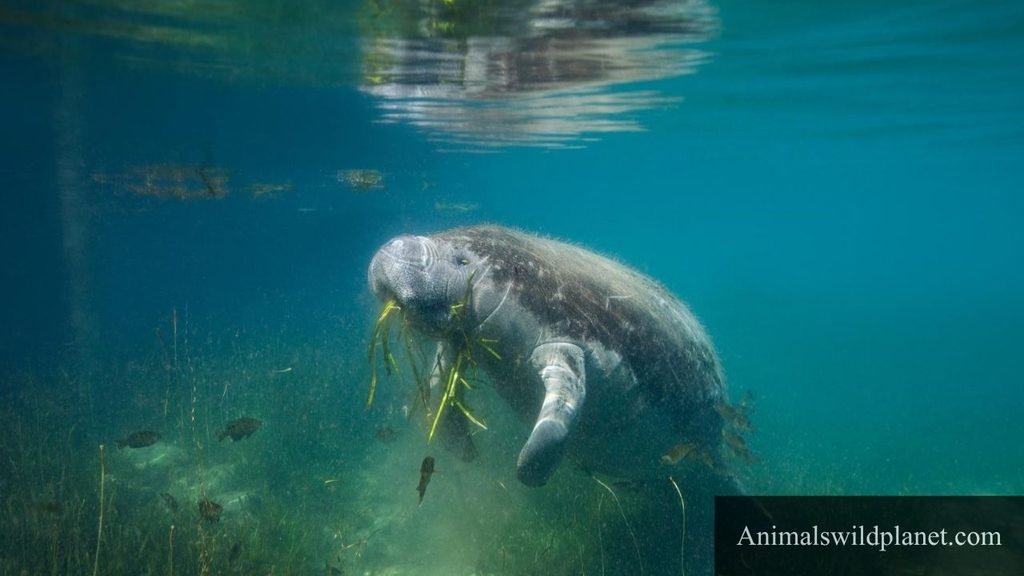
Manatees also embody a unique form of ecological harmony, as their grazing habits promote the health of seagrass beds, fostering habitats for countless other marine species. Unfortunately, their tranquil way of life is increasingly threatened by human activity, from habitat loss to boat strikes. As a result, witnessing these gentle beings in their natural habitat becomes a vital call to action for conservation efforts. By focusing on protecting their quiet realms, we not only safeguard the manatees but also preserve the delicate balance of the ecosystems they help sustain.
Lizards
Scientific Name: Squamata
Class: Reptilia
Diet: Omnivore
Lizards wield a remarkable ability to thrive in silence. Unlike their vocal amphibian counterparts, these reptiles communicate through body language and subtle color changes, adapting their demeanor to their surroundings. For instance, the chameleon changes its hues not for spoken communication, but to signal threats or attract mates. This silent adaptability marvels scientists, showcasing an intricate form of communication that doesn’t rely on sound.
The stillness of lizards serves as a tactical advantage in their environments. Many lizards are expert masqueraders, using their stillness to blend into the background and evade predators. The anole, a commonly observed lizard in the Americas, often remains motionless, skillfully camouflaged against tree bark, waiting for the perfect moment to ambush insects. This strategy not only highlights their impressive evolutionary traits but also reminds us of the silent power inherent in stillness — a quality often undervalued in the animal kingdom.
Sloths
Scientific Name: Folivora
Class: Mammalia
Diet: Herbivore
Sloths, often celebrated for their languid movements and adorable countenance, are among the quietest animals in the world. These fascinating creatures have adapted to a life of calm and stillness in the treetops of Central and South America, where they blend seamlessly into their surroundings. Their slow metabolism and energy-efficient lifestyle require them to conserve energy, leading to their mostly silent existence. Unlike many animals that utilize vocalizations to communicate, sloths prefer to express themselves through minimal sound, making them both elusive and intriguing.
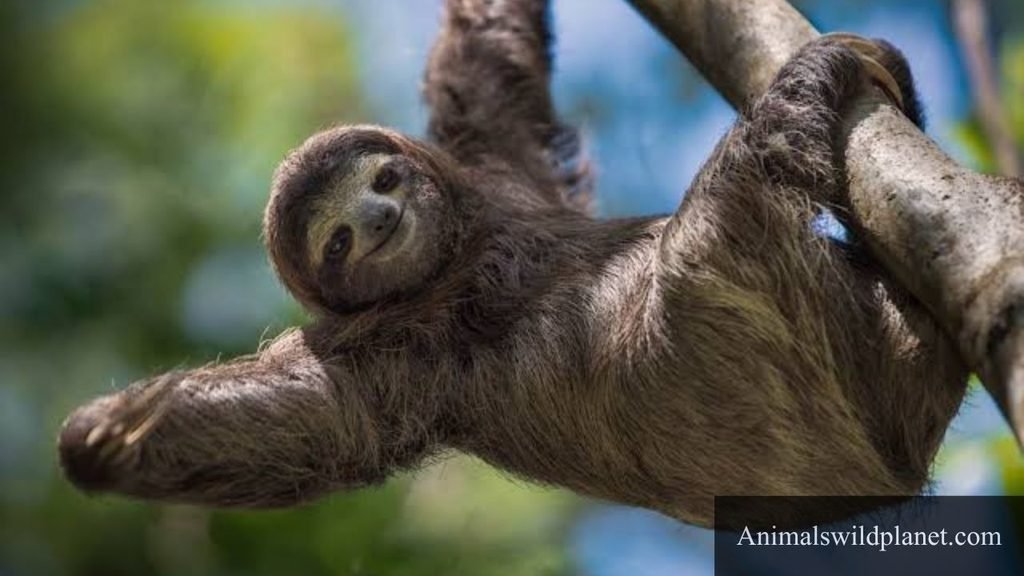
The sloth’s silence is not merely a choice but a survival tactic. By remaining quiet, they reduce their chances of detection by predators, such as jaguars and eagles. This low-key approach to life extends even to their mating calls, which are rare and often muffled, ensuring that their presence goes unnoticed in the dense canopies they inhabit. This unique survival strategy allows sloths to thrive in a habitat where noise could spell danger, highlighting the extraordinary balance of nature where even the quietest creatures play vital roles in their ecosystems.
Worms
Scientific Name: Oligochaeta
Class: Clitellata
Diet: Omnivore
Earthworms stand out as some of the quietest inhabitants of the soil. They operate in a realm often overlooked, shunning the spotlight yet playing an indispensable role in ecosystems. Unlike many animals that communicate through sounds or displays, earthworms communicate with the environment, affecting soil health and nutrient cycles without uttering a single note.
Their silence is not a weakness but rather a remarkable adaptation. By aerating the soil and breaking down organic matter, worms create fertile ground for plants to thrive, thus weaving a silent yet profound tapestry of life beneath our feet. In their quiet burrowing, they enhance water absorption and root growth, ensuring that ecosystems flourish without the need for ostentation or noise — an unassuming yet vital harmony in nature. This subtlety invites us to reflect on the often-unseen contributions of the quieter members of our world, reminding us that silence can be as powerful as sound in the natural symphony of life.
Koala
Scientific Name: Phascolarctos cinereus
Class: Mammalia
Diet: Herbivore
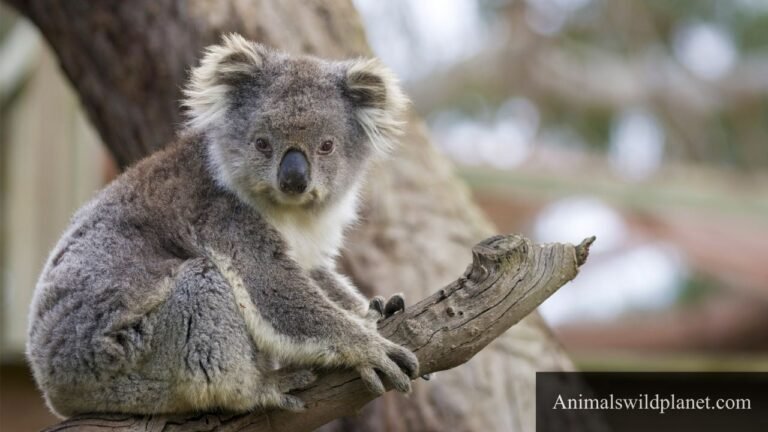
The koala, often perceived as a gentle, cuddly creature, is surprisingly serene in its vocalizations. Unlike many mammals, koalas do not rely on an array of sounds to communicate, making them one of the quietest animals in the world. Their primary vocalization, a low, bellowing call, is reserved for mating season and can be startling given their otherwise tranquil disposition. This strategic use of sound helps them conserve energy in the wild, allowing them to thrive on a diet of eucalyptus leaves, which are not only low in calories but also difficult to digest.
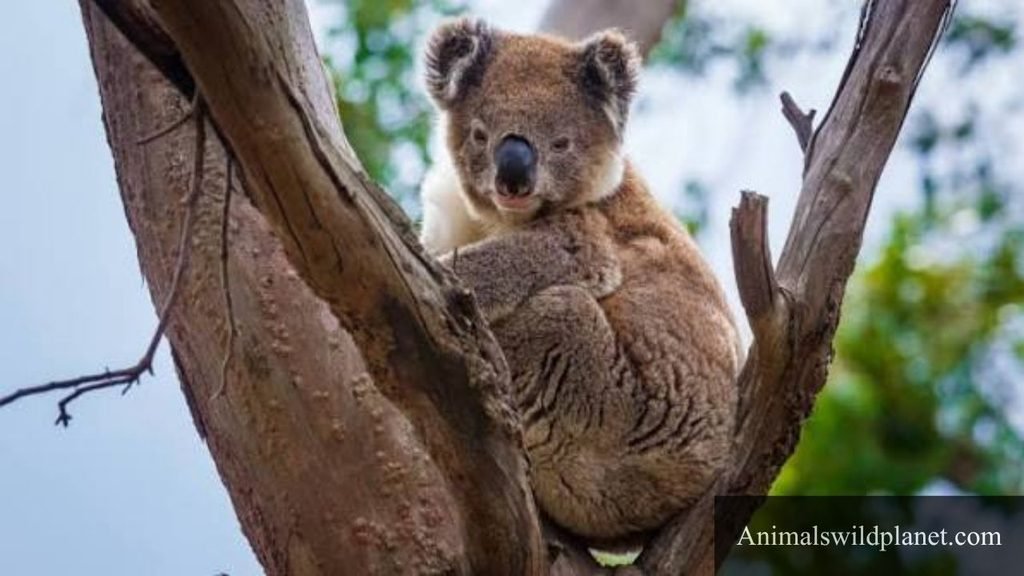
Beyond their muted voice, koalas embody a lifestyle that emphasizes stillness and calm. They spend up to 20 hours a day resting and digesting their fibrous diet, creating a unique ecological niche that prioritizes tranquility over territorial disputes or social interactions. This relaxed demeanor extends to their social structure. Koalas are typically solitary and prefer to establish their personal space in the treetops, fostering a peaceful coexistence with their environment. Their silent existence is a fascinating counterpoint to the bustling ecosystems they inhabit, reminding us that sometimes, peace is found in the softest of footsteps.
Readmore: Explore Top 22 Animals With Long Tails.
Final Words
The world of quiet animals showcases the diverse strategies that species employ to adapt to their environments. From the elusive sloth to the understated octopus, these creatures demonstrate that silence can play a crucial role in survival. Their low-key lifestyles allow them to avoid predators and thrive in their habitats.
Understanding these animals enriches our appreciation for biodiversity and the myriad ways life exists on Earth. As we reflect on their unique adaptations, let’s commit to protecting their habitats and ensuring their continued presence in our ecosystems.
FAQs
What animal is really silent?
One of the most silent animals is the owl, particularly the species known as the barn owl. Their unique feather structure allows them to fly almost without a sound, making them stealthy hunters in the night. This adaptation helps them quietly approach prey, which is crucial for their survival. Another surprisingly silent animal is the sloth. These slow-moving creatures spend most of their time hanging in trees and are known for their quiet demeanor.
What animal is smart but quiet?
One animal that embodies both intelligence and a quiet demeanor is the octopus. Despite their reputation for being reclusive, octopuses are highly adaptable and possess remarkable problem-solving abilities. They can open jars, manipulate objects, and even use tools, showcasing their cognitive skills without making much noise.