Top 19 Most Flexible Animals (With Images)
In the animal kingdom, certain species push the boundaries of bending and twisting, showcasing some of the most impressive physical adaptations. This article will introduce you to the most flexible animals, revealing the fascinating biology behind their extraordinary movements and behaviors. Get ready to be inspired by their agility and uncover how flexibility plays a crucial role in their survival and success.
List of Most Flexible Animals in The World
Below is the list of animals that are flexible:
| Number of Animals | Names of Flexible Animals |
| 1 | Spider Monkey |
| 2 | Eel |
| 3 | Cat |
| 4 | Snakes |
| 5 | Sea Lions |
| 6 | Earthworms |
| 7 | Cheetah |
| 8 | Squirrel |
| 9 | Squid |
| 10 | Chameleon |
| 11 | Ferret |
| 12 | Weasels |
| 13 | Seal |
| 14 | Hero Shrew |
| 15 | Octopus |
| 16 | Rats |
| 17 | Centipedes |
| 18 | Spider |
| 19 | Lemurs |
Spider Monkey
Scientific Name: Ateles
Class: Mammalia
Diet: Omnivore
Spider monkeys, with their remarkable prehensile tails and agile limbs, epitomize the elegance of adaptation in the animal kingdom. These primates, native to Central and South America, navigate the canopy with almost balletic grace, using their tails not just for balance but as an additional hand to grasp branches and forage for fruit. Their social structures are equally fascinating; they thrive in matriarchal groups, which allows for a dynamic learning environment where young monkeys observe and imitate their mothers and peers.
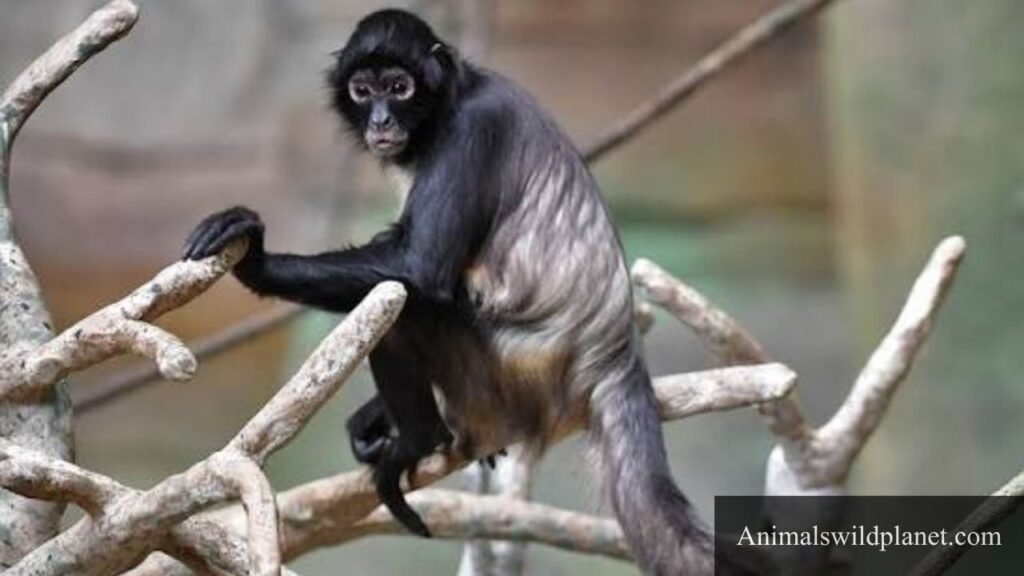
What sets spider monkeys apart is their unique vocalization, which plays a crucial role in their ability to communicate over long distances in dense forests. Their howls and calls resonate through the treetops, weaving a complex tapestry of signals that convey emotions and alert others to potential dangers. Furthermore, their diet is predominantly fruit-based, making them essential seed dispersers, thereby contributing significantly to forest regeneration. This interplay between their agile behaviors and their role in the ecosystem underscores the importance of preserving their habitats, ensuring that these flexible animals continue to thrive amid the changes of the modern world.
Eel
Scientific Name: Anguilliformes
Class: Actinopterygii
Diet: Carnivore
The eel, a creature that glides through water with an almost supernatural grace, embodies flexibility in more ways than one. Renowned for their elongated, serpentine bodies, eels can navigate through the most constricted of environments, showcasing an astonishing ability to squeeze into crevices and burrow into mud. This remarkable dexterity allows them not only to evade predators but also to hunt for prey, often ambushing unsuspecting fish and invertebrates with swift, calculated movements.
Moreover, eels possess a unique life cycle that highlights their adaptability. Many species, like the European eel, embark on a remarkable journey from freshwater to the Sargasso Sea to spawn. This migratory behavior reflects their resilience, as they can thrive in a range of habitats — from brackish waters to riverbeds — yet remain tethered to their ancestral breeding grounds. As humans continue to encroach on their habitats, the eel stands as a testament to nature’s remarkable capacity for flexibility amidst environmental changes, urging us to reconsider our relationship with these enigmatic creatures and the ecosystems they inhabit.
Cat
Scientific Name: Felis catus
Class: Mammalia
Diet: Carnivore
Cats are the ultimate masters of flexibility, not just in their astonishing physical agility but in their behavior and adaptability to their surroundings. Their anatomy showcases a unique skeletal structure with fewer bones than humans, allowing them to twist and contort their bodies in ways that seem almost otherworldly. This remarkable flexibility enables them to execute graceful leaps from towering heights, land on their feet, and navigate narrow spaces with ease. Watching a cat traverse a bookshelf or squeeze through an impossibly small gap invokes a sense of wonder, reminding us of their evolutionary prowess as both hunters and survivors.
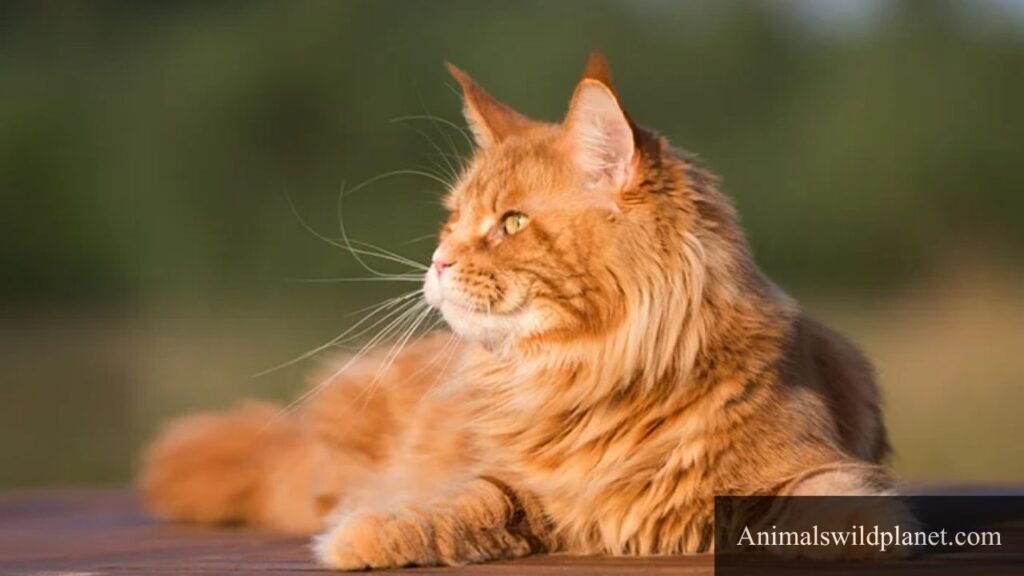
Beyond their physical traits, cats also exhibit a remarkable adaptability in their social dynamics. Whether you have a solitary feline or a multi-pet household, cats often find ways to accommodate their personalities and differing species. They possess a keen sense of environment, adjusting their behavior to fit the mood of their human companions. From playfulness to affection, these creatures can tailor their interactions, offering companionship when needed or a quiet presence in times of solitude. This combination of physical and behavioral flexibility makes cats not just pets but intriguing partners in our everyday lives, always ready to surprise us with their charm and adaptability.
Readmore: Explore Top 23 Animals That Have Lowest IQ.
Snakes
Scientific Name: Serpentes
Class: Reptilia
Diet: Carnivore
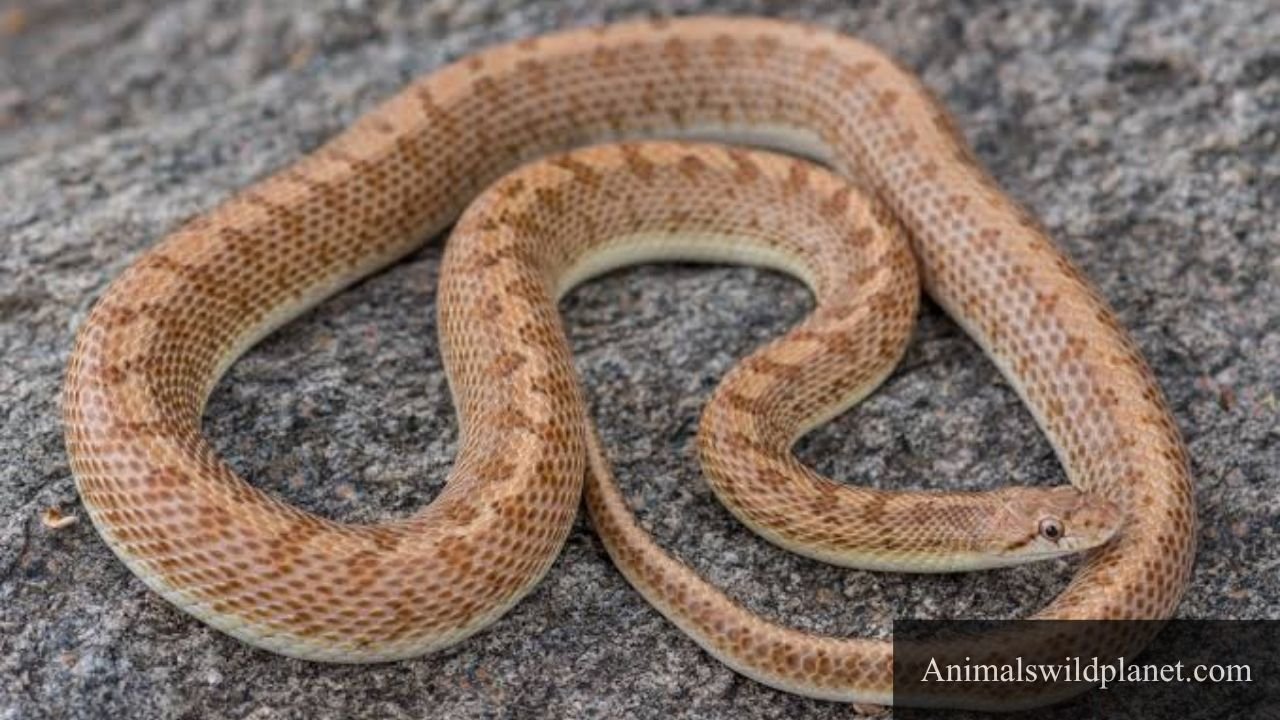
Snakes epitomize flexibility in both body and behavior, showcasing adaptations that have allowed them to thrive in diverse environments. Their remarkable flexibility isn’t just physical; it also involves a sophisticated interplay of instincts and survival strategies. With a body composed of over 200 vertebrae, snakes can maneuver through narrow crevices and climb trees with surprising agility, enabling them to ambush prey or escape predators. This extraordinary range of motion reflects a highly evolved design tailored for their lifestyle.
Furthermore, the hunting techniques of snakes reveal their adaptive prowess. Many species utilize the art of stealth, coiling their bodies to blend seamlessly into their surroundings before striking with incredible speed. Others exhibit fascinating behaviors like the unique “hissing” of a puff adder or the vibrant warning display of a coral snake, using their flexibility not just for movement but as a tactical advantage in communication. Such strategies underscore that flexibility in the animal kingdom, especially within these legless reptiles, is not merely about physicality; it is a sophisticated dance of survival that highlights the intricate balance of instinct, adaptation, and environmental interaction.
Sea Lions
Class: Mammalia
Diet: Carnivore
Sea lions exemplify adaptability with their remarkable physical flexibility and social behaviors. Their elongated bodies and external ear flaps allow them to maneuver adeptly both in water and on land, showcasing an impressive blend of grace and strength. These marine mammals can dive to depths of approximately 600 feet in search of food, while their ability to hold their breath for up to 20 minutes enables them to navigate complex underwater terrains, revealing the versatility of their hunting strategies.
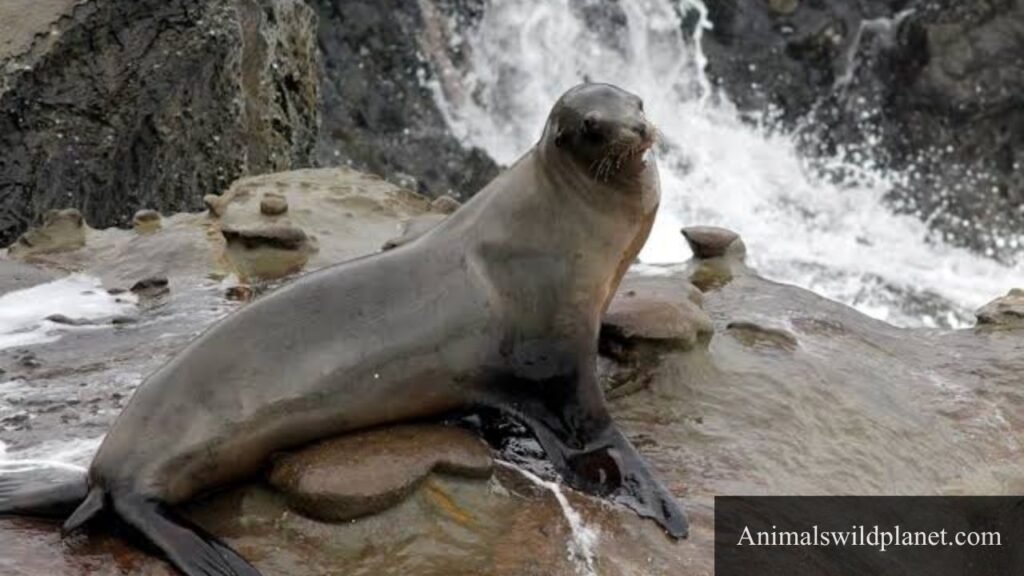
Beyond their physical prowess, sea lions display intriguing social structures. Often found lounging in large colonies, they communicate through a rich repertoire of vocalizations, ranging from barks to growls. This communal behavior not only strengthens social bonds but also plays a crucial role in protecting against predators. Furthermore, their playful antics, such as surfing waves or playing with kelp, highlight their inquisitive nature, providing a glimpse into the cognitive complexity and social intelligence that underpins their dynamic lives.
Earthworms
Scientific Name: Lumbricus terrestris
Class: Clitellata
Diet: Detritivore
Earthworms are remarkable creatures that exemplify flexibility in both form and function. Their segmented bodies, made up of numerous little rings, allow them to navigate through various substrates effortlessly, from loose soil to dense clay. This adaptability not only enhances their ability to burrow but also enables them to aerate and enrich the soil, playing a critical role in ecosystem health.
Moreover, the regenerative capabilities of earthworms are nothing short of astonishing. If threatened, they can lose a segment and still continue to thrive, with the ability to regenerate lost parts over time. This resilience speaks volumes about their evolutionary success, showcasing a unique survival strategy that many animals lack. Their existence beneath our feet is a testament to the unseen vitality of nature, as they tirelessly convert organic matter into nutrients, nurturing plants and sustaining entire ecosystems.
Cheetah
Scientific Name: Acinonyx jubatus
Class: Mammalia
Diet: Carnivore
Cheetahs are often celebrated for their remarkable speed, but their flexibility plays a crucial role in their hunting prowess. Unlike other big cats, a cheetah’s spine is uniquely adapted to extend and contract dramatically with each stride, allowing them to cover more ground as they sprint. This remarkable flexibility not only contributes to their ability to accelerate from 0 to 60 mph in just a few seconds but also enables them to make sharp turns while maintaining speed — a critical advantage when chasing agile prey like gazelles.
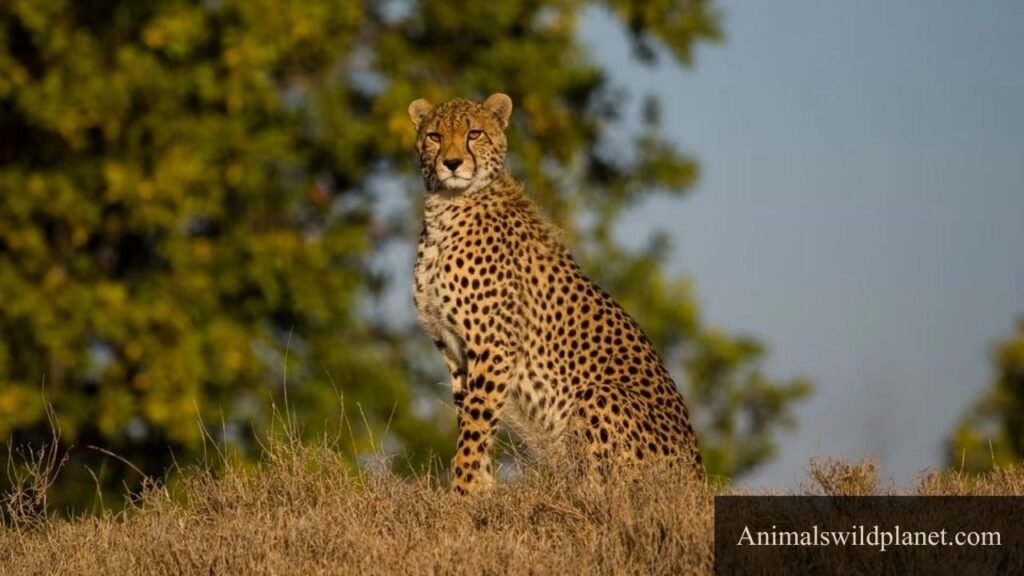
Beyond their physical attributes, the cheetah’s hunting strategy also showcases its adaptability. With keen eyesight and a reliance on vision rather than smell, a cheetah stalks its prey from a distance, expertly navigating its environment. This adaptability is further amplified by their social behavior; while primarily solitary, some cheetahs form small groups, known as coalitions, to enhance their hunting success. These dynamic animals embody the intersection of speed, agility, and social intelligence, making them a perfect example of nature’s genius in evolutionary design.
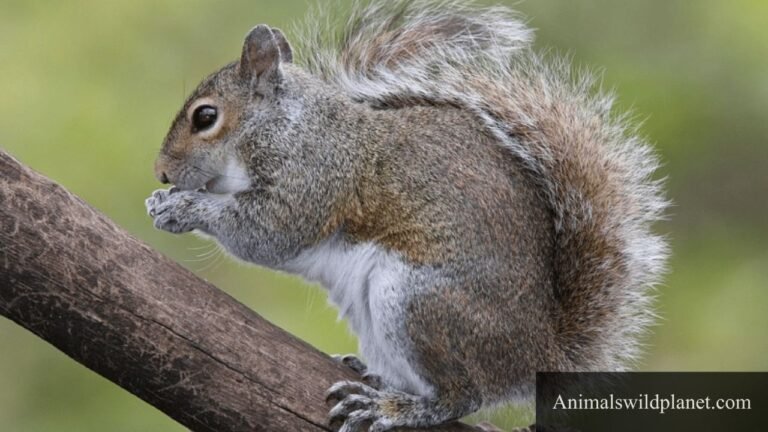
Squirrel
Scientific Name: Sciuridae
Class: Mammalia
Diet: Omnivore
Squirrels are not just acrobatic rodents; they exemplify flexibility in both body and behavior. With their remarkable ability to leap from branch to branch, they showcase a level of athleticism often underestimated. An adult squirrel can jump up to ten times its body length, a feat that requires not only physical prowess but also impeccable timing and spatial awareness. This physical flexibleness allows them to navigate arboreal environments with grace, escaping predators and seeking food efficiently.
Beyond their physical capabilities, squirrels exhibit behavioral flexibility that enhances their survival. They’re quick learners and can adapt their foraging strategies based on seasonal changes. For instance, when food is scarce, they don’t hesitate to pivot from their usual diet of nuts to scavenging seeds or even fungi. This adaptability is a testament to their intelligence and resilience in changing environments, highlighting a broader theme in nature: those who can adjust quickly often thrive while others may struggle.
Squid
Class: Cephalopoda
Diet: Carnivore
Squid are remarkable creatures, blending both grace and adaptability in their aquatic world. Possessing a soft, gelatinous body, they can maneuver through their environment with ease, shifting shapes like living sculptures. This flexibility isn’t just for show; it allows them to evade predators and navigate complex underwater terrains. They can even expel water to jet propel themselves, achieving speeds that rival some of the ocean’s fastest fish.
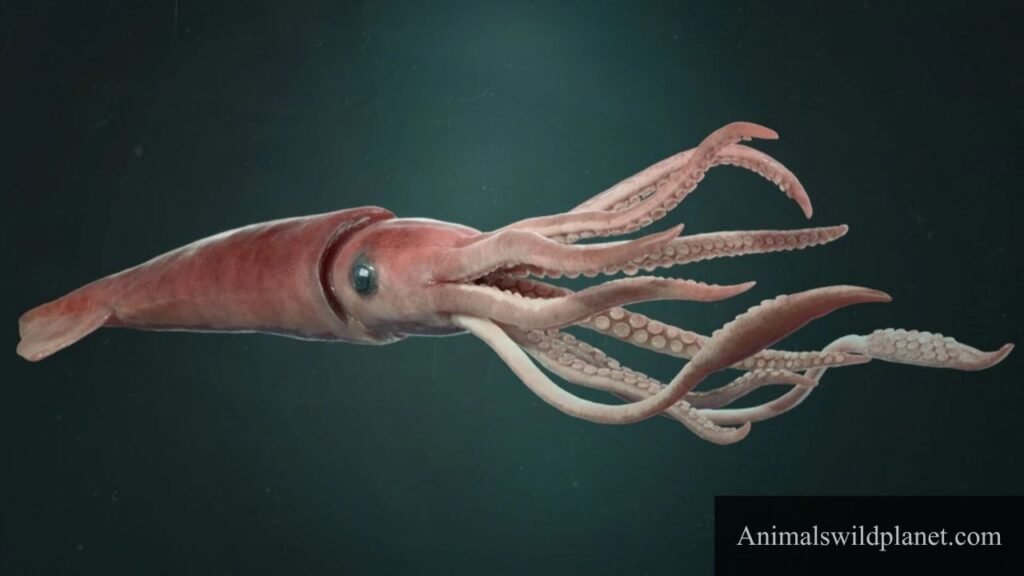
Beyond their physical prowess, squid are equipped with a sophisticated nervous system and an advanced form of communication. Through chromatophores — cells that allow rapid color changes — they can convey emotions or conceal themselves within their surroundings. This remarkable ability showcases not only their flexibility but also their intelligence, as they can solve problems and interact socially with other cephalopods.
Chameleon
Scientific Name: Chamaeleonidae
Class: Reptilia
Diet: Insectivore
The chameleon, often celebrated for its color-changing prowess, embodies a complex interplay of survival mechanisms and social behavior. Beyond mere camouflage, these fascinating reptiles modify their hues to communicate emotions and establish territory. A bright display can signal aggression, while softer shades might indicate submission or a desire to mate, showcasing the intricate social dynamics present in their habitats.
Moreover, the chameleon’s ability to adapt goes beyond color; it extends to their behavior and habitat choices. These creatures are not just passive watchers, but active participants in their environment. They demonstrate impressive mobility, using their prehensile tails and zygodactylous feet to navigate branches with exceptional agility, transforming even the most challenging landscapes into their playground. This versatility illustrates a remarkable adaptability that many species strive to achieve, raising questions about the evolutionary pathways that foster such resilience in the wild.
Ferret
Scientific Name: Mustela furo
Class: Mammalia
Diet: Carnivore
Among the most agile of small animals, ferrets possess an exceptional degree of flexibility that captivates pet lovers and animal enthusiasts alike. Their lithe bodies allow them to twist and turn in ways that seem almost choreographed, making them natural escape artists. This flexibility is not just for show; it serves a critical purpose in the wild, where ferrets use their nimbleness to navigate burrows and evade predators. Observing a ferret in action can feel like witnessing a miniature acrobat, with each leap and roll showcasing their boundless energy.
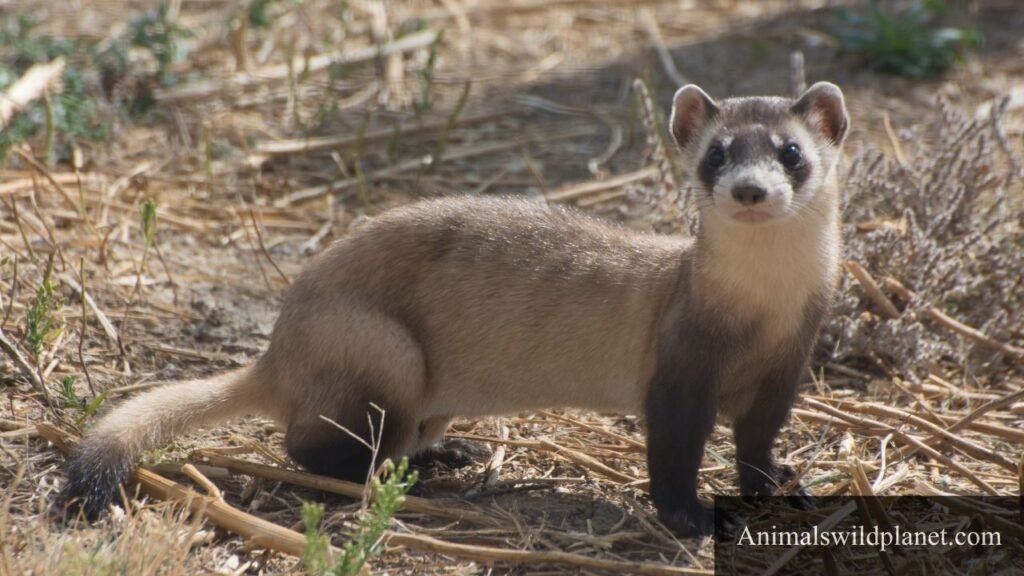
Moreover, ferrets display an intriguing blend of intelligence and curiosity that further complements their physical attributes. Their playful nature leads them to explore their environment with a mix of investigative prowess and sheer delight, often turning mundane spaces into playgrounds of possibility. Ferrets also form deep bonds with their human companions, exhibiting affection through playful antics and endearing interactions. This combination of flexibility and fondness makes them not just pets, but vibrant members of the family.
Weasels
Scientific Name: Mustela nivalis
Class: Mammalia
Diet: Carnivore
Weasels are fascinating exemplars of adaptability in the animal kingdom, showcasing remarkable flexibility, both physically and behaviorally. Their elongated bodies and short legs enable these small carnivores to navigate through tight spaces, whether it’s slipping into burrows to hunt or evading larger predators. This unique physique isn’t just for show; it highlights evolution’s clever design in response to environmental challenges.
Moreover, their behavior evolves with the seasons, transforming from the striking brown fur of summer to the pristine white coat of winter in some species, like the ermine. This seasonal camouflage is a masterclass in survival, allowing weasels to blend seamlessly into their surroundings, whether hunting in snow or foliage. Their agile movements and sharp instincts ensure they remain at the top of the food chain among smaller mammals, emphasizing their role as both predator and prey in diverse ecosystems. As fascinating creatures, weasels remind us of the intricate balance between adaptability and survival in nature.
Seal
Scientific Name: Phoca vitulina
Class: Mammalia
Diet: Carnivore
Seals are not just adorable creatures lounging on the ocean’s icebergs; they embody a remarkable blend of agility and adaptability that makes them a marvel of nature. Their streamlined bodies, equipped with a layer of blubber for insulation, allow them to glide effortlessly through frigid waters, but their flexibility extends beyond physical prowess. Seals can contort their bodies in graceful arcs, which not only aids in swimming but also in evading predators, showcasing an evolutionary dance between survival and elegance.
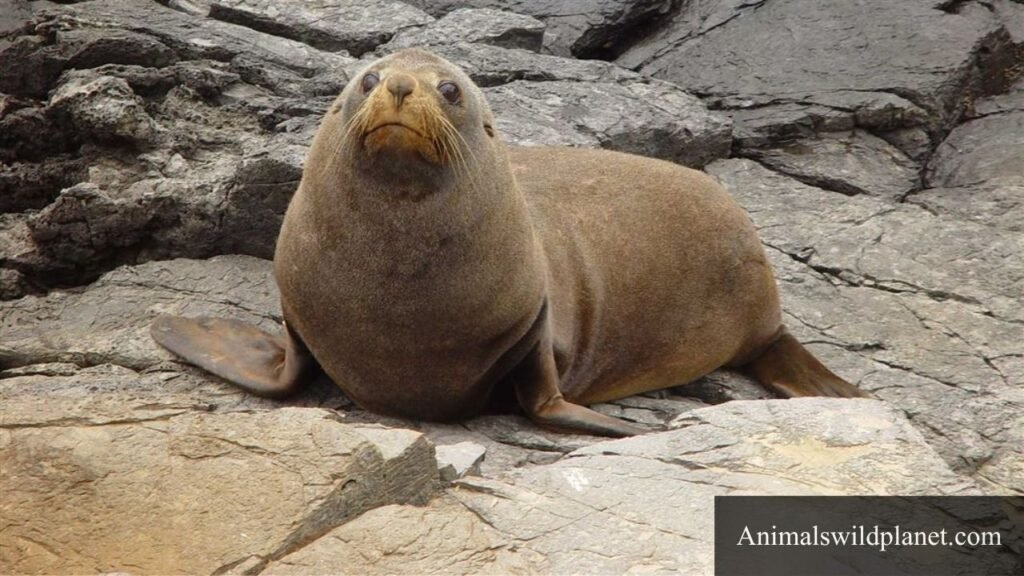
Moreover, seals are masters of versatility on land and under the sea. While they may seem ungainly on shore, their ability to haul themselves out of the water and navigate rocky terrains is a testament to their physical adaptability. Interestingly, species like the harbor seal have been observed using social play behavior as a tool for learning among their young, revealing a layer of intelligence that matches their physical agility. This bond not only strengthens social structures within seal colonies but also adds a captivating dimension to how we perceive animal intelligence and adaptability in challenging environments.
Hero Shrew
Scientific Name: Scutisorex somereni
Class: Mammalia
Diet: Insectivore
The hero shrew, with its remarkably resilient spine, defies conventional wisdom about flexibility in the animal kingdom. This unassuming creature, native to the forests of Central Africa, boasts unique vertebrae that are not only fused but also extraordinarily rigid, allowing it to support incredible weight without compromising mobility. This fascinating adaptation turns the tables on flexibility; instead of relying on the typical pliable backbone seen in many mammals, the hero shrew thrives on a robust structure that enables it to navigate through dense underbrush while hunting for insects and other small invertebrates.
Moreover, the hero shrew embodies a rare blend of strength and adaptability that reflects the complexities of evolution. Its ability to withstand the pressures of the forest floor — whether it’s dodging predators or burrowing into the earth — serves as a testament to nature’s creativity. This creature challenges the notion that flexibility is solely linked to success in survival. By finding strength in rigidity, the hero shrew inspires a deeper appreciation for the myriad ways life can adapt and flourish in the face of environmental challenges. In a world dominated by the agile and the limber, the hero shrew stands as a profound reminder that sometimes, steadfastness can be the ultimate form of resilience.
Octopus
Scientific Name: Octopus vulgaris
Class: Cephalopoda
Diet: Carnivore
Octopuses are nature’s ultimate contortionists, demonstrating an extraordinary ability to adapt and maneuver through their surroundings. With eight arms lined with complex suckers, they can squeeze through the tiniest of crevices, allowing them to escape predators and navigate their complex underwater habitats. What’s truly fascinating is their ability to change color and texture, seamlessly blending into their environment like living chameleons. This dynamic camouflage not only aids in evasion but also plays a crucial role in communication and hunting.
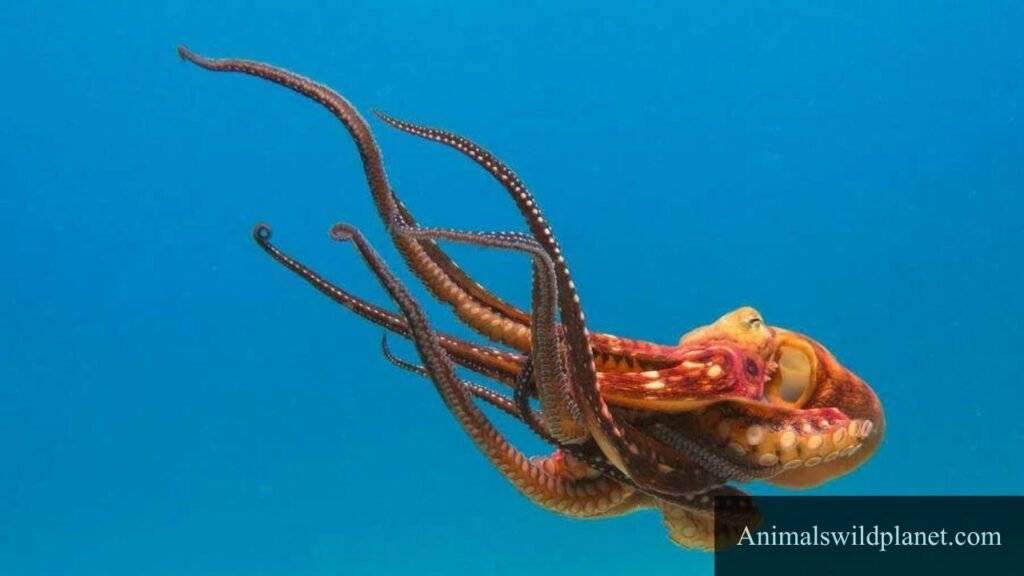
Beyond their physical capabilities, octopuses are highly intelligent, showcasing problem-solving skills that rival some mammals. Studies have shown that they can manipulate objects and even open jars, a testament to their advanced neural systems housed in their arms. Their short yet rich lifecycle prompts behaviors that reflect a deep understanding of their environment, making them not just flexible in form but also in thought. This duality of flexibility — both physical and mental — positions octopuses as one of the ocean’s most intriguing inhabitants, challenging our perceptions of intelligence in non-human species.
Rats
Scientific Name: Rattus
Class: Mammalia
Diet: Omnivore
Rats are often underestimated and maligned in popular culture, but these flexible creatures possess remarkable adaptability that extends far beyond their environments. Their bodies are engineered for survival; with a nearly boneless structure, they can squeeze through openings no wider than a quarter. This ability not only enables them to escape threats but also allows them to infiltrate various habitats, from abandoned buildings to bustling urban sewers, highlighting their resourcefulness in adapting to diverse situations.
Moreover, rats demonstrate a surprising level of social intelligence. Living in complex colonies, they communicate via vocalizations, body language, and even chemical signals, establishing intricate social networks. Observations have shown that they can recognize individual members of their community, forming bonds and cooperative relationships that help in foraging and raising young. This social flexibility is a testament to their capacity for problem-solving, showcasing a level of emotional intelligence that places them far above mere pests in the animal kingdom.
Centipedes
Class: Chilopoda
Diet: Carnivore
Rats are remarkable creatures that embody adaptability in both their physicality and behavior. With skeletal structures that allow them to squeeze through openings as small as a quarter, these rodents demonstrate a fascinating evolutionary strategy. This flexibility not only aids in their survival in diverse environments but also highlights their problem-solving abilities; a rat’s curiosity often drives it to explore complex mazes or navigate obstacles, showcasing their intelligence.
Their social nature further enhances their adaptability. In urban settings, rats form intricate communities that rely on cooperation and communication to thrive, making them masters of survival in challenging landscapes. This social structure allows them to share knowledge about food sources and potential dangers, enabling them to outwit predators. Moreover, their ability to learn from one another underscores an often-overlooked aspect of their intelligence — social learning, which adds another layer to their resilience in ever-changing environments.
Spider
Scientific Name: Araneae
Class: Arachnida
Diet: Carnivore
Spiders are the ultimate masters of flexibility, not just in their physical form but also in their survival strategies. Their exoskeletons allow for an impressive range of movement, enabling them to navigate intricate webs and elusive hunting grounds with remarkable agility. Each species showcases unique adaptability; for instance, the orb-weaver can change its silk’s viscosity based on environmental conditions, crafting webs that are both sticky and resilient. This versatility is a testament to their evolutionary journey, showcasing nature’s ingenuity in problem-solving.
Moreover, spiders employ a variety of tactics to exploit their environments. Some species, like the trapdoor spider, adopt a more stealthy approach, constructing camouflaged burrows to ambush unsuspecting prey. Others, such as the jumping spider, rely on acute vision and quick reflexes, able to leap multiple times their body length. Their flexible predatory strategies not only highlight their adaptability but also draw parallels to the complexities of life itself, where being versatile often determines success.
Lemurs
Scientific Name: Lemuroidea
Class: Mammalia
Diet: Omnivore
Lemurs are a fascinating representation of adaptability in the animal kingdom, showcasing remarkable versatility both in behavior and ecology. Originating from Madagascar, these primates have evolved in isolation, leading to a plethora of unique traits and social structures that are as diverse as the island’s flora. The ring-tailed lemur, for example, is distinguished not only by its striking black-and-white tail but also by its ability to thrive in a multitude of habitats, from dry spiny forests to humid rainforests. Their social organization, often characterized by matriarchal groups, highlights a different evolutionary strategy that prioritizes cooperation, social bonding, and shared responsibilities, further allowing them to navigate the challenges of their environment.
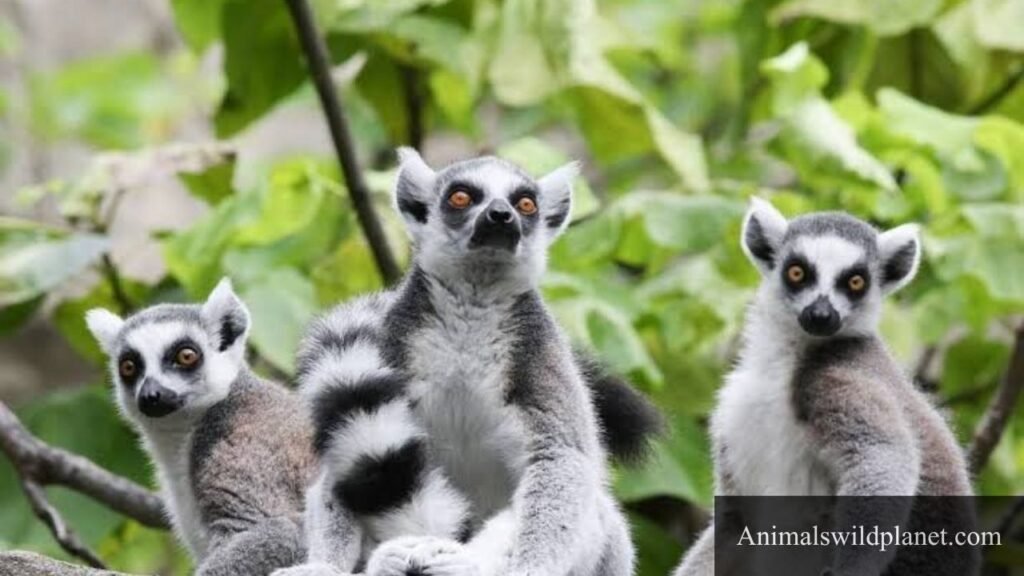
Beyond their social dynamics, lemurs also exhibit exceptional physical flexibility that aids their survival. With their elongated limbs and carefully adapted prehensile tails, they are adept jumpers, effortlessly leaping from branch to branch in search of food or evading predators. This remarkable agility underscores the intricate relationship between physical evolution and environmental demands, revealing how these animals respond to the unique challenges of their habitat. Moreover, lemurs’ diverse diets, which can include fruits, leaves, and even insects, showcase their ability to modify their foraging strategies based on seasonal availability, granting them a critical edge in the ever-changing landscapes of Madagascar.
Readmore: Explore Top 15 Animals With No Tails.
Conclusion
The remarkable flexibility of animals showcases the incredible adaptations developed over millions of years. From the contortionist capabilities of octopuses to the unparalleled stretching of a cheetah’s muscles, the diversity in flexibility allows these species to thrive in their environments. Each animal’s unique adaptations serve not only as survival mechanisms but also as fascinating examples of nature’s ingenuity. As we continue to explore the capabilities of various species, we gain a deeper appreciation for the intricate balance of ecosystems. Let us celebrate the flexible wonders of nature and advocate for conservation efforts to ensure these adaptations continue to thrive.
FAQs
What is the most flexible animal in the world?
The most flexible animal in the world is often considered to be the octopus. With their incredible ability to squeeze their bodies through tight spaces and contort their limbs, they truly redefine flexibility. An octopus has no bones, allowing it to flatten and twist in ways that are almost unimaginable in other animals.
What is the most flexible mammal on Earth?
The most flexible mammal on Earth is the domestic cat. Cats have an incredible ability to twist and contort their bodies thanks to their unique skeletal structure. They possess a highly flexible spine and lack a collarbone, allowing them to squeeze through tight spaces and land on their feet with grace.
What animal has the most flexible arms?
The animal with the most flexible arms is likely the octopus. Their arms are not only incredibly flexible, but they can also move independently and are packed with neurons, allowing for complex movements and sensitivity. Each arm can bend, twist, and extend, giving octopuses remarkable dexterity for hunting and exploring their environment.