Top 9 Animals With Blubber (With Images)
Did you know that some of the largest animals on Earth rely on a thick layer of blubber to survive frigid waters? Animals with blubber, such as whales and seals, have fascinating adaptations that help them thrive in extreme conditions. Understanding these unique creatures not only highlights the wonders of evolution but also emphasizes the importance of their habitats in our planet’s ecosystem.
In this article, we’ll explore the remarkable world of blubber-bearing animals and uncover how these adaptations impact their lives and our environment.
List of Animals With Blubber
Here is the list of animals that have blubber:
- Whales
- Emperor Penguins
- Sea Lions
- Dolphins
- Seals
- King Penguins
- Dugongs
- Walruses
- Porpoises
Whales
Scientific name: Cetacea
Class: Mammalia
Diet: Carnivores
Whales are the true giants of the ocean, renowned not just for their size but also for their remarkable adaptations. Among these adaptations, their thick layer of blubber plays a crucial role in their survival. This insulating fat not only helps maintain a stable body temperature in frigid waters but also serves as an energy reserve during long migrations and periods of scarcity. Unlike many land animals, which rely on fur or feathers for warmth, whales have evolved to use blubber as their primary defense against the cold, showcasing an extraordinary example of evolutionary ingenuity.
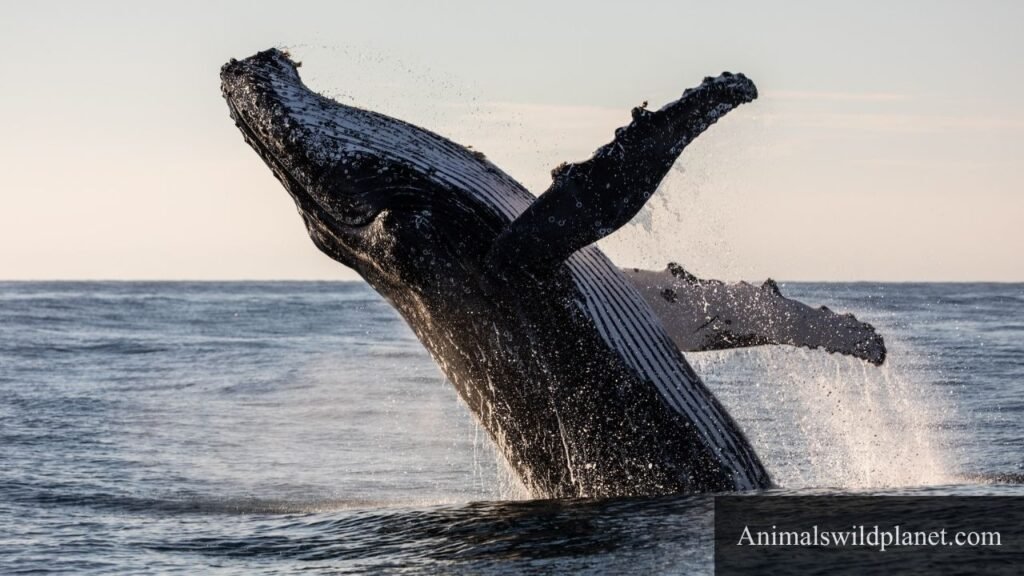
Beyond insulation, blubber also impacts a whale’s buoyancy and hydro-dynamics, allowing these magnificent creatures to glide effortlessly through the water. Interestingly, the thickness of a whale’s blubber can vary depending on the species and even the season, acting as a dynamic adaptation that mirrors environmental changes. Furthermore, as the ocean warms due to climate change, researchers are closely monitoring how alterations in blubber thickness can affect a whale’s ability to thrive. This fascinating interplay between biology and environment highlights the resilience and vulnerability of these majestic beings, urging us to reconsider our relationship with the oceans they call home.
Emperor Penguins
Scientific name: Aptenodytes forsteri
Class: Aves
Diet: Carnivores
Emperor penguins are the largest of their species, weighing up to 90 pounds, and their blubber serves as an extraordinary insulator in the frigid Antarctic climate. This layer of fat not only protects them from freezing temperatures that can plummet below -60°F, but also provides energy during the harsh winter months when food is scarce. Unlike many other birds, they seem to thrive in these extreme conditions, and their blubber plays a crucial role in their survival strategy. Interestingly, their unique social behavior includes tightly huddling together for warmth, allowing them to share body heat, while the blubber helps them maintain individual warmth.
These remarkable birds exhibit an extraordinary adaptation: the ability to dive to depths of over 1,800 feet in search of food, thanks in part to their blubber, which aids in buoyancy. While they may seem clumsy on land, in the water, they are agile and swift swimmers. The blubber not only acts as insulation but also enables them to store energy, powering their lengthy, treacherous dives. Through their ability to withstand extreme cold and navigate icy waters, emperor penguins exemplify nature’s brilliance in adaptation, showcasing the critical role blubber plays in their survival and evolution within one of Earth’s harshest environments.
Sea Lions
Class: Mammalia
Diet: Carnivores
Sea lions are remarkable creatures, not just for their playful antics but also for their impressive adaptations to life in the ocean. Beneath their sleek, tawny fur lies a thick layer of blubber that acts as both insulation and buoyancy aid. This blubber is crucial for maintaining their body temperature in chilly waters, allowing them to thrive in environments that can be inhospitable to other animals.
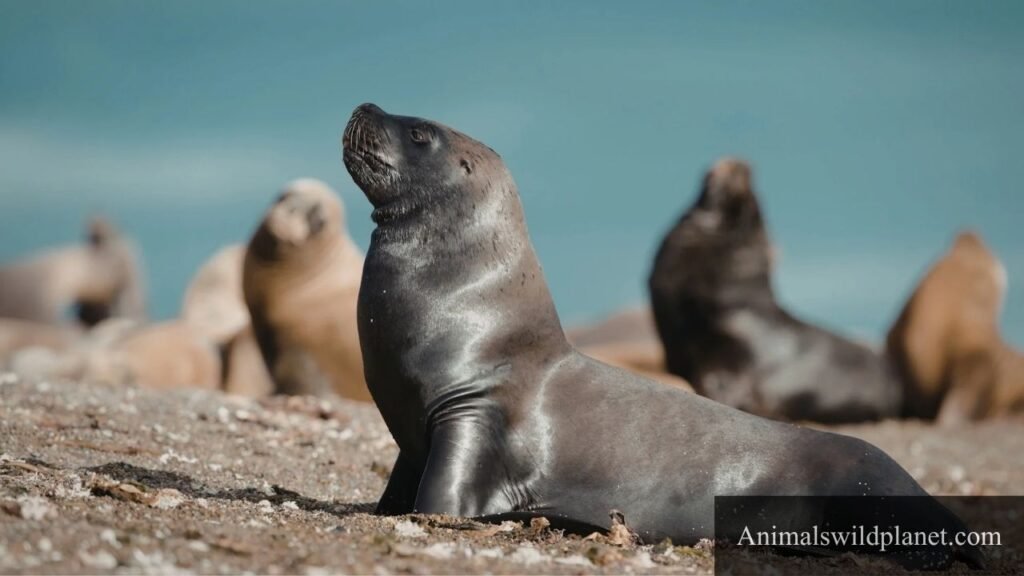
Beyond insulation, the blubber serves as an energy reserve that supports their energetic lifestyle. When food is scarce, the blubber provides necessary calories to sustain them during long periods of fasting. Interestingly, research suggests that sea lions can regulate the thickness of this blubber layer based on seasonal changes, demonstrating a remarkable physiological ability to adapt to varying environmental conditions.
Moreover, sea lions possess a social structure that complements their physical adaptations. Living in large colonies, they rely on social bonds and communication to navigate their environment — a skill that proves particularly useful during feeding and breeding seasons. Their unique blend of blubber, social behavior, and intelligence makes them not just survivors, but key players in the intricate web of marine ecosystems.
Readmore: Explore Top 15 Most Cleanest Animals.
Dolphins
Scientific name: Delphinidae
Class: Mammalia
Diet: Carnivores
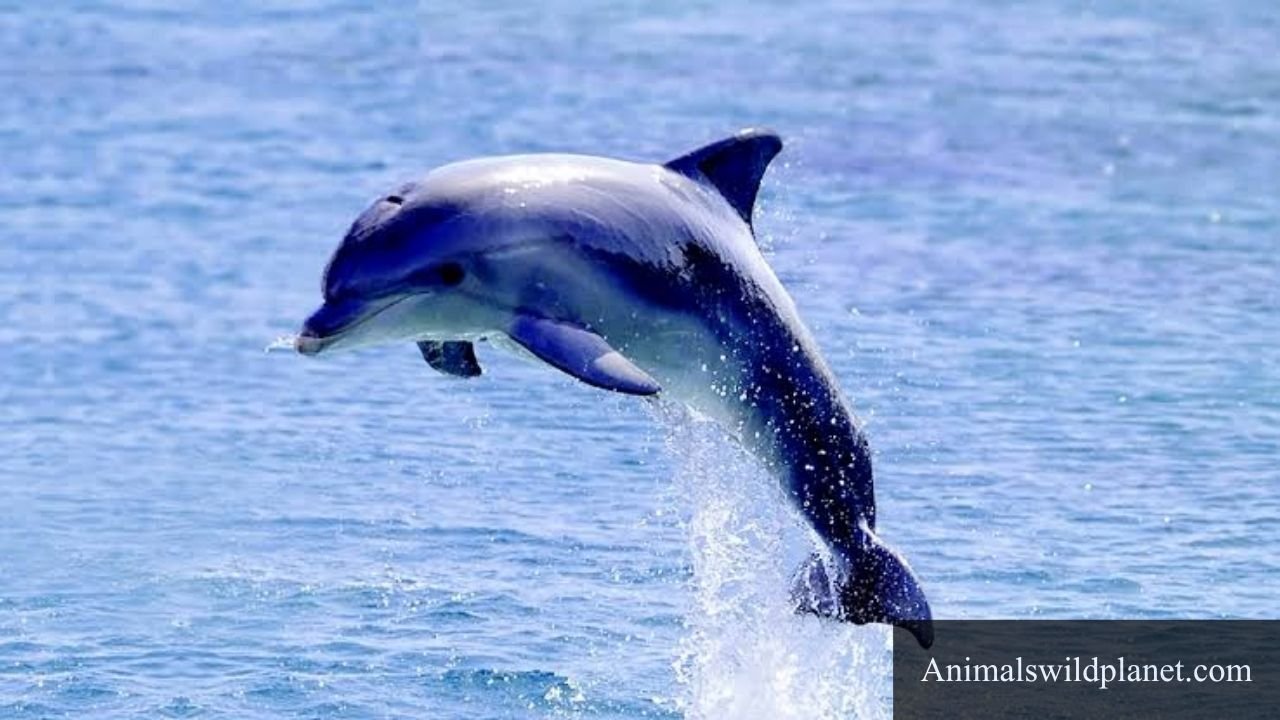
Dolphins are remarkable creatures, not just for their intelligence but also for their unique adaptation to marine life: blubber. This thick layer of fat, located just beneath their skin, serves as a crucial insulator, allowing them to thrive in varying water temperatures. While many might think of blubber as merely insulation, it also plays an essential role in energy storage, enabling dolphins to sustain long periods of travel and even endure times when food is scarce.
Moreover, blubber contributes to the dolphin’s hydrodynamic efficiency. When they swim, the blubber layer helps reduce drag, allowing them to glide effortlessly through water. This streamlined body composition is a testament to how evolution tailors even the subtlest aspects of anatomy for optimal performance.
Seals
Class: Mammalia
Diet: Carnivores
Seals, often seen lounging on icy shores, possess a remarkable adaptation: blubber. This thick layer of fat serves not just as insulation against frigid waters, but also as an energy reserve during periods of fasting, such as during breeding season. Interestingly, blubber is more than mere fat; it acts as a buoyancy aid, allowing seals to glide effortlessly through their aquatic environments. This evolutionary marvel highlights the interplay between physical adaptations and survival strategies in extreme conditions.
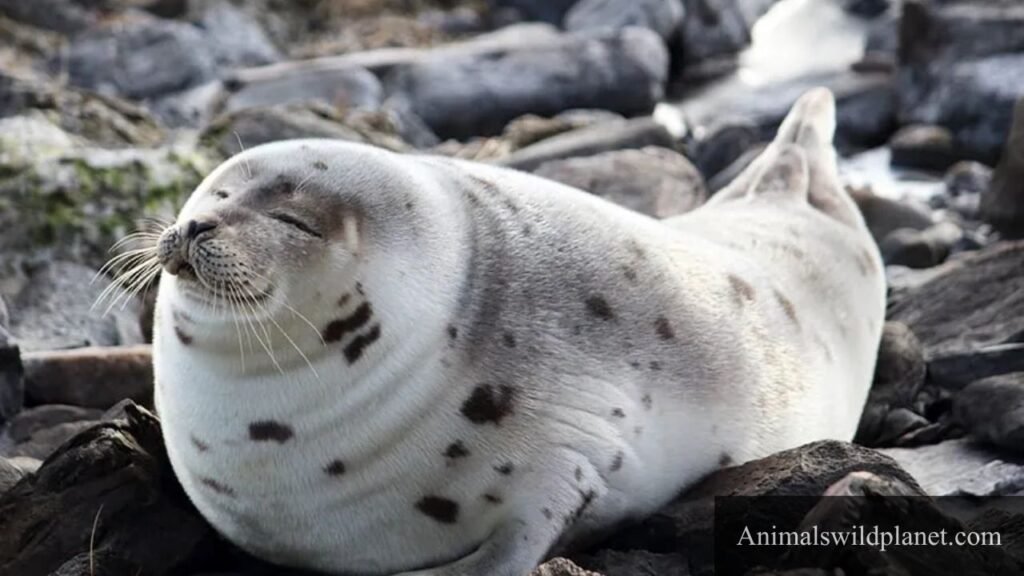
Beyond their blubber, seals also exhibit fascinating social behaviors that enhance their survival. For instance, many species, like the harbor seal, form large groups called ‘harems’ during mating seasons. These gatherings spawn intricate social hierarchies, where vocalizations and body language play crucial roles in communication and mate selection. Additionally, seals showcase impressive agility both in water and on land, using their streamlined bodies to navigate swiftly while relying on their strong flippers for propulsion.
King Penguins
Scientific name: Aptenodytes patagonicus
Class: Aves
Diet: Carnivores
King penguins are remarkable not just for their striking appearance, with their vibrant orange and yellow markings, but for their incredible adaptations to life in the frigid Antarctic environment. Underneath their sleek feathers lies a thick layer of blubber that serves as insulation, allowing them to endure extreme cold. This blubber acts as a temperature regulator, enabling king penguins to maintain their body heat while swimming in icy waters or during long periods of fasting on land.
Moreover, their social structure plays a critical role in their survival. During harsh weather, these penguins huddle together in tightly packed groups, which not only conserves heat but also minimizes energy expenditure. This communal behavior exemplifies their remarkable instincts, showcasing an evolutionary response that enhances their ability to thrive in one of the planet’s most challenging climates.
Dugongs
Scientific name: Dugong dugon
Class: Mammalia
Diet: Herbivores
Dugongs, often overshadowed by their more famous relatives, the manatees, are fascinating marine mammals that inhabit the warm coastal waters of the Indian and western Pacific Oceans. These gentle creatures, sometimes dubbed “sea cows,” possess a thick layer of blubber, allowing them to thrive in environments where other animals may struggle with temperature regulation. This blubber not only provides insulation against chilly waters but also serves as an energy reserve, crucial for their survival in nutrient-sparse marine habitats.
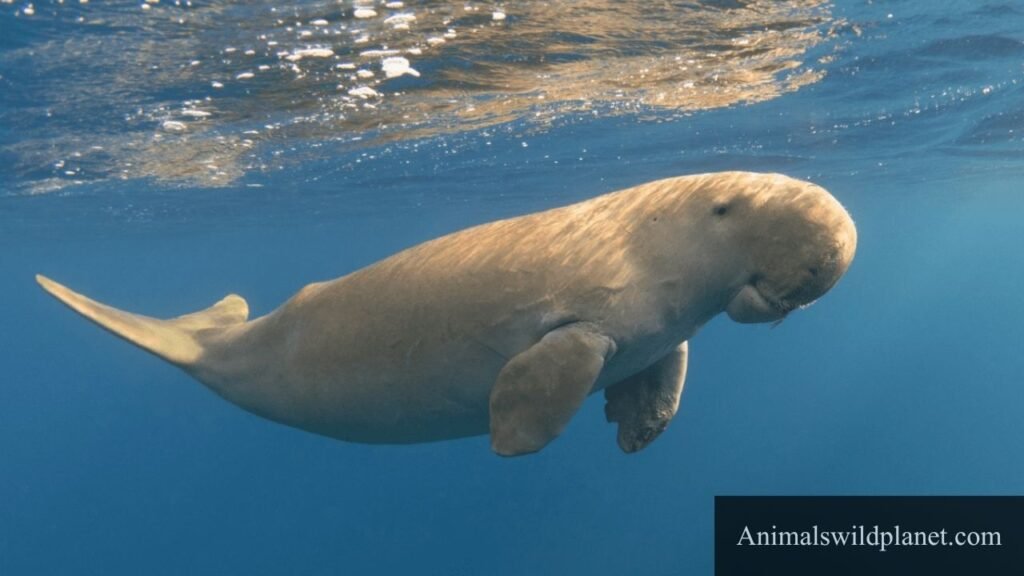
What sets dugongs apart is their unique feeding behavior. Unlike many marine grazers, dugongs are herbivores that primarily consume seagrasses, effectively shaping underwater ecosystems. This diet supports not only their health but also promotes the growth of seagrass beds, which are vital for carbon sequestration and supporting diverse marine life. As they graze, dugongs inadvertently aerate the seabed, contributing to the overall health of their habitats. By understanding the ecological niche that dugongs fill, we gain deeper insights into the interconnectedness of oceanic ecosystems and the importance of preserving these majestic creatures before their populations dwindle further.
Walruses
Scientific name: Odobenus rosmarus
Class: Mammalia
Diet: Carnivores
Walruses, with their impressive tusks and distinctive whiskers, are fascinating creatures that thrive in the frigid Arctic seas. Their abundant blubber, which can measure up to several inches thick, is not just for insulation; it also serves as an energy reserve during times of scarce food. This adaptation allows walruses to endure prolonged periods of fasting when sea ice recedes, showcasing a remarkable evolutionary strategy that balances survival with the harsh Arctic conditions.
These fascinating pinnipeds are social creatures, often found congregating in large groups, which aids in thermoregulation as they huddle together for warmth. They are not just passive consumers; walruses play a pivotal role in their ecosystem, foraging for clams and other benthic invertebrates off the ocean floor. Their hunting techniques vary from using their sensitive whiskers to detect prey hidden beneath the sediment to using their powerful tusks to dig up clams, showcasing both intelligence and physical adaptability.
Porpoises
Scientific name: Phocoenidae
Class: Mammalia
Diet: Carnivores
Porpoises, often overshadowed by their more popular dolphin relatives, are fascinating marvels of adaptability, particularly with their remarkable blubber. This thick layer of fat not only provides insulation in icy waters but also serves as a buoyancy aid, allowing porpoises to swim effortlessly, conserving energy as they glide through the ocean depths. Without blubber, these marine mammals would struggle significantly to maintain their body temperature and would expend much more energy while hunting for food.
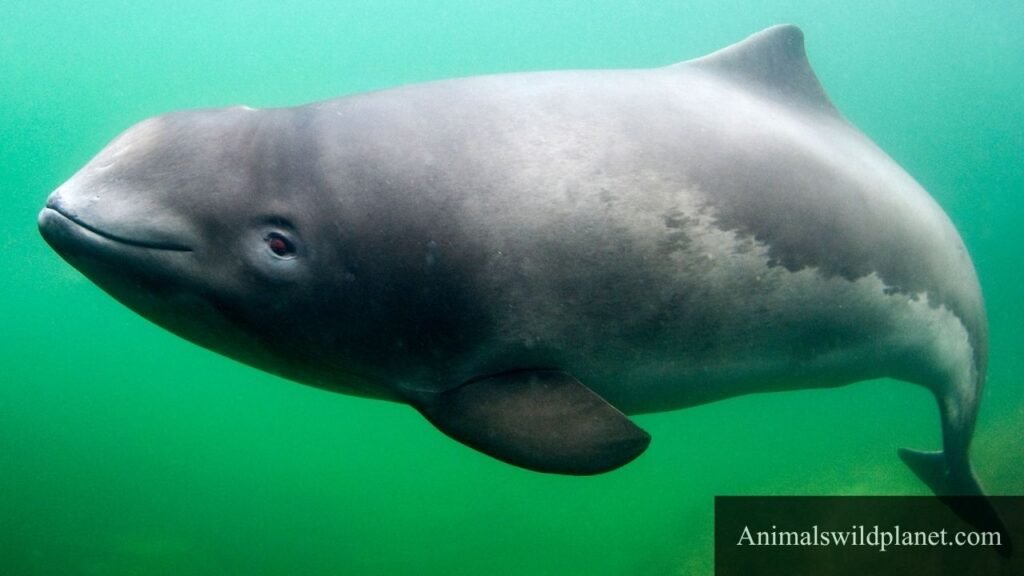
In addition to temperature regulation, the blubber of porpoises plays a crucial role in their survival by acting as an energy reserve during lean times. This is especially vital for porpoises that inhabit colder regions, where food availability can fluctuate drastically with seasonality.
Readmore: Explore Top 9 Animals With 8 Legs.
Final Thoughts
Blubber serves as an essential adaptation that allows various marine animals to thrive in frigid environments. This thick layer of fat not only provides insulation, keeping them warm in icy waters, but also serves as an energy reserve during times of scarcity. Species such as whales, seals, and walruses have evolved to maximize these advantages, showcasing nature’s remarkable ability to adapt. As climate change threatens their habitats, it becomes increasingly important to protect these animals and their ecosystems. Let’s work together to ensure their survival for future generations, recognizing the vital role they play in our planet’s health.
FAQs
What animals have the most blubber?
The animals with the most blubber are typically marine mammals, with whales leading the pack. Species like the bowhead whale and the gray whale have thick layers of blubber that can measure up to 12 inches or more. This blubber not only provides insulation against cold water but also serves as an energy reserve during migration and breeding. Seals and sea lions also have considerable blubber, although not as thick as that of whales. For instance, the elephant seal can boast substantial blubber to survive the frigid temperatures of the ocean.
Do penguins have blubber?
Yes, penguins do have blubber. This layer of fat underneath their skin helps insulate them against cold temperatures in their icy habitats. The blubber acts as a barrier, keeping the warmth in and the cold out, which is crucial for their survival in freezing waters. In addition to providing insulation, the blubber also serves as an energy reserve. During periods when food is scarce, penguins can draw on this fat as a source of energy.
Do sharks have blubber?
No, sharks do not have blubber like some marine mammals. Instead, they have a unique buoyancy system that relies on an oil-filled liver. This liver is rich in squalene, which helps them float and maintain their position in the water.
Does a dolphin have blubber?
Yes, dolphins do have blubber. This thick layer of fat is located beneath their skin and serves several important purposes. It provides insulation to keep them warm in cooler waters, helps with buoyancy, and acts as an energy reserve.
Do polar bears have blubber?
Yes, polar bears do have blubber. This thick layer of fat, which can be up to 4 inches thick, helps insulate them against the frigid Arctic temperatures. Blubber also serves as an energy reserve during periods when food is scarce.
Do whales have blubber?
Yes, whales do have blubber. Blubber is a thick layer of fat located just beneath the skin, and it serves several important purposes. It helps insulate the whale, keeping it warm in cold ocean waters. This is crucial for marine mammals that need to maintain their body temperature.