Top 13 Animals That Waddle (Pictures Included)
Have you ever noticed that some of the most endearing animals seem to waddle instead of walk? From the charming penguins of the Antarctic to the quirky ducks in our parks, “Animals That Waddle” offers a delightful glimpse into the unique way certain species move. Understanding these animals not only brings joy but also highlights the diversity of life forms on our planet. In this article, you’ll discover fascinating facts about waddling critters and the adaptations that make their distinctive gait possible.
List of Animals That Waddle
Here is the list of animals that waddle:
- Puffins
- Swans
- Penguins
- Loons
- Pigeons
- Bears
- Seals
- Ducks
- Platypus
- Walrus
- Wombats
- Sea Lions
- Geese
Puffins
Scientific Name: Fratercula
Class: Aves
Diet: Carnivore
Puffins, often dubbed “the clowns of the sea,” are remarkable not just for their strikingly colorful beaks but also for their charming waddling gait on land. This peculiar waddling is a necessary adaptation; their bodies are perfectly streamlined for swimming and diving, but on solid ground, they adopt a comedic shuffle that only adds to their endearing nature.
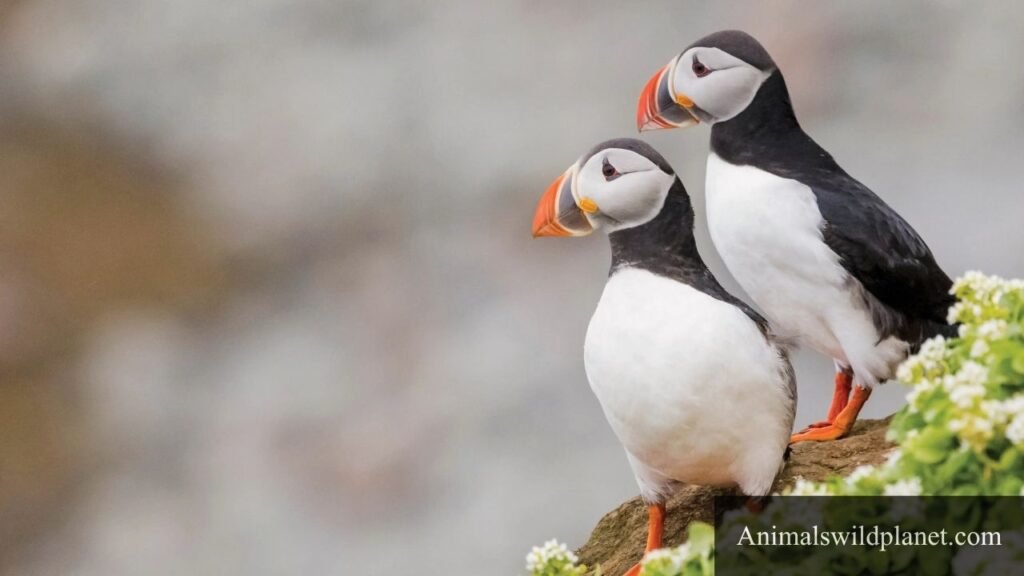
Their waddling is not only cute; it reveals a vital aspect of their lifestyle. Puffins are skilled fishermen, diving up to 200 feet below the surface to catch small fish. This dexterity contrasts sharply with their awkward movements on land, reflecting how their physical adaptations prioritize survival in the sea rather than on solid ground. In a world where many birds glide effortlessly through the air, puffins stand out as quirky reminders that evolution often takes delightful detours, crafting creatures that are beautifully imperfect yet perfectly suited for their niche.
Swans
Class: Aves
Diet: Herbivore
Swans embody grace and elegance, yet their waddling gait reveals a surprising playfulness that contrasts with their regal image. When on land, these majestic birds transition from the smooth glide of water to a charming, waddling walk, showcasing a blend of awkwardness and poise. Observing a swan shuffle across a grassy bank, you might see the subtle determination in their movements, a reminder that beauty often comes with a dose of vulnerability.
Interestingly, swans are highly social creatures, known for forming strong bonds with their mates and offspring. This waddling walk serves not only a functional purpose but also fosters social interaction. As they move together in small groups, their rhythmic waddling becomes a dance of sorts, a silent communication that strengthens their connections. Watching a family of swans waddle in unison can evoke a sense of unity and warmth, reflecting the intricate social dynamics in the world of wildlife.
Penguins
Scientific Name: Spheniscidae
Class: Aves
Diet: Carnivore
Penguins are fascinating creatures, not only for their charming waddle but also for their remarkable adaptations to life in extreme environments. Unlike most birds that soar through the sky, penguins are masterful swimmers, using their flipper-like wings to glide gracefully underwater. This unique adaptation allows them to hunt for fish and krill with astounding agility, showcasing a life that balances between the icy realms of the Antarctic and the depths of the ocean.
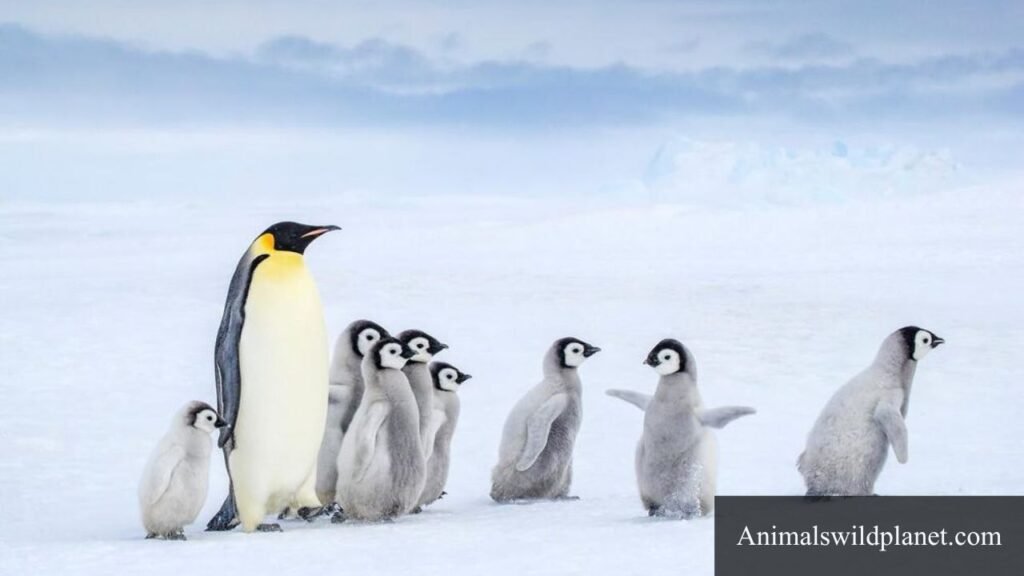
Beyond their physical traits, penguins embody a rich tapestry of social behaviors. They form tight-knit communities, engaging in playful antics that defy the harsh conditions of their environments. From their jubilant courtship displays to the heartwarming nesting rituals, these social dynamics reveal an intricate world where teamwork is paramount — particularly when raising their young.
Loons
Class: Aves
Diet: Carnivore
Loons, with their striking black and white plumage and haunting calls, are a captivating sight on northern lakes. These aquatic birds are experts in adaptation, spending much of their lives on water, where their bodies are streamlined for diving. Yet, when they venture onto land, their waddle is both comical and endearing, a stark contrast to their graceful movements in water. This awkward gait is due to their anatomical makeup; loons have evolved for a life on the water, resulting in legs positioned far back on their bodies, making walking a challenge.
What truly sets loons apart is their ability to communicate through an intricate vocal repertoire, which includes yodels and wails that resonate through quiet forests at dusk. These calls are more than mere sounds; they serve as a means of establishing territory and attracting mates, weaving a complex social tapestry that enhances their breeding success.
Pigeons
Class: Aves
Diet: Omnivore
Pigeons, often overlooked, possess a unique charm that sets them apart in the animal kingdom. Their characteristic waddle, a product of their stout bodies and short legs, adds a touch of elegance to their urban presence. Watching them navigate city streets, they emerge as the unsung heroes of urban ecosystems, scavenging and keeping our surroundings cleaner.
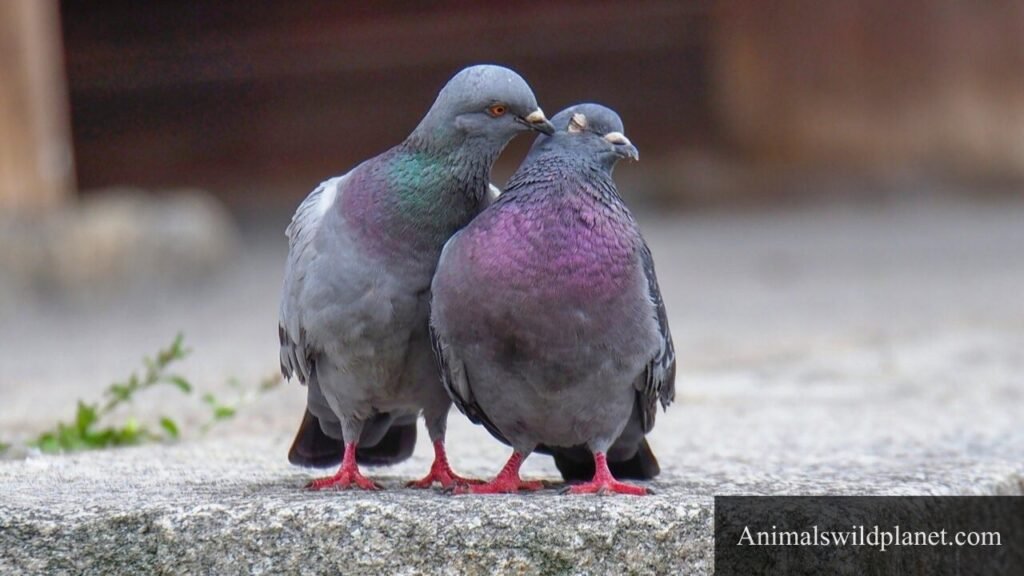
Beyond their avian waddle, pigeons boast remarkable intelligence. They can recognize themselves in mirrors and even learn complex tasks, proving that they are more than mere city dwellers. Moreover, their homing ability is legendary; some can navigate hundreds of miles to reach their roost.
Bears
Scientific Name: Ursidae
Class: Mammalia
Diet: Omnivore
Bears, with their hefty frames and surprisingly agile footwork, exhibit an endearing waddling gait that’s both comical and captivating. This unique movement stems from their stocky build and powerful limbs, which, when combined, create a rhythm as they traverse varied terrains. The waddle, often employed by these lumbering giants, serves not just for balance but also conserves energy, a crucial trait in their vast habitats where food scarcity can be a reality.
Interestingly, this waddle is more than just a form of locomotion; it carries social implications within bear communities. Bears, particularly during mating season or while raising cubs, often engage in displays of strength and presence. Their waddling can signal readiness or confidence to other bears, a subtle yet powerful form of communication.
Seals
Scientific Name: Phocidae
Class: Mammalia
Diet: Carnivore
Seals are fascinating creatures that embody the art of waddling in their own unique way. With their streamlined bodies designed for grace in water, it’s intriguing to observe their transformation on land. As they haul themselves onto rocky shores or sandy beaches, seals exhibit an endearing, almost comical waddle. Their flippers, initially appearing to be cumbersome, become an asset in this clumsy yet captivating movement, highlighting the juxtaposition between their aquatic agility and terrestrial awkwardness.
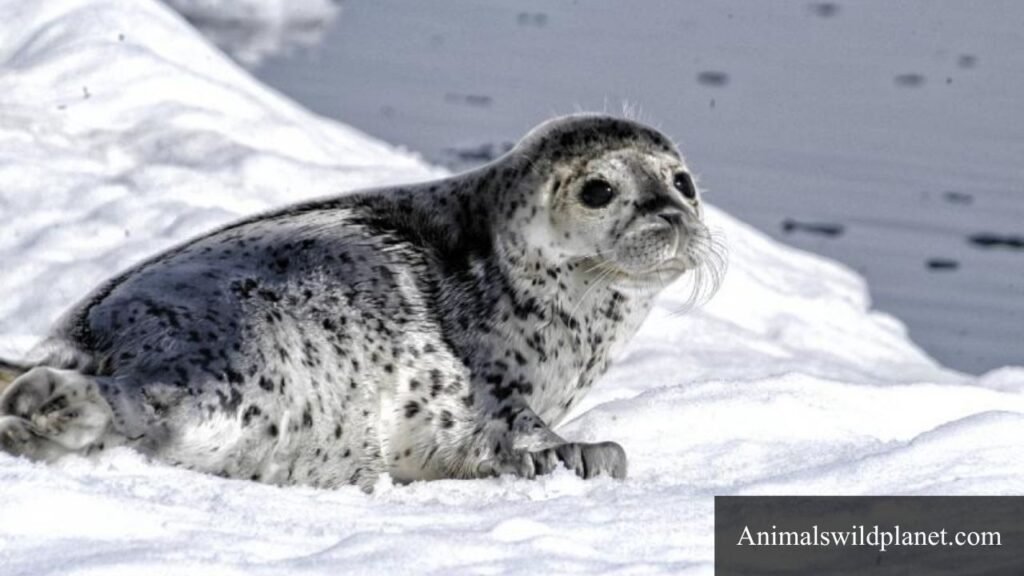
Beyond their charming gait, seals communicate through a myriad of vocalizations, adding a layer of complexity to their social interactions. These vocal sounds, ranging from barks to growls, are integral not just for mating purposes but also for maintaining group cohesion. Watching them in their natural habitat is a reminder of the intricate web of behaviors and adaptations that define their existence. As playful as they are in the water, seals exhibit a level of intelligence that keeps researchers intrigued, as they solve problems and interact with each other in ways that suggest a deeper social structure at play.
Ducks
Class: Aves
Diet: Omnivore
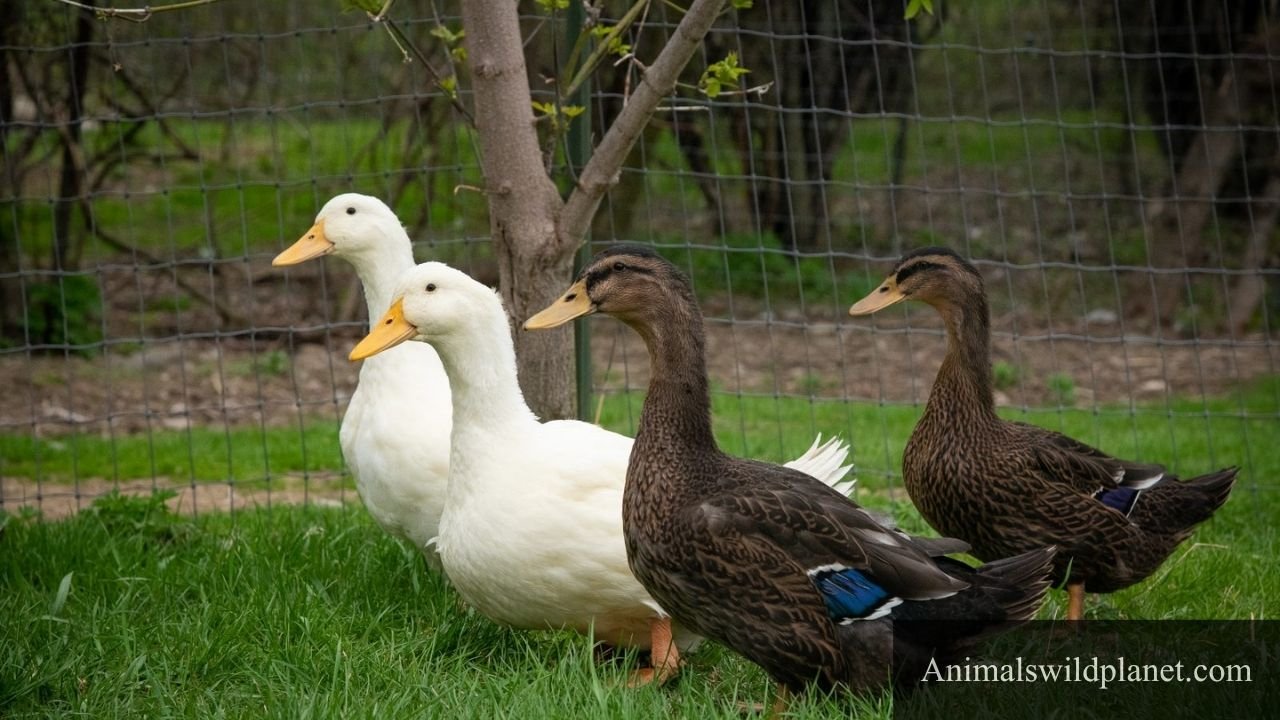
Ducks, with their endearing waddle, embody a unique blend of grace and playfulness that captivates onlookers. This characteristic gait, a charming mix of flapping and bobbing, isn’t merely for show. It’s an adaptation that allows these aquatic birds to navigate both land and water with remarkable agility. Ducks are also equipped with webbed feet, designed for efficient swimming, yet that same morphology contributes to their iconic, albeit comical, land movements.
Beyond their waddling charm, ducks are fascinating social creatures. Their vocalizations communicate a wide spectrum of emotions and social interactions, from quacks to soft murmurs. Interestingly, the presence of a community can influence their behavior; ducks are known to form intricate social hierarchies, often establishing bonds that are both enduring and surprisingly resilient. Observing a group of ducks, one can witness this intricate dance of communication and cooperation, revealing the deeper connections that fuel their lives beyond mere survival.
Platypus
Scientific Name: Ornithorhynchus anatinus
Class: Mammalia
Diet: Carnivore
The platypus, a remarkable blend of features from different species, challenges our conventional understanding of mammals. With its duck-bill, webbed feet, and sleek, otter-like body, this enigmatic creature waddles its way through both terrestrial and aquatic environments with surprising grace. Yet, it’s not merely its appearance that captivates; the platypus is one of the few mammals that lay eggs, pushing the boundaries of what defines a mammal. This unique reproductive method, combined with their ability to detect electrical fields in the water, positions them as an evolutionary marvel.
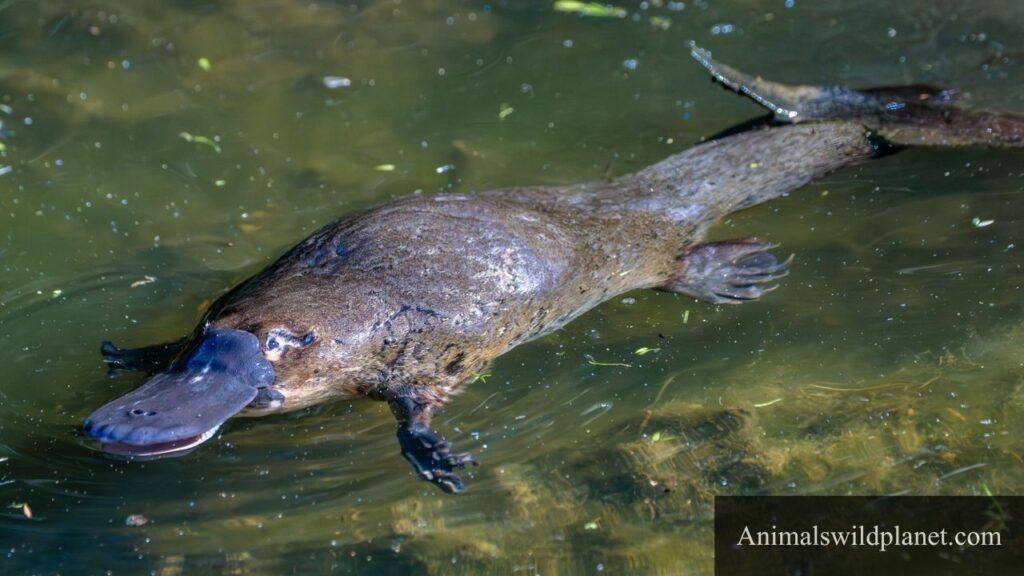
Observing a platypus in action reveals a quirky charm; their waddling gait provides insight into their adaptations to both land and water. As they paddle through rivers and streams, their movement transitions artfully from waddling on land to gliding seamlessly under the surface. This versatility not only enhances their foraging for aquatic prey but also highlights their resilience in diverse habitats.
Walrus
Scientific Name: Odobenus rosmarus
Class: Mammalia
Diet: Carnivore
The walrus, with its impressive tusks and distinctive whiskers, is a creature that captures the imagination in more ways than one. While they may seem ungainly on land, these marine giants excel in their aquatic environment, gliding gracefully through icy waters. Their waddling gait on solid ground belies the agility they exhibit when diving to depths of over 200 feet, where they hunt for clams and other mollusks.
Beyond their physical characteristics, walruses play a crucial role in their ecosystems. As they forage, they help to maintain the balance of marine life, preventing overgrowth of certain species on the sea floor. Social animals by nature, walruses often congregate in large groups, forming complex social structures that showcase their intelligence and emotional depth. They communicate through a series of barks and bell-like sounds, creating a symphony of underwater conversation that highlights their adaptability and social interactivity in the face of environmental challenges.
Wombats
Scientific Name: Vombatidae
Class: Mammalia
Diet: Herbivore
Wombats, those charming Australian marsupials, are more than just expert waddlers; they are fascinating creatures with a unique lifestyle that reflects their adaptation to the environment. Their distinctive waddle, caused by their robust bodies and short legs, serves a purpose beyond mere aesthetics. This gait supports their burrowing lifestyle, allowing them to navigate their subterranean homes with surprising agility, despite their bulk. As they waddle through the bush, they are often on the lookout for nutrients, munching on grass and roots that make up their herbivorous diet.
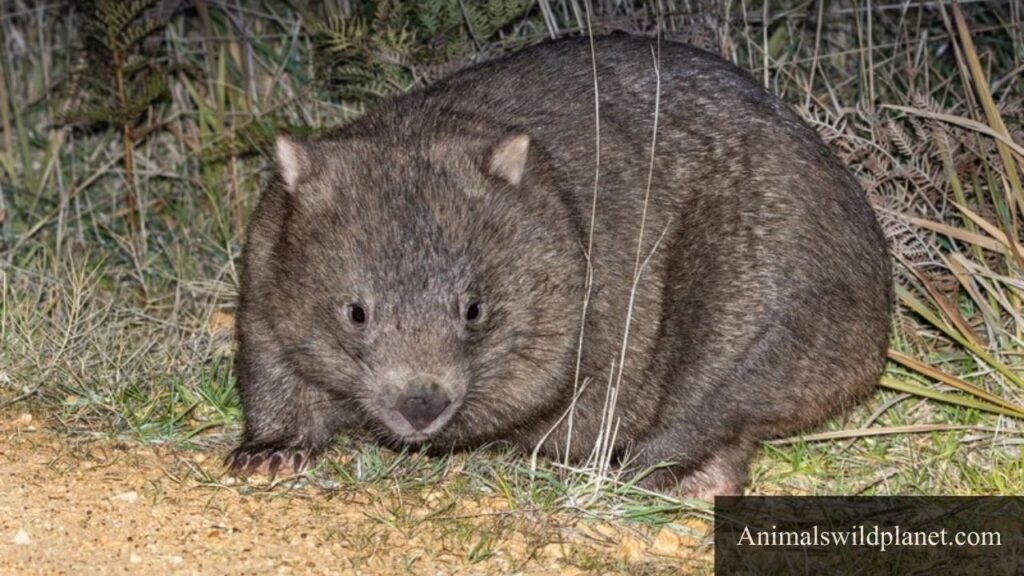
Another intriguing aspect of wombats is their extraordinary resilience to harsh conditions. They possess a thick, hairless posterior that serves as a natural shield against predators when they retreat into their burrows. Interestingly, their feces, shaped like cubes, helps mark their territory and prevent rolling away, showcasing an evolution of function that is both ingenious and quirky.
Sea Lions
Scientific Name: Otariinae
Class: Mammalia
Diet: Carnivore
Their playful demeanor and delightful waddle make sea lions a joy to watch, not just on land but also in the water. These marine mammals, with their sleek bodies and flipper-like limbs, exemplify a fascinating dichotomy: while they gallivant awkwardly on land, they are graceful and agile swimmers. This unique adaptation allows them to navigate their oceanic homes with ease, while their playful antics and vocalizations enrich the coastal ecosystems where they reside.
What truly sets sea lions apart is their social structure. They form large colonies, often referred to as rookeries, where their interactions reveal complex social hierarchies. Mothers display remarkable care, often spotted playfully engaging with their pups, teaching them essential survival skills while fostering a sense of community.
Geese
Class: Aves
Diet: Herbivore
Geese are among the most iconic waddlers in the animal kingdom, embodying a blend of grace and clumsiness that captivates observers. With their distinctive, heavy-set bodies and short legs, these birds present a charming contradiction; their waddle may seem awkward, yet it contributes to their status as highly adaptable and social creatures. In the wild, their group dynamics are particularly fascinating; geese often travel in family units or large flocks, communicating with a series of honks that resonate as they move together, highlighting their intelligence and strong social bonds.
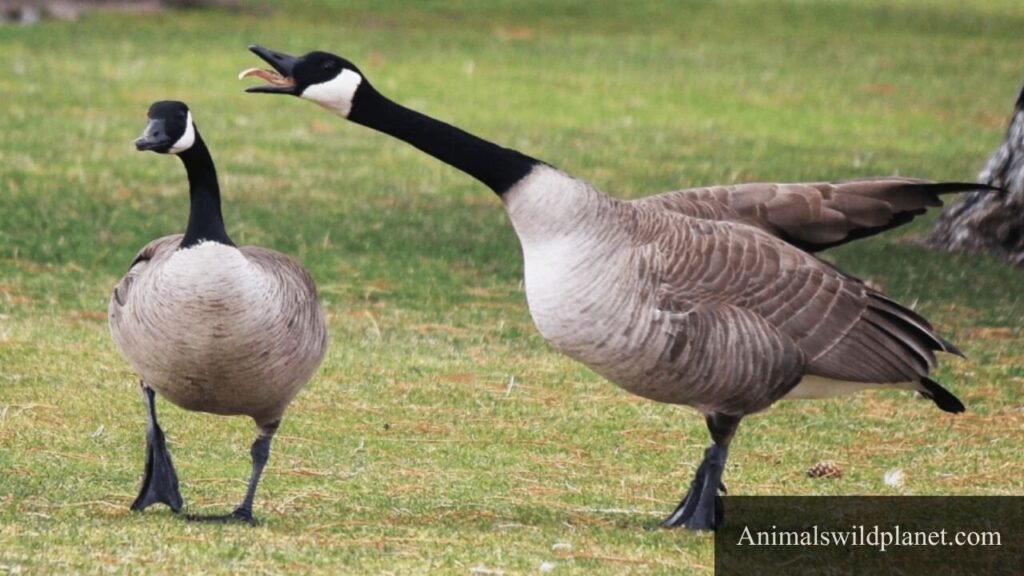
The waddling gait of geese also plays an essential role in their survival, especially when navigating their habitats. They may look ungainly on land, but in the water, their buoyant bodies glide effortlessly, showcasing their perfected swimming skills. Their waddling not only conserves energy but also allows them to forage effectively on land, skillfully pecking at blades of grass and grains.
Readmore: Explore Top 15 Stubborn Animals In The World.
Final Thoughts
Waddling animals, such as penguins, ducks, and even some species of bears, showcase a unique method of movement that adds charm and character to their behavior. Their distinctive waddle not only serves functional purposes, such as maintaining balance and conserving energy, but also draws attention to the remarkable adaptations that nature has designed for different environments. Observing these animals can deepen our appreciation for the diversity of life on our planet. As we continue to learn about and protect these fascinating creatures, we can encourage responsible coexistence with wildlife.
FAQs
What animals waddle?
One of the most iconic waddlers is the penguin, which uses its short legs and upright stance to move in a charming, shuffling manner on land. Their waddling is perfect for their aquatic lifestyle, making them agile swimmers despite their clumsiness on solid ground. Other animals that waddle include certain species of ducks and geese. Their broad bodies and short legs contribute to this unique gait, allowing them to move efficiently between water and land.
Does a penguin waddle?
Yes, penguins do waddle! Their unique body structure, with short legs and a heavy body, makes that charming, side-to-side movement their signature walk. This waddling helps them maintain balance on land.