Top 21 Skinny Animals in The World (With Pictures)
In “Skinny Animals in The World,” we dive into the lives of these intriguing beings that defy our perceptions of health and beauty in the animal kingdom. As we explore their adaptations and survival strategies, you’ll gain insight into how these creatures thrive despite their slender physiques. Join us as we uncover the secrets behind nature’s most astonishingly skinny animals.
List of Skinny Animals in The World
Below is the list of animals that are skinny:
| Number of Animals | Names of Skinny Animals |
| 1 | Gazelle |
| 2 | Etruscan Shrew |
| 3 | Ferrets |
| 4 | Kangaroo |
| 5 | Common house gecko |
| 6 | Giraffe |
| 7 | Spotted Garden Eel |
| 8 | Needlefish |
| 9 | Brookesia Micra Chameleon |
| 10 | Carolina mantis |
| 11 | Greyhound |
| 12 | Great Egret |
| 13 | Alpaca |
| 14 | Stoat |
| 15 | Dragonfly |
| 16 | Mako Shark |
| 17 | Stick bug |
| 18 | Whippet |
| 19 | Meerkat |
| 20 | Slender loris |
| 21 | Slender Salamander |
Gazelle
Scientific Name: Gazella spp.
Class: Mammalia
Diet: Herbivore
The gazelle, with its slender limbs and elegant form, is a paragon of grace in the animal kingdom. These creatures are built for speed, possessing specialized adaptations that allow them to navigate their arid habitats with enviable agility. Their lightweight bodies can reach astonishing speeds of up to 60 mph, making them one of the fastest land animals. This remarkable speed isn’t just for show; it’s a vital survival mechanism in the face of predators, allowing gazelles to execute breathtaking leaps and sharp turns.
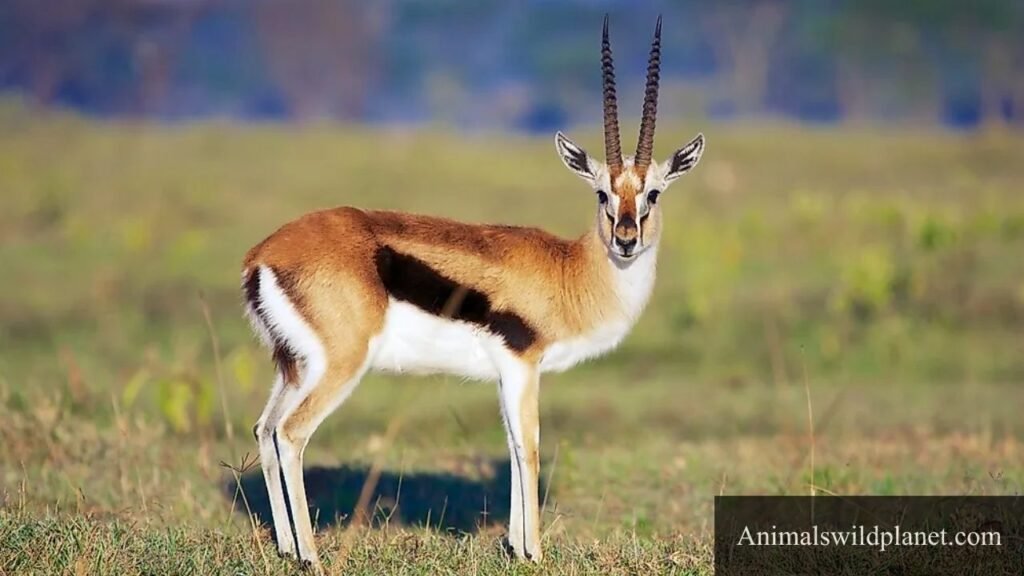
Beyond their physical attributes, gazelles exhibit fascinating behaviors reflecting their adaptability. Their keen senses enable them to detect predators from great distances, and their social structures, often seen in herds, enhance group vigilance. Interestingly, research suggests that gazelles engage in what scientists call “stotting,” a strategy where they jump high into the air to signal strength and discourage pursuit. This display not only showcases their agility but also plays a crucial role in their psychological warfare against potential threats, redefining how we think about survival strategies in the wild. Gazelles illustrate the beauty of efficiency and evolution, where being “skinny” isn’t just about appearance; it’s a fundamental aspect of thriving in a challenging environment.
Etruscan Shrew
Scientific Name: Suncus etruscus
Class: Mammalia
Diet: Insectivore
The Etruscan shrew, often dubbed the world’s smallest mammal by mass, is a marvel of nature with an astonishing metabolism, requiring food nearly three times its body weight daily. With tiny limbs and a sleek, elongated body, it navigates through its environment with a combination of agility and grace that belies its diminutive size. These little creatures possess an impressive array of adaptations, including a unique ability to produce ultrasonic sounds, which they use for communication. This capability is particularly fascinating when you consider that their signature chirps may be a survival mechanism, helping them locate prey or warn others of potential threats.
What makes the Etruscan shrew particularly captivating is its relentless pursuit of sustenance, driven by an ultra-fast heartbeat that can exceed 1,000 beats per minute. This frantic lifestyle is a poignant reminder of the delicate balance in nature, where even the smallest beings embody the struggle for survival. Their habitat, primarily found in the Mediterranean regions, is increasingly threatened by human encroachment and climate change, sparking discussions about conservation efforts. As we delve into the lives of animals like the Etruscan shrew, we’re reminded of the intricate tapestry of life that connects all beings, inspiring us to protect these unique species that often go unnoticed.
Ferrets
Scientific Name: Mustela furo
Class: Mammalia
Diet: Carnivore
Ferrets are a unique blend of charm and mischief, captivating pet enthusiasts with their slender bodies and playful demeanor. These creatures possess an innate curiosity, often described as a chaotic mix of acrobatics and stealth. Their ability to squeeze into tight spaces and explore every nook of a home is part of their appeal, making them endlessly entertaining companions. Unlike traditional pets, ferrets encourage a sense of adventure and discovery, urging their owners to engage in creative playtime.
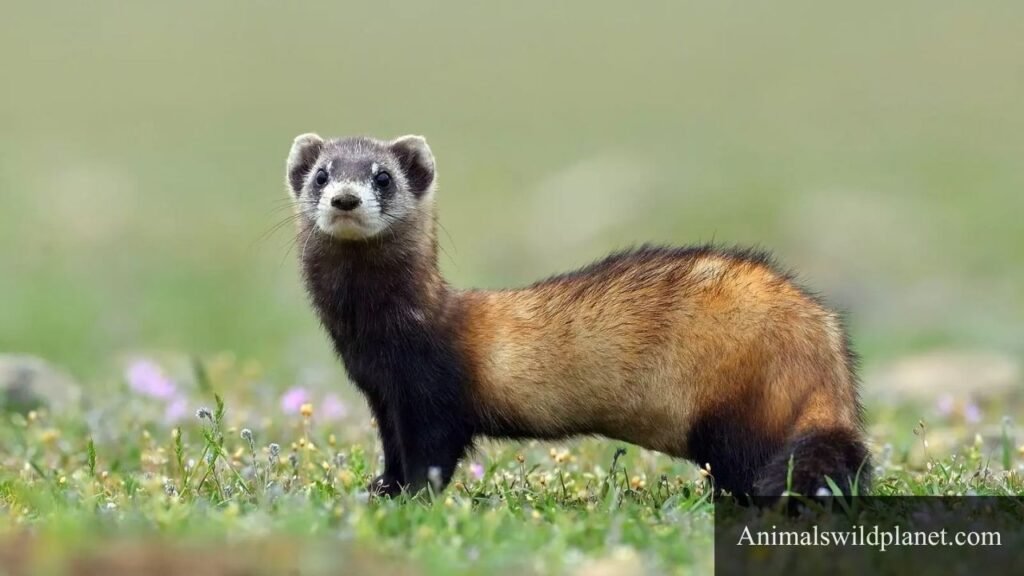
Social by nature, ferrets thrive in pairs or groups, forming strong bonds with their humans and fellow ferrets alike. Observing their interactions can reveal a spectrum of personalities — from the sleepy cuddle bugs to the fearless adventurers. Their quirky antics, such as “ferret war dances” and spontaneous bouts of zoomies, invite laughter and joy into everyday life. Moreover, the unique challenge of keeping these agile creatures stimulated fosters a deeper connection, as owners devise elaborate games and obstacle courses tailored to ferrets’ playful instincts. In nurturing these lively relationships, one discovers that owning a ferret is not just about companionship; it’s about embracing a vibrant, dynamic lifestyle.
Readmore: Explore Top 18 Most Independent Animals.
Kangaroo
Scientific Name: Macropus spp.
Class: Mammalia
Diet: Herbivore
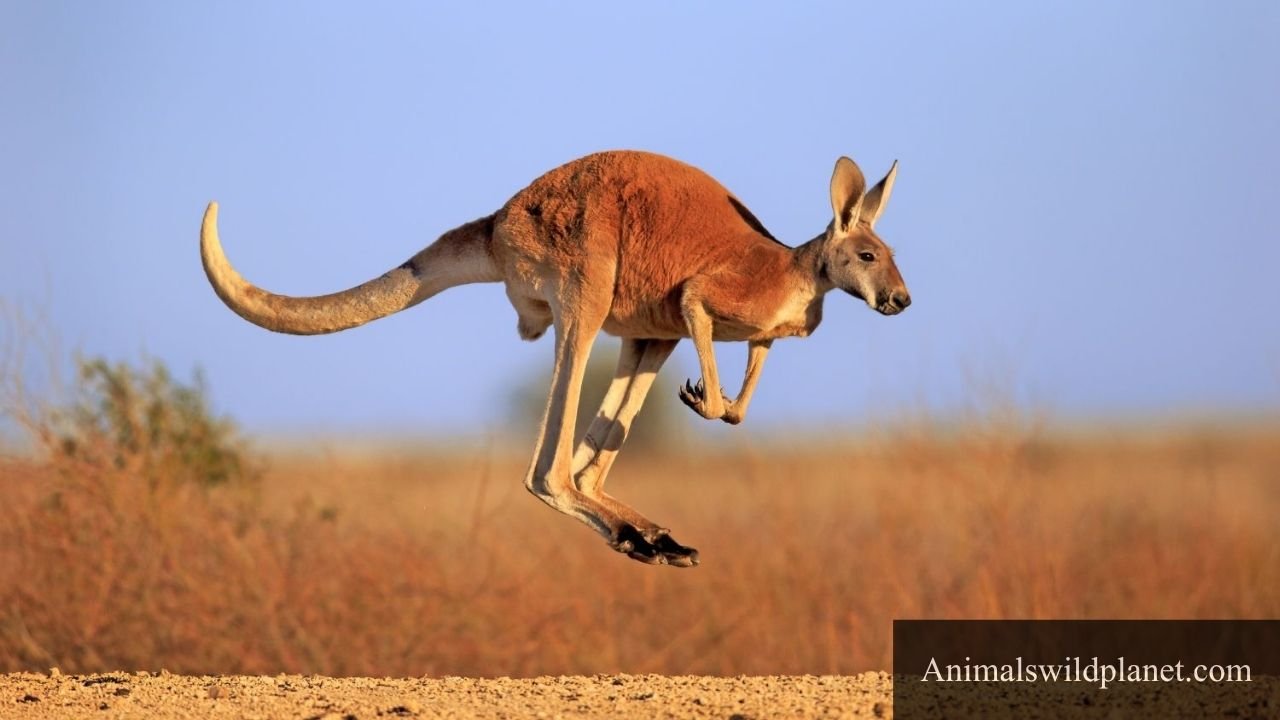
The kangaroo, an iconic symbol of Australia, is often celebrated for its powerful legs and unique mode of locomotion. However, its surprisingly lean physique, characterized by a slender build and a low body fat percentage, has led to fascinating adaptations. These ‘skinny’ animals have evolved to conserve energy in their harsh environments, enabled by their remarkable ability to efficiently hop long distances. This not only minimizes the energy needed for movement but also allows them to cover vast areas in search of food and water.
Beyond their physicality, kangaroos exhibit remarkable social structures, often living in groups called mobs. This social behavior provides safety in numbers, allowing them to communicate and respond to predators effectively. Kangaroos possess a remarkable digestive system that aids in their survival in arid landscapes. Their elongated intestines maximize nutrient absorption from their primarily herbivorous diet, which consists of nutrient-poor grasses and leaves. This efficiency allows kangaroos to thrive even when food sources are scarce, showcasing nature’s ingenuity in enabling survival through physical and metabolic adaptations. Their slender physique may not only be a delightful sight to behold but also a powerful testament to resilience in the wild.
Common house gecko
Scientific Name: Hemidactylus frenatus
Class: Reptilia
Diet: Insectivore
The common house gecko, often found clinging to walls in urban settings, showcases a blend of adaptability and charm that captivates many. These agile little lizards, with their slick, scaled skin and wide-eyed expressions, are not just household guests; they play a crucial role in controlling pest populations. By dining on insects like cockroaches and mosquitoes, they contribute to a natural form of pest control, making them unsung heroes in many homes.
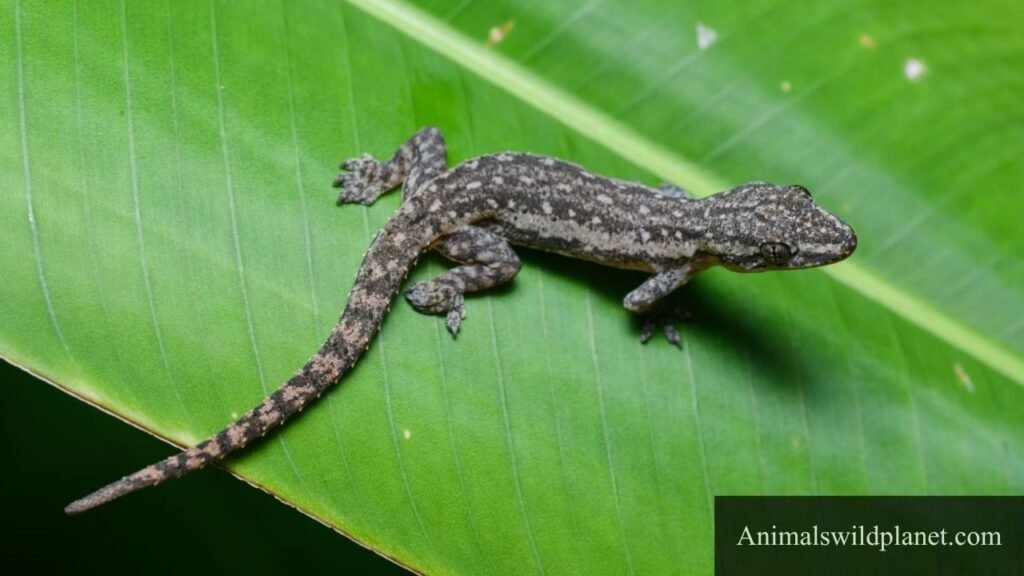
But there’s more to the common house gecko than its insect-hunting prowess. Notably, their ability to communicate through a series of chirps adds an intriguing social layer to their existence. This vocalization isn’t just a method to denote territory; it also serves as a mating call, showcasing their distinct personalities. More intriguing is their unique adhesive toe pads, which allow them to scale surfaces with ease, defying gravity as they dart up walls and across ceilings.
Giraffe
Scientific Name: Giraffa camelopardalis
Class: Mammalia
Diet: Herbivore
The giraffe, with its elongated neck and slender limbs, stands as a marvel of evolution, perfectly adapted to its savannah habitat. This “skinny animal” defies the conventional norms of mammalian form, showcasing an impressive ability to browse treetops that most other herbivores can only dream of reaching. What’s fascinating is the giraffe’s unique circulatory system, which includes a powerful heart that pumps blood up that long neck, ensuring that their brains receive the oxygen they need, even when they raise their heads to full height.
Yet, beneath this graceful exterior lies a complex social structure often overlooked. Giraffes form loose herds where females, particularly, display a keen sense of cooperation. They engage in social grooming and establish strong bonds that help them thrive in an environment where vigilance against predators is crucial. Interestingly, research has shown that these tall creatures can communicate through low-frequency sounds, often imperceptible to human ears, adding another layer to their enigmatic behavior. Their seemingly delicate physique, combined with these unique traits, challenges our understanding of survival in the animal kingdom, reminding us that elegance and resilience can coexist harmoniously.
Spotted Garden Eel
Scientific Name: Heteroconger hassi
Class: Actinopterygii
Diet: Carnivore
The Spotted Garden Eel, with its remarkably slender body and vivid patterns, is a captivating marvel of the underwater world. These eels, which can reach lengths of up to 18 inches, display a striking array of spots that serve as camouflage among the sandy ocean floor, fascinating both divers and researchers alike. Unlike their bulkier relatives, their elongated, wiry form allows them to dart in and out of burrows seamlessly, making them elusive but intriguing subjects for marine enthusiasts to observe.
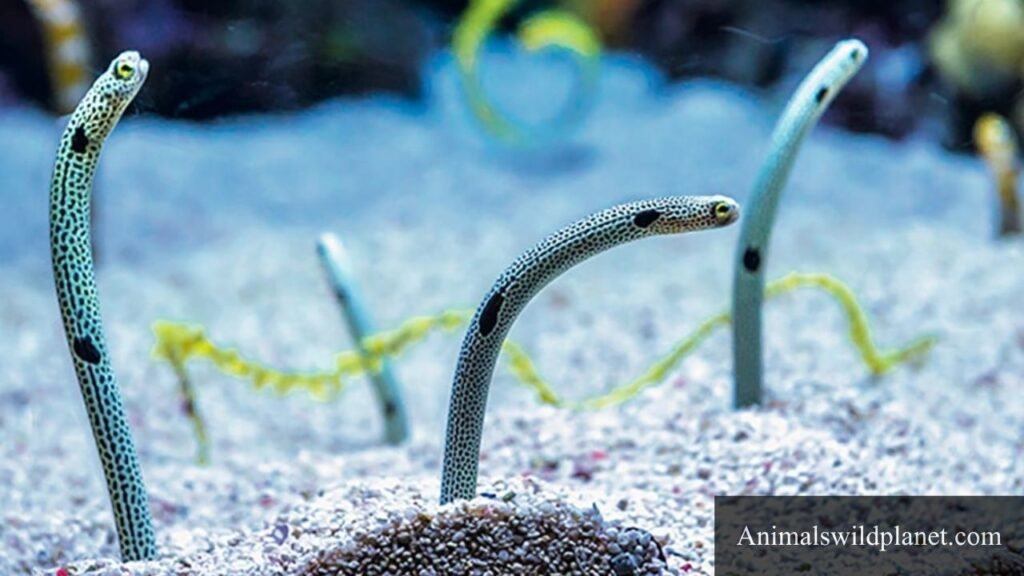
Nestled within the vibrant ecosystems of coral reefs, Spotted Garden Eels play a surprisingly significant role in their habitat. By feeding on plankton and small organisms, they act as natural filters, contributing to the health of their environment. Despite their slender appearance, these eels embody resilience. Their slim bodies enable them to slip between crevices in rocky environments, offering clues to their evolutionary journey. Spotted Garden Eels exhibit fascinating social behaviors, often forming schools that can number in the hundreds.
You can also read: Explore Top 23 Animals That Gallop in The World.
Needlefish
Scientific Name: Belone belone
Class: Actinopterygii
Diet: Carnivore
Needlefish are a marvel of adaptation, effortlessly gliding through the water with their elongated bodies and needle-like jaws. These fascinating creatures can reach up to three feet in length, making them appear almost like underwater spears as they hunt. Their sleek, slender form isn’t just for show; it allows them to make lightning-fast strikes. They are excellent predators, primarily feeding on small fish and crustaceans, and often leap out of the water to catch their prey mid-air, showcasing their agility and speed.
Despite their streamlined appearance, needlefish play a critical role in maintaining the health of marine ecosystems. Their presence helps control populations of smaller fish and invertebrates, ensuring a balanced food web.
Brookesia Micra Chameleon
Scientific Name: Brookesia micra
Class: Reptilia
Diet: Insectivore
The Brookesia micra chameleon, often dubbed the world’s tiniest reptile, measures a mere 29 millimeters in length, making it a marvel of evolutionary adaptation. Found solely in the rainforests of Madagascar, this petite creature occupies a unique ecological niche, blending seamlessly into its surroundings. Its incredible size may deceive the untrained eye, yet this chameleon has evolved not only remarkable camouflage abilities but also an intricate lifestyle that revolves around its microhabitat.
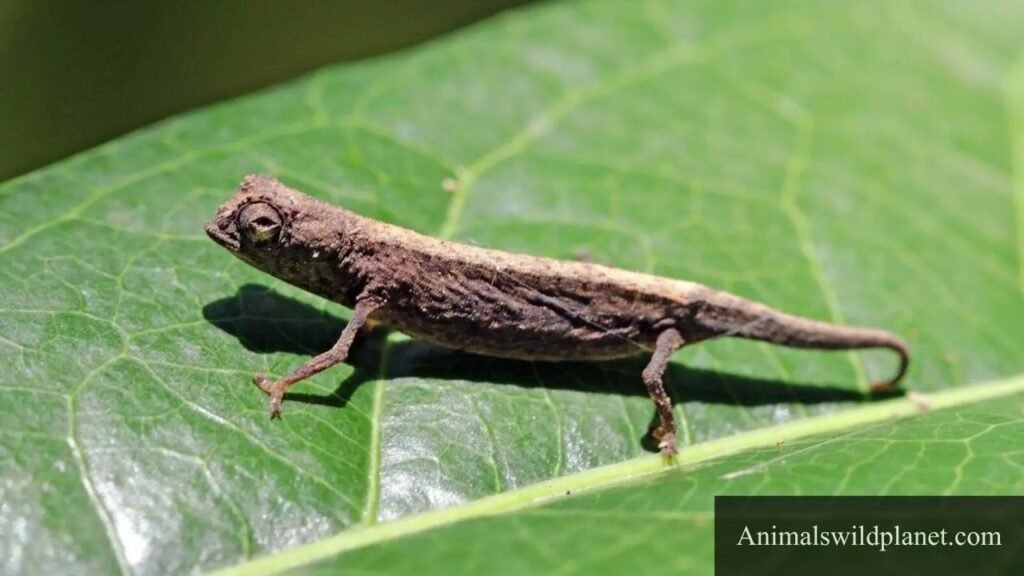
With its slender body and delicate demeanor, the Brookesia micra presents fascinating insights into survival. Its diet mainly consists of tiny insects, and its hunting technique highlights the importance of precision and stealth in the animal kingdom. Moreover, the chameleon’s adaptability raises questions about the impacts of habitat loss, particularly in Madagascar, where deforestation threatens these remarkable creatures. As biodiversity dwindles, the Brookesia micra serves as a poignant reminder of the fragility of life at both macro and micro levels, urging conservation efforts to protect such incredible wonders of nature.
Carolina mantis
Scientific Name: Stagmomantis carolina
Class: Insecta
Diet: Carnivore
The Carolina mantis, a marvel of nature, showcases extraordinary adaptations that facilitate its predatory lifestyle. Its elongated body, often adorned with vibrant greens and browns, not only aids in camouflage among foliage but also reflects its environment’s subtle hues. This master of disguise patiently merges with the surrounding flora, a skill that allows it to ambush unsuspecting prey with lightning-fast strikes. Each encounter with a hapless insect reveals the mantis’ sheer elegance and precision in the art of survival.
Beyond its hunting prowess, the Carolina mantis captivates observers with its unique mating rituals. Females, sometimes larger and more dominant than their male counterparts, engage in behaviors that can appear starkly dramatic, including potential cannibalism following copulation. This intriguing dynamic highlights the complexities of their reproductive strategies, where survival often intertwines with nature’s raw instincts.
Greyhound
Class: Mammalia
Diet: Omnivore
Greyhounds, often celebrated for their sleek, aerodynamic bodies, are more than just speed demons on the racetrack. Their unique physique, characterized by long legs and a narrow frame, isn’t just about aesthetics; it’s an evolutionary marvel designed for high-speed pursuits. These dogs can reach remarkable speeds of up to 45 miles per hour, demonstrating the incredible efficiency of their musculature and bone structure. But it’s not just their racing prowess that makes them fascinating.
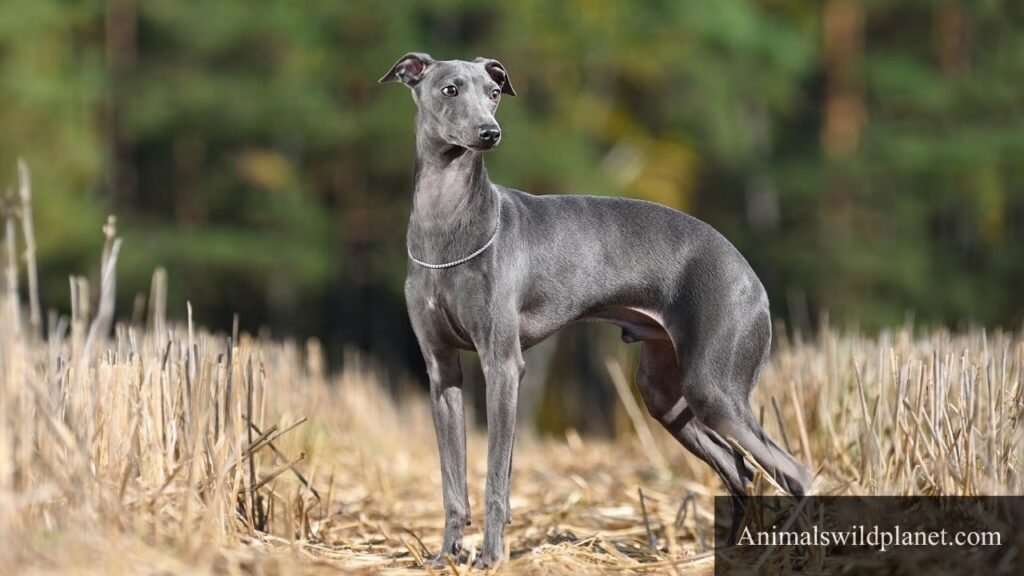
Beyond their athleticism, Greyhounds embody a rich tapestry of history and gentle personality. Bred for chasing game, they often exhibit a surprisingly calm demeanor at home, favoring relaxation over constant activity. Known as “couch potatoes,” they thrive in cozy environments, making them perfect companions for those seeking a low-maintenance pet. Their minimal grooming needs and adaptability to various living situations — apartments or houses — further solidify their appeal.
Interestingly, adopting a retired racing Greyhound can transform lives on both sides. These animals, once esteemed for their speed, often find new purpose as loving family members. Their gentle nature, combined with a dash of quirky charm, can turn any household into a haven of warmth and laughter. In embracing these skinny athletes, we not only honor their legacy but also invite a unique character into our lives.
Readmore: Explore Top 16 Humble Animals in The World.
Great Egret
Scientific Name: Ardea alba
Class: Aves
Diet: Carnivore
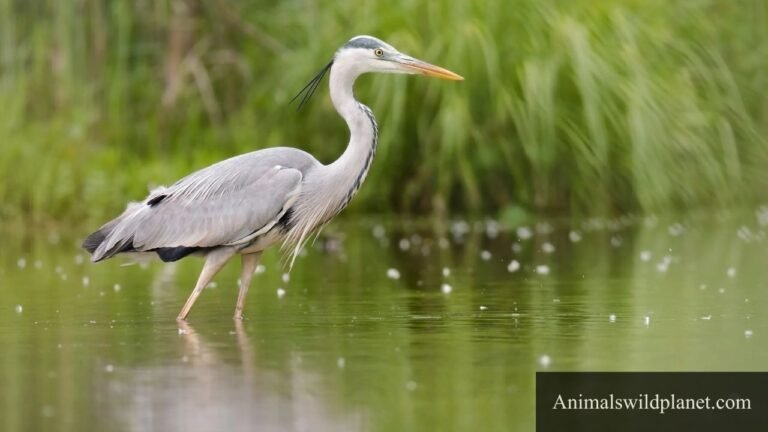
The Great Egret, with its elegant silhouette and striking white plumage, is a testament to nature’s artistry. These slender herons, often found wading gracefully through shallow waters, embody a delicate balance of beauty and predation. Their long necks and sharp beaks are perfectly adapted for fishing, allowing them to strike swiftly at unsuspecting prey, such as fish and amphibians.
Interestingly, the Great Egret is not just a symbol of grace but also an ecological indicator. Their presence in wetland habitats signifies a healthy ecosystem, making them crucial players in maintaining biodiversity. As they forage for food, these birds help control prey populations, thereby supporting the delicate balance of their environment. Moreover, their striking appearance has made them significant in conservation efforts; once hunted nearly to extinction for their feathers, the Great Egret now serves as a reminder of the importance of protecting wildlife and their habitats. Observing these majestic creatures encourages an appreciation for the intricate interconnections of nature.
Ribbon Eel
Scientific Name: Vicugna pacos
Class: Mammalia
Diet: Herbivore
The ribbon eel, with its elongated, serpentine body, evokes a sense of intrigue and allure that goes beyond its striking appearance. Found predominantly in the warm waters of the Indo-Pacific, these eels are masters of camouflage, often blending seamlessly with their coral reef surroundings. Their vibrant blue and yellow coloring not only serves as a warning to potential predators but also reflects the intricate beauty of underwater ecosystems, making them a favorite among snorkelers and divers.
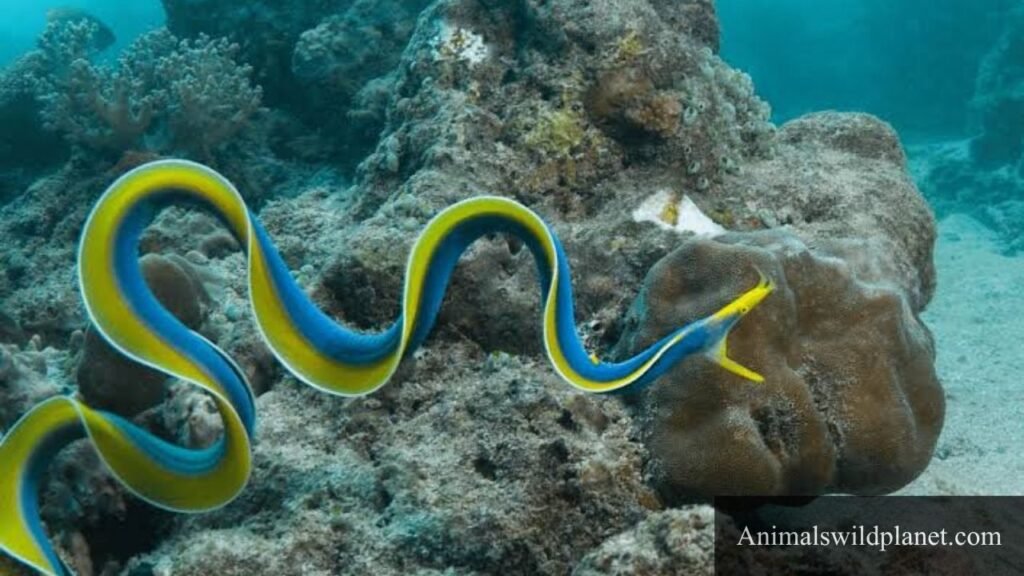
What’s truly captivating about ribbon eels is their unique sexual dimorphism. Males are typically a vibrant blue, while females transform to a yellow hue after mating, embodying a spectacular visual journey through their life stages. This striking difference highlights the complex behaviors and adaptations of marine life. Ribbon eels have a fascinating feeding strategy; they protrude their heads from crevices, swiftly snapping at unsuspecting prey, showcasing both precision and elegance in their hunting methods.
Stoat
Scientific Name: Mustela erminea
Class: Mammalia
Diet: Carnivore
The stoat, known for its slender build and striking coat, is a small carnivore that challenges our perceptions of agility and adaptation. With its elongated body and short legs, this enigmatic animal is a master of stealth, allowing it to navigate diverse terrains with remarkable grace. During the winter months, its fur transforms to a brilliant white, providing not just camouflage against the snow but also a striking contrast that emphasizes its delicate yet fierce nature.
A remarkable predator, the stoat preys on small mammals, including rabbits and rodents, often exhibiting extraordinary hunting techniques. Their unique ability to enter burrows and chase prey through tight spaces showcases a strategic versatility that few other hunters possess.
Furthermore, stoats have a fascinating social structure; sometimes, they are seen working in pairs to optimize their hunting efficiency, an observation that hints at a level of intelligence and collaboration that merits further study. Through their remarkable adaptations and behaviors, stoats remind us of the intricate balance that exists in nature, showcasing the beauty and complexity found in even the most unassuming creatures.
Dragonfly
Scientific Name: Anisoptera
Class: Insecta
Diet: Carnivore
Dragonflies, with their slender bodies and iridescent wings, are exquisite examples of nature’s design. These agile aerialists, belonging to the order Odonata, possess incredible flight capabilities, allowing them to hover, dart, and even fly backward. Their elongated frame, reminiscent of a needle, not only enhances their aerial prowess but also contributes to their predatory efficiency. As they gracefully dance through the air, they act as nature’s pest control, consuming vast quantities of mosquitoes and other insects.
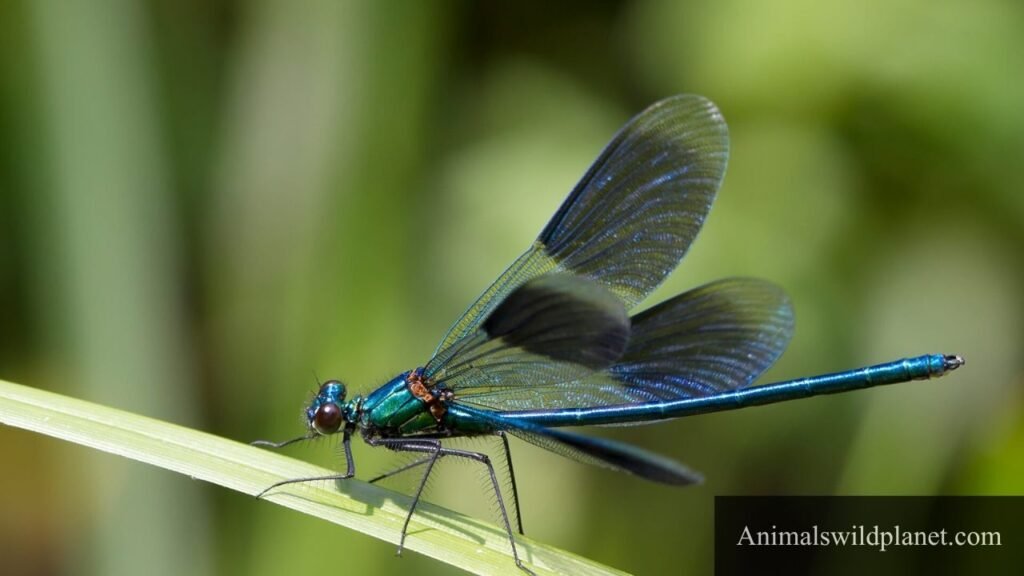
What truly sets dragonflies apart, however, is their striking metamorphosis. These creatures spend the majority of their lives as underwater nymphs, leading an inconspicuous, albeit fierce, existence before emerging as vibrant adults. This drastic transformation serves as a reminder of resilience and adaptability, showcasing how beauty can emerge from the depths of obscurity.
Also read: Explore Top 12 Animals With 6 Legs.
Mako Shark
Scientific Name: Isurus oxyrinchus
Class: Chondrichthyes
Diet: Carnivore
The Mako shark, known for its incredible speed and streamlined physique, stands as one of the ocean’s most fascinating predators. With a sleek body that can reach lengths of up to 12 feet, this shark is not only a marvel of evolution but also a testament to the power of adaptation. Its torpedo-like shape allows it to glide effortlessly through water, making it one of the fastest species in the ocean, capable of reaching speeds over 40 miles per hour. This agility is complemented by its keen sense of sight and electroreception, enabling it to hunt with precision in the vast blue depths.
Beyond their impressive hunting capabilities, Mako sharks also demonstrate complex social behaviors that challenge the common perception of solitary predation. Observations suggest that they can form loose social groups, often seen swimming together or engaging in playful interactions, which adds a layer of intrigue to their solitary hunter image. Moreover, their remarkable ability to regulate body temperature — a trait known as regional endothermy — allows them to thrive in colder waters, giving them an advantage over prey and other sharks.
Stick bug
Class: Insecta
Diet: Herbivore
The stick bug, with its remarkable ability to mimic twigs and branches, showcases nature’s artistry in camouflage. These elongated creatures often remain motionless for hours, seamlessly blending into their surroundings — a survival tactic that protects them from predators. Their skinny bodies are not just for show; this unique shape allows them to navigate through dense foliage with ease, making them elusive and adept at evading threats.
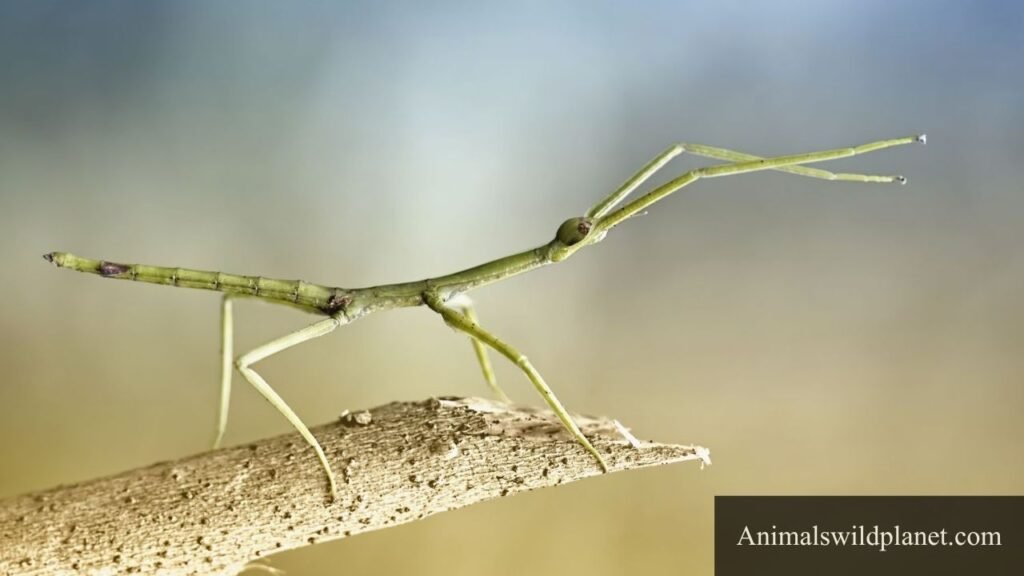
However, their slender form brings more than just aesthetic appeal; it plays a vital role in their mating rituals. Male stick bugs, often smaller and more agile than their female counterparts, use their slender bodies to perform intricate dances and displays, showcasing their prowess and fitness. This delicate dance is a fascinating reminder of how evolution has sculpted not just physical traits, but also behavioral adaptations that enhance survival and reproduction.
Whippet
Class: Mammalia
Diet: Omnivore
The Whippet, often overshadowed by its bulkier canine counterparts, embodies elegance and grace in a remarkably slender frame. This breed, originally developed for chasing game, showcases not only athletic prowess but also a charming personality that makes it an ideal companion. The Whippet’s lean physique is a marvel of evolutionary efficiency, allowing it to reach impressive speeds while retaining a gentle demeanor. Their minimal body fat blends form with function, transforming them into agile runners — perfect for sprinting down the track or playfully darting in the yard.
Beyond their physical attributes, their adaptability to various living environments — from city apartments to sprawling country homes — makes them a versatile choice for dog lovers. Surprisingly affectionate, these dogs thrive on companionship, often forming deep bonds with their human families. This unique combination of speed, beauty, and gentle temperament holds a profound allure, prompting many to advocate for the often-misunderstood Whippet as a quintessential family pet.
Meerkat
Scientific Name: Suricata suricatta
Class: Mammalia
Diet: Omnivore
Meerkats possess an intriguing social structure that lends itself to fascinating behaviors and survival strategies. Living in groups called mobs, these slender creatures exhibit a cooperative spirit, with individuals taking turns as sentinels to watch for predators while the rest forage for food. This not only highlights their tightly-knit community but also reveals an innate understanding of trust and responsibility within the group, showcasing a complex social dynamic often unnoticed in the animal kingdom.
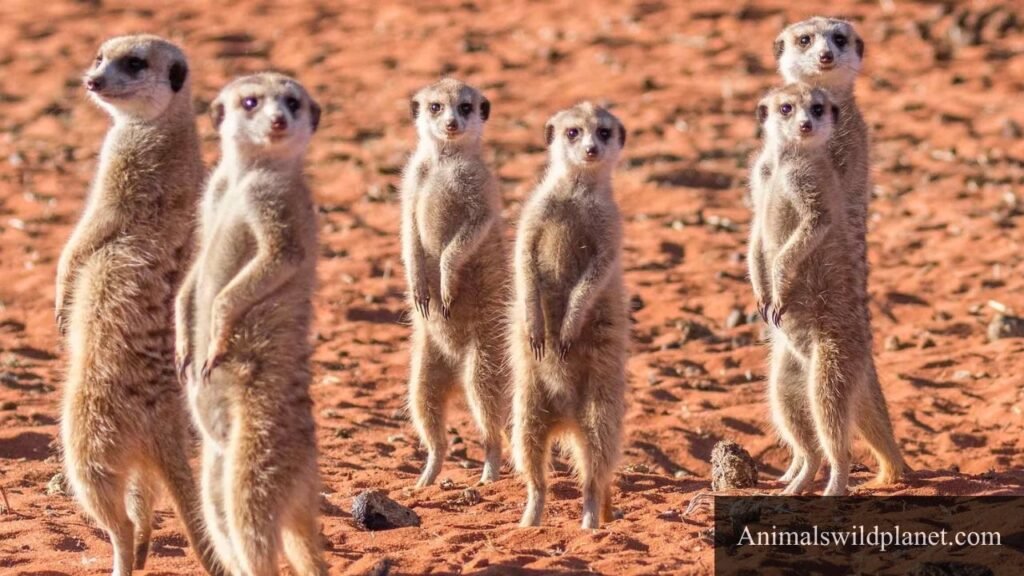
Moreover, the meerkat’s slender build is an evolutionary marvel well-suited for their arid habitat in the Kalahari Desert. Their elongation allows them to dart swiftly and maneuver through narrow burrows, evading threats while searching for insects, bulbs, and small vertebrates. Interestingly, their fur’s unique coloration, often resembling the sandy terrain, provides essential camouflage, making it easier for these small mammals to blend into their surroundings. This adaptation plays a critical role in their survival, turning them into masters of both ambush and awareness as they navigate a world filled with lurking dangers.
You can also read: Explore Top 9 Animals With Blubber.
Slender loris
Scientific Name: Loris lydekkerianus
Class: Mammalia
Diet: Omnivore
The slender loris is a marvel of evolution, showcasing both beauty and adaptability in its delicate frame. This pint-sized primate, native to the forests of Southeast Asia, exudes an almost ethereal presence with its large, expressive eyes and elongated limbs. Unlike many of its more robust relatives, the slender loris relies on its agility and stealth rather than brute strength, epitomizing the art of camouflage. Its slow, deliberate movements make it an expert at blending into the shadows of its forest habitat, where it primarily inhabits the canopy, feasting on a diet of insects, fruits, and sometimes even small vertebrates.
One of the most fascinating aspects of the slender loris is its unique nocturnal lifestyle. As a creature of the night, it possesses a rich sensory skill set that allows it to navigate its surroundings with remarkable precision. Its enhanced vision, coupled with a keen sense of smell, helps it avoid predators while foraging under the cover of darkness. The loris has developed a potent toxin from its elbow glands, which it can transfer to its fur and saliva, a rare evolutionary trait that serves as both a defense mechanism and a means to ward off competition.
Slender Salamander
Scientific Name: Batrachoseps attenuatus
Class: Amphibia
Diet: Carnivore
The Slender Salamander, a true emblem of adaptability, showcases nature’s ingenuity through its remarkable physique. With a body that can reach up to five inches in length, its elongated form isn’t just for show; it’s a survival strategy. This sleek silhouette enables it to slip effortlessly between rocks and into crevices, making it a master at evading predators while navigating its often humid, forested habitat. The creature’s highly vascular skin also plays a crucial role in respiration, allowing for gas exchange through its surface, which is critical in the oxygen-poor environments it often inhabits.
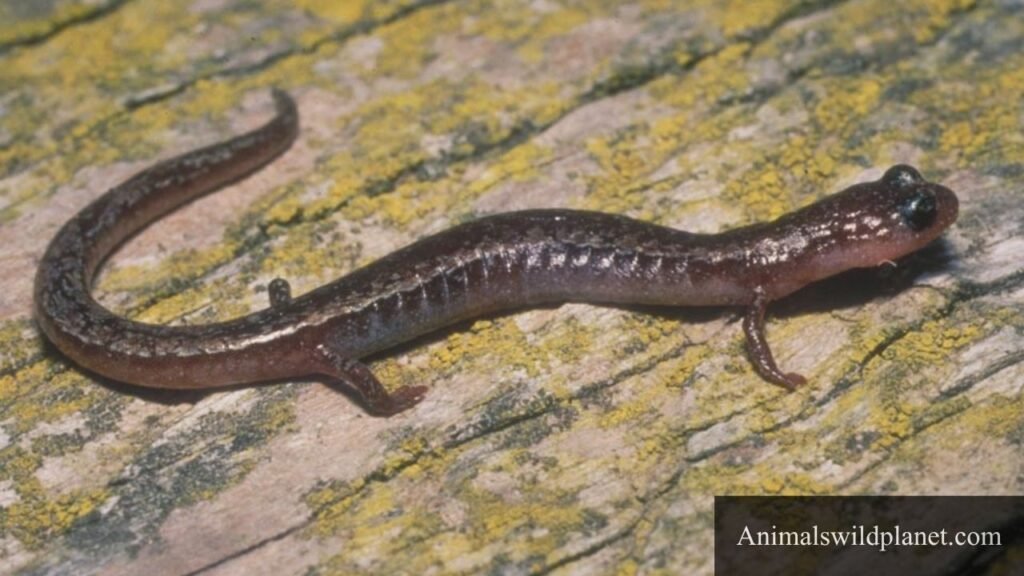
Beyond its physical attributes, the Slender Salamander’s ecological role is equally fascinating. As both predator and prey in the food chain, it helps regulate insect populations while also providing sustenance to larger animals. Its presence is indicative of a healthy ecosystem; any decline in its population can signal underlying environmental issues. Thus, conservation efforts for this unassuming amphibian stretch beyond simple appreciation — they serve as vital indicators of ecological balance, urging us to pay closer attention to the delicate interplay of nature that surrounds us.
Readmore: Explore Top 27 Most Energetic Animals.
Conclusion
The phenomenon of skinny animals showcases the incredible diversity of life on Earth and the various adaptations that have evolved over time. Each species, with its slender form, tells a story of survival, competition, and environmental harmony. Understanding the delicate balance of their ecosystems enhances our appreciation for these unique creatures and the challenges they face. It is crucial that we prioritize conservation and education efforts to ensure their continued existence in a changing world. Together, let’s commit to protecting our planet’s biodiversity and the enchanting skinny animals that inhabit it.
FAQs
What is the most skinny animal in the world?
The needlefish holds the title for one of the skinniest animals in the world. With its elongated, slender body, it can resemble a needle, giving it both its name and unique adaptations for survival. Found in warm coastal waters, needlefish are masters of agility, often darting through the water to catch smaller prey. They have a fascinating, streamlined figure that allows them to navigate quickly and efficiently. While there are other contenders for skinny animals, the needlefish stands out for its extreme thinness and exceptional hunting skills.
What are the animals that are long and skinny?
One of the most notable examples is the eel. These fish are known for their elongated, snake-like bodies that can stretch several feet long, making them agile swimmers in aquatic environments. Another example is the slender mongoose, a small carnivore with a long body and a sleek figure. They are often found in various habitats, moving gracefully while hunting for insects and small prey. You can’t forget about certain species of insects, like the stick insect. These creatures mimic twigs or branches and have long, thin bodies that help them avoid predators.
What is the slimiest animal in the world?
The hagfish is often considered the slimiest animal in the world. When threatened, it secretes a thick, mucous slime that can expand up to 20 liters in just a few minutes. This slime acts as a defense mechanism, clogging the gills of predators and allowing the hagfish to escape.