Top 15 Animals That Drink a Lot of Water (Images Included)
Did you know that some animals can consume up to several gallons of water a day? While we often think of camels as the ultimate thirst quenchers, many other creatures also have unique adaptations for hydration.
In this article, we’ll explore the fascinating world of animals that drink a lot of water and uncover why their drinking habits are critical for survival. Whether you’re a nature enthusiast or simply curious, this journey into the animal kingdom will shed light on how these species thrive in their environments.
List of Animals That Drink a Lot of Water
Here is the list of animals that drink a lot of water:
| Number of Animals | Names of Animals That Drink a Lot of water |
| 1 | Giraffe |
| 2 | Pigs |
| 3 | Rhinoceros |
| 4 | Deer |
| 5 | Camels |
| 6 | Marine Iguana |
| 7 | Horses |
| 8 | African Buffalo |
| 9 | Moose |
| 10 | Kangaroos |
| 11 | Zebra |
| 12 | Cows |
| 13 | Hippopotamus |
| 14 | Elephants |
| 15 | Proboscis Monkey |
Giraffe
Scientific Name: Giraffa camelopardalis
Class: Mammalia
Diet: Herbivore
Giraffes, the gentle giants of the savannah, have some fascinating adaptations when it comes to hydration. While they are often associated with arid environments, these majestic creatures can consume a staggering amount of water — up to 12 gallons in one day — primarily during the wet season. Their long necks allow them to reach high branches, where they get a significant portion of their moisture from succulent leaves and fruits, essentially doubling their hydration efforts in pursuit of nourishment.
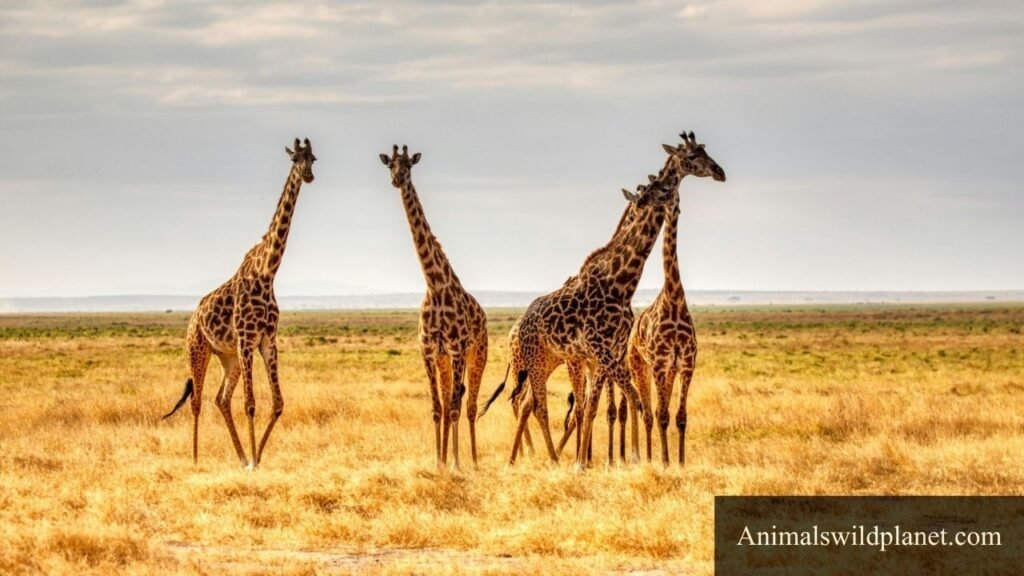
Moreover, giraffes have a unique approach to drinking water that highlights their exceptional physiology. When they lower their long necks to drink, they must awkwardly splay their legs to maintain balance, revealing a vulnerability that makes them cautious drinkers. This awkward stance not only illustrates their adaptation to their environment but also serves as a reminder of the delicate balance they maintain in their ecosystem. Interestingly, their bodies are designed to manage water loss efficiently, allowing them to thrive in conditions where many other species would struggle.
Pigs
Scientific Name: Sus scrofa domesticus
Class: Mammalia
Diet: Omnivore
behaviors and needs, particularly when it comes to hydration. These intelligent animals can consume significant amounts of water daily — up to 5 to 8 gallons — in hot weather or when they’re pregnant or nursing. This hefty requirement isn’t just about quenching thirst; it’s crucial for digestion, temperature regulation, and overall health. The sheer volume they drink also reveals their adaptability; in the wild, pigs often seek out water sources to wallow in, a behavior that helps them stay cool and protects their skin.
What’s particularly intriguing is how pigs interact with their environment to find and use water. They are natural foragers, using their powerful snouts to uncover hidden moisture and nutrients. Their foraging instinct underscores a deeper connection to their habitat, showcasing how availability of water can influence their roaming patterns. Furthermore, when pigs are kept in farming settings, ensuring they have adequate access to clean water significantly enhances their quality of life and productivity.
Rhinoceros
Scientific Name: Rhinocerotidae
Class: Mammalia
Diet: Herbivore
The rhinoceros, often associated with savannas and dense forests, possesses a remarkable need for hydration that mirrors its imposing presence. On a hot day, a rhino can consume up to 5 to 8 gallons of water to satisfy its substantial thirst, a necessity driven by their large body mass and active lifestyle. This impressive water intake is more than just a survival tactic; it plays a crucial role in maintaining their skin health. Rhinos frequently wallow in mud, a behavior that not only hydrates their skin but also protects them from sunburn and pesky insects.
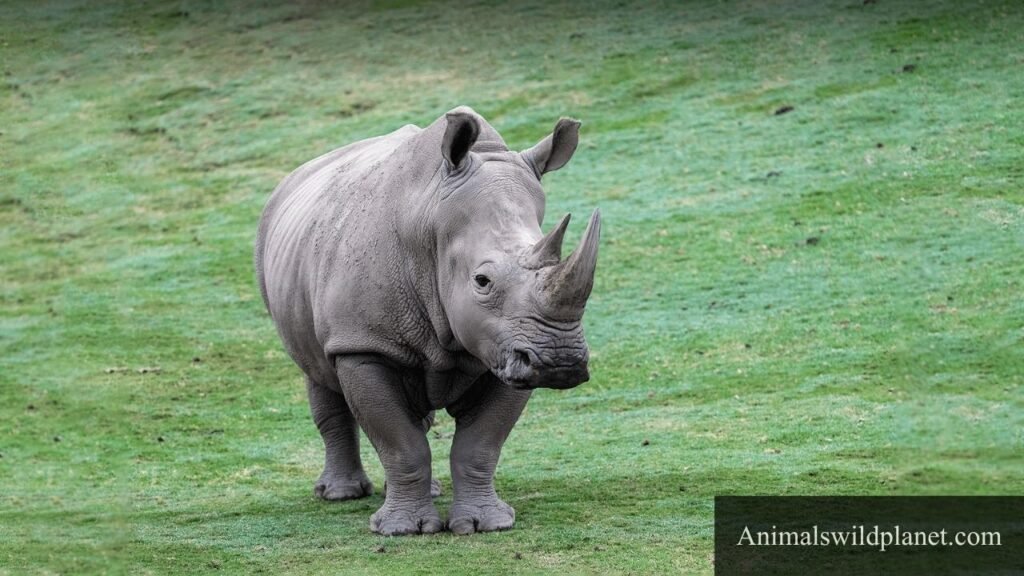
Interestingly, the rhinoceros’s drinking habits have implications for their ecosystem. By creating mud wallows and trampling through water sources, they foster habitats for countless other species, showcasing their role as keystone species. As they graze on vegetation near water sources, rhinos inadvertently promote plant diversity, highlighting the interconnectedness of their hydration choices with broader ecological health.
Readmore: Explore Top 14 Animals That Eat Oranges.
Deer
Scientific Name: Cervidae
Class: Mammalia
Diet: Herbivore
Deer, often seen gracefully navigating their forest habitats, have a fascinating relationship with water, particularly during warmer months when their hydration needs peak. These majestic creatures can consume up to a gallon of water a day, depending on factors like temperature and food intake. Unlike many animals that rely solely on direct water sources, deer are particularly adept at obtaining moisture from their diet, enjoying a variety of water-rich plants alongside traditional drinking habits.
What sets deer apart, however, is their impeccable sense of timing when it comes to hydration. They are more likely to visit watering holes during early morning or late evening, capitalizing on the cooler temperatures and lower chances of predator encounters. This strategic behavior not only highlights their survival instinct but also reflects their intricate dependence on their habitat’s ecosystem.
Interestingly, the drinking behavior of deer changes with the seasons. During the summer, they tend to frequent water bodies more frequently, while in the winter, they often rely on the snow and ice around them.
Camels
Scientific Name: Camelus
Class: Mammalia
Diet: Herbivore
Camels, often dubbed the “ships of the desert,” possess a remarkable ability to thrive in arid environments where water is scarce. These extraordinary creatures can drink up to 40 gallons of water in a single sitting, replenishing their bodies after long stretches without hydration. What’s even more fascinating is their efficient physiology; camels can lose up to 25% of their body weight through sweating without fatal consequences. This ability allows them to traverse vast stretches of desert while conserving water far better than most other mammals.
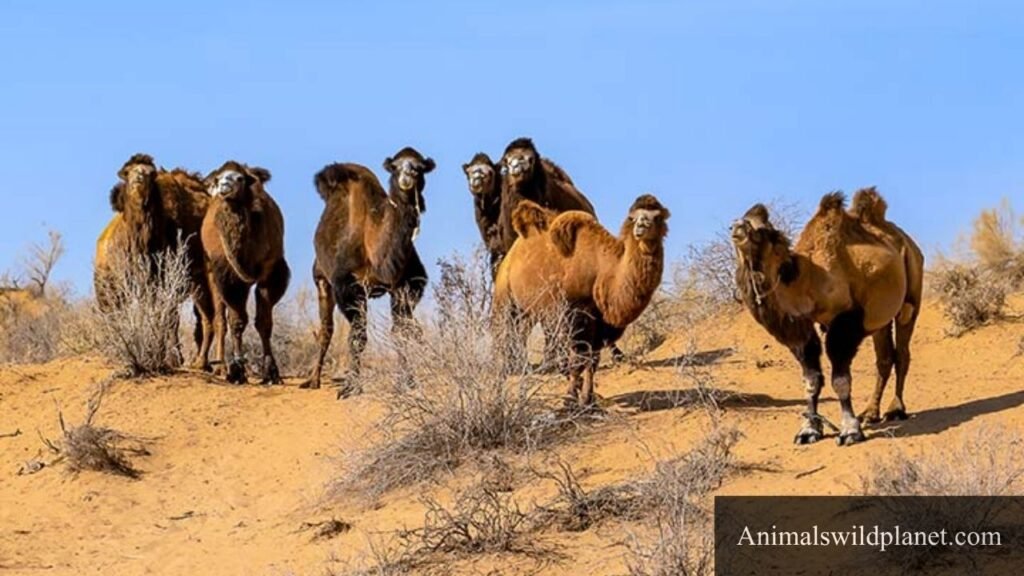
Interestingly, camels have a unique biological adaptation that enables them to survive extreme dehydration: their blood can increase in viscosity, which helps maintain circulation and prevent overheating. When they do find water, they can quickly rehydrate, drinking rapidly to restore lost fluids. Observing camels in the wild provides a masterclass in resilience; they can sense changes in their environment, often locating hidden water sources through a combination of instinct and keen sensory perception. In a world increasingly challenged by climate change, studying these remarkable animals can offer vital insights into survival strategies in harsh conditions.
Marine Iguana
Scientific Name: Amblyrhynchus cristatus
Class: Reptilia
Diet: Herbivore
The marine iguana, a unique creature found only in the Galápagos Islands, exemplifies the extreme adaptations life can undergo in response to environmental pressures. Unlike typical iguanas, these fascinating reptiles have evolved to thrive in a marine environment, spending significant time in the ocean. Their diet consists primarily of algae, and to access this underwater buffet, they dive into the frigid waters, consuming substantial quantities of seawater in addition to the nutrients they seek.
What truly sets the marine iguana apart, however, is its remarkable ability to process the salty seawater it ingests. Equipped with specialized glands located near their eyes, these iguanas effectively excrete excess salt through a process called salt secretion, allowing them to maintain fluid balance while remaining hydrated. This adaptation not only showcases the ingenuity of evolution but also highlights the delicate balance these creatures must maintain amid changing environmental conditions.
In a world where fresh water is a precious commodity, the marine iguana’s lifestyle invites us to reflect on the resilience of life and the ingenious ways species adapt to survive. Their existence is a reminder of the intricate connections between ecosystems and the importance of conservation efforts in preserving these unique habitats.
Horses
Scientific Name: Equus ferus caballus
Class: Mammalia
Diet: Herbivore
Horses are remarkable creatures, not just for their strength and grace but also for their impressive hydration needs. On average, an adult horse can consume anywhere from 8 to 12 gallons of water a day, but that number can surge to 25 gallons during hot weather or times of intense exercise. This significant intake is not just a quirk of their biology; it plays a vital role in their health, performance, and well-being.
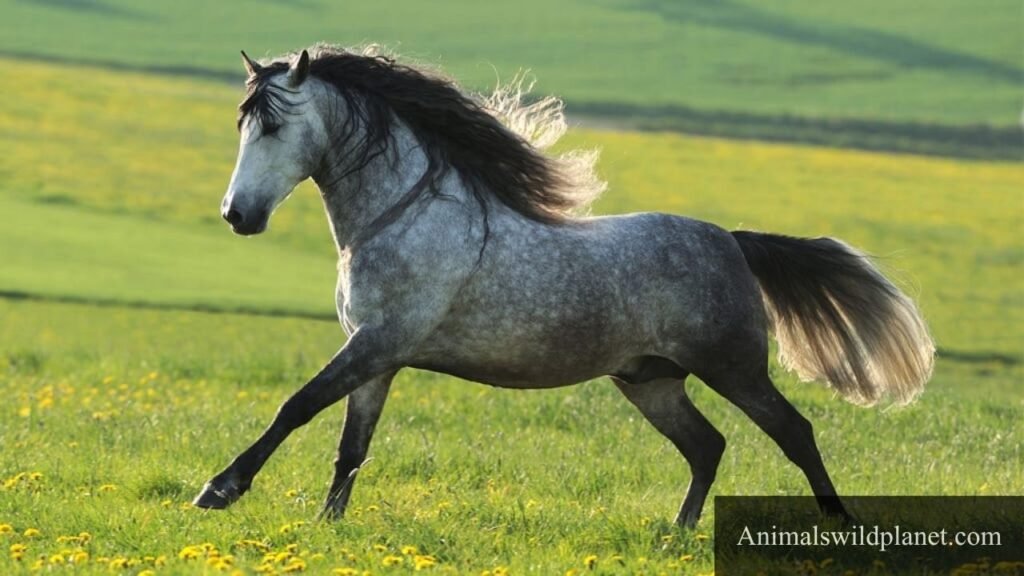
Understanding a horse’s hydration needs is crucial for equestrians and caretakers. Horses sweat profusely, especially when working hard, leading to a loss of electrolytes that must be replenished through both food and water. Observant horse owners can spot subtle signs of dehydration, such as decreased skin elasticity or a dry mouth, allowing them to intervene before serious health issues arise.
Ensuring a constant supply of fresh, clean water isn’t just a requirement — it’s essential for peak performance and longevity in these magnificent animals. Recognizing the importance of hydration fosters a deeper bond between humans and horses, elevating the caretaking experience to a partnership rooted in understanding.
African Buffalo
Scientific Name: Syncerus caffer
Class: Mammalia
Diet: Herbivore
The African buffalo, also known as the Cape buffalo, is not only a formidable presence in the grasslands of sub-Saharan Africa but also a surprising water enthusiast. These robust mammals require substantial hydration, consuming up to 8 to 15 gallons of water a day, especially in the sweltering heat of the savannah. This insatiable thirst drives them to seek out water sources, often leading herds to gather around lakes, rivers, and even temporary puddles after rains. Their social structure plays a key role in this behavior; the collective movement toward water sources fosters community ties and solidarity within herds, showcasing the intersection of hydration and social dynamics.
Interestingly, buffalo have adapted their drinking habits to the unpredictable water availability in their habitats. During the dry season, when resources become scarce, they can travel several kilometers in search of water, illustrating their resilience and survival instincts. This quest not only highlights their physical endurance but also emphasizes the ecological balance within their environment, as their foraging helps maintain grasslands and promotes biodiversity.
Moose
Scientific Name: Alces alces
Class: Mammalia
Diet: Herbivore
Moose are fascinating creatures, not only for their impressive stature but also for their substantial water intake. On a hot day, these majestic animals can consume up to 20 gallons of water, primarily through both direct drinking and moisture obtained from their food. Their diet, which includes aquatic plants, leaves, and twigs, makes them clever water managers. By feasting on water-rich plants, moose not only hydrate themselves but also benefit from the nutrients necessary for their robust health.
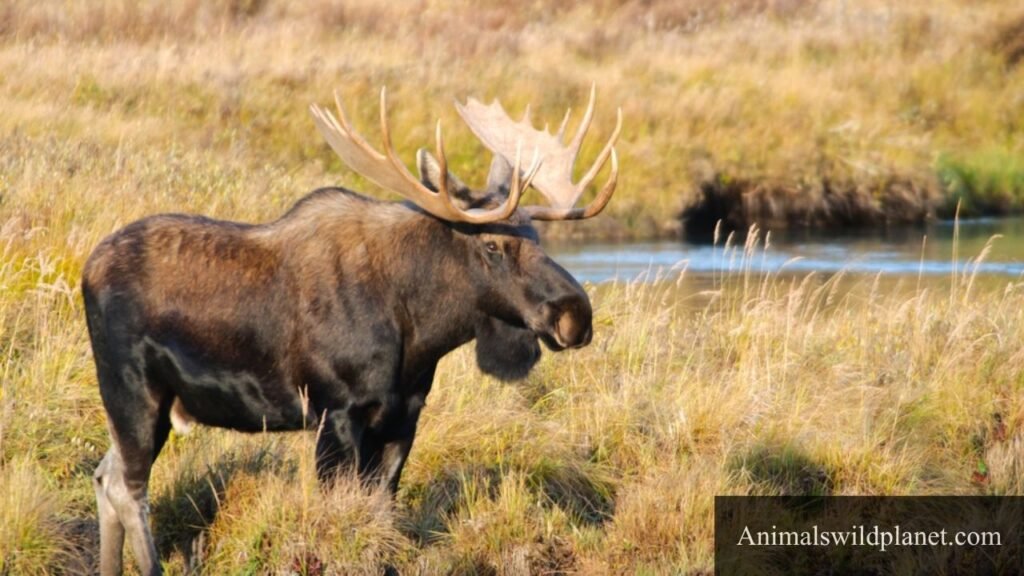
Interestingly, moose are excellent swimmers, which allows them to access submerged vegetation in lakes and rivers — adding an aquatic twist to their foraging. This swimming ability not only aids hydration but also helps them escape predators and stay cool during hot summers. Their unique adaptations to water-rich environments highlight the intricate balance between habitat and survival, showcasing how nature equips these giant mammals with the tools they need to thrive in diverse ecosystems.
Kangaroos
Scientific Name: Macropus
Class: Mammalia
Diet: Herbivore
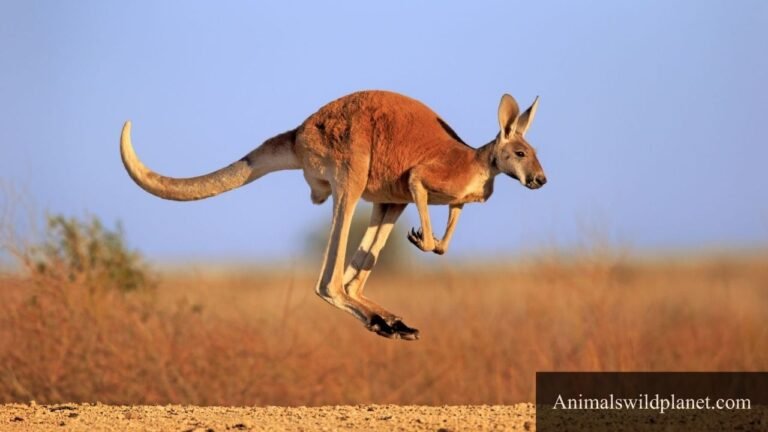
Kangaroos, though often associated with arid Australian landscapes, have fascinating adaptations that allow them to thrive in environments where water is scarce. Surprisingly, these marsupials have evolved to extract moisture from the vegetation they consume, making their water conservation techniques truly remarkable. In fact, they can sustain themselves on the moisture in grass and leaves, potentially going days without directly drinking water.
When they do seek water, kangaroos exhibit unique behaviors, often choosing to drink during the cooler parts of the day to minimize evaporation and heat stress. Interestingly, their bodies are able to tolerate a certain level of dehydration, which allows them to endure long dry spells. This ability, coupled with their efficient kidney function, enables them to drink large amounts at once when water is available, maximizing hydration in a single refreshing session.
Zebra
Scientific Name: Equus quagga
Class: Mammalia
Diet: Herbivore
Zebras, often thought of as the striped equines of the African savannas, have fascinating drinking habits that are essential to their survival. These social animals can consume up to 10 gallons of water a day, especially in arid regions where access can be limited.
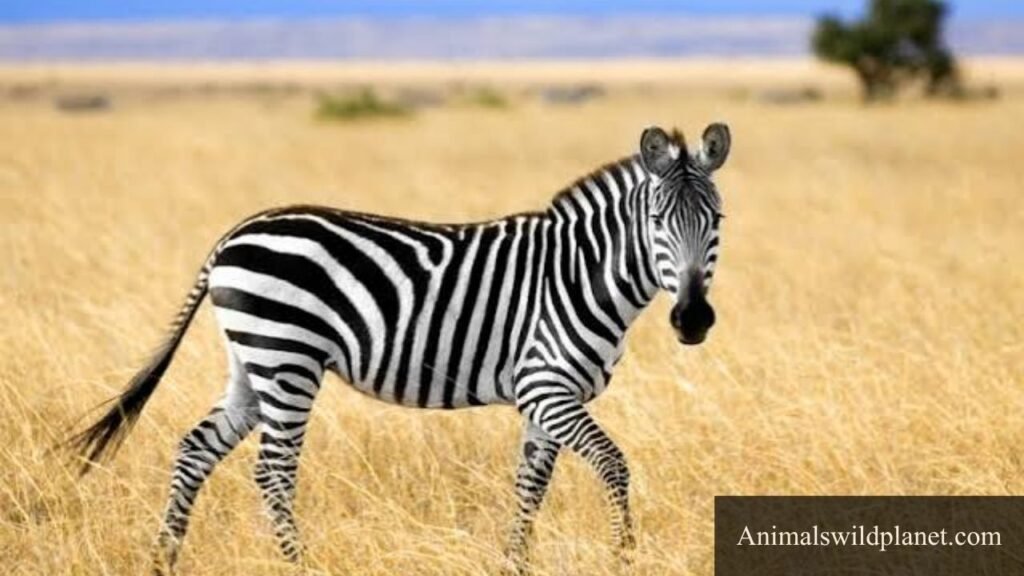
Interestingly, zebras are also known for their remarkable memory and herd dynamics, which play a crucial role in locating water sources. They can recall the locations of hidden water holes, which is vital during dry spells. Their social structure aids in this process; by working as a cohesive group, they can protect one another while ensuring that everyone has sufficient hydration. This communal behavior not only highlights their intelligence but also emphasizes the interconnectedness of their survival in the wild.
Cows
Scientific Name: Bos taurus
Class: Mammalia
Diet: Herbivore
Cows are remarkable creatures when it comes to their hydration needs, showcasing an impressive capacity to drink vast amounts of water — up to 30 gallons or more each day. This immense requirement is largely linked to their size and the energy they expend as ruminant animals. Interestingly, their unique digestive system plays a crucial role in this process; they rely on a complex fermentation of plant materials which generates heat, thereby increasing their need for water to regulate body temperature and support digestion.
What’s even more fascinating is the way cows instinctively manage their hydration. They often drink in correlation to their environmental conditions, demonstrating a remarkable adaptability to their surroundings. For instance, during the hotter months, their water intake can double, highlighting their biological sophistication in optimizing health and productivity.
Hippopotamus
Scientific Name: Hippopotamus amphibius
Class: Mammalia
Diet: Herbivore
The hippopotamus, a massive yet surprisingly agile creature, is a fascinating example of an animal that requires a significant amount of water to thrive. While they are often associated with rivers and lakes, hippos don’t just cool off in the water; they actually rely on it for their hydration needs. These enormous mammals can drink up to 10 to 20 gallons of water a day, not just quenching thirst but also aiding in their digestion and thermoregulation.
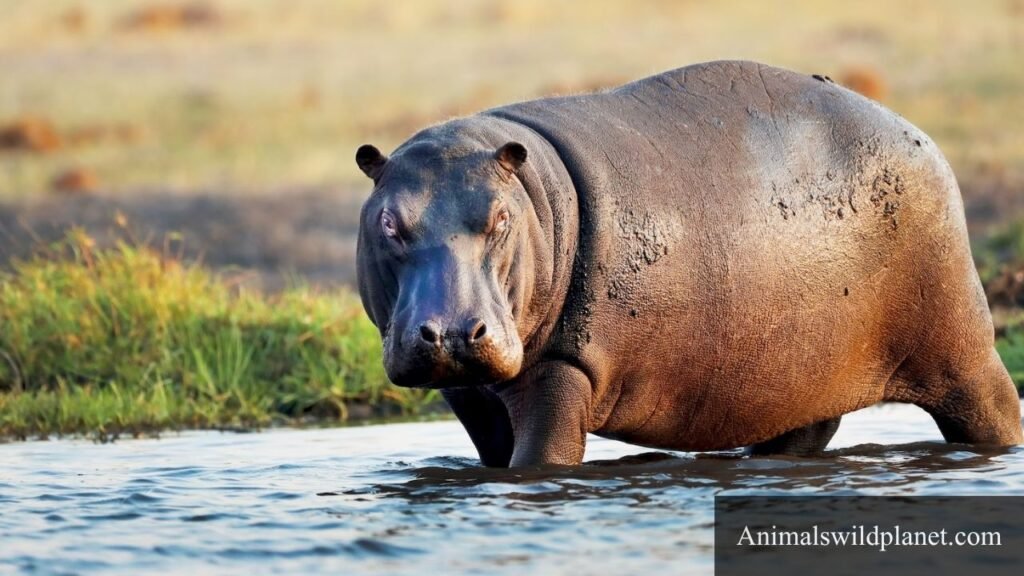
Interestingly, hippos have a unique social structure centered around water bodies. They live in groups called pods, which usually consist of a dominant male, several females, and their young. Spending most of their days submerged, hippos avoid the scorching sun and maintain their sensitive skin. Their evolutionary adaptation of thick skin, which secretes a natural sunscreen-like substance, complements their aquatic lifestyle, demonstrating a remarkable harmony between habitat and biology.
Elephants
Scientific Name for African Elephant: Loxodonta africana
Scientific Name for Asian Elephant: Elephas maximus
Class: Mammalia
Diet: Herbivore
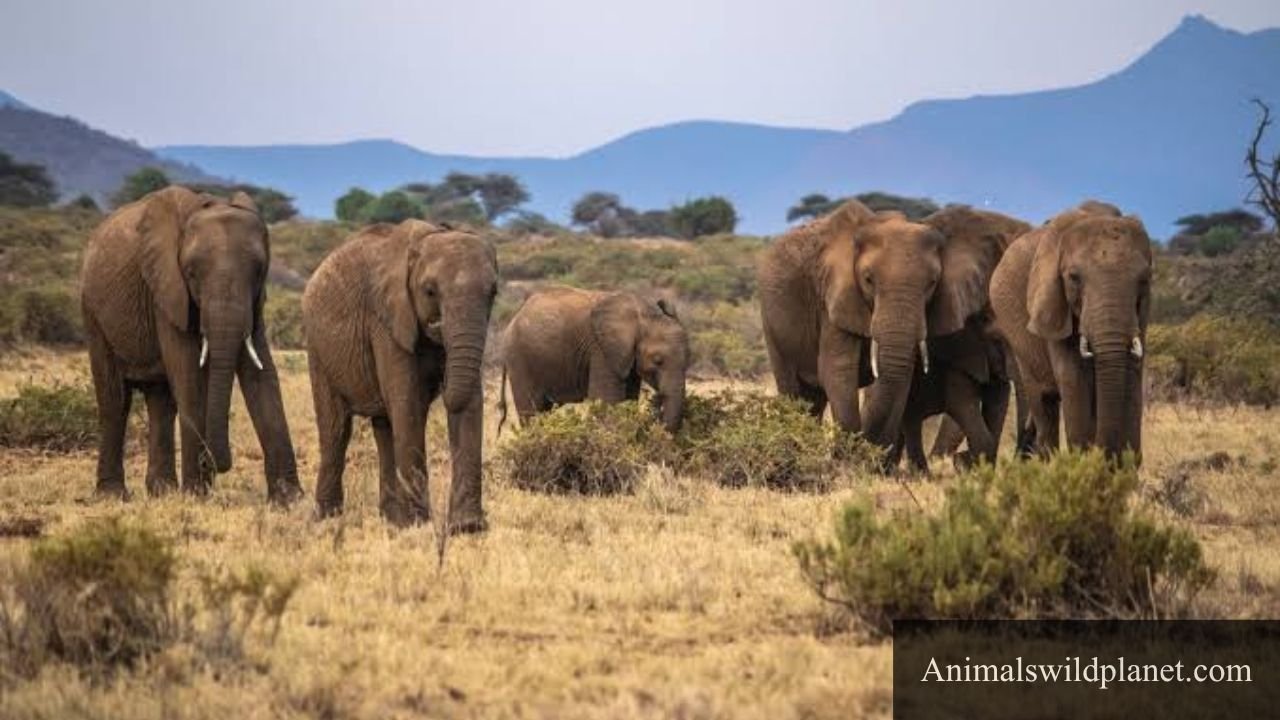
Elephants are remarkable not only for their intelligence and social structures but also for their impressive water consumption. A single adult elephant can drink up to 50 gallons of water in a day, especially during hot days in the savannah. This immense thirst is not just a necessity; it serves as a vital lifeline within their ecosystem. By trampling through dense vegetation and digging waterholes, elephants create resources that benefit countless other species during dry seasons.
Moreover, the act of drinking for elephants is a social activity. They often gather around water sources, using their trunks to spray water not just into their mouths, but also on each other, engaging in mutual bathing and playful splashes. This behavior strengthens bonds within herds and showcases their complex emotional lives. In a world increasingly affected by climate change, elephants’ water needs highlight the delicate balance between wildlife and environmental health, urging us to consider the broader implications of preserving their habitats.
Proboscis Monkey
Scientific Name: Nasalis larvatus
Class: Mammalia
Diet: Omnivore
The proboscis monkey, with its strikingly elongated nose and vibrant orange fur, is not just an eye-catching inhabitant of Borneo’s rainforests; it also has a fascinating hydration strategy. Known for its affinity for water, this primate often seeks out rivers and swampy areas to quench its thirst. Their diet, rich in fruits and leaves, is supplemented by the moisture found in these foods, yet they still rely heavily on water sources to meet their hydration needs — sometimes drinking up to a pint of water daily.
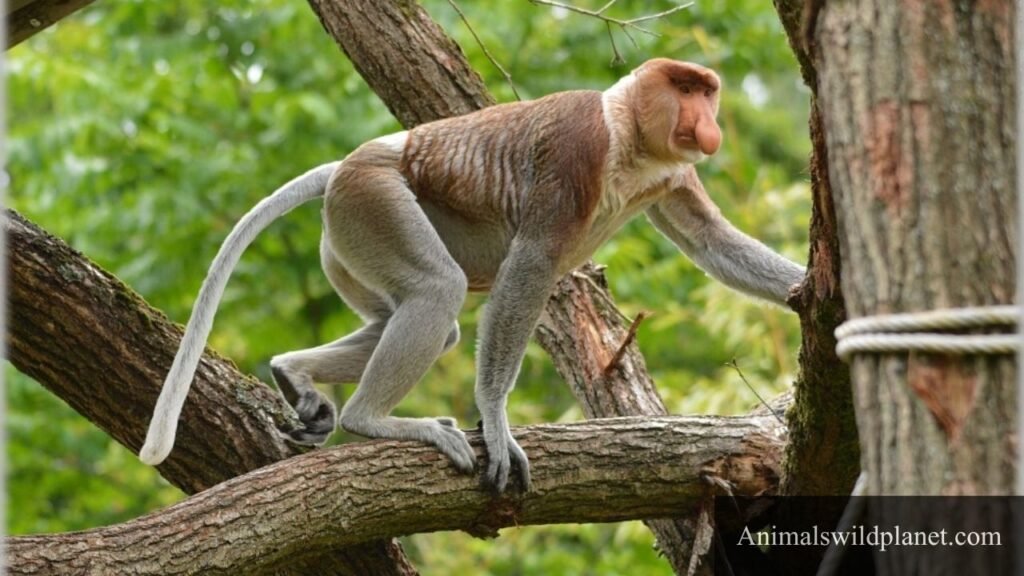
While proboscis monkeys are adept swimmers and can maneuver through rivers with ease, there’s more to their relationship with water than just survival. Their proclivity for aquatic habitats gives them a leg up in evading predators and navigating complex ecosystems. In a world where climate change poses a serious threat to freshwater sources, understanding how these unusual monkeys interact with their environment can shed light on broader ecological shifts. By spotlighting the proboscis monkey’s unique adaptation to their wet habitat, we gain insight into the delicate balance of life in the rainforest and the importance of preserving such biodiverse regions.
Readmore: Explore Top 14 Animals That Eat Coconuts.
Conclusion
The remarkable adaptations of animals that consume large quantities of water showcase the incredible diversity of life on our planet. From the towering giraffes to the resilient camels, these creatures have evolved unique strategies to meet their hydration needs in various environments. Understanding how they balance their water intake not only highlights their survival skills but also reflects the dynamics of their ecosystems. As we learn more about these fascinating species, it becomes clear that water conservation is vital for their continued existence. Let’s commit to preserving their habitats, ensuring that these extraordinary animals thrive for generations to come.
FAQs
What animal drinks a lot of water?
The African elephant is a champion when it comes to water consumption. These massive creatures can drink up to 50 gallons of water in a single day. Their size and high metabolism drive their significant hydration needs, especially in hot climates.
Do frogs drink water?
Yes, frogs do drink water, but not in the way most animals do. Instead of using their mouths to sip, they primarily absorb water through their skin. This process is effective because frogs have permeable skin, allowing them to hydrate quickly when they’re in moist environments.