Top 15 Animals That Eat Cactus (With Pictures)
Did you know that some animals thrive in the harshest deserts by munching on spiky cacti? “Animals That Eat Cactus” dives into the fascinating world of these unexpected herbivores. Understanding their dietary choices not only sheds light on their survival strategies but also reveals the unique adaptations that allow life to persist in such arid environments. Join us as we explore these resilient creatures and their extraordinary relationships with some of nature’s most formidable plants.
List of Animals That Eat Cactus
Below is the list of animals that eat cactus:
| Number of Animals | Names of Animals That Eat Cactus |
| 1 | Prairie Dogs |
| 2 | Camels |
| 3 | Desert Tortoises |
| 4 | Squirrels |
| 5 | Javelinas |
| 6 | Galápagos Tortoise |
| 7 | Desert Cottontail |
| 8 | Pronghorn Antelope |
| 9 | Pack Rats |
| 10 | Bighorn Sheep |
| 11 | Cactus Wren |
| 12 | Kangaroo Rats |
| 13 | Mule Deer |
| 14 | Desert Iguana |
| 15 | Black-tailed Jackrabbit |
Prairie Dogs
Scientific Name: Cynomys ludovicianus
Class: Mammalia
Prairie dogs, often celebrated for their charming social structures, reveal a surprising culinary twist in their diet — cactus. These small, burrowing rodents have adapted impressively to their arid environments, exploiting the prickly pear cactus as a vital food source. Their unique ability to consume this spiny plant showcases not just their dietary versatility, but also their resilience in the face of challenging habitats.
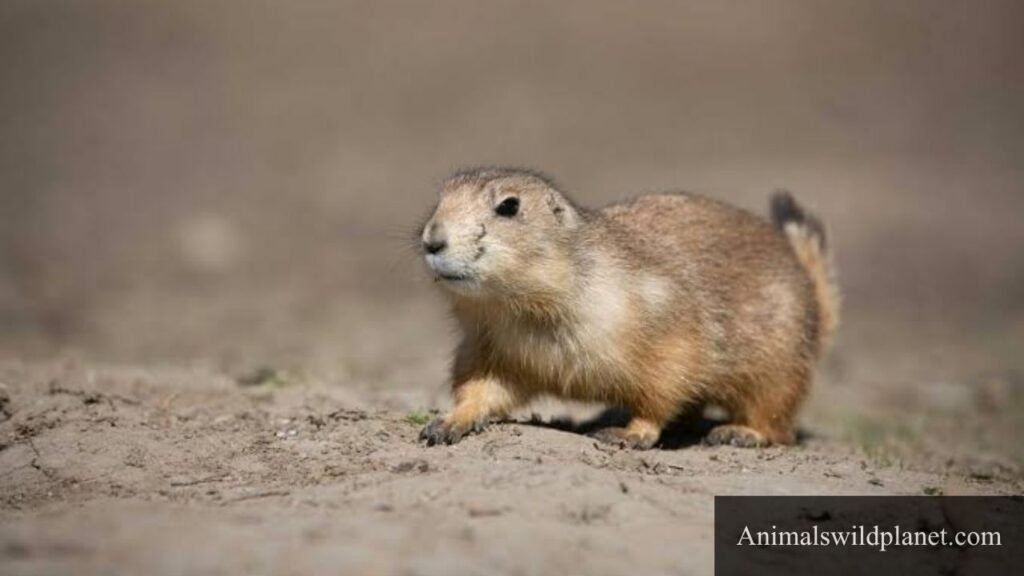
What’s truly fascinating is how prairie dogs have developed strategies to mitigate the cactus’s sharp defenses. With their strong teeth, they skillfully remove spines before munching on the succulent tissue. This not only highlights their ingenuity but also illustrates their role in the ecosystem — keeping cactus populations in check while benefiting from the hydration and nutrients it offers. Observing a prairie dog gnawing on a cactus is a perfect reminder of nature’s clever adaptations, fueling both survival and a rich tapestry of interdependence in the grassland ecosystem.
Camels
Scientific Name for Dromedary Camel: Camelus dromedarius
Scientific Name for Bactrian Camel: Camelus bactrianus
Class: Mammalia
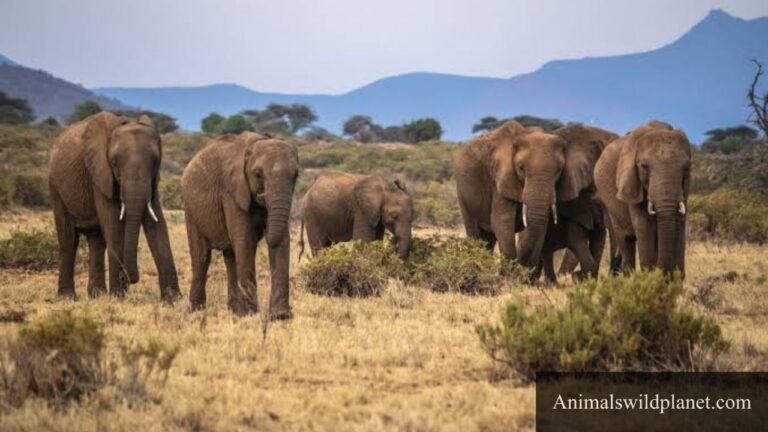
Camels, often dubbed the “ships of the desert,” have a remarkable ability to thrive in arid terrains where food sources are scarce. Among their more unconventional dietary choices is the cactus, a plant that most animals would avoid due to its sharp spines. However, camels possess a unique adaptation: their tough mouths and lips allow them to consume these prickly plants without harm. This ability not only showcases their resilience but also illustrates an incredible example of evolution, enabling them to exploit resources others cannot.
Feasting on cacti provides camels not only with nourishment but also with hydration. The moisture stored within the fleshy pads of cacti helps sustain them through long periods without water, a critical survival mechanism in harsh desert environments. Observations have shown that camels typically select particular species of cactus, showcasing a discerning palate. Their preferred varieties often yield greater nutritional benefits, revealing that even in the wild, animals exhibit a surprising degree of dietary intelligence.
This interaction underscores the intricate web of life in desert ecosystems, where each species plays a vital role in sustaining the other. As camels munch on cacti, they also contribute to seed dispersal, aiding in the propagation of these hardy plants. This symbiotic relationship not only fosters biodiversity but also exemplifies the delicate balance in nature — a reminder that even the most seemingly inhospitable environments can support complex interactions and adaptations.
Desert Tortoises
Scientific Name: Gopherus agassizii
Class: Reptilia
Desert tortoises are fascinating creatures that have creatively adapted to their harsh arid environment, making them one of the few animals that can thrive on a diet that includes cactus. Their ability to consume these prickly plants not only showcases their remarkable survival skills but also plays an essential role in the desert ecosystem. With their strong, beak-like jaws, they can gnaw through dense fleshy pads and even the spines of certain cacti, turning a seemingly inhospitable food source into a vital nutrient supply during dry seasons.
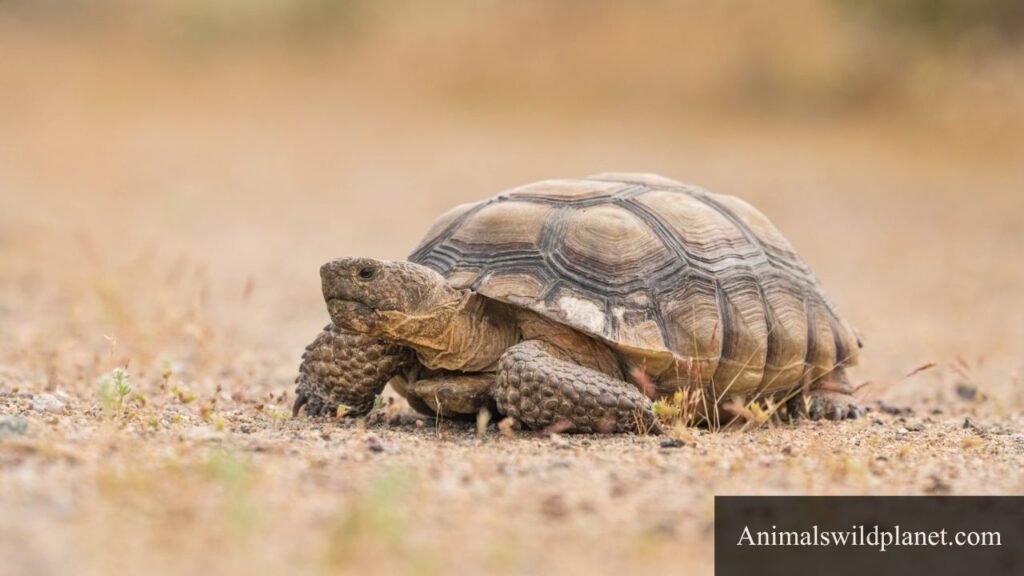
Interestingly, desert tortoises have evolved physiological traits that help them process this challenging diet more efficiently. Their digestive systems contain specialized bacteria that assist in breaking down the tough fibers found in cactus, allowing them to extract maximum hydration and nutrients. This symbiotic relationship not only sustains the tortoise but also helps control cactus populations, maintaining a balance in their ecosystem. The moisture-rich pads of cacti serve as a critical hydration source, which is particularly crucial during prolonged periods without rainfall.
Observing these tortoises munching on cacti also offers a mesmerizing glimpse into the intricate food webs of desert life. Each tortoise becomes a tiny eco-engineer, distributing seeds as they traverse the arid land, promoting further growth of cacti and other plants. This interaction emphasizes the significance of even the smallest desert dwellers in maintaining the delicate balance of their environment, reminding us that every creature, no matter how small, plays a vital role in the grand tapestry of nature.
Readmore: Explore Top 14 Animals That Eat Coconuts.
Squirrels
Scientific Name: Sciuridae
Class: Mammalia
Squirrels, often associated with acorns and tree nuts, exhibit surprising adaptability when it comes to their diets, particularly in arid regions where cacti thrive. With sharp teeth and dexterous paws, these nimble foragers instinctively navigate the prickly terrain, munching on the succulent flesh of cacti, especially during dry spells when food is scarce. Not only do they consume the juicy pads and fruits, but they also benefit from the moisture-rich sustenance, allowing them to stay hydrated in the desert heat.
Moreover, this unconventional food choice showcases the squirrels’ remarkable intelligence and problem-solving abilities. They’ve been observed using their strong hind legs to pry open spines or even leaping to access the less prickly parts of a cactus. In their quest for nourishment, these clever creatures play a vital role in the cactus’s reproductive cycle, as they help disperse seeds far and wide, fostering new growth.
Javelinas
Scientific Name: Pecari tajacu
Class: Mammalia
Javelinas, often mistaken for pigs due to their similar appearance, have developed a fascinating relationship with cacti in their arid habitats. These clever creatures, members of the peccary family, thrive in desert landscapes where cacti are not just a food source but a vital part of their survival toolkit. Their robust teeth and strong jaws are perfectly adapted for munching through thick spines, allowing them to feast on prickly pear pads and fruit that many other animals shy away from.
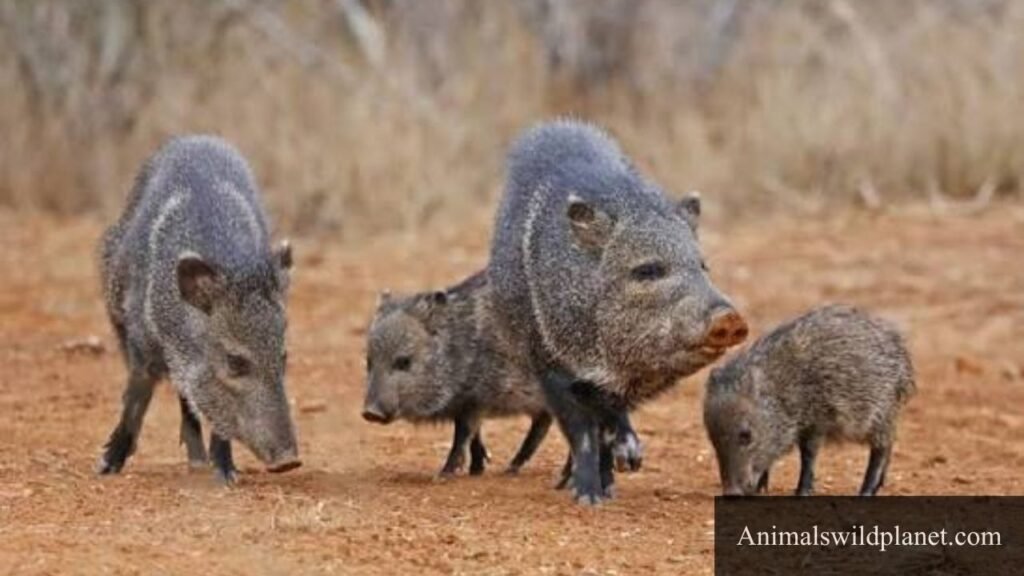
What’s particularly intriguing is how javelinas impact the ecosystem through their grazing habits. As they consume cactus, they inadvertently promote new growth by helping disperse seeds in their droppings. This behavior not only benefits the javelinas by providing sustenance but also fosters a healthy balance in their environment, allowing both cactus populations and other flora to flourish.
Galápagos Tortoise
Scientific Name: Chelonoidis niger
Class: Reptilia
The Galápagos tortoise, a remarkable symbol of evolution, has adapted to thrive in the arid landscapes of its namesake archipelago. Among its fascinating dietary choices, cactus stands out as a particularly vital food source. These tortoises possess strong, beak-like mouths perfectly designed for tearing through the tough skin and spiny exterior of cacti, reaching the succulent moisture within. This adaptation not only highlights their robust feeding strategy but also showcases their role as keystone herbivores, shaping the island’s ecosystem.
Beyond mere sustenance, the Galápagos tortoise’s consumption of cactus has intriguing implications for plant regeneration. By eating and dispersing the seeds found in cactus fruits, these giants contribute to the propagation of various cactus species across the volcanic terrain. In an environment where water is scarce and competition is fierce, the tortoise’s ability to access and utilize this prickly resource underscores a profound interconnectedness within the Galápagos ecosystem, reminding us of nature’s intricate balance.
Desert Cottontail
Scientific Name: Sylvilagus audubonii
Class: Mammalia
The Desert Cottontail, a resilient small mammal, has adapted remarkably to its arid habitat by incorporating cactus into its diet. While many animals avoid the spiny plants, this resourceful rabbit displays a unique culinary audacity, nibbling on the tender pads of prickly pear and even sampling the fruit. This food source not only provides hydration but also vital nutrients during the harshest desert droughts.
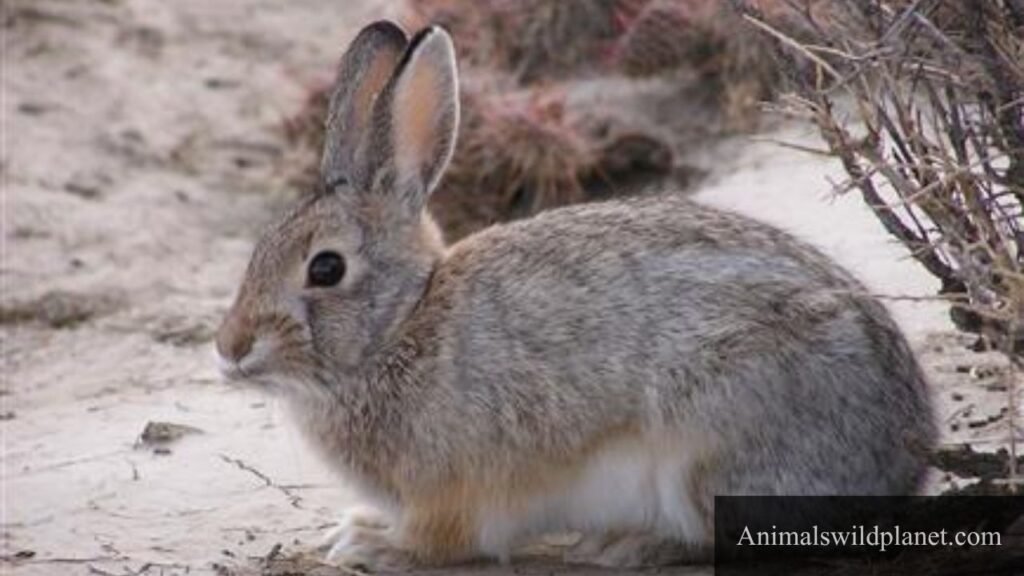
What’s truly fascinating is the Cottontail’s selective eating habits. It skillfully avoids the spines by choosing softer areas or munching during cooler hours when the cactus is less likely to be tough and prickly. By doing so, it plays an important role in seed dispersal, as some of the seeds from the cactus fruits pass through its digestive system unharmed, giving rise to new plants and ensuring the survival of these remarkable succulents in the desert ecosystem.
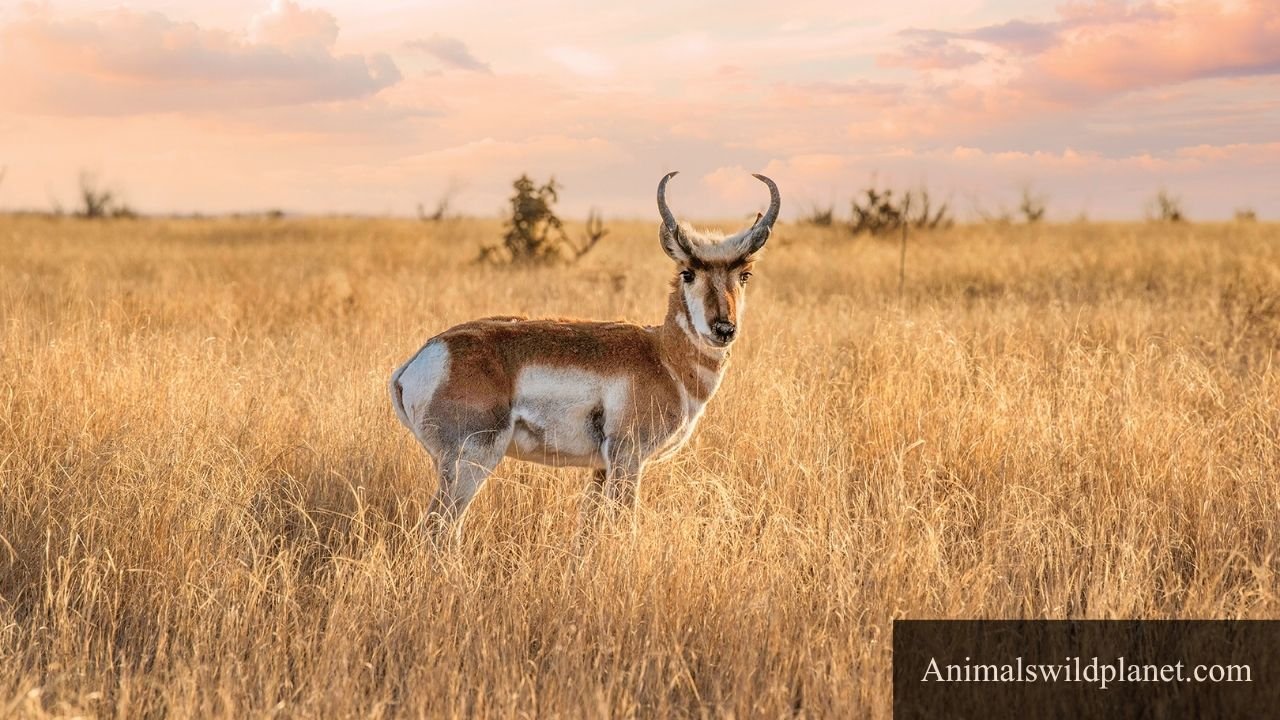
Pronghorn Antelope
Scientific Name: Antilocapra americana
Class: Mammalia
Pronghorn antelopes possess a remarkable adaptation that sets them apart in the arid landscapes of North America: their ability to consume cactus. This unique dietary choice not only helps them survive in harsh desert environments but also showcases their resilience and resourcefulness. With the arid habitats they roam, pronghorns have developed specialized behaviors and physiological adaptations to tackle the sharp spines of cacti. They skillfully maneuver the spines, using their tough mouths to access the succulent flesh beneath, turning a seemingly inhospitable source of nutrition into a vital food supply.
Interestingly, pronghorns are not merely surviving; they thrive on this prickly diet. Cactus consumption provides them with essential moisture and nutrients required for their high-energy lifestyle. This adaptation allows pronghorns to outcompete other herbivores in these environments, showcasing nature’s clever design where necessity drives innovation.
Pack Rats
Scientific Name: Neotoma
Class: Mammalia
Pack rats, or wood rats, have carved out a niche as masterful foragers in arid environments, showcasing an astonishing adaptability. These cunning little creatures not only consume cactus but also have developed a unique dietary strategy to thrive in harsh climates. Their ability to gnaw through spiny exteriors reveals a remarkable resilience; they efficiently extract moisture and nutrients crucial for survival in desert habitats where resources are sparse.
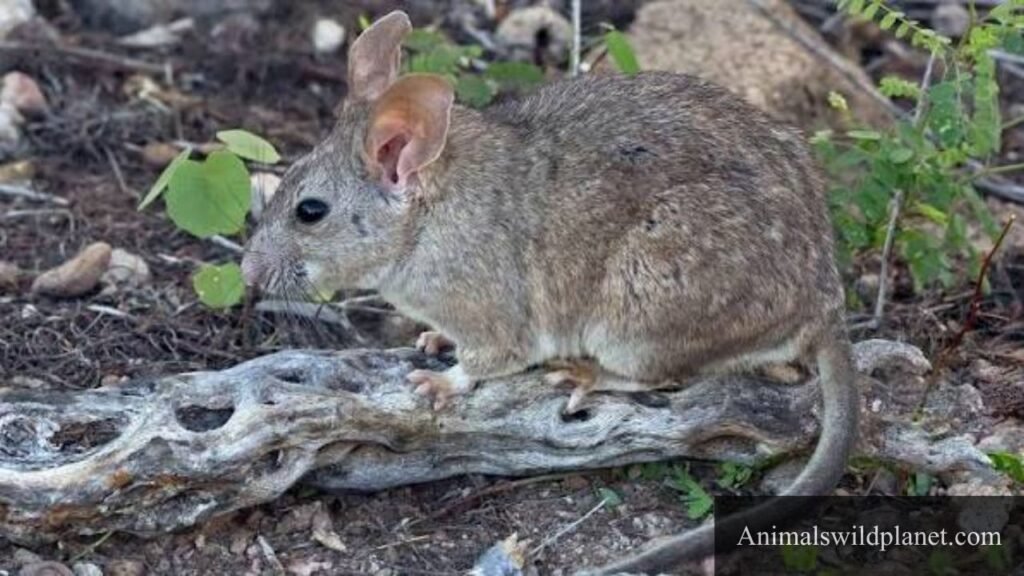
Moreover, pack rats possess an uncanny ability to choose the right species of cactus, often opting for those with higher water content and nutritional value. This selective feeding enhances their survival odds during droughts, showcasing their intelligence in resource management. In essence, pack rats are not just mere survivors; they are dynamic participants in their ecosystem, blending ingenuity with an instinct for conservation in the often unforgiving desert landscape.
Bighorn Sheep
Scientific Name: Ovis canadensis
Class: Mammalia
Bighorn sheep are remarkable creatures, adept at navigating the harsh environments of North America’s mountainous and desert regions. One of their lesser-known dietary adaptations is their affinity for cactus. During the arid summer months, when water is scarce and grasses are sparse, these resilient herbivores turn to the prickly pads of cacti to quench their thirst and meet their nutritional needs. Their specialized grazing habits allow them to consume various cactus species, including the formidable saguaro and prickly pear, which are rich in moisture and vital nutrients.
Equipped with tough, rubbery mouths, bighorn sheep can deftly nibble on cactus without falling prey to the painful spines. This unique adaptation not only showcases their resourcefulness but also highlights the intricate relationships within their ecosystem. As bighorn sheep munch on cactus, they inadvertently help disperse the plant’s seeds, contributing to the regeneration of their environment.
Cactus Wren
Scientific Name: Campylorhynchus brunneicapillus
Class: Aves
The Cactus Wren, a remarkable raptor of the arid Southwest, has adapted uniquely to its desert surroundings, where the prickly cactus is not just a backdrop but a vital resource. This feisty bird skillfully navigates the spines of various cactus species, primarily the saguaro and cholla, to find nourishment. Its diet often includes cactus fruits, seeds, and even insects that can be found hiding in these plants. This foraging behavior not only showcases the bird’s resilience but also highlights its role in the ecosystem, as it helps germinate seeds and pollinate flowers.
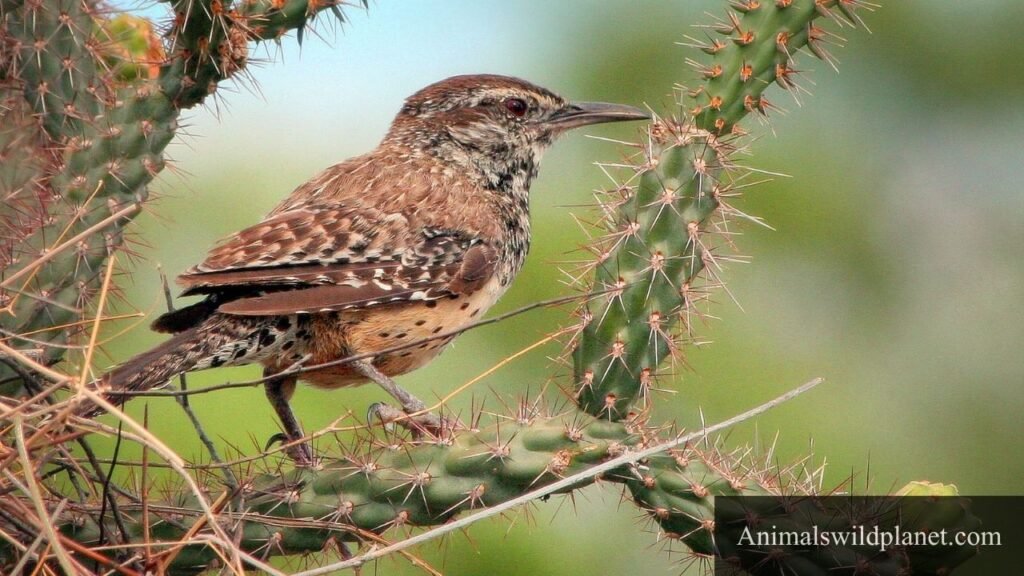
Cactus Wrens are more than just opportunistic foragers; they are also master architects, using the cactus itself to create their intricate nests. These nests, often positioned in the protective embrace of spines, serve as both a home and a fortress against potential predators. The symbiosis between the cactus and the wren illustrates a fascinating interplay of survival tactics in challenging environments. By embracing this prickly plant as both habitat and food source, the Cactus Wren reveals the incredible adaptability of wildlife in the harsh yet beautiful desert landscape.
Kangaroo Rats
Scientific Name: Dipodomys
Class: Mammalia
Kangaroo rats are remarkable creatures that have adapted remarkably well to their arid environments, turning the harsh conditions of the desert into a veritable buffet of sustenance. Among their unconventional food sources are cacti, which may seem unapproachable due to their spines, but these agile rodents have developed ingenious methods for consumption. By carefully selecting the softer, fleshy pads or fruits of the cactus, they can access the moisture and nutrients contained within, which is vital for survival in the stark desert.
What sets kangaroo rats apart is not just their diet but their foraging strategy. These nocturnal foragers employ a combination of keen sensory perception and impressive hopping abilities to navigate the rugged terrain. Their unique digestive system also plays a crucial role; it allows them to extract nearly every bit of moisture from their food, minimizing their need for direct water sources. This specialization enables kangaroo rats to thrive where many other animals would struggle, showcasing the incredible adaptability of life in extreme conditions.
Mule Deer
Scientific Name: Odocoileus hemionus
Class: Mammalia
Mule deer have adapted in remarkable ways to thrive in arid environments, and their appetite for cactus showcases their resourcefulness. These herbivores have evolved specialized behaviors and digestive systems that allow them to consume prickly plants without suffering from the spines that deter many other animals. Their strong, mobile lips can delicately maneuver around the fierce spines of the cactus, proving that sheer determination and evolutionary tweaks can be pivotal for survival.

Moreover, munching on cactus provides mule deer with essential hydration and nutrients that are scarce in their dry habitats. The moisture stored within the fleshy pads is a vital resource, particularly during scorching summers when water sources are limited. The rich fiber content helps in digestion and supports their energy needs, making cactus not just a food source, but a lifeline in the rugged landscapes they inhabit.
Desert Iguana
Scientific Name: Dipsosaurus dorsalis
Class: Reptilia
The desert iguana, a true survivor of arid landscapes, has adapted to thrive in harsh environments where most plants stand defenseless against the sweltering sun. Among its fascinating dietary choices, the cactus plays a starring role. These reptiles possess specialized digestive systems that allow them to convert the tough, spiny flesh of cacti into vital nutrients. Surprisingly, the saguaro cactus, with its thick, juicy pads, becomes a veritable buffet during the sweltering summer months, providing hydration and sustenance in one delectable package.
What sets the desert iguana apart is not just its ability to consume cactus, but the finesse with which it does so. Equipped with a keen sense of taste, these iguanas can distinguish between the various species of cacti, opting for those with less spiny armor. Their unique adaptations, such as toughened tongues that can handle prickly pads, allow them to navigate this challenging feast without injury. This harmonious relationship exemplifies the intricate web of life in the desert, where every creature plays a vital role in sustaining the ecosystem, proving that even the most fortified plants have their eaters.
Black-tailed Jackrabbit
Scientific Name: Lepus californicus
Class: Mammalia
The black-tailed jackrabbit, often found in the arid terrains of the southwestern United States and northern Mexico, has a surprising affinity for cactus. With their keen sense of taste and robust digestive systems, these agile creatures can feast on prickly pear and other cacti, skillfully navigating the spine-laden surfaces. Their consumption of cactus is not just a survival tactic; it showcases their remarkable adaptability to harsh desert conditions.
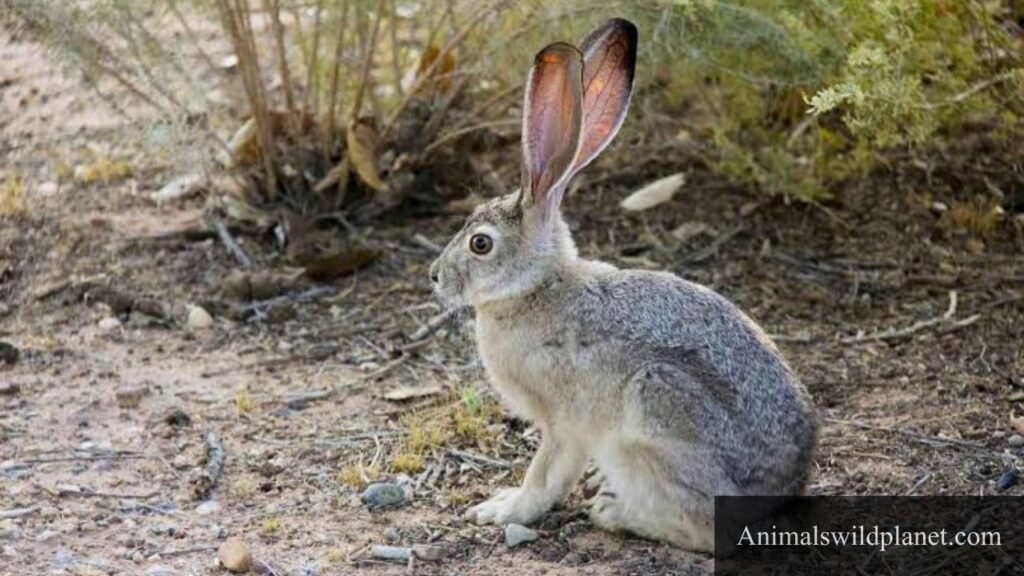
Interestingly, the cambium layer of the cactus — a tender layer just beneath the skin — offers essential hydration and nutrients, making it an invaluable food source. The jackrabbit’s long ears, which can detect even the faintest rustle in the wind, aid in avoiding predators while they munch on this unique delicacy. This relationship between that charming lagomorph and the cactus exemplifies the intricate balance of desert ecosystems, highlighting how even the spiniest plants have their role in supporting wildlife. Furthermore, by consuming these plants, black-tailed jackrabbits also play a role in seed dispersal, contributing to the propagation of cactus species, which in turn, support other desert inhabitants.
Readmore: Explore Top 14 Animals That Eat Squirrels.
Conclusion
The relationship between cactus and its consumers is a fascinating example of nature’s ingenuity. From small rodents to larger herbivores, a variety of animals rely on cacti for nourishment, demonstrating the adaptability required for survival in harsh climates. These interactions play a crucial role in maintaining the balance of their ecosystems, as each species contributes to the overall health of their environment.
As we deepen our understanding of these animals and their unique diets, we must also recognize the threats they face from habitat destruction and climate change. Together, we can work towards a future that ensures the survival of both the cactus and the animals that depend on it.
FAQs
What eats cactus?
Several animals, including rabbits, rodents, and tortoises, munch on cactus pads and fruits. These creatures benefit from the moisture and nutrients found in the cactus, especially during dry seasons.
What rodents eat cactus?
Several rodents are known to munch on cacti, with the most notable being the pack rat and the cactus mouse. These critters have adapted to the harsh desert environment and have developed a taste for the moisture-rich pads and fruits of various cactus species. Their diets often include the prickly pear and saguaro cactus, which offer not only nutrients but also a source of hydration. Other rodents, such as certain species of ground squirrels, may also nibble on cacti, especially when food sources are scarce. They consume the softer parts, avoiding the spines when possible.