Top 15 Animals That Eat Corn (Pictures Included)
In this article, we delve into the fascinating world of animals that eat corn, exploring their unusual diets and behaviors. Understanding these creatures can deepen our appreciation for biodiversity and the role corn plays in various ecosystems. By the end, you’ll gain insights into which animals enjoy corn and how this impacts agriculture and wildlife interaction.
List of Animals That Eat Corn
Below is the list of animals that eat corn:
- Goats
- Deer Mouse
- Chickens
- Chipmunks
- American Crow
- Pigs
- Buffalo
- Black Rat
- Horses
- Squirrel
- Common Raven
- Cows
- Guinea pigs
- Deer
- Rabbit
Goats
Scientific Name: Capra hircus
Class: Mammalia
Diet: Herbivore
Goats are often celebrated for their diverse palate, and corn is a favorite treat among these curious creatures. Their ability to digest tougher plant matter allows them to thrive on a varied diet, but corn brings out a different side of their foraging instincts. When presented with corn, whether on the cob or as kernels, goats exhibit a playful enthusiasm, eagerly nibbling and munching as if it’s a gourmet meal.
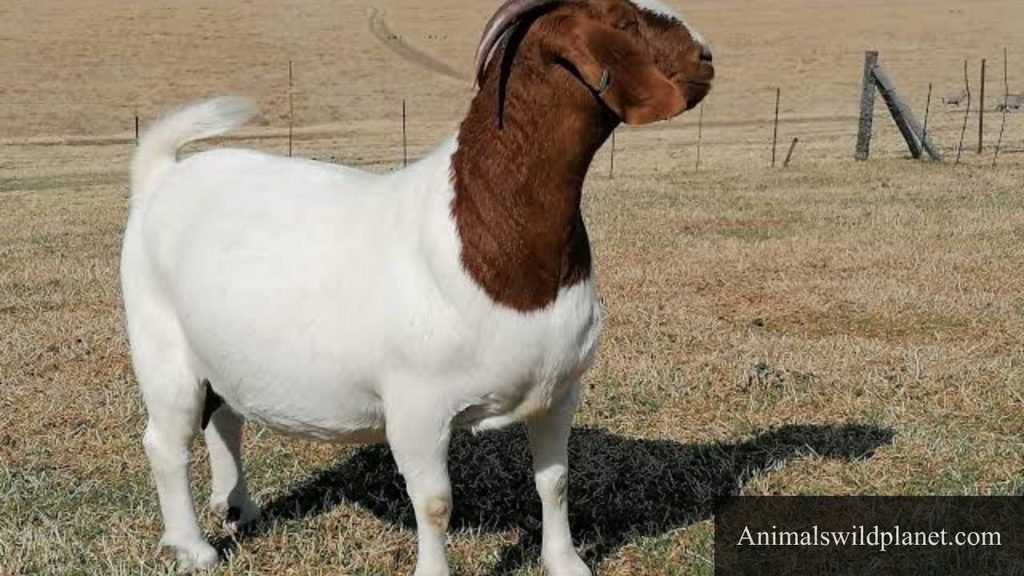
Feeding goats corn in moderation can provide them with essential energy, especially during colder months or periods of high activity. However, it’s crucial to balance their diet; too much corn can lead to digestive issues. Observing goats engaged in a corn feast offers a unique insight into their personalities — each goat develops preferences, and some may even playfully jostle for the best bits. This comical yet competitive behavior highlights their intelligence and social nature, reminding us that feeding time is as much about nourishment as it is about interaction.
Deer Mouse
Scientific Name: Peromyscus maniculatus
Class: Mammalia
Diet: Omnivore
The deer mouse, often found in brushy areas and forests across North America, has a surprisingly diverse diet that includes corn. This tiny creature, with its large ears and delicate features, is an opportunistic forager, making it adept at scavenging for food wherever it can find it. When corn is available, especially during harvest time or in agricultural settings, these agile mice will readily feast on the kernels, viewing it as a nutritional boon packed with carbohydrates.
The deer mouse’s consumption of corn has ecological implications. By feeding on this staple crop, they inadvertently play a role in seed dispersion, as leftover kernels can sprout in new locations, potentially giving rise to new plant life. This behavior highlights a fascinating aspect of their adaptability; while they are often seen as pests in agricultural fields, they contribute to the ecosystem’s overall resilience. Observing deer mice in their natural settings not only showcases their role in the food web but also prompts reflection on the interconnectedness of species and their environments.
Chickens
Scientific Name: Gallus gallus domesticus
Class: Aves
Diet: Omnivore
Chickens are more than just a common farm animal; their relationship with corn reveals fascinating insights into their diets and behavior. While chickens can thrive on a variety of grains and plants, corn stands out as a preferred choice, primarily due to its high carbohydrate content. This makes it an excellent energy source, especially for laying hens and broilers, who require additional fuel for egg production and growth. Observing chickens pecking at corn scattered on the ground, it’s evident that their foraging instincts come alive — this not only nourishes them but also stimulates their natural behavior.
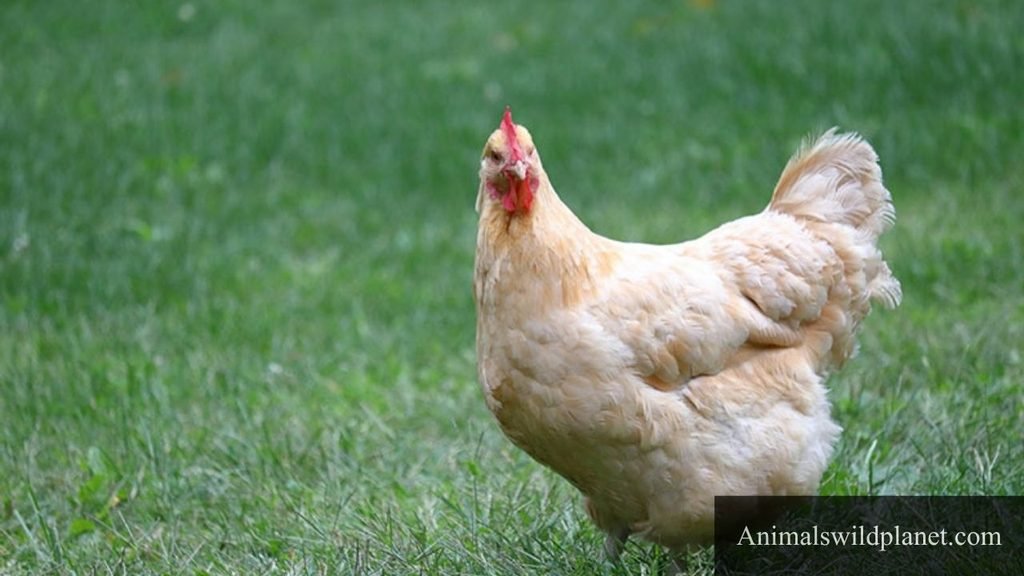
The type of corn can also influence their health and productivity. Yellow corn, known for its high carotenoid content, can enhance the richness of egg yolks, making them more appealing to consumers. Feeding chickens whole corn versus ground corn encourages natural pecking behaviors and extends feeding time, which can benefit their mental well-being. Beyond nourishment, corn plays a crucial role in chicken social structures; sharing corn becomes a communal activity, fostering interactions that strengthen flock dynamics. All these factors illuminate the complexities of chicken diets and prompt us to appreciate how such simple grains can enrich their lives and livelihoods.
Readmore: Explore Top 15 Animals That Eat Cactus.
Chipmunks
Scientific Name: Tamias
Class: Mammalia
Diet: Omnivore
Chipmunks are often perceived as cute, harmless creatures flitting about in backyards, but their love for corn reveals a more industrious side. These small, striped rodents are opportunistic feeders, and corn kernels are a staple that adds not just to their diet but also to their foraging strategy. When summer ripens, chipmunks scurry about, methodically collecting corn from gardens, fields, or even bird feeders, storing the prized kernels in their cheek pouches for the winter months.
Beyond merely munching on corn, these agile little creatures employ an impressive method of food caching. They dig small burrows and create an elaborate network of underground chambers to secure their reserves, enhancing their survival chances during colder months when food is scarce. This behavior reflects their adaptability and cleverness, showcasing how even the smallest animals can employ strategic thinking to thrive in changing environments. Watching chipmunks in action not only highlights their fondness for corn but also provides insight into the intricate dance of life in which food sources dictate behaviors and survival strategies.
American Crow
Scientific Name: Corvus brachyrhynchos
Class: Aves
Diet: Omnivore
The American crow, a highly adaptable bird found across North America, showcases a remarkable affinity for corn as part of its diet. Often seen foraging in agricultural fields, these intelligent creatures are quick to exploit any available food source. Crows display impressive problem-solving skills, often using tools to access hard-to-reach kernels. This ability not only highlights their intelligence but also establishes them as key players in the ecosystem, helping to manage pest populations in cornfields.
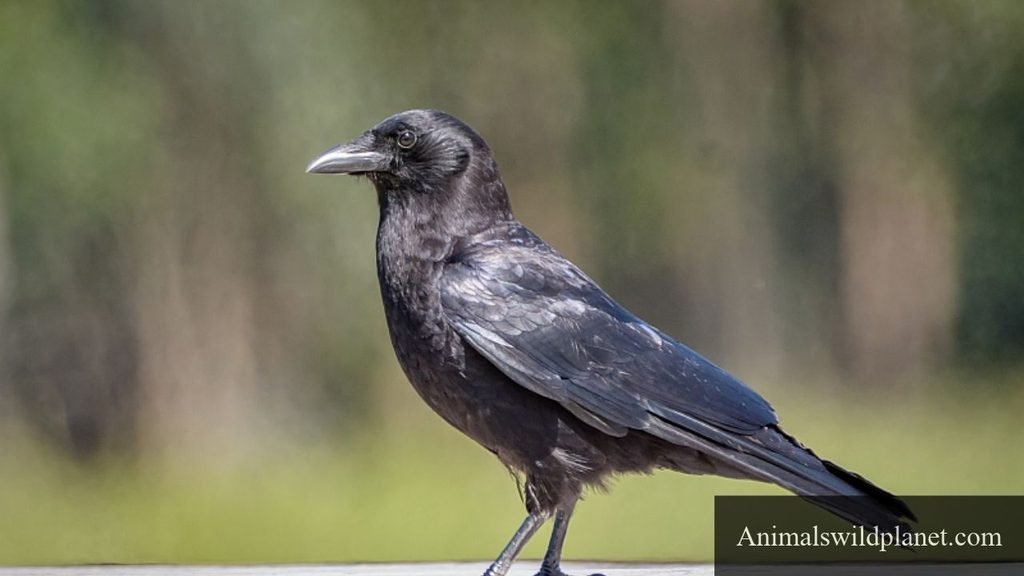
What’s fascinating is the social behavior surrounding their feeding habits. American crows often gather in groups, employing a strategy called mobbing to protect their food from potential threats. This teamwork reflects their complex social structures and communication skills. It’s not just about survival; it’s about community. In the fall, when corn is ripe for harvest, these birds become an integral part of the landscape, reminding us that feeding habits in the wild often serve a deeper ecological purpose. In their relentless pursuit of corn, crows also contribute to seed dispersal and soil aeration, underscoring their vital role beyond mere scavengers.
Pigs
Scientific Name: Sus domesticus
Class: Mammalia
Diet: Omnivore
Pigs are notorious for their versatile diets, and corn often takes center stage in their meals. Rich in carbohydrates, corn serves as an excellent energy source, helping these intelligent animals thrive in various environments. Beyond mere sustenance, the consumption of corn also highlights a fascinating aspect of pig behavior: their ability to forage and select food. When given the option, pigs will often sift through their feed, displaying a preference for sweet, juicy kernels, which indicates a natural instinct for seeking out high-energy food sources.
The nutritional benefits of corn extend beyond just energy. Its high levels of antioxidants, vitamins, and minerals play a pivotal role in supporting the overall health of pigs. Farmers often enhance pig diets by incorporating corn-based feeds that are tailored to specific growth stages and health requirements. As a result, the synergy between pigs and corn not only boosts farm productivity but also fosters a deeper connection between animal husbandry and sustainable agriculture. This relationship echoes a broader theme in farming: the careful balance between animal welfare and crop cultivation, inviting us to reconsider how food systems can harmoniously coexist.
Buffalo
Scientific Name: Bison bison
Class: Mammalia
Diet: Herbivore
Buffalo, often revered for their sheer strength and endurance, have a surprising affinity for corn, which is a staple in many agricultural regions. These magnificent creatures enjoy not just the sweet kernels but also benefit from the high-energy content corn provides. In fact, the addition of corn to their diet can enhance their weight gain and overall health, making it an invaluable resource for ranchers looking to optimize their herds.
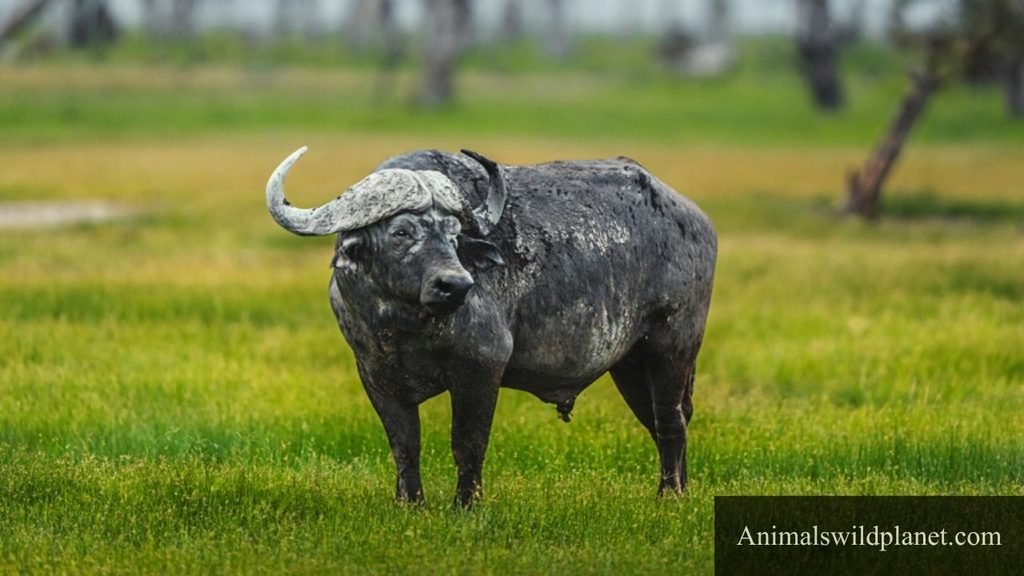
Interestingly, buffalo’s ability to digest corn differs from that of cattle. Their robust digestive systems are finely tuned to process fibrous plants in their natural grassland habitats, but when supplemented with corn, they highlight the adaptability of these majestic animals. This dietary flexibility is a fascinating aspect of buffalo biology, revealing their resilience and capacity to thrive in varied environments. Moreover, this affinity for corn can play a significant role in sustainable farming practices when integrated thoughtfully into their feeding regimens, promoting healthier livestock while reducing wastage on farms.
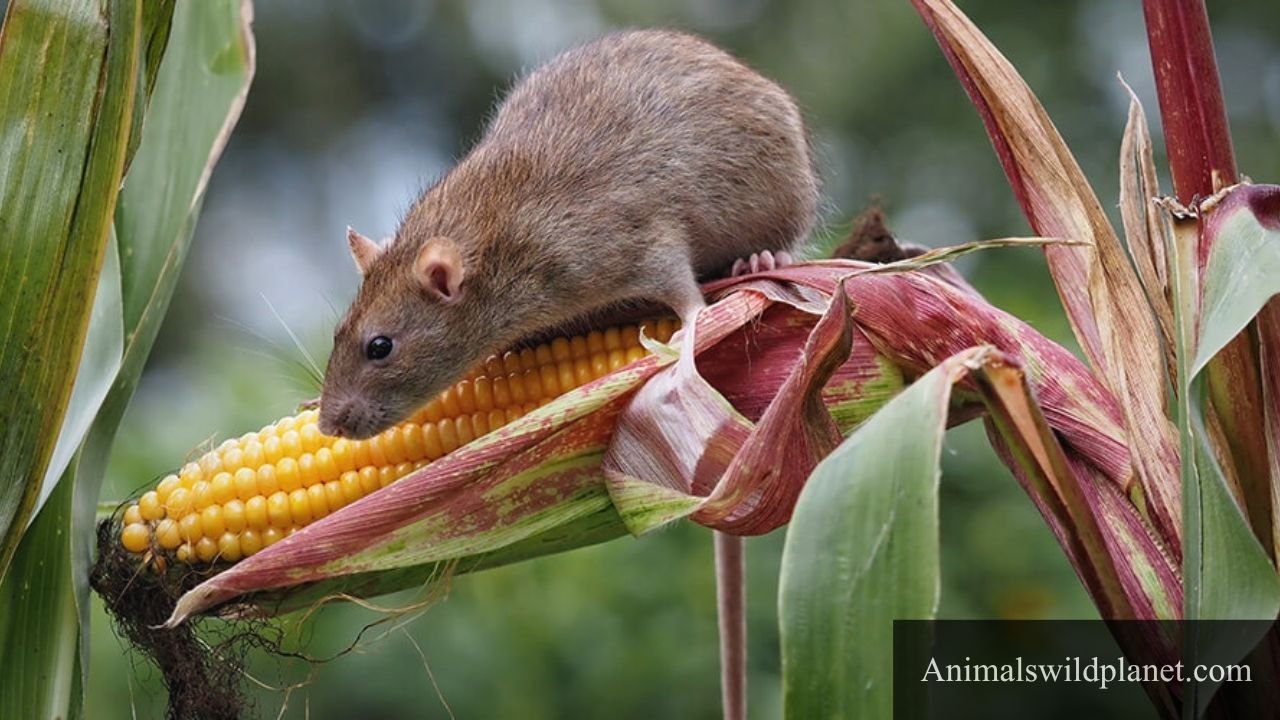
Black Rat
Scientific Name: Rattus rattus
Class: Mammalia
Diet: Omnivore
The black rat plays an intriguing role in the ecosystem of cornfields. Loving the sweet, starchy kernels, these nimble rodents can adapt to various habitats, making them a common sight in rural areas where corn thrives. While they might seem like mere nuisances to farmers, their foraging habits can inadvertently boost biodiversity. By burrowing through fields, black rats aerate the soil, which can enhance the growth of both corn and surrounding plants.
Their eating habits go beyond mere sustenance; they act as important players in seed dispersal. As black rats nibble on corn, they inadvertently scatter seeds, facilitating the growth of new plants, which can contribute to healthy crop rotation and resilience in the ecosystem. In environments where corn is plentiful, these agile creatures also become prey for larger animals, thereby weaving themselves into the intricate web of life that sustains the agricultural landscape. Embracing the black rat’s presence may lead to a deeper appreciation of the interconnectedness of species within our cornfields.
Horses
Scientific Name: Equus caballus
Class: Mammalia
Diet: Herbivore
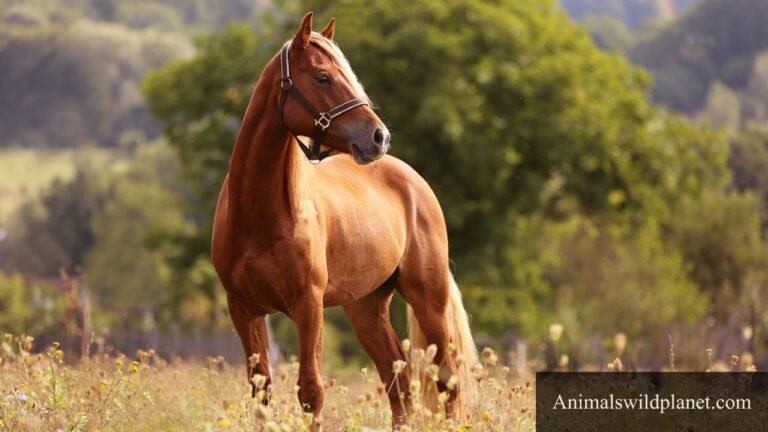
Horses are often associated with lush pastures and grasslands, but they also have a diverse diet that includes grains like corn. While their primary sustenance comes from forage, many horse owners incorporate corn into their diets for its high-energy content. This is particularly beneficial for performance horses that require extra fuel for rigorous training or competition. Corn is also rich in vitamins B and E, contributing to overall vitality and health, which is essential for these majestic animals.
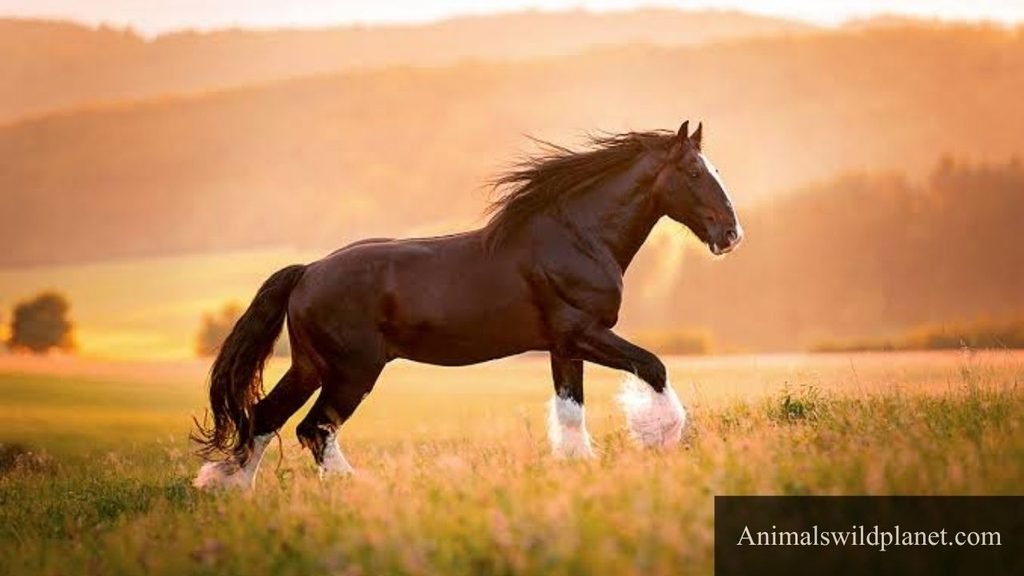
However, it’s crucial to introduce corn gradually to a horse’s diet, as sudden changes can upset their digestive system. Whole corn kernels can be tough for horses to digest, so many owners opt for processed forms, such as cracked corn or high-quality pellets. Interestingly, while corn can be a great energy booster, balance is key — too much can lead to obesity or metabolic issues. The versatility of corn allows it to be combined with other grains, offering a custom diet that meets the unique needs of each horse. Understanding these nuances in equine nutrition not only enhances a horse’s performance but also enriches their overall health, proving once again that thoughtful dietary choices are essential in equine care.
Squirrel
Scientific Name: Sciuridae
Class: Mammalia
Diet: Omnivore
Squirrels are notorious for their affinity for corn, often seen munching on cobs in gardens or cornfields. Their dexterous paws and sharp incisors allow them to easily gnaw through tough husks, revealing the tender kernels beneath. This delightful spectacle is not just a feeding habit but also a strategic adaptation; corn is calorie-dense, providing squirrels with the energy they need for their energetic lifestyle.
These little foragers play a vital role in their ecosystems. As they hoard corn for winter, some kernels inevitably get buried and forgotten, leading to new corn plants sprouting the following season. This behavior not only demonstrates their resourcefulness but also contributes to the cyclical nature of growth in their habitat. Watching a squirrel at work is a reminder of the intricate interdependencies among species and the surprising ways they sustain their environments.
Common Raven
Scientific Name: Corvus corax
Class: Aves
Diet: Omnivore
The common raven, often regarded as an enigmatic bird with a remarkable intellect, shares a surprising affinity for corn. While their diet typically encompasses a wide range of foods, including insects, small mammals, and carrion, corn offers an easy, rewarding energy source, especially during harvest season. Their adaptability allows them to thrive in diverse environments, from rural farmlands to urban landscapes, making corn a frequent find in their foraging routines.
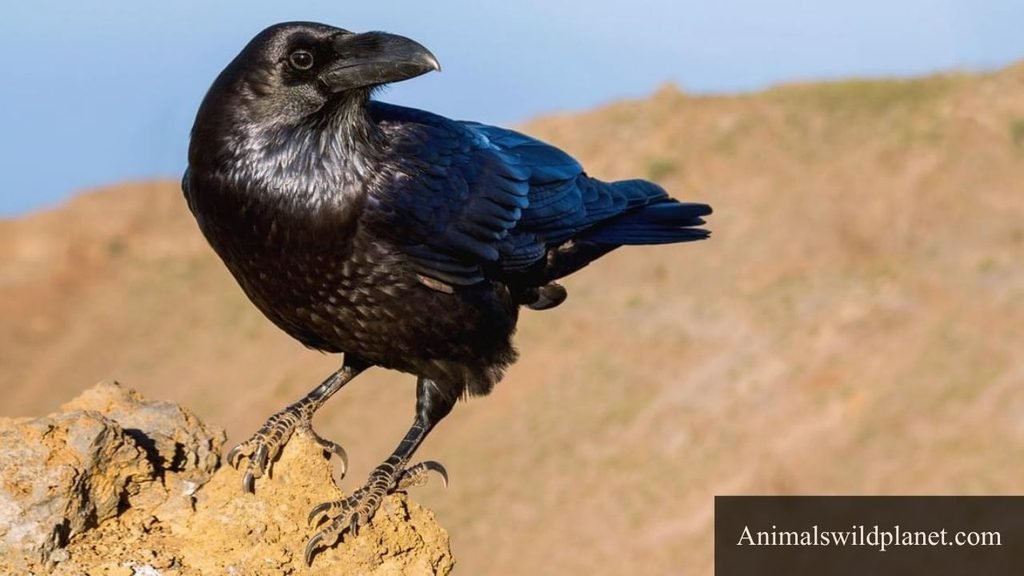
Not only do ravens feed on corn, but their clever foraging strategies showcase their problem-solving skills. They might cleverly exploit agricultural practices, learning where to find the richest patches of cornfields. Observations reveal their impressive communication skills as they call out to one another, coordinating efforts to access these valuable resources. By engaging in such communal behavior, ravens not only enhance their own survival strategies but also highlight the intricate dynamics of ecosystems where both humans and wildlife intersect.
Cows
Scientific Name: Bos taurus
Class: Mammalia
Diet: Herbivore
Cows are often associated with lush pastures and grazing on grass, yet their diet is much more varied than one might think. In fact, corn plays a significant role in their nutrition, especially in the form of silage and grain. This high-energy feed is essential for dairy cows, particularly during the winter months when fresh grass is scarce. Feedlots utilize corn to enhance weight gain and overall health, demonstrating how this versatile grain supports both dairy and beef production systems.
Beyond just sustenance, the inclusion of corn in cow diets has implications for the quality of the milk and meat produced. Cows that consume a Corn-rich diet tend to yield milk with higher fat content, a desirable trait for cheese production. The sweet flavor of corn can improve the palatability of their feed, encouraging better intake rates and ensuring cows remain healthy and productive. As farmers across the globe adjust their feeding practices, understanding the role of corn expands beyond mere calories. It’s pivotal in shaping not only livestock health but also the agricultural landscape itself.
Guinea Pigs
Scientific Name: Cavia porcellus
Class: Mammalia
Diet: Herbivore
Guinea pigs are often overlooked as simple pets, but their dietary preferences reveal fascinating insights into their behavior and health. Known for their social nature, these small rodents have an unmistakable penchant for munching on corn, particularly when it’s fresh or dried. This love affair with corn is not just a treat; it provides essential carbohydrates that fuel their energetic antics. Unlike many animals that might nibble mindlessly, guinea pigs exhibit excitement and curiosity when engaging with this golden grain, showcasing their playful personalities.
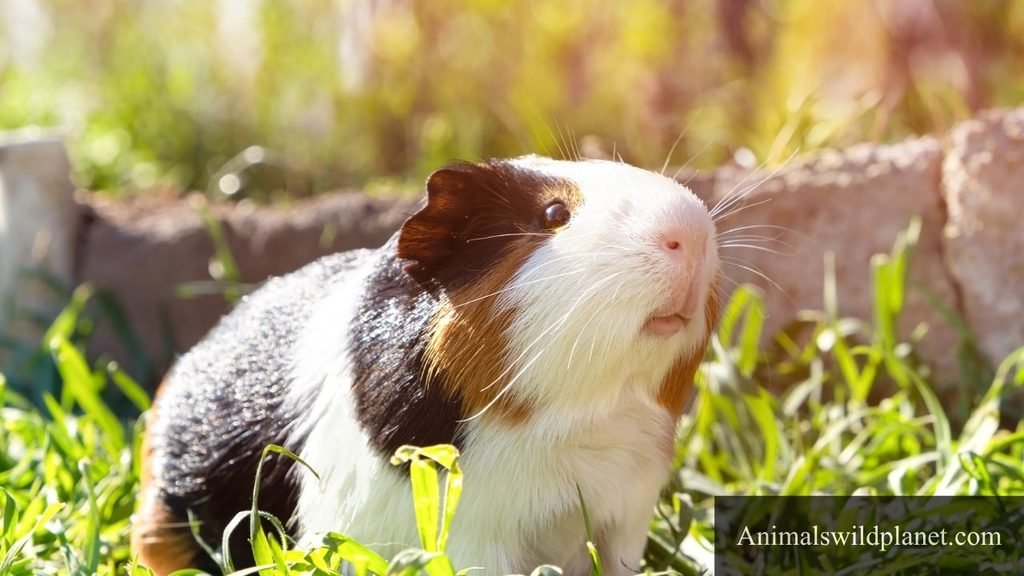
However, while corn can be a delightful addition to their diet, moderation is key. Too much corn can lead to obesity due to its higher starch content, which can disrupt their delicate digestive systems. For guinea pigs, a balanced diet enriched with hay, fresh vegetables, and occasional treats like corn offers both nutritional support and mental stimulation. Observing them as they nibble on corn is not only entertaining but also a reminder of the importance of mindful feeding. These little creatures teach us to appreciate the small joys in life, one crunchy bite at a time.
Deer
Scientific Name: Cervidae
Class: Mammalia
Diet: Herbivore
Deer are often seen as graceful, gentle creatures, yet these herbivores possess an undeniable appetite for corn that can turn a peaceful landscape into a battleground of sorts for local farmers. During the late summer and fall, when corn is in abundance, deer are drawn to it not just for sustenance but also for its high nutritional value. The sweet kernels provide a vital source of carbohydrates and energy, especially as they prepare for the winter months. This attraction can lead to sizable herds ravaging fields, prompting farmers to employ creative deterrents.
The relationship between deer and corn isn’t one-sided. Farmers have begun to utilize this natural penchant to their advantage by implementing corn into their deer management strategies. By creating corn plots, they can attract deer for observation, photography, or controlled hunting, allowing for a sustainable interaction that benefits both wildlife enthusiasts and agricultural communities. Furthermore, this synergy offers insights into deer behavior, revealing how influential seasonal food sources can alter their movement patterns and habitat choices. Understanding these dynamics can lead to a deeper appreciation of ecosystems, illustrating how species interact and adapt in the tapestry of nature.
Rabbit
Scientific Name: Oryctolagus cuniculus
Class: Mammalia
Diet: Herbivore
Rabbits have a surprisingly diverse diet, and corn is a tasty treat they often enjoy. While these fluffy foragers usually nibble on green vegetation, they are known to indulge in fresh corn, especially the tender kernels from sweet corn. Their keen sense of taste allows them to discern the ripest and most nutritious ears, making their foraging expeditions both strategic and delightful.
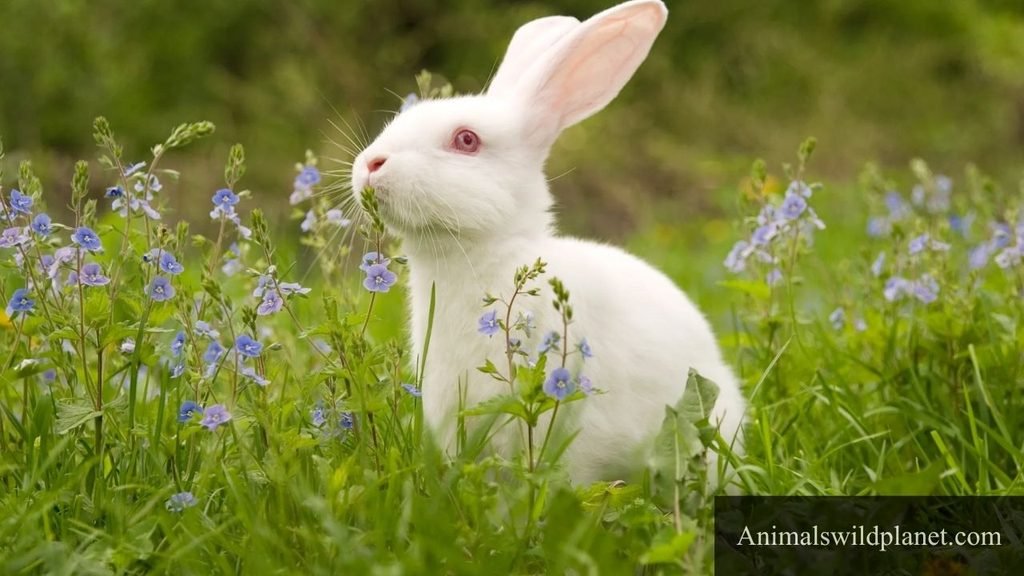
What’s intriguing about rabbits eating corn is not just their enjoyment of it, but the nutritional implications. Corn, rich in carbohydrates, provides them with quick energy — perfect for their active, darting lifestyle. This additional energy source helps them sustain their lively nature, especially in the cooler months when their usual forage might be less plentiful. However, it’s essential for rabbit owners to offer corn in moderation; too much can lead to digestive issues due to its high starch content.
Readmore: Explore Top 15 Animals That Eat Frogs.
Final Thoughts
Corn serves as a vital dietary element for numerous animal species, underscoring its significance in both agricultural settings and natural habitats. Whether it’s deer, birds, or farm animals, the consumption of corn demonstrates the interconnectedness of wildlife and farming. This relationship not only supports diverse habitats but also highlights the importance of responsible land management. By recognizing the value of corn to various animals, we can work towards creating environments that foster both agriculture and conservation. Let’s make a conscious effort to support practices that benefit both our wildlife and the crops that sustain them.
FAQs
What animal eats a lot of corn?
Many animals enjoy corn as a food source, but a few stand out. Squirrels are notorious for raiding cornfields and bird feeders. Their agile nature allows them to climb and access corn easily, and they can quickly devour quite a bit. Deer also love corn, especially in agricultural areas. Farmers often use corn to attract deer during hunting season. Pigs are voracious eaters and can consume large amounts of corn as part of their diet.
Is corn good for any animals?
Yes, corn can be beneficial for a variety of animals, especially livestock. Cattle and pigs often receive corn as a key part of their diet because it provides a good source of energy and essential nutrients. It’s also affordable and widely available, making it a staple in animal agriculture.
However, it’s important to balance corn with other feed components. While it can be beneficial, too much corn can lead to health issues like obesity or digestive problems.