Top 22 Animals With Long Tails (Images Included)
In this article, we’ll explore the fascinating world of animals with long tails, revealing how these appendages play crucial roles in their survival, social interactions, and habitats. Understanding these unique adaptations can deepen our appreciation of wildlife and the intricate ecosystems they inhabit. Join us as we uncover the wonders of nature’s long-tailed creatures.
List of Animals with Long Tails
Here is the list of animals with long tails:
- Pangolin
- Long-Tailed Grass Lizard
- Spider Monkey
- Cheetah
- Giant Anteater
- Chameleon
- Squirrel
- Black-and-White Ruffed Lemur
- Red Fox
- Leopard Whipray
- Jerboas
- Snow Leopard
- Ring-tailed Lemur
- Howler Monkey
- Red Kangaroo
- Giraffe
- Angola Colobus
- Ring-tailed Coatis
- Tree Kangaroo
- Green Iguana
- Clouded Leopard
- Common Thresher Shark
Pangolin
Scientific Name: Pholidota
Class: Mammalia
Diet: Insectivore
The pangolin, often referred to as the “scaly anteater,” possesses a long tail that acts as a versatile tool in its arboreal lifestyle. This tail can help it balance while maneuvering through trees, enabling graceful movements as it searches for ants and termites. More than just a balancing aid, the tail also plays a vital role in communication. Pangolins utilize subtle tail signals to convey their state of alertness to potential mates or other pangolins in their vicinity.
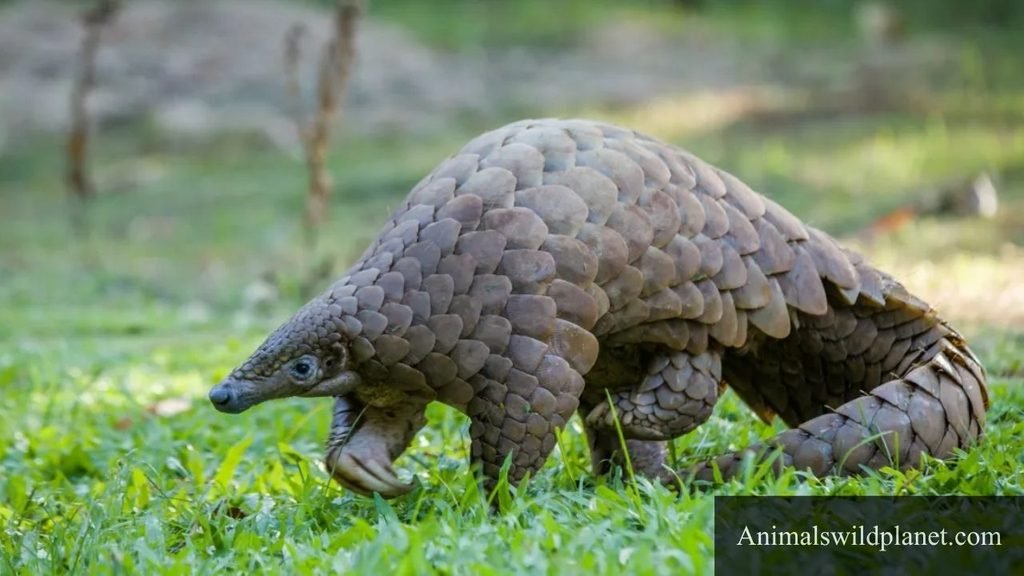
Beyond their stunning balance, pangolins are fascinating for their unusual protective adaptations. When threatened, they curl into a tight ball, using their long, prehensile tail to shield their vulnerable underside. Interestingly, this unique defense mechanism is not just a means of protection; it also forms a barrier against curious predators, allowing the pangolin to blend into its environment seamlessly. This multi-functionality of the tail highlights the pangolin’s evolution as a creature perfectly adapted to its habitat, reminding us of the intricate relationships between physical traits and survival strategies in the animal kingdom.
Long-Tailed Grass Lizard
Scientific Name: Takydromus sexlineatus
Class: Reptilia
Diet: Carnivore
The Long-Tailed Grass Lizard is a remarkable example of adaptation in the animal kingdom. With its slender, elongated tail often exceeding its body length, this lizard utilizes its appendage for balance, aiding in nimble movements through tall grasses. This tail isn’t just for show; it plays a critical role in communication, allowing for expressive body language that can help them signal threats to potential predators.
The lizard’s tail can also serve as a distraction. When threatened, it may shed part of its tail, allowing it to escape while the predator is momentarily confused. Regeneration kicks in, enabling the lizard to grow a new tail, albeit one that may differ in appearance. This fascinating survival strategy presents a compelling glimpse into nature’s ingenuity, highlighting the balance between vulnerability and resilience in the wild. As the Long-Tailed Grass Lizard navigates its environment, it excels in the art of survival, reminding us of the delicate interconnections among form, function, and fate.
Spider Monkey
Scientific Name: Ateles
Class: Mammalia
Diet: Omnivore
Spider monkeys, with their astonishingly long and prehensile tails, are the acrobats of the rainforest. These monkeys use their tails almost like an extra limb, swinging effortlessly from tree to tree in search of fruit and leaves. Unlike many primates, their tails can grasp branches securely, allowing them to maintain stability while navigating the treetops. This unique adaptation not only enhances their agility but also plays a vital role in foraging for food high in the canopy.
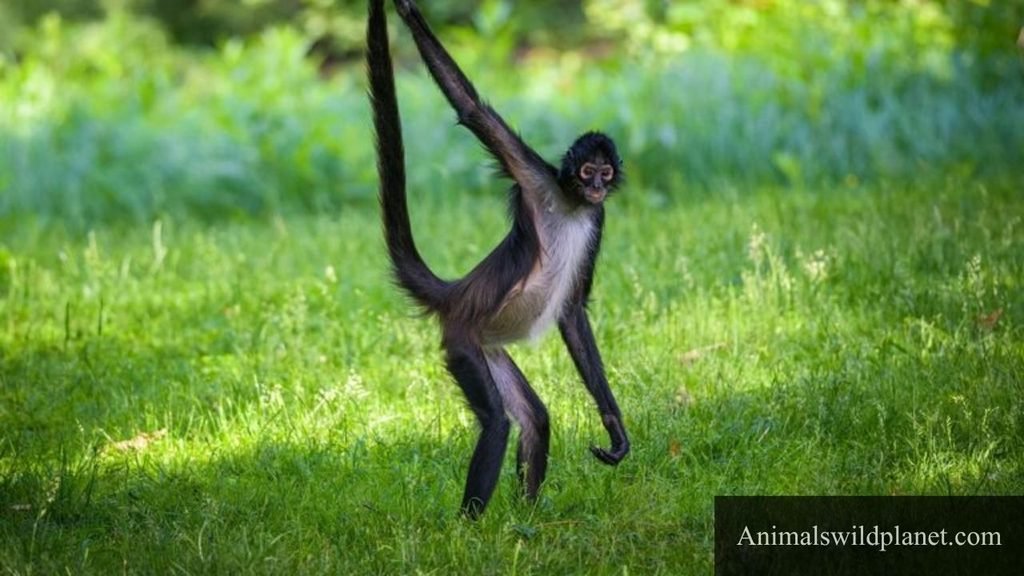
Beyond their physical prowess, spider monkeys are known for their complex social structures. They live in groups, establishing strong bonds through vocalizations and grooming rituals. Their vocalizations carry impressive distances, serving as both a means of communication and a way to maintain group cohesion. In an age of increasing habitat loss, the spider monkey’s reliance on expansive forests highlights the critical need for conservation efforts to protect these vibrant ecosystems. As guardians of the forest, these fascinating primates remind us of the intricate connections that exist within nature, urging us to consider our role in preserving their world.
Readmore: Explore Top 15 Stubborn Animals In The World.
Cheetah
Scientific Name: Acinonyx jubatus
Class: Mammalia
Diet: Carnivore
The cheetah’s long tail is a marvel of evolutionary design, serving as a crucial stabilizer during high-speed chases. As these sleek felines accelerate up to 60 miles per hour, their tails act like a rudder, allowing them to make sharp turns with agility and precision. This anatomical adaptation isn’t just about speed; it plays a vital role in their predatory success, enabling them to navigate through dense vegetation or open savannahs without losing momentum.
Beyond the chase, the cheetah’s tail also offers insights into their social structure. When they communicate with each other, especially in a playful context, tail movements can convey emotions and intentions. It’s a subtle yet effective means of non-verbal communication, illustrating a side of the cheetah often overlooked amid its reputation as the fastest land animal. In essence, the long tail isn’t merely a physical attribute; it encapsulates the very essence of the cheetah’s striking blend of speed, grace, and social interaction.
Giant Anteater
Scientific Name: Myrmecophaga tridactyla
Class: Mammalia
Diet: Insectivore
The giant anteater, with its extraordinary tail, isn’t just a marvel of nature; it’s a master of adaptability. This long, bushy appendage serves more than mere balance; it acts as a communication tool. When threatened, the anteater can raise its tail to signal alarm to others, enhancing the survival of its species in the dense jungles and grasslands of Central and South America.
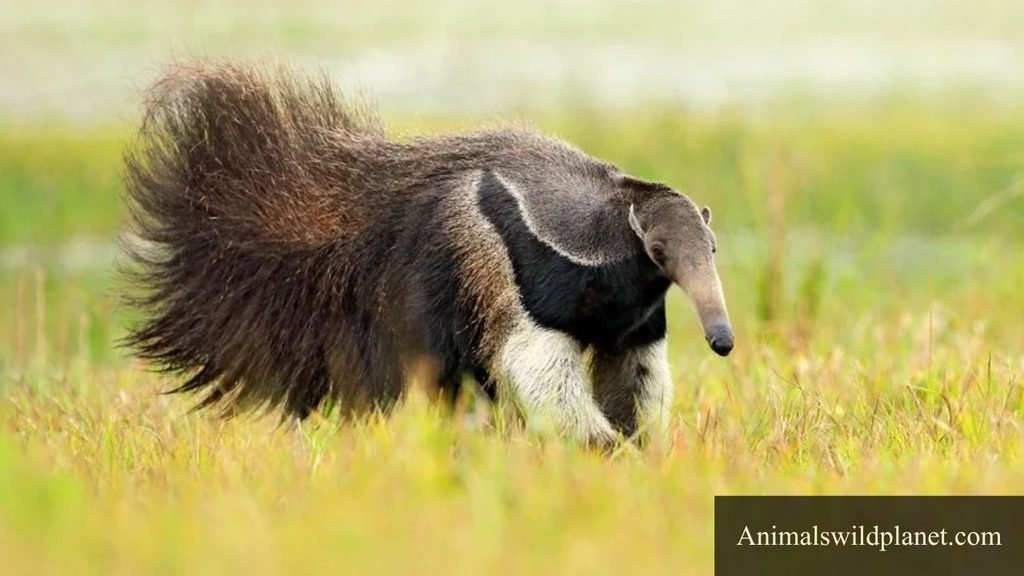
Beyond survival strategies, the giant anteater’s tail helps regulate body temperature. In the heat of the day, this magnificent tail can be lifted to create shade, offering a respite from the sun’s relentless rays. It’s fascinating how an animal so seemingly simple can possess such complex behaviors and adaptations. Observing the giant anteater in its natural habitat reveals that this creature, often dismissed as ungainly, is a finely tuned instrument of survival, harmonizing with its environment in ways we are only beginning to understand.
Chameleon
Scientific Name: Chamaeleonidae
Class: Reptilia
Diet: Carnivore
The chameleon’s tail is a marvel of nature, functioning as a prehensile appendage that helps it balance while navigating its arboreal habitat. This unique adaptation allows the chameleon to grip branches securely, enhancing its ability to blend into its surroundings. With a tail that can curl and unfurl like a living vine, these color-changing reptiles often use their tails as an anchor when reaching for food or adjusting their position — essential for a species that thrives on stealth.
The tail also serves a crucial role in communication. Chameleons utilize complex body language, with their tails often conveying signals to potential mates or rivals. A flicking or swaying tail can indicate readiness to engage or a warning to back off, adding layers to their social interactions. This fascinating dual-functionality of the tail showcases how evolution has intricately woven survival and social dynamics into the lives of these extraordinary reptiles.
Squirrel
Scientific Name: Sciuridae
Class: Mammalia
Diet: Omnivore
Squirrels are often overlooked for their remarkable tails, which can be as long as their bodies. These bushy appendages aren’t just for show; they serve vital functions in the squirrel’s life. For instance, during the colder months, a squirrel uses its tail to keep warm, wrapping it around its body like a cozy blanket. This unique feature also aids in balance, especially when leaping from branch to branch at dizzying heights.
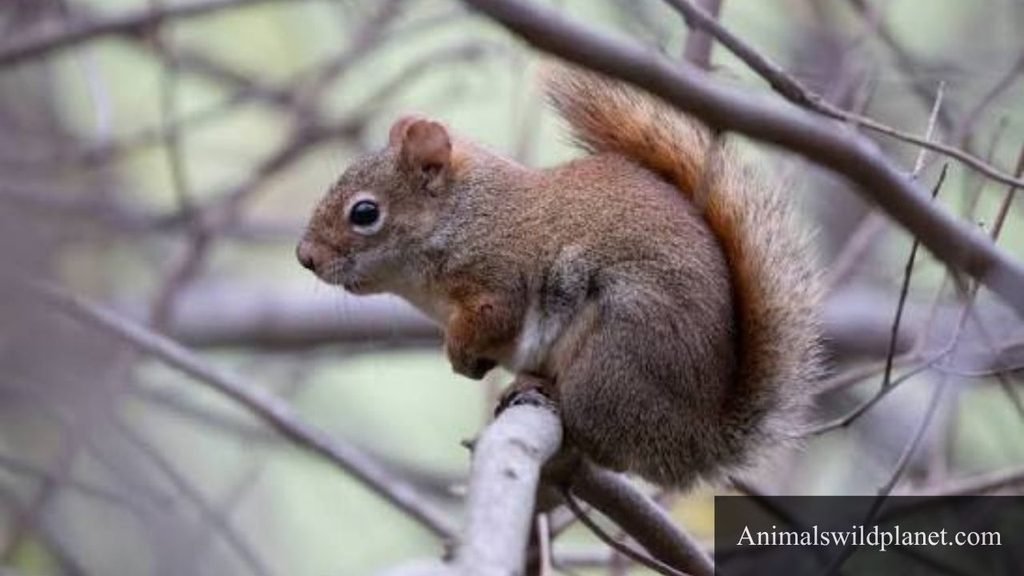
Beyond their practical uses, squirrel tails are a stunning display of nature’s artistry. Each tail showcases an array of colors and textures, making these creatures a visual delight in parks and woodlands. Interestingly, researchers have found that the tail can communicate a squirrel’s mood, signaling danger or dominance to others in their community. The next time you spot a squirrel in your backyard, take a moment to appreciate the tail — it’s more than just a pretty accessory; it’s a crucial tool for survival and communication.
Black-and-White Ruffed Lemur
Scientific Name: Varecia variegata
Class: Mammalia
Diet: Omnivore
The black-and-white ruffed lemur, a striking inhabitant of Madagascar’s lush rainforests, showcases its remarkable tail for more than just balance. This long, tufted appendage plays a crucial role in communication, often seen waving in the air as a signal to others in their social groups. With vibrant vocalizations that can be heard echoing through the trees, these lemurs utilize their tails and calls to warn of potential dangers or coordinate movements during foraging.
Their adept climbing skills are complemented by that impressive tail, which acts almost like a third limb. It aids in maneuvering through the intricate branches of their arboreal habitat, allowing them to hop from tree to tree with surprising agility. Amidst the vibrant biodiversity of Madagascar, the black-and-white ruffed lemur’s grace and adaptability not only demonstrate the beauty of evolution but also highlight the pressing need for conservation efforts to protect their fragile ecosystem.
Red Fox
Scientific Name: Vulpes vulpes
Class: Mammalia
Diet: Omnivore
The red fox, easily recognized by its vibrant auburn coat and bushy tail, uses its long, expressive appendage as more than just a striking feature; it’s a crucial tool in its survival toolkit. This incredible tail, often a third of the fox’s body length, serves as a balancing mechanism during agile pursuits and evasive maneuvers in the wild. It’s fascinating to consider how the fox harnesses its tail to navigate through diverse terrains, from dense underbrush to open fields, showcasing an impressive adaptability that has enabled it to thrive in various habitats around the world.
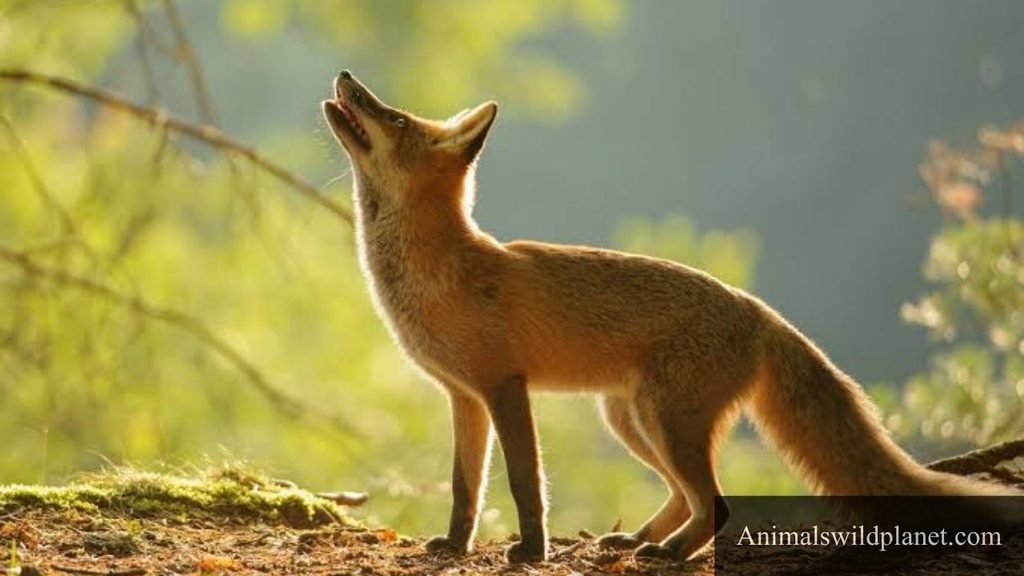
The emotional expression conveyed by a red fox’s tail can be quite telling. When a fox feels threatened, its tail may be held low or tucked, signaling wariness, while a raised tail can indicate confidence or dominance in social interactions. This nuanced communication extends beyond mere survival functions; it plays a crucial role in the intricate social dynamics of fox families, allowing members to stay connected while hunting or navigating their territory. Observing these behaviors provides a richer understanding of not just the red fox’s physicality, but also its emotional intelligence and complex social structures.
Leopard Whipray
Scientific Name: Himantura leoparda
Class: Chondrichthyes
Diet: Carnivore
The leopard whipray, a stunning inhabitant of coastal waters, showcases a tail that captivates both scientists and nature enthusiasts alike. Spanning up to twice the length of its body, this elongated appendage is not just for show; it plays a crucial role in maneuverability and hunting. As these rays glide effortlessly through the water, their tails serve as an agile rudder, allowing for sharp turns in pursuit of prey. The tail can also be a striking display, often patterned with spots that echo the mesmerizing leopard print, blending seamlessly into its sandy habitat.
The leopard whipray’s tail has evolved into a defensive mechanism against potential predators. Armed with serrated barbs, this tail can deliver a painful sting, effectively deterring those who might wish to make a meal out of this graceful creature. Observing these rays in their natural environment often reveals a dance between beauty and danger, as they navigate between delicate coral reefs and open ocean. As we deepen our understanding of such species, we gain insight not only into the intricacies of their adaptations but also into the delicate balance of marine ecosystems they inhabit.
Jerboas
Scientific Name: Dipodidae
Class: Mammalia
Diet: Herbivore
Jerboas are fascinating creatures that embody the perfect blend of adaptability and uniqueness. Found primarily in the arid expanses of North Africa and parts of Central Asia, these small, nocturnal rodents have evolved to thrive in harsh desert environments. Their long, slender tails serve multiple purposes, acting as a stabilizing counterbalance while they make incredible leaps — an adaptation that allows them to evade predators swiftly. This unique agility showcases not just their physical prowess but also their clever survival strategies in a landscape where every move counts.
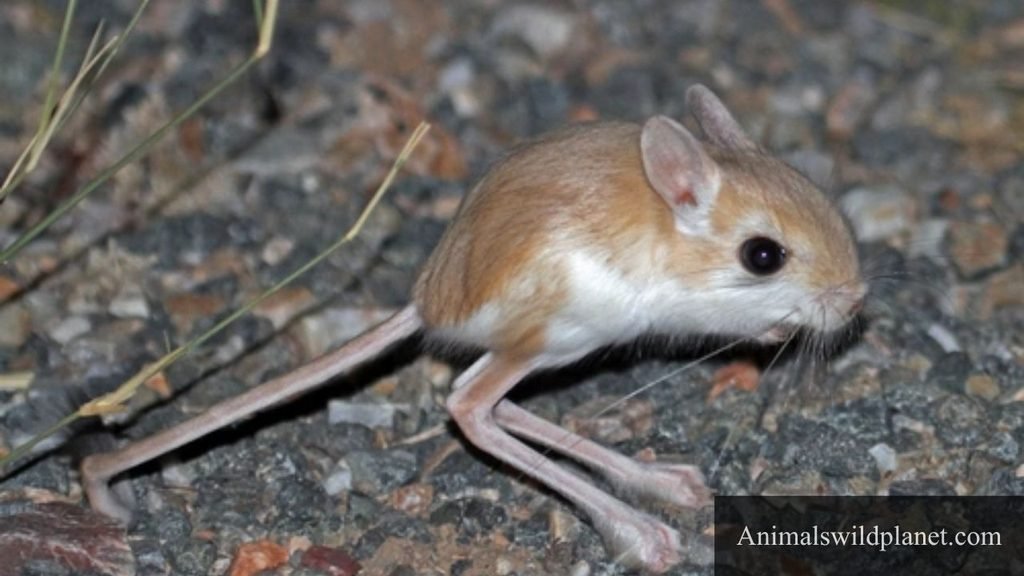
Beyond their remarkable tails, jerboas possess large, burrowing feet that enable them to navigate the shifting sands with ease. Their diet, primarily consisting of seeds and green plant material, is supplemented by an impressive ability to survive on the moisture they derive from their food, further reducing their dependence on scarce water sources. The jerboa’s world is a masterclass in resilience, showcasing how a seemingly simple feature — its tail — plays a pivotal role in its overall survival and adaptability. In the grand tapestry of desert life, the jerboa emerges not just as a survivor, but as a symbol of evolution’s ingenuity.
Snow Leopard
Scientific Name: Panthera uncia
Class: Mammalia
Diet: Carnivore
The snow leopard, often dubbed the “ghost of the mountain,” possesses a long, thick tail that can stretch up to three feet, playing a crucial role in its survival. This impressive appendage acts as a balancing tool, allowing these elusive cats to navigate the steep, rocky terrains of their high-altitude habitats in Central and South Asia. As they leap between ledges and maneuver through rugged landscapes, their tails act like rudders, enhancing their agility and enabling them to maintain stability while hunting.
Beyond mere balance, the snow leopard’s tail serves another fascinating purpose: warmth. In frigid environments where temperatures can plummet, these magnificent animals wrap their tails around themselves while resting to conserve body heat. This adaptive behavior highlights an intricate connection between anatomy and environment, showcasing how evolution has tailored their physical traits to thrive in some of the harshest climates on Earth. The snow leopard’s tail is not just a functional feature; it represents a remarkable blend of beauty and utility, offering a glimpse into the intricate dance of survival in nature’s most unforgiving realms.
Ring-tailed Lemur
Scientific Name: Lemur catta
Class: Mammalia
Diet: Omnivore
The ring-tailed lemur, with its iconic long tail banded in black and white, is more than just a visually striking creature; its tail serves as a vital tool for communication and balance. Living in the forests and scrublands of Madagascar, these social primates use their tails as a flag to signal to other group members, enhancing cohesion and cooperation within their troops. The unique swinging movements of their tails, often seen during playful chases or foraging, also help maintain stability as they leap between tree branches, showcasing the impressive agility that comes with their elongated appendage.
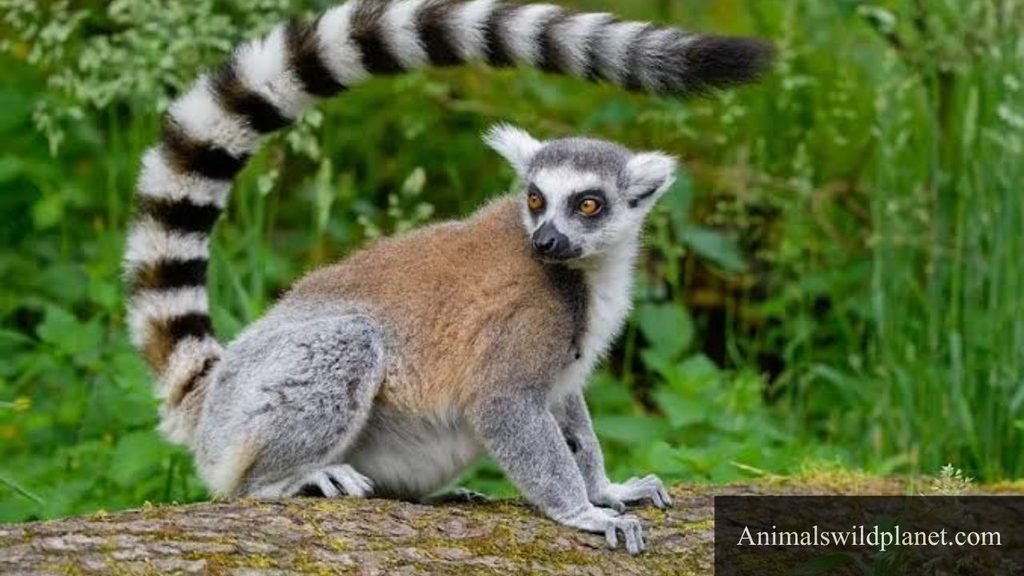
The tail’s role extends beyond mere physical function — it is a symbol of the lemur’s identity. In their intricate social structures, the dominance hierarchy can be visually represented through tail displays, with larger, more expressive movements signaling confidence or aggression. As the ring-tailed lemur faces the threat of habitat loss, understanding these behaviors is crucial to conservation efforts. By appreciating how central their tails are to survival and social dynamics, we gain insight into the complexities of their lives and the importance of preserving their unique ecosystems.
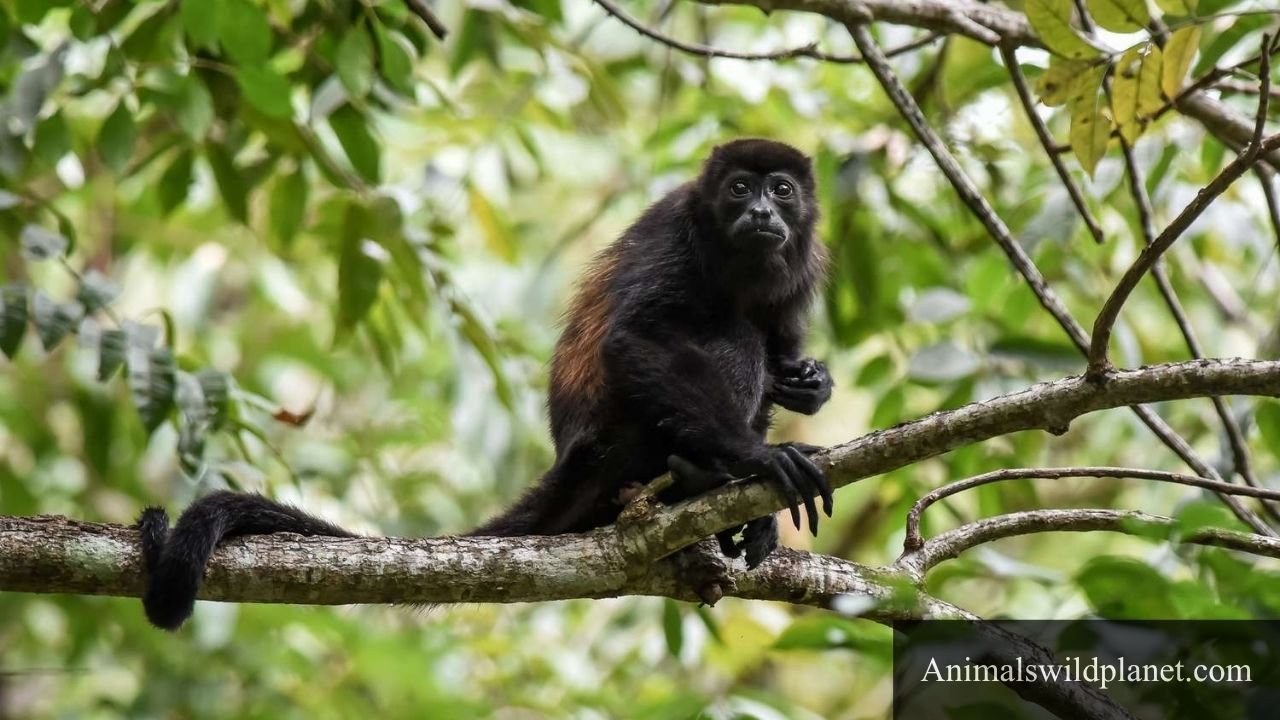
Howler Monkey
Scientific Name: Alouatta
Class: Mammalia
Diet: Herbivore
The howler monkey, known for its distinctive calls, boasts a long, prehensile tail that serves as a vital adaptation in its arboreal lifestyle. This tail acts as a fifth limb, allowing these nimble creatures to grasp branches with remarkable dexterity as they navigate the treetops of Central and South American rainforests. The agility provided by their tails enhances their ability to forage for fruits and leaves while staying safe from terrestrial predators, showcasing an elegant balance between mobility and safety.
The howler monkey’s tail contributes to its social dynamics. These primates use their tails in intricate displays of communication, twining and curling them during interactions with other members of their troop. This behavior emphasizes the complexities of their social structure, where bonding and hierarchy are vital for survival. Their impressive vocalizations, paired with the agile use of their tails, create a rich tapestry of interaction that captivates both researchers and wildlife enthusiasts alike. In this way, the howler monkey’s long tail becomes more than just a physical feature; it symbolizes adaptability and connection in the vibrant ecosystem they inhabit.
Red Kangaroo
Scientific Name: Osphranter rufus
Class: Mammalia
Diet: Herbivore
The red kangaroo, an iconic symbol of Australia, boasts a long and powerful tail that plays a critical role in its day-to-day life. This tail, extending up to a meter in length, serves not only as a balance aid while the kangaroo bounds across the vast outback but also as a pivotal tool for communication and social interactions. When engaged in social displays or confrontations, the movement of its tail can convey subtle nuances of behavior, helping to establish hierarchies among individuals in a group.
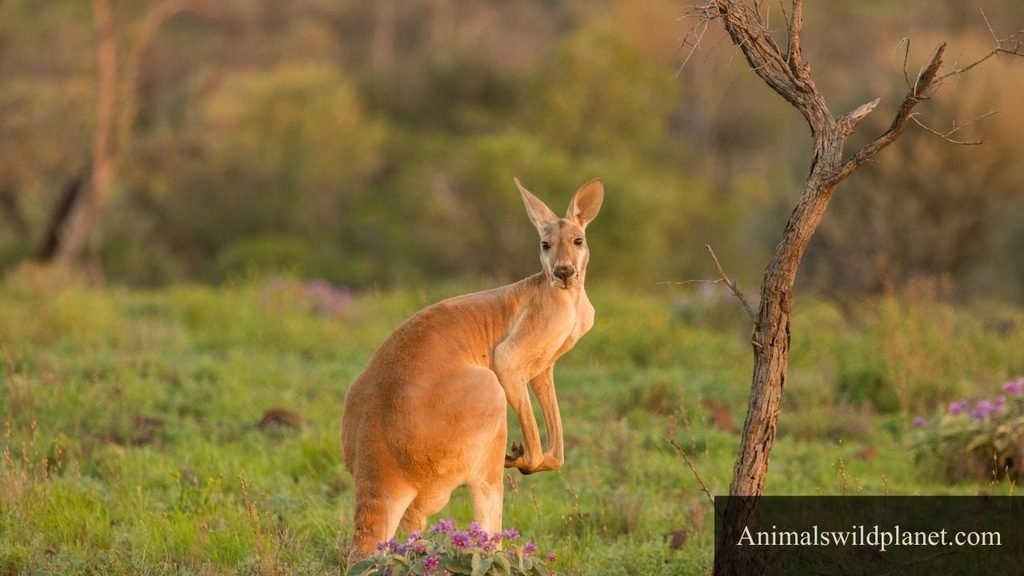
The tail of the red kangaroo is not just a mere appendage; it is a formidable third limb. When moving in a series of hops, the kangaroo uses its tail to stabilize itself, allowing it to travel high distances with grace and agility. This adaptation is well-suited to its environment, where navigating both open spaces and rugged terrain is essential for foraging and evading predators. As it leaps, the tail also serves as a counterbalance, enhancing its energetically efficient mode of locomotion, a remarkable evolutionary trait that underscores the interconnectedness of form and function in the animal kingdom.
Giraffe
Scientific Name: Giraffa camelopardalis
Class: Mammalia
Diet: Herbivore
The giraffe, known for its towering height and striking spotted coat, also boasts a surprisingly agile tail that plays a crucial role in its daily life. At nearly three feet long, a giraffe’s tail is both a tool and a weapon, serving to swat away pesky insects that might annoy it while grazing in the savannah. This long appendage is particularly fascinating because it reflects the giraffe’s unique adaptations to its environment, allowing it to thrive in open landscapes where visibility is key to spotting predators.
The giraffe’s tail is an intricate part of its social dynamics. During interactions with other giraffes, the tail can convey subtle emotions and signals, acting almost like a form of non-verbal communication. When a giraffe swings its tail with vigor or keeps it taut, it can signify a range of feelings from agitation to playfulness, providing insight into the rich social behaviors of these magnificent creatures. Thus, the giraffe’s tail transcends mere functionality; it becomes a vital thread in the tapestry of its social life and survival strategies in the vast African plains.
Angola Colobus
Scientific Name: Colobus angolensis
Class: Mammalia
Diet: Herbivore
The Angola Colobus, a stunning primate indigenous to the mountainous forests of Central Africa, showcases a tail that can exceed 30 inches in length. This remarkable feature is more than just a striking physical trait; it serves several vital purposes in their arboreal lifestyle. Their long, expressive tails act as a counterbalance during leaping and swinging through the treetops, enabling them to navigate their densely wooded environment with surprising agility and grace. This adaptation is particularly fascinating, as it highlights the evolutionary interplay between form and function in the wild.
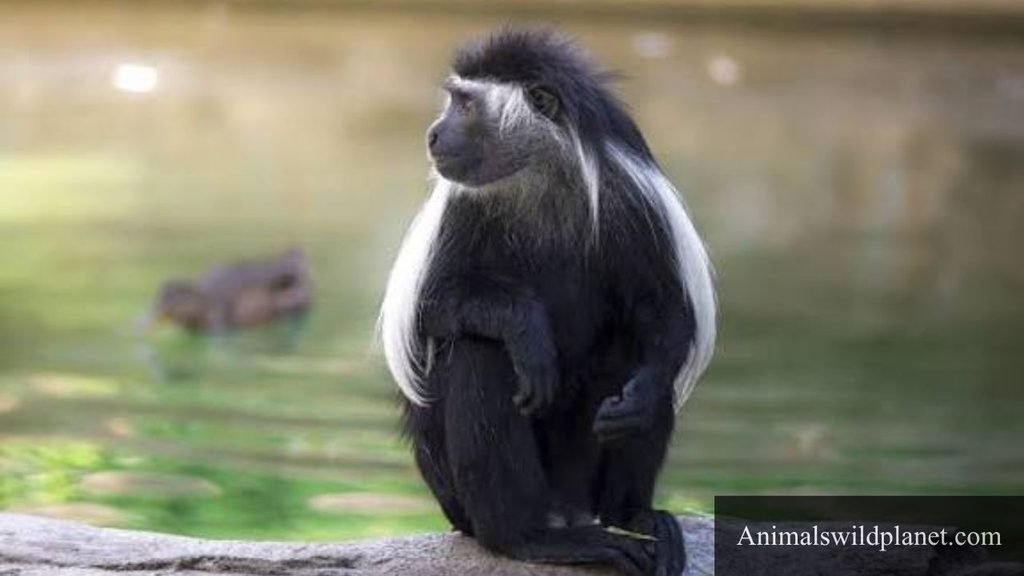
The Angola Colobus’s tail isn’t only a tool for movement; it also serves a social purpose. When interacting with other members of their troop, these monkeys use their tails to communicate emotions and status, adding a visually dynamic layer to their social interactions. This emphasizes the importance of tail length, which evolves not only for survival but also for fostering complex social bonds within their communities. In a world where effective communication is crucial, the Angola Colobus’s long tail exemplifies how nature crafts unique solutions to multifaceted challenges.
Ring-tailed Coatis
Scientific Name: Nasua nasua
Class: Mammalia
Diet: Omnivore
Ring-tailed coatis, with their striking tails adorned in a distinctive pattern of alternating brown and cream stripes, are more than just visually captivating creatures; they are skilled navigators of their environment. Native to the tropical forests of Central and South America, these social mammals utilize their long tails for balance while climbing trees and as a communication tool within their groups. Interestingly, a coati’s tail can function almost like a flag, helping to signal the location of its companions as they scout for food or evade potential predators.
Social structures among ring-tailed coatis are fascinatingly complex. Often seen in bands, these animals exhibit cooperative behaviors that reflect a remarkable level of social intelligence. Their playful antics, from taunting each other to engaging in acrobatic displays, not only strengthen their bonds but also enhance group cohesion. This dynamic lifestyle underscores the adaptability of the ring-tailed coati, thriving in diverse habitats from dense forests to open savannahs. As our understanding of their behaviors deepens, we realize that their long tails are integral to their survival, functioning not just as physical assets, but as key players in their social interactions.
Tree Kangaroo
Scientific Name: Dendrolagus
Class: Mammalia
Diet: Herbivore
The tree kangaroo, a marvel of evolution found primarily in the rainforests of New Guinea and surrounding islands, showcases how adaptability can lead to extraordinary physical traits. Unlike their terrestrial cousins, these marsupials have developed long, muscular tails that serve as more than just a balancing act; they are integral to their arboreal lifestyle. When leaping from branch to branch, the tail acts like a rudder, helping to steer and stabilize the kangaroo, allowing for impressive agility in a complex canopy environment.
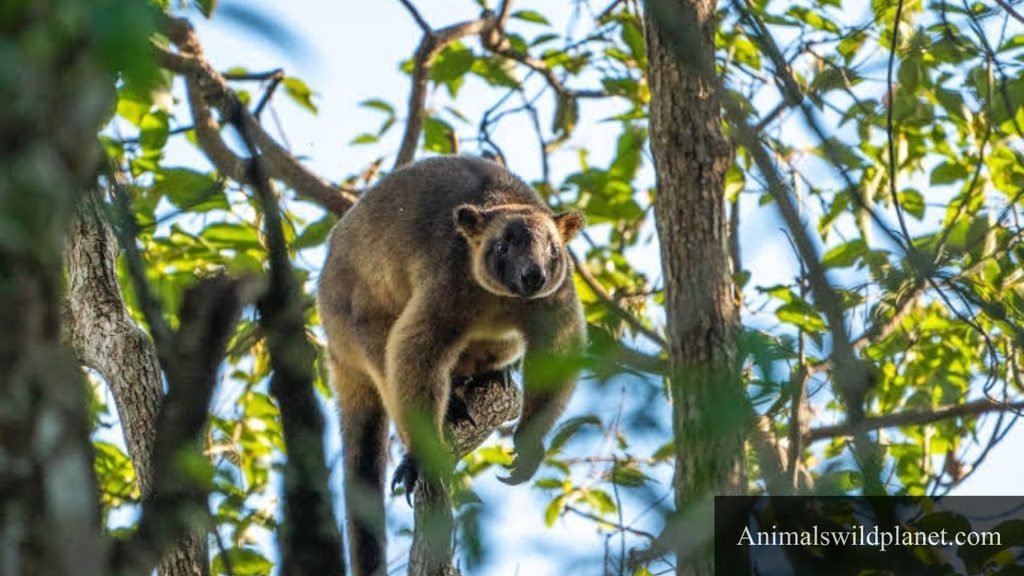
But the tree kangaroo’s long tail also plays a vital role in its communication and social interactions. In this lush habitat, where visibility is often limited, the tail can serve as a visual signal. When feeling threatened or during playful interactions with peers, they may use their tails to signal intent or convey emotions, bridging the gap in a world cloaked in foliage. This unique blend of functionality and communication underscores the complexity of life in the canopies, revealing just how critical their long tails are to survival and social bonding.
Green Iguana
Scientific Name: Iguana iguana
Class: Reptilia
Diet: Herbivore
The green iguana, an impressive creature native to Central and South America, often boasts a tail that can exceed the length of its body, sometimes reaching up to 5 feet. This remarkable appendage serves multiple purposes beyond mere aesthetics. Not only does it aid in balance as the iguana navigates the treetops of its rainforest habitat, but it also acts as a vital defense mechanism. When threatened, these iguanas can whip their tails with surprising speed, delivering a painful strike to deter predators.
The tail plays an essential role in communication and social interactions among iguanas. It is often used in displays during mating rituals, adding a flourish that signifies health and vitality to potential partners. The green iguana’s striking coloration and impressive tail also make it an appealing choice for reptile enthusiasts, further emphasizing the creature’s role in biodiversity and conservation efforts. Observing these fascinating reptiles in their natural habitat reveals the intricate connections between physical adaptations and behaviors, reminding us of the wonder of evolution and the ecosystem balance.
Clouded Leopard
Scientific Name: Neofelis nebulosa
Class: Mammalia
Diet: Carnivore
The clouded leopard, a strikingly beautiful feline native to the forests of Southeast Asia, is renowned for its stunning, long, and uniquely patterned tail. This tail serves a crucial purpose — it acts as a counterbalance during the clouded leopard’s acrobatic feats in the treetops, aiding their impressive agility. Unlike many big cats, these leopards have evolved to thrive in a three-dimensional environment, showcasing extraordinary climbing abilities that not only help them hunt but also avoid larger predators and compete for territory.
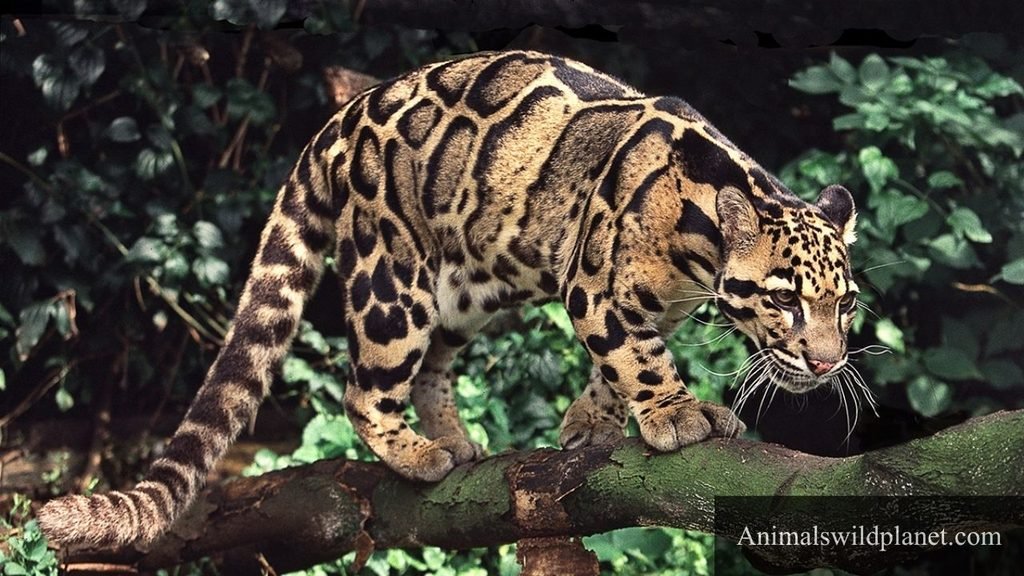
What’s even more fascinating is that the clouded leopard’s tail can measure nearly three feet long, almost as long as its body. This extraordinary length isn’t just for show; it provides stability as they navigate through the dense canopy, enabling swift changes in direction and leaps between branches. Furthermore, the beautiful, cloud-like rosettes that adorn their fur camouflage the clouded leopard in dappled sunlight, enhancing their stealth as they stalk their prey. Thus, the long tail of the clouded leopard is not merely an anatomical feature but a vital adaptation that embodies the elegance and ingenuity of nature.
Common Thresher Shark
Scientific Name: Alopias vulpinus
Class: Chondrichthyes
Diet: Carnivore
The Common Thresher Shark, with its remarkable elongated tail, is a fascinating testament to the wonders of evolutionary adaptation. Stretching up to half the length of its body, this tail serves not just for steering but as a powerful weapon during hunting. When in pursuit of prey, particularly schools of fish, the thresher’s tail whips through the water with astonishing force, creating a stunning spectacle as it stuns and disorients its targets. This unique hunting technique highlights a sophisticated blend of agility and precision, showcasing the shark’s role as a top predator in its oceanic environment.
Beyond its hunting prowess, the thresher shark’s long tail also offers insights into its social interactions and behaviors. Researchers have observed these sharks engaging in acrobatic displays, breaching the ocean surface as a form of communication or perhaps even play. Such behaviors challenge our traditional views of sharks as solitary and stoic creatures, revealing a layer of complexity in their social dynamics that we are only beginning to understand.
Readmore: Explore Top 13 Small Animals With Big Eyes.
Final Thoughts
Animals with long tails are not merely visually striking; they play crucial roles in their respective habitats. These tails can be tools for navigation, aids in hunting, or even vital for social interactions among species. By examining how these animals thrive with their elongated appendages, we uncover the amazing intricacies of evolution and adaptation. Protecting their natural habitats is essential to maintaining the balance of our ecosystems. Let’s take the initiative to support wildlife conservation efforts to help protect these extraordinary animals and the roles they fulfill in our world.
FAQs
What animal has the longest tail?
The animal with the longest tail in the world is the common thresher shark. Its tail can reach lengths of up to 3 meters, which is nearly half its total body length. This impressive tail is used for hunting; the thresher shark uses it to stun prey, making it an effective predator.
What animal is small and has a long tail?
The jerboa is a small, hopping rodent known for its long tail and oversized hind legs. These little creatures are adapted for life in deserts, where their unique body structure helps them navigate sandy terrain. Typically, they measure about 4 to 10 inches, with their tails often longer than their bodies.