Top 23 Animals That Have Lowest IQ (With Images)
In exploring “Animals That Have Lowest IQ,” we’ll delve into the fascinating world of creatures whose survival instincts and behaviors challenge our notions of smarts. Understanding these animals not only broadens our knowledge about the animal kingdom but also highlights the diversity of survival strategies in nature. Join us as we uncover the species that surprisingly sit at the bottom of the IQ spectrum.
List of Animals That Have Lowest IQ
Here is the list of animals with lowest iq in the world:
| Number of Animals | Names of Lowest IQ Animals |
| 1 | Komodo Dragons |
| 2 | Goldfish |
| 3 | Sloths |
| 4 | Oysters |
| 5 | Kakapos |
| 6 | Slow Loris |
| 7 | Flamingos |
| 8 | Sea Sponge |
| 9 | Jerboas |
| 10 | Jellyfish |
| 11 | Coral |
| 12 | Turkeys |
| 13 | Horned Lizard |
| 14 | Sea Cucumber |
| 15 | Koalas |
| 16 | Flatworms |
| 17 | Starfish |
| 18 | Killdeer |
| 19 | Slugs |
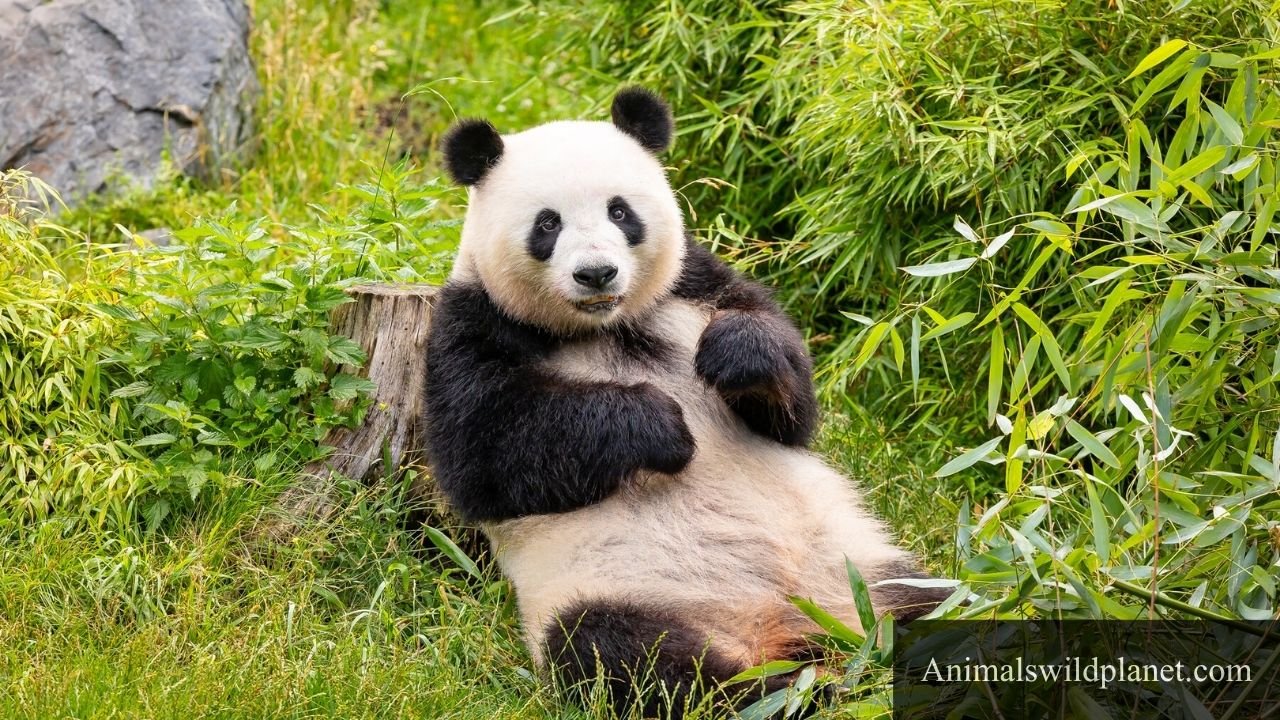
| 20 | Pandas |
| 21 | Ostriches |
| 22 | Snails |
| 23 | Secretary Birds |
Komodo Dragons
Scientific Name: Varanus komodoensis
Class: Reptilia
Diet: Carnivore
Komodo dragons, the largest lizards on Earth, might inspire awe with their formidable size and hunting prowess, but their cognitive abilities tell a different story. With an estimated IQ that operates more instinctively than intellectually, these reptiles rely heavily on their primal instincts rather than problem-solving skills. For instance, while they exhibit remarkable hunting techniques, using stealth and ambush, they lack the adaptability and curiosity often associated with higher intelligence.
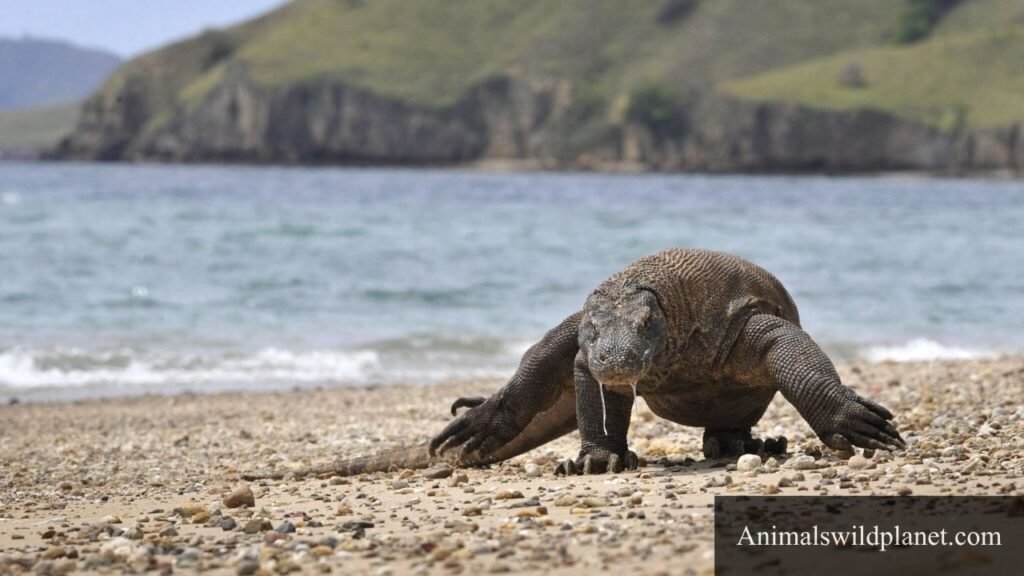
Interestingly, their low cognitive capacity doesn’t hinder their survival in the harsh environments of Indonesia. Instead, it shapes their behavior and ecological role. Komodo dragons are masters of energy conservation, often choosing to lie in wait rather than engage in complex social interactions or planning. This strategy allows them to thrive on a diet that consists predominantly of carrion, showcasing an efficiency in their lifestyle that speaks volumes about evolutionary adaptations. While they may not rank high on the IQ scale, their unique adaptations and raw survival instincts challenge our conventional notions of intelligence in the animal kingdom.
Goldfish
Scientific Name: Carassius auratus
Class: Actinopterygii
Diet: Omnivore
Goldfish are often stereotyped as creatures with minimal intelligence, with the popular notion suggesting they possess memories lasting mere seconds. However, this perception underestimates their fascinating adaptive behaviors and capabilities. Recent studies reveal that goldfish can be trained to respond to various stimuli, showcasing a level of cognitive processing that belies their low IQ ranking. They can learn simple tasks, navigate mazes, and even recognize their owners, challenging the idea that they are mere aquatic ornaments.
Moreover, the environment plays a crucial role in displaying their cognitive skills. In enriched settings with varied stimuli, goldfish exhibit enhanced problem-solving abilities and social interactions. This adaptability suggests that intelligence in animals is not solely measured by IQ but also by their capacity to thrive in diverse situations.
Sloths
Scientific Name: Folivora
Class: Mammalia
Diet: Herbivore
Sloths often evoke a sense of endearment with their slow-paced lifestyle, but these creatures also hold a curious place in the animal kingdom when it comes to intelligence. Surprisingly, their languid nature is not merely a consequence of their low energy; it’s a strategic adaptation to their environment. Living in the treetops of rainforests, sloths have evolved to prioritize energy conservation over swift mobility, making their low IQ a reflection of their unique evolutionary path rather than a simple deficiency.
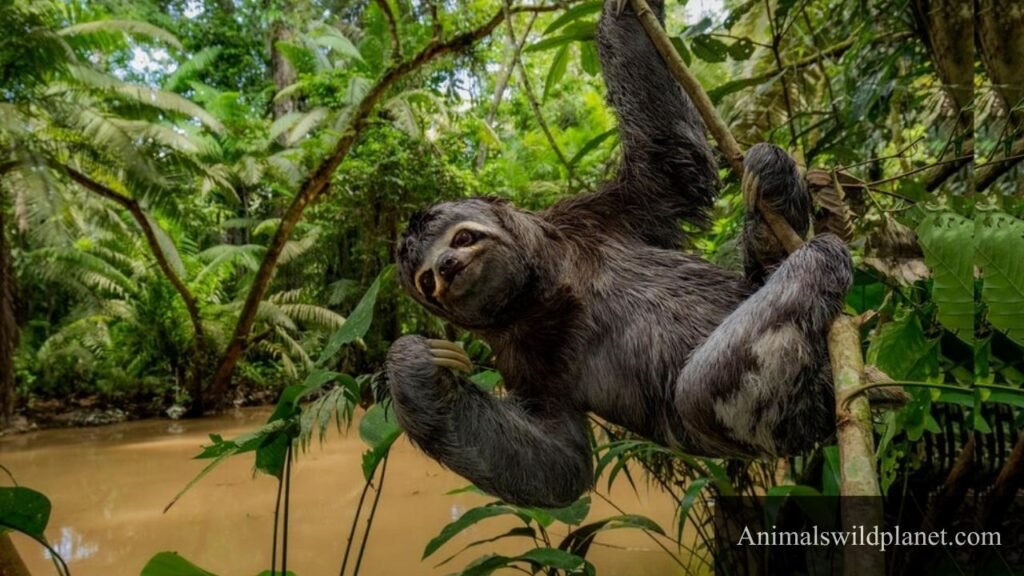
Interestingly, their brains are comparatively small, leading to a slower processing ability, which might be misconstrued as a lack of intelligence. However, sloths exhibit a different kind of wisdom that’s often overlooked: they are masters of camouflage. Their slow movement and greenish fur, laden with algae, allow them to blend seamlessly into their surroundings, evading predators while consuming minimal energy. This strategy has served them well in avoiding threats, which brings forth a fascinating realization: intelligence can manifest in ways that don’t always align with traditional measures like problem-solving or social interaction.
Readmore: Explore Top 18 Most Independent Animals.
Oysters
Scientific Name: Ostreidae
Class: Bivalvia
Diet: Filter feeder
Oysters, often celebrated for their culinary value and role in ecosystem balance, hold a fascinating position in discussions about intelligence in the animal kingdom. Lacking a centralized brain, they possess a simple nervous system that allows them to react to their environment without the complexities that characterize higher cognitive function. While this might place them low on the IQ scale, their survival strategies are remarkable. For instance, oysters filter vast amounts of water daily, naturally purifying their surroundings and maintaining marine health, showcasing a form of innate intelligence geared toward adaptation.
Furthermore, the role of oysters in their ecosystems extends beyond mere survival instinct. They engage in a symbiotic relationship with their environment, forming reefs that provide habitats for various marine species. This interaction emphasizes that intelligence isn’t solely about problem-solving or memory but can also be seen in the ability to contribute to ecosystem balance. Such dynamics provoke a deeper appreciation for all forms of life, challenging our understanding of intelligence as a hierarchy and inviting us to reconsider how we value different species’ contributions to our planet.
Kakapos
Scientific Name: Strigops habroptilus
Class: Aves
Diet: Herbivore
The kakapo, a flightless parrot native to New Zealand, is remarkable not just for its appearance but also for its surprisingly low intelligence. Unlike many birds that exhibit problem-solving skills and complex social interactions, the kakapo lacks the cognitive agility often seen in its avian relatives. Its curious nature means it sometimes miscalculates threats, making it less adept at navigating dangers in its habitat. This vulnerability has contributed to its status as one of the world’s rarest birds, as they have evolved in isolation without significant natural predators until humans arrived.
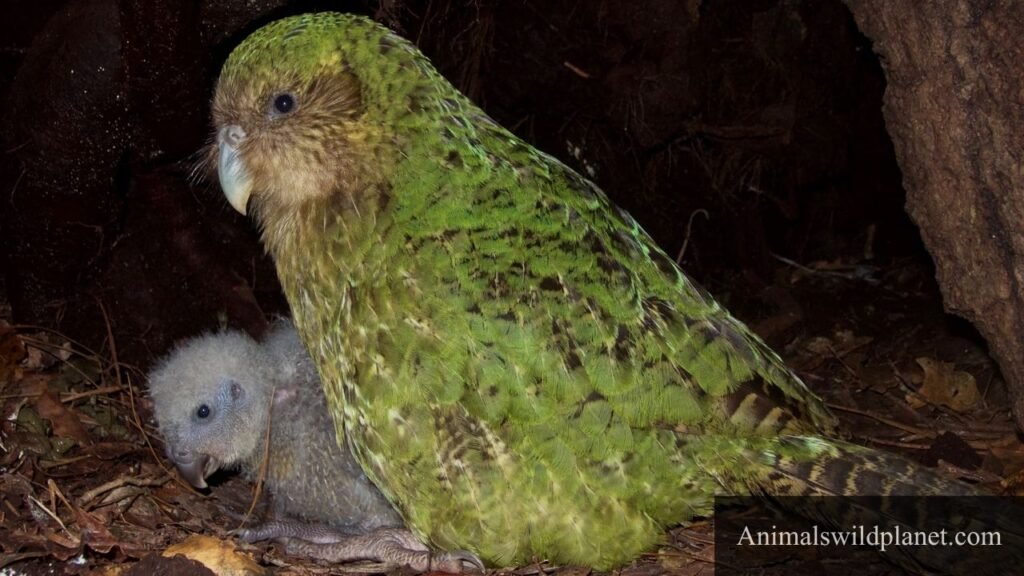
What’s particularly fascinating about the kakapo is its unique behavior during mating seasons. The males use a booming call that can be heard over considerable distances to attract females. However, this display not only highlights their low intelligence — it also speaks to their instinctual programming, which leads them to prioritize reproduction over more strategic survival tactics. In a rapidly changing world, the kakapo’s evolutionary quirks present a rich case study for conservationists, highlighting the delicate balance between instinctual behavior and survival in a human-dominated landscape. The story of the kakapo serves as a poignant reminder of the complexities of intelligence in the animal kingdom, where survival often relies on more than just brainpower.
Slow Loris
Scientific Name: Nycticebus
Class: Mammalia
Diet: Omnivore
The Slow Loris, an intriguing primate native to Southeast Asia, exhibits a unique combination of charm and mystery. Despite its endearing appearance — large, round eyes and a gentle demeanor — this nocturnal creature is ranked among animals with the lowest IQ. One reason behind its lower cognitive abilities is its evolutionary strategy of survival. Unlike species that rely on complex problem-solving skills, the Slow Loris thrives in a niche environment where stealth and a slow-paced lifestyle are paramount for evading predators and capturing prey.
What’s particularly fascinating is their method of foraging; they use a slow, deliberate approach to navigate their environment, relying heavily on their keen sense of smell rather than intellect. Their diet consists mainly of leaves, which require minimal strategy to procure. This simplicity in behavior challenges our traditional notions of intelligence, inviting us to appreciate that adaptability and survival can manifest in forms outside human-centric intelligence metrics.
Flamingos
Scientific Name: Phoenicopterus
Class: Aves
Diet: Omnivore
Flamingos, with their vibrant pink hues and graceful stature, might not strike one as airheads, yet they rank low on the intelligence scale among avian species. Their daily lives revolve around a simple routine: foraging for food, socializing, and nesting. This focus on basic survival skills rather than problem-solving or complex social interactions sheds light on their low IQ. However, what they lack in cognitive prowess, they make up for in remarkable adaptation skills; these birds can thrive in harsh, brackish environments where few others can.
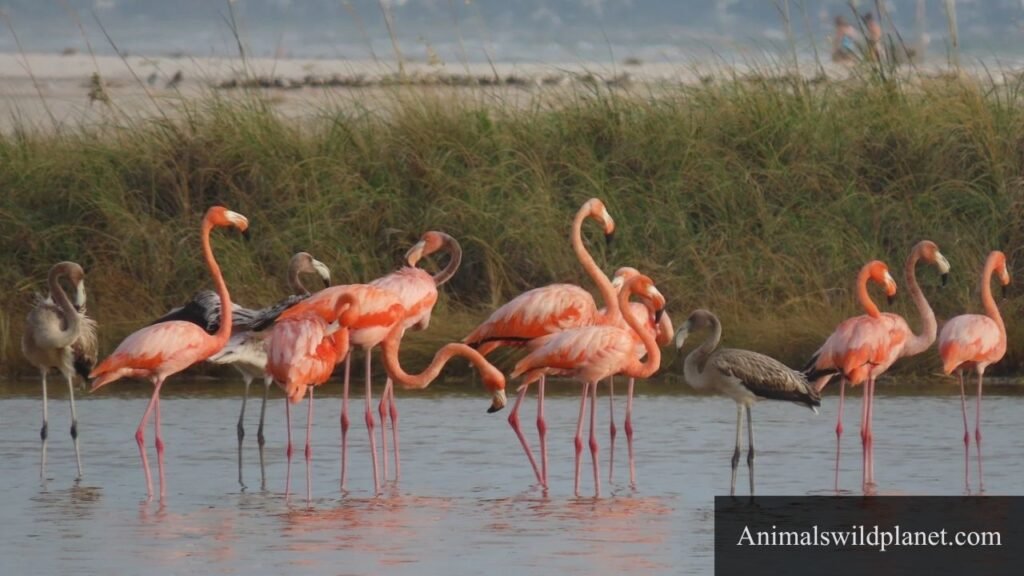
Marvelously efficient filter feeders, flamingos have evolved specialized beaks that allow them to sift through mud and algae for nourishment. While this may sound simplistic, their ability to exploit a very niche habitat demonstrates a unique kind of intelligence — one that speaks to survival rather than mental agility. Observing these creatures reveals that intelligence exists in many forms; what may be deemed as low IQ in one context can be seen as mastery in another. Each flamingo, with its elegant demeanor, exemplifies how evolutionary success often sidesteps conventional metrics of intelligence, reminding us that simplicity and specialization can be equally commendable traits in the animal kingdom.
Sea Sponge
Scientific Name: Porifera
Class: Demospongiae
Diet: Filter feeder
Sea sponges, often overlooked in the animal kingdom, are fascinating creatures that defy conventional intelligence metrics. With brains and nervous systems entirely absent, they survive primarily through simple, passive filtration of water — an efficient way to obtain nutrients in their aquatic environments. This lack of complex behavior results in their classification as some of the lowest IQ animals, yet their evolutionary success is astonishing; sponges have existed for over 600 million years. They operate on a biological level that emphasizes survival through minimal energy expenditure, showcasing a unique form of adaptability that’s often misunderstood.
What’s truly remarkable is how sea sponges illustrate the diversity of life. While they may not engage in problem-solving or demonstrate learning behavior like many higher organisms, their body structures cleverly filter micro-particles and bacteria from water, making them incredibly efficient ecosystem engineers. In habitats like coral reefs, sponges play a vital role in maintaining water quality and providing habitat for myriad marine species, proving that intelligence isn’t the sole measure of an organism’s significance in its ecosystem.
Jerboas
Scientific Name: Dipodidae
Class: Mammalia
Diet: Omnivore
Jerboas, often mistaken for small kangaroos due to their distinctive long hind legs, are fascinating creatures that reveal much about adaptability rather than traditional intelligence. Their unique environment in arid regions of North Africa and Asia has shaped their behaviors and physical traits, focusing more on survival than cognitive complexity. Instead of problem-solving skills, jerboas excel in agility and evasion, using their impressive leaping abilities to navigate sandy terrains and escape predators.
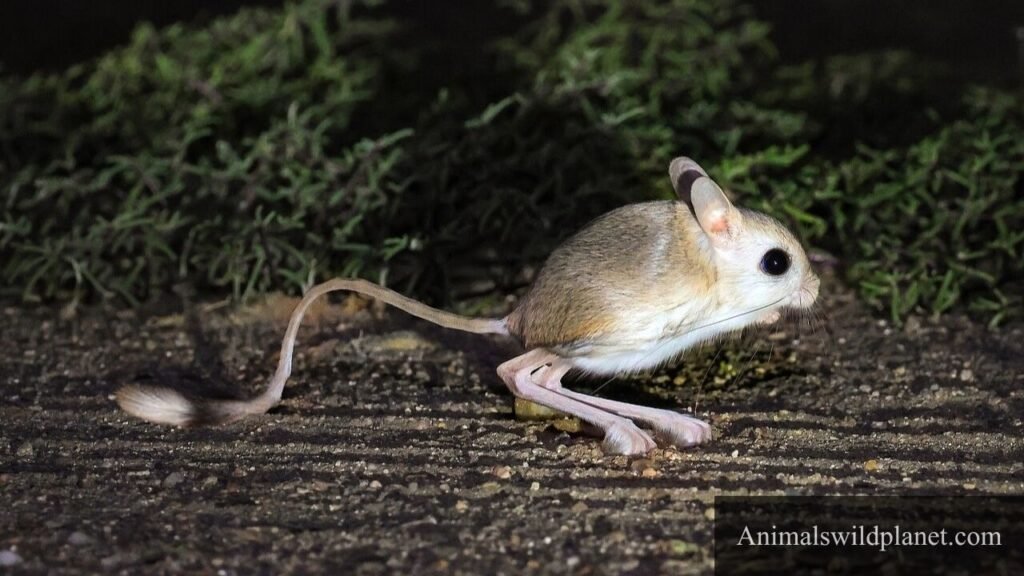
However, their seemingly low IQ doesn’t imply a lack of sophistication. Jerboas have developed extraordinary sensory adaptations — keen hearing and the ability to detect vibrations in the ground — allowing them to thrive in their harsh habitats. These traits showcase a different form of intelligence, one that prioritizes instinctual responses over learned behaviors. By prioritizing survival strategies, jerboas remind us that intelligence is multifaceted, encompassing not just memory or reasoning, but also the innate skills necessary for thriving in a challenging environment.
Jellyfish
Class: Scyphozoa
Diet: Carnivore
Jellyfish, often regarded as enigmatic beings of the ocean, provide a striking example of life forms that thrive without conventional intelligence. Lacking a central nervous system and brain, these creatures operate primarily on instinct. Their simple, yet effective, anatomical design enables them to survive in diverse marine environments, drifting with currents while employing their stinging cells for both defense and hunting. This lack of cognitive capacity may suggest a lower IQ, but it also illustrates a remarkable evolutionary adaptation — one that underscores the brilliance of nature’s simplicity.
Interestingly, jellyfish have thrived for over 500 million years, a testament to their successful survival strategy. Their minimalistic approach to existence raises questions about what intelligence truly means in the animal kingdom. While they may not navigate complex social structures or problem-solve like mammals, jellyfish exhibit remarkable resilience and adaptability. This highlights a broader perspective on intelligence; rather than a mere measure of cognitive ability, it can also encompass the myriad ways organisms interact with and adapt to their environments.
Coral
Class: Anthozoa
Diet: Carnivore / Filter feeder
Coral, often overlooked in discussions about intelligence, presents a unique case in the animal kingdom. Unlike typical animals measured by behavioral complexity, corals exhibit a fascinating form of “collective intelligence.” While individual polyps lack a brain or nervous system, they cooperate in large colonies, demonstrating a remarkable ability to thrive in diverse marine environments. This cooperation allows the colony to adapt to changes, such as fluctuating temperatures and water clarity, showcasing a type of survivability that challenges traditional notions of intelligence.
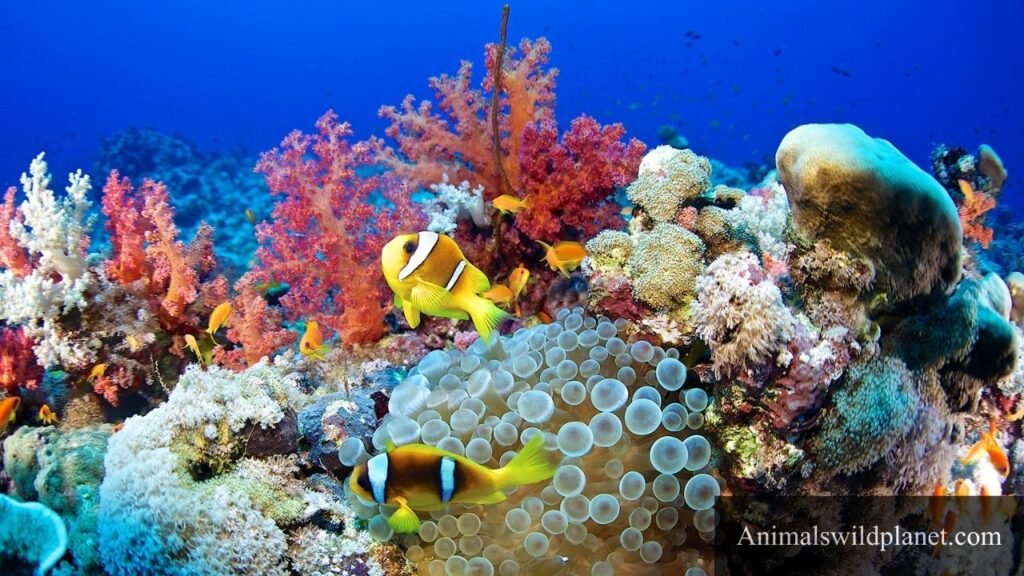
Moreover, coral’s symbiotic relationship with zooxanthellae — tiny algae that provide energy through photosynthesis — further emphasizes their ecological prowess. This partnership not only supports their growth but also enriches marine ecosystems, providing habitats and food for countless species. By examining coral’s survival strategies, we see that intelligence isn’t solely about cognitive capabilities but also about adaptation and resilience in the face of environmental challenges.
Turkeys
Scientific Name: Meleagris gallopavo
Class: Aves
Diet: Omnivore
Turkeys, often cast as the dimwits of the animal kingdom, present a fascinating paradox in their seemingly low intelligence compared to other birds. While their perceived lack of smarts may stem from their clumsy walking and bemused expressions, this view overlooks their unique adaptations. For instance, turkeys have an intriguing ability to recognize their surroundings and can remember certain behaviors that link to survival, such as evading predators or locating food.
Moreover, research indicates that their brains are wired for instinctual responses, which help them thrive in the wild despite what humans may interpret as ignorance. Interestingly, turkeys demonstrate social behaviors that hint at a more complex understanding of their environment — such as forming hierarchies within flocks and using vocalizations that can vary across regions. While they may not ace an IQ test, these qualities reveal that intelligence manifests in diverse forms, reminding us that adaptability often trumps raw cognitive prowess in the animal world.
Horned Lizard
Scientific Name: Phrynosoma
Class: Reptilia
Diet: Carnivore
The horned lizard, often affectionately dubbed the “horned toad,” boasts a striking appearance that masks its surprisingly low cognitive capacity. While many view intelligence through the lens of problem-solving and social interaction, this reptile thrives in a world where such traits are less crucial for survival. Instead, it excels in camouflage and defensive behaviors, making it a master of evasion against predators. In essence, the horned lizard’s brilliance is not in intellect but in evolutionary adaptations that have allowed it to thrive in arid landscapes.
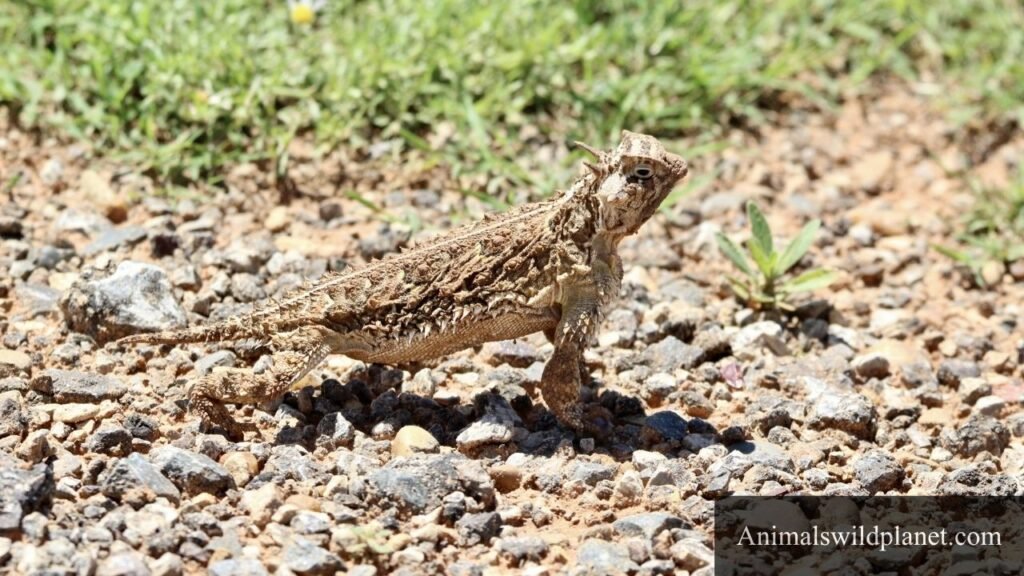
Interestingly, the horned lizard’s reliance on passive defense mechanisms, like its ability to flatten its body against the ground, highlights a unique narrative about intelligence. This adaptability raises questions about conventional definitions of intelligence and survival. For these lizards, a superior instinctual response can be more valuable than problem-solving skills, showcasing nature’s diverse strategies. As we reflect on the horned lizard, we’re reminded that intelligence can take many forms, and sometimes, the simplest survival tactics can be the most effective.
Sea Cucumber
Scientific Name: Holothuroidea
Class: Holothuroidea
Diet: Detritivore
The sea cucumber, often overlooked in discussions about intelligence, provides a unique perspective on marine life. While it may possess one of the lowest IQs in the animal kingdom, its evolutionary adaptations make it a fascinating organism. Living a largely sedentary life on the ocean floor, the sea cucumber thrives in environments where other animals might struggle, showcasing nature’s ability to prioritize survival over cognitive prowess.
What truly captivates about the sea cucumber is its intriguing defense mechanism. When threatened, it has the ability to expel its internal organs, which can distract predators long enough for it to escape. This remarkable strategy emphasizes that intelligence isn’t solely defined by cognitive ability; rather, it can also manifest in survival tactics suited to specific environments.
Koalas
Scientific Name: Phascolarctos cinereus
Class: Mammalia
Diet: Herbivore
Koalas, often charmingly known as “koala bears,” inhabit the eucalyptus forests of Australia, but their intelligence levels leave much to be desired. These marsupials rely primarily on instinct rather than cognitive processing. For instance, their diet consists almost entirely of eucalyptus leaves, which are toxic to many animals. Koalas have adapted to this, but they don’t exhibit the problem-solving prowess seen in more intellectually inclined species. Their survival strategy revolves around their specialized anatomy, including a unique digestive system that can detoxify the leaves, rather than their intellectual capabilities.
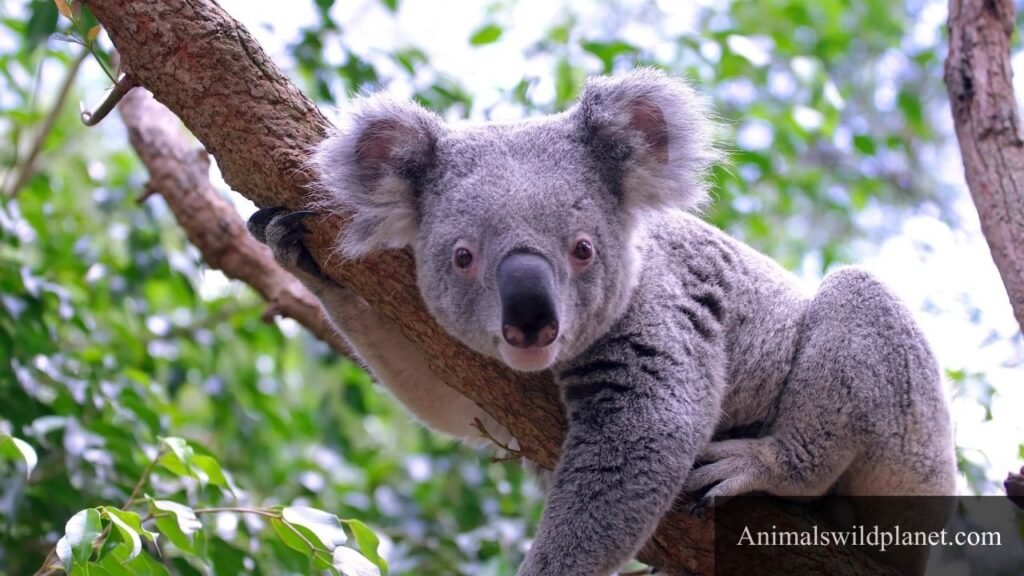
Interestingly, koalas’ low IQ is matched by their sedentary lifestyle; they sleep up to 20 hours a day, leading to a limited need for complex social interaction or learning. This behavior highlights a fascinating evolutionary adaptation — rather than navigating social hierarchies or solving problems, efficiency in energy conservation is key to their survival.
Flatworms
Scientific Name: Platyhelminthes
Class: Rhabditophora
Diet: Carnivore
Flatworms might appear simple and insignificant, existing under rocks and in dark crevices, but their biological structure holds fascinating insights into the evolution of intelligence. With a few thousand neurons, the flatworm’s nervous system is rudimentary, showcasing how life can thrive even with minimal cognitive capabilities. Rather than complexity, flatworms have perfected the art of survival through sheer instinct, relying on reflexive behaviors honed over millions of years.
Interestingly, their low IQ doesn’t impede their adaptability. Flatworms exhibit impressive regenerative abilities, allowing them to regrow lost body parts, which could be seen as a form of biological intelligence. This capability suggests that intelligence isn’t always measured by cognitive prowess alone; sometimes, survival skills can be the real measure of success in the animal kingdom. In this light, flatworms challenge our conventional definitions of intelligence, reminding us that simplicity can be an evolutionary advantage in an often unpredictable and harsh environment.
Starfish
Class: Asteroidea
Diet: Carnivore
Starfish, often seen as mesmerizing ocean dwellers, possess a unique biological makeup that starkly contrasts with traditional concepts of intelligence. These fascinating creatures lack a centralized brain, having instead a decentralized nervous system that allows them to respond to their environment without the need for cognitive processing.
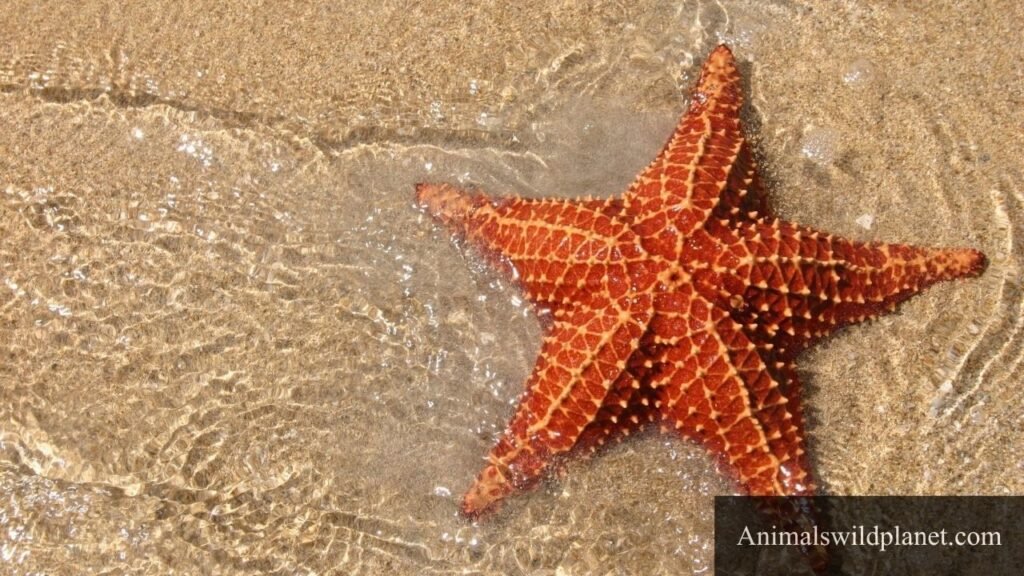
While starfish may not exhibit the problem-solving skills we typically associate with higher IQs, they are perfectly adapted to their roles in marine ecosystems. Their ability to regenerate limbs, for example, showcases a resilience and evolutionary efficiency that speaks to a different kind of intelligence — one grounded in survival rather than mental acuity. In many ways, starfish serve as a reminder that intelligence can manifest in forms far removed from our human understanding, compelling us to appreciate the diverse strategies life employs to endure in the vast ocean depths.
Killdeer
Scientific Name: Charadrius vociferus
Class: Aves
Diet: Carnivore
The killdeer, a small plover commonly found in North America, exhibits intelligence that might seem lacking compared to other bird species. However, this bird utilizes ingenious survival strategies that reveal an unexpected form of intelligence. When a predator approaches, the killdeer employs a fascinating distraction technique known as the “broken-wing act,” feigning injury to lure threats away from its nest. This clever behavior showcases an instinctual intelligence, emphasizing survival over cognitive measures typically associated with higher IQs.
Despite their low ranking on the intelligence scale, killdeers are masters of adaptation. Their ground-nesting habits may seem risky, but this choice allows them to blend seamlessly into their environment, making it challenging for predators to locate them. Moreover, their vocalizations — loud, distinctive calls — serve not only as alarm signals but also establish territory, demonstrating a level of social intelligence that might be overlooked when assessing their cognitive abilities. In nature, intelligence can manifest in diverse forms, and the killdeer challenges us to reconsider the criteria by which we judge animal intellect.
Slugs
Class: Gastropoda
Diet: Herbivore
These soft-bodied mollusks showcase a unique, albeit limited, form of survival. Lacking a centralized nervous system and complex brain structures, slugs have evolved to thrive without the cognitive prowess exhibited by many other creatures. Their instincts guide them, allowing them to navigate their moist environments, seek food, and reproduce — all vital for survival.
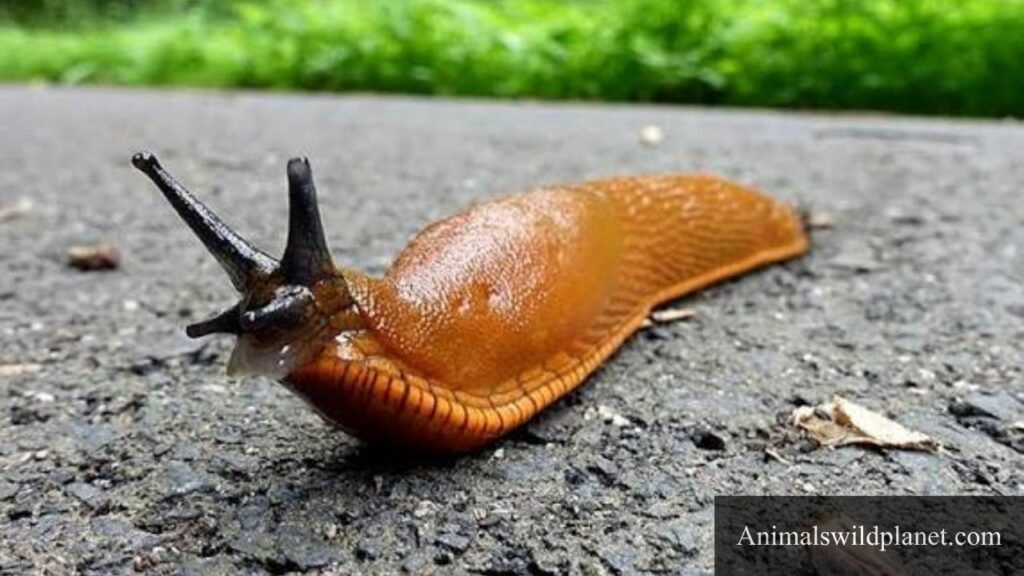
However, the simplicity of a slug’s life raises intriguing questions about intelligence itself. While they may rank low on the IQ scale, slugs have developed a remarkable adaptation: their slimy mucus trail, which aids in movement and can even deter predators. This divergence from conventional intelligence demonstrates that survival is not always about brain power; sometimes, it’s about the ability to navigate a niche environment effectively.
Pandas
Scientific Name: Ailuropoda melanoleuca
Class: Mammalia
Diet: Herbivore
Pandas, often lauded for their adorable appearance and gentle demeanor, ironically struggle when it comes to survival skills. Their unique diet of bamboo, which constitutes over 99% of their nutrition, requires them to consume vast amounts — up to 40 pounds per day — yet this preference is a curious evolutionary quirk. Their brains, weighing just about 250 grams, don’t quite match the massive energy demands of such a specialized diet. This mismatch reveals a striking limitation in their ability to adapt to changing environments or food availability.
Interestingly, their seemingly simplistic lifestyle — sleeping for up to 16 hours a day — raises questions about the connection between intelligence and survival strategies. While pandas may not exhibit high cognitive function, they demonstrate a unique set of traits that have allowed them to thrive in their specific niche. Their slow metabolism and solitary behavior could be viewed as an evolutionary success story, highlighting that intelligence isn’t the only metric for survival. In a world increasingly affected by climate change and habitat loss, these endearing bears remind us that adaptability and resilience come in many forms, often obscured by traditional definitions of intelligence.
Ostriches
Scientific Name: Struthio camelus
Class: Aves
Diet: Omnivore
Ostriches, often celebrated for their impressive size and speed, reveal a bewildering contrast when it comes to intelligence. These large flightless birds, native to Africa, have an IQ that ranks them among the least intelligent animals. Their behavioral responses often seem simplistic and reactionary, eschewing complex problem-solving in favor of instinctual survival tactics. For instance, when threatened, an ostrich may bury its head in the sand — not from fear but as a means to avoid detection. This peculiar behavior underscores a fascinating survival strategy while sparking curiosity about their cognitive processes.
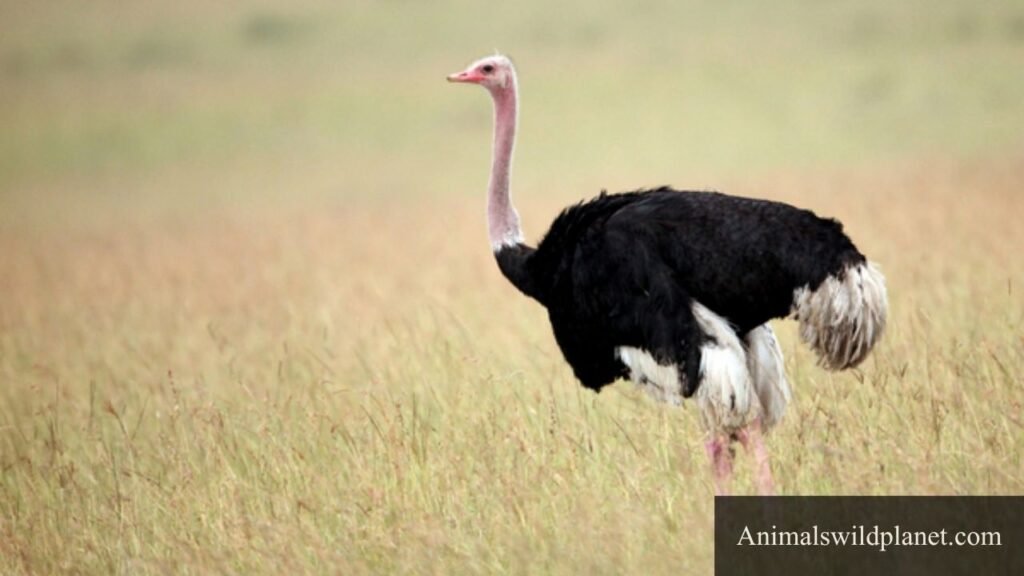
Interestingly, this lack of intelligence doesn’t hinder their adaptation to harsh environments. Ostriches rely heavily on their physical prowess, mastering the art of speed with powerful legs that allow them to sprint up to 45 miles per hour. Their social structures showcase a different type of intelligence; they operate in herds, which initially protects them from predators, suggesting a reliance on collective behavior rather than individual cognitive abilities.
Snails
Class: Gastropoda
Diet: Herbivore
When we think of intelligence in the animal kingdom, snails might not even make the shortlist. These slow-moving mollusks possess an IQ that could be considered minimal, with limited problem-solving abilities and no evident social structures. However, their survival strategies reveal a different kind of savvy. Snails possess a remarkable adaptability that has allowed them to thrive in diverse environments, from lush gardens to arid deserts.
What they lack in sheer cognitive prowess, snails more than make up for with their unique biological features. Their ability to secrete mucus not only aids in locomotion but also serves as a protective barrier against predators. When faced with harsh conditions, snails enter a hibernation-like state, sealing themselves within their shells for days, weeks, or even months — an instinctual response that showcases resilience rather than raw intellect.
Secretary Birds
Scientific Name: Sagittarius serpentarius
Class: Aves
Diet: Carnivore
Secretary birds, with their striking appearance and unique hunting methods, might seem like feathered powerhouses at first glance. However, when evaluated on the animal intelligence spectrum, they don’t stack up against many of their avian counterparts. These large raptors are primarily recognized for their extraordinary ability to hunt snakes, employing a remarkable technique of using their long legs to stomp on their prey rather than relying on cunning strategies typical of other birds of prey.
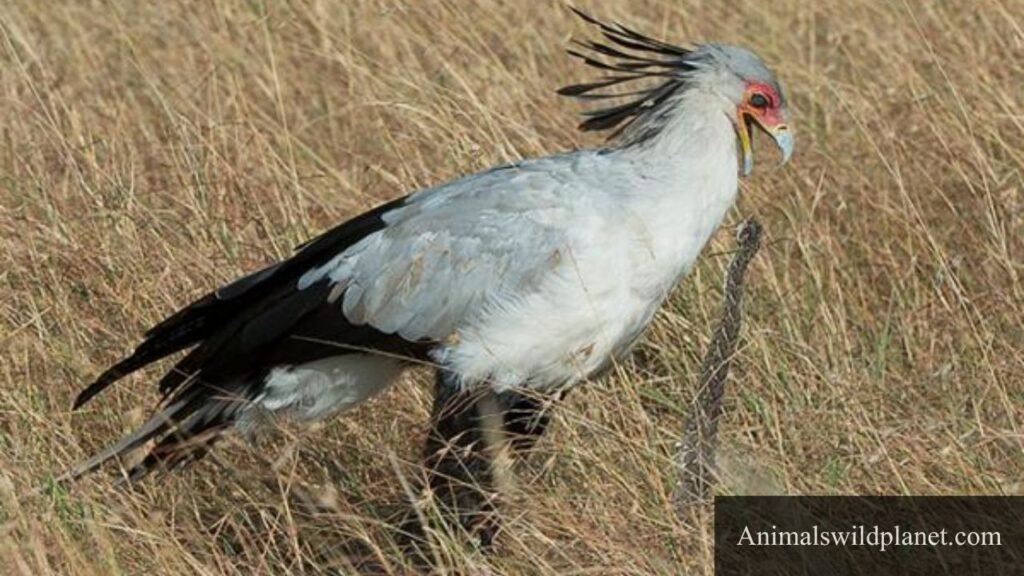
While they exhibit impressive physical prowess, their cognitive abilities reveal a simpler approach to survival. Studies indicate that secretary birds do not demonstrate problem-solving skills or complex social behaviors often seen in more intelligent species, such as crows or parrots. This lack of advanced cognitive function isn’t necessarily a drawback; it reflects their evolutionary adaptation to specific ecological niches. Their straightforward approach to hunting and survival ensures they thrive in the savanna landscapes of Africa, reminding us that intelligence can take many forms and that success in the animal kingdom often hinges on specialized skills rather than cognitive complexity.
Readmore: Explore Top 27 Most Energetic Animals.
Conclusion
The world of animals is as diverse in intelligence as it is in species. While some animals exhibit remarkable cognitive abilities, others, like the sloth and the jellyfish, showcase a more limited range of intellect. These animals have adapted to their environments in ways that may not require high levels of problem-solving or social interaction. Understanding their place in the ecosystem highlights the idea that intelligence can manifest in various forms, each uniquely suited to survival. As we explore the animal kingdom, let us appreciate all creatures, regardless of their IQ, and consider how they contribute to the rich tapestry of life on Earth.
FAQs
What animal has the lowest IQ in the world?
Many scientists suggest that simpler organisms, like certain jellyfish or sponges, might be at the bottom of the intelligence spectrum. These creatures lack brains and complex nervous systems, which limits their ability to learn and adapt.
Which mammal has the lowest IQ?
Koalas are often cited as having a lower intelligence compared to other mammals. Their brains are small and have less complexity, which reflects their specialized, low-energy lifestyle. Koalas primarily feed on eucalyptus leaves, which are tough to digest, leading to a very slow metabolism and a sedentary life.
Which pet has the lowest IQ?
While it’s difficult to rank the intelligence of pets definitively, many people agree that goldfish often come out on the lower end of the spectrum. Their brains are small and they don’t exhibit the same problem-solving abilities or emotional bonds that other pets do. This doesn’t mean they don’t deserve love and care, but their cognitive skills are quite limited.