Top 14 Animals That Eat Squirrels (With Pictures)
In this article, we delve into the fascinating world of animals that eat squirrels, uncovering the surprising truth behind these predator-prey relationships. Understanding the dynamics of these interactions is essential for appreciating the balance of our ecosystems. By the end, you’ll be equipped with knowledge about the diverse array of hunters that consider squirrels on their menu.
List of Animals That Eat Squirrels
Here is the list animals that eat squirrels:
- Bobcat
- Eagle
- Weasel
- Coyote
- Snakes
- Hawk
- Gray Wolf
- Bears
- Alligator
- Fox
- Badgers
- Great Horned Owl
- Raccoon
- Martens
Bobcat
Scientific Name: Lynx rufus
Class: Mammalia
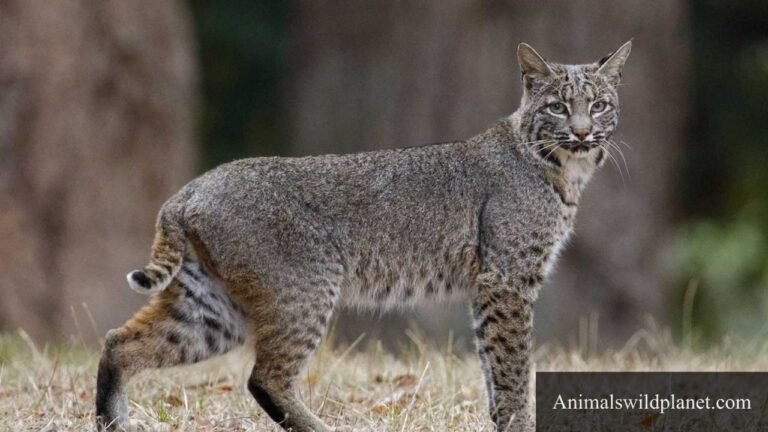
Bobcats, with their keen hunting instincts and stealthy approach, have earned their place as formidable predators in the ecosystems they inhabit. These medium-sized wildcats, often found in wooded areas, are opportunistic hunters, displaying a remarkable adaptability when it comes to their diet. While they primarily hunt rodents, birds, and rabbits, squirrels frequently make their way onto the bobcat’s menu, thanks to their abundance in various habitats.
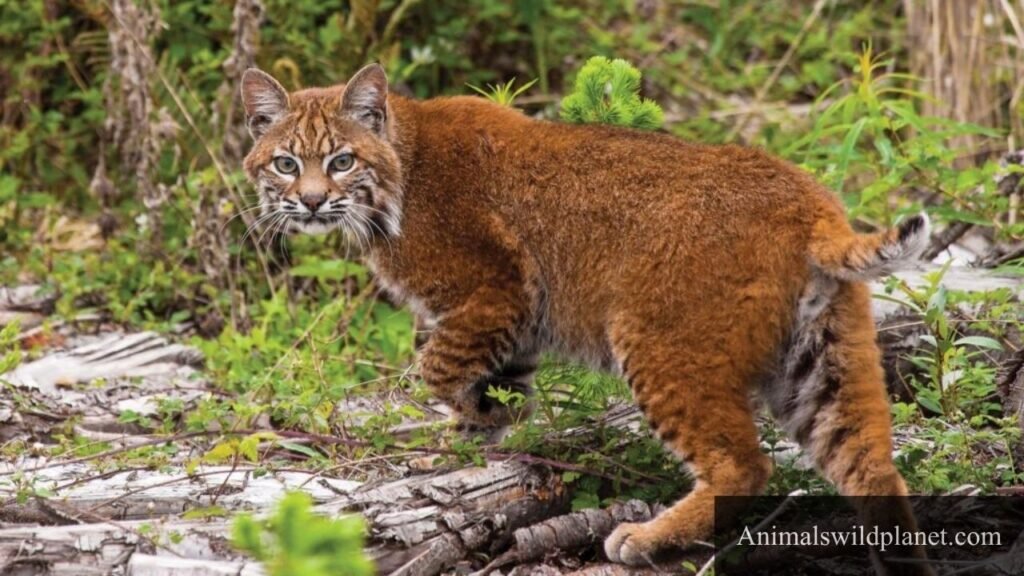
What sets the bobcat apart from other predators is its unique hunting strategy. With a blend of patience and agility, it stalks its prey through thick underbrush before launching a quick attack. The element of surprise is crucial, especially when confronting agile squirrels that can dart up trees with impressive speed. Interestingly, bobcats are adept climbers as well, allowing them to follow their prey into the treetops, showcasing their versatility as hunters.
Eagle
Scientific Name: Aquila chrysaetos
Class: Aves
Eagles, majestic and powerful, reign as apex predators in their ecosystems, often setting their sights on unsuspecting squirrels. With their keen eyesight, eagles can spot movement from great distances, allowing them to track squirrels as they scurry through trees or across open fields. The efficiency of their hunting technique is truly remarkable; they can silently descend upon their prey with incredible speed, making capture seem almost effortless.
What makes eagles particularly fascinating is their adaptability. While they might be known for hunting larger game like rabbits or waterfowl, their diet can shift based on availability, showing how opportunistic they are. In urban areas, where squirrels are abundant, eagles become highly skilled at navigating their environment, even hunting over bustling cityscapes.
Weasel
Scientific Name: Mustela nivalis
Class: Mammalia
Weasels, with their agile bodies and sharp instincts, are formidable hunters in the animal kingdom. These small carnivores have a reputation for being efficient predators, and when it comes to their diet, squirrels often find themselves at risk. Weasels possess a unique hunting strategy marked by stealth and speed, allowing them to navigate through dense underbrush and surprise their prey. Their slender frames enable them to pursue squirrels into tight spaces, making escape nearly impossible for the unsuspecting rodents.
What sets weasels apart from other predators is their notorious audacity — often taking on animals larger than themselves. This fearless approach means that a single weasel can take down a squirrel even in the thick of wooded habitat. However, the relationship is not merely one of predator and prey; it’s also a testament to the ecological balance. In this dynamic, weasels help regulate squirrel populations, ensuring a healthier ecosystem where various species can thrive. The unnerving efficiency of the weasel’s hunting techniques serves as a reminder of nature’s intricate web, where every creature plays a vital role in maintaining harmony.
Readmore: Explore Top 15 Animals That Eat Rabbits.
Coyote
Scientific Name: Canis latrans
Class: Mammalia
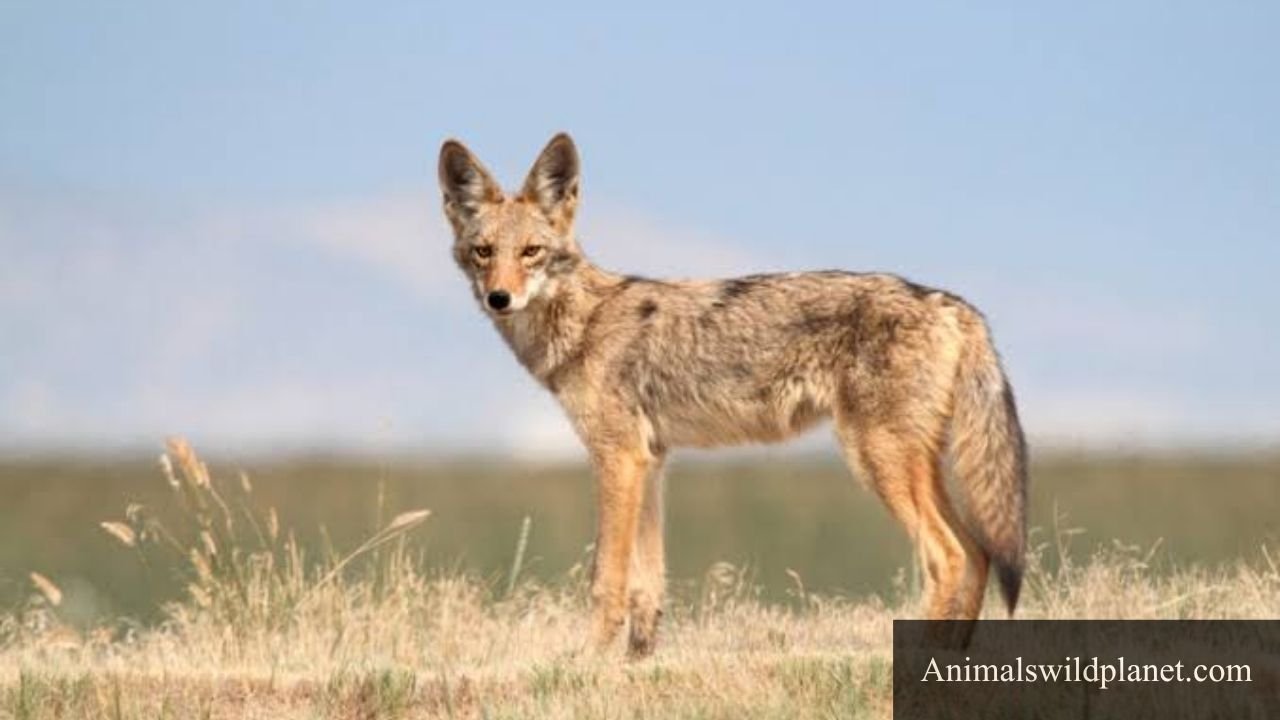
Coyotes, often regarded as the opportunistic scavengers of the animal kingdom, play a significant role as predators in ecosystems where squirrels thrive. These cunning canines possess remarkable adaptability, allowing them to thrive in diverse environments, from urban settings to remote woodlands. Their keen senses and swift agility make them adept hunters, particularly in locating and pursuing their squirrel prey, which they often catch in a burst of speed.
What’s fascinating is how coyotes have adjusted their hunting strategies based on the behaviors of their prey. In areas where squirrels outnumber them, coyotes might resort to pack hunting, leveraging their social structures to increase their success rate. This collaborative approach not only highlights the coyote’s intelligence but also underscores the intricate balance of predator and prey dynamics in the wild.
Snakes
Scientific Name: Serpentes
Class: Reptilia
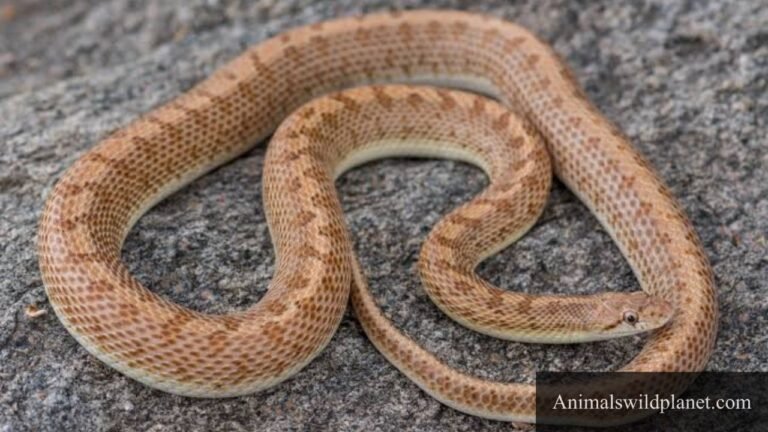
Among the myriad of predators in the animal kingdom, snakes stand out as silent yet formidable hunters of squirrels. Their hunting tactics vary, but the common thread is an impressive blend of patience and stealth. While many might envision a snake as a sudden strike from the underbrush, these reptiles often employ a strategy of ambush, lying in wait for their unsuspecting prey. With specialized adaptations, such as heat-sensing pits found in pit vipers, they can detect the warmth of a squirrel even in the dimmest light, ensuring their hunting prowess is finely tuned to capture such agile rodents.
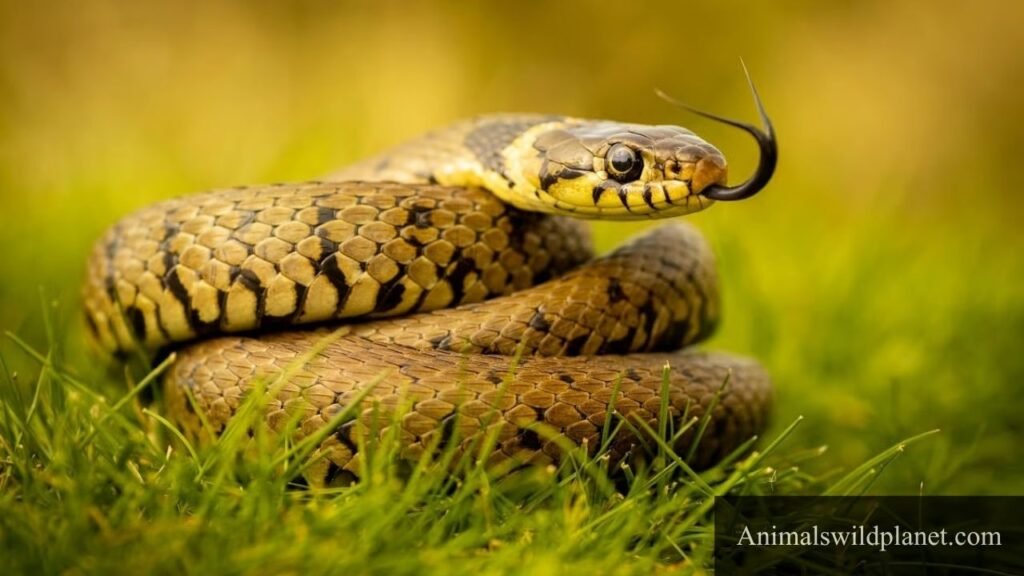
When snakes consume squirrels, they control the population of these agile creatures, allowing for a more balanced ecosystem where various species can thrive. Such interactions highlight the complexity of nature, revealing that every creature has a role, often unseen, in the web of life.
Hawk
Scientific Name: Buteo jamaicensis
Class: Aves
Hawks are among nature’s most adept hunters, showcasing remarkable agility and keen eyesight. With their ability to spot a squirrel from great distances, these birds have perfected the art of ambush. As they soar high above, their sharp vision can detect even the slightest movement in the underbrush, making squirrels one of their prime targets. Once they lock onto a squirrel, a hawk’s powerful talons deliver a swift, lethal grip, illustrating the raw efficiency of a predatory bird in motion.
What’s intriguing is the hawk’s adaptability; they often modify their hunting strategies based on the landscape and the behavior of their prey. In wooded areas, they may use stealth and patience, perching silently before launching a rapid dive. Conversely, in open fields, they might soar high to survey the terrain, capitalizing on their aerial advantage. This versatility not only showcases their intelligence but also reflects the delicate balance of the ecosystem, where each species must evolve to survive amid the proverbial “circle of life.” Understanding these dynamics gives us a deeper appreciation for the role hawks play in controlling squirrel populations, highlighting the interconnectedness of wildlife.
Gray Wolf
Scientific Name: Canis lupus
Class: Mammalia
The gray wolf, a symbol of wilderness and resilience, incorporates squirrels into its diverse diet when opportunities arise. While these agile rodents may seem insignificant against the backdrop of larger prey, wolves exhibit remarkable adaptability in their hunting strategies. In densely forested regions, squirrels represent a convenient snack, particularly during harsh winters when food sources become scarce. Their swift movements and high-pitched calls can momentarily distract a wolf’s fierce focus on larger game, yet it’s this very agility that can make a squirrel an enticing target in a tight-knit ecosystem.
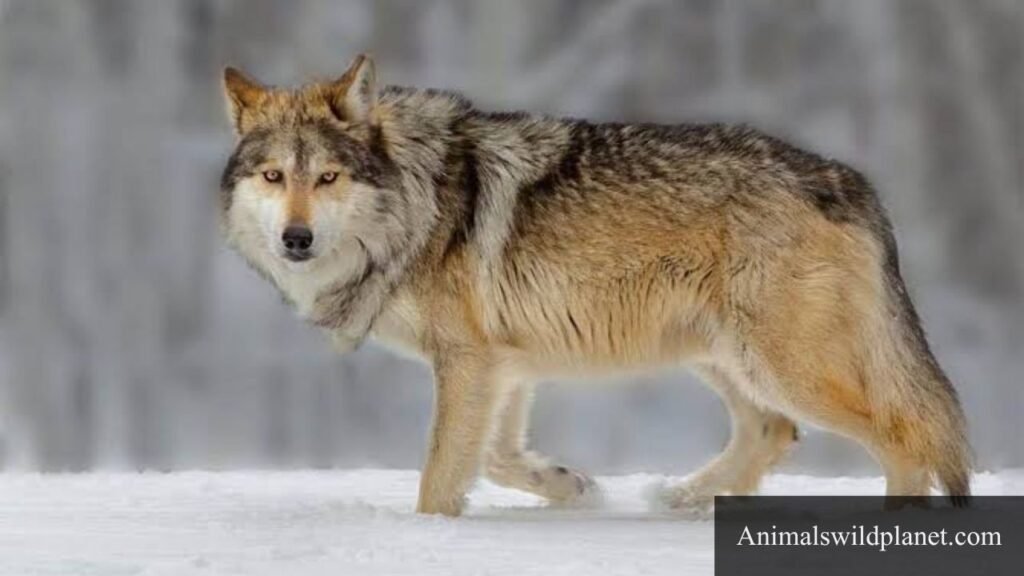
The relationship between gray wolves and squirrels also underscores the complexity of predator-prey dynamics. While larger animals, such as deer or elk, provide wolf packs with substantial nourishment, the inclusion of smaller creatures like squirrels allows these apex predators to thrive in various habitats. For wolves, the ability to shift their dietary preferences can be a survival strategy, showcasing their intelligence and resourcefulness.
Bears
Scientific Name: Ursidae
Class: Mammalia
Bears are often perceived as omnivorous giants enjoying berries, fish, and honey, but their diets can also surprisingly include squirrels. In regions where food sources are scarce, bears will opportunistically take advantage of available prey, and squirrels, with their abundant populations, become an easy target. This predatory behavior reveals a fascinating side of bear adaptability; they are not just scavengers but skilled hunters when the situation demands it.
What’s intriguing is the technique bears employ to catch these nimble rodents. Unlike typical stalking predators, bears leverage their sheer size and strength. They can uproot nests or disturb tree bark to flush out hidden squirrels, highlighting the resourcefulness of these creatures. Moreover, this relationship speaks to the complexity of ecosystems, where even the smallest of mammals play a crucial role. By preying on squirrels, bears help regulate their populations, which can, in turn, support the health of their habitat.
Alligator
Scientific Name: Alligator mississippiensis
Class: Reptilia
Alligators, often seen as apex predators in their freshwater habitats, have a surprisingly diverse diet that occasionally includes squirrels. While these reptiles are more commonly associated with fish, birds, and aquatic mammals, the opportunistic nature of alligators allows them to adapt to various food sources, especially when their preferred prey is scarce. In certain regions, alligators patrol the edges of lakes and swamps, using their stealth to ambush unsuspecting mammals venturing too close to the water’s edge.
Interestingly, squirrels, driven by their instinctual need to forage, often find themselves in perilous situations. When a squirrel approaches the water for a drink or to gather food, it momentarily becomes vulnerable. Alligators, with their extraordinary camouflage and patience, can strike swiftly, showcasing their predatory prowess.
Fox
Scientific Name: Vulpes vulpes
Class: Mammalia
Foxes, often seen as cunning and adaptable creatures, have a diverse diet that includes small mammals like squirrels. Their keen hunting skills and agile movements make them formidable predators in the wild. When a fox spots a squirrel, it subtly uses its surroundings to its advantage, employing stealth and patience rather than brute force. This approach not only showcases the fox’s intelligence but also highlights a fascinating predator-prey dynamic in nature.
Interestingly, the relationship between foxes and squirrels extends beyond mere survival. In ecosystems where fox populations thrive, they can help regulate squirrel numbers, preventing overpopulation that might lead to imbalances. This intricate interplay contributes to a healthier ecosystem, as it allows for the sustainability of various plant species that squirrels might otherwise overconsume. Observing this natural cycle reveals how interconnected wildlife is and emphasizes the vital roles each species plays in maintaining ecological harmony.
Badgers
Scientific Name: Meles meles
Class: Mammalia
Badgers, often overlooked in the predator hierarchy, play a surprisingly vital role in controlling squirrel populations. With their stocky bodies and powerful forelimbs, these nocturnal mammals are equipped for digging, enabling them to locate squirrel nests buried beneath dense vegetation. Although they primarily feast on earthworms and insects, badgers won’t hesitate to take advantage of a vulnerable squirrel if the opportunity arises. Their keen sense of smell and tenacity make them formidable hunters in the nighttime wilderness.
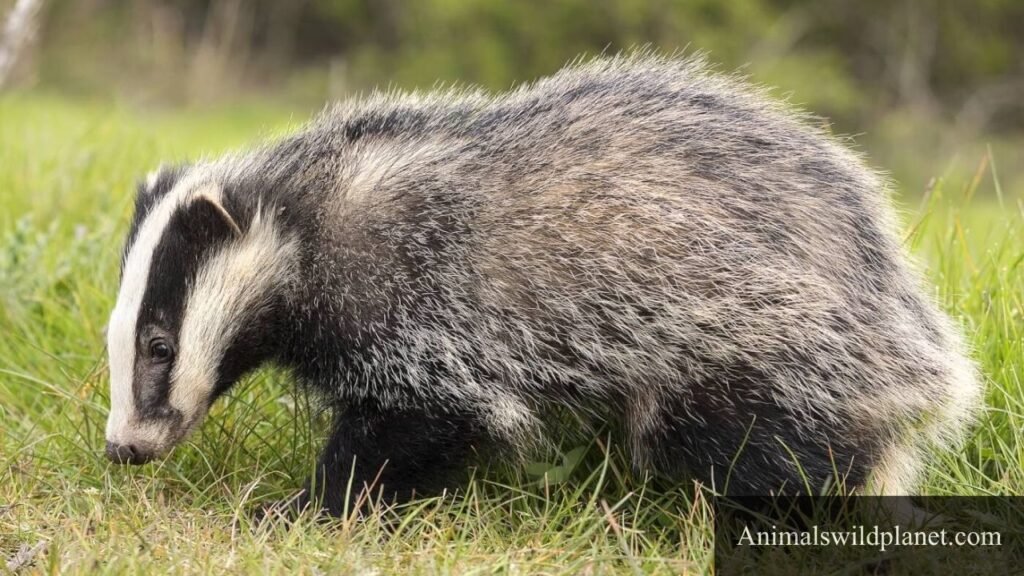
Moreover, badgers exhibit a fascinating behavior known as “scavenger hunting,” where they’ll often return to previous hunting grounds in search of leftover meals. This adaptability not only showcases their hunting prowess but also highlights how they can change the dynamics of their ecosystems. By curbing the squirrel population, badgers help maintain the balance within their habitats, demonstrating the intricate interconnectedness of species.
Great Horned Owl
Scientific Name: Bubo virginianus
Class: Aves
The Great Horned Owl, a formidable predator, thrives in a variety of habitats, showcasing its adaptability and dominance in the food chain. These owls possess keen eyesight and exceptional hearing, allowing them to pinpoint even the slightest rustle of leaves — often the telltale sign of a squirrel on the move. What’s fascinating is their hunting strategy; they prefer to ambush their prey from below, swooping down silently with their broad wings, thanks to specialized feathers that minimize sound. This stealthy approach not only aids in capturing squirrels but also allows them to hunt effectively in densely wooded areas where larger birds of prey might struggle.
Beyond their impressive hunting skills, Great Horned Owls display remarkable versatility in their diet. While squirrels frequently appear on the menu, they won’t shy away from larger meals like rabbits or even other birds. Their dietary flexibility highlights the owl’s role as an apex predator, capable of regulating small mammal populations, including those of squirrels.
Raccoon
Scientific Name: Procyon lotor
Class: Mammalia
Raccoons, with their masked faces and dexterous paws, are often seen rummaging through trash bins, but their diet is far more eclectic than just scraps. These omnivorous creatures are opportunistic feeders and won’t hesitate to include squirrels in their culinary repertoire. When a raccoon spots a squirrel, especially in urban areas where natural prey may be scarce, it becomes an efficient predator. Their keen eyesight and stealthy approach allow them to stalk and ambush, making them surprisingly effective hunters.
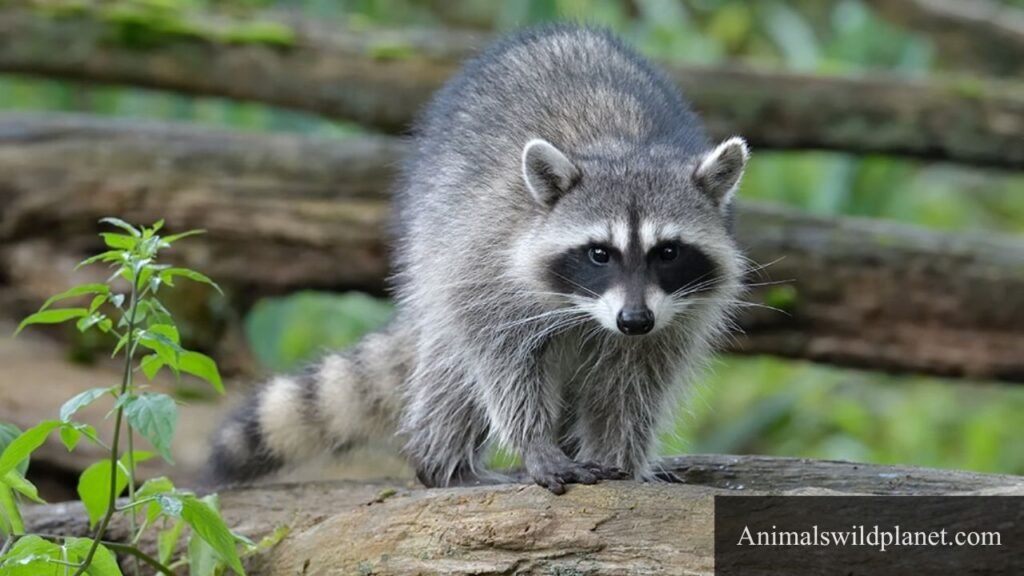
What’s fascinating is how raccoons leverage their intelligence in these encounters. They can often be seen watching squirrels from a distance, studying their movements and behaviors. This strategic planning reflects a level of behavioral adaptation that’s rarely acknowledged in such common urban wildlife.
Martens
Scientific Name: Martes martes
Class: Mammalia
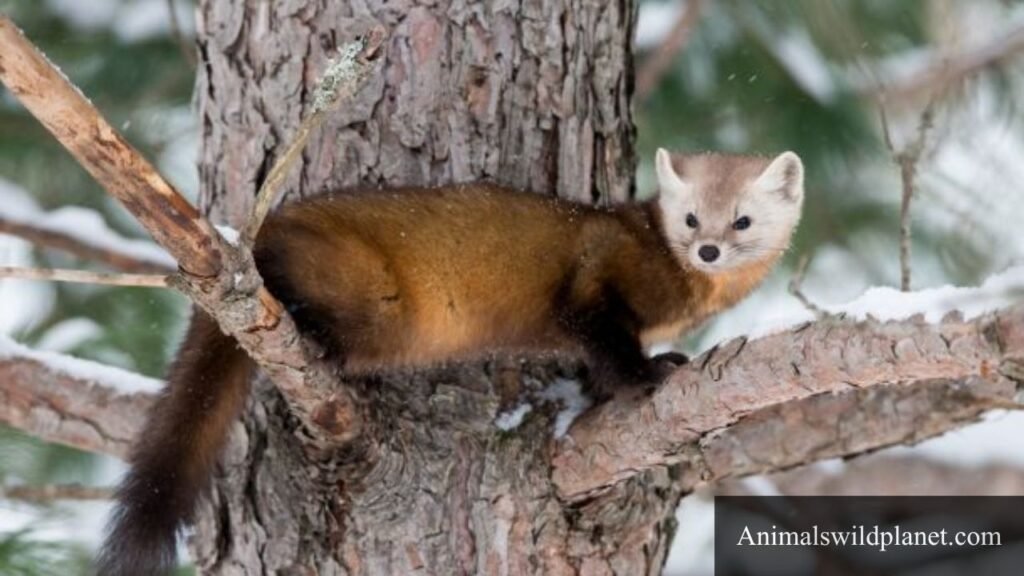
Martens, elusive members of the weasel family, are fascinating predators that specialize in hunting various small mammals, including squirrels. Their slender bodies and sharp claws enhance their agility as they leap through the trees, making them formidable opponents for their furry prey. Unlike more robust hunters, martens rely on stealth and precise movements, often ambushing unsuspecting squirrels during their midday foraging. This unique hunting strategy showcases the martens’ adaptability and highlights the intricate balance of forest ecosystems.
What’s truly remarkable about martens is their impact on squirrel populations. By keeping numbers in check, these agile hunters play a crucial role in maintaining biodiversity within their habitats. Interestingly, the diet of martens can vary significantly based on their environment; in regions rich in squirrels, these small mammals may comprise a substantial portion of their meals. Yet, in areas with diverse food sources, martens might also consume fruits, insects, or birds, demonstrating their versatility as opportunistic feeders.
Readmore: Explore Top 14 Animals That Eat Oranges.
Conclusion
The various predators that feast on squirrels play a crucial role in maintaining the balance of their ecosystems. From the sleek fox to the soaring hawk, these animals contribute to the natural cycle of life and death, ensuring that no species overwhelms another. While squirrels may appear abundant and carefree, they are an integral part of the food web that sustains countless other creatures. Understanding these interactions can deepen our appreciation for wildlife and the delicate systems that support biodiversity. As we reflect on the dynamics of nature, let’s take a moment to observe and respect the roles all animals play, including those that keep squirrel populations in check.
FAQs
What eats squirrels?
Squirrels have several natural predators. Birds of prey, such as hawks and owls, are among the most significant threats, often swooping down to catch squirrels unawares. Snakes, coyotes, and foxes may also hunt them.
Do weasels eat squirrels?
Yes, weasels can eat squirrels, although it’s not their primary diet. Weasels are opportunistic predators and will hunt small mammals, including rodents and young squirrels, especially when food is scarce. They rely on their agility and stealth to catch their prey.
What birds eat squirrels?
Several birds of prey are known to hunt and eat squirrels. Hawks, especially red-tailed hawks, are commonly seen soaring high and watching the ground for any movement. They can swoop down with impressive speed to catch squirrels when the opportunity arises. Owls, particularly great horned owls, also include squirrels in their diet. They hunt primarily at night, using their exceptional hearing and vision to locate these rodents in the dark.
Do foxes eat squirrels?
Yes, foxes do eat squirrels. They are opportunistic feeders and will consume a variety of prey, including rodents, birds, and small mammals. Squirrels, being common in many habitats, are often on the menu for these crafty predators.
Do raccoons eat squirrels?
Yes, raccoons do eat squirrels, among other small animals. As opportunistic omnivores, they will take advantage of whatever food source is readily available. This includes fruits, nuts, insects, and small mammals like squirrels.