Top 18 Most Dirtiest Animals in The World (Images Included)
When we think about dirtiness in the animal kingdom, our minds often go to the usual suspects, but the reality is far more surprising. In this article, we’ll explore the Most Dirtiest Animals in The World, revealing the creatures that thrive in the filthiest of environments. Understanding these animals not only sparks curiosity but reminds us of the diverse ways life adapts to harsh conditions. Join us as we delve into this fascinating topic and uncover the unexpected champions of grime.
List of Most Dirtiest Animals in The World
Here is the list of dirtiest animals in the world:
| Number of Animal | Names of Dirtiest Animals |
| 1 | Hyenas |
| 2 | Frogs |
| 3 | American Bison |
| 4 | Flies |
| 5 | Wild Boars |
| 6 | Crows |
| 7 | Sloths |
| 8 | Pigs |
| 9 | Rats |
| 10 | Cape Buffalo |
| 11 | Pigeons |
| 12 | Dung Beetles |
| 13 | Hippopotamus |
| 14 | Cockroaches |
| 15 | Raccoons |
| 16 | Vultures |
| 17 | Opossum |
| 18 | Catfish |
Hyenas
Scientific Name: Crocuta crocuta
Class: Mammalia
Diet: Carnivore (also scavenger)
Hyenas are often unfairly maligned as the epitome of filth among the animal kingdom, largely due to their scavenging habits. However, this perception overlooks their fascinating social structures and intelligence. Living in matriarchal clans, hyenas communicate using complex vocalizations, which include whoops, giggles, and growls, revealing their intricate social dynamics. Their ability to work together to hunt and defend territory showcases a strategic mind, countering the simplistic stereotype of a mindless scavenger.
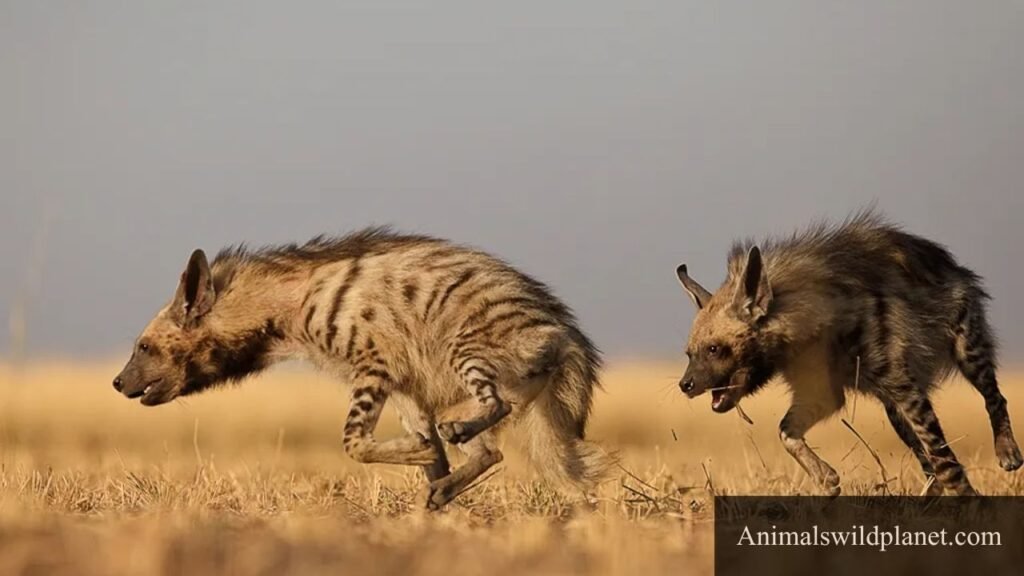
Moreover, their so-called “dirty” eating habits play a crucial ecological role by recycling nutrients into the environment. By consuming carrion, they help control animal populations and reduce disease spread. Interestingly, their exceptionally strong stomach acid allows them to digest bones and fur, transforming what many perceive as waste into vital resources for the ecosystem. Far from being mere scavengers, hyenas are exemplary recyclers, underlining the importance of every player in the intricate web of life.
Frogs
Scientific Name: Anura
Class: Amphibia
Diet: Carnivore
Frogs often elicit images of charming creatures hopping through lush environments, but their reality can be quite the contrast. Many species thrive in habitats brimming with algae, detritus, and stagnant water, leading to a life far removed from cleanliness. Their skin, which plays a pivotal role in respiration, absorbs not only oxygen but also a cocktail of environmental bacteria and pathogens. This involuntary “dirty work” makes them susceptible to various infections, revealing a surprising vulnerability beneath their vibrant exteriors.
Moreover, frogs are communal creatures — it’s not uncommon to find entire populations congregating in the same muddy pools. This results in a robust mix of biological materials, from waste to toxins. Their mating rituals often take place in these less-than-pristine settings, where male frogs croak loudly to attract mates despite the overwhelming odor. The environmental challenges they face have made them resilient, yet their tolerance to grime serves as a poignant reminder of the delicate balance of nature, where survival often demands a less-than-pure existence.
American Bison
Scientific Name: Bison bison
Class: Mammalia
Diet: Herbivore
The American bison, often romanticized in nature documentaries, harbors a surprisingly unglamorous side. Known to wallow in mud, these massive creatures engage in this behavior not just for fun, but also as a means of thermoregulation and protection against biting insects. Their muddy fur, which might appear filthy to the untrained eye, serves as a natural sunscreen and insect repellent. This earthy coating creates a protective barrier, demonstrating nature’s ingenuity in adapting to harsh environmental conditions.
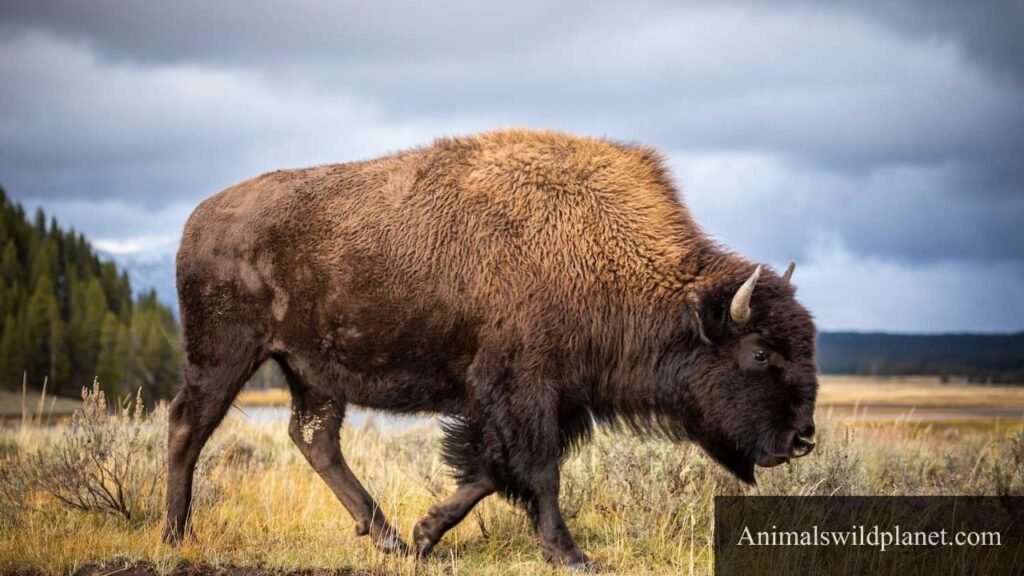
However, the bison’s interactions with its ecosystem reveal a deeper narrative about cleanliness and health. Their wallowing habits contribute to the formation of small wetlands — a vital resource for other species. By creating these mud pools, bison inadvertently foster habitats for various plants and animals, showcasing a rugged beauty in what may seem like unkempt behavior.
Readmore: Explore Top 24 Shy Animals in The World.
Flies
Scientific Name: Diptera
Class: Insecta
Diet: Omnivore
Flies, often dismissed as mere nuisances, are among the most fascinating and dirtiest creatures we share our environment with. Each tiny fly can carry over a million bacteria, making them notorious vectors of disease. Their life cycle, which includes feeding on decaying organic matter, is not just revolting but also vital to the ecosystem. By breaking down waste, they play an essential role in nutrient recycling, highlighting the complexity of nature’s design — even in its most unappealing forms.
What’s even more intriguing is how flies have adapted their feeding habits to thrive in human habitats. Houseflies, for instance, don’t chew their food; instead, they regurgitate digestive enzymes to liquefy their meals, often contaminated substances like rotting food or animal waste. This unique feeding mechanism underscores their role as scavengers but also serves as a reminder of the diligence needed in sanitation efforts. While their presence might evoke disgust, flies prompt us to consider the balance of life and death, filth and fertility, in the perpetual cycle of existence.
Wild Boars
Scientific Name: Sus scrofa
Class: Mammalia
Diet: Omnivore
Wild boars, often perceived as mere symbols of rugged wilderness, hold a fascinating yet surprising reputation as some of the dirtiest animals in the animal kingdom. Bursting with a pungent aroma, these creatures roll in mud not just for sheer enjoyment, but as a clever survival tactic. The mud acts as a sunscreen, protecting their sensitive skin from harsh UV rays and parasitic invasions. This behavior highlights a blend of practicality and instinct, showcasing their adaptability in varying habitats.
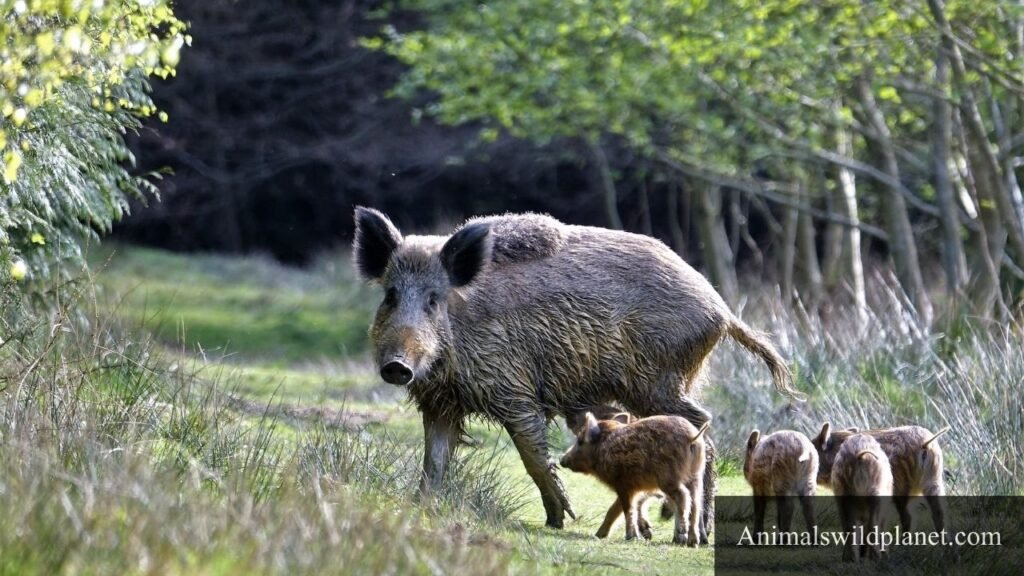
Moreover, their foraging habits contribute to a unique ecological impact. Wild boars root through the earth, churning up soil and promoting the growth of new vegetation, inadvertently serving as nature’s tillers. However, their foraging means they often consume garbage or food waste, further tarnishing their image as “dirty.” Yet, this behavior underscores their role in food webs, maintaining the balance of their ecosystems while raising intriguing conversations about the complexity of nature’s circle of life.
Crows
Scientific Name: Corvus
Class: Aves
Diet: Omnivore
Crows, often labeled as scavengers, possess an unexpected complexity that goes beyond their perceived dirtiness. These intelligent birds have a keen ability to adapt to urban environments, often rummaging through waste for food. However, this adaptability is more than just survival; it showcases their remarkable problem-solving skills. Observations have revealed that crows can use tools, demonstrating a level of cognition that rivals some primates. Their “messy” behavior serves a dual purpose, enabling them to thrive while also playing a crucial role in ecosystems by disposing of carcasses and organic waste.
Moreover, crows engage in what can be described as “social cleaning,” as they often cluster in groups to scavenge, displaying a fascinating communal intelligence. This behavior not only allows for efficiency in feeding but also serves to strengthen social bonds within their communities. While their surroundings may appear chaotic, crows elevate the concept of adaptability to an art form, transforming environments deemed as dirty into opportunities for ingenuity. In examining the life of a crow, one finds that what appears to be dirtiness is often a reflection of nature’s intricate balance, underscoring the significance of even the most disregarded creatures.
Sloths
Scientific Name: Folivora
Class: Mammalia
Diet: Herbivore
Sloths may seem like the poster animals for tranquility, but their leisurely lifestyle comes with an unexpected twist: they are surprisingly dirty. Known for their slow movements and perpetually sleepy disposition, sloths spend much of their time hanging upside down in trees, creating a unique habitat for algae to grow in their fur. This green growth may appear unappealing, but it serves a practical purpose by providing camouflage against predators while also acting as a source of nutrients.
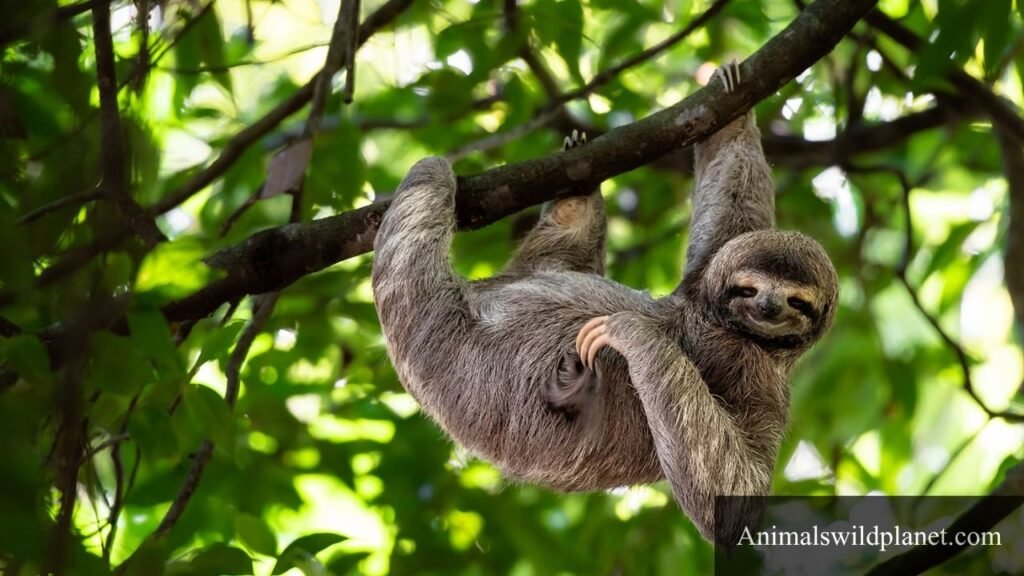
While a sloth might look like a heap of fur and algae, this ecosystem of microorganisms plays a crucial role in their survival. The algae not only provides a form of protection, but it also helps sustain the sloth’s delicate digestive system by enhancing the availability of nutrients from their primarily leaf-based diet. In a fascinating way, their dirtiness is integral to their lifestyle, demonstrating the intricate relationships within ecosystems that enable even the slowest creatures to thrive in the wild.
Pigs
Scientific Name: Sus scrofa domesticus
Class: Mammalia
Diet: Omnivore
Pigs have garnered a reputation for being some of the dirtiest animals on the planet, but this perception often oversimplifies their complex behavior. While it’s true that pigs enjoy rolling in mud, this behavior serves a critical purpose — they use mud as a natural sunscreen and insect repellent. This instinctive action helps them regulate body temperature and protect sensitive skin, making mud their ally rather than just a mark of filth.
Moreover, the intelligence of pigs adds another layer to their image. These creatures possess cognitive abilities that rival those of primates, demonstrating problem-solving skills and emotional depth. When they wallow in dirt, they aren’t just indulging in a messy pastime; they are engaging in a sophisticated form of self-care, utilizing their environment to thrive. Their playful nature often leads to social interactions that are anything but dirty, showcasing loyalty and affection amongst their herd.
Rats
Scientific Name: Rattus
Class: Mammalia
Diet: Omnivore
Rats, often labeled as the quintessential dirty animals, possess an undeniable charm that belies their reputation. These resilient creatures have thrived alongside humans for centuries, developing an astonishing adaptability to various environments — from urban sprawls teeming with refuse to rural areas rich in agriculture. Interestingly, their ability to survive in such harsh conditions has led to their extensive geographical spread, making them one of the most successful mammalian species on the planet.
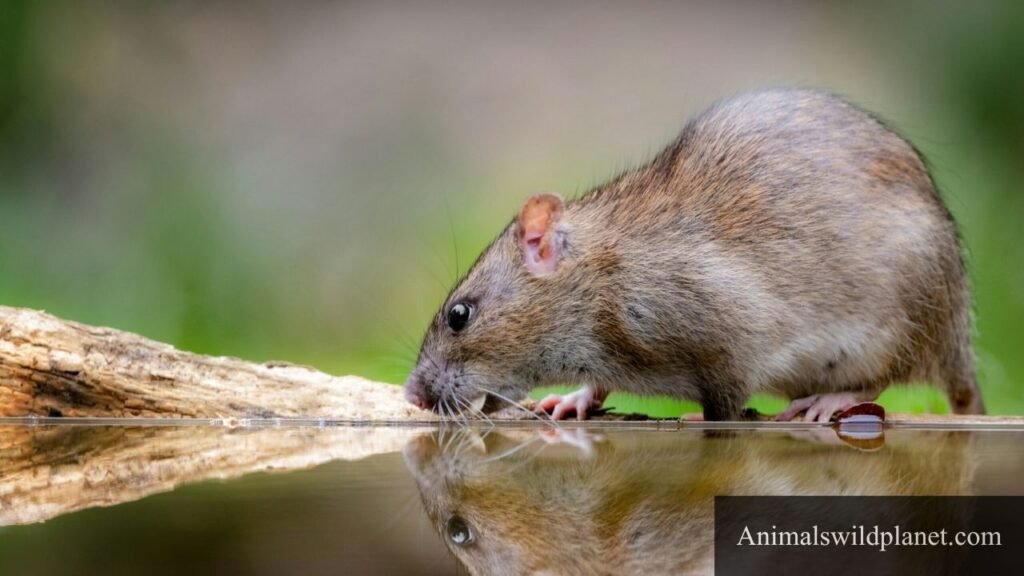
Beyond their unsavory reputation, rats exhibit remarkable social behaviors that challenge our perceptions. Their strong familial bonds and ability to communicate through a variety of vocalizations and body language reveal a complex social structure often overlooked. Moreover, studies on their intelligence show that rats can solve puzzles, learn from experiences, and even demonstrate empathy, caring for injured companions. This intricate psyche, paired with their undeniable persistence, paints a picture of an animal that is far more nuanced than mere vermin. In examining their world, we might find more than just dirt; we discover adaptability, intelligence, and a fascinating perspective on survival.
Cape Buffalo
Scientific Name: Syncerus caffer
Class: Mammalia
Diet: Herbivore
The Cape buffalo, often regarded as a symbol of wild African landscapes, showcases a fascinating contrast to its majestic reputation through its life choices. Surprisingly, these enormous creatures are often found wallowing in muddy waterholes, a behavior that seems counterintuitive for animals of their size and strength. This act of frolicking in muck serves multiple purposes, from cooling their bodies to protecting their skin from pesky insects and sunburn. In a sense, the mud acts as a natural sunscreen while also providing a barrier against parasites that might otherwise thrive on their thick hides.
Beyond the superficial layer of filth, the Cape buffalo is an essential player in its ecosystem. Its penchant for muddy excursions inadvertently benefits other species. By wallowing, they create depressions that can fill with rainwater, providing essential hydration for smaller creatures.
Pigeons
Scientific Name: Columba livia
Class: Aves
Diet: Herbivore
Pigeons, often maligned as city nuisances, are fascinating creatures with a surprisingly rich history intertwined with human civilization. While their droppings can be seen as the epitome of urban filth, these birds are remarkable survivors, adapting to the challenges of urban life. Their ability to thrive in crowded environments speaks to their resourcefulness, yet the pathogens they can carry often give rise to concern.
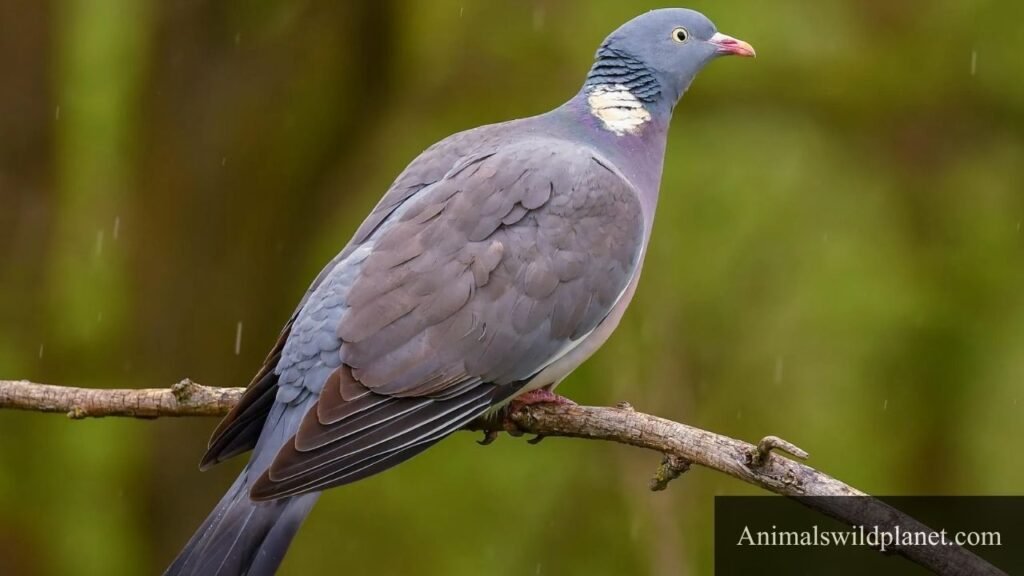
Interestingly, studies suggest that pigeons have an impressive immune system that enables them to withstand many diseases. This resilience can lead to a misconceived notion of adaptability as “dirtiness.” In reality, their role in the ecosystem goes beyond being mere scavengers; they help disperse seeds and maintain urban biodiversity.
Dung Beetles
Scientific Name: Scarabaeinae
Class: Insecta
Diet: Detritivore
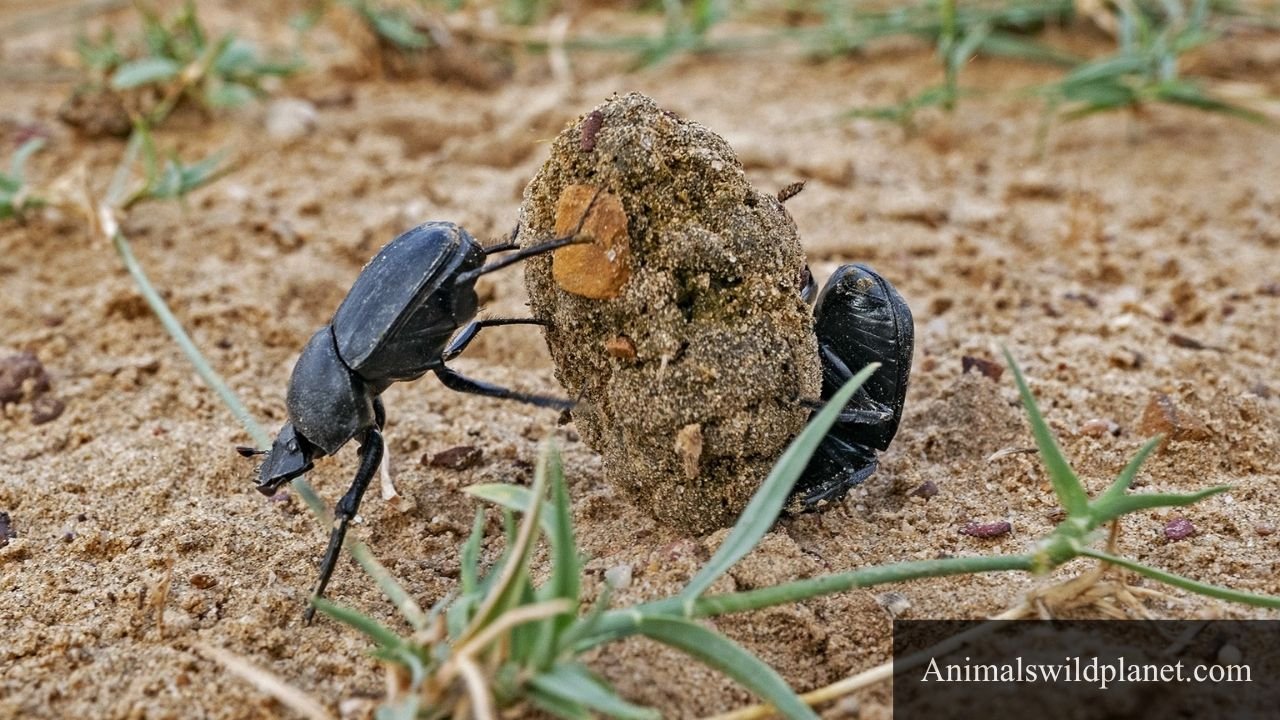
Dung beetles, often overlooked in the grand tapestry of the animal kingdom, play an astonishingly pivotal role in maintaining ecological balance. While many might recoil at the thought of these insects thriving on feces, their behavior is a testament to nature’s ingenious recycling system. Dung beetles meticulously break down animal waste, enriching soil quality and promoting plant health. This process not only clears the environment of waste but also enhances biodiversity by facilitating nutrient cycling.
But the life of a dung beetle is far more complex than mere scavenging. These creatures exhibit remarkable dedication in their quest for the perfect dung ball, often rolling their finds over impressive distances, sometimes even miles. This journey serves a dual purpose: securing food and creating a safe haven for their offspring. In doing so, they contribute to the regeneration of grasslands and aid in soil aeration, which ultimately supports healthier ecosystems.
Hippopotamus
Scientific Name: Hippopotamus amphibius
Class: Mammalia
Diet: Herbivore
The hippopotamus, often regarded as one of the world’s most dangerous animals, exhibits a surprisingly fascinating relationship with dirt and water. These colossal creatures spend nearly 16 hours a day submerged in muddy rivers and lakes, which helps regulate their body temperature and protects their sensitive skin from the sun’s harsh rays. While many might view this habit as uncleanly, it serves a vital purpose: the natural mud acts as a sunscreen, shielding them from UV damage while also warding off pesky bugs.
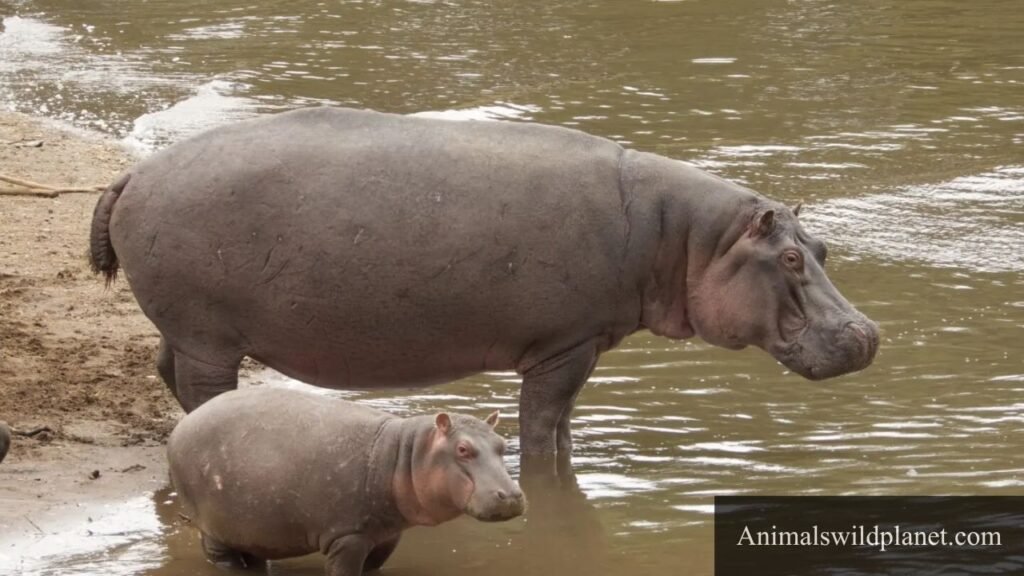
What’s more intriguing is that hippos secrete a natural “sweat,” often referred to as “blood sweat,” which is a mixture of their own oils and pigments. This secretion not only serves as a protective layer but also gives them a reddish hue. Far from being mere filth, this concoction plays a crucial role in their health, acting as both an antimicrobial agent and a moisturizer. Through this lens, the hippopotamus embraces its dirty charm, showcasing an evolved adaptation to survive in its often hostile environment.
Cockroaches
Scientific Name: Blattodea
Class: Insecta
Diet: Omnivore
Cockroaches, often considered the epitome of dirtiness, have an unsettling adaptability that actually sparks curiosity about their survival instincts. These resilient creatures can thrive in the most unsanitary environments, feeding on decaying organic matter and human waste. Beyond their grim reputation, studies reveal that cockroaches can also carry allergens and pathogens, posing health risks that we may not fully appreciate. The real question, however, is how they’ve managed to endure for hundreds of millions of years, making them not just survivors but remarkable examples of evolutionary success.
Interestingly, cockroaches are not just pests; they play an important role in the ecosystem. By breaking down organic materials, they contribute to nutrient recycling in soils, aiding in the growth of plants. Their omnivorous diet allows them to consume waste that would otherwise pile up, thus performing a vital service in maintaining ecological balance.
Raccoons
Scientific Name: Procyon lotor
Class: Mammalia
Diet: Omnivore
Raccoons might be the unwanted houseguests of the animal kingdom, traipsing through garbage cans and rummaging through urban debris, but there’s more to these masked mischief-makers than meets the eye. Renowned for their dexterous paws and cunning intelligence, these nocturnal foragers have adapted remarkably to human environments, showcasing a remarkable ability to navigate challenges that others wouldn’t dare approach. Their notorious reputation for scavenging has cast them as dirty creatures, yet this behavior serves a critical ecological role, helping to recycle nutrients back into the ecosystem.
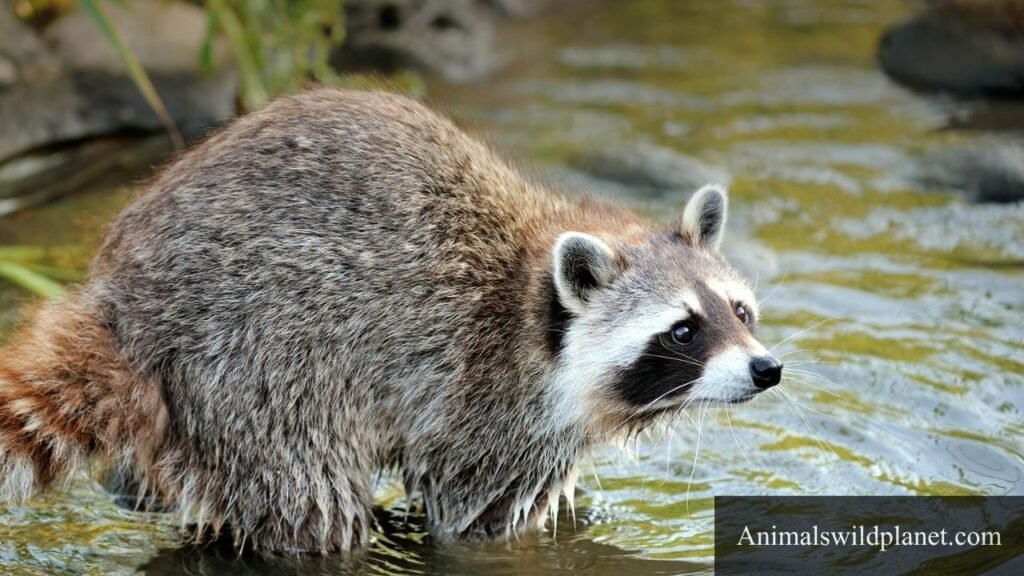
Interestingly, while they may appear scruffy, raccoons possess an innate grooming habit that rivals some of the cleanest animals. Their dexterity allows them to wash food in water — an action that contributes to what is often perceived as their uncleanliness. This ritualistic cleaning is believed to stem from a sensory necessity, enhancing their ability to explore and identify safe food sources. Far from just being debris diggers, raccoons are urban survival experts, turning city life into a veritable buffet, all the while balancing their roles as scavengers and vital contributors to biodiversity.
Vultures
Class: Aves
Diet: Carnivore (Scavenger)
Vultures often carry a reputation for being unsightly scavengers, yet they play a pivotal role in maintaining ecosystem health. These feathered clean-up crews feast on carrion, which limits the spread of disease and helps prevent carcasses from becoming festering breeding grounds for pathogens. In doing so, vultures not only cleanse their environment but also ensure a balanced food chain by recycling nutrients back into the ecosystem.
Interestingly, vultures have evolved a series of unique adaptations that allow them to thrive in their “dirty” roles. Their strong stomach acids enable them to digest decaying flesh without harm, effectively neutralizing bacteria and toxins that can be lethal. Moreover, their bald heads, often seen as unsightly, serve a practical purpose — by keeping their feathers clean while feasting on rotting animals, they minimize the chances of infection. Far from being mere symbols of decay, vultures epitomize nature’s cycle of life, showcasing how even the “dirtiest” among us can hold profound importance in the grand scheme of ecological balance.
Opossum
Scientific Name: Didelphis virginiana
Class: Mammalia
Diet: Omnivore
Opossums often get a bad rap for their appearance and scavenging habits, but they are surprisingly clean animals given their reputation. Unlike many rodents, opossums are meticulous groomers, spending a considerable amount of their waking hours cleaning their fur. This behavior isn’t just about aesthetics; it helps them maintain a pest-free coat, which can be essential in deterring parasites and diseases.
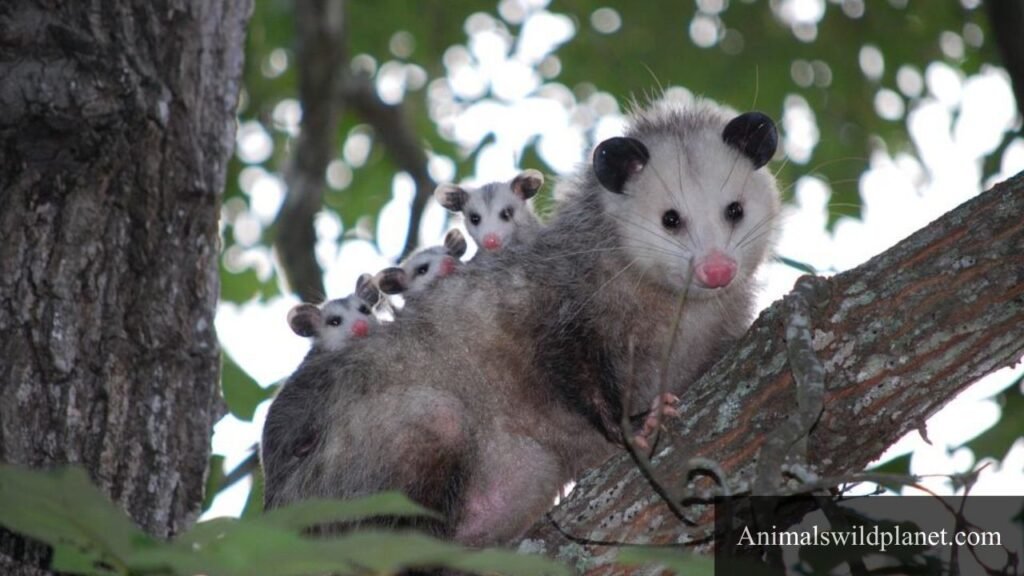
Moreover, these unique marsupials play a critical role in our ecosystems by consuming decaying organic matter, including carrion. In a sense, they are nature’s cleanup crew, redistributing nutrients and preventing the spread of disease from decomposing animals. Their ability to consume pests such as ticks — up to 5,000 in a single season — further enhances their status as unsung environmental heroes.
Catfish
Scientific Name: Siluriformes
Class: Actinopterygii
Diet: Omnivore
When it comes to the world’s dirtiest animals, catfish earn a notorious reputation. These bottom-dwellers are not just scavengers; they play a critical role in their ecosystems by consuming decaying organic matter and detritus. This habit of feeding on the leftover scraps of life helps maintain water quality and nutrient cycling in their habitats. However, their propensity for dining on the dead and decomposing can be off-putting to many, casting them as the “garbage disposals” of freshwater environments.
What often goes unnoticed, though, is the catfish’s remarkable adaptability and resilience. In murky waters, their sensitive barbels act as super-sensors, detecting vibrations and food sources where visibility is poor. This innate ability to thrive in less-than-ideal conditions reflects the catfish’s evolutionary success.
Readmore: Explore Top 15 Stubborn Animals In The World.
Conclusion
The dirtiest animals on our planet showcase the fascinating ways life adapts to environments that many would deem inhospitable. From the sludge-loving catfish to the dung beetle that thrives on waste, each animal highlights the intricate relationships within ecosystems that often go unnoticed. Although their habits might be off-putting to humans, they serve critical functions in maintaining ecological balance and recycling nutrients. This awareness can inspire us to rethink our definitions of cleanliness and utility in nature. Embrace the messiness of life, and consider how we might protect these incredible creatures and their habitats for future generations.
FAQs
What is the dirtiest animal in the world?
The dung beetle is often considered the “dirtiest” animal due to its diet of feces, it actually plays a crucial role in the environment. These beetles break down waste, helping recycle nutrients back into the soil. The irony is that, while they thrive on what we consider dirty, they contribute significantly to ecosystem health.
Which animal has the most germs?
The animal with the most germs is often considered to be the common housefly. These insects can carry a wide variety of bacteria, viruses, and pathogens because they frequently land on decaying matter, feces, and food. Their bodies and legs can harbor thousands of microorganisms, making them notorious carriers of germs.
Are pigs the dirtiest animals?
While pigs have a reputation for being dirty, it’s a bit more complex. They often roll in mud, but this behavior serves important purposes. The mud helps them cool down, protects their skin from sunburn, and acts as a barrier against parasites. In reality, pigs are quite clean animals; they will separate their sleeping areas from their bathroom spots if given enough space.