Top 12 Animals With 6 Legs (With Pictures)
Animals with 6 legs encompass a variety of species that play crucial roles in our ecosystems. In this article, we will examine the incredible adaptations and behaviors of these creatures, revealing the complexity of life beneath our feet. By learning about these fascinating animals, you’ll gain a deeper appreciation for the interconnectedness of all living things and why protecting them is essential for our planet’s health.
List of Animals With 6 Legs
Below is the list of animals that have 6 legs:
- Ant
- Beetle
- Dragonfly
- Mosquito
- Bee
- Praying Mantis
- Grasshopper
- Aphid
- Cockroach
- Butterfly
- Ladybug
- Moth
Ant
Scientific Name: Formicidae
Class: Insecta
Diet: Omnivorous
Ants are among the most fascinating creatures gracing our planet, boasting an intricate social structure that rivals that of any advanced civilization. Each ant operates not merely as an individual but as a cog in a massive, thriving community. With their six legs, they navigate diverse terrains — from bustling city sidewalks to dense forests — mastering challenges that would stump larger animals. Remarkably, the coordination of their movement allows them to carry objects many times their own weight, showcasing not just strength but extraordinary teamwork.
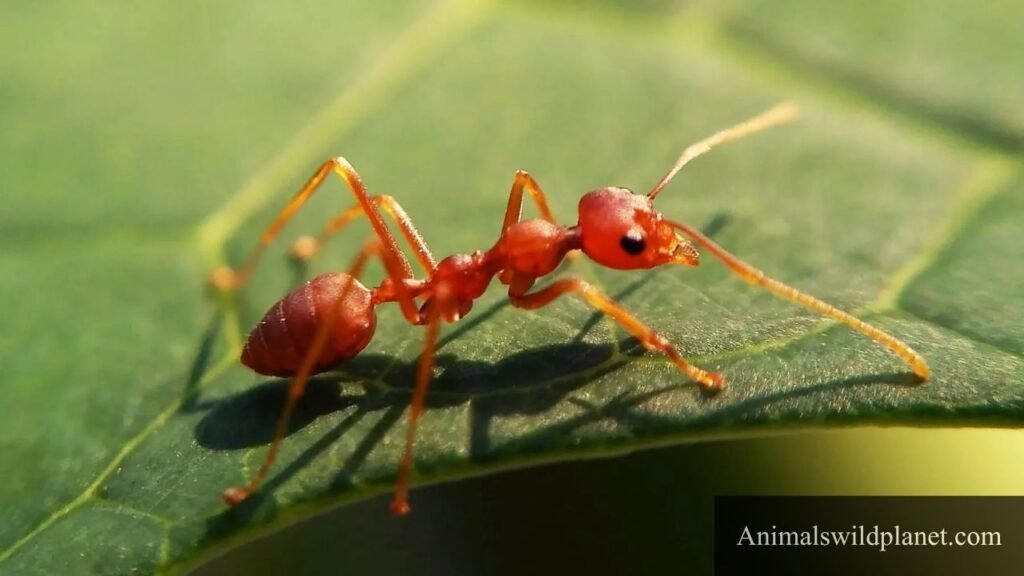
One of the lesser-known aspects of ants is their impressive communication ability, primarily through pheromones. These chemical signals enable them to relay information about food sources, dangers, and even the need for reinforcements during a battle. This complex system is a testament to their evolutionary success, allowing colonies to thrive in challenging environments. Moreover, the diversity among ant species — over 14,000 documented — reveals a rich tapestry of behaviors and adaptations, from farming fungi to engaging in mutualistic relationships with aphids. Such phenomena invite us to reconsider the significance of small creatures, reminding us that the micro-world is as captivating as the macro.
Beetle
Scientific Name: Coleoptera
Class: Insecta
Beetles, belonging to the order Coleoptera, embody an astonishing diversity that makes them one of the most successful groups of animals on the planet. With over 400,000 known species, they showcase an incredible range of sizes, colors, and adaptations. From the iridescent jewel beetles, with their natural metallic gloss, to the industrious dung beetles, which play a crucial role in nutrient cycling, each species brings a unique aspect to the ecosystem. Their hard exoskeletons not only protect them from predators but also serve as a canvas for intricate patterns and colors, making them a marvel for both scientists and nature enthusiasts alike.
Moreover, beetles exhibit fascinating behaviors that highlight their adaptability. For example, the bombardier beetle employs a remarkable defensive mechanism, ejecting a hot, toxic chemical spray to deter predators effectively. This adaptive strategy is a testament to evolution’s power in equipping these six-legged creatures with survival traits that are both simple and complex. Beyond their intriguing anatomy and behaviors, beetles are also keystone species in many environments, influencing plant growth and nutrient dynamics, thereby reminding us of the interconnectedness of life in ecosystems that often go unnoticed.
Dragonfly
Scientific Name: Anisoptera
Class: Insecta
Diet: Carnivorous
The dragonfly, an enchanting aerial acrobat, captivates not just with its iridescent wings but also with its incredible versatility in movement. With six legs that seem almost secondary to its grand flying abilities, these insects demonstrate remarkable adaptations. While they primarily use their legs for grasping prey or clinging to vegetation, their flight mechanics are what truly set them apart. Dragonflies can hover, fly backward, and even soar at speeds of up to 35 miles per hour, showcasing a level of aerial dexterity that few other creatures can match.
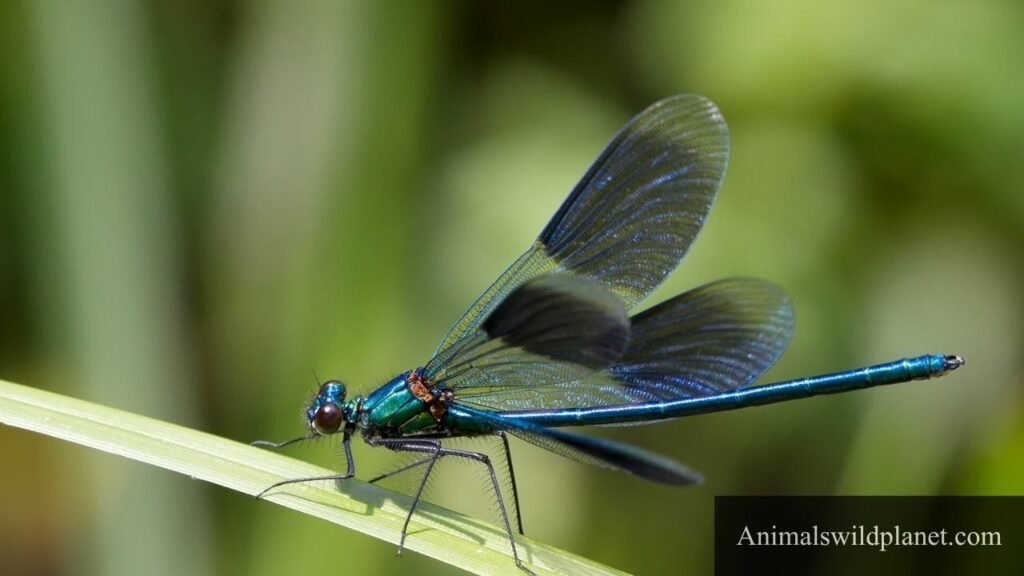
Intriguingly, a dragonfly’s legs are also a window into its predatory prowess. Equipped with spiny appendages, they act like a net, enabling the insect to capture prey mid-flight. This unique design allows dragonflies to devour smaller insects efficiently, turning them into formidable hunters in their ecosystems. Their presence indicates a healthy environment, as they thrive in areas rich in biodiversity, highlighting their role in maintaining ecological balance.
Readmore: Explore Top 9 Animals With Short Tails.
Mosquito
Scientific Name: Culicidae
Class: Insecta
Mosquitoes, often overlooked in discussions about six-legged creatures, exhibit fascinating adaptations that make them remarkable survivors in diverse environments. These tiny insects rely heavily on their agility, allowing them to navigate through various habitats with incredible precision. Their long, delicate legs are not just for movement; they serve as sensory tools, picking up vibrations and scents that help guide them to sources of food.
Moreover, mosquitoes possess a unique evolutionary trait: their ability to detect carbon dioxide and body heat. This capability enables them to locate hosts from impressive distances, making them both fascinating and formidable adversaries. Interestingly, only female mosquitoes bite humans, using our blood to nourish their eggs, while males primarily feed on nectar. This selective feeding behavior not only plays a crucial role in their reproduction but also highlights the delicate balance of ecosystems, where each species, including mosquitoes, contributes to the intricate web of life.
Bee
Scientific Name: Anthophila
Class: Insecta
Diet: Primarily nectar and pollen
Bees, the industrious architects of nature, are remarkable not only for their honey-making abilities but also for their unique anatomical features. With six legs, bees are superbly adapted for their vital roles in pollination and hive maintenance. Each leg is equipped with specialized structures, such as pollen baskets on their hind legs, which allow them to transport pollen back to the hive efficiently. This not only showcases their engineering prowess but underscores their critical role in sustaining biodiversity and agriculture.
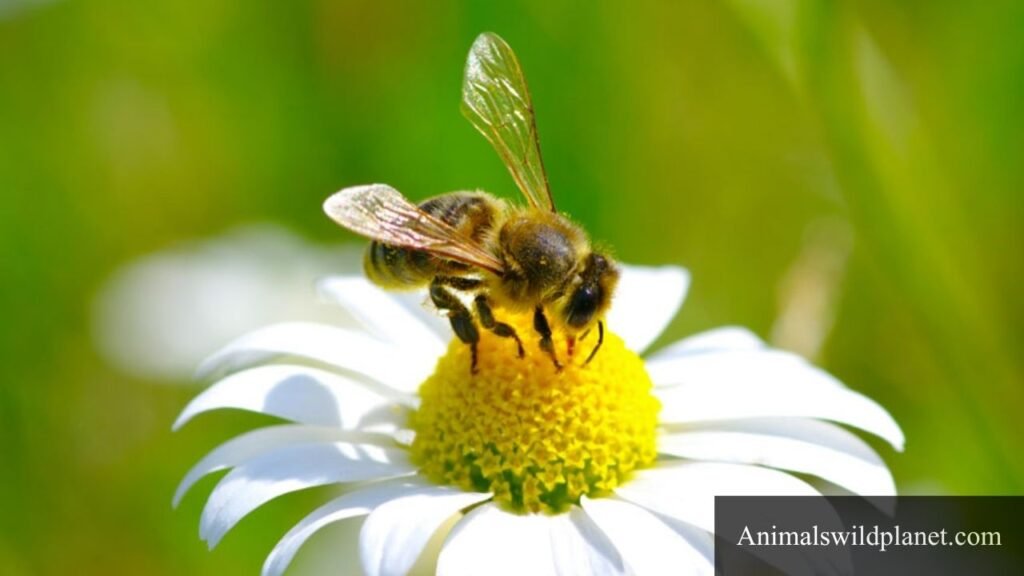
What’s particularly fascinating is how bees utilize their legs beyond mere locomotion. They have refined grooming rituals, using their legs to clean their bodies of pollen particles that could hinder flight or the efficiency of their delicate wings. This self-maintenance is essential, as it ensures their readiness for the day’s foraging activities and contributes to the overall health of the hive.
Praying Mantis
Scientific Name: Mantodea
Class: Insecta
Diet: Carnivorous
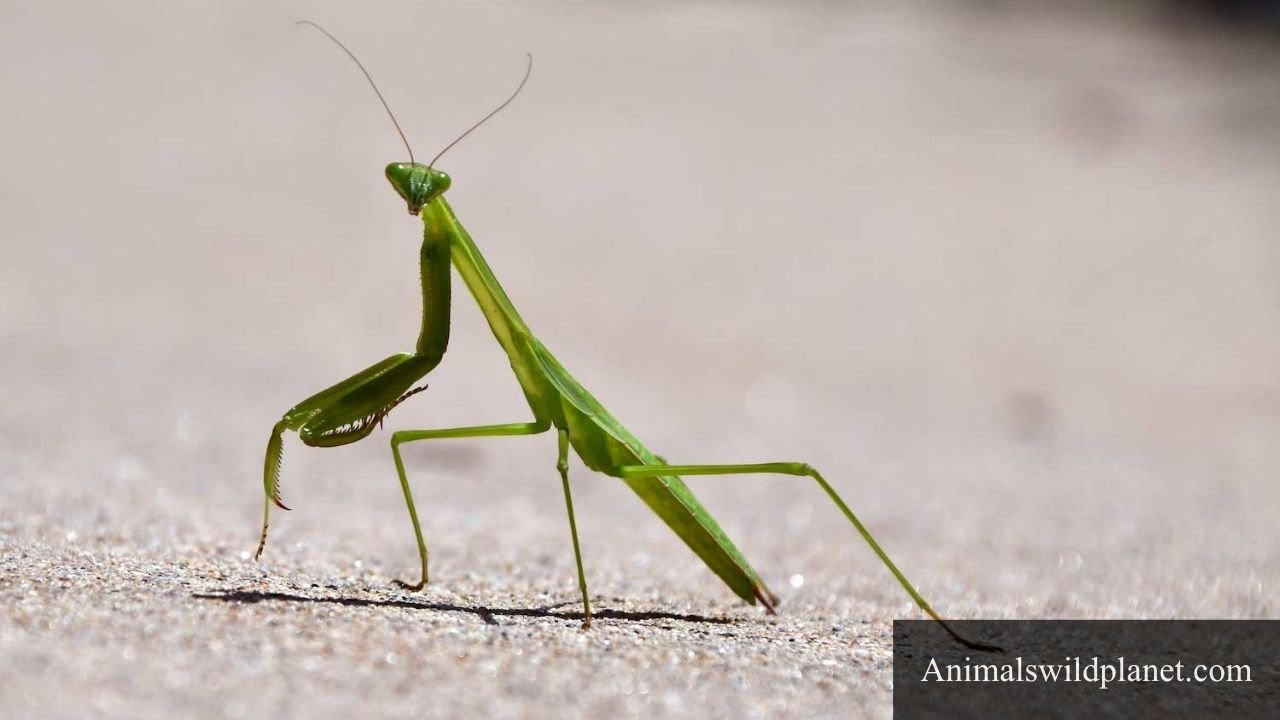
The praying mantis, with its iconic triangular head and elongated body, is often revered for its predatory prowess. But what truly sets this fascinating insect apart is its unique locomotion and ambush strategies, made possible by its six legs. These adaptations allow mantises to move with an eerie grace, enabling them to blend seamlessly into their surroundings while hunting. Their front legs, which are specially adapted for grasping prey, can strike with incredible speed, making even the swiftest of insects their next meal.
Beyond their predatory skills, praying mantises exhibit intriguing social behaviors that challenge common perceptions of solitary insects. In some species, mating rituals are not just about reproduction but also involve complex displays of behavior, sometimes culminating in the dramatic phenomenon of sexual cannibalism. This act, once thought to be purely driven by survival, may also offer insights into resource allocation and reproductive strategies within their ecosystems. Observing these remarkable creatures reveals a world of sophistication and adaptability, showcasing the intricate balance of nature.
Grasshopper
Scientific Name: Caelifera
Class: Insecta
Diet: Primarily herbivorous
The grasshopper’s six legs are a marvel of evolutionary engineering, expertly designed for survival and efficiency. The hind legs, which are disproportionately long, enable these insects to perform astonishing leaps, sometimes covering distances up to 20 times their body length. This incredible ability not only aids in evading predators but also allows grasshoppers to traverse their environments with remarkable agility, a talent that has fascinated biologists and nature enthusiasts alike.
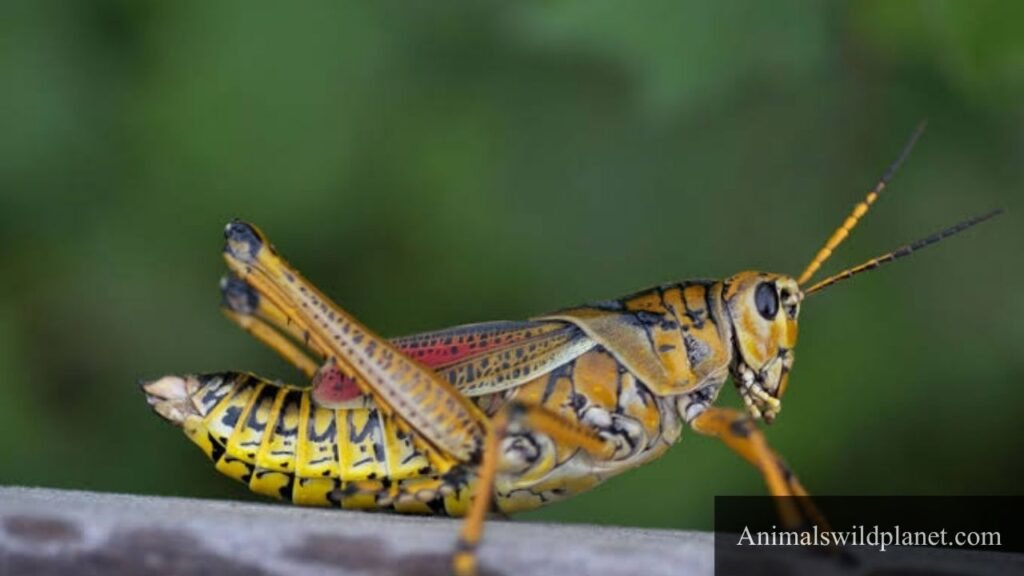
Moreover, grasshoppers are equipped with sensory organs that allow them to communicate and sense danger. Their antennae are finely tuned to detect subtle changes in vibrations and air currents, making them highly attuned to their surroundings. This acute awareness is vital in the bustling ecosystems where they reside, as both predator and prey. Furthermore, their unique method of communication through stridulation — creating sound by rubbing their hind legs against their wings — adds a fascinating layer to their behavior.
Aphid
Scientific Name: Aphidoidea
Class: Insecta
Diet: Herbivorous
Aphids, though often overlooked in the grand tapestry of insect life, are fascinating creatures that serve as a crucial link in many ecosystems. These tiny, soft-bodied insects, typically measuring just a few millimeters, exhibit a remarkable diversity in color and shape, with some even sporting unique appendages that mimic thorns. Their ability to produce a waxy secretion allows them to form protective coverings, making them masters of survival in a variety of environments.
Intriguingly, aphids have developed symbiotic relationships with various species, most notably ants. Ants are drawn to the sugary honeydew secreted by aphids, which leads to a mutualistic bond where ants protect aphid colonies from predators in exchange for this sweet reward. This relationship highlights the interconnectedness of ecosystems, illustrating how even the smallest creatures can have profound impacts on their surroundings.
Cockroach
Scientific Name: Blattodea
Class: Insecta
Diet: Omnivorous
Cockroaches, often shunned for their creepy appearance, are fascinating creatures that boast remarkable adaptations. With six legs, they exhibit unparalleled agility, allowing them to dart at speeds up to three miles per hour. This rapid movement not only helps them evade predators but also showcases a sophisticated nervous system that can process sensory information at astonishing speeds, enabling them to react almost instantaneously to threats.
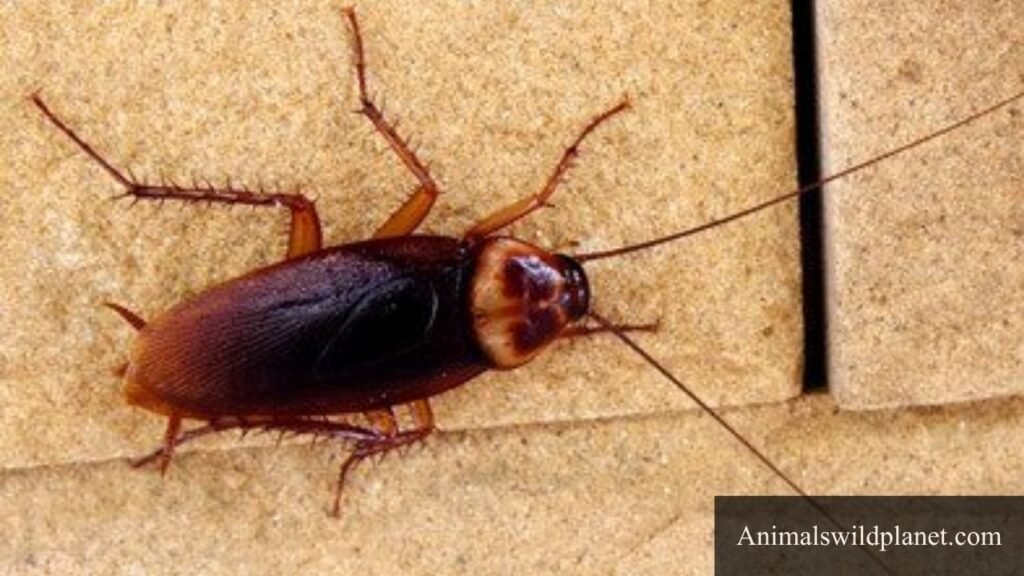
Their legs are also equipped with tiny hairs that can detect minute changes in their environment, enhancing their ability to sense danger. This sensory prowess is complemented by their incredible resilience; cockroaches can survive weeks without food and even withstand significant radiation exposure
Butterfly
Scientific Name: Papilionoidea
Class: Insecta
Butterflies, often perceived as delicate and enchanting creatures, belong to the insect world, which indeed boasts six legs. While we admire their vibrant colors and graceful flight, these six-legged wonders play a crucial role in pollination, contributing significantly to the health of ecosystems. The intricate dance they perform as they flit from flower to flower not only highlights their beauty but also showcases their importance in fostering biodiversity.
Interestingly, the legs of butterflies are equipped with specialized features that enhance their foraging efficiency. For example, their legs have taste receptors that help them detect the sweetness of nectar even before landing, ensuring they target the most rewarding flowers. Moreover, these legs often bear a unique adaptation — tiny spines or bristles that assist in gripping onto various surfaces, whether clinging to a flower or a tree branch.
Ladybug
Scientific Name: Coccinellidae
Class: Insecta
Diet: Mostly carnivorous
The ladybug, often recognized for its vibrant red shell adorned with distinctive black spots, is a fascinating example of six-legged wildlife. Beyond their charming appearance, these beetles play a vital role in our gardens as natural pest controllers. A single ladybug can consume up to 5,000 aphids in its lifetime, showcasing its prowess in maintaining ecological balance. This makes them invaluable allies for organic gardeners striving to reduce chemical pesticide use.
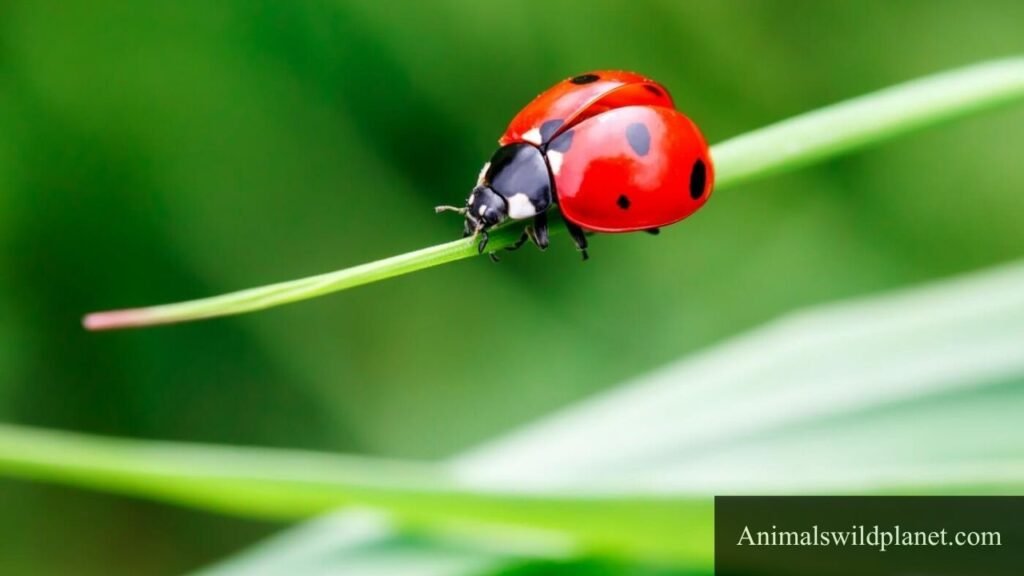
Remarkably, ladybugs possess a unique defense mechanism known as reflex bleeding. When threatened, they can ooze a yellow fluid from joints in their legs, which is both distasteful to predators and harmless to themselves. Their ability to enter a state of diapause allows them to survive harsh winters, curling up in crevices and waiting for warmer days. This resilience, paired with their ecological significance, transforms the common ladybug from merely a garden ornament to an essential pillar of our environmental health
Moth
Scientific Name: Lepidoptera
Class: Insecta
Moths, often overshadowed by their day-flying relatives, butterflies, are fascinating six-legged wonders of the night. While their four wings capture the scene, it’s their six legs that play a critical yet often overlooked role in their survival and behavior. These legs are not only for movement; they are equipped with sensory hairs that detect changes in their environment. This heightened sense of touch helps moths navigate through darkness, avoiding predators and locating mates or food.
Moreover, understanding moths’ unique adaptations adds depth to their ecological narrative. For instance, some species have evolved fuzzy, feather-like legs that aid in sound absorption, allowing them to evade echolocation by predatory bats. Their legs also serve as tools for grooming, helping to maintain the delicate scales on their wings — that play a crucial role in thermoregulation and camouflage.
Readmore: Explore Top 24 Shy Animals in The World.
Final Thoughts
Six-legged animals are a remarkable testament to nature’s ingenuity and adaptability. Each species, from the formidable praying mantis to the industrious honeybee, contributes to the rich tapestry of life in its own way. These creatures not only intrigue us with their unique structures and behaviors but also remind us of the vital roles they play in our ecosystems. By raising awareness about the importance of these animals, we can foster a greater appreciation for the natural world around us. Let’s take a step forward in conservation efforts, ensuring these extraordinary beings continue to thrive alongside us.
FAQs
Is Ant has 6 legs?
Yes, ants do have six legs. Like all insects, they belong to the class Insecta, which typically features a three-part body structure: head, thorax, and abdomen. The six legs are attached to the thorax, allowing them to move quickly and navigate various terrains. Each leg has a unique structure that helps with tasks like climbing, carrying food, and digging. Ants are incredibly versatile and agile, making their six legs essential for survival and efficiency in their environments.
What is a very small animal with six legs?
One of the most common very small animals with six legs is the ant. These tiny creatures are found almost everywhere on Earth and are known for their social behavior and teamwork. Ants can be as small as a millimeter in length, making them easy to overlook but fascinating to observe. Another example is the common housefly. While not as small as ants, houseflies have a compact body and are typically around 6 to 12 millimeters long. They play a significant role in ecosystems, acting as pollinators and decomposers despite their reputation as pests.
Do butterflies have 6 or 4 legs?
Butterflies actually have six legs. Like all insects, they belong to the class Insecta, which means they have three pairs of legs. However, you might only see four of their legs because the front pair is often smaller and less prominent. Butterflies primarily use their front legs for sensing their surroundings rather than walking.
How many legs of cockroach?
A cockroach has six legs. These legs are long and spiny, which helps them run quickly and navigate through their environment. Each leg operates independently, allowing cockroaches to scurry away rapidly when they sense danger. The legs are attached to the thorax, the middle section of their body, and are adapted for both walking and climbing.