Top 13 Animals That Eat Mice (Pictures Included)
In this article, we’ll explore the fascinating world of animals that eat mice, uncovering how these dietary habits impact ecosystems and food chains. Understanding these relationships not only highlights the importance of each species but also sheds light on biodiversity.
By the end, you’ll gain a deeper appreciation for nature’s balance and the role these animals play in controlling mouse populations.
List of Animals That Eat Mice:
Below is the list of animals that eat mice:
- Hawk
- Fox
- Domestic cats
- Bobcat
- Weasels
- Owl
- Snakes
- Badgers
- Coyotes
- Eagle
- Bear
- Raccoons
- Wolves
Hawk
Scientific Name: Accipitridae
Class: Aves
Diet: Carnivore
Hawks are masterful aerial hunters, showcasing an extraordinary blend of keen eyesight and swift agility. With their formidable talons and sharp beaks, they are perfectly adapted to snatch small mammals, including mice, from their natural habitats. What sets hawks apart is not just their hunting skills, but their ability to orchestrate this predation with incredible precision. From soaring high above the ground to scanning for movements, these raptors can spot a mouse in a field from great heights, demonstrating a profound connection to their environment.
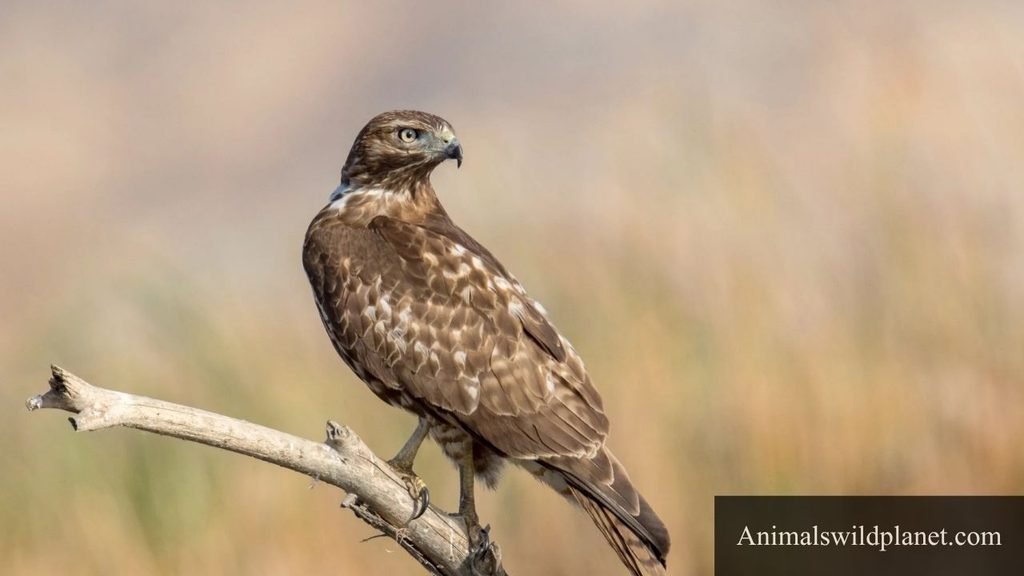
Hawks play a crucial role in maintaining ecological balance. By controlling the mouse population, they help prevent overgrazing and the widespread destruction of vegetation, which can lead to habitat degradation for other species. Furthermore, the presence of hawks in an ecosystem often indicates a healthy environment, as they require abundant prey and clean habitats to thrive. Observing a hawk skillfully swoop down to catch its prey offers a glimpse into the intricate web of life, reminding us of the essential roles that predators play in sustaining ecological harmony.
Fox
Scientific Name: Vulpes
Class: Mammalia
Diet: Omnivore
Foxes are renowned for their cunning hunting strategies, and their penchant for feasting on mice is a testament to their adaptability. With a diet that encompasses a variety of small mammals, foxes primarily target rodents due to their abundance in ecosystems worldwide. What’s fascinating is the fox’s exceptional hearing; they can detect even the faintest rustle of a mouse hidden beneath snow or foliage. This acute sense allows them to pounce with remarkable precision, sometimes even utilizing a high-leaping technique known as “mousing,” where they leap into the air when striking at their prey.
Beyond mere survival, the role of foxes in controlling mouse populations plays a crucial part in maintaining ecological balance. By keeping these rodent numbers in check, foxes contribute to the health of their habitats, preventing overpopulation that could harm local vegetation and other animal species. Furthermore, their hunting habits demonstrate a unique blend of skill and instinct, showcasing an evolutionary prowess that has allowed them to thrive in diverse environments, from urban landscapes to rural woodlands. In this way, the relationship between foxes and mice is a compelling example of nature’s intricate web of life, highlighting the interconnectedness of predator and prey.
Domestic Cats
Scientific Name: Felis catus
Class: Mammalia
Diet: Carnivore
Domestic cats are not just beloved companions; they are also instinctive hunters, a trait rooted deeply in their ancestry. Despite being pampered indoors, many house cats exhibit the same predatory behaviors as their wild counterparts. Their keen senses, particularly sharp eyesight and acute hearing, make them adept at spotting even the slightest movements. This prowess helps them hunt efficiently, with mice often being their prey of choice due to their abundance and accessibility.
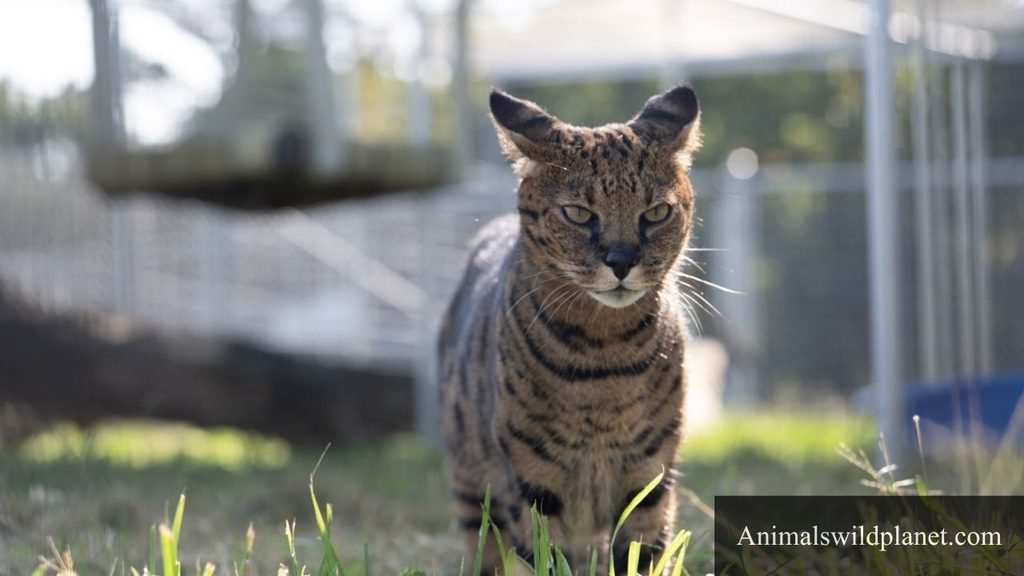
The behavior of a cat stalking and hunting is more than mere survival; it taps into an ancient instinct to control their territory. In areas where mice may pose a threat to food supplies or health, a cat can act as a natural pest control, reducing the need for chemical interventions. Observing a cat play with a toy mouse or even a laser pointer offers a glimpse into this primal behavior, showcasing not only their physical agility but also their mental stimulation, which is crucial for their overall wellbeing.
Readmore: Explore Top 15 Animals That Eat Frogs.
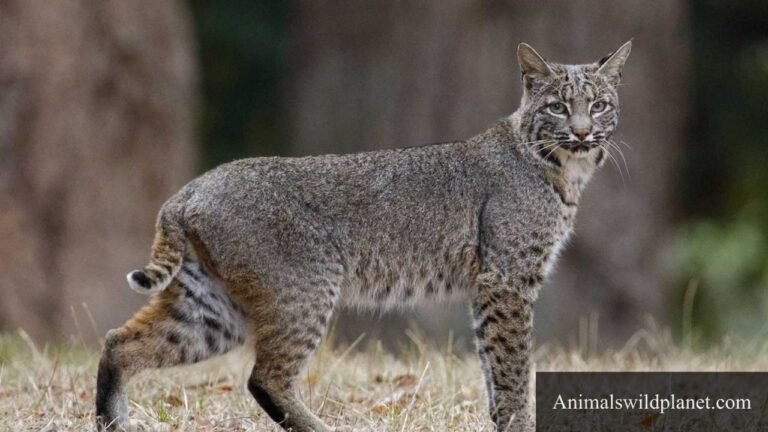
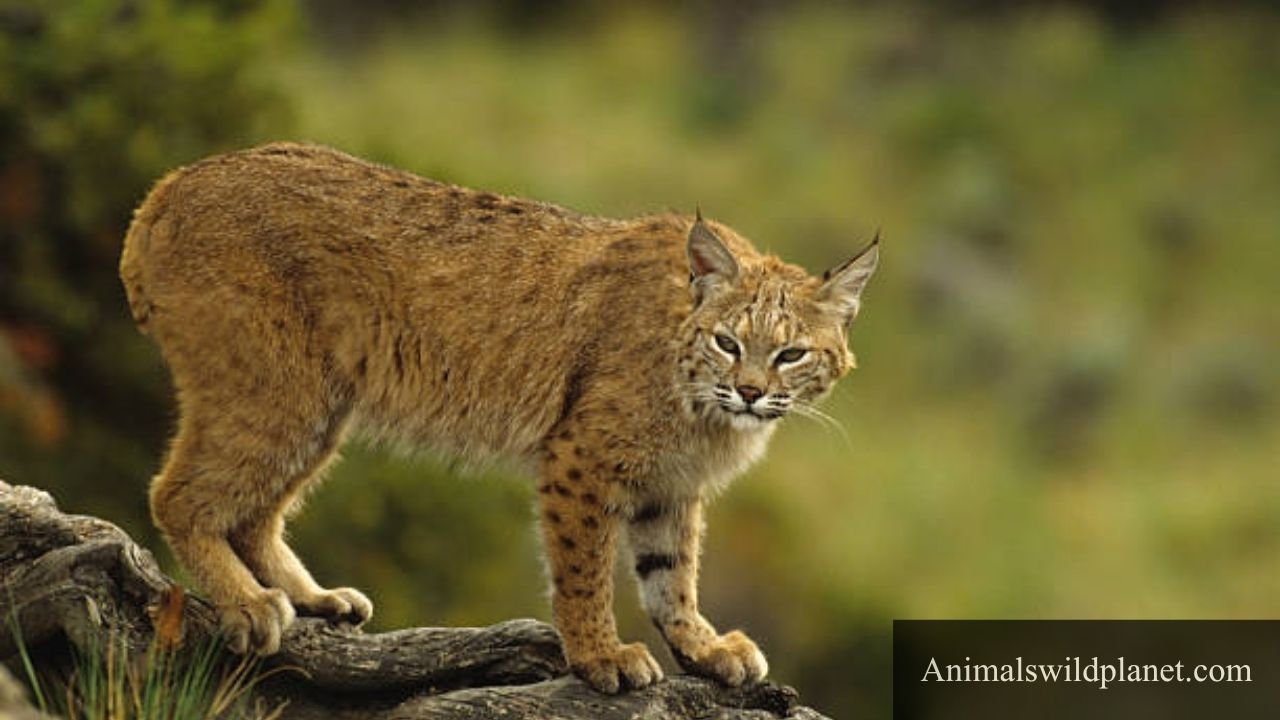
Bobcat
Scientific Name: Lynx rufus
Class: Mammalia
Diet: Carnivore
Bobcats are among the most adaptable and skilled hunters in North America, wielding a nuanced approach when it comes to their diet. While their prey varies, mice play a significant role, providing a nutrient-rich meal that’s often easy to catch. These elusive felines employ stealth and patience, relying on their keen sense of hearing and sharp eyesight to detect the slightest rustle in the underbrush. This methodical stalking showcases the unique hunting prowess of bobcats, elevating them as master predators in diverse habitats.
Their predation extends beyond mere survival; it also holds ecological significance. By maintaining mouse populations, bobcats inadvertently help control the spread of diseases that can affect other wildlife and even humans. This natural regulation demonstrates a delicate balance within ecosystems where bobcats serve as both predator and protector. Observers of these magnificent creatures often note how their hunting strategies reflect a deep understanding of their environment, transforming what could be considered just a food source into an essential component of a thriving ecosystem.
Weasels
Scientific Name: Mustela
Class: Mammalia
Diet: Carnivore
Weasels are fascinating little predators, renowned for their agility and cunning nature. With their slender bodies and sharp reflexes, these carnivorous mammals are perfectly adapted for hunting small rodents, making mice a primary component of their diet. Their hunting strategy is a study in stealth; they can navigate tight spaces and even burrow into nests, allowing them to catch their prey by surprise. This efficiency not only showcases their predatory skills but also plays a crucial ecological role by helping control rodent populations.
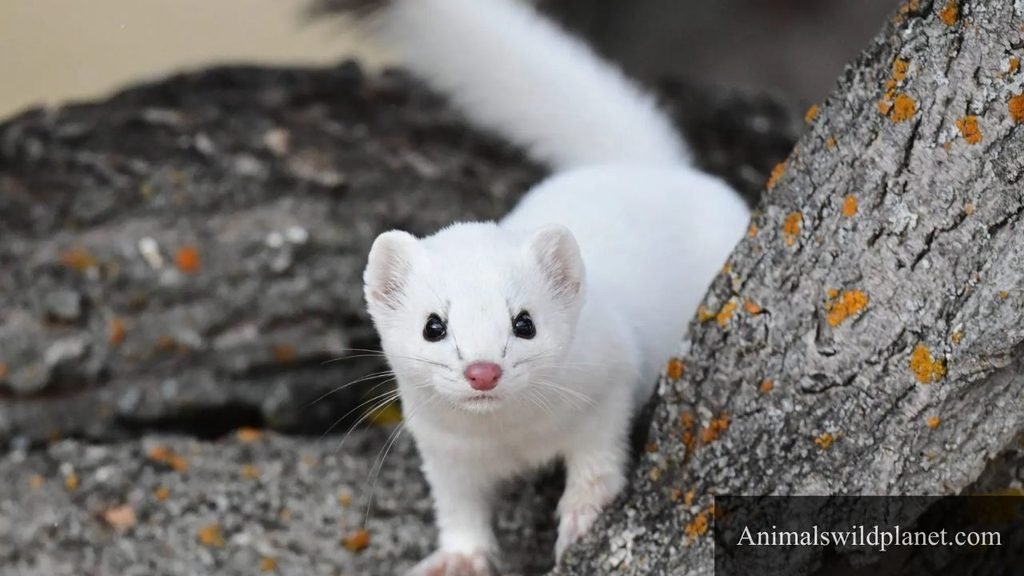
What makes weasels particularly interesting is their varied hunting techniques. Some species, like the short-tailed weasel, can even take on prey larger than themselves, such as rabbits or voles, displaying extraordinary determination and fearlessness. Their fur, which changes color with the seasons, provides great camouflage in their natural habitats, further enhancing their hunting prowess. By serving as both predator and prey in the ecosystem, weasels illustrate the delicate balance of nature, where every species, no matter how small, plays a significant role in maintaining biodiversity.
Owl
Scientific Name: Strigiformes
Class: Aves
Diet: Carnivore
Owls are extraordinary predators, masterfully adapted to hunt in the stillness of the night. With their acute sense of hearing and remarkable eyesight, these nocturnal birds can detect the faintest rustling of a mouse in the underbrush. An owl’s ability to rotate its head nearly 270 degrees allows it to survey its surroundings without moving its body, blending perfectly into the woodland or urban landscapes where they reside. This stealthy approach positions them as apex predators, ensuring that a mouse’s nocturnal habits often become a deadly mistake.
The anatomy of an owl further enhances its efficiency as a hunter. Their specialized feathers enable silent flight, allowing them to swoop down undetected on unsuspecting rodents. Once an owl captures its prey, it employs powerful talons to secure its meal, quickly dispatching it. What’s fascinating is the owl’s unique feeding behavior; they often consume their prey whole, later regurgitating indigestible parts like fur and bones in the form of pellets. This not only helps in nutrient retention but also gives researchers valuable insights into ecosystem dynamics and rodent populations by analyzing these pellets. The role of owls as controllers of mouse populations is crucial, balancing the ecosystem in a world where rodents can rapidly escalate in numbers.
Snakes
Scientific Name: Serpentes
Class: Reptilia
Diet: Carnivore
Snakes are masterful predators, and their diet often prominently features mice, which serve as a staple food source in their natural habitats. The anatomy of a snake is uniquely suited for consuming small mammals; their flexible jaws allow them to swallow prey whole, a remarkable adaptation that has evolved over millions of years. Different species, such as the corn snake and the king snake, have developed specialized hunting techniques, showcasing a blend of ambush strategies and active foraging. This predation helps control rodent populations, maintaining ecological balance in their environments.
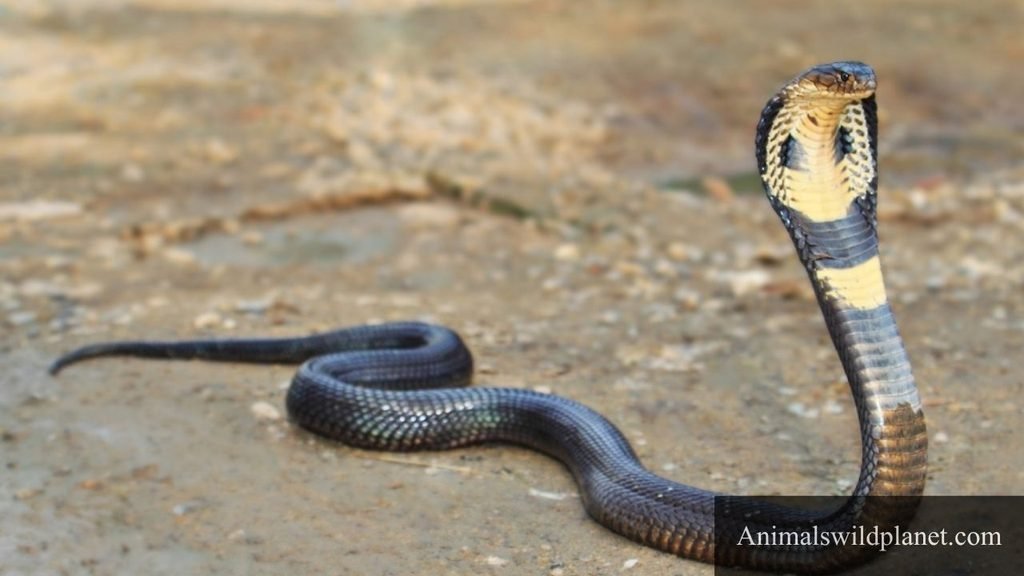
The reliance on mice goes beyond mere sustenance. For many snakes, hunting these small mammals can trigger complex behaviors that are both instinctual and learned. For instance, young snakes often watch and imitate the hunting techniques of their mothers, enhancing their survival skills in the wild. Moreover, the presence of mice in an area can indicate a healthy ecosystem, as the availability of prey can influence a snake’s reproductive success and overall health. Thus, the relationship between snakes and mice reflects a fascinating interdependence that speaks to the intricate web of life.
Badgers
Scientific Name: Mustelidae
Class: Mammalia
Diet: Omnivore
Badgers, with their stocky bodies and distinctive facial markings, are often overlooked when considering predators in the animal kingdom, yet they play a critical role in controlling rodent populations. Primarily nocturnal, these resourceful foragers are adept hunters, using their keen sense of smell to locate mice hidden in burrows or dense vegetation. While they might primarily feast on earthworms, insects, and fruits, the opportunistic nature of badgers means that a meal of mice can be a quick and efficient option.
What’s fascinating is the badger’s hunting technique. Known for their tenacity, they will dig vigorously to access mice hiding below ground, showcasing not only their strength but also their remarkable adaptation to various environments. In some regions, the presence of badgers has been linked to healthier ecosystems, as their predation helps maintain a balance between species. This ecological perspective highlights the interconnectedness of wildlife and the essential roles even the most unassuming predators play in our natural world. The badger, often characterized as a solitary creature, thus emerges as an unsung hero in maintaining the harmony of its habitat, reminding us that every species, big or small, has its part to play.
Coyotes
Scientific Name: Canis latrans
Class: Mammalia
Diet: Omnivore
Coyotes, often misunderstood as scavengers, are superb hunters with a diverse diet that includes mice as a primary food source. Their keen senses and intelligence enable them to adapt to various environments, from urban areas to remote wilderness. Notably, coyotes utilize a hunting technique called “stalking,” allowing them to quietly observe and pounce on unsuspecting prey. This behavior makes them particularly adept at tracking mouse populations, especially in agricultural regions where these small rodents thrive.
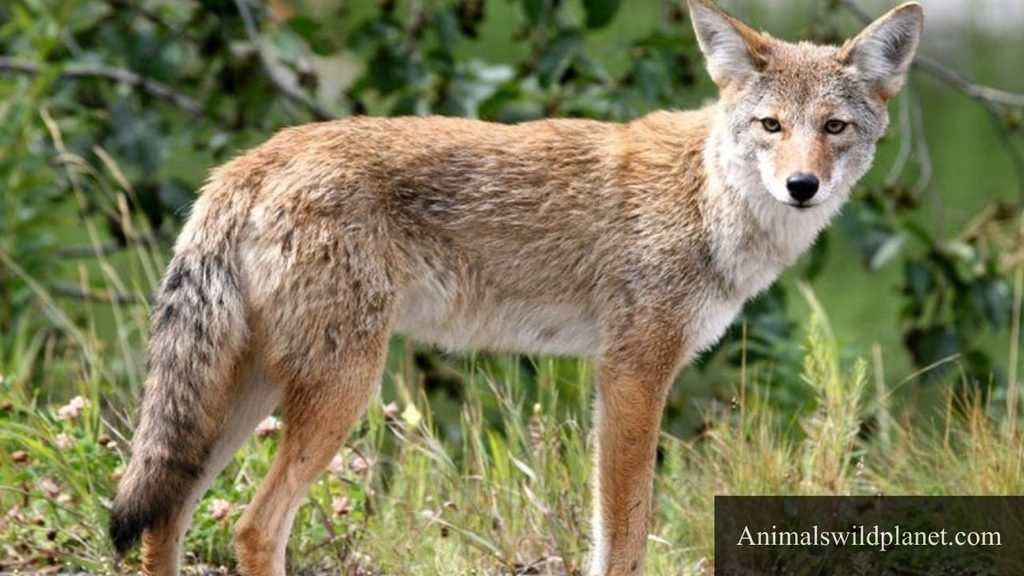
The coyote’s diet is not solely influenced by the availability of food; it also reflects their remarkable adaptability. In urban settings, they may consume garbage and pet food, but when in more natural habitats, they turn to smaller mammals, including mice, which provide essential nutrition. This versatility not only aids their survival but also helps regulate rodent populations, illustrating the delicate balance of ecosystems where coyotes serve as vital predators. Their presence is a reminder of nature’s interconnected web, showcasing how even a simple creature like a mouse plays a crucial role in the life of a cunning coyote.
Eagle
Scientific Name: Accipitridae
Class: Aves
Diet: Carnivore
Majestic and fierce, the eagle reigns supreme in the sky as one of nature’s most skilled hunters, and its diet often includes small mammals like mice. With keen eyesight that can spot a moving rodent from over a mile away, eagles embody precision and power in their hunting techniques. The agility with which they dive, reaching speeds of up to 100 miles per hour, showcases not just their physical strength but also their incredible adaptability to various environments, from rugged mountains to open fields.
In addition to their striking visual prowess, eagles employ a mix of strategy and stealth. They often wait patiently, perched high on a branch or soaring in a thermal, scanning for any sign of movement below. This calculated approach not only conserves energy but also maximizes their chances of a successful catch. Interestingly, the presence of eagles can affect the behavior of local rodent populations, causing mice to alter their foraging habits in areas where these birds of prey are known to hunt, ultimately creating a dynamic ecosystem that highlights the interconnectedness of species.
Bear
Scientific Name: Ursidae
Class: Mammalia
Diet: Omnivore
Bears, often revered as powerful apex predators, possess a surprisingly diverse diet that includes small mammals like mice. While they are commonly associated with consuming berries and fish, their opportunistic feeding habits mean they will take advantage of smaller prey when the opportunity arises. This adaptability not only showcases their survival skills but also highlights the intricate balance of ecosystems where they thrive.

When bears hunt for mice, it’s typically during late spring or early summer, a time when young rodents are more vulnerable. The bear’s keen sense of smell plays a crucial role, allowing them to detect these tiny creatures under brush or in their burrows. This behavior emphasizes the bears’ versatility and intelligence, as they constantly forage and adjust their diet based on seasonal availability. By including mice in their diet, bears help regulate rodent populations, thereby contributing to the overall health of their habitat.
Raccoons
Scientific Name: Procyon lotor
Class: Mammalia
Diet: Omnivore
Raccoons, with their dexterous paws and inquisitive nature, are often portrayed as clever scavengers rummaging through trash. However, beneath this playful exterior lies a formidable predator. These nocturnal mammals have an omnivorous diet that frequently includes mice, especially when other food sources are scarce. Their keen eyesight and acute hearing make them adept hunters in the dim light of dusk, and they often utilize their nimble front paws to catch their prey with surprising precision.
Raccoons’ hunting methods reveal a fascinating aspect of their intelligence. They can adapt their strategies based on the urban or rural environments they inhabit. In urban settings, where traditional hunting grounds are diminished, they often exploit discarded food alongside their mouse-catching antics, showcasing a remarkable ability to thrive in diverse habitats. This adaptability not only highlights their resilience but also demonstrates the intricate balance within ecosystems, where even the most playful of creatures plays a critical role in managing rodent populations.
Wolves
Scientific Name: Canis lupus
Class: Mammalia
Diet: Carnivore
Wolves are often seen as majestic predators, roaming the wilderness in packs and hunting larger prey. However, their diet is diverse and can include smaller animals such as mice. This adaptability speaks to their survival instincts; in harsh winters or depleted habitats, these agile canines will shift their focus to smaller prey, illustrating their opportunistic nature. A single wolf might consume several mice in a single outing, using its keen sense of smell and acute hearing to locate these elusive rodents.
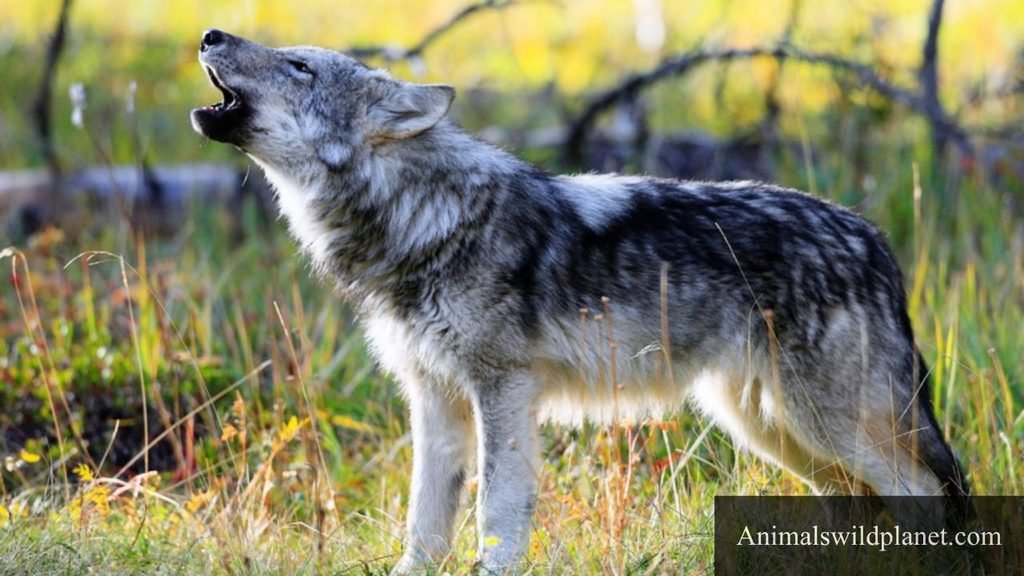
The role of mice in the wolf’s diet extends beyond mere sustenance; it also serves as a vital ecological balancing act. By keeping rodent populations in check, wolves help maintain the health of their habitat. This relationship underscores the interconnectedness of ecosystems, where every species, no matter how small, plays a role in the larger tapestry of life. Observing wolves hunting mice not only highlights their adaptability but also reflects the intricate dance of predator and prey that shapes our natural world.
Readmore: Explore Top 19 Scavenger Birds in The World.
Final Thoughts
The diverse array of animals that prey on mice plays a crucial role in maintaining ecosystem balance. From birds of prey soaring high above to agile snakes slithering through underbrush, each predator contributes to controlling mouse populations and ensuring the health of their habitats. Observing these natural predators in action can deepen our understanding of biodiversity and the interconnectedness of life.
Moreover, it highlights the importance of protecting these species and their environments, as their absence could lead to population explosions of their prey. Let’s work together to appreciate and safeguard these remarkable animals and their roles in nature.
FAQs
What eats mice?
Many animals eat mice, making them a common prey in the ecosystem. Predators like owls, hawks, and snakes rely on mice as a primary food source. These birds of prey have exceptional hunting skills, swooping down to catch their meal with precision. Mammals such as foxes, weasels, and domestic cats also hunt mice. Even larger predators, like coyotes, will opportunistically eat them.
Do birds eat mice?
Yes, some birds do eat mice. Predatory birds, like hawks, owls, and some large eagles, include small mammals like mice in their diets. These birds have excellent eyesight and can spot their prey from high above, swooping down to catch them.