Top 9 Animals With 8 Legs (With Pictures)
In this article, we delve into the world of Animals With 8 Legs, from agile spiders to the elusive tailless whip scorpion. Understanding these remarkable beings not only enhances our appreciation for biodiversity but also reveals their vital roles in ecosystems. Join us as we explore their unique adaptations, behaviors, and what they can teach us about survival in the wild.
List of Animals With 8 Legs
Here is the list animals with 8 legs:
- Spiders
- Tarantula
- Scorpions
- Mites
- Pseudoscorpion
- Ticks
- Whip Scorpion
- Harvestman
- Tailless Whip Scorpion
Spiders
Scientific Name: Araneae
Class: Arachnida
Diet: Carnivorous
Spiders, the iconic eight-legged creatures, wield an impressive repertoire of survival tactics, making them one of nature’s most versatile predators. Their silk-spinning abilities are particularly fascinating; different species produce various types of silk for diverse purposes, from constructing intricate webs to wrapping prey. This silk not only serves as a trap but also functions as a lifeline, allowing them to escape predators or even parachute to safety in a process known as ballooning.
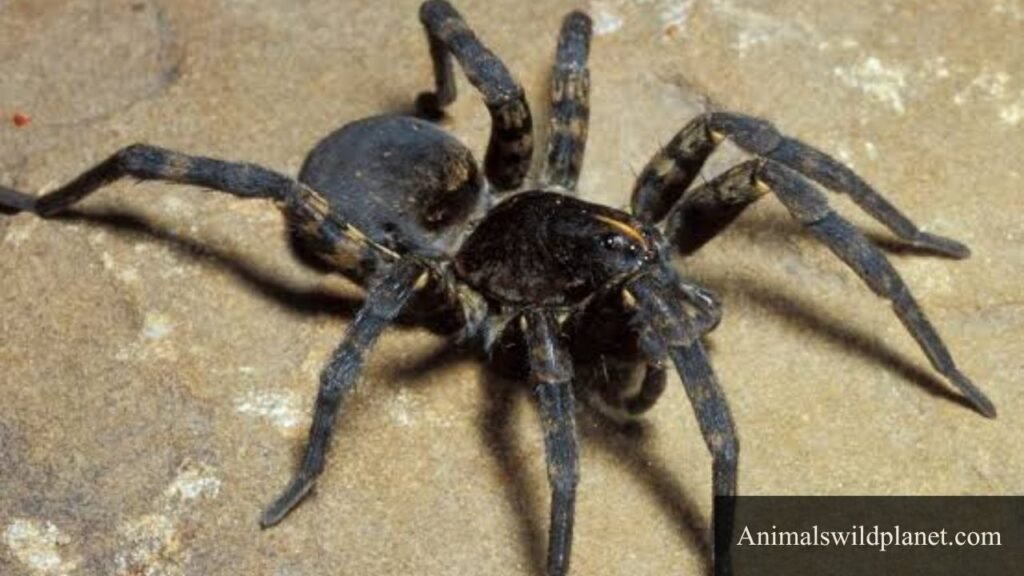
Beyond their craftsmanship, spiders exhibit remarkable hunting strategies. For example, jumping spiders employ keen vision and quick reflexes to pounce on unsuspecting prey, often demonstrating charming courtship dances to attract mates. These creatures challenge our perceptions of beauty, showcasing vibrant colors and unique patterns — many are true marvels of evolution. By exploring the world of spiders, we uncover a complex ecosystem where these often-misunderstood arachnids play vital roles in pest control, ensuring balance in nature that benefits countless species, including humans.
Tarantula
Scientific Name: Theraphosidae
Class: Arachnida
Diet: Carnivorous
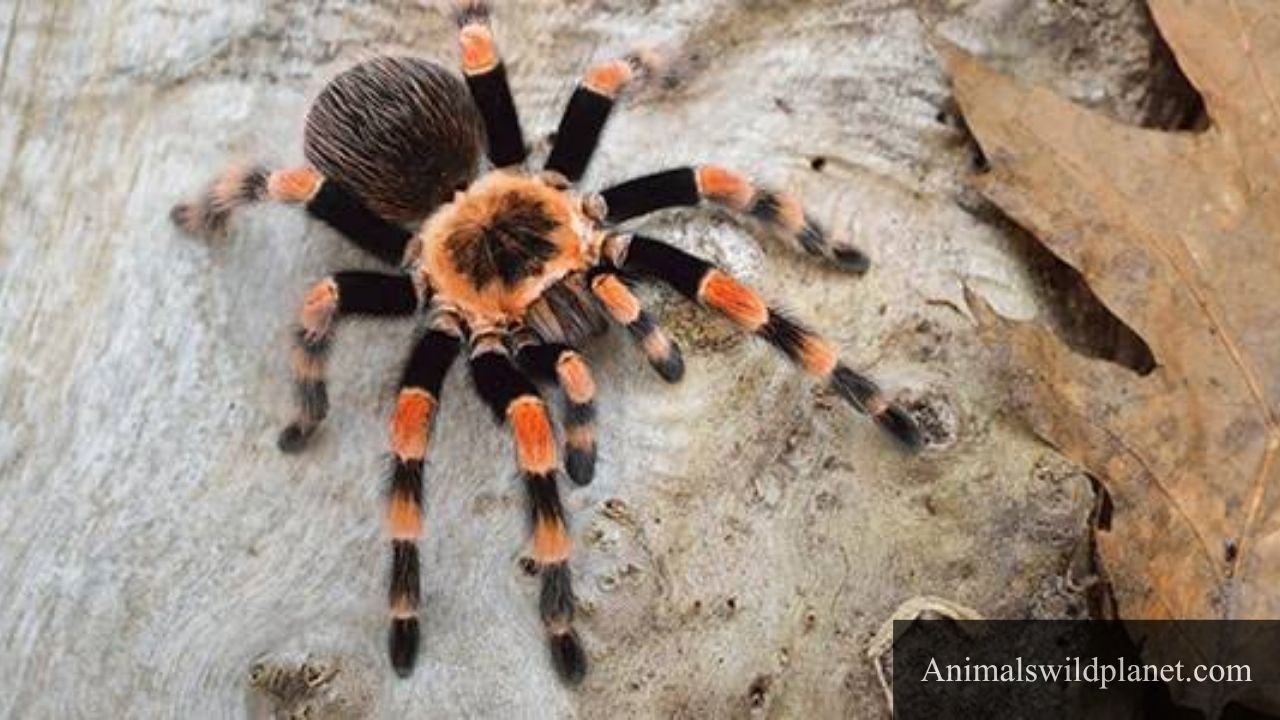
Tarantulas, the charismatic giants of the arachnid world, evoke a mix of fascination and fear. These eight-legged marvels can weigh over 3 ounces and boast a leg span of up to 12 inches, making them one of the largest spider species. Their fuzzy bodies and vivid colors, ranging from deep black to striking orange, aren’t just for show; these features serve as camouflage in their native habitats, which range from the rainforests of South America to the deserts of the Southwestern United States.
Yet, what truly sets tarantulas apart is their complex social behavior and unique survival strategies. Unlike many spiders that are solitary, some tarantula species exhibit social tendencies, living in small colonies and even engaging in cooperative hunting. Their predatory tactics are equally intriguing; they often rely on ambush rather than web-spinning, using their powerful fangs and venom to subdue prey. Moreover, they possess an extraordinary regenerative ability, allowing them to regrow lost limbs after molting, a remarkable trait that underscores their resilience in the face of adversity. Through these adaptations, tarantulas not only survive but thrive in diverse environments, demonstrating the incredible versatility of life in the animal kingdom.
Scorpions
Scientific Name: Scorpiones
Class: Arachnida
Diet: Carnivorous
Scorpions, fascinating eight-legged creatures, are often misunderstood as mere pests, but they play a crucial role in ecosystems as both predators and prey. While many regard them as fearsome due to their venomous sting, only about 30 species of the 1,500 known can pose a serious threat to humans. Their resilience is remarkable, with the ability to survive months without food and withstand extreme temperatures, adapting seamlessly to diverse habitats, from deserts to forests.
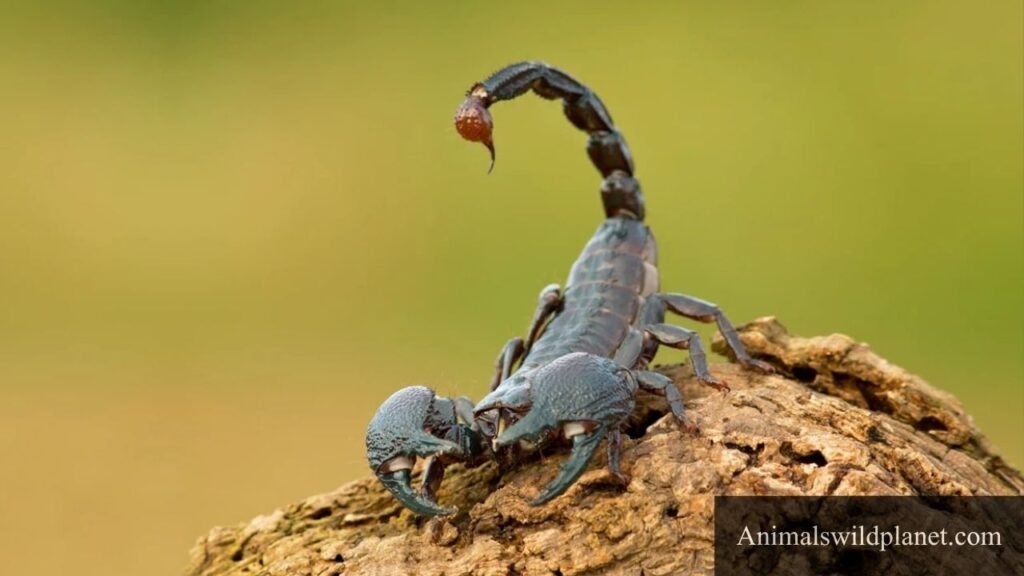
They help control insect populations, preventing the unchecked proliferation of pests. Moreover, scientists study their venom for potential medicinal uses, including pain relief and even cancer treatment.
Readmore: Explore Top 12 Animals With 6 Legs.
Mites
Scientific Name: Acari
Class: Arachnida
Mites, often overshadowed by their more prominent arachnid relatives like spiders and scorpions, are miniature marvels that play critical roles in ecosystems. These eight-legged creatures, which measure just a fraction of a millimeter, can be found almost everywhere — from the depths of the soil to the surfaces of our skin. While some mites might evoke shudders, like the notorious dust mites that feast on dead skin, many are nature’s unsung heroes, contributing to nutrient cycling and plant health.
Fascinatingly, mites also exhibit an impressive diversity; over 50,000 species have been classified, each adapted to unique environments and lifestyles. For instance, predatory mites help control agricultural pests, while others serve as critical decomposers in forests. Some mites even engage in complex relationships with plants, forming mutualistic partnerships that benefit both organisms. As we dive deeper into the study of these tiny titans, it becomes evident that mites are not just pests; they’re essential players in the web of life, showcasing the wonders of evolution and adaptation.
Pseudoscorpion
Scientific Name: Pseudoscorpiones
Class: Arachnida
Diet: Carnivorous
Pseudoscorpions may be small in stature, typically measuring only a few millimeters in length, but their fascinating adaptations pack a punch in the natural world. Unlike true scorpions, these arthropods possess a unique blend of cunning and resilience. They are often found lurking in the hidden crevices of the environment, such as under bark or in leaf litter, where they play a crucial role in controlling pest populations. With their impressive pincers, they can capture prey much larger than themselves, showcasing a remarkable hunting strategy.
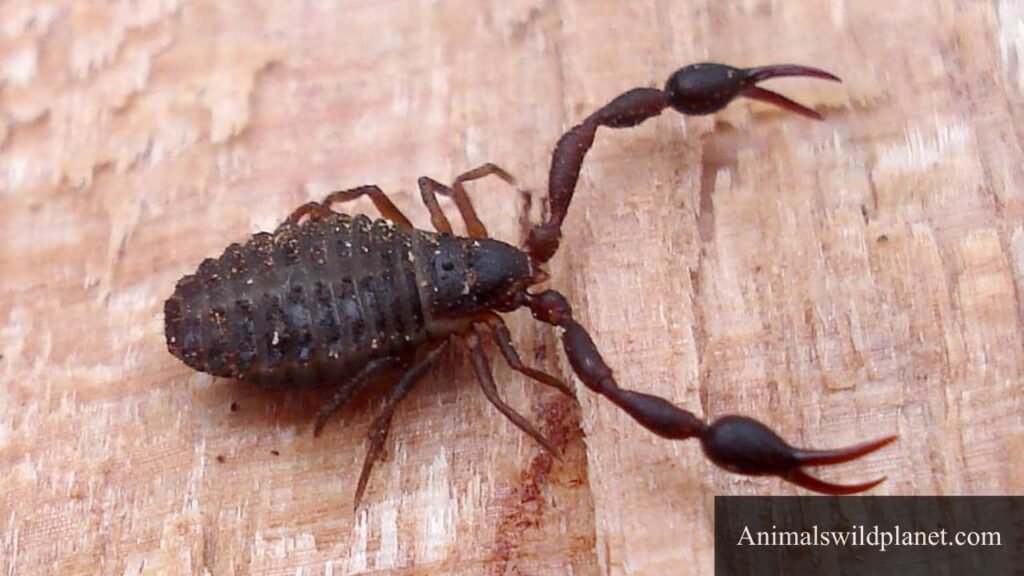
What sets pseudoscorpions apart is their remarkable symbiotic relationships with larger creatures, such as beetles. By hitching a ride on these hosts, they expand their territory and gain access to diverse feeding grounds, embodying the ultimate survivalist spirit. Furthermore, their ability to produce silk allows them to create retreats and capture prey, demonstrating an ingenious use of resources that enhances their adaptability in an ever-changing environment. In a world often dominated by larger predators, the humble pseudoscorpion exemplifies the power of strategy and stealth in the animal kingdom.
Ticks
Ticks, often overshadowed by their more charismatic eight-legged relatives like spiders and scorpions, are fascinating creatures that play a significant role in ecosystems. These parasitic arachnids have evolved to be expert bloodsuckers, leveraging an astonishing array of adaptations to locate and latch onto their hosts. Their highly developed sensory organs can detect the carbon dioxide and body heat emitted by potential hosts from considerable distances, making them formidable hunters in the wild.
Despite their negative reputation due to the diseases they can transmit — such as Lyme disease and rocky mountain spotted fever — ticks are integral to the food web. They serve as a food source for various birds, reptiles, and even some mammals, creating a crucial link in the cycle of life. Interestingly, their survival tactics, including the ability to endure long periods without a meal.
Whip Scorpion
Scientific Name: Thelyphonida
Class: Arachnida
Diet: Carnivorous
The whip scorpion, often overshadowed by its arachnid cousins, offers a fascinating glimpse into a world where evolution has crafted unique adaptations. These intriguing creatures, belonging to the order Uropygi, are neither true scorpions nor spiders but possess some remarkable traits that make them worthy of attention. With their elongated bodies and long, whip-like tails, they can appear intimidating. However, they are typically harmless to humans, relying more on their impressive pincers to capture prey and defend themselves.
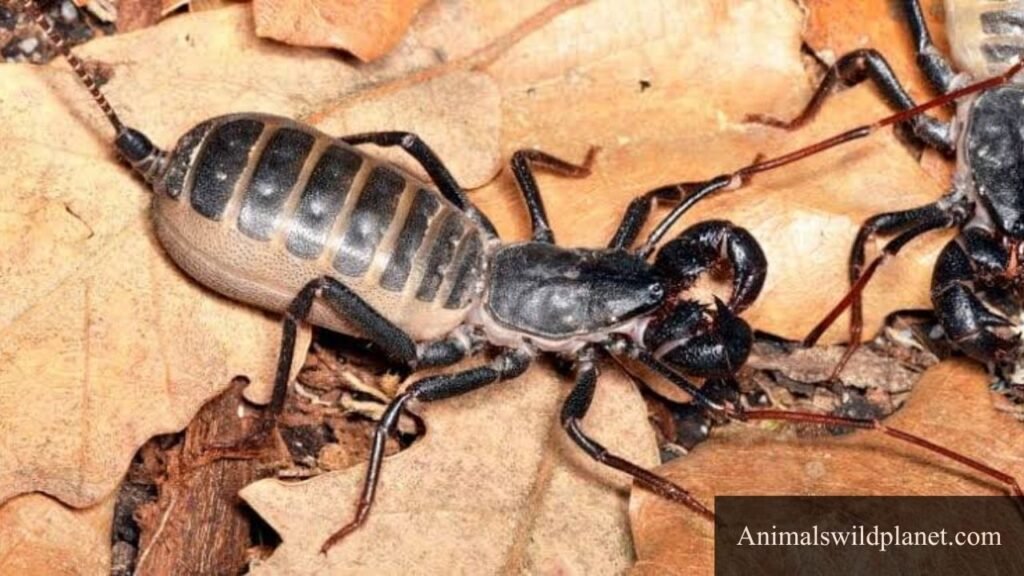
One of the most captivating aspects of whip scorpions is their ability to produce a surprising defensive mechanism — an acetic acid spray that can deter predators. This chemical, resembling vinegar, is a clever adaptation that allows these creatures to escape threats while avoiding confrontation. Whip scorpions are primarily nocturnal, navigating their dark, damp habitats with a unique pair of sensory organs on their long legs, which can detect even the faintest vibrations. This heightened sense of awareness turns their nighttime foraging into a captivating dance of survival, illustrating the delicate balance of life in an ecosystem where every detail matters.
Harvestman
Scientific Name: Opiliones
Class: Arachnida
Diet: Omnivorous
Harvestmen, often mistaken for spiders, are fascinating creatures that belong to the order Opiliones. Unlike their eight-legged cousins, harvestmen possess bodies that are notably more oval and elongated, giving them a distinctive appearance. One of their most intriguing characteristics is their ability to exhibit remarkable flexibility; some species can even shed a leg to evade predators and later regenerate it. This adaptability not only serves as a survival mechanism but also highlights the evolutionary ingenuity of these arachnids in navigating their environments.
Beyond their physical traits, harvestmen play a vital role in their ecosystems. As scavengers, they help decompose organic matter, redistributing nutrients back into the soil. This ecological function underscores their importance, especially in maintaining the health of forest floor habitats. Harvestmen are largely nocturnal, engaging in behaviors that often go unnoticed. By exploring these elusive creatures in the quiet of the night, we gain a deeper appreciation for the hidden dramas unfolding in our natural world.
Tailless Whip Scorpion
Scientific Name: Amblypygi
Class: Arachnida
Diet: Carnivorous
The tailless whip scorpion is a fascinating member of the arachnid family, boasting eight long, spindly legs that give it an otherworldly appearance. Unlike their more famous cousins, the scorpions, these creatures lack the ominous stinger that many associate with danger. Instead, they charm with their unique adaptations, including specialized sensory appendages that help them navigate through the dark, damp environments where they thrive. When threatened, they can produce a peculiar, defensive chemical spray, a surprising tactic that showcases their evolutionary ingenuity.
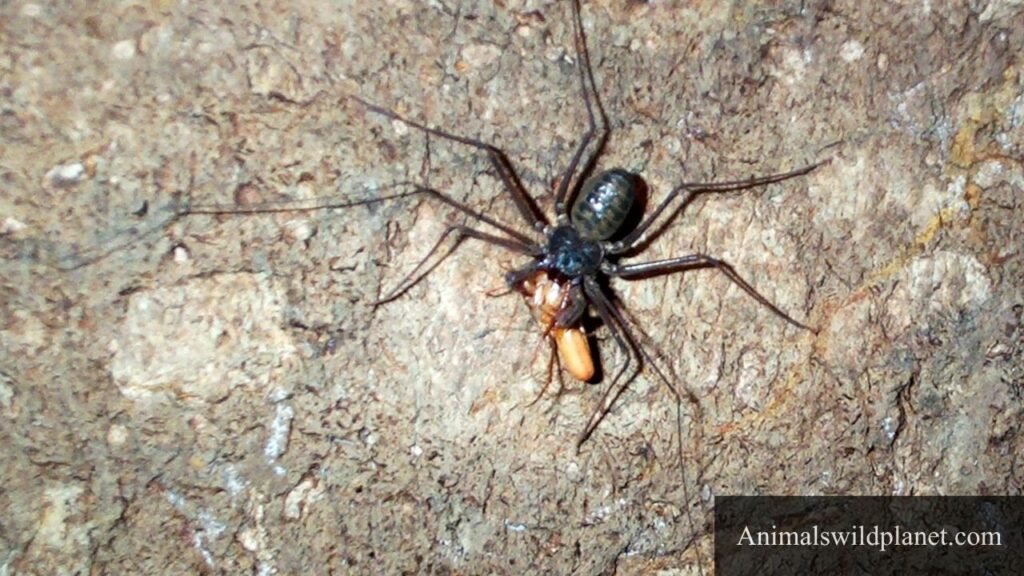
These nocturnal hunters contribute significantly to their ecosystems by preying on insects, thus helping to maintain a balance in the arachnid world. Their captivating courtship rituals, characterized by a delicate dance of intertwining limbs, offer a glimpse into the complexity of their social behaviors. Through their gracefully choreographed movements, they communicate readiness and compatibility, emphasizing the importance of connection even in the animal kingdom. The tailless whip scorpion proves that not all eight-legged beings are created equal, shining a light on the extraordinary biodiversity that exists beyond the more commonly recognized creatures.
Readmore: Explore Top 19 Most Flexible Animals.
Final Thoughts
The world of scorpions, spiders, and other eight-legged creatures is both intriguing and essential. These animals demonstrate unique adaptations that allow them to thrive in diverse environments. By studying them, we not only uncover the mysteries of their lives but also the interconnectedness of all living things. Awareness and preservation are vital as we confront environmental challenges. Let’s advocate for a brighter future for these eight-legged marvels!
FAQs
How many legs does a spider have?
A spider has eight legs. Spiders utilize their eight legs for movement, hunting, and building webs.
Do all spiders have 8 legs?
Yes, all true spiders have eight legs. This is one of the defining characteristics of the arachnid class, which includes spiders, scorpions, and ticks.