Top 15 Animals That Eat Frogs (With Images)
This article will dive into the intriguing realm of Animals That Eat Frogs, showcasing the unique adaptations and behaviors of these predators. By the end, you’ll have a greater appreciation for the interconnected relationships in nature and the role frogs play in the survival of many species.
List of Animals That Eat Frogs
Below is the list of animals that eat frogs:
- Coyote
- Herons
- Badger
- Snake
- Owl
- Large Fish
- Turtle
- Raccoon
- Other Frogs
- Otter
- Hawks
- Crane
- Skunk
- Alligator
- Opossum
Coyote
Scientific Name: Canis latrans
Class: Mammalia
Diet: Omnivore
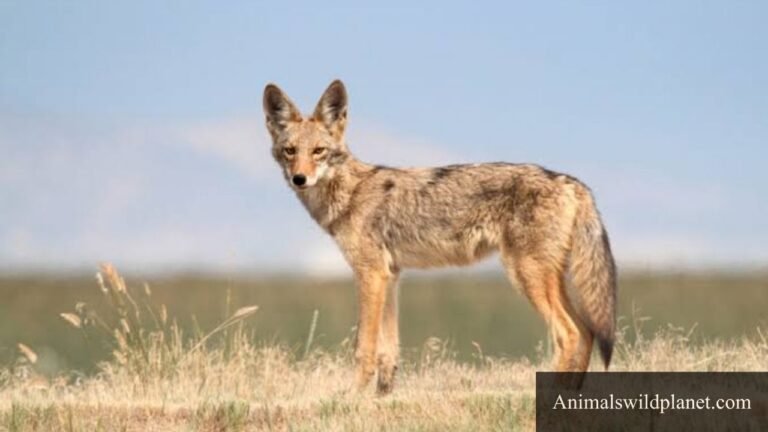
Coyotes are remarkably versatile predators, thriving in diverse environments from deserts to urban areas. While they primarily hunt small mammals, such as rabbits and rodents, frogs occasionally make their way onto the coyote’s menu. This adaptability showcases the coyote’s opportunistic feeding behavior; when food sources are scarce or when amphibians are abundant during rainy seasons, coyotes will seize the chance to diversify their diet.
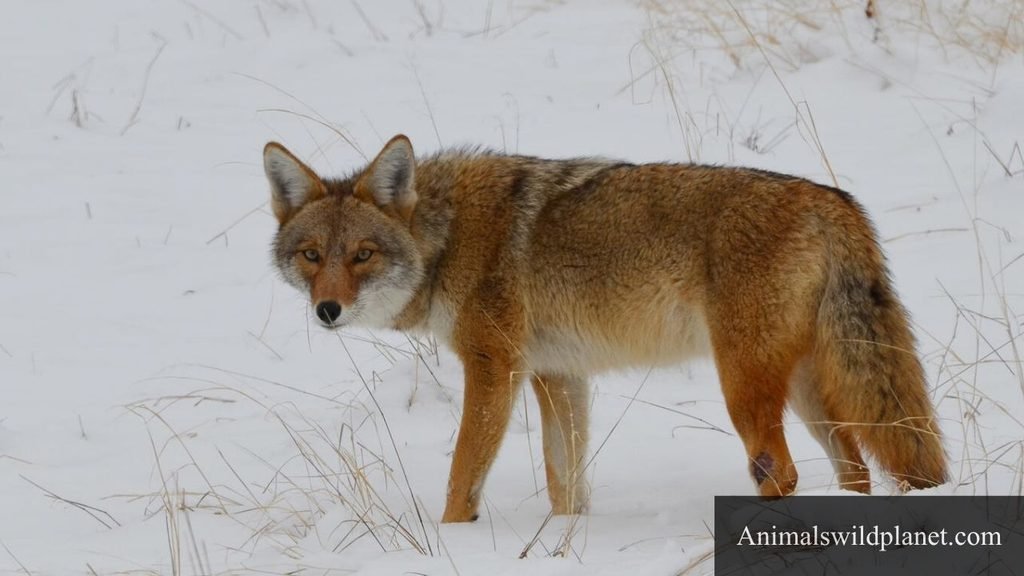
Their hunting techniques can vary significantly based on prey type. When targeting frogs, coyotes may employ a stealthier approach, utilizing their keen senses and agility to catch frogs near water sources. This behavior not only highlights their adaptability but also underscores an important ecological relationship: coyotes help control amphibian populations, contributing to a balanced ecosystem. Observing these cunning canines hunt reveals the intricate web of life in their habitats, where every species, even those as seemingly unrelated as coyotes and frogs, plays a vital role.
Herons
Scientific Name: Ardeidae
Class: Aves
Diet: Carnivore
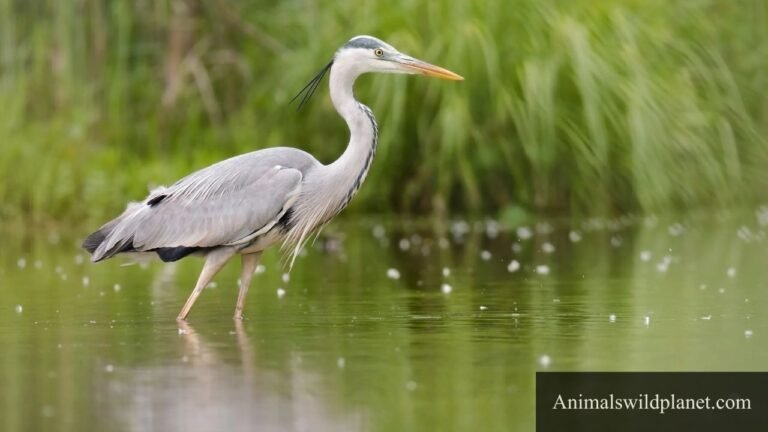
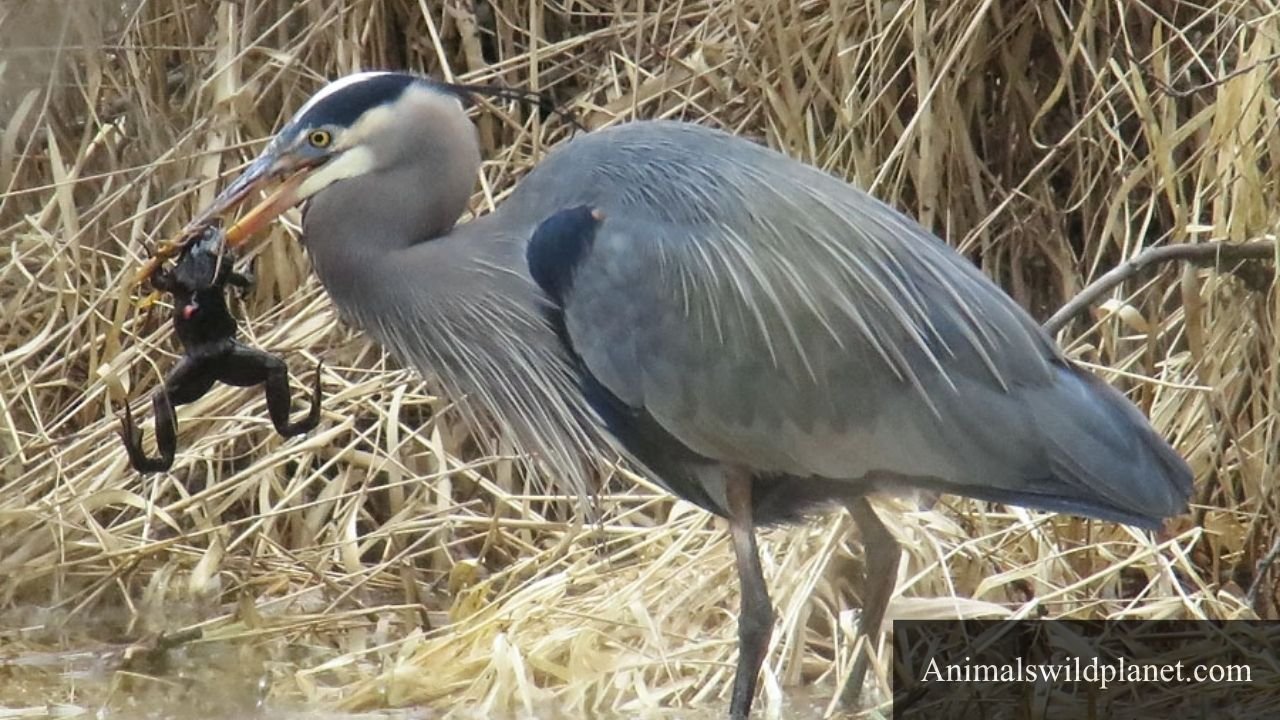
Herons are remarkable avian predators that showcase a striking blend of patience and precision when hunting frogs. With their long legs and necks, these elegant birds wade through shallow waters, employing a stealthy approach to avoid startling their prey. Their keen eyesight allows them to detect even the slightest ripple indicating the presence of a frog, making them formidable hunters in wetlands. The heron’s sharp beak is perfectly adapted to spear frogs with incredible speed, turning a potentially slippery escape into a swift meal.
What’s particularly fascinating about herons is their role in maintaining ecological balance in their habitats. By controlling frog populations, they help prevent overpopulation, which can lead to the collapse of local ecosystems. Interestingly, herons also exhibit a remarkable degree of adaptability; they will alter their hunting strategies based on the type of frogs available or the specific conditions of their environment. This flexibility not only highlights their evolutionary success but also serves as a reminder of the interconnectedness of species within their habitats. As we observe these majestic birds in action, it becomes clear that their hunting prowess extends beyond mere survival; it contributes significantly to the health of our wetlands.
Badger
Scientific Name: Taxidea taxus
Class: Mammalia
Diet: Omnivore
The badger, often overshadowed by its more charismatic counterparts in the animal kingdom, plays an intriguing role as a predator of frogs. Found primarily in North America and Europe, these stout, burrowing mammals possess a surprisingly robust diet. While they may primarily feast on insects and small mammals, their agile hunting skills make them adept at catching frogs, especially during warmer months when these amphibians are most active.
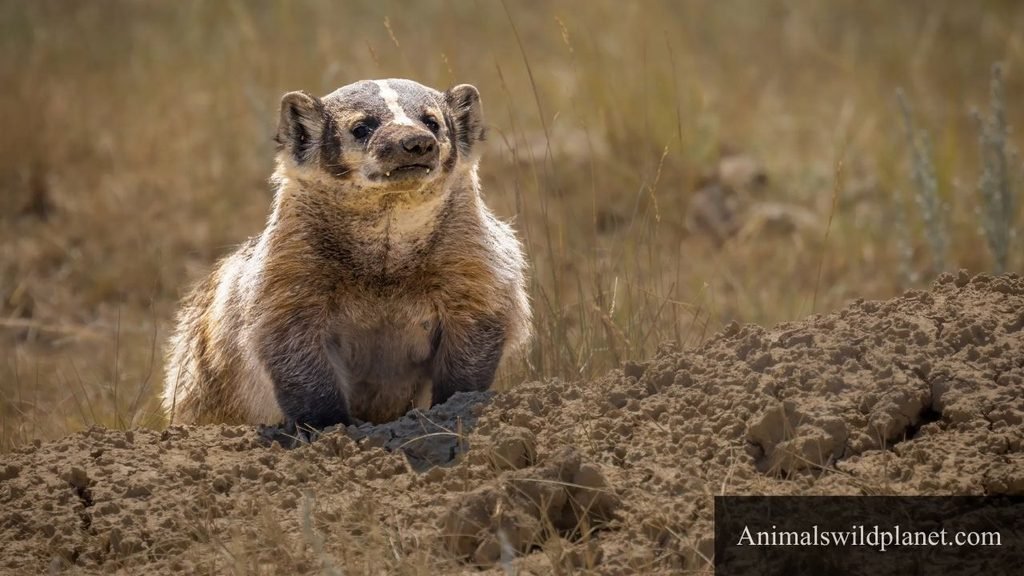
What sets badgers apart is their methodical approach to hunting. They often utilize their keen sense of smell to locate frogs hidden in tall grasses or near water bodies. Once detected, a badger’s powerful claws and agile frame allow it to dig them out with startling efficiency. This behavior underscores the badger’s ecological versatility; by preying on frogs, they help manage amphibian populations, which can fluctuate dramatically depending on environmental conditions.
Readmore: Explore Top 15 Animals That Eat Cactus.
Snake
Scientific Name: Serpentes
Class: Reptilia
Diet: Carnivore
Snakes exhibit a fascinating affinity for frogs, showcasing their adaptability and diverse hunting strategies. These elongated reptiles, with their smooth scales and stealthy movements, employ various techniques to hunt in both water and on land. Some species, like the water moccasin and garter snake, are known to take advantage of frogs’ natural habitats, using camouflage and ambush tactics to snatch them up with lightning speed.
What makes the relationship between snakes and frogs particularly intriguing is the evolutionary dance of survival. Frogs have developed defensive behaviors, such as toxic skin secretions and rapid hopping, to evade their snake predators. In turn, some snakes have evolved specialized digestive systems to handle these slippery amphibians, allowing them to process not just the frog’s body but also its toxins. This predatory dynamic contributes to the biodiversity within their ecosystems, underlining the delicate balance of nature where every species plays a critical role.
Owl
Scientific Name: Strigiformes
Class: Aves
Diet: Carnivore
Owls are fascinating nocturnal hunters, showcasing a unique hunting strategy that makes them adept at consuming frogs. With their exceptional nocturnal vision and keen hearing, they can pinpoint the slightest movements in the underbrush or near water bodies, where frogs often reside. The soft, silent flight of owls allows them to approach their prey stealthily, ensuring a successful ambush when they swoop down.
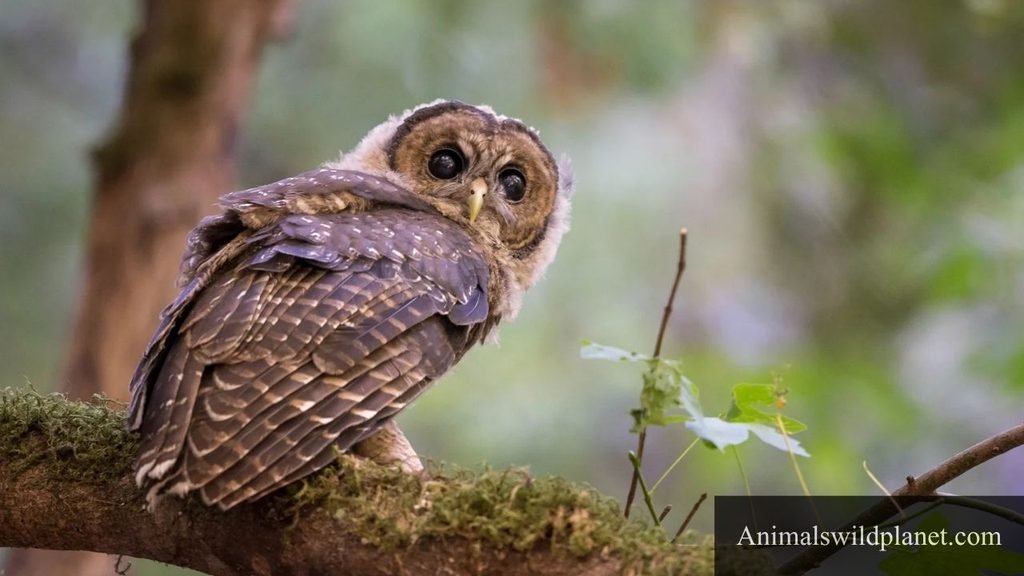
The diets of various owl species can vary, with some being particularly fond of amphibians. Great Horned Owls, for instance, are versatile opportunists that can consume an array of prey. Their strong talons and powerful beaks allow them to tackle frogs with ease, often swallowing them whole. This ecological interaction plays a crucial role in maintaining balance in the environment, as it helps control frog populations, many of which can become pests if left unchecked. In turn, this predation highlights the interconnectedness of ecosystems, where each species, including owls, contributes to the delicate dance of life.
Large Fish
Scientific Name: Micropterus / Esox
Class: Actinopterygii
Diet: Carnivore
In the underwater ballet of predation, large fish play a pivotal role as hunters of various aquatic life, including frogs. Species like bass, pike, and catfish have developed impressive techniques to capture these elusive amphibians. With their keen eyesight and lightning-fast reflexes, these fish often lie in wait, using their camouflage to ambush unsuspecting frogs basking on lily pads or near the water’s edge. This strategic hunting exemplifies nature’s intricate food web, where each player, even the seemingly benign frog, becomes part of a larger survival narrative.
The relationship between large fish and frogs is not merely one of predator and prey. These amphibians often serve as an essential food source, supporting the broader ecosystem. In regions where both thrive, the decline in frog populations can lead to a dramatic shift in fish behavior and diet. Some fish adapt by targeting smaller prey, showcasing their resilience and evolutionary flexibility. In this dynamic interaction, observers can witness not just the raw power of nature, but also the delicate balance that sustains these intertwined species.
Turtle
Scientific Name: Testudines
Class: Reptilia
Diet: Omnivore
Among the fascinating array of animals that feast on frogs, turtles hold a unique position. These reptiles are equipped with powerful jaws and a keen sense of their surroundings, making them formidable amphibian hunters. While some turtle species are primarily herbivorous, others, like the snapping turtle, exhibit a distinct carnivorous appetite. Their method of feeding involves a stealthy approach; they can lie motionless for hours, waiting for an unsuspecting frog to hop too close to the water’s edge.
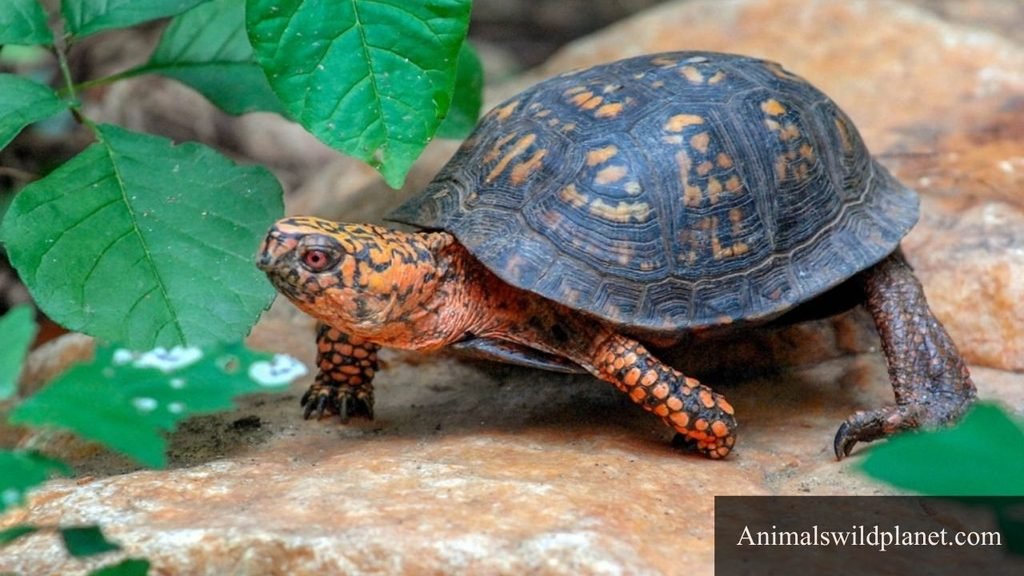
The role of turtles in frog consumption extends beyond mere predation. In certain ecosystems, they help regulate frog populations, contributing to the dynamic balance of aquatic life. This predatory behavior can also influence frog reproductive strategies — frogs might adjust their breeding patterns or choose safer sites for laying eggs in response to turtle presence. Thus, turtles not only impact frog demographics; they also play a vital ecological role, showcasing the intricate web of interactions in nature.
Raccoon
Scientific Name: Procyon lotor
Class: Mammalia
Diet: Omnivore
Raccoons are often seen as opportunistic foragers, adept at scavenging from both the forest floor and urban landscapes. Their nimble paws and dexterous fingers allow them to access a variety of foods, and frogs are an appealing addition to their diverse diets. These nocturnal creatures have a keen awareness of their surroundings, making them excellent hunters in the dim light, where they can quietly observe the movements of frogs near ponds and wetlands.
Interestingly, raccoons have a unique digestive system that accommodates a wide range of prey. This versatility not only allows them to efficiently process frogs but also helps maintain ecological balance by controlling amphibian populations. As they indulge in this protein-rich food source, raccoons inadvertently play a crucial role in regulating local ecosystems. Observing raccoons hunt for frogs provides a fascinating glimpse into nature’s food web, emphasizing the interconnectedness of all species, even those often overlooked in the nighttime ballet of life.
Other Frogs
Scientific Name: Anura
Class: Amphibia
Diet: Carnivore
Some frog species have developed a taste for their fellow frogs, showcasing an intriguing aspect of their survival strategy. This phenomenon, known as intraguild predation, highlights the fierce competition and adaptability of these creatures in their quest for resources. When food is scarce, larger frog species such as bullfrogs don’t hesitate to munch on smaller counterparts, effectively controlling the population dynamics of their own kin.
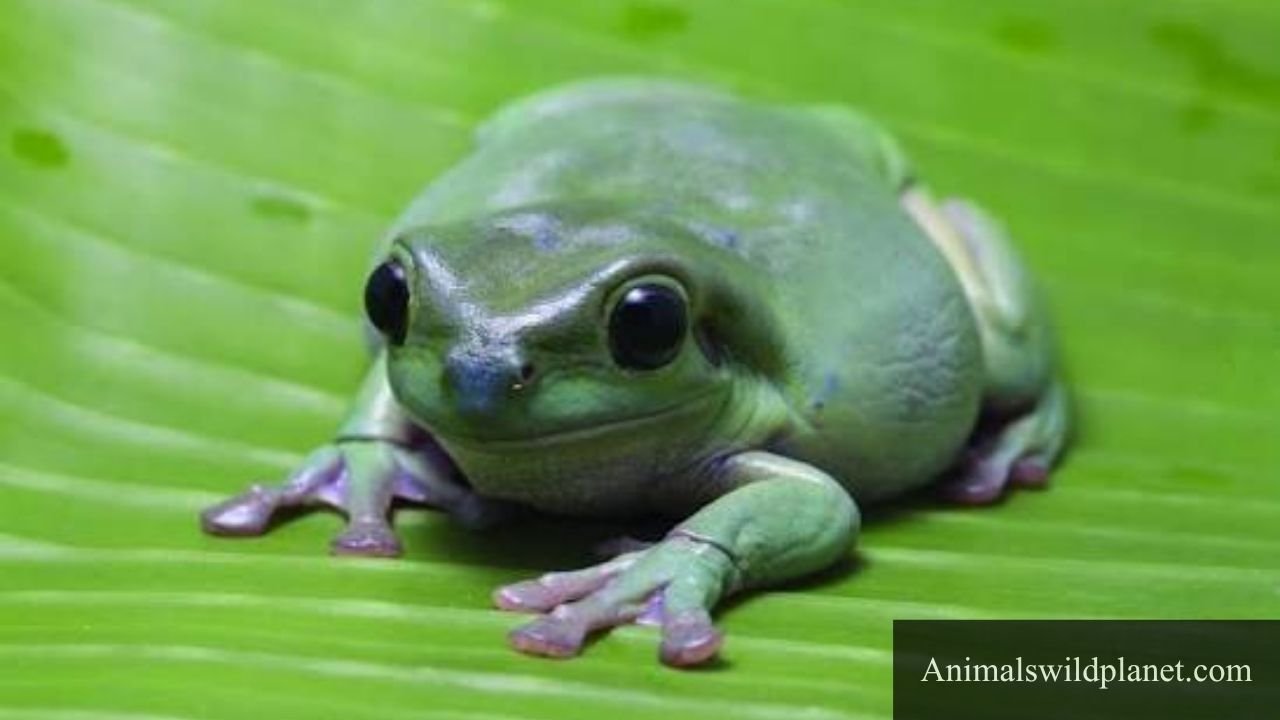
Such predatory behavior also reveals an underlying complexity in amphibian behavior and ecology. While many might see frogs solely as prey in the food chain, others recognize the cunning side of these creatures. Some frogs exhibit territoriality, where they’ll not only defend their space from other species but also target members of their own kind. This stark reality shifts the perception of frogs from mere vibrators in the wetlands to formidable players in a delicate balance of survival and dominance. As habitats change and populations fluctuate, this cycle of consumption challenges our understanding of interspecies interactions and the evolution of these remarkable amphibians.
Otter
Scientific Name: Lutrinae
Class: Mammalia
Diet: Carnivore
Otters are skilled hunters that showcase playful yet efficient survival instincts. Although primarily known for their diet of fish and crustaceans, these aquatic mammals often turn to frogs as a supplementary food source. Their agile bodies and webbed feet enable them to navigate swiftly through water and across slippery banks, making it easier for them to catch elusive prey. Watching an otter in action is a lesson in adaptability, as they use their keen sense of sight and intelligence to hunt down not just frogs, but also other amphibians that might be hiding in the reeds.
What makes otters particularly fascinating is their unique foraging behavior. They often hunt in groups, employing a social strategy that increases their success rate. This teamwork allows them to corner frogs and other creatures in shallow waters, ensuring a steady food supply. The otter’s playful nature can occasionally turn the hunt into a game, as they toss their catches in the air or slide down banks. This behavior highlights their intelligence and vitality, linking their survival instincts with a deep-seated joy for life, which serves as a reminder of the complex relationships between predators and prey in the ecosystem.
Hawks
Scientific Name: Accipitridae
Class: Aves
Diet: Carnivore
Hawks, with their keen eyesight and incredible hunting prowess, have carved out a niche as formidable predators in the animal kingdom, often preying on frogs. Their sharp talons and swift flight make them adept at spotting these amphibians hiding in reeds or near water sources. What’s fascinating is how a hawk’s hunting strategy adapts based on its environment — whether soaring high above a wetland or perched silently on a branch, they meticulously scan their surroundings for any unsuspecting amphibious meal.
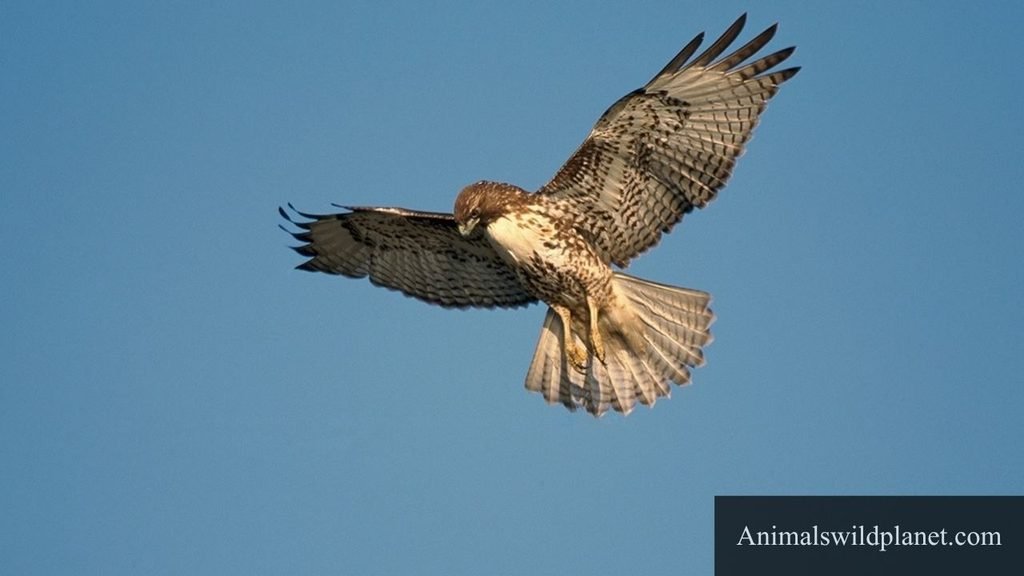
Hawks don’t rely solely on sight; they possess acute hearing that allows them to detect the subtle movements of frogs. This multi-sensory approach enables them to be exceptionally effective hunters, especially at dusk or dawn, when frogs are more active. Interestingly, consuming frogs adds nutritional diversity to a hawk’s diet, supplying essential proteins and vitamins necessary for their survival, especially during breeding season when energy demands soar. By preying on amphibians, hawks play a crucial role in maintaining ecological balance, ensuring that frog populations remain healthy and robust, preventing overpopulation that could stress their aquatic habitats.
Crane
Scientific Name: Gruidae
Class: Aves
Diet: Omnivore
Crane species are often celebrated for their beauty, but they play a pivotal role in regulating their ecosystems, particularly through their predation on frogs. The diet of cranes typically includes a variety of small prey, and frogs make an appealing and nutritious target. Observing a crane as it stalks its amphibian meal is a masterclass in patience; these birds often wade quietly through wetlands, using their keen eyesight to spot a frog hidden among reeds or lily pads.
What sets cranes apart is their unique hunting technique. Unlike some predators that rely on speed or sheer strength, cranes exhibit a calculated approach, often waiting motionless for the precise moment to strike. Their long legs and extended necks allow them not only to reach deeper waters but also to deliver a quick, darting peck, showcasing a blend of elegance and efficiency. This behavior not only highlights the crane’s adaptability but also emphasizes the interconnectedness of wetland ecosystems, where each species, from predator to prey, contributes to a delicate balance. As climate change and habitat loss threaten such environments, the delicate dance of crane and frog becomes an enchanting yet sobering reminder of nature’s intricate tapestry.
Skunk
Scientific Name: Mephitidae
Class: Mammalia
Diet: Omnivore
Skunks, often overlooked due to their notorious reputation for their strong-smelling defense mechanism, play an intriguing role in the ecosystem as opportunistic feeders. These nocturnal mammals are not picky eaters; they have a varied diet that includes insects, fruits, and, surprisingly, frogs. The adaptability of skunks in foraging behaviors allows them to capitalize on available food sources, which can vary dramatically based on their environment and season.
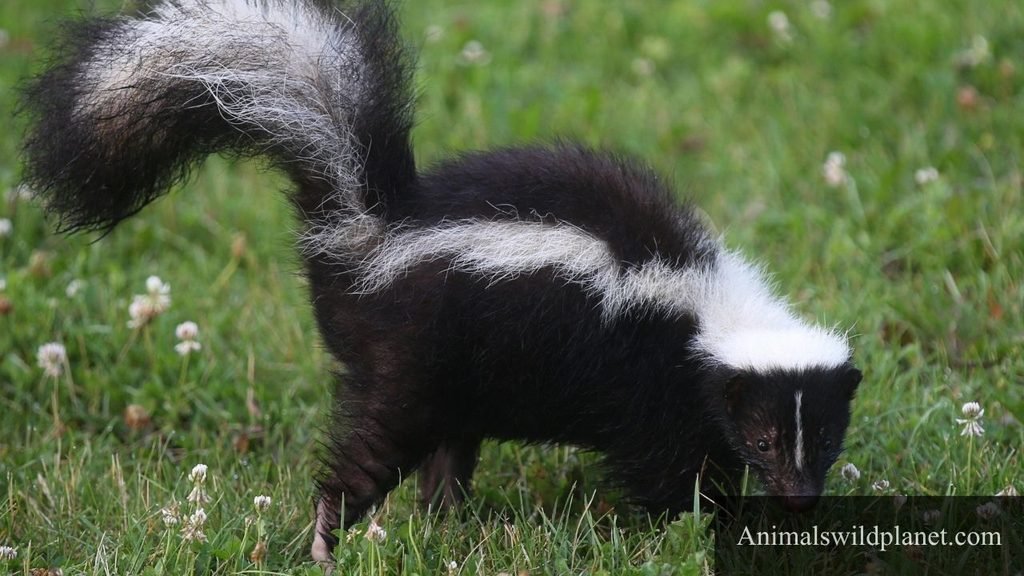
When a skunk encounters a frog, it employs a combination of stealth and speed, using its keen sense of smell and hearing to locate these amphibians during their active times. Interestingly, skunks are agile hunters; they can pounce surprisingly quickly, which belies their often leisurely demeanor. This predation not only helps control frog populations but also supports the balance of local ecosystems where frogs may otherwise become overpopulated, leading to decreased biodiversity.
Alligator
Scientific Name: Alligator mississippiensis
Class: Reptilia
Diet: Carnivore
Alligators are formidable predators, inhabiting both freshwater and brackish environments across the southeastern United States. Their diet is as varied as their habitat, and frogs occupy a special niche in their culinary preferences. These reptiles have evolved several adaptations that make them highly efficient hunters; their powerful jaws can snap through the soft bodies of frogs, which they often catch by surprise. With their stealthy ambush techniques, alligators can remain submerged for long periods, waiting for the right moment to strike.
The role of frogs in the alligator diet extends beyond mere sustenance. Frogs serve as indicators of ecosystem health, meaning that a robust frog population is a sign of a thriving wetland environment. This connection underscores the importance of alligators as apex predators — they help regulate frog populations, ensuring ecological balance. In turn, the diet of alligators highlights a complex food web that includes various species, each playing its part in maintaining biodiversity. Thus, when we consider alligators as frog eaters, we also delve into a rich tapestry of interdependence within their ecosystems.
Opossum
Scientific Name: Didelphimorphia
Class: Mammalia
Diet: Omnivore
Opossums are often underestimated in the food chain, but these marsupials play a surprising role as opportunistic predators of frogs. Their adaptability and scavenging behavior mean they’re not picky eaters, and frogs present a readily available protein source, especially in wetland habitats where these nocturnal creatures thrive. When evening falls, opossums roam under the cover of darkness, skillfully using their keen sense of smell to locate croaking frogs, making them an integral part of their ecosystem.
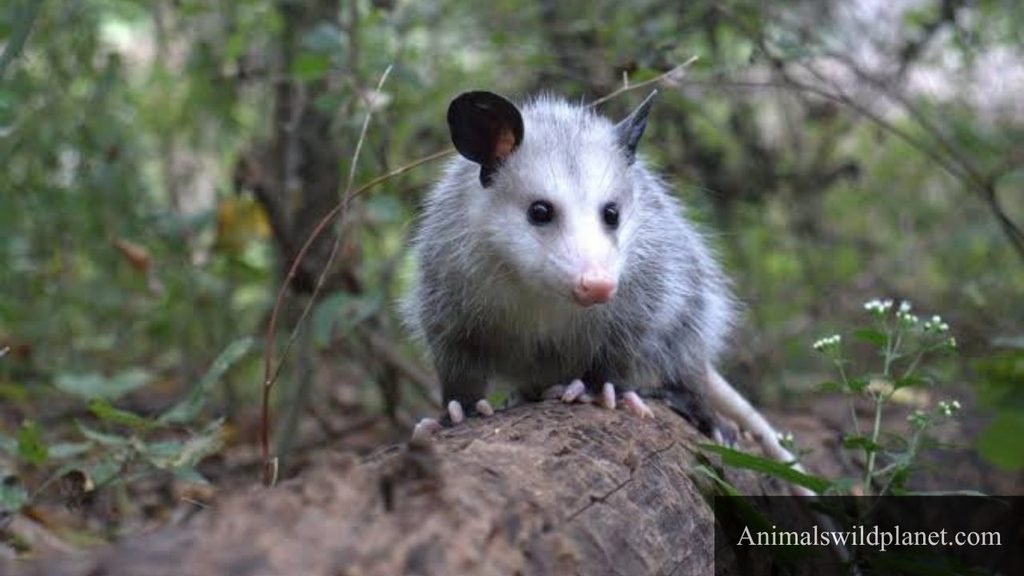
Interestingly, the opossum’s diet is not just about survival; it also highlights their unique evolutionary traits. With fewer natural predators and a high tolerance for various environments, these creatures contribute to controlling amphibian populations. Their interaction with frogs can reveal essential insights into the broader health of their habitats, serving as an indicator of ecological balance. This dynamic relationship underscores the complexity of food webs and portrays the opossum as a crucial, if often overlooked, player in nature’s intricate play.
Readmore: Explore Top 15 Animals That Eat Rabbits.
Final Thoughts
The diverse array of animals that feast on frogs highlights the interconnectedness of ecosystems and the role each species plays within it. From birds and fish to mammals, these predators contribute to maintaining the balance of frog populations, which in turn impacts their habitats. Understanding these relationships not only enriches our knowledge of wildlife but also emphasizes the importance of conservation efforts, as diminishing one species can have far-reaching effects.
As we learn more about the intricate web of life, we can better appreciate the delicate balance that sustains us all. Let’s continue to explore the world of wildlife and advocate for the protection of all species, including those that rely on frogs as a vital food source.
FAQs
What eat frogs?
Frogs have a range of natural predators. Birds, particularly larger species like herons and egrets, often catch frogs when they venture out of water. Snakes are also significant predators, using their stealth and speed to catch frogs when they least expect it. In addition to birds and snakes, mammals like raccoons and otters will eat frogs if they come across them. Even some other reptiles, including larger salamanders, may consider frogs a meal.
Do lizards eat frogs?
Yes, some lizards do eat frogs. Species like the large monitor lizard are known to prey on amphibians, including frogs. Their diet can vary widely depending on their habitat and availability of food.
Do birds eat frogs?
Yes, some birds do eat frogs. Species like herons, egrets, and kingfishers are known to hunt and consume frogs as part of their diet. These birds often hunt near water, where frogs are commonly found.