Top 9 Animals That Can Bark (With Images)
Did you know that not only dogs can bark? While many associate barking exclusively with our furry friends, a fascinating array of animals also utilizes this vocalization. In this article, we’ll explore the intriguing world of Animals That Can Bark, shedding light on creatures beyond the canine realm. By uncovering these surprising barkers, you’ll gain insight into their behaviors and the role barking plays in their communication.
List of Animals That Can Bark
Below is the list of animals that can bark:
- Baboons
- Capybaras
- Dogs
- Foxes
- Barking Owls
- Sea Lions
- Squirrels
- Raccoons
- Deer
Baboons
Scientific Name: Papio spp.
Class: Mammalia
Diet: Omnivorous
Baboons, often recognized for their distinctive features and social structures, possess a vocal repertoire that includes a unique form of barking. This surprisingly versatile vocalization can serve multiple functions, from warning fellow troop members of potential dangers to communicating during social interactions. Their barks resonate distinctly across the savannas, showcasing a primal yet intricate system of vocal communication that can effectively convey urgency or reassurance.
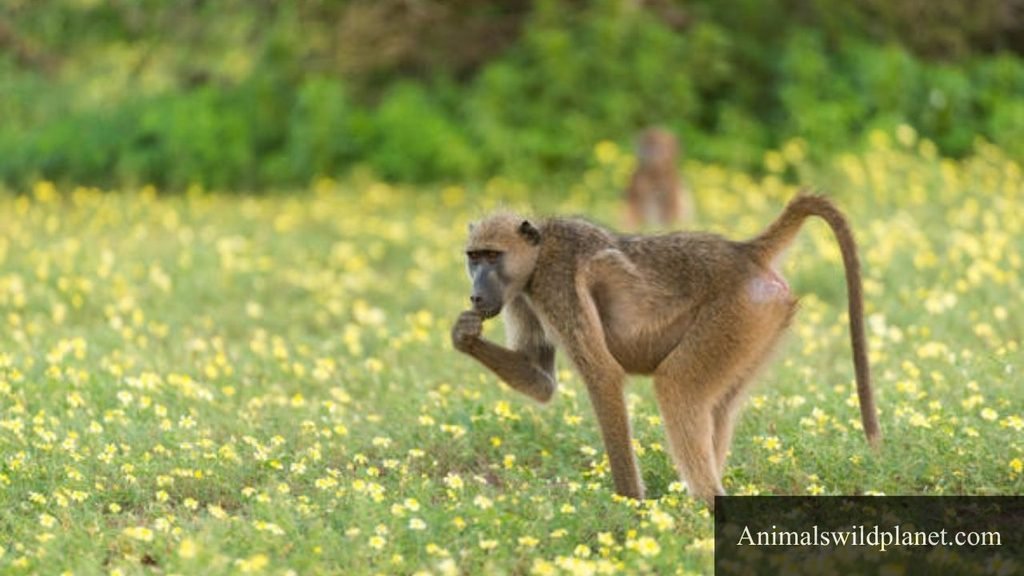
What makes baboon barking particularly fascinating is its context-dependent nature. In situations of heightened tension, like encounters with predators, these barks become sharp and urgent, alerting other members of their troop. Conversely, during playful interactions, these sounds can take on a more relaxed tone, reflecting the changing dynamics of their social environment. This adaptability not only highlights their intelligence but also underscores the intricacies of their social bonds — a reminder that communication in the animal kingdom is far more nuanced than we often realize.
Capybaras
Scientific Name: Hydrochoerus hydrochaeris
Class: Mammalia
Diet: Herbivorous
Capybaras, often affectionately dubbed the “gentle giants” of the rodent world, have a unique way of communicating that surprises many. While these social creatures are known for their calm demeanor and friendly nature, they also possess an intriguing vocal range, including a bark that can be quite startling. This sound serves not just as communication but as a way to establish social bonds within their groups, which can number up to 20 individuals. It’s fascinating to observe how these vocalizations reflect their mood, signaling everything from alarm to contentment.
What sets capybara barks apart from typical animal sounds is their distinct, almost dog-like quality. When a capybara barks, it’s a firm reminder that even the most docile creatures can assert themselves when needed. These barks can vary in intensity and purpose, often indicating the presence of danger or simply expressing excitement during social interactions. Moreover, their ability to bark highlights the importance of vocal communication in maintaining the tight-knit hierarchies within their communities.
Dogs
Scientific Name: Canis lupus familiaris
Class: Mammalia
Diet: Omnivorous
Dogs, known for their expressive barks, have earned their place as humanity’s favorite companion. But beyond mere communication, the frequency and tone of a dog’s bark can convey a spectrum of emotions — from excitement to anxiety. Researchers have discovered that even subtle variations in pitch can signal different messages to both other dogs and their human friends. For instance, a higher-pitched bark often indicates eagerness or playfulness, while a lower growl may signal discomfort or a need for space.

Interestingly, not all dog breeds bark in the same way; some are naturally more vocal due to their lineage and historical roles. Breeds like the Beagle and the Foxhound were developed for hunting, leading them to bark frequently as a way to communicate with hunters and pack members. This unique vocalization has shaped their relationships with humans, allowing for a deeper bond not just in companionship but also in practical communication during activities like hunting or herding.
Foxes
Scientific Name: Vulpes spp.
Class: Mammalia
Diet: Omnivorous
Foxes, often perceived as cunning and elusive, possess a surprisingly complex vocal repertoire that includes a unique type of bark. Unlike the deep, resonant barks of dogs, a fox’s bark is high-pitched and conveys a wide array of messages — ranging from alerting other foxes to potential dangers to communicating during mating season. This vocalization is not just a random sound; it’s an intricate form of social interaction, revealing their intelligence and adaptability to various environments.
Interestingly, foxes also employ their vocalizations to establish territory. The bark serves as both a warning to rivals and a call to potential mates, creating a sonic landscape that reflects their presence in the wild. Each fox has its own distinct bark, making it possible for listeners to identify individuals within a group. Additionally, their capacity to bark is often accompanied by other sounds, such as yips and screams, further showcasing their communicative complexity.
Barking Owls
Scientific Name: Ninox connivens
Class: Aves
Diet: Carnivorous
Barking owls, native to Australia and New Guinea, are renowned for their distinctive call that resembles a dog’s bark — an intriguing trait that has captivated naturalists and bird enthusiasts alike. This unique vocalization is most pronounced during the breeding season, where the male owl’s barks echo hauntingly through the dense forests, serving as both a territorial marker and a mating signal. Unlike the straightforward hoots of many owl species, the barking owl’s sound has an eerie quality, often catching unsuspecting listeners off guard as it travels through the stillness of the night.
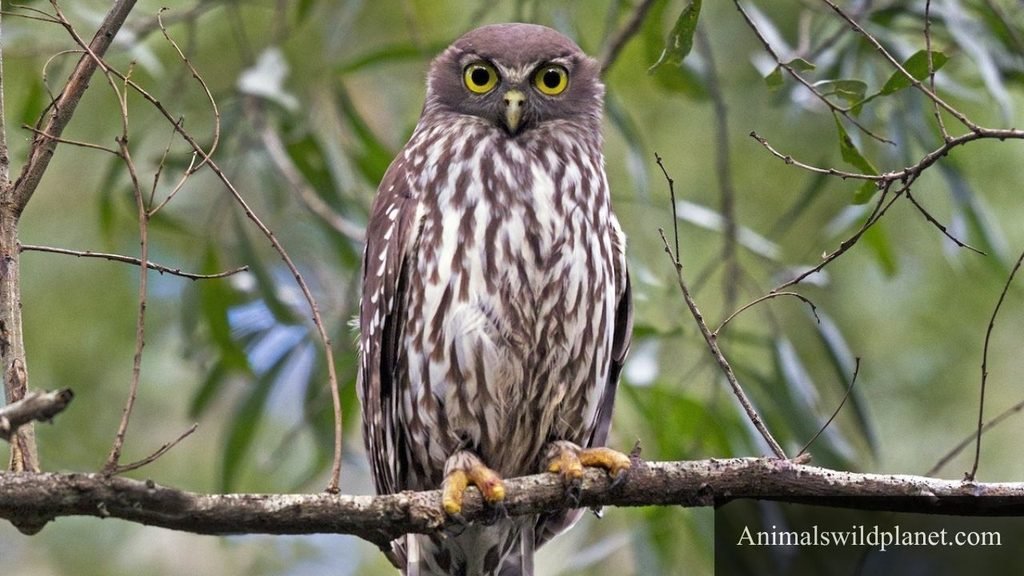
Beyond their auditory eccentricity, barking owls are fascinating creatures with compelling adaptations that aid their nocturnal lifestyle. Their mottled brown and grey plumage allows them to blend seamlessly into the forest canopy, while their keen eyesight is adapted for low-light conditions, making them formidable hunters. They primarily feed on small mammals and birds, employing a stealthy approach and sudden, powerful strikes — an act reminiscent of their predatory relatives. By understanding these unique features, we can gain deeper insights into the ecological role of barking owls, as well as appreciate the rich tapestry of behaviors that defines the avian world.
Sea Lions
Class: Mammalia
Diet: Carnivorous
Sea lions might be best known for their playful antics and sleek bodies gliding through the ocean, but their vocalizations add another layer of intrigue to their personality. Far from a simple bark, their sounds can range from deep grunts to high-pitched barks, creating an impressive vocal repertoire that serves various purposes. In social settings, especially on crowded beaches or during breeding season, these vocalizations help maintain order among the cacophony of their colonies, sounding off to establish territory or attract mates.
One might marvel at the adaptability of sea lions; their ability to communicate effectively in the noisy ocean environment is fascinating. They utilize their barking not only for signaling distress or warning others of danger but also for bonding with their pups. This mother-pup communication is critical for survival, as it helps establish strong social ties and ensures the young remain close to their mothers amidst the chaos of bustling colonies. With their charming barks echoing across rocky shorelines, sea lions truly embody the enchanting blend of beauty and complexity found in the animal kingdom.
Squirrels
Scientific Name: Sciuridae spp.
Class: Mammalia
Diet: Omnivorous
Squirrels, often thought of as cute, acrobatic creatures darting about in trees, possess a surprisingly vocal repertoire that includes a distinct barking sound. This unique vocalization serves as a form of communication to signal alarm or assert territory, revealing a more complex social structure than many might assume. Observers often underestimate the intelligence behind these vocalizations, as squirrels employ different pitches and rhythms to convey specific messages, making their barks a nuanced tool in their survival toolkit.

When a squirrel barks, it typically goes beyond mere annoyance; it can indicate the presence of potential predators or intruders. This alert system not only aids in communal safety but also showcases their remarkable awareness of their surroundings. Families of squirrels engage in this barking behavior, creating a kind of coded language that fosters connection and cooperation within their groups. As we consider the dynamics of animal communication, it becomes clear that even the smallest creatures possess intricate ways to interact, reminding us that the natural world is far more fascinating than it might first appear.
Raccoons
Scientific Name: Procyon lotor
Class: Mammalia
Diet: Omnivorous
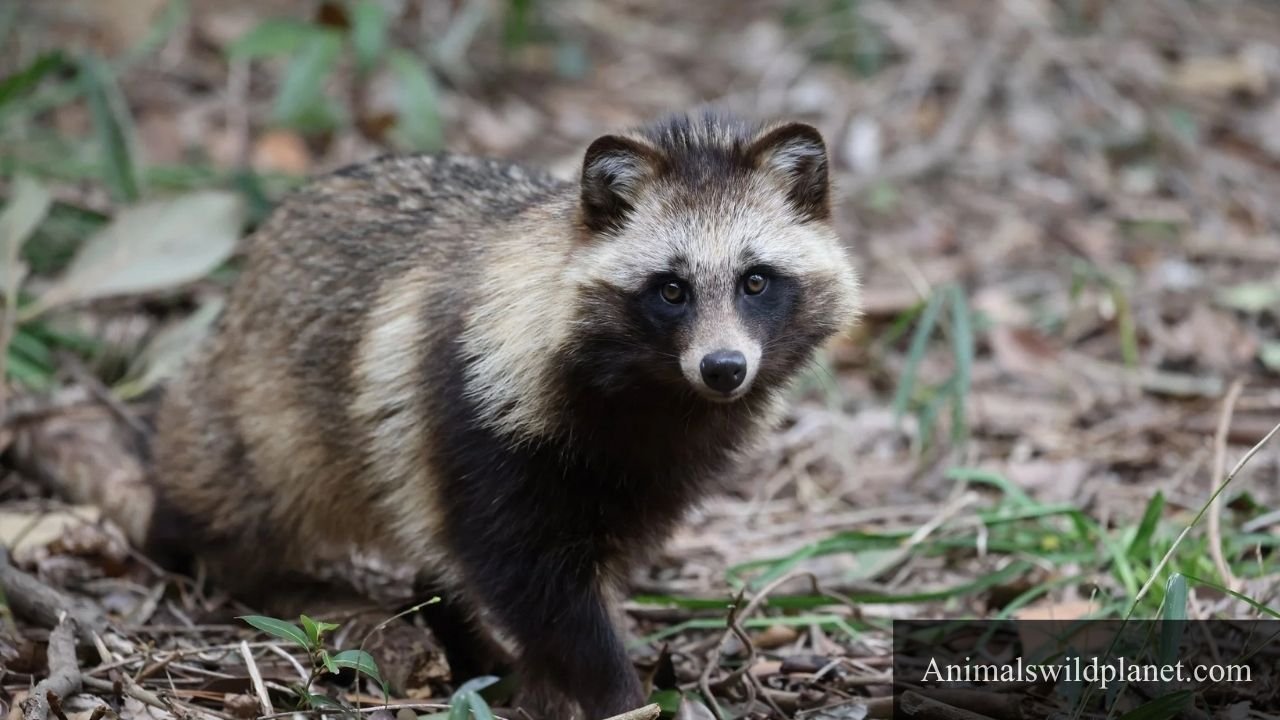
Raccoons, often overshadowed by more traditional barking animals, have emerged as surprising vocal performers in the wild. These masked bandits possess a versatile vocal repertoire that includes a range of barks, growls, and chittering sounds. When engaged in social interactions or feeling threatened, raccoons can emit short, sharp barks that echo through their wooded habitats, showcasing their adaptability as urban dwellers and forest foragers alike.
The enchanting complexity of raccoon communication is further unveiled during breeding season, where their vocalizations become even more prominent. Male raccoons use barks not only to assert territory but also to attract mates, making each sound a vital part of their courtship strategy. Additionally, raccoons have been known to form unique social bonds, often using their vocalizations to maintain cohesion within their groups, reminding us that these clever creatures thrive on more than just solitary scavenging.
Deer
Scientific Name: Cervidae spp.
Class: Mammalia
Diet: Herbivorous
While deer may not embody the traditional image of a barking animal, they do exhibit a range of vocalizations, including a distinctive bark-like call. This sound is often a response to threats, serving as both a warning signal to other deer and a way to express their alarm. Unlike the deep barks of dogs, a deer’s bark is more of a short, sharp “bark” that can carry through the forest, catching the attention of fellow deer who may not have noticed danger.
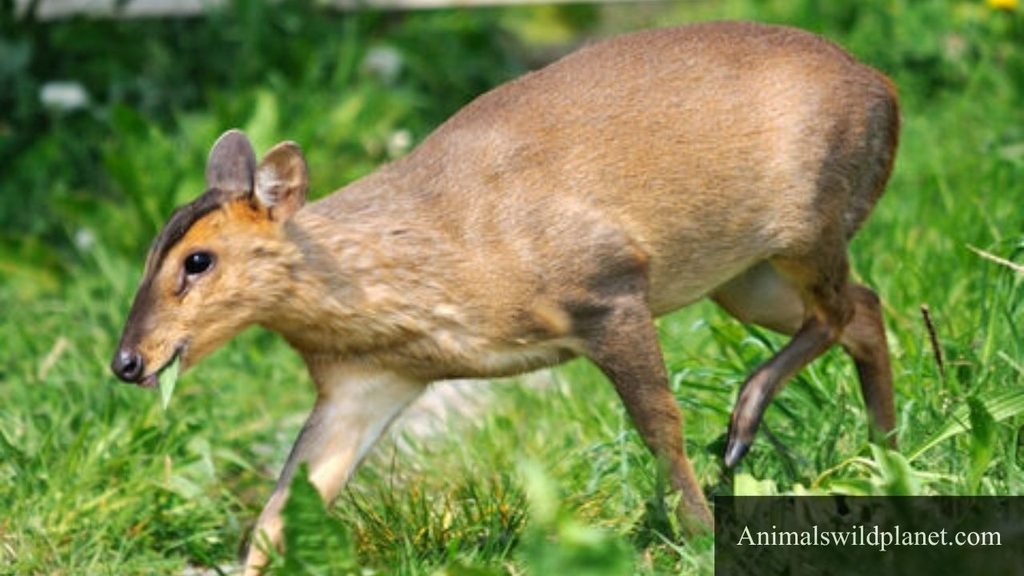
Interestingly, this vocalization is part of a broader communication system used by deer, involving body language, scent markings, and vocal sounds. In social settings, such as during mating season, the bark can intensify, signaling urgency or distress, highlighting the layered social fabric within deer herds. The nuanced nature of their communication reflects a remarkable adaptation to their environment, allowing these gentle grazers to survive and thrive amidst predators.
Readmore: Explore Top 9 Animals With 8 Legs.
Final Thoughts
Barking is not solely the domain of dogs; an array of other animals also exhibits this intriguing behavior. The varied reasons for barking — from signaling danger to establishing territory — demonstrate the complexity of animal communication. By studying these captivating creatures, we gain insight into the roles they play in their environments and the nuances of their interactions. It’s essential to protect the natural habitats of these barking species to ensure their continued survival. Let’s take action to safeguard our wildlife and contribute to the conservation of the unique vocal wonders that enrich our planet.
FAQs
Which animal can bark like a dog?
Muntjac deer can bark like dogs. Their vocalizations are often described as a sharp, barking sound that can be quite surprising given their size. This unique call serves various purposes, like alerting other deer about potential threats or communicating with their young.
Can a wolf bark like a dog?
Wolves don’t bark like dogs, but they can produce similar sounds. While barking is more common in domesticated dogs, wolves primarily communicate through howls, growls, and yips. Their vocalizations are tailored for long-distance communication and pack coordination.