Top 19 Scavenger Birds in The World (Pictures Included)
From vultures to ravens, these feathered cleanup crews are often misunderstood, yet they are vital in preserving our environment. In this article on scavenger birds in the world, we’ll explore their fascinating behaviors, ecological importance, and the challenges they face in a rapidly changing world. Prepare to gain a newfound appreciation for these remarkable avian scavengers!
List of Scavenger Birds in The World
Below is the list of scavenger birds in the world:
- Bearded Vulture
- Crested Caracara
- Rüppell’s Vulture
- Herring Gull
- Andean Condor
- Common Raven
- Egyptian Vulture
- Bald Eagle
- Marabou Stork
- Black Vulture
- Red Kite
- White-backed Vulture
- Himalayan Griffon
- Northern Giant Petrel
- King Vulture
- Turkey Vulture
- Carrion Crow
- Lappet-faced Vulture
- Griffon Vulture
Bearded Vulture
Scientific Name: Gypaetus barbatus
Class: Aves
Diet: Carnivore
The Bearded Vulture, or Lammergeier, stands out with its striking appearance and unique diet, feasting almost exclusively on bones. Unlike typical scavengers, it’s known for its remarkable ability to soar gracefully at high altitudes, where it drops bones from great heights to crack them open. This behavior not only demonstrates its intelligence but also reveals a resourcefulness rarely seen in the avian world.
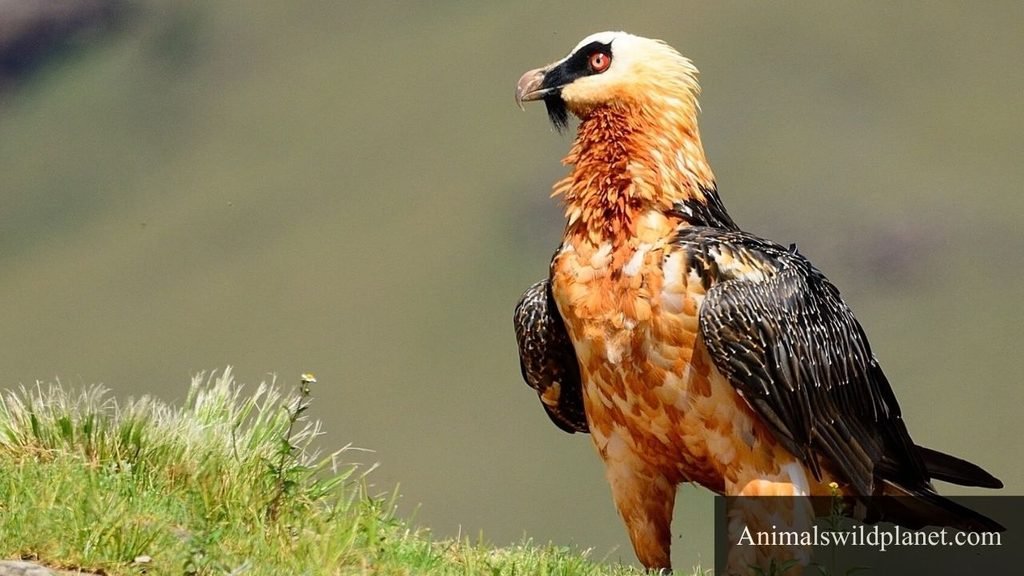
These birds play a crucial ecological role, acting as nature’s cleanup crew. By consuming bones, they prevent the spread of diseases and create nutrient-rich soil through their droppings. The Bearded Vulture’s striking orange and black plumage is not just for show; it’s a reflection of its diet. The bird literally paints itself with iron-rich minerals, which add to its majestic appearance and may serve as a visual signal for mates and rivals. In the intricate web of mountain ecosystems, the Bearded Vulture is a testament to evolution’s creativity, combining form and function in a breathtaking display of nature’s artistry.
Crested Caracara
Scientific Name: Caracara plancus
Class: Aves
Diet: Carnivore
The Crested Caracara, with its striking black and white plumage and a distinctive, tufted crown, stands out as a charismatic figure among scavenger birds. Native to open landscapes in North and South America, this bird is not just an opportunistic feeder; it’s a skilled forager that often showcases intelligence reminiscent of corvids. Unlike other scavenging species that rely predominantly on carrion, the Crested Caracara actively hunts small animals and forages for insects, demonstrating a diverse diet that adapts to changing environments.
The Crested Caracara possesses unique social behaviors, often seen foraging in groups, which can lead to remarkable displays of cooperative feeding. In a paradox of scavenger life, these birds can exhibit territorial behavior when defending their feeding grounds, showcasing a mix of communal and solitary traits. Their keen eyesight and quick reflexes allow them to spot potential food sources from great distances, even marginalizing competitors like vultures. Observing a Crested Caracara in action offers a glimpse into the complex dynamics of scavenger ecosystems and the delicate balance maintained within nature’s food chain.
Rüppell’s Vulture
Scientific Name: Gyps rueppelli
Class: Aves
Diet: Carnivore
Rüppell’s Vulture, a majestic scavenger found primarily in the mountainous regions of Africa, holds the record for the highest flying bird, with sightings at altitudes exceeding 37,000 feet — nearly the cruising height of commercial airlines. This impressive elevation allows them to cover vast expanses in search of carrion, a crucial resource in their arid habitat. Their keen eyesight, which can detect a dead animal from several miles away, is further enhanced by a unique adaptation: a high concentration of blood vessels in their eyes that protects against UV radiation at such heights.
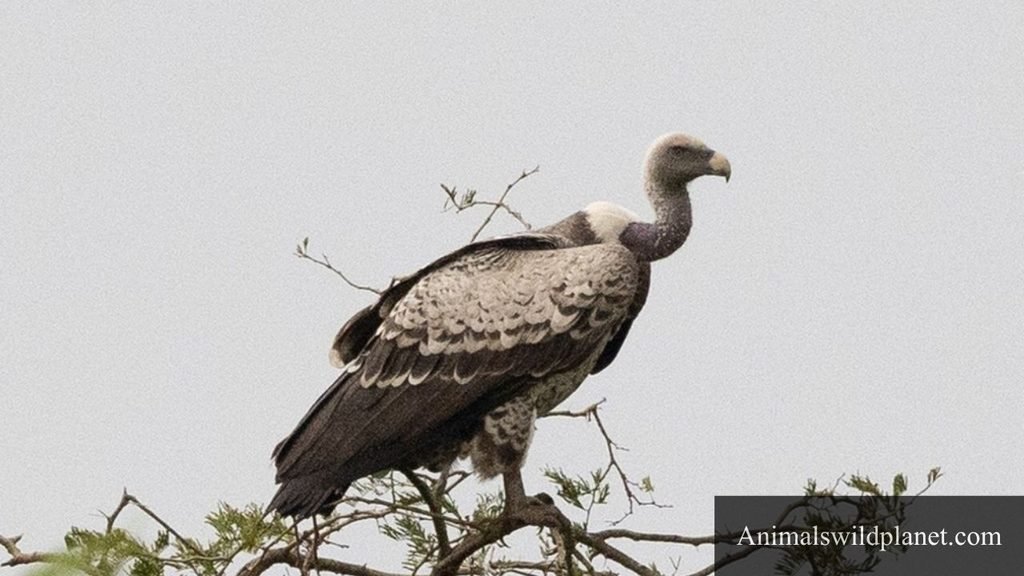
However, the survival of Rüppell’s Vulture is increasingly threatened by habitat loss and widespread poisoning aimed at other scavengers. The ecosystem’s balance hangs by a thread, as these vultures play an indispensable role in preventing the spread of disease by consuming decaying carcasses. Communities in regions where these birds thrive are beginning to realize their ecological importance, driving efforts to protect their habitats and raise awareness about their role within the ecosystem. As awareness grows, the hope is that future generations will not only witness the magnificent flight of Rüppell’s Vulture but also embrace their critical place in our planet’s biodiversity narrative.
Readmore: Explore Top 15 Most Cleanest Animals.
Herring Gull
Scientific Name: Larus argentatus
Class: Aves
Diet: Omnivore
The Herring Gull, often spotted along coastlines and urban beaches, possesses a keen adaptability that makes it one of the most successful scavenger birds in the avian world. These birds are not just opportunistic feeders but also incredible problem solvers. When faced with a challenging food source, Herring Gulls have been observed using techniques like dropping shellfish from heights to access the nutrient-rich insides — a behavior showcasing their intelligence and ingenuity.
Their striking vocalizations contribute to the social dynamics within their colonies, allowing them to communicate effectively about food sources and potential threats. But beyond their scavenging skills, Herring Gulls also play a crucial role in coastal ecosystems. By consuming various marine debris and carrion, they help maintain a balance, ensuring that natural environments remain free from excess waste. Interestingly, their versatility in diet and habitat choice will be paramount as climate change continues to reshape coastal ecosystems, making them not just survivors but potential indicators of environmental health.
Andean Condor
Scientific Name: Vultur gryphus
Class: Aves
Diet: Carnivore
The Andean condor, soaring effortlessly above the rugged peaks of the Andes, is not just a scavenger but a symbol of resilience in extreme environments. With a wingspan that can exceed ten feet, it epitomizes grace and power as it glides through the thin mountain air. This majestic bird plays a crucial role in its ecosystem, cleaning up carrion and preventing the spread of disease, yet its existence is now shadowed by threats such as habitat loss and lead poisoning.
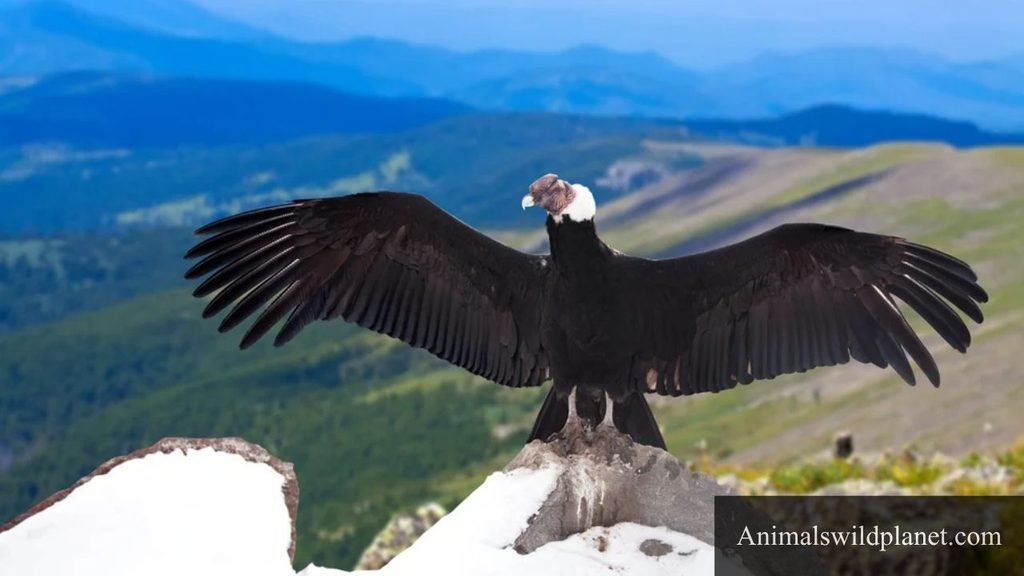
Interestingly, Andean condors are social creatures, often seen in groups, sharing meals and engaging in intricate displays of courtship. Their communal feeding habits allow them to thrive in the harsh terrain, and recent studies suggest that their intelligence rivals that of some mammals. As conservation efforts ramp up, understanding the intricate social dynamics of these birds is vital for their preservation, revealing a depth often overlooked in society’s view of scavengers. The Andean condor is not just a soaring silhouette against the sky; it is a guardian of the highlands, deserving respect and protection for its ecological significance.
Common Raven
Scientific Name: Corvus corax
Class: Aves
Diet: Omnivore
The common raven, often seen as a harbinger of mystery, possesses an intelligence that rivals that of many primates. Their ability to solve complex problems and use tools showcases a level of adaptability that is both impressive and admirable. Foraging in diverse environments, from urban landscapes to remote wilderness, these birds can adjust their diet based on available resources, finding sustenance in everything from carrion to human leftovers.
Ravens are not just scavengers but also social beings, often engaging in playful behaviors that can include aerial acrobatics and vocal mimicry. Their social dynamics are rich, often forming lifelong bonds with their mates while also engaging in intricate hierarchies within roosting groups. Observing a gathering of ravens can reveal fascinating interactions, as they communicate through a sophisticated array of calls and gestures, showcasing a depth of social structure that many might not associate with avian life. As ecological stewards, they play a crucial role in their ecosystems, cleaning up waste while dispersing seeds, inadvertently contributing to plant health and biodiversity.
Egyptian Vulture
Scientific Name: Neophron percnopterus
Class: Aves
Diet: Carnivore
The Egyptian vulture, renowned for its striking appearance and unique feeding habits, occupies a fascinating niche in the ecosystem as a scavenger. Often mistaken for its larger counterparts, this medium-sized bird boasts a distinctive yellow face and a striking white body, making it a captivating sight against the rugged landscapes it inhabits. Unlike many scavengers that rely solely on carrion, the Egyptian vulture showcases remarkable intelligence in its search for food, using tools such as stones to crack open ostrich eggs, an impressive feat among birds.
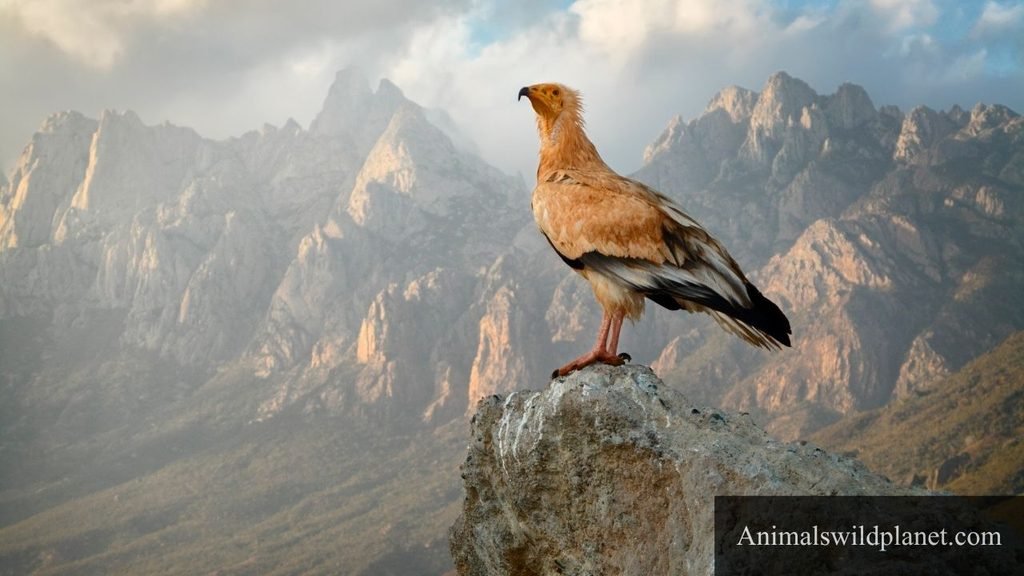
These opportunistic feeders play a pivotal role in their environment by cleaning up dead animals and thus preventing the spread of disease. However, their populations are declining, a trend that underscores the fragility of their ecosystems. Conservation efforts are increasingly important, as protecting habitat and raising awareness about the ecological significance of such scavengers can bolster their numbers. Interestingly, these vulture’s migratory patterns often lead them across vast distances, leading researchers to discover that they can adapt to various climates, from arid regions to mountainous terrains, showcasing their resilience and adaptability in the face of environmental change.
Bald Eagle
Scientific Name: Haliaeetus leucocephalus
Class: Aves
Diet: Carnivore
The bald eagle often evokes images of majestic skies and rugged landscapes. However, what many overlook is its critical role as a scavenger within the ecosystem. While known for its impressive hunting skills, this magnificent bird also capitalizes on carrion, showcasing its versatility and adaptability. In fact, the bald eagle’s keen eyesight allows it to detect potential meals from miles away, including those abandoned by other predators. This behavior not only aids its own survival but also plays a crucial part in maintaining the balance of its environment.
Beyond its impressive hunting prowess, the bald eagle’s scavenging habits highlight an unspoken connection within the food web. As a top scavenger, it helps to clean the landscape by consuming the remains of dead animals, which reduces the risk of disease and keeps ecosystems healthy. Yet, the presence of bald eagles as scavengers also raises intriguing questions about the dynamics between species: how do they navigate interactions with other scavengers, such as vultures or coyotes? Observing these interactions can reveal insights into the complex relationships that define our natural world, with each bird proudly soaring, circling, and competing — not just as hunters, but as essential contributors to ecological balance.
Marabou Stork
Scientific Name: Leptoptilos crumenifer
Class: Aves
Diet: Carnivore
The Marabou Stork, often regarded as a symbol of the African savanna, is an astonishing scavenger bird that plays a crucial role in its ecosystem. With a wingspan that can reach up to ten feet, this giant bird glides effortlessly through the skies, using its keen eyesight to spot potential meals from incredible heights. Feeding primarily on carrion, it helps maintain the balance of the environment by consuming dead animals, thus preventing the spread of disease. However, what sets the Marabou Stork apart is its fascinating adaptability; this bird effectively thrives in urban areas, scavenging from landfills and human refuse, reflecting a surprising resilience in the face of human encroachment.
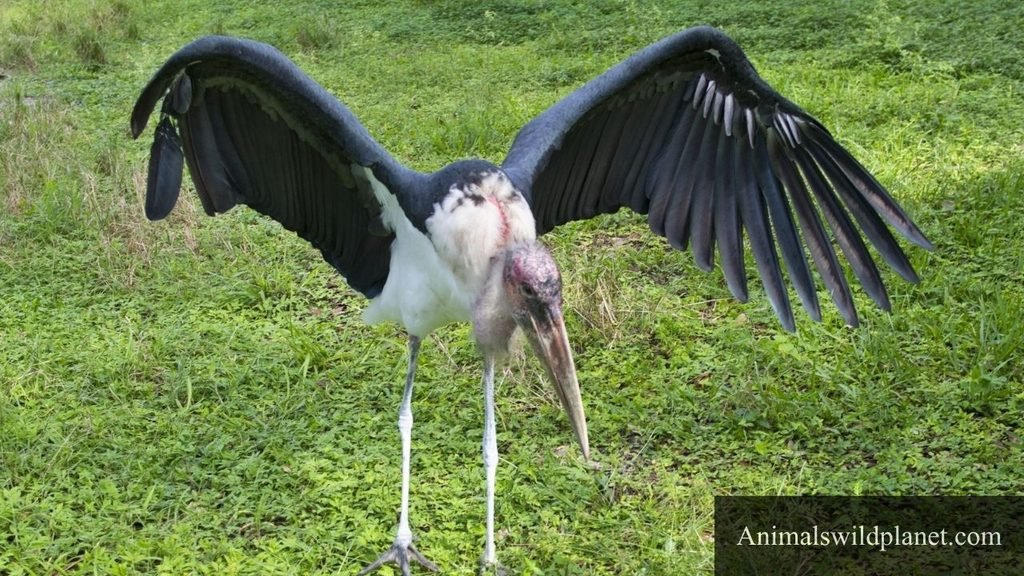
Beyond its scavenging prowess, the Marabou Stork fascinates with its unique physical characteristics, especially its bare, wrinkled head and neck, which serve a vital purpose. These features not only reduce the risk of bacterial infection while feeding but also enhance thermoregulation, allowing the stork to stay cool under the intense African sun. Despite their somewhat grim appearance, these birds possess an undeniable elegance in flight, a testament to nature’s artistry. Observing a Marabou Stork in its natural habitat is a reminder of how beauty can be found in the unlikeliest of places, and how even the most unconventional creatures play an integral role in our world’s intricate tapestry of life.
Black Vulture
Scientific Name: Coragyps atratus
Class: Aves
Diet: Carnivore
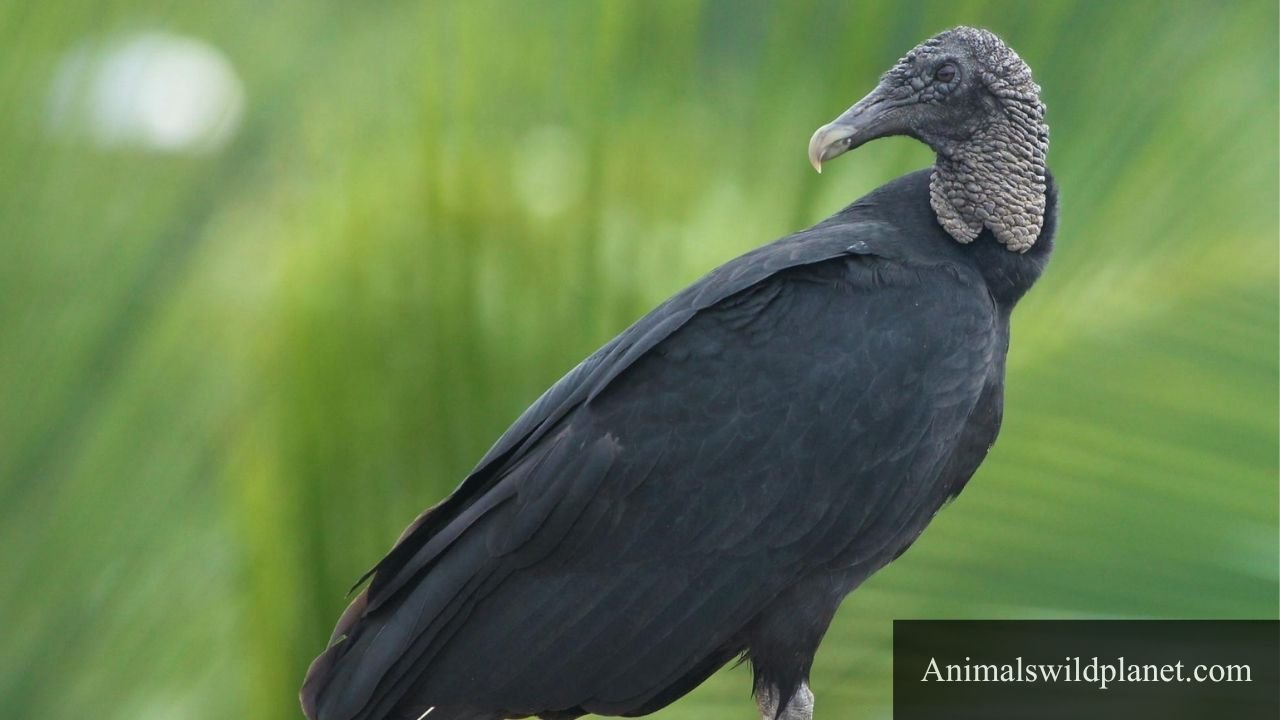
The Black Vulture, often misunderstood for its scavenging habits, plays a vital role in maintaining ecological balance. With its broad wings and distinctive dark plumage, this bird is more than just a harbinger of decay; it is an environmental cleanup crew. By feeding on carrion, Black Vultures help control the spread of diseases that could arise from decaying animal matter. This natural recycling process is a reminder of the interconnectedness of ecosystems, where every creature, no matter how seemingly unglamorous, contributes to the health of its habitat.
In addition to their scavenging prowess, Black Vultures exhibit remarkable social behavior when it comes to locating food. They often rely on the keen eyesight and communal interactions of their flock, effectively sharing information about potential food sources. This cooperative dynamic showcases their intelligence and adaptability in an ever-changing environment. As these birds continue to thrive across diverse landscapes, from urban settings to rural terrains, they challenge our perceptions of beauty in nature, reminding us that even in death, there is life and purpose.
Red Kite
Scientific Name: Milvus milvus
Class: Aves
Diet: Carnivore
The Red Kite, with its stunning reddish-brown plumage and distinctive forked tail, is not just a scavenger but a symbol of resilience in the face of environmental challenges. Once teetering on the brink of extinction in parts of Europe, conservation efforts have fostered a remarkable resurgence, showcasing how human intervention can lead to nature’s revival. Observing a Red Kite gracefully gliding over open fields, keenly scanning for carrion or small mammals, offers a glimpse into the intricate balance of ecosystems; these birds help manage populations of pests, ensuring the health of their habitats.
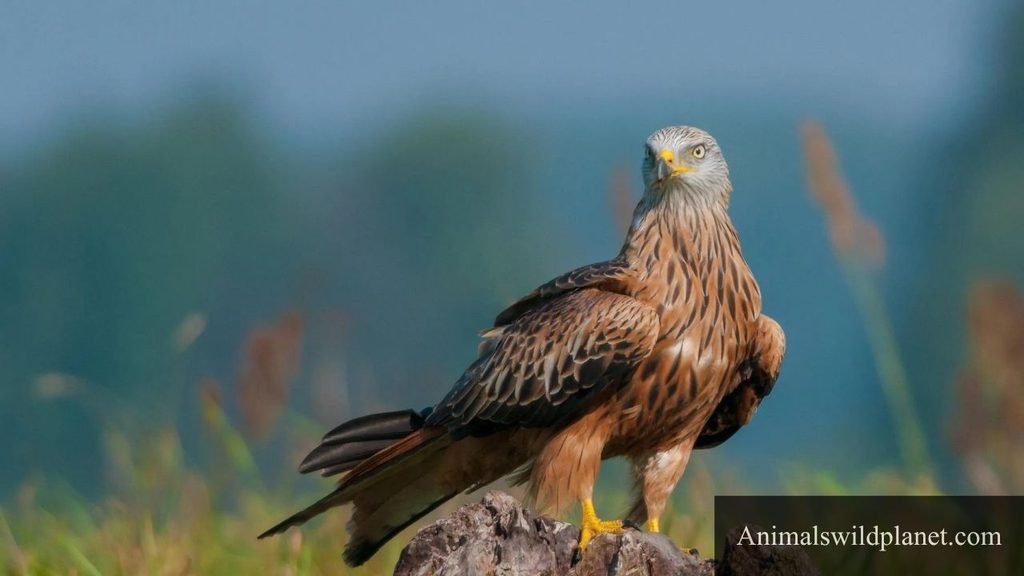
What sets the Red Kite apart is its impressive adaptability. While primarily associated with rural landscapes, they have also ventured into urban areas, where they have developed a remarkable knack for scavenging in human-dominated environments. This ability to thrive in both natural and altered settings illustrates the bird’s resourcefulness, making it a fascinating subject for study. Through their soaring flights and acrobatic displays, Red Kites not only captivate birdwatchers but also serve as a reminder of the delicate interdependence that exists between species and the environments they inhabit.
White-Backed Vulture
Scientific Name: Gyps africanus
Class: Aves
Diet: Carnivore
The White-Backed Vulture, a striking avian scavenger found predominantly in the open savannas of Africa, plays a crucial role in maintaining ecological balance. With its impressive wingspan and distinctive white-feathered back, this bird is not just a symbol of the wild; it is an essential garbage collector of the natural world. As it soars high above the landscape, the vulture’s keen eyesight enables it to spot carcasses from miles away, turning decaying matter into life for countless other species.
Recent studies highlight the bird’s impressive social dynamics. Unlike many solitary scavengers, White-Backed Vultures often gather in groups, performing intricate rituals of communication and cooperation when feasting. This social behavior not only enhances their foraging efficiency but also showcases their intelligence and adaptability. However, these magnificent creatures face enormous threats from habitat loss and poisoning, leading to rapid population declines. Recognizing their importance in the ecosystem is vital; preserving their habitats could lead to healthier landscapes, benefiting a myriad of species, including humans.
Himalayan Griffon
Scientific Name: Gyps himalayensis
Class: Aves
Diet: Carnivore
The Himalayan Griffon, a majestic scavenger bird, embodies the rugged beauty of high-altitude ecosystems. With a wingspan reaching nearly ten feet, this formidable raptor soars over the Himalayan landscapes, relying on thermal updrafts to glide effortlessly in search of carrion. Unlike many of its scavenging counterparts, the Himalayan Griffon showcases a unique hunting strategy; it often works in tandem with other vultures, creating a communal approach to locating food, which maximizes their survival in the harsh mountain environment.
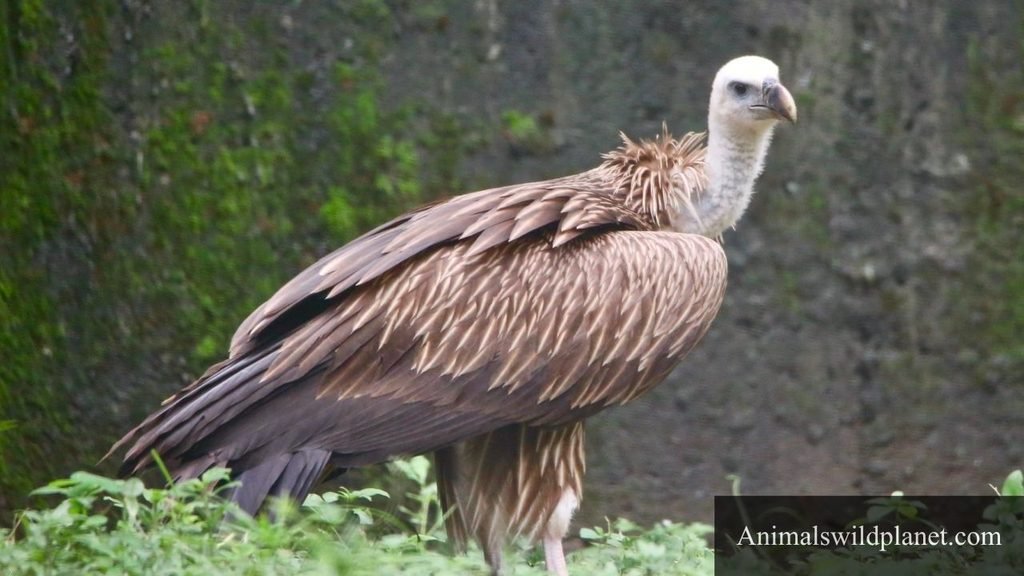
In addition to their impressive physical attributes, these birds play a crucial ecological role by aiding in decomposition and disease control. By consuming carcasses that would otherwise harbor pathogens, they help maintain the balance within their ecosystem. However, changing food sources due to habitat loss and climate change pose significant threats to their survival. Observers in the field have noted that these birds can adapt their foraging strategies based on the availability of food, demonstrating a level of behavioral flexibility that allows them to navigate an ever-evolving landscape.
Northern Giant Petrel
Scientific Name: Macronectes halli
Class: Aves
Diet: Carnivore
The Northern Giant Petrel holds a unique place in the ecosystem of the Southern Ocean. With a wingspan that can exceed six feet, these massive birds are not just remarkable for their size but also for their unparalleled adaptability. They are known for their scavenging behavior, feasting on carrion, including the remains of seals and fish, which plays an essential role in maintaining the health of marine ecosystems. Their keen sense of smell, an uncommon trait among seabirds, enables them to detect decaying matter from miles away, showcasing an evolutionary advantage that ensures their survival in harsh environments.
The Northern Giant Petrel’s social structure adds another layer to its captivating nature. Often seen in pairs or small groups, they exhibit complex courtship rituals, which include synchronized flying and elaborate displays on the breeding grounds. These birds are also remarkable for their resilience, often returning to the same breeding sites year after year despite the challenges posed by climate change and human activity. With their striking dark plumage and fierce disposition, they serve as symbols of nature’s raw beauty and survival, reminding us of the intricate connections within our ecosystems.
King Vulture
Scientific Name: Sarcoramphus papa
Class: Aves
Diet: Carnivore
The King Vulture, a majestic creature of the New World tropics, commands attention with its striking appearance. Sporting a brilliant orange crest and a varied palette of white, black, and yellow feathers, this raptor’s bold look is a testament to nature’s artistry. But beyond its visual splendor lies an ecological role that underscores the importance of scavengers in maintaining balance within their ecosystems. As nature’s cleanup crew, King Vultures specialize in devouring carrion, ensuring that environments remain healthy by preventing the spread of disease.
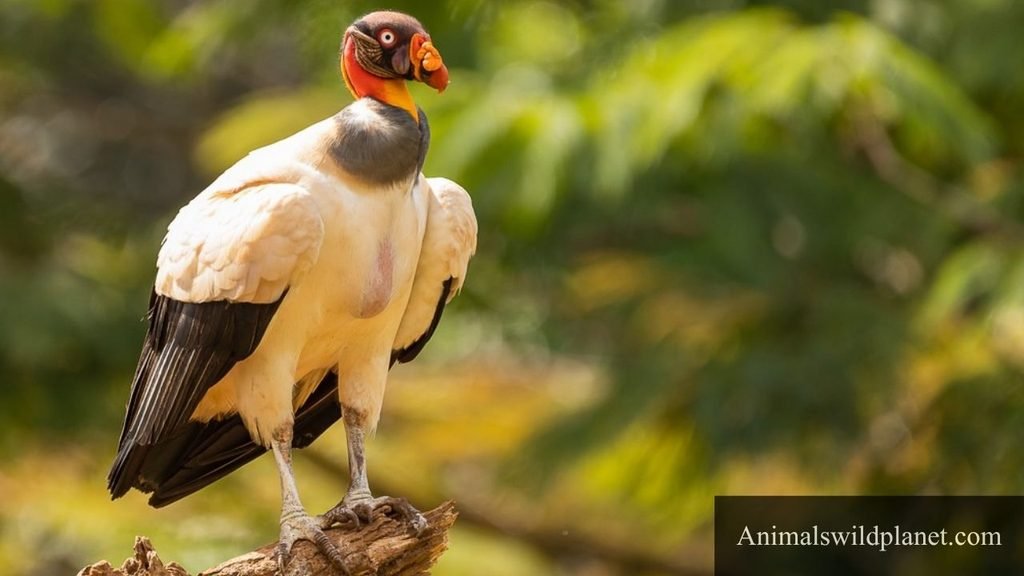
The King Vulture exhibits a unique reliance on its keen eyesight and strong wings to locate food, often soaring high above the rainforest canopy. Unlike many scavengers that rely on smell, they can track their meals from impressive distances, a skill that speaks to their evolution in rich, biodiverse habitats. These vultures also play a fascinating role in the food web: their feeding habits create opportunities for smaller scavengers, such as wrens and turkey vultures, to access leftover morsels. This interconnectedness highlights how the actions of one species can ripple through the ecosystem, enabling a myriad of life forms to thrive in harmony.
Turkey Vulture
Scientific Name: Cathartes aura
Class: Aves
Diet: Carnivore
Turkey vultures, often mistaken for their more glamorous avian cousins, possess a fascinating blend of adaptability and efficiency that earns them a critical role in the ecosystem. With their keen sense of smell — an unusual trait among birds — they can detect decaying matter from miles away, essentially acting as nature’s cleanup crew. This olfactory prowess allows them to locate food sources in a way that many birds cannot, marking them as essential contributors to nutrient cycling.
Beyond their scavenging prowess, turkey vultures display intriguing social behaviors. Often seen soaring in thermal updrafts, they exhibit a type of communal foraging that enhances their hunting efficiency. Scientists have observed that these birds will sometimes flock together, sharing their findings and alerting each other to potential food sources, showcasing a level of social intelligence that adds depth to their ecological role. Interestingly, their bald heads, often viewed as off-putting, serve a functional purpose; they help maintain hygiene by reducing the risk of bacterial infections while feeding on carrion.
Carrion Crow
Scientific Name: Corvus corone
Class: Aves
Diet: Omnivore
The Carrion Crow is a master of adaptation with a fascinating role in the ecosystem. Found widely across Europe and parts of Asia, these intelligent birds are not just scavengers; they are skilled problem solvers. With their shiny black plumage and piercing gaze, they rely on their keen eyesight and sharp wits to locate carrion, performing a vital service by cleaning up the environment and preventing the spread of disease.
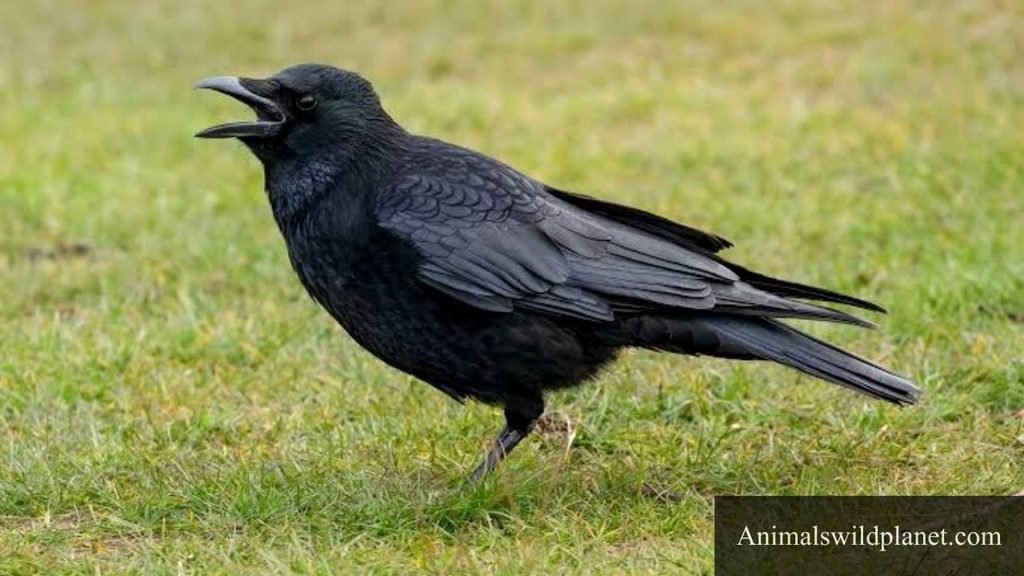
What’s particularly intriguing is their social structure and communication abilities. Carrion Crows have a complex repertoire of calls and gestures that convey not just danger but also information about food sources. Engaging in cooperative behavior, they often work together in groups to distract predators or share their findings, demonstrating a level of social interaction that challenges traditional notions of avian intelligence. As these birds adapt to urban landscapes, their presence serves as a reminder of nature’s resilience and the interconnectedness of all life forms, making them a vital part of both rural and urban ecosystems.
Lappet-Faced Vulture
Scientific Name: Torgos tracheliotos
Class: Aves
Diet: Carnivore
The Lappet-Faced Vulture, with its striking bald head and distinctive lappet-like skin flaps, embodies the raw beauty of nature’s recyclers. Found primarily in the savannahs and open forests of Africa, this impressive bird is often dubbed the “helicopter vulture” due to its powerful soaring abilities. While many may overlook this scavenger, its role in the ecosystem is invaluable; it not only aids in the decomposition of carrion but also helps curb the spread of disease by consuming rotting matter that would otherwise go unchecked.
The Lappet-Faced Vulture has a unique social structure, often seen engaging in complex interactions with fellow scavengers. These birds show a surprising level of intelligence and adaptability, using teamwork to take down larger carcasses. Their beak, designed specifically for tearing into tough hides, allows them to access nutrients that other scavengers might miss. Moreover, ongoing conservation efforts highlight the importance of this species in maintaining the balance of their habitats, making their presence a crucial indicator of ecosystem health. Embracing the Lappet-Faced Vulture invites us to appreciate the oft-overlooked marvels of nature’s cleanup crew, reminding us that every creature plays a pivotal role in the grand tapestry of life.
Griffon Vulture
Scientific Name: Gyps fulvus
Class: Aves
Diet: Carnivore
The Griffon Vulture, with its imposing wingspan exceeding nine feet, embodies both grace and resilience amidst the rugged landscapes it inhabits. These majestic scavengers play a vital role in their ecosystems, acting as nature’s cleanup crew. Their keen eyesight, capable of spotting carrion from miles away, showcases an evolutionary marvel. But beyond their impressive hunting skills, these birds are fascinating social creatures, often seen circling in large, communal groups as they engage in complex social hierarchies.
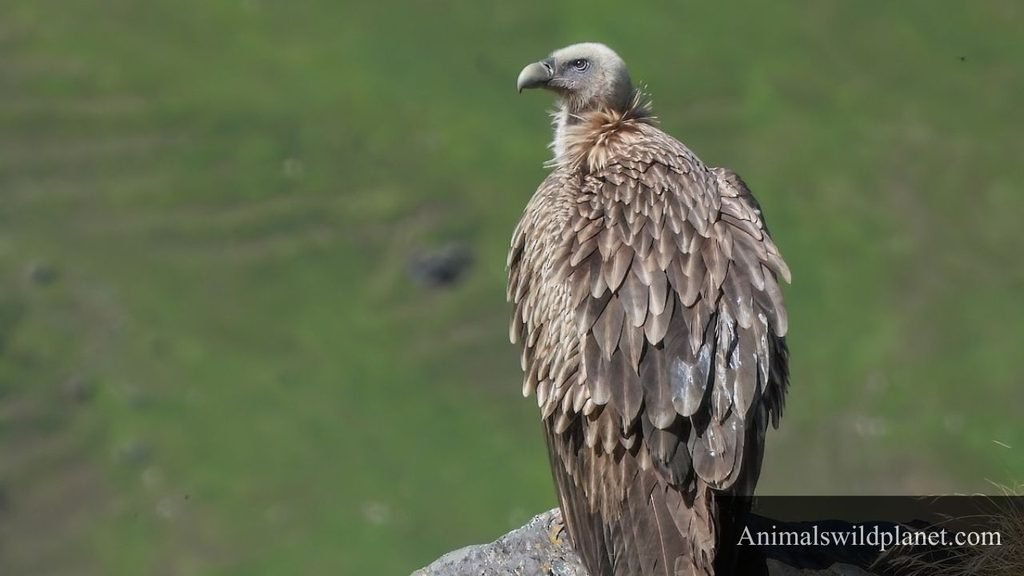
Griffon Vultures exhibit a striking balance of power and vulnerability. While their scavenging habits instill them with a unique ecological importance, they also face significant threats from habitat loss and poisoning, making conservation efforts critical. The sight of these vultures soaring high above mountainous regions can evoke a profound sense of freedom, yet their presence is a reminder of the delicate balance in nature. Embracing a deeper understanding of these birds encourages a greater appreciation for the interconnectedness of species in our world.
Readmore: Explore Top 23 Animals That Gallop in The World.
Final Thoughts
Scavenger birds play a crucial role in maintaining ecological balance by cleaning up carrion and preventing the spread of disease. Their adaptability and unique feeding behaviors showcase the diversity of life within ecosystems. From the majestic vultures soaring high in the sky to the nimble crows scavenging on the ground, these birds highlight nature’s resourcefulness.
As human activities continue to impact their habitats, it is vital to recognize the importance of conserving these species for a healthier environment. Let’s take a moment to appreciate these remarkable birds and support efforts to protect their crucial ecological roles.
FAQs
What is the largest scavenger bird in the world?
The largest scavenger bird in the world is the Andean condor. It boasts a wingspan of up to 10.5 feet, making it the largest flying bird when measured by wingspan. Found primarily in South America, particularly in the Andes Mountains, this impressive bird plays a crucial role in its ecosystem by consuming carrion.
Is a sparrow a scavenger?
Sparrows are primarily granivorous, meaning they mainly eat seeds, grains, and insects. While they can occasionally scavenge for food, especially in urban environments, they aren’t classified as scavengers like vultures or crows. Their feeding habits typically center around foraging rather than relying on leftover carcasses.