Top 13 Animals Like Hamsters (Images Included)
Beyond their tiny size and adorable antics, there are other animals like hamsters that offer joy and companionship that you might not have considered. In this article, we’ll delve into various small pets that mirror the endearing qualities of hamsters while providing unique benefits. Get ready to discover a new potential companion that could brighten your days just as much as your favorite hamster!
List of Animals Like Hamsters
Below is the list of animals like hamsters:
- Rat
- Squirrel
- Degu
- Gerbil
- Chipmunk
- Dormouse
- Vole
- Mouse
- Capybara
- Chinchilla
- Guinea Pig
- Prairie Dog
- Beaver
Rat
Scientific Name: Rattus
Class: Mammalia
Diet: Omnivore
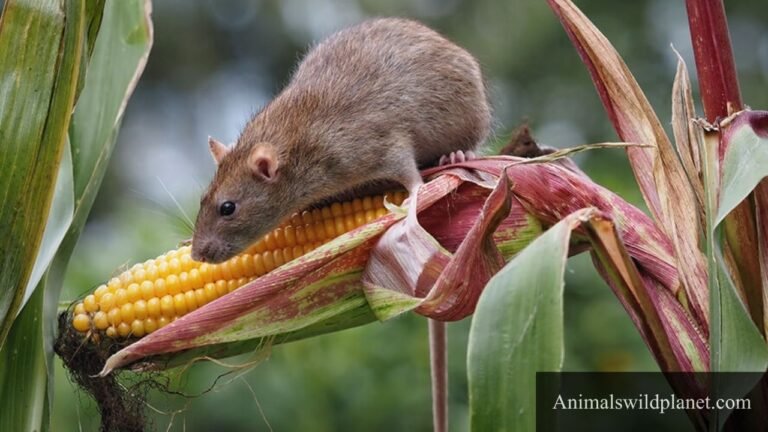
Rats often get a bad rap, but they can be just as charming and affectionate as their smaller counterparts, like hamsters. These remarkably intelligent creatures are social animals that thrive in communal environments, making them delightful companions. Their ability to learn tricks, navigate mazes, and even recognize their owners’ voices speaks to their keen intelligence. Unlike hamsters, who may prefer solitary spaces, rats crave interaction and can form strong bonds with their humans, often displaying playful behaviors and affectionate gestures.
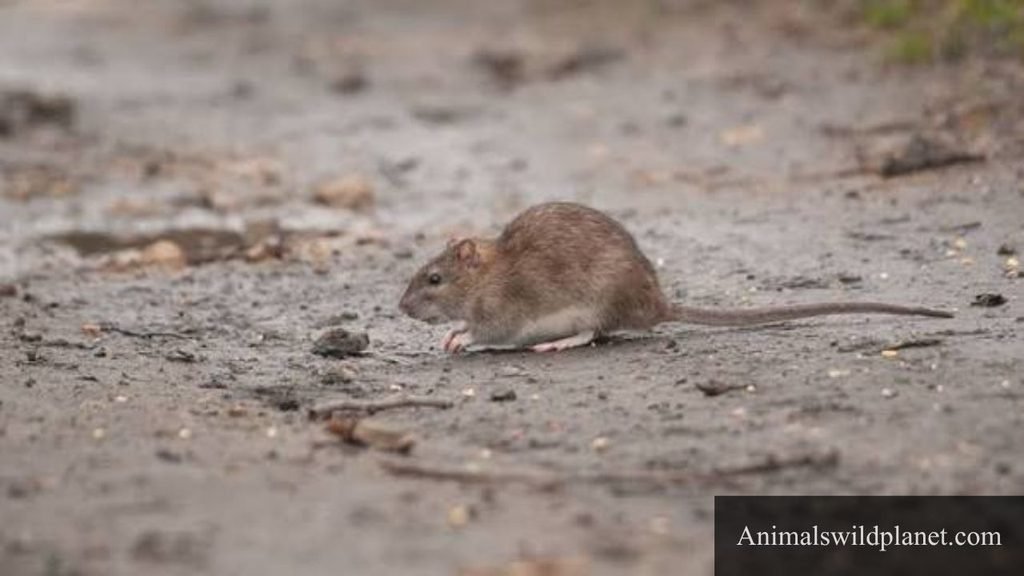
One fascinating aspect of rats is their emotional depth; studies have shown that they can feel empathy and even exhibit altruistic behaviors, such as helping their cage mates access food. Their social nature leads to quirky habits, like grooming each other, which not only strengthens bonds but also provides comfort. For those considering a pet beyond the typical hamster, a rat offers an engaging blend of personality and intelligence that can enrich your daily life. With proper care, socialization, and stimulation, these underestimated creatures can reveal their endearing qualities, making them a surprising choice for companionship.
Squirrel
Scientific Name: Sciuridae
Class: Mammalia
Diet: Omnivore
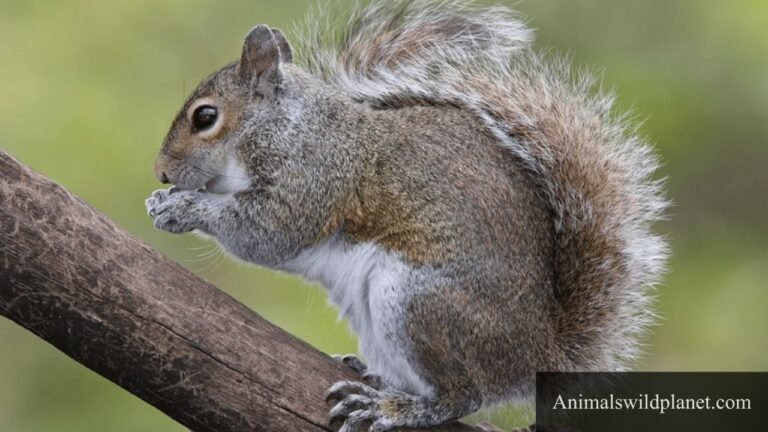
Squirrels, much like hamsters, embody an irresistible blend of charm and agility, making them intriguing companions in the wild. These vibrant creatures, with their bushy tails and nimble movements, are adept at leaping from branch to branch, showcasing a level of athleticism that captivates onlookers. Their playful antics, whether it be chasing one another or meticulously gathering acorns, provide a front-row seat to the drama of nature, often reminding us of the playful spirit we see in our domesticated hamsters.
Not only are squirrels entertaining, but they also reveal fascinating behaviors that mirror the resourcefulness of hamsters. Their instinctual hoarding of food aligns closely with a hamster’s tendency to stash snacks in their burrows. In an urban environment, squirrels innovate by adapting to human landscapes, showcasing their intelligence and flexibility. Observing these creatures hints at a deeper understanding of survival and adaptation, emphasizing how both these animals, despite their vast differences in habitat and size, share an innate drive to thrive in their respective worlds. Ultimately, the delightful presence of squirrels enriches our ecosystem, reminding us of the vibrant connections that thread through all animal life.
Degu
Scientific Name: Octodon degus
Class: Mammalia
Diet: Herbivore
Degus, often overshadowed by their more popular rodent cousins, are enchanting little creatures that deserve the spotlight. These social animals exhibit a unique blend of personality traits — playful, intelligent, and surprisingly affectionate. Unlike hamsters, which tend to be solitary, degus thrive in groups, showcasing a strong bond with their companions. Watching them interact is like observing a miniature society, complete with grooming rituals and playful chases that bring joy to any onlooker.
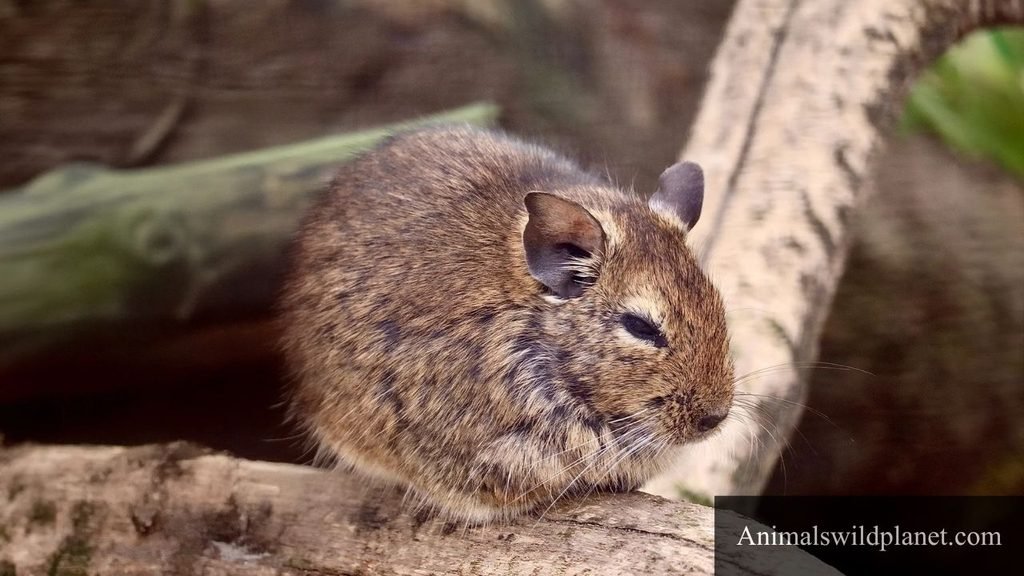
One striking feature of degus is their remarkable adaptability. Originating from the arid regions of Chile, they’ve developed an incredible ability to thrive in various environments. This adaptability translates to their care requirements; with the right habitat and social setting, degus can flourish as lively pets. Their diet, rich in fiber and low in sugar, hints at another aspect of their unique biology, as they are prone to diabetes — making their dietary needs distinct from those of hamsters.
Readmore: Explore Top 16 Humble Animals in The World.
Gerbil
Scientific Name: Gerbillinae
Class: Mammalia
Diet: Omnivore
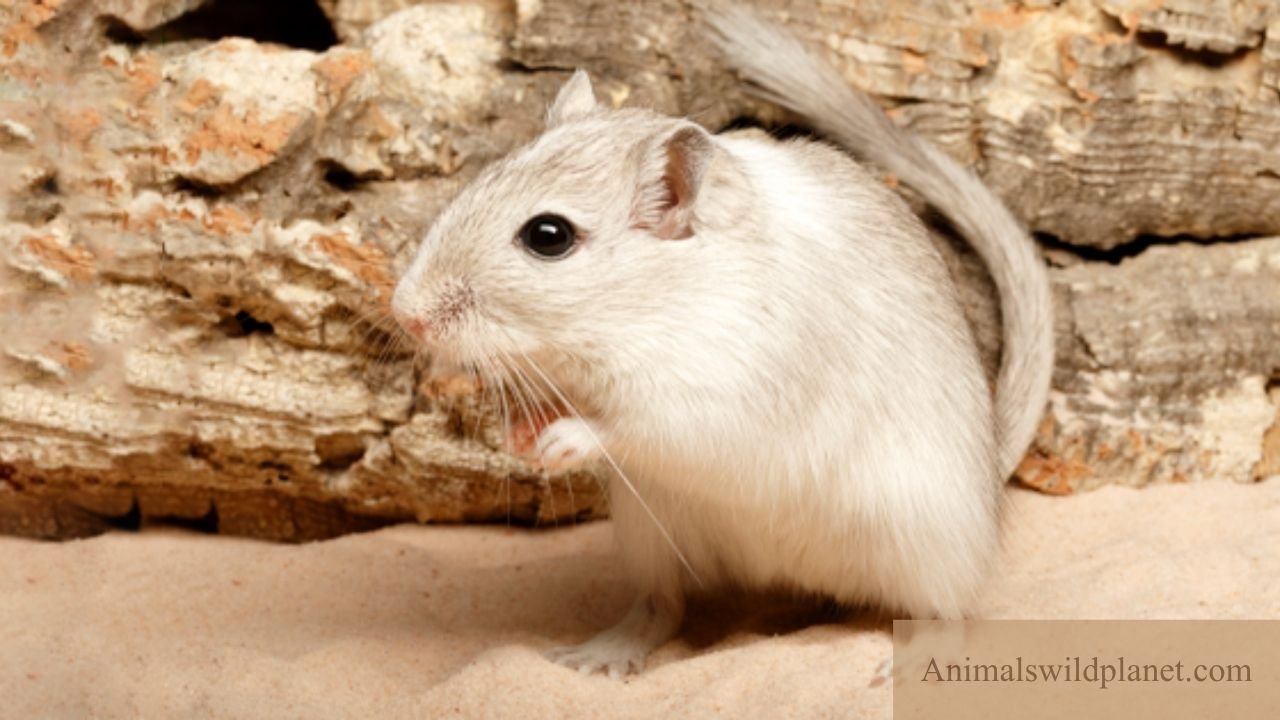
Gerbils, often overshadowed by their more popular counterparts, the hamster, are fascinating creatures that deserve more attention. These small rodents originate from the arid regions of Mongolia and northern China, which has equipped them with unique adaptations such as efficient water conservation and an ability to thrive in a dry environment. One of their most endearing traits is their highly social nature; unlike hamsters, which can be solitary, gerbils thrive in pairs or small groups, turning them into lively, interactive pets that engage with each other and their human caretakers.
An intriguing aspect of gerbil behavior is their innate burrowing instinct. In the wild, they create complex tunnel systems that serve not only as homes but also as strategic storage units for food and nesting materials. This instinct translates into entertaining antics at home, as gerbils will enthusiastically dig and rearrange their bedding, creating a miniature version of their natural habitats. Their playful behavior, combined with their hardy constitution, makes them ideal for families, particularly those interested in observing the natural behaviors of their pets. Moreover, gerbils are relatively low-maintenance pets; with a proper diet and clean environment, they can live up to four years — providing an engaging and enduring companion for pet owners.
Chipmunk
Scientific Name: Tamias
Class: Mammalia
Diet: Omnivore
Chipmunks are tiny marvels of the animal kingdom. With their distinctive stripes and cheeky personalities, these little creatures bring charm wherever they scurry. Unlike hamsters, chipmunks are wild animals, thriving in diverse habitats ranging from woodlands to urban gardens. Their ability to adapt is truly impressive, as they seamlessly blend into environments, using their camouflage to avoid predators while foraging.
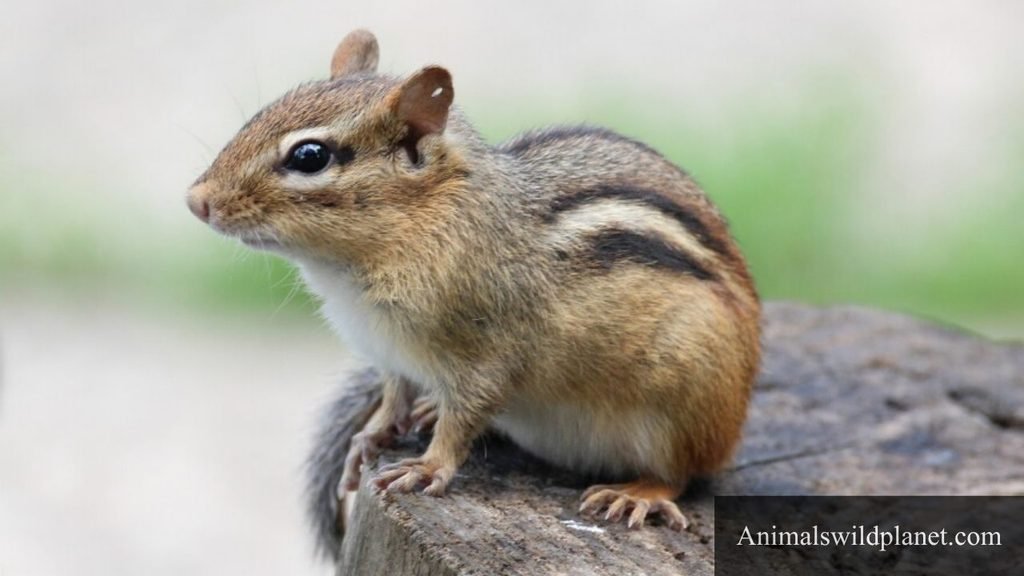
What truly sets chipmunks apart is their remarkable foraging behavior. These little critters are nature’s efficient hoarders, collecting seeds and nuts and storing them in their cheek pouches for later use. This instinct not only ensures their survival during harsh winters but also plays a crucial role in seed dispersal, contributing to forest health. Observing a chipmunk tactically navigating through the underbrush in search of food offers a glimpse into nature’s intricate balance, showcasing the interconnectedness of ecosystems.
Dormouse
Scientific Name: Gliridae
Class: Mammalia
Diet: Omnivore
Dormice are enchanting creatures that often get overshadowed by their more popular rodent cousins, like hamsters. With their large, expressive eyes and soft fur, these nocturnal dwellers possess an undeniable charm that can easily win hearts. Unlike hamsters, dormice are known for their ability to hibernate; their metabolism slows down significantly in cooler months, allowing them to survive on accumulated fat. This fascinating adaptation showcases nature’s ingenuity, providing them a unique rhythm of life that contrasts sharply with the active, wheel-running antics of hamsters.
Social beings at heart, dormice thrive in familial groups, forming tight-knit communities that reflect their cooperative nature. Observing them interact can be a delightful experience; their playful antics and gentle grooming behaviors reveal a rich layer of social dynamics that enrich their existence. Their dietary preferences lean towards a variety of fruits, nuts, and even insects, making their role in the ecosystem crucial as seed dispersers. This aspect of their life adds an intriguing ecological dimension, highlighting the interconnectedness of the animal kingdom and the often-overlooked importance of even the smallest creatures in maintaining balance in nature.
Vole
Scientific Name: Microtus
Class: Mammalia
Diet: Herbivore
Voles deserve attention for their intriguing behaviors and social structures. These small mammals, resembling mice or hamsters, inhabit a variety of environments — from grasslands to woodlands — where they play vital roles in the ecosystem. Unlike solitary hamsters, voles exhibit fascinating social dynamics, often forming complex family structures that thrive in burrows. This social nature allows them to communicate effectively through a rich palette of sounds, making them an engaging subject for those interested in animal behavior.
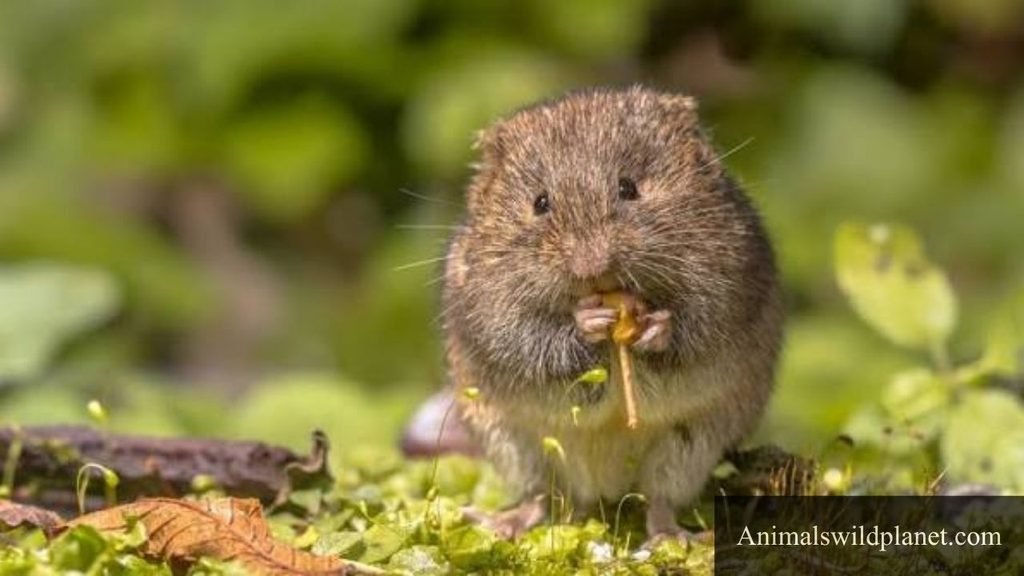
Beyond their social bonds, voles are remarkable builders and foragers. Their intricate tunneling systems not only provide shelter but also help aerate the soil, promoting healthier vegetation. Voles are herbivores, consuming an array of plants, which positions them as essential players in their habitats. Their foraging behaviors also highlight their adaptability; they often shift diets based on seasonal availability, demonstrating a resilience that’s crucial for survival. This flexibility, combined with their striking adaptability, offers a glimpse into the complexities of life in the wild, encouraging a deeper appreciation for the often-overlooked creatures that share our world.
Mouse
Scientific Name: Mus
Class: Mammalia
Diet: Omnivore
Mice, much like their larger rodent cousins, are captivating creatures that embody curiosity and adaptability. With their tiny paws and twitching noses, these little mammals exhibit a wide range of behaviors that can be just as entertaining as a hamster’s playful antics. For instance, many pet mice enjoy creating intricate nests in their habitats, showcasing their natural instinct to burrow and build — a trait that can be seen in the wild as they seek shelter from predators and harsh environments.
A fascinating aspect of mice is their social nature. Unlike hamsters, which often prefer solitary confinement, mice thrive in groups, forming complex social hierarchies that can be quite intriguing to observe. Their interactions are filled with communication, from subtle squeaks to scent marking, illustrating a rich social fabric. Moreover, owning a group of mice can provide a dynamic experience as they engage in playful chases and grooming sessions, creating a lively display of companionship that enriches their lives and captivates their owners.
Capybara
Scientific Name: Hydrochoerus hydrochaeris
Class: Mammalia
Diet: Herbivore
Capybaras, often dubbed the “gentle giants” of the rodent world, are fascinating creatures that offer a unique glimpse into animal behavior and social structures. Unlike hamsters, which are typically solitary, capybaras thrive in groups, exhibiting an extraordinary social nature. These large, semi-aquatic rodents can often be found lounging in water, showcasing their exceptional adaptability and affinity for communal living. Their calm demeanor is not just a trait; it’s a survival strategy that helps them navigate threats in the wild.
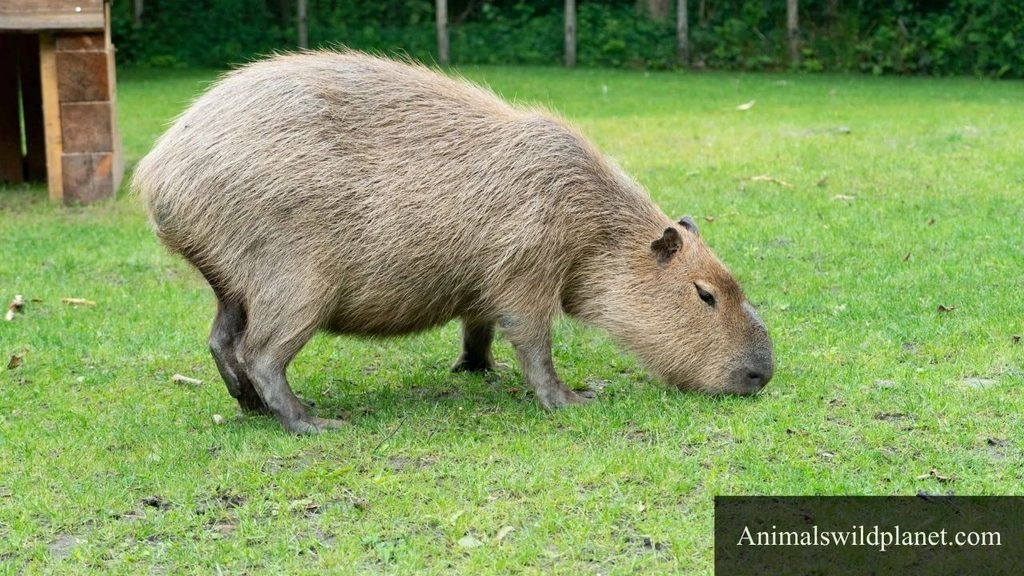
One of the most captivating aspects of capybaras is their remarkable ability to forge bonds with a variety of other species. Whether sharing a space with birds, monkeys, or even domestic pets, these creatures demonstrate an uncommonly accepting nature that can teach us about interspecies harmony. This behavior highlights the importance of community and coexistence in the animal kingdom, reminding us that collaboration often leads to greater resilience against environmental challenges. Observing capybaras can inspire us to reconsider our own social dynamics and emphasize the beauty of connection in all its forms.
Chinchilla
Scientific Name: Chinchilla
Class: Mammalia
Diet: Herbivore
Chinchillas are often overlooked in favor of more common pets like hamsters, yet they boast a unique charm that makes them intriguing companions. Known for their incredibly soft fur — reportedly one of the softest in the animal kingdom — these small rodents bring a touch of luxury into the realm of pet ownership. Unlike hamsters, who tend to have a more solitary nature, chinchillas are highly social creatures that thrive on interaction and companionship, whether with their human friends or other chinchillas. Their playful antics and ability to leap great heights turn their enclosures into mini playgrounds, making them delightful to watch and interact with.
Caring for a chinchilla requires a different approach compared to hamsters. Their dust baths, essential for keeping their dense fur healthy, are not just practical but also an entertaining spectacle, as they twirl and roll around, shedding excess oils and dirt. This need for specific care makes owning a chinchilla a commitment, but the reward is a deeply bonded relationship that many pet owners cherish. Moreover, their quiet nature makes them excellent for apartment living, providing the calming presence of a pet without the noise that can come from other small mammals. Engaging with a chinchilla can be a peaceful, joyful experience, allowing pet owners to appreciate the subtleties of animal companionship in a truly unique way.
Guinea Pig
Scientific Name: Cavia porcellus
Class: Mammalia
Diet: Herbivore
Guinea pigs, often overlooked in the world of small pets, bring an extraordinary charm to households. These sociable creatures thrive on interaction, both with their human companions and fellow guinea pigs. Unlike hamsters, who are mainly nocturnal and prefer solitude, guinea pigs are active during the day and love to engage in playful antics. Their varied vocalizations — from cheerful squeaks to low purrs — communicate everything from joy to contentment, forging a unique bond with their owners.
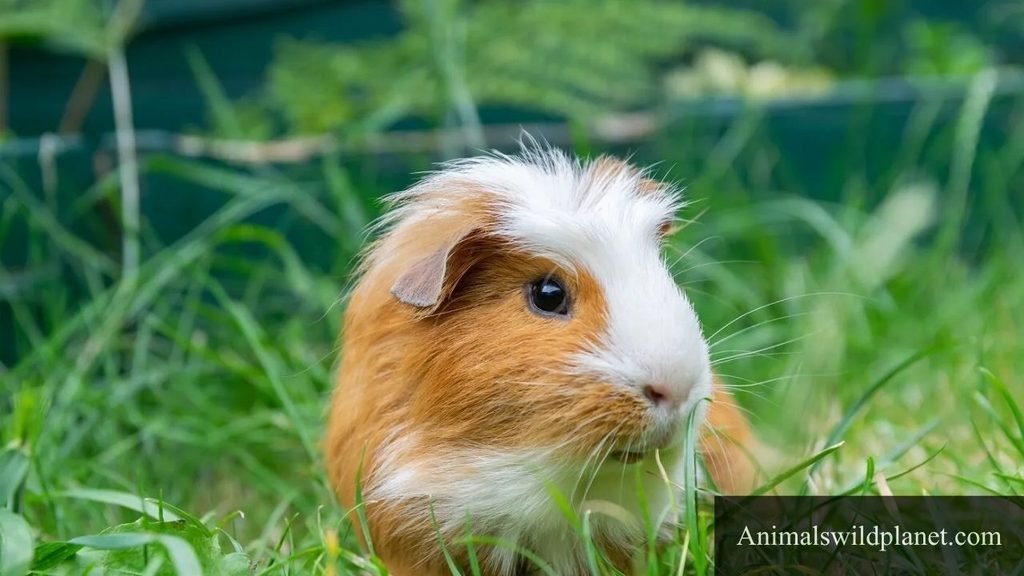
Another compelling aspect of guinea pigs is their dietary needs, which extend beyond pellets to fresh vegetables and hay, making mealtime an opportunity for enrichment and discovery. Watching them explore their meticulously crafted habitats, especially when supplemented with tunnels and hideaways, offers a delightful glimpse into their inquisitive nature. Moreover, guinea pigs can live up to seven years or longer, providing a rewarding, long-term commitment for families ready to embrace the joy they bring; they are truly a bundle of love wrapped in fur.
Prairie Dog
Scientific Name: Cynomys
Class: Mammalia
Diet: Herbivore
Prairie dogs, often overshadowed by their more popular rodent counterparts like hamsters, bring a fascinating charm to the animal kingdom. These social creatures live in expansive underground colonies known as “towns,” where they engage in complex communication through various vocalizations and body language. Each prairie dog has a distinct call, allowing them to alert their peers to the presence of predators or dangers, showcasing an intelligence that rivals some primate species.
Beyond their notable social structures, prairie dogs play a crucial role in their ecosystems. Their burrowing activities aerate the soil, enhance water infiltration, and create habitats for numerous other species, including insects and birds. This not only showcases their role as ecosystem engineers but also highlights the interconnectedness of wildlife, much like how hamsters, as small pets, can teach us about responsibility and companionship. Observing these delightful rodents in their natural habitats offers a glimpse into a vibrant community, reminding us of the intricate relationships that sustain life on earth.
Beaver
Scientific Name: Castor
Class: Mammalia
Diet: Herbivore
Beavers, often viewed as nature’s master builders, share a fascinating kinship with hamsters in their impressive ability to manipulate their environments. Like hamsters, which create complex burrows for shelter and storage, beavers engineer elaborate dams that transform landscapes. Their gnawing instincts, akin to that of hamsters’ relentless nibbling, are fueled by the need to fell trees and shape wood into materials essential for their construction projects. These structures not only serve as homes but also create wetlands that support a diverse array of wildlife, exemplifying how their activities benefit the ecosystem at large.
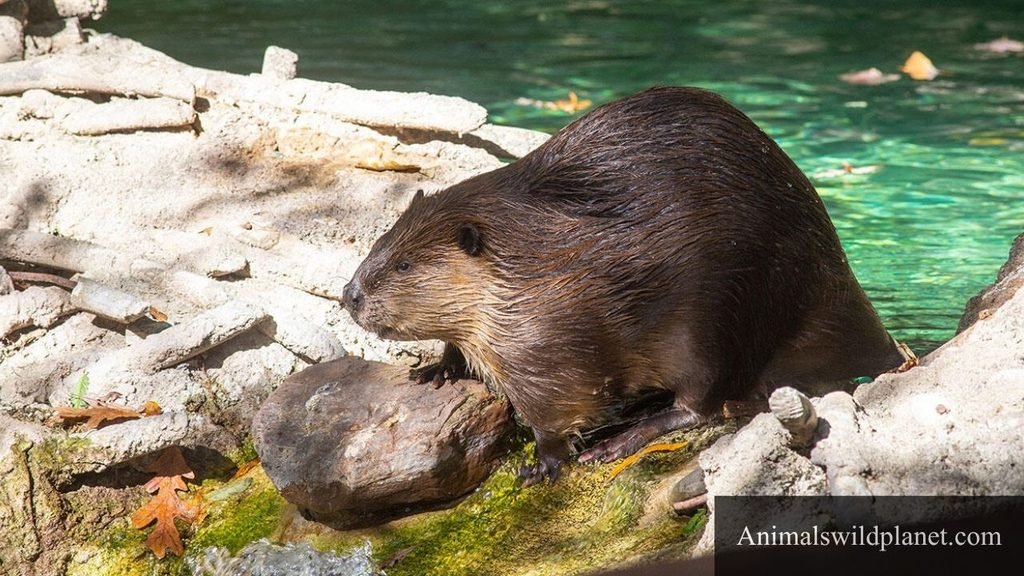
Beavers exhibit social behaviors reminiscent of hamsters’ interactions. While hamsters can be solitary or communal, beavers thrive in family units, working together to maintain their habitat. This cooperative spirit is crucial for their survival, especially when it comes to defending against predators and gathering resources. Observing a lodge bustling with beaver activity reveals a rich social tapestry, underscoring the importance of teamwork in the animal kingdom. Thus, while they may come from different worlds, the connections between hamsters and beavers offer a deeper appreciation for the complexity of animal behavior and ingenuity.
Readmore: Explore Top 13 Animals That Eat Mice.
Final Thoughts
The animal kingdom showcases a fascinating array of creatures that bear a striking resemblance to hamsters. From the fluffy guinea pig to the adorable degu, these animals share similar features and charming personalities that make them appealing as pets and companions. While each of these species has its unique characteristics and needs, they all contribute to the diverse mosaic of small mammals we adore. Understanding these hamster-like animals not only deepens our appreciation for nature but also helps us make informed decisions if we choose to welcome one into our homes.
FAQs
What pet is similar to hamsters?
If you’re looking for pet similar to hamsters, consider gerbils. They’re small, active, and friendly, often more social than hamsters. Gerbils are also fun to watch as they dig and burrow, providing similar entertainment value.
What looks like a hamster but isn’t?
One example is the gerbil, which shares a similar body shape and size. However, gerbils have longer tails and unique behavioral traits that set them apart. Another contender is the mouse, particularly certain breeds that have rounded features. While mice are often smaller and more slender, their faces can sometimes mimic that adorable hamster look. Lastly, some species of voles also share a hamster-like appearance, especially in their round bodies and short limbs.