Top 15 Animals Like Weasels (With Images)
These fascinating creatures, part of a broader family of animals that exhibit similar traits, showcase remarkable adaptability and cunning behaviors. In this article, we will explore animals like weasels, revealing their unique habitats, hunting techniques, and social structures. By understanding these intriguing species, you’ll gain insights into the balance of ecosystems and the role each plays in the wild.
List of Animals Like Weasels
Below is the list of animals Like weasels:
- Otters
- Stoats
- Ferrets
- American Badger
- Wolverines
- Zorilla
- Martens
- Minks
- Grisons
- Sables
- Tayra
- Badgers
- European Polecats
- Fishers
- Skunks
Otters
Scientific Name: Lutrinae
Class: Mammalia
Diet: Carnivore
Otters, often seen frolicking along riverbanks and coastlines, share an intriguing kinship with weasels, both belonging to the Mustelidae family. These playful aquatic mammals are not just adorable; they play a critical role in their ecosystems by maintaining healthy fish populations and contributing to biodiversity. Skilled hunters, otters dive and maneuver in water with an elegance that belies their playful nature, using stones as tools to crack open shellfish — a behavior that showcases their intelligence and adaptability.
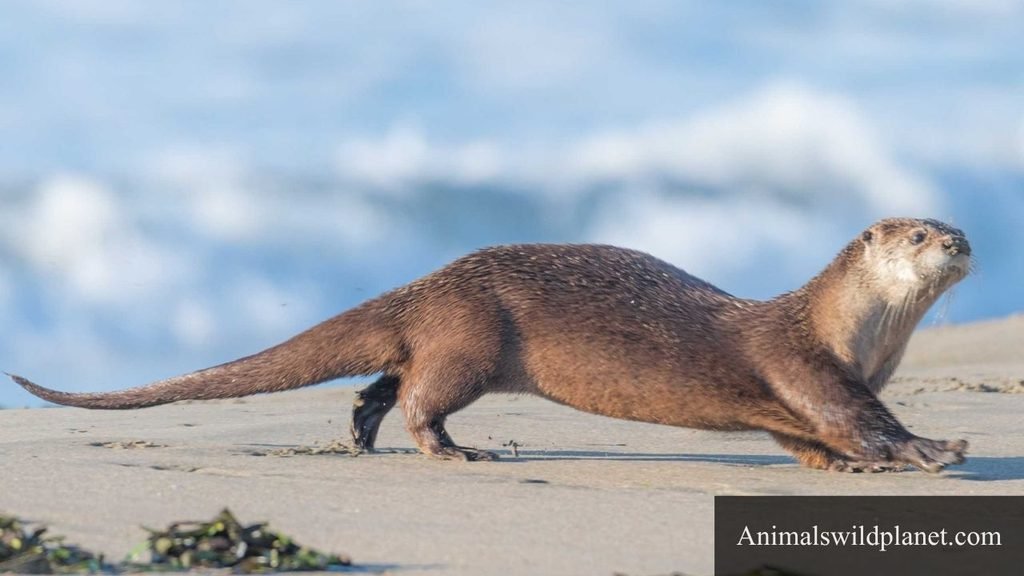
Unlike the secretive and solitary weasel, otters are social creatures, often found in family groups called rafts. Their communal grooming, playful wrestling, and synchronized swimming are not only entertaining to watch but also foster strong social bonds and cooperative hunting strategies. Observing otters can reveal a world of complex social interactions and emotional depth, making them fascinating subjects for nature enthusiasts and researchers alike. Their ability to navigate and thrive in both freshwater and marine environments highlights the remarkable adaptability of the Mustelidae family, inviting us to reevaluate our understanding of these often-overlooked creatures.
Stoats
Scientific Name: Mustela erminea
Class: Mammalia
Diet: Carnivore
Stoats, also known as short-tailed weasels, are remarkable creatures that embody agility and cunning. Their sleek bodies allow them to navigate through dense underbrush and burrows with stealth. The distinctive seasonal color change — from rich brown in summer to stunning white in winter — serves not just for camouflage, but also as a brilliant adaptation to their environment.
These small yet fierce predators have an impressive hunting technique, often taking on prey much larger than themselves. One could argue that their audacity is rivaled only by their intelligence; stoats are known for their ability to outsmart traps and evade predators. Observing a stoat in action, you might notice its curious behavior: they often engage in playful antics that serve to sharpen their skills, emphasizing the importance of play in the lives of these small carnivores.
Ferrets
Scientific Name: Mustela putorius furo
Class: Mammalia
Diet: Carnivore
Ferrets, often mistaken solely for playful pets, are fascinating creatures with a rich evolutionary history. Belonging to the mustelid family, which includes otters and badgers, ferrets exhibit a unique blend of adaptability and instinctive behavior. Their slender bodies and agile movements enable them to navigate tight spaces and burrows — a trait that speaks to their ancestry as hunters of small prey. Observing a ferret’s playful antics can reveal not just their social nature but also their innate curiosity, making them captivating companions that challenge our perceptions of traditional pets.
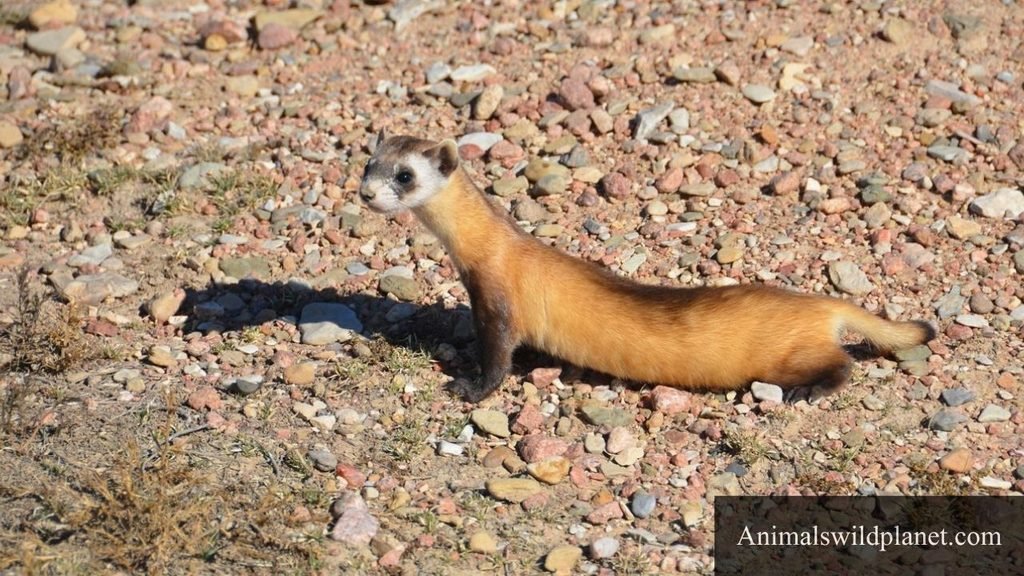
While most people associate ferrets with mischief, they also possess remarkable intelligence that can surprise even the most seasoned owners. Their ability to learn tricks, solve puzzles, and even participate in agility training highlights their cognitive capabilities. Engaging their minds is essential; otherwise, boredom can lead to playful destruction. This not only reinforces their status as intellectual animals but also emphasizes the bond they forge with their human counterparts, inviting deeper interactions that transcend mere pet ownership.
Readmore: Explore Top 9 Animals With Blubber.
American Badger
Scientific Name: Taxidea taxus
Class: Mammalia
Diet: Omnivore
The American badger, often overlooked in the animal kingdom, presents a fascinating blend of resilience and adaptability. With a stocky build and powerful claws, this burrowing mammal thrives in various habitats, from grasslands to forests. Unlike their elusive weasel relatives, badgers are social creatures, often forming small family units that together defend their territory with tenacity. Their penchant for digging creates intricate burrow systems, serving not just as homes but also as intricate networks that support various species.
What sets badgers apart is their unique foraging behavior. They possess an impressive sense of smell, allowing them to locate underground prey such as rodents and insects with remarkable accuracy. This skill is particularly vital in their role as ecosystem engineers, as their tunneling aerates the soil and encourages plant growth. Yet, in contemporary landscapes, the challenges they face from habitat loss and road mortality remind us of the delicate balance within nature. Understanding these fascinating animals encourages us to appreciate the intricate web of life they help sustain.
Wolverines
Scientific Name: Gulo gulo
Class: Mammalia
Diet: Carnivore
Wolverines are often overshadowed by their more famous cousins in the weasel family, yet these formidable creatures command respect in their own right. Sporting a thick, shaggy coat and formidable claws, they thrive in harsh, cold environments where few dare to roam. Their relentless energy and remarkable strength allow them to tackle prey much larger than themselves, showcasing a unique blend of ferocity and resourcefulness that sets them apart in the animal kingdom.
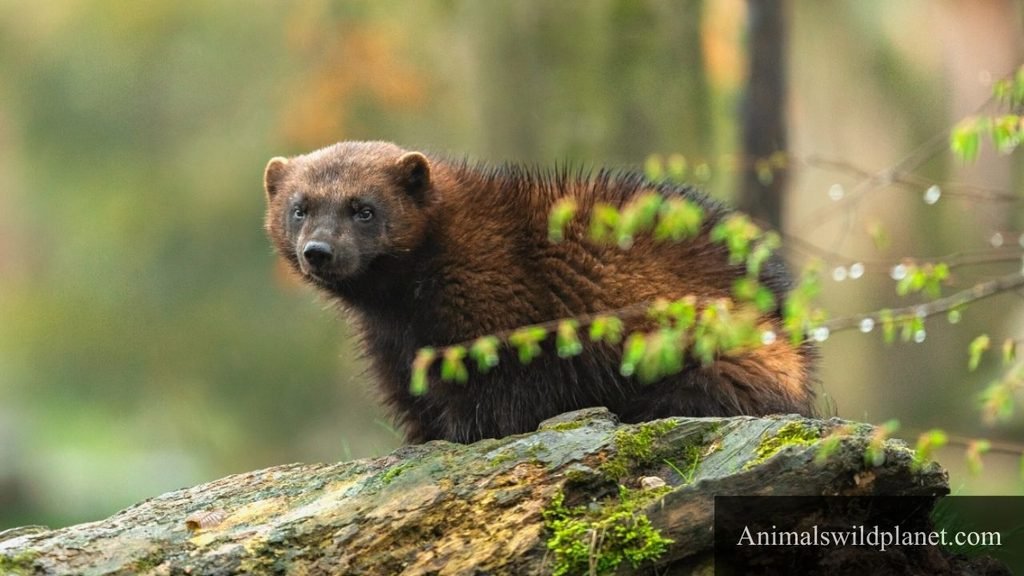
One fascinating aspect of wolverines is their complex social behavior, which contradicts the notion of them as solitary hunters. While they are predominantly solitary, they exhibit a surprising level of social interaction, particularly during the breeding season. Males might roam extensive distances to find mates, often marking large territories to stake their claims. This balance between independence and social connection offers a captivating glimpse into the adaptability and intelligence of wolverines, reinforcing their status as resilient survivors in some of the world’s most unforgiving landscapes.
Zorilla
Scientific Name: Ictonyx striatus
Class: Mammalia
Diet: Carnivore
Zorillas, often overshadowed by their more famous relatives like the skunk, are fascinating creatures that captivate the imagination with their unique features and behaviors. These small, carnivorous mammals belong to the family Mustelidae, sharing a lineage with weasels, otters, and badgers. Sporting a striking black-and-white coat reminiscent of a flamboyant tuxedo, the zorilla is a master of camouflage in its grassland habitats across sub-Saharan Africa. Despite their visual charm, they possess a remarkable defense mechanism; much like skunks, zorillas can spray a foul-smelling liquid to ward off potential predators.
What truly sets zorillas apart is their tenacious personality and remarkable adaptability. Unlike many nocturnal creatures that shy away from confrontation, zorillas exhibit boldness in their approach to hunting. Their diet is eclectic, ranging from insects to small mammals, showcasing their versatility as opportunistic feeders. This enables them to thrive in various ecosystems, from savannas to semi-arid regions. Through their scavenging behaviors, they play a critical role in maintaining ecological balance, highlighting their importance beyond mere appearances. The zorilla is not only an intriguing study of nature’s creativity but also a poignant reminder of the interconnectedness of the animal kingdom.
Martens
Scientific Name: Martes
Class: Mammalia
Diet: Omnivore
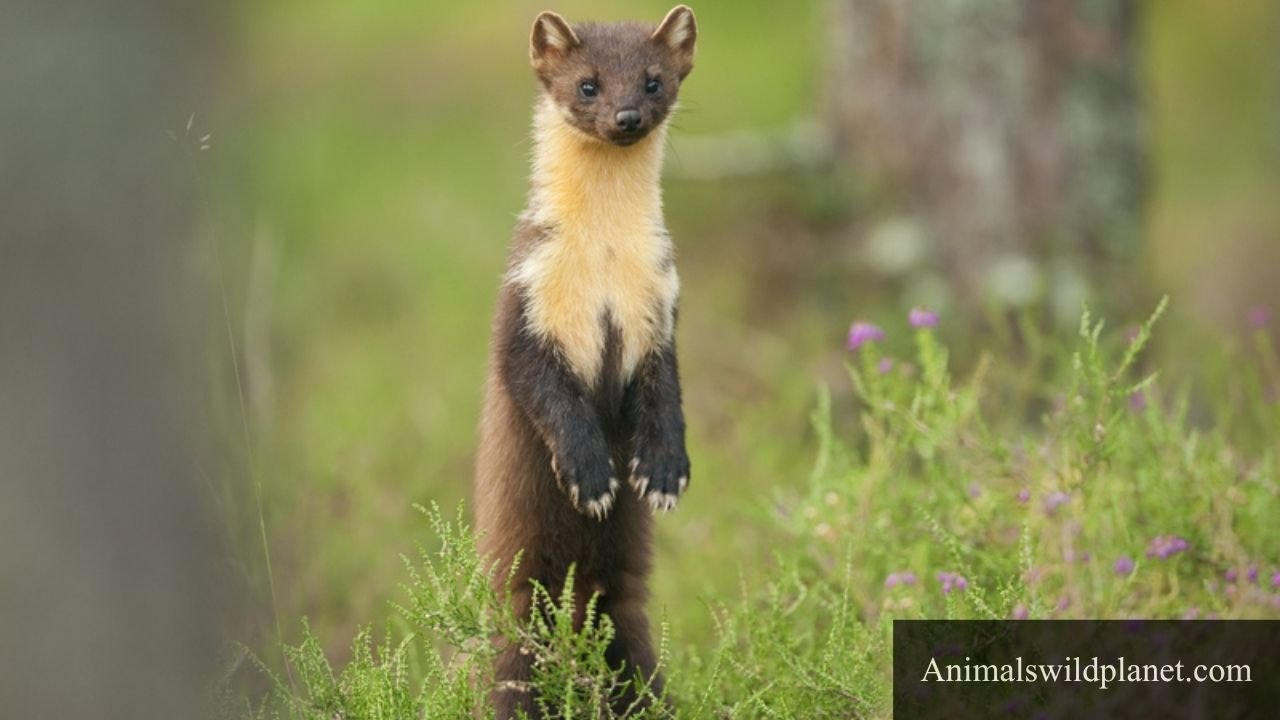
Martens, often overshadowed by their more popular relatives, are fascinating creatures that offer a glimpse into the intricate tapestry of forest life. These agile carnivores are renowned for their elusive nature and playful demeanor, making them a joy to observe in their natural habitat. With their striking fur ranging from golden-brown to rich chocolate, martens are not just striking to look at; they play a vital role in controlling small rodent populations and encourage biodiversity through their predatory instincts.
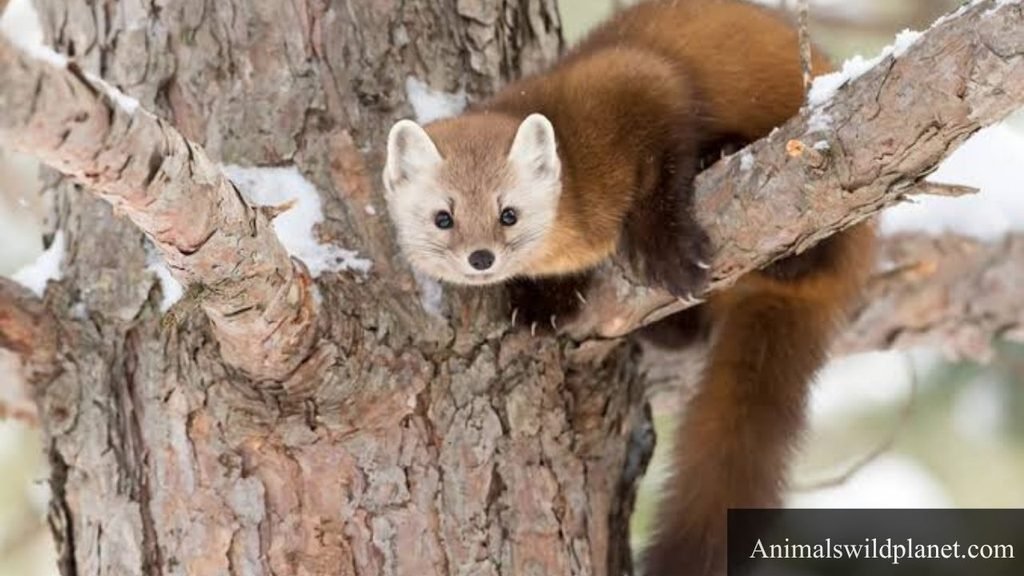
One of the most intriguing aspects of martens is their adaptability to a variety of environments, from dense woodlands to mountain ranges. They are skilled climbers, often seen deftly navigating tree branches in search of birds’ nests or squirrels. Their solitary lifestyle adds an air of mystery to their behavior, with individuals marking their territory using scent glands, creating a complex tapestry of communication among themselves. This ability to thrive in diverse ecosystems highlights their resilience and flexibility, traits that are increasingly important as habitats change due to human impact. By studying martens, we gain insight into the ecological balance of woodland ecosystems, making them an invaluable, albeit often overlooked, species in conservation efforts.
Minks
Scientific Name: Neogale vison
Class: Mammalia
Diet: Carnivore
Minks, often mistaken for their weasel cousins, possess a captivating blend of elegance and cunning. These small mustelids are known for their luxurious fur, but beyond their aesthetic appeal lies a fascinating lifestyle. Minks are semi-aquatic creatures, expertly navigating both land and water in search of prey. Their ability to dive and swim with agility aids in catching fish, amphibians, and even small birds. This dual habitat showcases their adaptability, making them unique among their mustelid relatives.
Socially, minks exhibit intriguing behaviors. While they can be solitary, females fiercely defend their territories, particularly during the breeding season. Their playful interactions, often involving wrestling and chasing, highlight the importance of physical activity in their lives. Moreover, minks are skilled communicators, using a range of vocalizations and body language to convey messages, creating a rich tapestry of interaction in their often solitary existence. Understanding these nuances adds depth to our appreciation of these remarkable creatures, reminding us that there’s much more to minks than just their beautiful fur.
Grisons
Scientific Name: Galictis
Class: Mammalia
Diet: Omnivore
Grisons, often overshadowed by their more famous weasel relatives, provide a fascinating glimpse into the adaptability of small carnivores. These sleek, agile mammals are not just localized residents of Central and South America; they display remarkable versatility in their habitat range. Living in diverse environments — from dense forests to arid regions — grisons showcase unique behavioral adaptations, such as their prolific burrowing skills, which allow them to create intricate networks of tunnels for protection against predators.
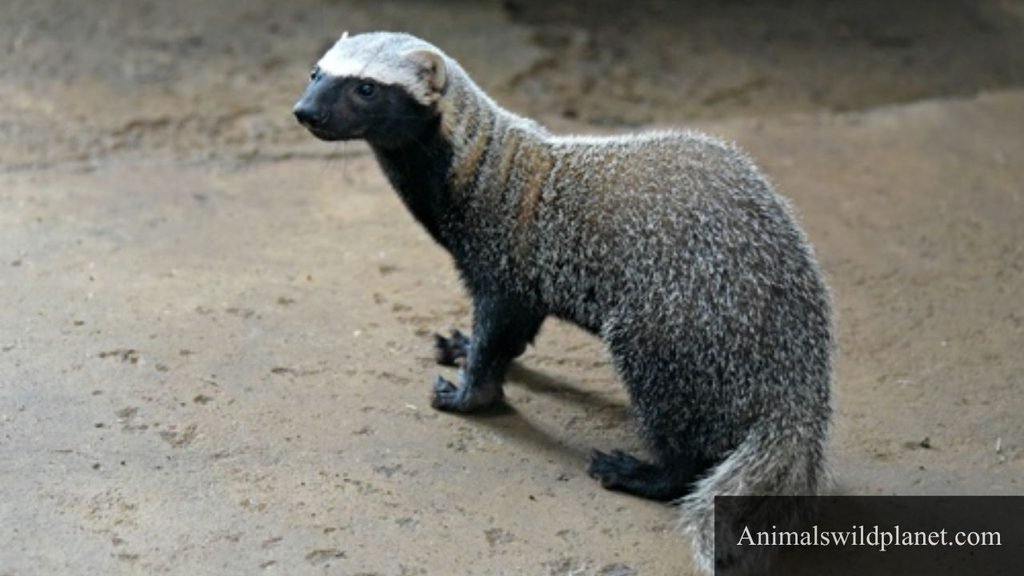
What truly sets grisons apart is their social structure. Unlike many solitary carnivores, these creatures often form small family groups, enabling them to collaborate in hunting and raising young. Their diet also reveals a surprising flexibility; while they primarily hunt small mammals, birds, and insects, they have been observed scavenging and foraging for fruits, embracing a more omnivorous approach when needed. This adaptability not only reflects their intelligence but also emphasizes the interconnectedness of ecosystems, as grisons play a vital role in controlling rodent populations while contributing to seed dispersion in their habitats. In the world of small carnivores, grisons are an unsung hero, showcasing resilience and community in the face of environmental challenges.
Sables
Scientific Name: Martes zibellina
Class: Mammalia
Diet: Omnivore
Sables are fascinating members of the weasel family. These elusive creatures are renowned for their luxurious fur, which has made them highly sought after in the fashion industry. However, their significance extends beyond aesthetics; sables play a crucial role in their ecosystems, acting as both predators and prey. Their keen hunting skills help to regulate populations of small mammals, preserving the delicate balance of their habitats.
In the wild, sables are incredibly agile and intelligent, showcasing playful behaviors that captivate researchers and wildlife enthusiasts alike. Their social structures are also intriguing; sables often create complex, interconnected burrow systems that reflect their dynamic interactions within communities. Unlike many solitary weasels, they exhibit a degree of sociality, sometimes forming loosely-knit family groups that work together to hunt and defend their territory. This communal aspect challenges the typical notion of weasels as solitary hunters, revealing a richer tapestry of behavior that invites further exploration into their lives and habitats.
Tayra
Scientific Name: Eira barbara
Class: Mammalia
Diet: Omnivore
Tayras possess a distinct charm that is both endearing and intriguing. These agile mammals, primarily found in Central and South America, showcase an impressive blend of intelligence and curiosity. With their sleek bodies and expressive faces, tayras are not just nimble hunters but also highly social creatures, often seen engaging in playful antics with one another. This lively behavior highlights the complexity of their social structures, as they communicate through a series of vocalizations and body language that reveal their emotional states.
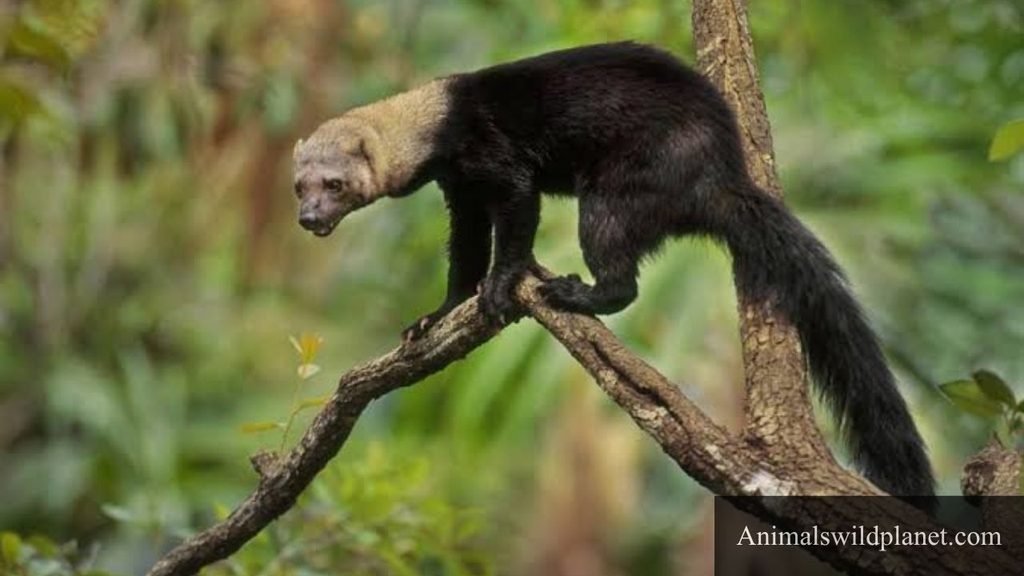
What truly sets tayras apart is their adaptability. Unlike many of their carnivorous counterparts, tayras exhibit a varied diet that also includes fruits, showcasing their opportunistic feeding habits. This flexibility not only helps them thrive in diverse habitats — from dense rainforests to high-altitude regions — but also allows them to play a crucial role in seed dispersal, impacting their ecosystems profoundly. Observing tayras in their natural habitat can be a captivating experience; their quick darting movements, sudden leaps, and playful chases often leave observers mesmerized, reminding us of the beauty and complexity inherent in lesser-known species that contribute to the tapestry of biodiversity.
Badgers
Scientific Name: Melinae
Class: Mammalia
Diet: Omnivore
Badgers, like their weasel relatives, are often misunderstood creatures that play a vital role in their ecosystems. Known for their stout bodies and distinctive facial markings, these nocturnal inhabitants of woodlands and grasslands are masterful diggers. Their expansive burrow systems, called setts, not only provide shelter for themselves but also create habitats for various other species, fostering a rich biodiversity. Observers might be surprised to learn that badgers are highly social animals; they often live in family groups, exhibiting complex social structures and cooperative behaviors, especially during foraging.
One fascinating aspect of badgers is their dietary flexibility. While they primarily feed on earthworms and insects, they are opportunistic eaters and can consume fruits, small mammals, and even carrion when the opportunity arises. This adaptability allows them to thrive in diverse environments, from rural areas to urban fringes. Despite their somewhat gruff appearance, badgers contribute significantly to soil aeration and pest control, highlighting their integral role in maintaining ecological balance. Understanding their behavior and contributions encourages a deeper appreciation for these often-overlooked animals, reminding us of the interconnectedness of all wildlife.
European Polecats
Scientific Name: Mustela putorius
Class: Mammalia
Diet: Carnivore
The European polecat is a fascinating creature that embodies resilience and adaptability. These animals, with their sleek bodies and striking facial markings, are skilled nocturnal hunters, aptly adapted to a variety of habitats ranging from woodlands to farmlands. Unlike ferrets, which are domesticated, polecats live wild lives full of intrigue, showcasing their prowess as elusive predators of small mammals and birds. Their solitary nature adds a layer of mystery, as they communicate through a complex array of scents and vocalizations, each serving a purpose in their secretive lives.
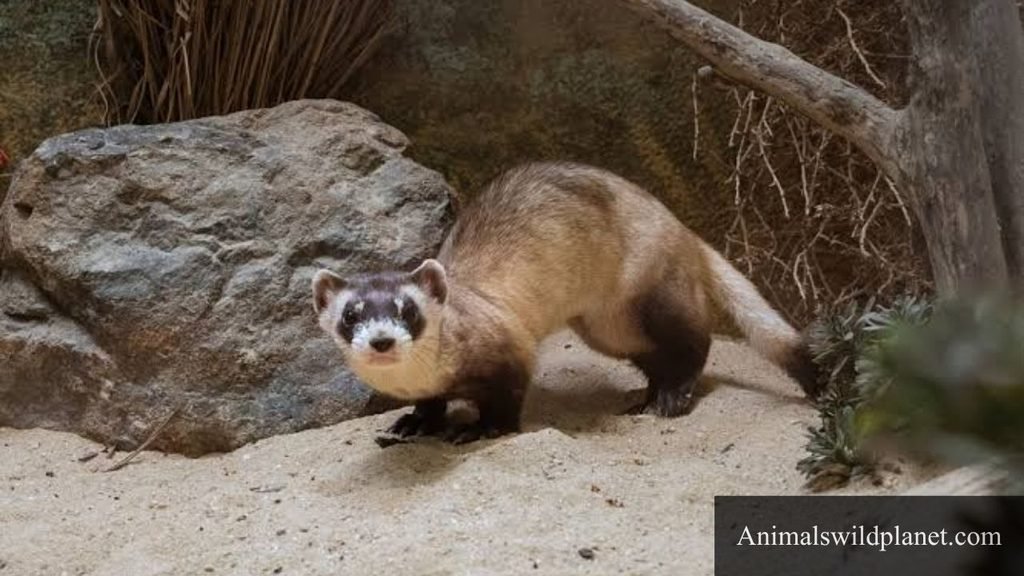
Polecats possess an extraordinary ability to alter their behavior based on environmental cues. For instance, they exhibit remarkable flexibility in their diet, shifting from small rodents to insects and even fruit based on availability. This adaptability is a testament to their survival instincts, demonstrating that even in changing landscapes, these creatures find a way to thrive. In many parts of Europe, the polecat’s population is rebounding, highlighting the positive impacts of conservation efforts and the importance of preserving their natural habitats. Observing these enigmatic animals in the wild offers a glimpse into a rich tapestry of life that often goes unnoticed, reminding us of the intricate connections within ecosystems and our role in their preservation.
Fishers
Scientific Name: Pekania pennanti
Class: Mammalia
Diet: Carnivore
Fishers, often mistaken for their weasel relatives, are fascinating creatures with a unique blend of agility and ferocity. These elusive mammals, primarily found in the dense forests of North America, have a reputation that belies their size. With a powerful build and sharp claws, fishers are adept tree climbers, showcasing a remarkable ability to navigate both the forest floor and the canopies. This adaptability allows them to hunt a variety of prey, including birds and small mammals, with an impressive prowess that underscores their role as apex predators in their ecosystem.
What truly sets fishers apart is their remarkable relationship with the ecosystem. They play a crucial role in controlling populations of other species, particularly porcupines, which can otherwise proliferate unchecked. By preying on these prickly critters, fishers help maintain a balanced food web. Their preference for habitats that are rich in biodiversity contributes to the health of these environments, highlighting the interconnectedness of species within their ecosystems. Observing a fisher in the wild offers a glimpse into the intricate dynamics of nature, where even the smallest predators assert significant influence over the larger ecological narrative.
Skunks
Scientific Name: Mephitidae
Class: Mammalia
Diet: Omnivore
Skunks, often misunderstood and maligned for their infamous odor, possess a surprisingly rich tapestry of behaviors and adaptations that mirrors the cunning nature of weasels. Both creatures exemplify agility and resourcefulness, but while weasels are sleek hunters, skunks display a unique form of defense. Their striking black and white coloration serves as a warning, alerting potential predators of the potent spray they can unleash when threatened. This bold display is not merely for show; it’s a curious blend of evolution and strategy, ensuring survival in their diverse habitats, from urban environments to verdant woodlands.
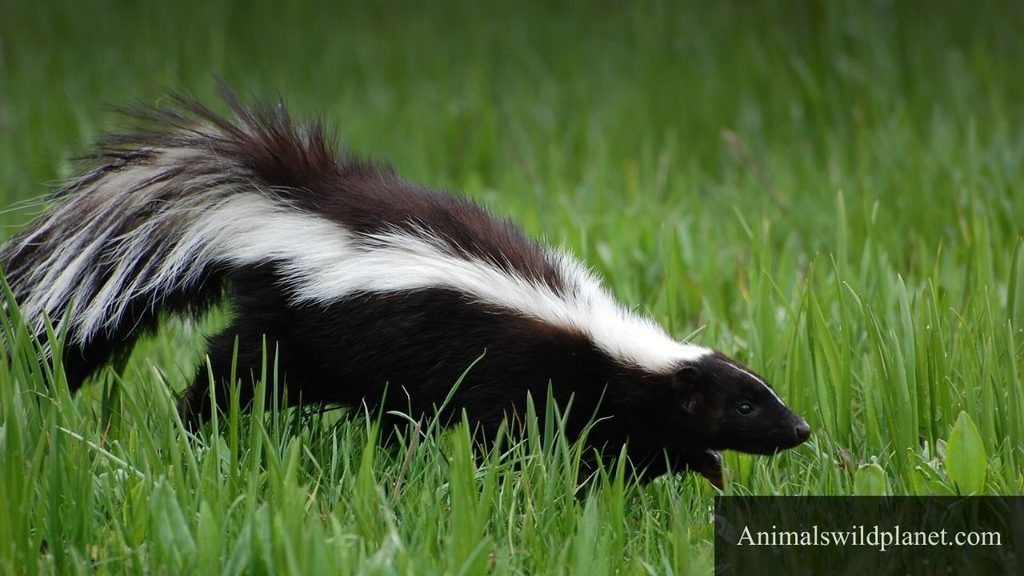
Beyond their defensive tactics, skunks are remarkably versatile foragers. They possess an omnivorous diet, feasting on everything from insects to fruits, which underscores their adaptability in various ecosystems. Unlike weasels, who often rely on stealth and speed to hunt, skunks utilize a more methodical approach, leveraging their keen sense of smell to locate food. This not only showcases their intelligence but also highlights the intricate balance of nature — where different animals fill unique niches, creating a complex web of life where every species, even the oft-maligned skunk, plays a critical role.
Readmore: Explore Top 9 Animals That Can Bark.
Final Words
The world of weasel-like animals offers an intriguing glimpse into the adaptability and survival strategies of various species. From the playful otters to the stealthy stoats, these animals have evolved striking features and skills that enable them to thrive in their environments. Learning about these creatures not only enhances our knowledge of wildlife but also highlights the importance of conservation efforts to protect their habitats.
As we delve deeper into understanding their behaviors and ecological significance, we can appreciate the intricate web of life they are part of. Let’s join hands in advocating for the preservation of these remarkable animals and their ecosystems.
FAQs
What animal is like a weasel but smaller?
The stoat, also known as the short-tailed weasel, is a perfect example of an animal similar to a weasel but smaller. With its slender body and short legs, the stoat typically measures around 9 to 10 inches in length, making it a compact little predator. These creatures are known for their agility and quickness, which help them catch small prey like rodents. Stoats are easily recognizable by their brown fur in summer and striking white coat in winter. They thrive in various habitats, from woodlands to grasslands, and are skilled hunters.
What animals are similar to weasels?
Weasels are part of the Mustelidae family, which includes a variety of similar animals. Ferrets, minks, and otters are notable relatives, sharing similar body shapes and behaviors. Like weasels, these animals tend to be agile and have a carnivorous diet. Wolverines are another member of the Mustelidae family. They’re larger and more robust than weasels, but still exhibit that characteristic weasel-like tenacity.