Top 23 Animals Like Foxes (With Pictures)
Animals like foxes not only play a vital role in their ecosystems but also capture our imaginations with their cunning behavior and adaptability. In this article, we’ll explore the unique traits that set foxes apart, as well as other remarkable animals that share similar characteristics. By understanding these creatures, we can deepen our appreciation for wildlife and promote conservation efforts in our own communities.
List of Animals Like Foxes
Below is the list of animals like foxes:
- Bat-Eared Fox
- Culpeo
- Mongooses
- Red Pandas
- Coyotes
- Bobcats
- African Wild Dogs
- Mountain Lions
- Weasels
- Fennec Fox
- Mole Rats
- Dingoes
- Raccoon Dogs
- Skunks
- Jackals
- Cats
- Maned Wolf
- Dholes
- Margay
- Wolves
- Civets
- Domestic Dogs
- Raccoon
Bat-Eared Fox
Scientific Name: Otocyon megalotis
Class: Mammalia
Diet: Insectivore
The Bat-Eared Fox, with its oversized ears and agile frame, shares an uncanny resemblance to its more famous relatives, yet it possesses a charm entirely its own. Found primarily in the grasslands and savannas of East and Southern Africa, this fascinating creature thrives in open environments where its keen hearing serves multiple purposes — from locating insects to detecting predators. Unlike the solitary red fox, the Bat-Eared Fox is a social animal, often seen in small family groups, making their playful interactions a delightful sight for observers.
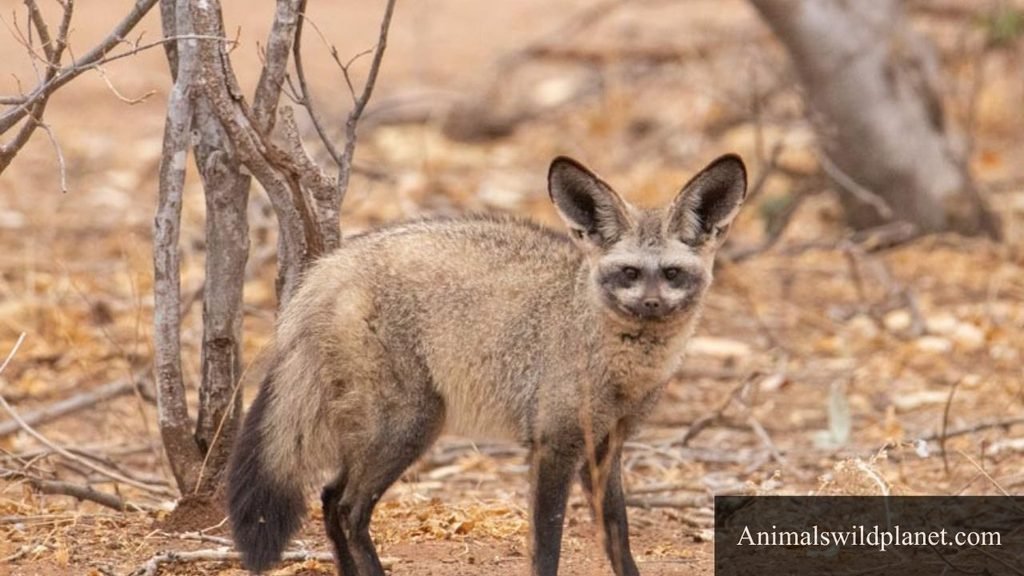
Their diet sets them apart from the classic fox image — while many foxes are opportunistic hunters, Bat-Eared Foxes are primarily insectivores, subsisting mainly on termites and other small invertebrates. This unique foraging strategy not only reflects their adaptability but also positions them as crucial players in their ecosystem, helping to manage insect populations. With a penchant for nocturnal activity, these foxes bring a magical aura to the African night, where their keen senses and social behaviors are on full display, highlighting nature’s intricate tapestry of life that extends beyond just the familiar red coat of traditional foxes.
Culpeo
Scientific Name: Lycalopex culpaeus
Class: Mammalia
Diet: Carnivore
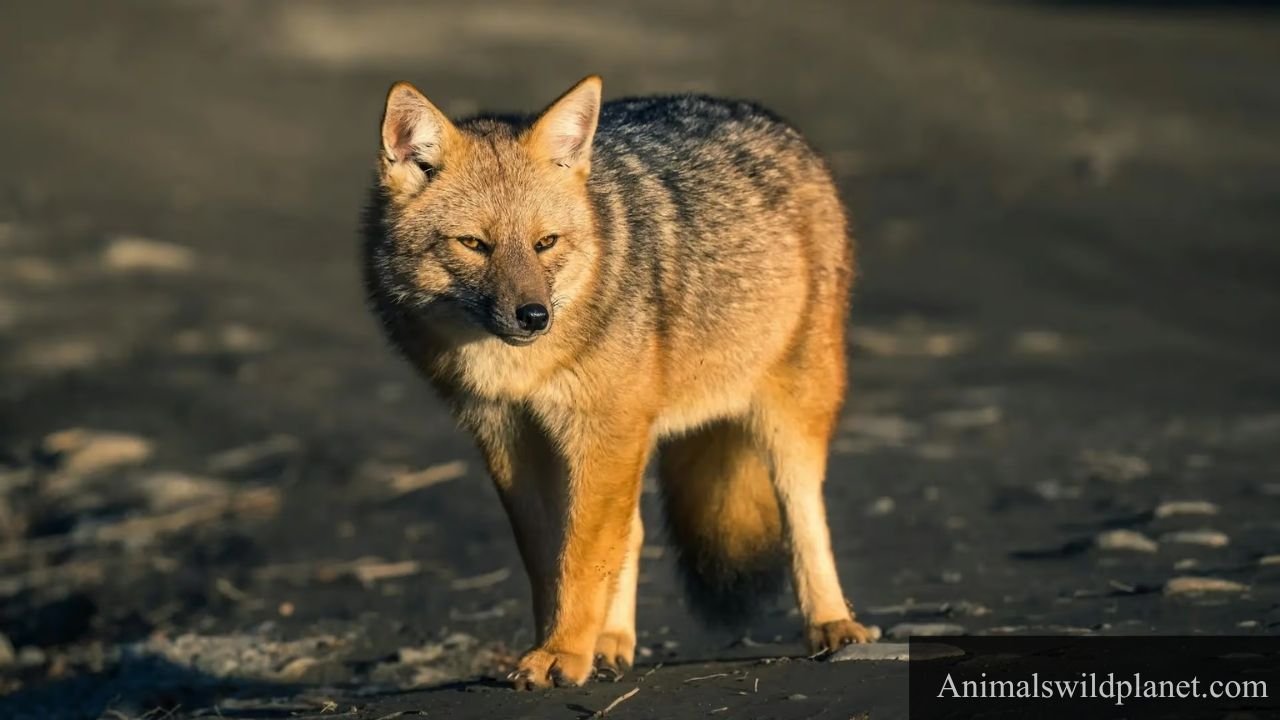
The Culpeo, also known as the Andean fox, offers a fascinating glimpse into the adaptability of canids. Residing in the diverse habitats of South America, from the arid Patagonian steppe to the cool mountain valleys, this sleek creature embodies the cunning traits often associated with foxes. Unlike its red-haired counterpart, the Culpeo sports a striking coat that varies from sandy yellow to a rich gray, allowing it to blend seamlessly into its rugged surroundings. It thrives in both high altitudes and lower terrains, showcasing its remarkable versatility and survival skills.
What sets the Culpeo apart is its behavior and diet, which can resemble that of both scavengers and hunters. It deftly balances a diet of small mammals, birds, and fruits, reflecting a highly opportunistic feeding strategy. Observing a Culpeo in action reveals a charming curiosity; it often explores its environment with a playful demeanor, reminiscent of a fox, yet it possesses an air of wild dignity. This unique combination makes the Culpeo not just a master of its terrain but also a subject of growing interest among wildlife enthusiasts and ecologists alike, emphasizing the importance of preserving its diverse habitats amidst a changing landscape.
Mongooses
Scientific Name: Herpestidae
Class: Mammalia
Diet: Carnivore
Mongooses share intriguing similarities with foxes that make them captivating creatures in their own right. Both mammals exhibit remarkable adaptability, thriving in diverse habitats ranging from grasslands to urban areas. Mongooses are known for their social structures, often living in groups that display complex social behaviors reminiscent of fox family dynamics. This communal lifestyle not only enhances their survival but also showcases their intelligence as they strategize foraging and defense against predators.
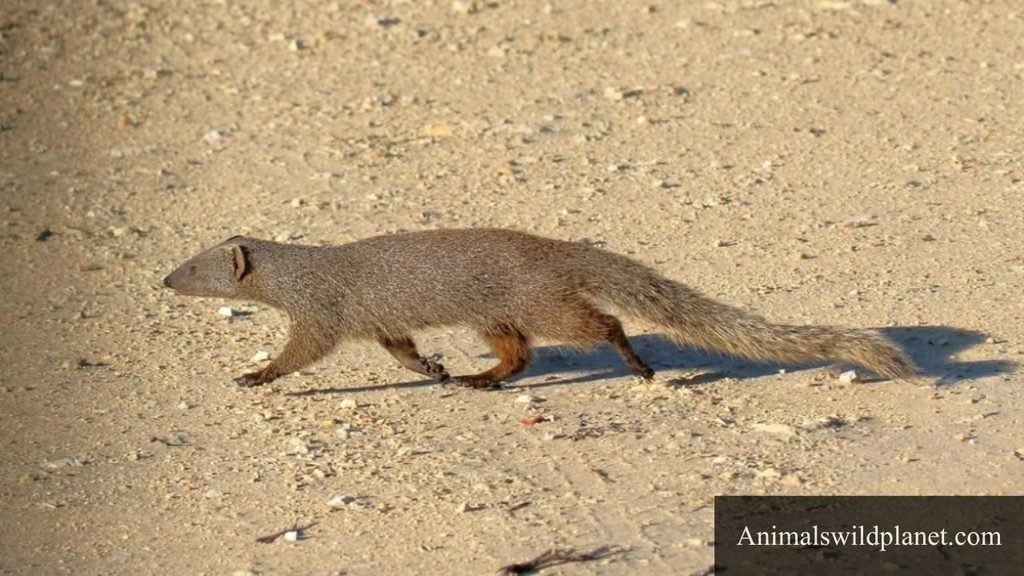
One of the most striking similarities lies in their agility and cunning. Just like foxes, mongooses are skilled hunters, adept at taking down prey like snakes and insects with swift, calculated movements. Their ability to combat venomous snakes parallels the fox’s reputation as a clever forager, showcasing a shared evolutionary theme of resourcefulness. Moreover, both species exhibit a keen sense of curiosity, often engaging with their surroundings in playful and investigatory ways that highlight their intelligence. This fascinating overlap of traits prompts a deeper appreciation not just for mongooses, but for the broader spectrum of mammalian life that thrives through adaptation and ingenuity.
Readmore: Explore Top 15 Animals Like Weasels.
Red Pandas
Scientific Name: Ailurus fulgens
Class: Mammalia
Diet: Herbivore
Red pandas possess a unique charm that parallels the elusive nature of foxes. With their striking rust-colored fur and bushy tails, red pandas illustrate a blend of playful curiosity and stealthy grace. Their shy demeanor hides a spirited personality, much like the cunning fox that roams forested landscapes. These creatures are adept climbers, navigating the heights of bamboo trees with the same agility that foxes exhibit in their own diverse terrains.
In addition to their captivating appearance, red pandas communicate through a variety of vocalizations and body language, often expressing joy or need through cute chirps and purrs. This rich repertoire of sounds resonates with the complex social behaviors of foxes, who rely on their keen senses and vocal cues to interact within their packs. As solitary creatures, red pandas engage in playful activities that resemble the clever antics of foxes, showcasing intelligence through their explorative behaviors. Both animals serve as crucial indicators of their environments, reminding us of the delicate balance in nature that deserves our attention and protection.
Coyotes
Scientific Name: Canis latrans
Class: Mammalia
Diet: Omnivore
Coyotes, often seen as the less glamorous cousin of the fox, share many delightful traits that make them equally captivating. Like foxes, coyotes are highly adaptable creatures, thriving in diverse environments ranging from urban landscapes to untouched wilderness. This adaptability is not just a survival mechanism; it’s a testament to their intelligence and resourcefulness. Their keen problem-solving abilities allow them to navigate complex situations, often with a cleverness that mirrors the cunning nature of their fox relatives.
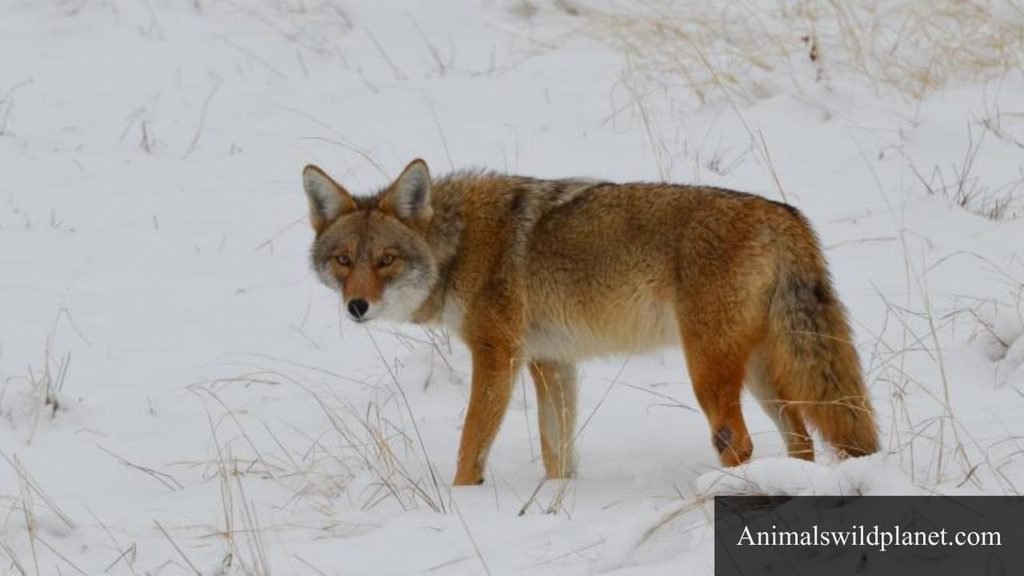
Interestingly, coyotes also exhibit a fascinating social structure. While they can be solitary at times, they often form tight-knit family units, showcasing a rich social dynamic that can rival that of more traditionally social animals. These family groups are not merely for raising young; they engage in cooperative hunting, communication through a diverse range of vocalizations, and even playful interactions reminiscent of a fox’s playful demeanor. Furthermore, the coyote’s adaptability extends to its diet, feeding on everything from small mammals and birds to fruits and carrion, showcasing a culinary versatility that echoes the opportunistic feeding habits of foxes.
The relationship between coyotes and their ecosystem is another layer of their allure. As apex predators, they play a crucial role in maintaining the balance of their habitats, controlling rodent populations and influencing the behavior of other species. This ecological stewardship highlights their importance beyond mere survival, embodying a balance that resonates with the intelligent, opportunistic nature of foxes. In many ways, coyotes remind us that while they might not flaunt the same charismatic flair, their cunning intelligence and ecological significance make them just as fascinating as their fox-like cousins.
Bobcats
Scientific Name: Lynx rufus
Class: Mammalia
Diet: Carnivore
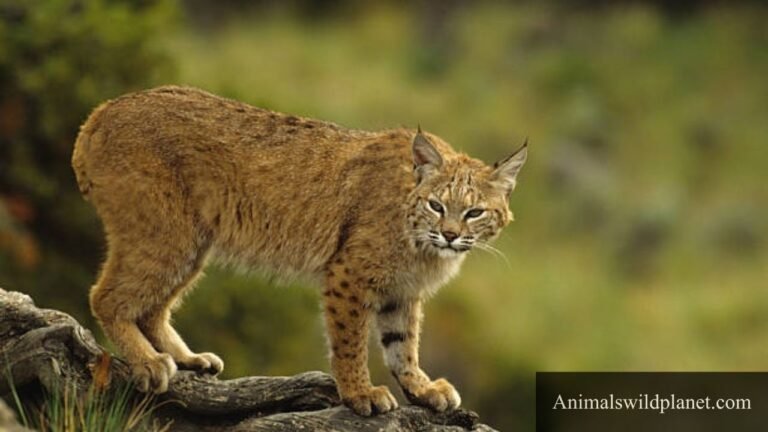
Bobcats, with their strikingly agile forms and distinctive tufted ears, share an unexpected kinship with foxes, despite belonging to different families within the feline world. These elusive creatures embody a blend of cunning and grace, traits that make them resonate with the sly nature often associated with foxes. Their adept hunting skills and adaptability to diverse environments — from dense forests to suburban outskirts — mirror the versatility that foxes exhibit, showcasing how nature equips different species with similar survival traits.
What truly sets bobcats apart is their remarkable ability to thrive in both solitude and in the company of their own kind. Unlike the inherently social structures of fox packs, bobcats are primarily solitary, yet they communicate subtly through scents and territorial markings. This intricate balance of independence and social awareness can evoke admiration, much like how one might appreciate a fox darting through the underbrush. Delving deeper, their enigmatic nature often sparks curiosity, leading to stories of their elusive encounters, which can rival the whimsical folklore that surrounds foxes. By understanding the bobcat’s world, we gain insight into a creature that, much like its more famous cousin, embodies the wild’s charm and mystery.
African Wild Dogs
Scientific Name: Lycaon pictus
Class: Mammalia
Diet: Carnivore
African wild dogs, often called painted wolves, share an intriguing resemblance to foxes not just in appearance but also in their social structures and hunting strategies. With their large, rounded ears and mottled fur, they exude a certain charm reminiscent of the playful fox, while their cooperative hunting techniques reflect a deeply ingrained pack mentality. Unlike the solitary nature of many fox species, African wild dogs thrive in tight-knit groups, showcasing a level of teamwork that elevates their hunting prowess and fosters strong social bonds.

These canines are uniquely adapted to their environment, exhibiting exceptional stamina during hunts, which can stretch over several kilometers. While foxes tend to rely on stealth and cunning to catch smaller prey, African wild dogs employ an impressive strategy of relentless pursuit and communication, often using vocalizations to coordinate attacks. This level of collaboration also highlights their intelligence and adaptability, drawing fascinating parallels with the resourcefulness of foxes in various ecosystems. With increasing threats from habitat loss and human activities, the plight of the African wild dog reminds us that preserving their habitat is crucial, just as we must protect the delicate balance that enables all canines to thrive in their respective environments.
Mountain Lions
Scientific Name: Puma concolor
Class: Mammalia
Diet: Carnivore
Mountain lions, also known as cougars or pumas, share a surprising kinship with foxes beyond their cunning hunting strategies. Both creatures are masters of adaptability, thriving in diverse environments — from dense forests to mountainous terrains. Like foxes, mountain lions exhibit stealth and agility, utilizing their keen senses to stalk prey. Their solitary nature mirrors the elusive lifestyle of the fox, emphasizing a profound sense of independence in their pursuit of survival.
What’s fascinating is how their behaviors incorporate elements of play, much like young foxes. Mountain lions have been observed engaging in playful pouncing and mock hunting, honing their skills while also enjoying the thrill of the chase. This playful demeanor echoes the spirited antics of fox kits as they frolic in the wild, showcasing an innate curiosity and intelligence that transcends species boundaries. Both animals also capture our imagination through their graceful movements, demonstrating that elegance doesn’t just belong to the realms of crafted beauty but thrives in the wild as well.
Weasels
Scientific Name: Mustela
Class: Mammalia
Diet: Carnivore
Weasels, often overshadowed by their more charismatic cousins like foxes, possess a captivating charm of their own. These agile hunters display a remarkable blend of cunning and adaptability, mirroring the fox’s stealthy demeanor. With their sleek bodies and sharp features, weasels epitomize the spirit of opportunism, darting through fields and forests with an ease that inspires both admiration and intrigue. They are nature’s little acrobats, capable of squeezing through impossibly tight spaces, a trait that not only aids in evading predators but also makes them skilled foragers.
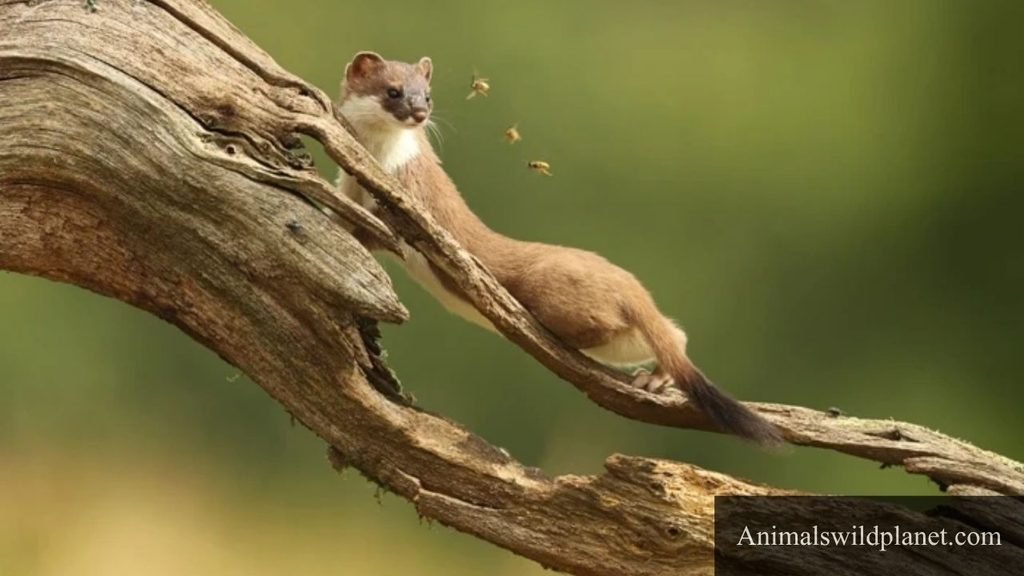
What truly sets weasels apart is their fierce hunting prowess. Much like foxes, they have a diverse diet, ranging from small rodents to birds, yet their strategies are distinctively bold. Equipped with powerful jaws and a relentless spirit, a weasel’s ability to tackle prey much larger than itself is a testament to its audacity. This tenacity often leads to fascinating interactions within their ecosystems, where they play vital roles in maintaining balance, much like the sly foxes. Embracing the enigmatic lives of weasels reveals a parallel world of wilderness, one where elegance and ferocity dance in harmony beneath the surface.
Fennec Fox
Scientific Name: Vulpes zerda
Class: Mammalia
Diet: Omnivore
The fennec fox, with its oversized ears and petite frame, epitomizes adaptability in the harsh desert expanses of North Africa. These distinctive ears serve a dual purpose: they not only provide exceptional hearing, allowing the fennec to detect prey in the screeching silence of the Sahara, but also function as natural thermoregulators, dissipating heat in fiercely high temperatures. This clever evolutionary trait showcases nature’s ingenuity, proving that even the smallest animals can master survival in extreme conditions.
Beyond their physical adaptations, fennec foxes are social animals with a complex communication system. They thrive in family units, often engaging in playful behaviors that strengthen bonds among siblings. This playful nature is not merely for entertainment; it plays a crucial role in developing the skills necessary for hunting and evasion in the wild. Their unique vocalizations, from barks to high-pitched whines, underscore the richness of their social interactions, further emphasizing that the fennec fox is more than just an adorable creature; it’s a compelling testament to life’s intricate tapestry in the animal kingdom.
Mole Rats
Scientific Name: Bathyergidae
Class: Mammalia
Diet: Herbivore
Mole rats, often overlooked in the animal kingdom, share more similarities with foxes than one might expect. While foxes are celebrated for their cunning and agility, mole rats exhibit their own brand of intelligence and resourcefulness beneath the surface. Living in complex underground societies, these quirky rodents form intricate tunnels that rival the fox’s strategic hunting grounds. Their social structure is reminiscent of some canid species, featuring cooperative breeding and communal living, which highlights a unique adaptation to survival that mirrors the fox’s instinctual cleverness.
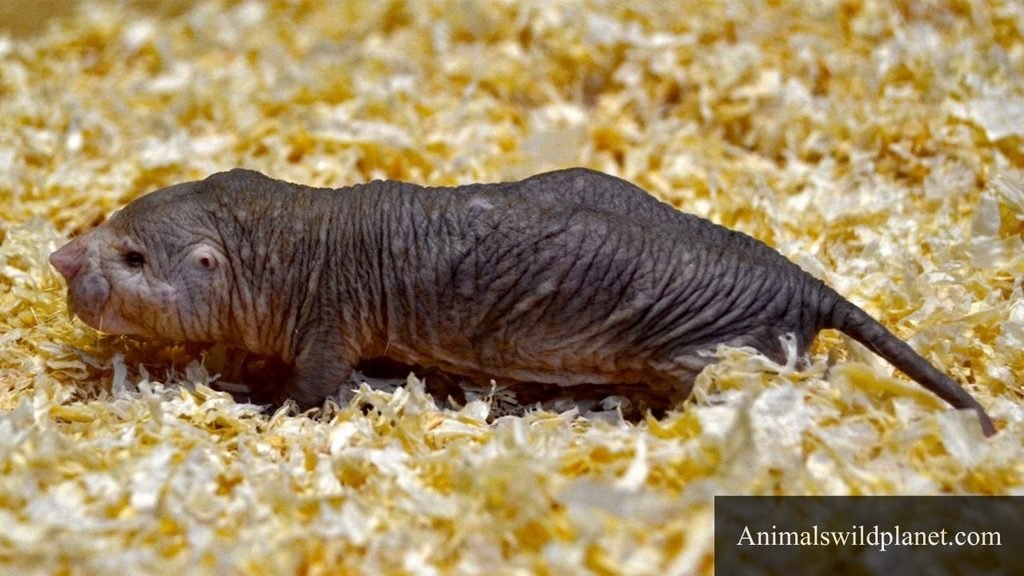
Moreover, mole rats possess specialized skills that are analogous to the cunning survival techniques of foxes. With their powerful front teeth, they can excavate hard soil, demonstrating a fortitude that parallels the fox’s ability to navigate diverse terrains. In contrast to the graceful agility of foxes, mole rats embody a different kind of resilience, thriving in harsh environments while showcasing a fascinating blend of strength and social cooperation that can inspire us to rethink the values of intelligence and adaptability in the animal world. This surprising kinship reminds us that even the most overlooked creatures have their own remarkable stories worth telling.
Dingoes
Scientific Name: Canis dingo
Class: Mammalia
Diet: Carnivore
Dingoes, often regarded as Australia’s wild canines, share a fascinating kinship with foxes, despite their differing environments. Unlike the cunning urban fox, dingoes thrive in the rugged outback, displaying a remarkable adaptability that allows them to hunt and scavenge across diverse terrains. Their vocalizations — a mix of howls, barks, and yips — create an enchanting soundscape that echoes the wildness of their habitat, reminiscent of the way foxes communicate in dense forests or city streets.
Both dingoes and foxes illustrate the evolution of cunning survival strategies. For instance, dingoes demonstrate an innate ability to work in packs, showcasing complex social behaviors similar to those seen in red fox families. They balance independence with cooperation, much like foxes, which often hunt solo while also forming familial networks. This duality enables them to thrive in varied ecosystems, reflecting the adaptability found across the canid family tree. In a world increasingly altered by human activity, both animals remind us of the resilience of nature and the cleverness required to navigate it.
Raccoon Dogs
Scientific Name: Nyctereutes procyonoides
Class: Mammalia
Diet: Omnivore
Raccoon dogs are a fascinating blend of characteristics that echo the cunning charm of foxes while presenting an allure all their own. Often mistaken for a blend between raccoons and dogs, these unique creatures showcase a robust, stocky body covered in thick fur, with a face that features the iconic raccoon mask, making them instantly recognizable. While they belong to the canid family, their behavior is intriguingly more omnivorous, resembling that of both a scavenger and a cunning hunter.

What sets raccoon dogs apart is their remarkable adaptability; they thrive in diverse habitats, from forests to urban landscapes. Their nocturnal lifestyle is reminiscent of a fox’s strategic hunting patterns, but raccoon dogs have a playful, inquisitive nature that leads them to explore and forage in their surroundings. This adaptability also gives them a unique advantage in the wild, allowing them to survive harsh winters by tapping into a broad diet of plant materials, insects, and small animals. As social creatures, they often form tight-knit family units, contrasting with the more solitary lifestyle of many fox species.
Skunks
Scientific Name: Mephitidae
Class: Mammalia
Diet: Omnivore
Skunks share surprisingly intriguing traits with foxes. Both creatures have a reputation for cunning and adaptability, allowing them to thrive in diverse environments. Just as foxes exhibit clever hunting techniques and resourcefulness, skunks showcase their intelligence through problem-solving behaviors, often raiding gardens and trash cans with remarkable dexterity. Their ability to navigate urban landscapes mirrors the fox’s skill in urban foraging, highlighting an unexpected kinship in their survival strategies.
Skunks possess a unique form of defense that sets them apart from their fox-like cousins. While foxes rely on stealth and agility to evade predators, skunks are armed with a potent spray that serves as a truly unforgettable deterrent. This chemical defense mechanism can be seen as a parallel to the way foxes use their speed and quick thinking to escape threats, illustrating how these animals have evolved distinctly yet similarly in the face of danger. Ultimately, the world of skunks reveals a fascinating layer of complexity that resonates with the traits we often admire in foxes, inviting us to appreciate the nuanced qualities of these seemingly disparate creatures.
Jackals
Scientific Name: Canis
Class: Mammalia
Diet: Omnivore
Jackals offer a fascinating glimpse into the adaptability and intelligence of canids. Much like foxes, jackals possess a striking combination of cunning and resourcefulness, enabling them to thrive in diverse environments ranging from savannas to deserts. Their social structures are particularly intriguing; unlike the often solitary fox, jackals may live in monogamous pairs or small family groups, which enhances their hunting efficiency and territorial defense.
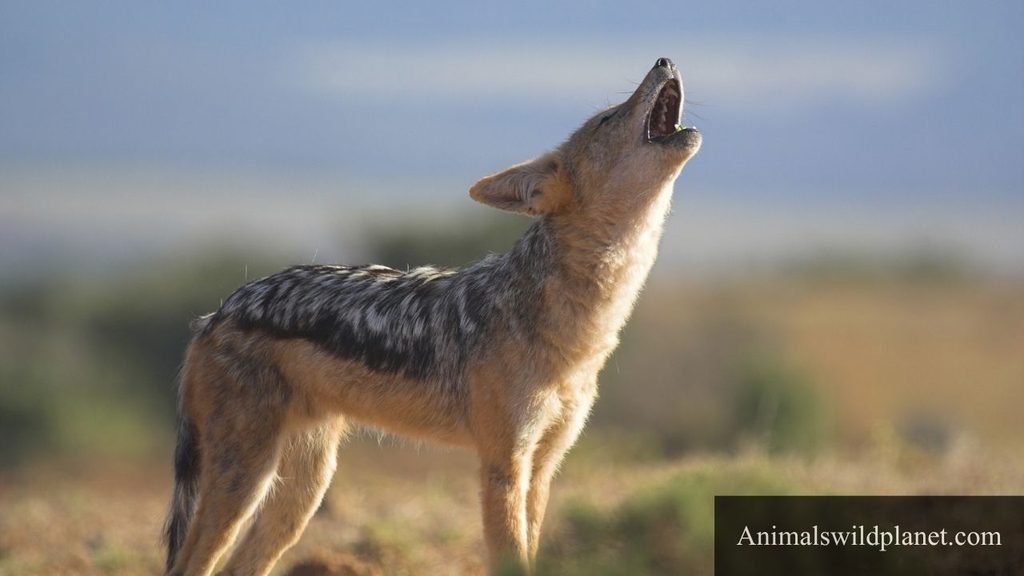
What sets jackals apart is their unique vocalization, which includes a variety of calls that communicate everything from territory claims to distress signals. This vocal complexity mirrors the adaptability often associated with foxes, showcasing an intricate social lives that rely heavily on communication. Jackals also exhibit opportunistic feeding habits, much like their fox cousins, scavenging when necessary, yet displaying remarkable hunting skills when the opportunity arises. Observing these creatures in their natural habitat can reveal just how closely related they are to foxes while still maintaining their distinctive character in the wild.
Cats
Scientific Name: Felis catus
Class: Mammalia
Diet: Carnivore
Cats and foxes share an intriguing kinship, blending elegance, cunning, and a playful spirit. Both are members of the family Canidae and Felidae, reminding us of their deep evolutionary roots. When you observe a cat lounging in a sunbeam or slinking stealthily through the grass, you can almost see the nimbleness of a fox hunting in the wild. Their movements, characterized by a fascinating mix of grace and agility, highlight an innate curiosity that drives both animals to explore their surroundings.
The social dynamics of cats can mirror those of foxes, especially in urban settings. While typically seen as solitary creatures, foxes can form tight-knit family units, similar to how house cats create social bonds with humans and other animals. Both species are adept at hiding their vulnerabilities; a cat may curl into a ball, embodying a mix of vulnerability and independence, just as a fox will quickly vanish into its environment, blending seamlessly with its surroundings. This duality makes them endlessly fascinating and emphasizing their shared traits fosters a deeper appreciation for the cunning charm they both exude.
Maned Wolf
Scientific Name: Chrysocyon brachyurus
Class: Mammalia
Diet: Omnivore
The maned wolf, often mistaken for a fox due to its long legs and slender build, is a captivating creature that defies simple categorization. While it boasts a striking appearance with its reddish fur and distinctive black markings, it resides in the grasslands and savannahs of South America, primarily in Brazil, Argentina, and Paraguay. What truly sets the maned wolf apart is its unique vocalization; it produces a haunting, high-pitched cry that can travel miles, not unlike the enigmatic calls of its canid cousins.
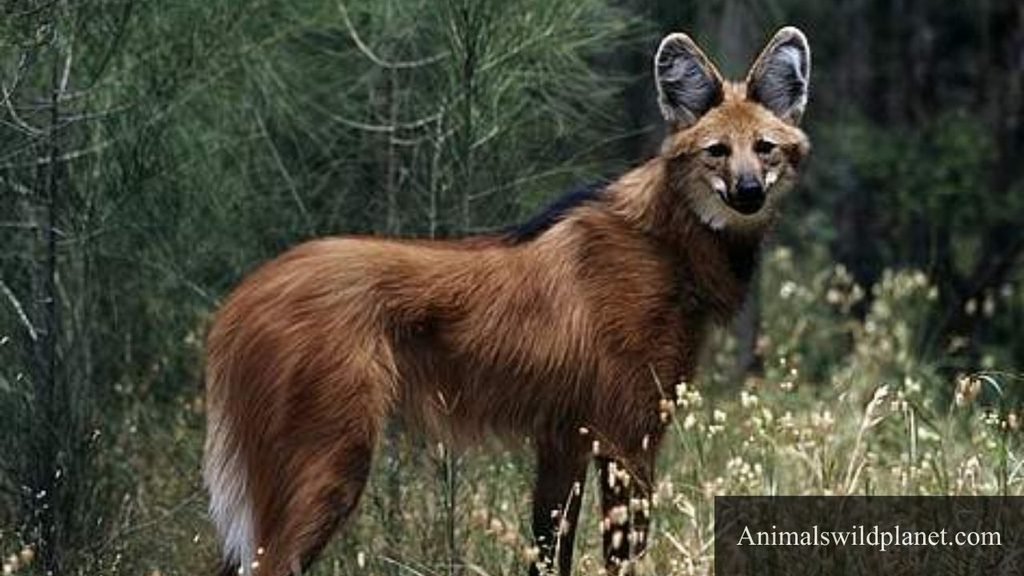
Beyond its aesthetic similarities to foxes, the maned wolf serves a crucial ecological role. As an omnivore, it feasts on a diverse diet, including fruits, small mammals, and insects, thereby maintaining a balance within its habitat. One of its most fascinating traits is its preference for the lobeira fruit, also known as the wolf apple. This symbiotic relationship not only nourishes the wolf but also aids in seed dispersal, illustrating how interconnected each species is in the ecosystem. Observing a maned wolf in the wild, one can’t help but appreciate how evolution has crafted such a unique creature that embodies both elegance and utility in the natural world.
Dholes
Scientific Name: Cuon alpinus
Class: Mammalia
Diet: Carnivore
Dholes, or Asiatic wild dogs, present a fascinating counterpart to foxes, despite their distinct lineage. These social canines thrive in packs, often showcasing remarkable teamwork during hunts, reminiscent of the clever strategies foxes employ solo. The dholes’ striking reddish-brown fur and large, expressive ears evoke an allure similar to that of a fox, but their size and behavior set them apart as formidable hunters in their own right.
What truly captivates is their vocal repertoire. Dholes communicate through a series of whistles, yelps, and chattering sounds, creating an intricate language that enhances pack cohesion — something foxes also employ through their varied vocalizations. Their adaptability shines through in diverse habitats, from forests to grasslands, reflecting an environmental flexibility that parallels the resourcefulness of foxes. Both animals share a unique blend of cunning and charm, appealing to those who are drawn to the wild intricacies of nature.
Margay
Scientific Name: Leopardus wiedii
Class: Mammalia
Diet: Carnivore
Margays, often overshadowed by their more famous feline relatives, are a captivating counterpart to the agile fox. Found primarily in the rainforests of Central and South America, these small wildcats exhibit an astonishing versatility in arboreal navigation. Their unique physiological traits, such as flexible ankle joints and long tails, allow them to effortlessly move through tree canopies, much like a fox navigating diverse terrains. This adaptation not only enhances their hunting capabilities but also reflects an intriguing parallel to how foxes, particularly the red fox, exploit various environments.
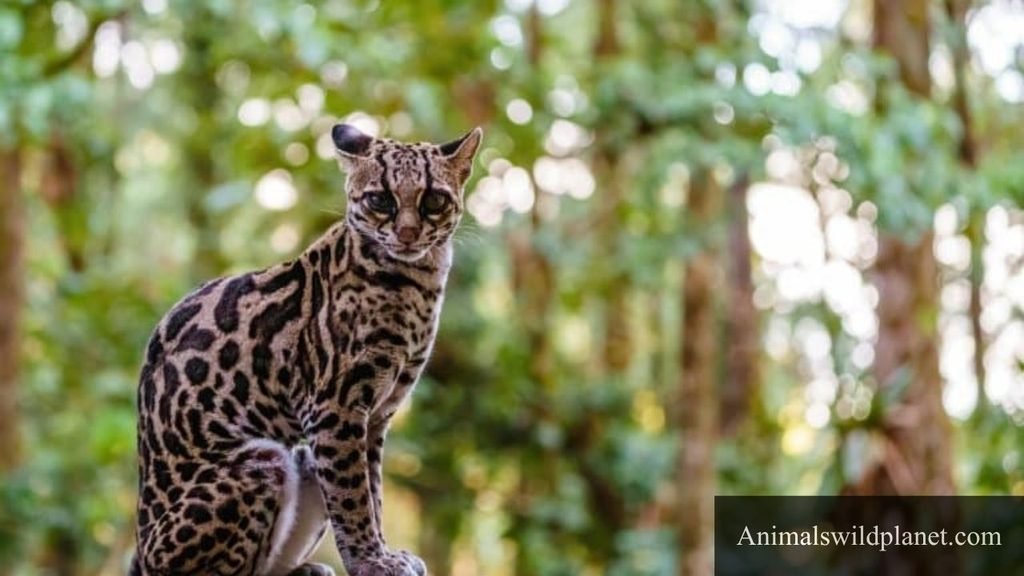
Moreover, margays display a fascinating behavioral adaptability reminiscent of foxes. While foxes are known for their cleverness and ability to thrive in urban settings, margays showcase similar resourcefulness in utilizing their surroundings for hunting. Their primary diet includes small mammals and birds, and they can even mimic the calls of their prey to lure them in. This cunning approach draws a compelling line of comparison with the cunning tactics employed by foxes, showcasing the remarkable intelligence shared by both species.
Wolves
Scientific Name: Canis lupus
Class: Mammalia
Diet: Carnivore
Wolves, often seen as the larger cousins of foxes, share a fascinating array of traits that highlight their cunning adaptability. Both species exhibit remarkable social structures, though wolves generally operate within the framework of tight-knit packs. This teamwork allows them to hunt efficiently and protect their territory, much like a family of foxes might collaborate to raise their kits and navigate their environment. The intelligence displayed by wolves in problem-solving can often parallel that of foxes when it comes to finding food and avoiding danger.
Wolves possess an extraordinary ability to communicate, utilizing an elaborate system of vocalizations, body language, and scents that strengthen their social bonds. This is reminiscent of the subtle ways foxes interact with one another through their unique vocalizations and pheromones, revealing a rich tapestry of social behavior often overlooked. Both animals exemplify adaptability; wolves thrive in diverse ecosystems, from forests to tundras, showcasing their versatility akin to the resilient fox making its home across urban and wild landscapes alike. Exploring these connections enriches our understanding of these enigmatic creatures and the roles they play in their respective ecosystems.
Civets
Scientific Name: Viverridae
Class: Mammalia
Diet: Omnivore
Civets possess a captivating blend of charm and mystery. These nocturnal mammals, found primarily in tropical forests, boast striking facial features reminiscent of a small feline, yet their behavior and adaptability showcase their unique ecological niche. Unlike foxes, civets are tree-dwellers, expertly navigating the canopy with their agile bodies, allowing them to evade predators and forage for fruits, insects, and small vertebrates.
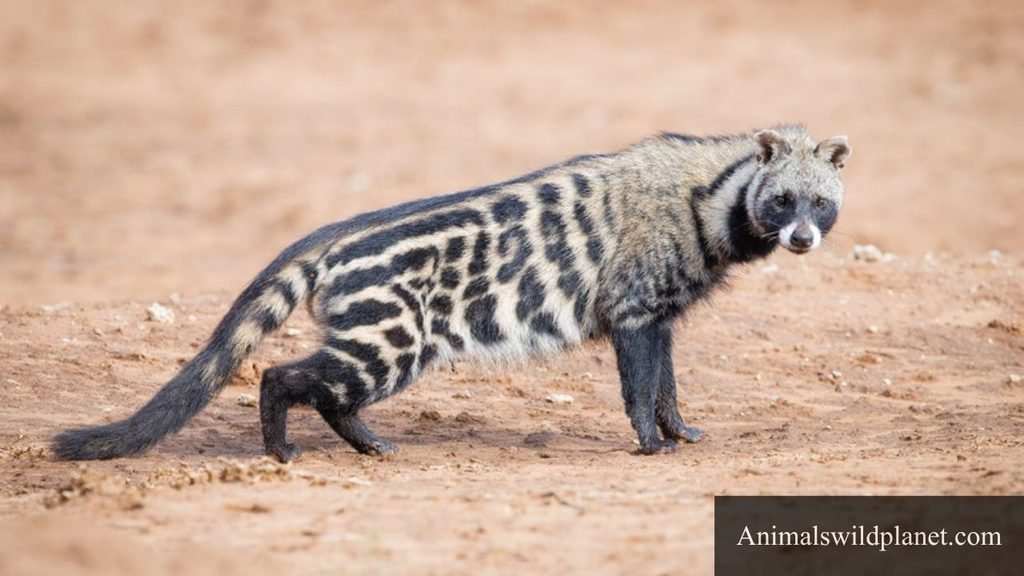
One of the most fascinating aspects of civets is their role in the ecosystem as seed dispersers. By consuming various fruits and then excreting the seeds intact, they facilitate the growth of numerous tree species, contributing to the health and diversity of their habitats. Moreover, civets are integral to the coffee industry; the beans of civet coffee are passively fermented in their digestive systems, leading to a sought-after, distinctive flavor. This connection to coffee illustrates how intricately woven civets are into human culture and economy, echoing the adaptability that both foxes and civets embody in their respective domains.
Domestic Dogs
Scientific Name: Canis lupus familiaris
Class: Mammalia
Diet: Omnivore
Domestic dogs share surprising similarities with their wild cousins, including foxes. Both species exhibit playful yet cunning traits, stemming from their need to adapt and survive in various environments. Just like foxes, many dog breeds are known for their agility and intelligence, making them adept problem solvers. Breeds like the Shiba Inu and the Finnish Spitz, with their bushy tails and keen facial expressions, often evoke images of their fox relatives, showcasing an air of unpredictability and charm.
The social dynamics of both dogs and foxes reveal intriguing parallels. Foxes, typically solitary or in small family units, mirror the pack mentality found in many dog breeds, which thrive on social interaction and play. This shared trait highlights the importance of community and companionship in their respective lives, whether in the wild or as beloved pets. Exploring these connections invites us to appreciate not just the physical similarities but also the nuanced behaviors that make both domestic dogs and foxes captivating creatures in their own right.
Raccoon
Scientific Name: Procyon lotor
Class: Mammalia
Diet: Omnivore
Raccoons, often seen as the mischievous bandits of the animal kingdom, share several intriguing traits with their fox-like counterparts. Much like foxes, these clever creatures are proficient navigators of urban and rural landscapes, exhibiting remarkable adaptability. Their dexterous front paws allow them to manipulate objects with surprising precision, much like how a fox might skillfully hunt or dig. This nimbleness enables raccoons to explore their surroundings with a level of curiosity that rivals their vulpine relatives.

Both animals are masters of resourcefulness, finding sustenance in diverse environments. While foxes often hunt small mammals or forag for berries, raccoons take a more opportunistic approach, rummaging through garbage cans and scouring riverbanks for food. This scavenging behavior reveals their intelligent problem-solving skills; raccoons are known to learn from experience and even observe human actions to strategize their next bold move. Moreover, their nocturnal habits draw another parallel, as both foxes and raccoons thrive under the cloak of night, mastering the art of stealth to avoid predators and maintain their positions at the top of the food chain.
Readmore: Explore Top 15 Animals With No Tails.
Final Thoughts
The world of animals similar to foxes is as diverse as it is fascinating. From the clever and adaptable raccoon to the agile and elusive coyote, these creatures share traits that allow them to thrive in various environments. Each of these animals contributes uniquely to their ecosystems, showcasing the beauty of nature’s design.
Understanding and appreciating these close relatives can deepen our connection to wildlife and the importance of biodiversity. Let’s continue to explore and protect these remarkable animals and their habitats for generations to come.
FAQs
What animal looks like a fox but isn’t a fox?
One animal that resembles a fox but isn’t actually a fox is the fennec fox. With its large ears and small size, it has a distinctly fox-like appearance but belongs to a different category within the Canidae family. Native to the Sahara Desert, its adaptations help it survive extreme heat and low water availability.
What animals are related to a fox?
Foxes belong to the Canidae family, which includes a range of other animals. Closest relatives include wolves, coyotes, and domestic dogs. They all share a common ancestor and exhibit similar social structures and behaviors. Beyond the Canidae family, foxes are distantly related to animals like raccoons and bears, which belong to different families within the order Carnivora.