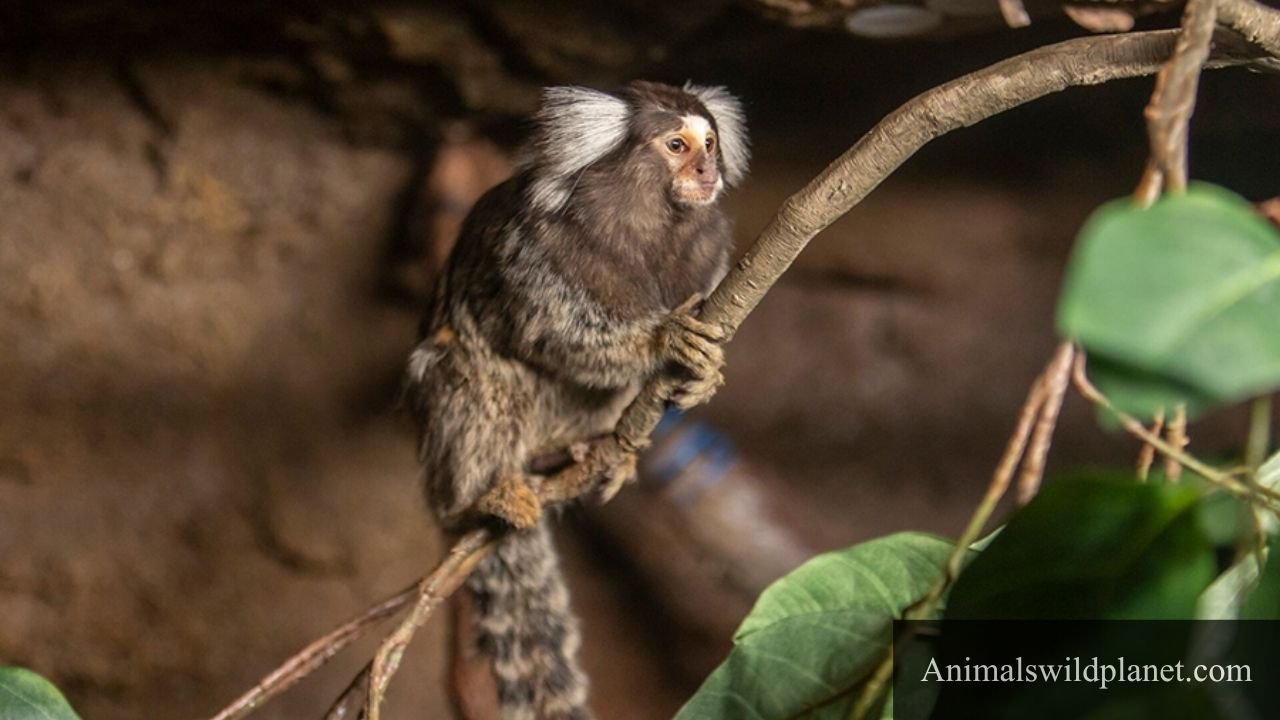
Top 13 Small Monkey Breeds in The World (With Pictures)
Small monkey breeds in the world surprise us with their playful antics and charming appearances. As you delve into this article, you’ll learn about the differing lifestyles, habitats, and behaviors of these tiny primates. With insights into their role in ecosystems and their conservation status, you’ll gain a newfound appreciation for these remarkable creatures.
List of Small Monkey Breeds in The World
Here is the list of small monkey breeds:
| Number of Monkeys | Names of Small Monkey Breeds |
| 1 | Pygmy Marmoset |
| 2 | Squirrel Monkey |
| 3 | Night Monkey |
| 4 | Graells’s Tamarin |
| 5 | Dusky Titi |
| 6 | Golden Lion Tamarin |
| 7 | Tarsiers |
| 8 | Common Marmoset |
| 9 | Talapoin Monkey |
| 10 | Silvery Marmoset |
| 11 | Capuchin Monkey |
| 12 | Cotton‑Top Tamarin |
| 13 | Red-handed Tamarin |
Pygmy Marmoset
Scientific name: Cebuella pygmaea
The Pygmy Marmoset, the tiniest primate in the world, is a marvel of nature, measuring just about 5 inches long and weighing around 3.5 ounces. Beyond their petite stature, these little furballs boast incredible agility, often leaping between branches in their rainforest habitats with astonishing precision. Their bright eyes and expressive faces make them irresistibly charming, and they have a social structure that revolves around strong familial bonds, often traveling in small family groups. This tight-knit community dynamic showcases a level of social intelligence that many may not associate with such tiny creatures.
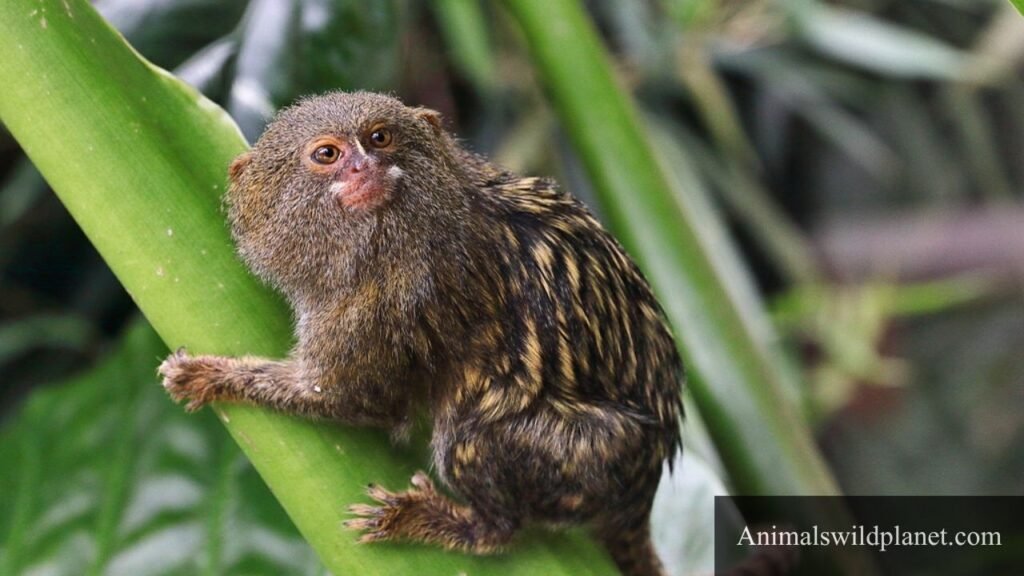
Interestingly, Pygmy Marmosets play a crucial role in their ecosystems as seed dispersers, aiding in the growth of various plant species. While they primarily feed on insects and tree sap, their foraging behavior contributes to the health of their rainforest home. However, despite their captivating traits, Pygmy Marmosets face numerous challenges due to habitat destruction and the exotic pet trade. Advocating for their conservation isn’t merely about saving a species; it’s about preserving the intricate web of life they support. Engaging with these amazing primates can inspire a deeper understanding of biodiversity and the delicate balance of ecosystems, reminding us that even the smallest creatures play a pivotal role in our planet’s health.
Squirrel Monkey
Scientific name: Saimiri sciureus
Size: 25–37 cm
Weight: 550–1,100 g
The squirrel monkey, with its striking yellow and gray fur, is a bundle of energy and curiosity. Found predominantly in the lush rainforests of Central and South America, these small primates thrive in social groups which can number up to 500 individuals. Their vocalizations and playful antics contribute to their dynamic, tight-knit communities, making them one of the most fascinating species to observe in the wild. One unique aspect of their behavior is their ability to adapt their diet based on seasonal availability, displaying an impressive intelligence that goes beyond mere survival instincts.
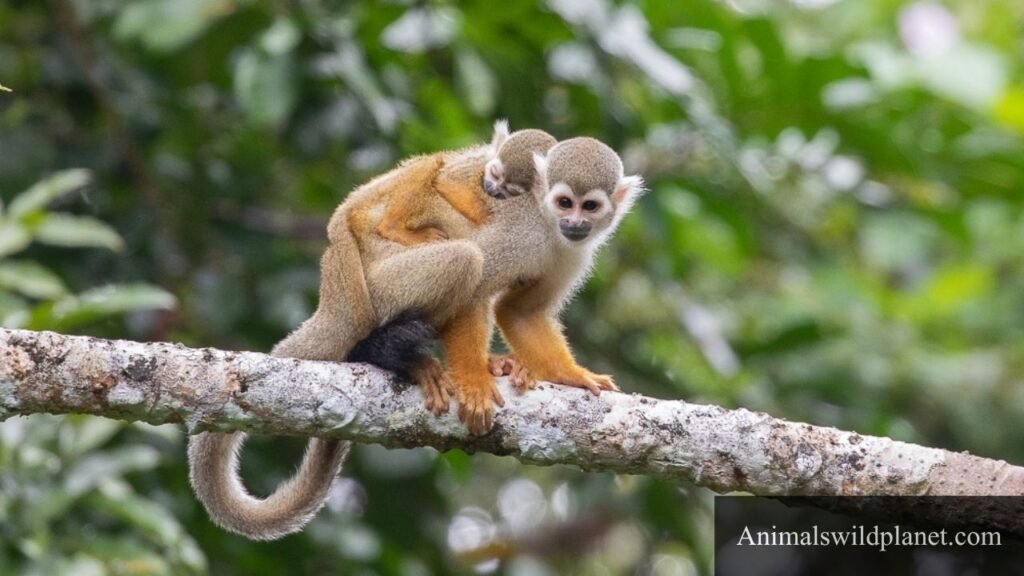
Captivating not only for their vibrant personalities but also for their role in the ecosystem, squirrel monkeys play a critical part in seed dispersal. As they feast on a variety of fruits, seeds, and insects, they inadvertently contribute to the growth of new plants, highlighting their importance in maintaining biodiversity. Their small size, agile movements, and quick reflexes make them adept at navigating the forest canopy, where they skillfully evade predators while foraging for food. For those seeking a pet, however, it’s essential to consider the social needs of squirrel monkeys; they thrive in an environment where they can engage with others of their kind. Their lively nature demands not just care but also companionship, emphasizing the intricate balance of their domestic and wild lives.
Night Monkey
Scientific name: Aotus nancymaae
Size: 24–37 cm
Weight: 450–1,250 g
The Night Monkey stands out as one of the most intriguing primates in the small monkey category due to its nocturnal lifestyle and exceptional adaptability. With its large, expressive eyes, this little creature is perfectly designed for life in the darkness, allowing it to navigate the dense forests of Central and South America with remarkable agility. Unlike many primates that thrive in daylight, Night Monkeys are social creatures that engage in playful, harmonious interactions under the moonlight, challenging our conventional understanding of adaptability in the animal kingdom.
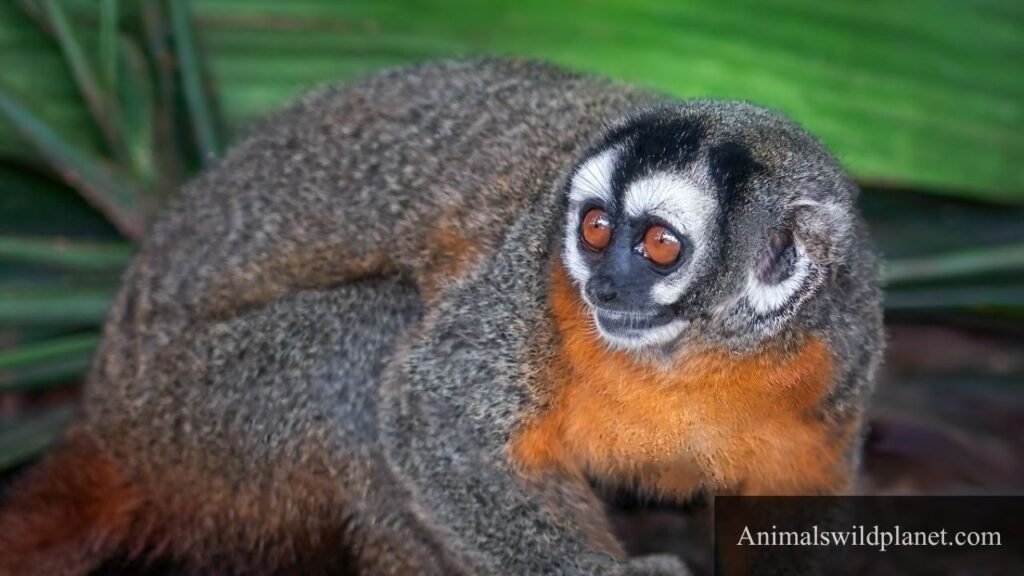
These small monkeys are also fascinating for their unique mating habits and familial structures. Traditionally, they exhibit monogamous pair bonding, sharing responsibilities in raising their young, which is a rarity among primates. This cooperative breeding not only ensures the survival of their offspring but also strengthens the social fabric of their groups. The Night Monkey’s intriguing behaviors and their pivotal role in their ecosystems, such as seed dispersal and maintaining forest health, invite us to delve deeper into the interconnectedness of nocturnal wildlife and the delicate balance of biodiversity.
Graells’s Tamarin
Scientific name: Saguinus graellsi
Weight: 400–500 g
Graells’s Tamarin is a marvel of nature, often overshadowed by its more popular primate relatives. Native to the lush forests of Bolivia, these small monkeys, measuring only about 9 to 11 inches in length, sport striking golden-orange fur coupled with a distinctive black mask-like face. Their appearance is undeniably captivating, but beneath their charming exterior lies a unique social structure and behavioral complexity that is just as intriguing.
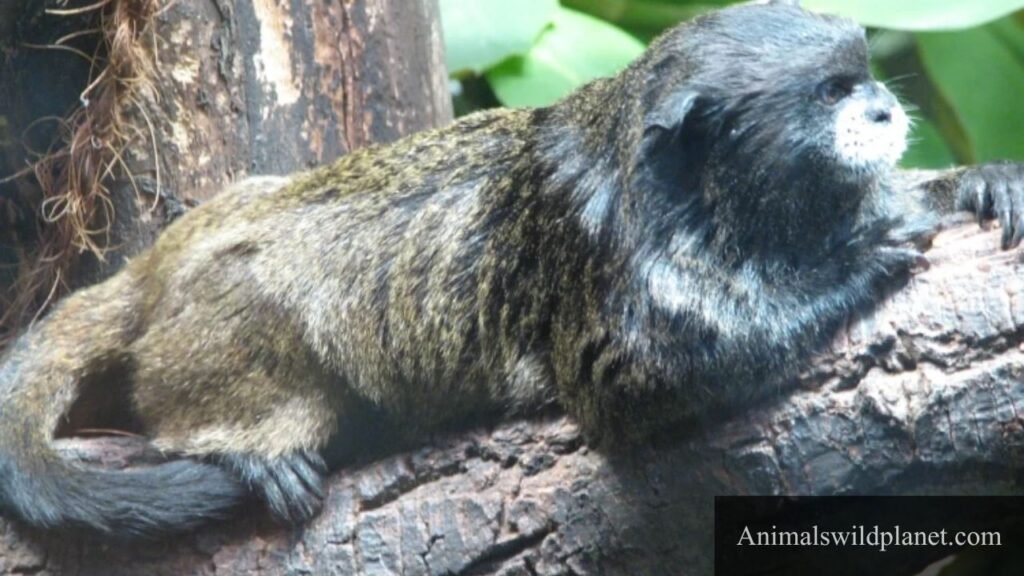
These tamarins thrive in tightly-knit family units, displaying remarkable levels of cooperation. They engage in vocalizations that are surprisingly varied, allowing them to coordinate their foraging and alert each other to potential threats. This communication is pivotal for their survival, especially in a habitat characterized by both abundance and competition. As the biodiversity of their rainforest home diminishes, Graells’s Tamarins face growing threats, making conservation efforts crucial to ensuring their continued existence.
Beyond their ecological importance, Graells’s Tamarins serve as a reminder of the delicate balance within ecosystems. Their interactions with other species, such as seed dispersers, highlight the interconnectedness of life in their habitat. Protecting this enchanting species goes beyond preserving a single creature; it’s about maintaining the vibrant tapestry of life from which they emerge.
Dusky Titi
Scientific name: Plecturocebus moloch
Size: 28–39 cm
Weight: 850–1,200 g
Dusky Titi monkeys, with their stunning slate-grey fur and expressive eyes, are a hidden gem in the world of small monkey species. Native to the lush forests of South America, these social primates thrive in family groups, often seen cuddling and grooming one another. Their tight-knit bonds highlight the importance of social structures in the wild, as they work together to forage for fruits, seeds, and leaves — showcasing their adaptability to various habitats.
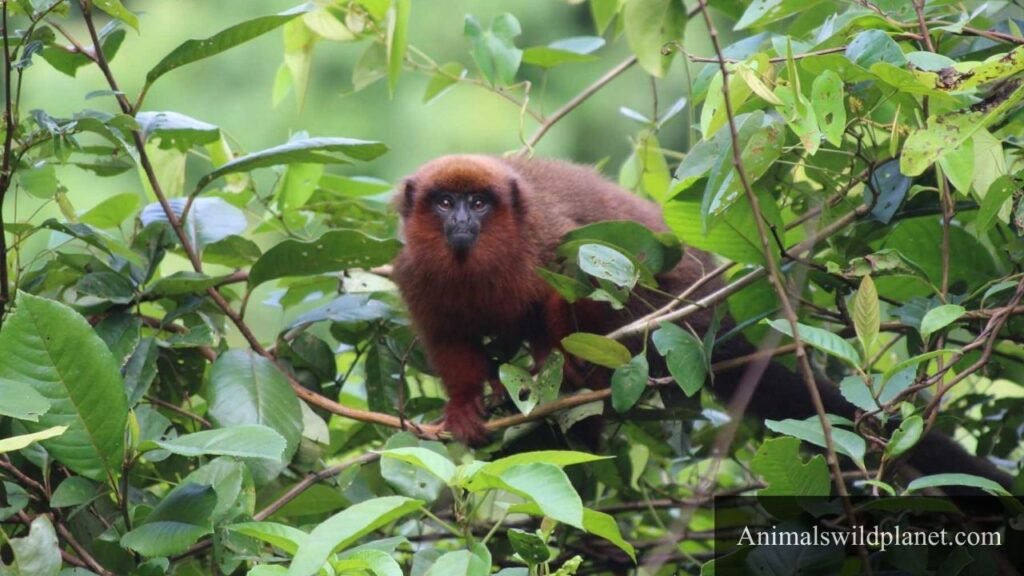
What sets the Dusky Titi apart is its unique vocal communication. They engage in a delightful symphony of calls, which not only helps to maintain group cohesion but also serves as a means to deter potential threats. Their playful interactions and complex social behaviors offer a fascinating glimpse into the intelligence of primates, reminding us of the emotional richness found in the animal kingdom. Furthermore, with ongoing habitat loss due to deforestation, the Dusky Titi serves as a poignant reminder of the delicate balance between human activities and wildlife conservation, urging us to appreciate and protect these remarkable creatures.
Golden Lion Tamarin
Scientific name: Leontopithecus rosalia
Size: 20–34 cm
Weight: 480–800 g
The Golden Lion Tamarin, a striking small monkey native to the lush forests of Brazil, is renowned for its vibrant golden-orange fur that glistens in the dappled sunlight. But beyond its undeniable beauty lies a fascinating social structure that captivates researchers and primate enthusiasts alike. Living in small family groups, these monkeys exhibit complex social behaviors, including cooperative child-rearing and intricate vocalizations to maintain group cohesion. Observing their interactions can provide us with profound insights into the evolution of social structures in primates.
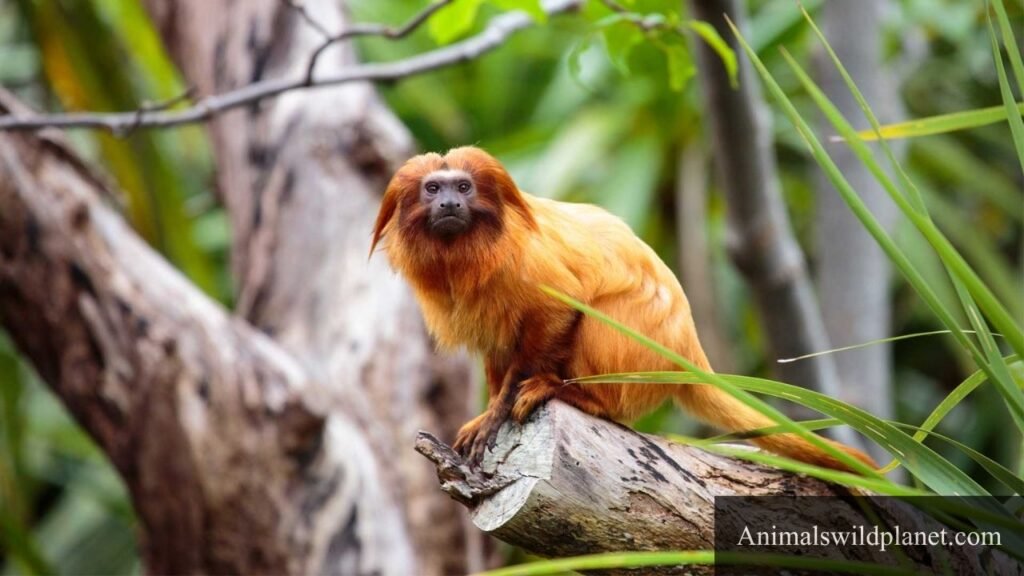
Beyond their striking appearance, Golden Lion Tamarins play a crucial role in their ecosystem as seed dispersers, helping to maintain the health and diversity of their forest habitat. Sadly, their habitat is threatened by deforestation, making conservation efforts essential. Organizations are actively working on reforestation and breeding programs, demonstrating how community involvement can lead to successful preservation strategies. The ongoing efforts to protect these charming creatures remind us of the interconnectedness of all species and the importance of safeguarding natural habitats for the future of our planet.
Tarsiers
Scientific name:
Size: 9–16 cm
Weight: 80–160 g
Tarsiers, some of the smallest primates in the world, are captivating creatures that challenge our understanding of primate evolution. With their oversized eyes, which can be as large as their brains, these nocturnal animals exhibit a unique adaptation for life in the shadows of Southeast Asia’s dense forests. Unlike many other primates, tarsiers possess the ability to rotate their heads nearly 180 degrees, allowing them to scan their environment silently and efficiently. This remarkable flexibility paired with acute nocturnal vision makes them expert hunters, primarily feeding on insects and small vertebrates.
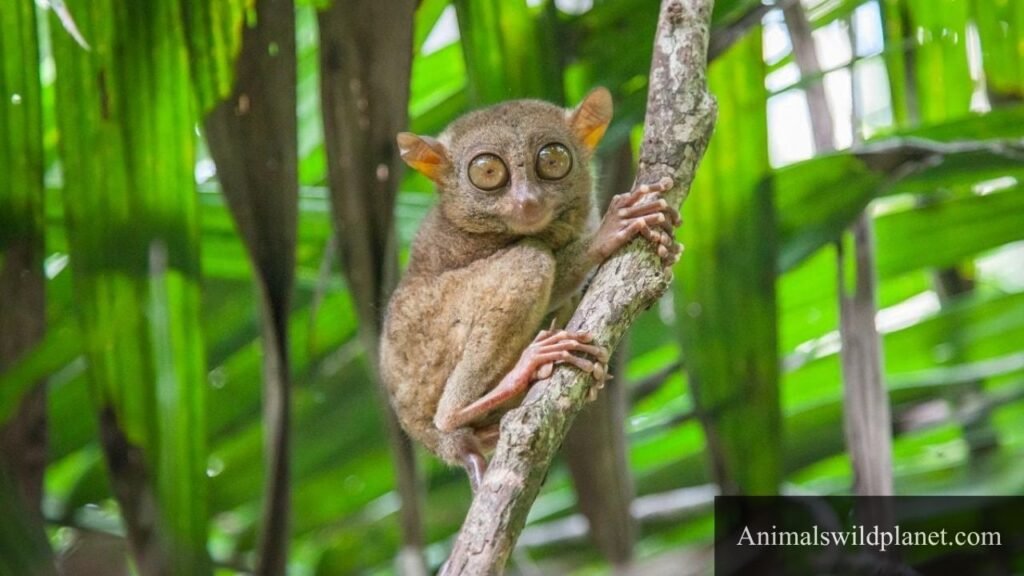
Socially, tarsiers lead a fascinating lifestyle. They generally live in small, vocal family units that communicate through a series of distinct calls, which is crucial for maintaining their bonds in dense, foliage-filled habitats. Their small size and elusive nature have often rendered them vulnerable to habitat destruction, making conservation efforts critical.
Common Marmoset
Scientific name: Callithrix jacchus
Size: 18–29 cm
The Common Marmoset, often referred to as the “pocket monkey,” is a small primate that captivates both pet enthusiasts and researchers alike. Weighing in at just about 1 pound, these tiny creatures are not only adorable but also possess a complex social structure that mirrors human communities in fascinating ways. Their ability to communicate through a diverse array of chirps and trills showcases a level of sophistication in social interaction that goes beyond mere vocalization, hinting at an advanced emotional landscape and group cohesion.
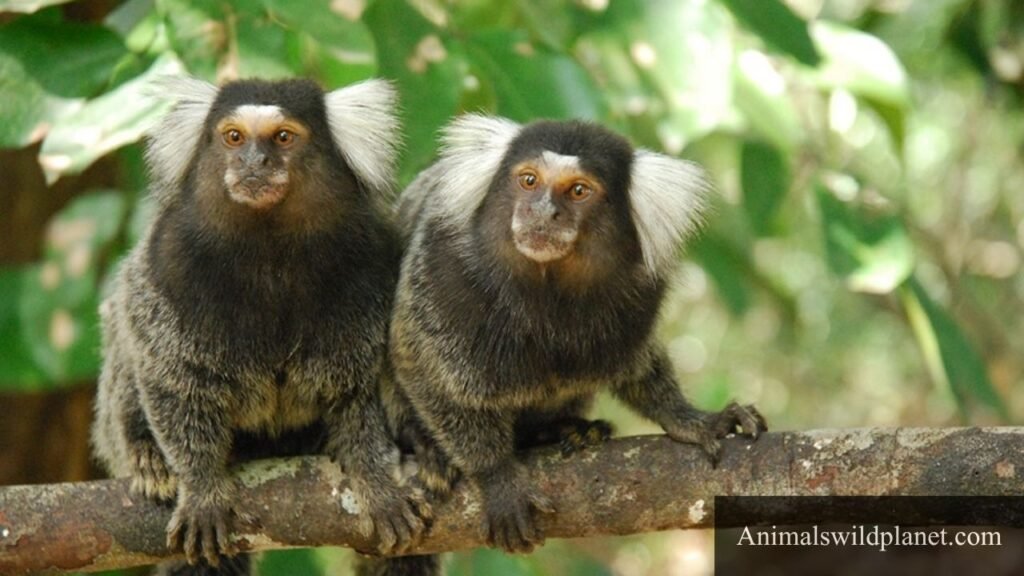
Moreover, the Common Marmoset’s diet, primarily consisting of insects and tree sap, highlights their unique role in their ecosystem as important pollinators and seed dispersers. This ecological significance raises intriguing questions about their conservation, especially as their habitats face increasing threats from deforestation and urban development.
In captivity, their playful nature and intelligence make them a joy to observe, but potential owners must realize that these little primates require ample social interaction and mental stimulation, reflecting their natural behaviors. As we learn more about these remarkable beings, it becomes clear that understanding their needs and environment is crucial not only for their well-being but also for the preservation of the ecosystems they inhabit.
Talapoin Monkey
Scientific name: Miopithecus talapoin
Size: 32–45 cm
The Talapoin monkey, often considered one of the smallest primates in Africa, captures the imagination with its nimble agility and vibrant personality. Indigenous to the dense tropical forests of Central Africa, these monkeys typically weigh between 1.5 to 3.5 pounds, making them both adorable and incredibly elusive. Their striking coat, a blend of olive green and brown, camouflages them in the foliage, aiding their survival against predators. This mastery of disguise allows the Talapoin to thrive in the wild, where they primarily rely on a diet of fruits, leaves, and insects.
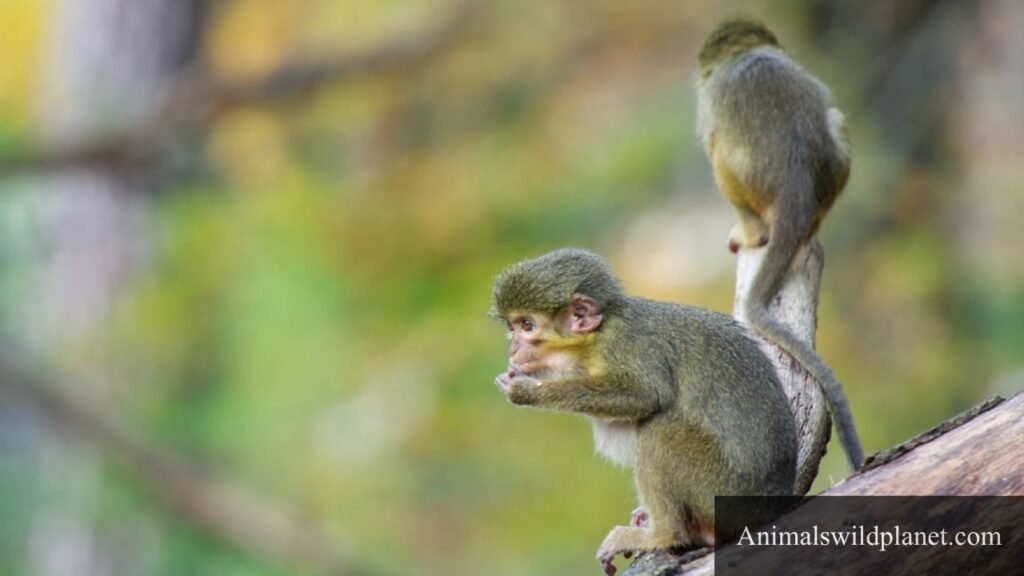
What truly sets the Talapoin apart is their intricate social structure. Living in small, tight-knit groups, they communicate through a series of complex vocalizations and subtle body language. These interactions boost their adaptive skills, fostering both individual growth and community bonding. Interestingly, researchers have observed how these monkeys display remarkable problem-solving abilities, demonstrating an unexpected level of intelligence among small primates.
Silvery Marmoset
Scientific name: Mico argentatus
Size: 20–28 cm
Weight: 300–450 g
The Silvery Marmoset, an enchanting small monkey breed native to the Atlantic Forest of Brazil, is a marvel of adaptation and community. Clad in a soft, silvery fur that shimmers under sunlight, these pint-sized primates embody a unique blend of charm and agility. Beyond their striking appearance, Silvery Marmosets exhibit fascinating social structures, typically living in family groups that centralize around cooperative breeding. This social dynamic not only enhances their survival in the wild but also fosters strong familial bonds, showcasing a collective lifestyle rarely seen in the animal kingdom.
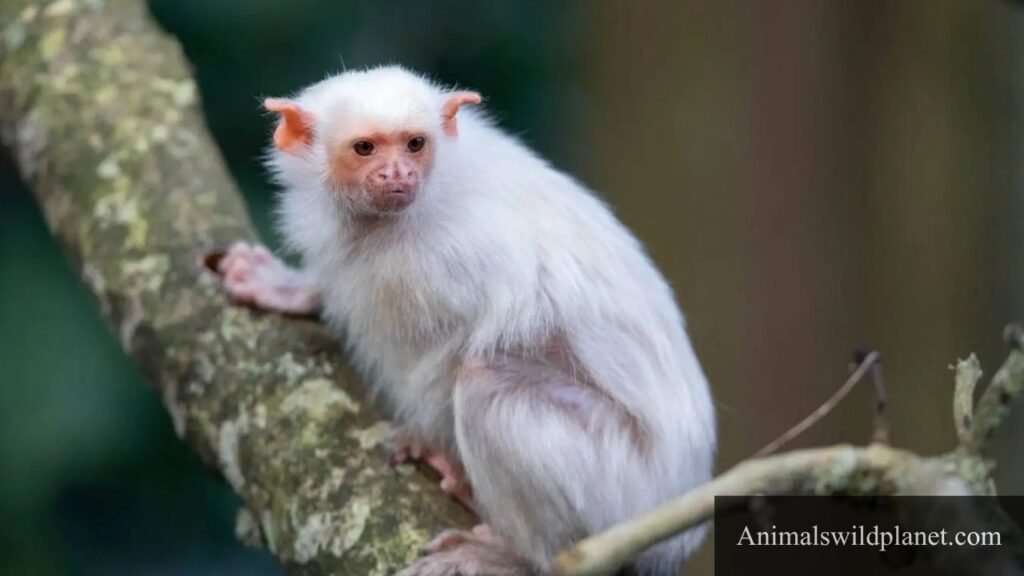
What truly sets the Silvery Marmoset apart is its specialized diet, primarily consisting of tree sap, fruits, and insects. Their remarkable adaptation to extract tree sap has led to unique dental formations, such as sharp incisors, allowing them to efficiently access the sugary nourishment. This skill, coupled with their keen foraging techniques, underscores the intricate relationship these monkeys maintain with their environment. Observing them interact within their families and forage expertly evokes a sense of wonder about the complexities of animal intelligence and the delicate balance of ecosystems, reminding us of the importance of conservation efforts to protect these captivating creatures.
Capuchin Monkey
Scientific name: Cebus capucinus
Size: 30–56 cm
Weight: 2.5–4.8 kg
Capuchin monkeys, with their expressive faces and captivating intelligence, have long been beloved in popular culture and human companionship. Originating from Central and South America, these small primates are easily recognizable by their distinctive coloration: a cream-colored body and a dark, cap-like crown on their heads. Beyond their charming appearance, capuchins exhibit remarkable problem-solving abilities and dexterity, often using tools in the wild. This intelligence makes them not only fascinating to observe but also particularly challenging as pets, requiring environments rich in mental stimulation and social interaction.
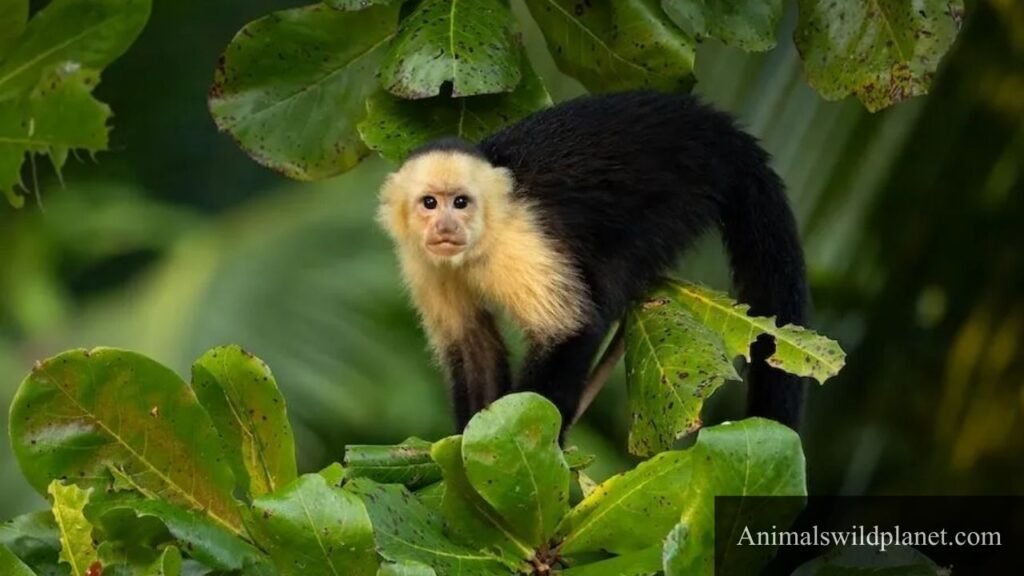
Moreover, capuchin monkeys boast an intricate social structure that thrives on teamwork and communication. In the wild, they exhibit cooperative behaviors, such as grooming and sharing food, which strengthens community bonds and enhances their survival skills. This instinctual inclination toward teamwork can offer insights into our own human dynamics, emphasizing the importance of social cooperation in achieving common goals.
Cotton‑Top Tamarin
Scientific name: Saguinus oedipus
Size: 21–26 cm
Weight: 350–570 g
The Cotton-Top Tamarin, with its striking white mane and vibrant personality, is a miniature marvel of the primate world. Native to the lush rainforests of Colombia, this small monkey breed thrives in social groups, showcasing an intricate web of relationships that emphasizes cooperation and communication. Their ability to use a range of vocalizations highlights a unique complexity, allowing them to convey emotions and alerts, thus reinforcing community ties.
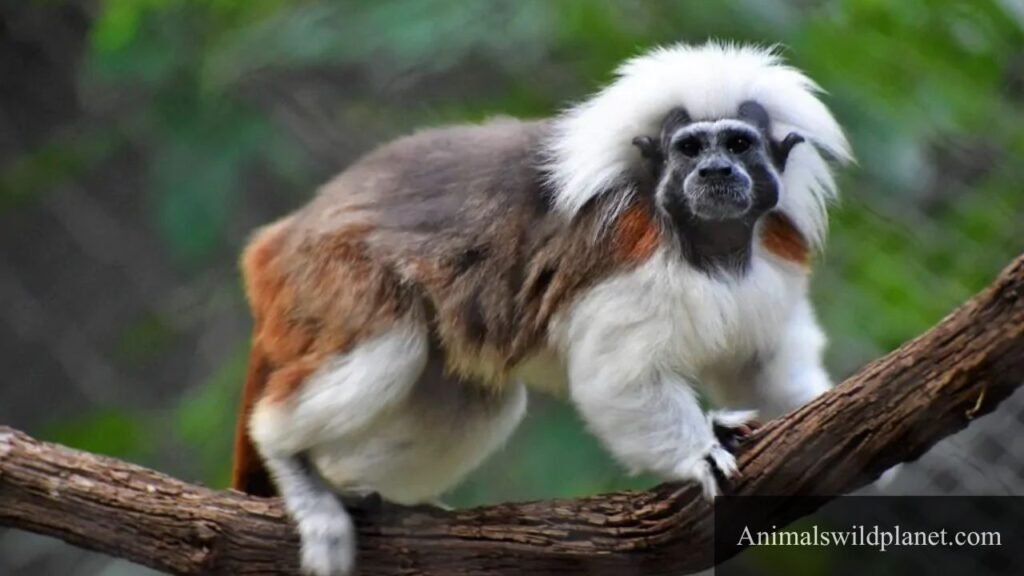
Beyond their charming appearance and social dexterity, Cotton-Top Tamarins play a vital role in their ecosystem, contributing to seed dispersal and forest regeneration. Their foraging habits not only aid in maintaining the biodiversity of their habitat but also serve as a reminder of the interconnectedness of species within the rainforest. Unfortunately, these enchanting primates face habitat loss due to deforestation and the pet trade, prompting urgent conservation efforts. Engaging with their plight encourages a deeper appreciation for the delicate balance of nature and the critical role even the smallest creatures play in maintaining it.
Red-handed Tamarin
Scientific name: Saguinus midas
Size: 20–28 cm
Weight: 400–550 g
The red-handed tamarin, with its striking reddish-brown limbs and vibrant personality, is a true gem among small monkey breeds. These agile primates, native to the tropical rainforests of South America, are not just visually captivating; they possess a fascinating social structure. Living in small family groups, often comprising just a few adults and their offspring, red-handed tamarins thrive on cooperation, utilizing vocalizations to maintain cohesion and alert one another to potential threats.
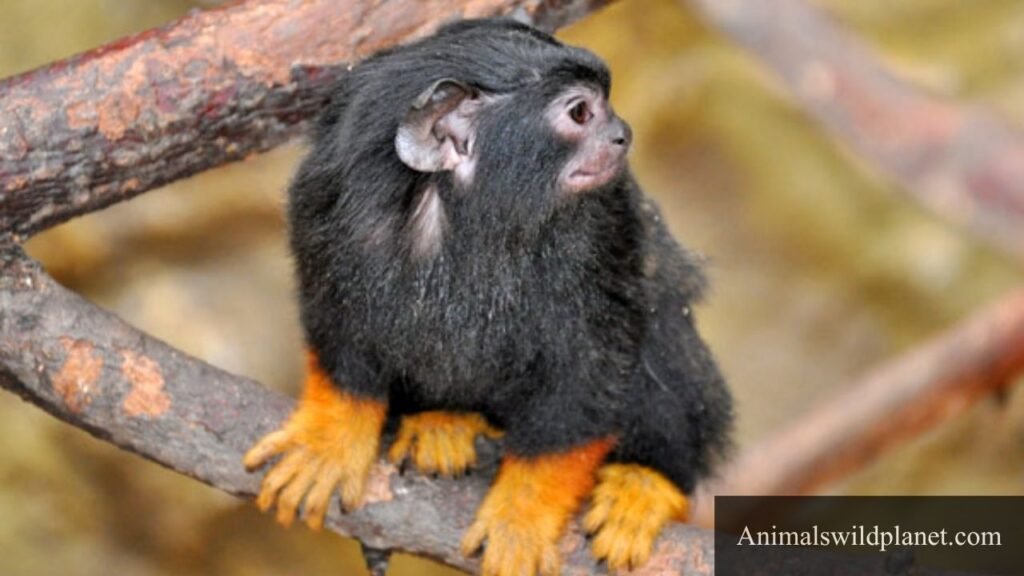
What truly sets the red-handed tamarin apart is its adaptability in the wild. Unlike many other species, which may rely heavily on specific food sources, these nimble creatures exhibit an impressive omnivorous diet that includes fruits, insects, and small vertebrates. This dietary flexibility not only aids their survival in fluctuating environments but also highlights their role as important seed dispersers, contributing to the health of their ecosystem.
Readmore: Explore Top 21 Skinny Animals in The World.
Conclusion
Small monkey breeds offer a fascinating glimpse into the diversity and adaptability of primate species. From the lively Pygmy Marmoset to the playful Tamarins, these charming creatures capture the hearts of many with their unique behaviors and social structures. Understanding their habitats and conservation needs is crucial for ensuring their survival in the wild. As we appreciate the role these small monkeys play in their ecosystems, we must also advocate for responsible ownership and habitat preservation. Let’s commit to protecting these delightful animals for future generations.
FAQs
What is the smallest monkey in the world?
The smallest monkey in the world is the pygmy marmoset. Native to the Amazon rainforest, these tiny primates weigh around 3.5 ounces and measure about 5 to 6 inches in length, excluding their long tails. Pygmy marmosets are known for their playful nature and impressive agility, often seen jumping between tree branches in their lush habitat.
What is the smallest best pet monkey breed?
When considering the best pet monkey breed, the capuchin monkey often tops the list. Capuchins are known for their intelligence and playful nature, making them engaging companions. They can learn tricks and perform tasks, which can be entertaining for both the monkey and its owner. However, they require substantial social interaction and mental stimulation.