Top 15 Animals That Eat Rabbits (With Images)
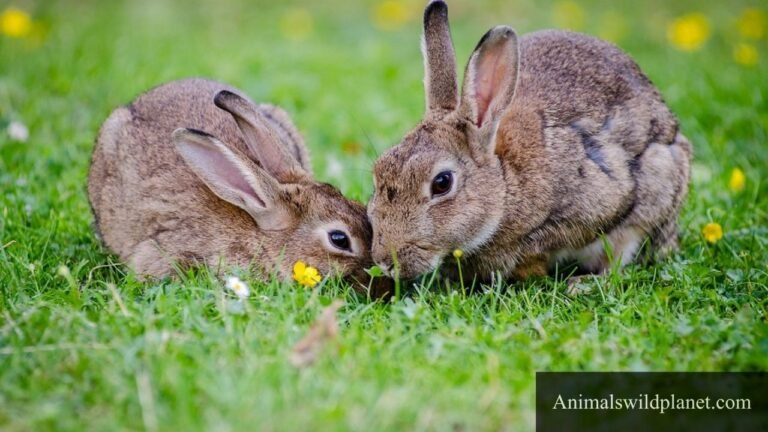
In our exploration of Animals That Eat Rabbits, we’ll uncover the surprising creatures that rely on these seemingly harmless animals for survival. Understanding this predator-prey relationship is crucial for appreciating the balance of our ecosystems. By the end of this article, you’ll discover not only who these predators are but also their roles in maintaining nature’s delicate equilibrium.
List of Animals That Eat Rabbits
Here is the list of animals that eat rabbits:
| Number of Animals | Names of Animals That Eat Rabbits |
| 1 | Golden Eagle |
| 2 | Weasel |
| 3 | Bears |
| 4 | Red-tailed Hawk |
| 5 | Feral Cat |
| 6 | Eurasian Lynx |
| 7 | Foxes |
| 8 | Great Horned Owl |
| 9 | Coyotes |
| 10 | Ferrets |
| 11 | Bobcat |
| 12 | Wolves |
| 13 | Snakes |
| 14 | Badgers |
| 15 | European polecat |
Golden Eagle
Scientific Name: Aquila chrysaetos
Class: Aves
The golden eagle, a majestic predator soaring high above the terrain, exemplifies nature’s intricate balance. With a wingspan that can reach up to seven feet, these raptors exhibit both grace and power as they navigate the open skies searching for prey. Their keen eyesight allows them to spot a rabbit from a distance, sometimes over a mile away, demonstrating their remarkable hunting prowess. When they dive, they can reach speeds of over 150 miles per hour, transforming the chase into a breathtaking spectacle of agility and precision.
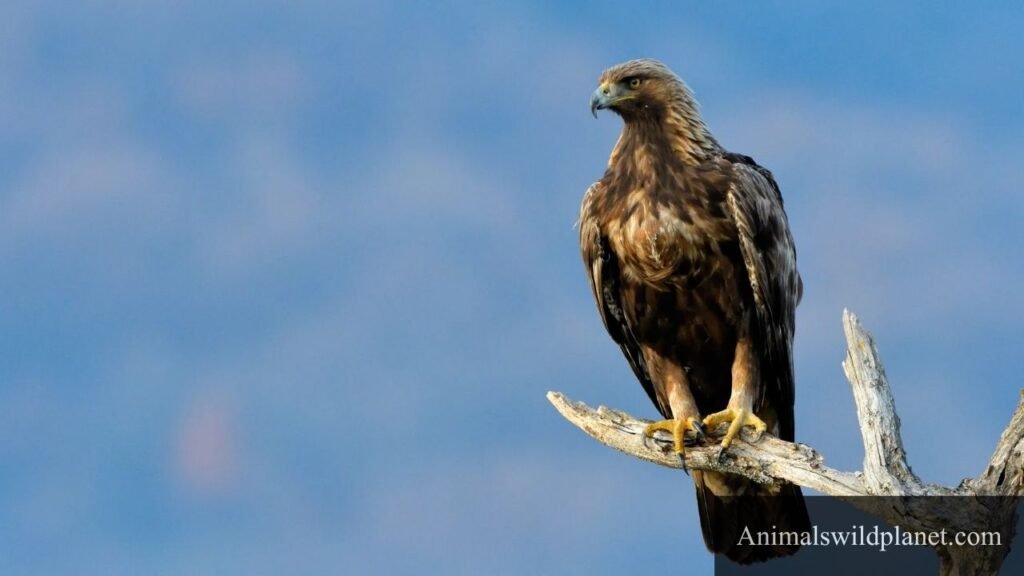
What’s fascinating about golden eagles is their adaptability. While rabbits are a staple in their diet, these birds will adjust their hunting strategies based on the availability of prey. In regions where rabbits thrive, golden eagles meticulously scout for ideal ambush points, often nesting in high cliffs to gain an overview of their hunting grounds. Furthermore, their hunting techniques evolve across different habitats, showcasing their intelligence — sometimes they’ll work in pairs to tackle larger prey or distract a rabbit with feigned attacks, making them formidable competitors in the wild. This adaptability not only highlights their status as apex predators but also underscores the intricate link within ecosystems where each species plays a critical role.
Weasel
Scientific Name: Mustela nivalis
Class: Mammalia
The weasel is often misconceived as merely a small, unassuming creature, yet this cunning predator embodies both agility and ferocity in its hunt. Renowned for its slender body and sharp reflexes, the weasel has evolved to become a formidable foe for rabbits, employing stealth and speed to leap into action. Its ability to navigate tight spaces and blend seamlessly into its environment makes it a master of surprise, catching rabbits off guard, especially in dense underbrush where their eyesight is hindered.
Interestingly, the weasel’s predatory behavior reveals the intricate balance within ecosystems. The presence of weasels helps control rabbit populations, preventing overgrazing that could lead to habitat destruction. This dynamic predation showcases nature’s delicate web, where each species, no matter how small, plays a crucial role in sustaining the health of its environment.
Bears
Scientific Name: Ursidae
Class: Mammalia
Bears are often portrayed as herbivorous giants grazing on berries and roots, but they are also opportunistic carnivores, making rabbits a part of their diverse diet. In spring and summer, when rabbits are active, bears will hunt them as a valuable protein source. The agility of a bear might come as a surprise, but these massive animals can sprint surprisingly fast, gaining the upper hand when chasing down a fleet-footed rabbit.
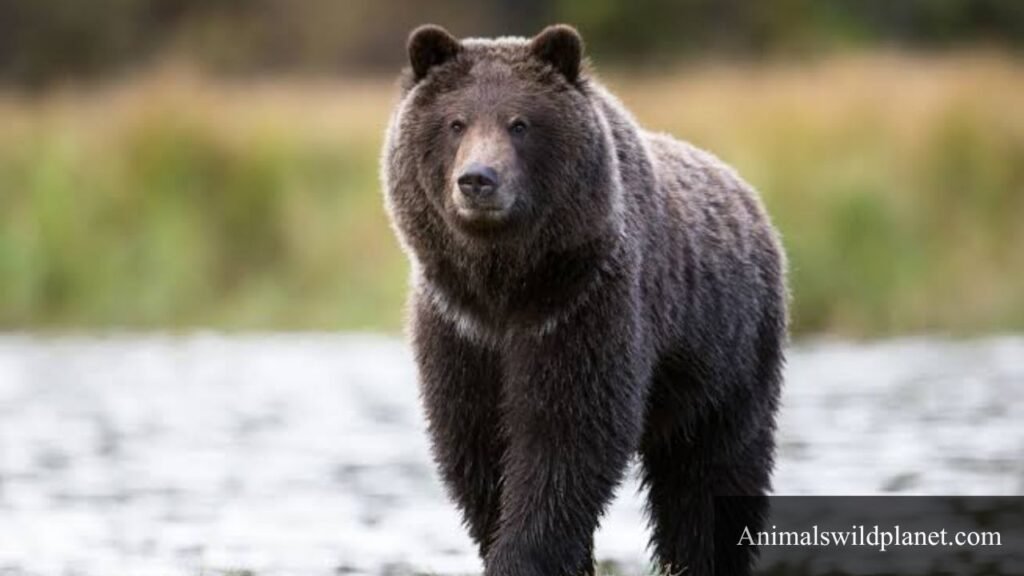
What’s fascinating is how the bear’s hunting strategy varies based on its environment and the type of rabbit available. In environments where snow cover lingers, bears exhibit patience and stealth, using their keen sense of smell to locate hidden nests. They’ll often wait, observing the movements of the rabbits, strategizing their attack much like a seasoned predator. This adaptability not only showcases the bear’s physical prowess but also highlights the ecological balance within their habitats — where the presence of predators like bears helps keep rabbit populations in check, promoting biodiversity.
Red-tailed Hawk
Scientific Name: Buteo jamaicensis
Class: Aves
The red-tailed hawk, a master of aerial hunting, demonstrates a fascinating relationship with its prey, particularly rabbits. With its keen eyesight, which can spot a moving rabbit from hundreds of feet in the air, this raptor capitalizes on the open grasslands and forest edges for effective hunting. When it spots its quarry, the hawk dives with astonishing speed, using its sharp talons to snatch the rabbit as it darts through the underbrush.
What makes the red-tailed hawk’s hunting strategy particularly remarkable is its adaptability. In regions where rabbit populations fluctuate, these birds have been known to adjust their diets accordingly, preying on mice or other small mammals. This versatility not only showcases their survival skills but also highlights the delicate balance of the ecosystem. In areas where rabbits thrive, the hawks play a critical role in population control, ensuring that the balance of nature remains intact while reaffirming the interconnectedness of predator and prey.
Feral Cat
Class: Mammalia
Feral cats are often seen as nimble hunters, blending seamlessly into their environments. With their acute senses, they can detect movement and sound that are undetectable to human ears. This keen alertness allows them to stalk and pounce on unsuspecting rabbits, which comprise a significant portion of their diet in many ecosystems. Surprisingly, their hunting strategies can vary greatly; while some wait patiently in the underbrush for the perfect moment to strike, others may employ an ambush tactic, utilizing their agility to surprise their prey.
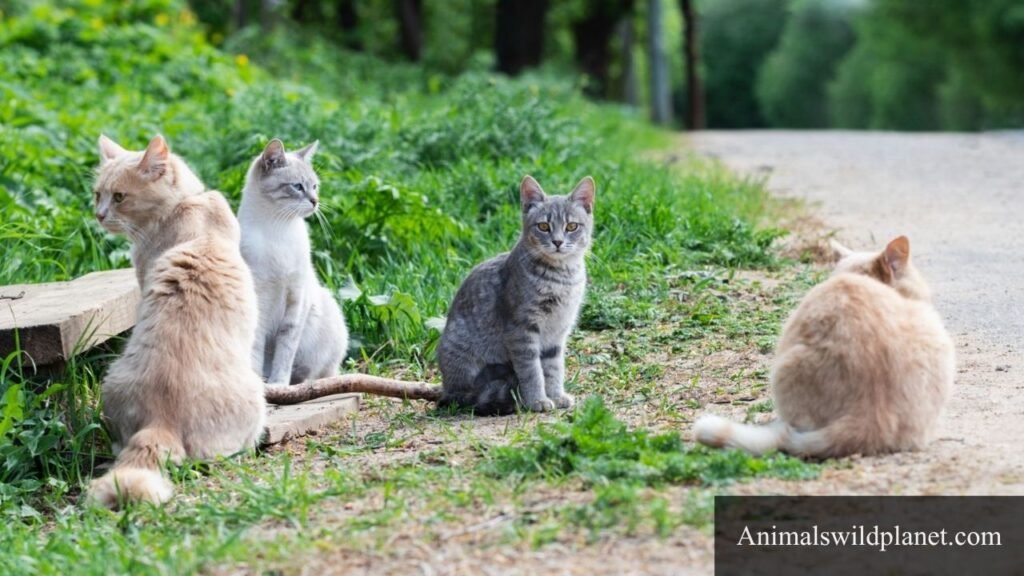
Interestingly, feral cats play a complex role in the balance of local wildlife. While they help manage rabbit populations, their predation can also impact other small mammals and ground-nesting birds, leading to broader ecological ramifications.
Eurasian Lynx
Scientific Name: Lynx lynx
Class: Mammalia
The Eurasian lynx, with its tufted ears and striking coat, is not just a master of stealth but also an adept hunter, often preying on rabbits as a primary food source. These solitary felines thrive in diverse habitats, from forests to mountains, where their keen eyesight aids in spotting the swift movements of these nimble creatures. What sets the lynx apart in its hunt is its ability to remain perfectly still, embodying a blend of patience and precision that allows it to ambush its unsuspecting prey.
Interestingly, the presence of the Eurasian lynx has a cascading effect on rabbit populations and their ecosystems. By keeping rabbit numbers in check, lynxes indirectly support the growth of vegetation, as overpopulation of rabbits can lead to overgrazing. This predator-prey relationship highlights the lynx’s crucial role in maintaining ecological balance, showcasing the intricate interconnectedness of nature.
Foxes
Scientific Name: Vulpes vulpes
Class: Mammalia
Foxes are often depicted as cunning predators, and their hunting methods are as fascinating as their appearances. These agile canines, particularly the red fox, have a well-deserved reputation for preying on rabbits, which make up a significant portion of their diet. Utilizing their exceptional senses, particularly keen hearing, foxes can detect even the slightest movements of their prey beneath the snow or in dense vegetation, showcasing a symbiotic relationship with their environment that enhances their hunting capabilities.
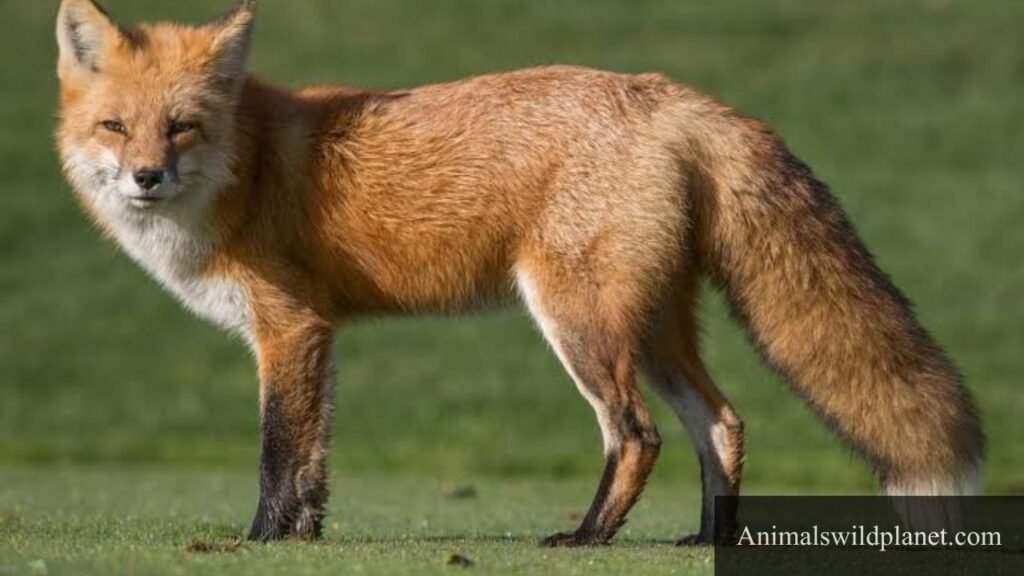
Interestingly, the hunting strategy of a fox is not a mere chase; it’s an elaborate dance of stealth and timing. They often employ a zigzagging approach to outmaneuver rabbits, capitalizing on their instinctive reactions to unexpected movements. This adaptability highlights the fox’s intelligence, as they learn and refine their techniques based on individual encounters.
Great Horned Owl
Scientific Name: Bubo virginianus
Class: Aves
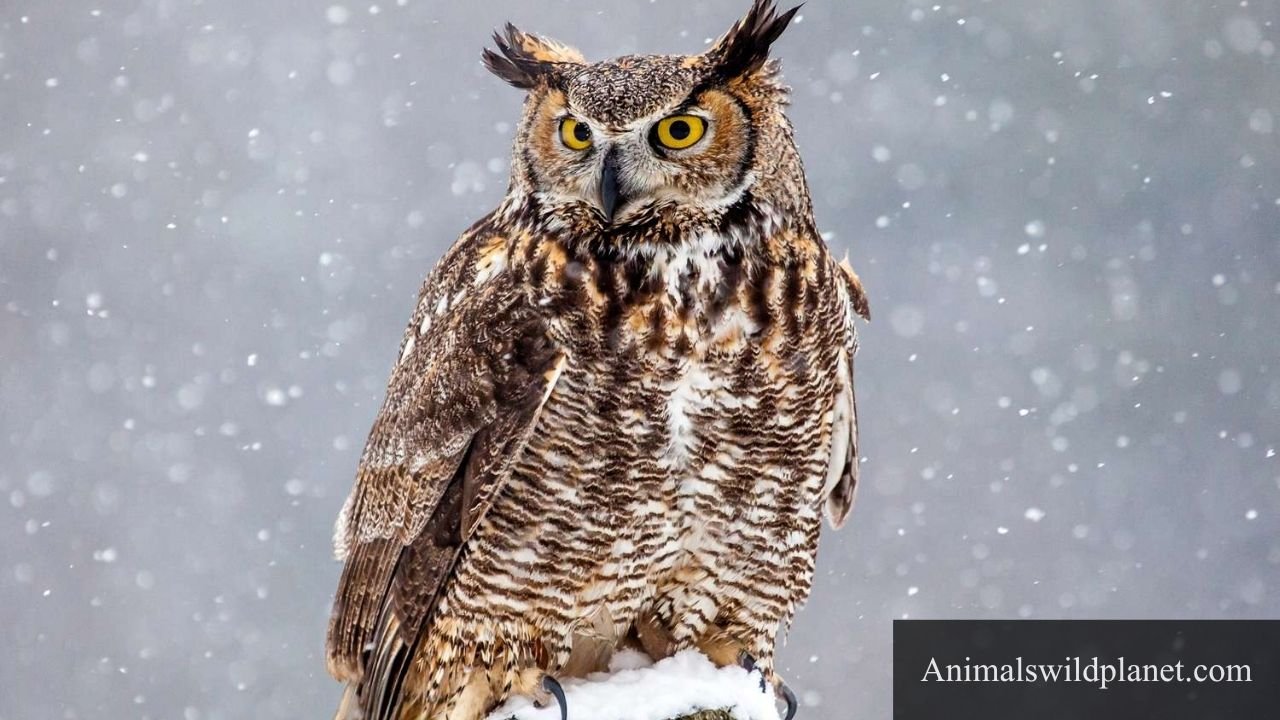
The Great Horned Owl, often regarded as one of the most formidable nocturnal predators, embodies a striking blend of power and adaptability. Characterized by its tufted “horns” and piercing yellow eyes, this owl has evolved into a master of stealth, capable of hunting a wide array of prey. Among its favored meals are rabbits, which provide a rich source of protein. The owl’s incredible hearing and sharp vision allow it to detect even the slightest movement in the underbrush, making an unsuspecting rabbit a prime target during the twilight hours.
What’s truly fascinating is the owl’s hunting technique. It uses a silent, gliding flight that enables it to swoop down on its prey with minimal notice. Once caught, the owl employs its strong talons to secure the rabbit, ensuring that it won’t escape. The Great Horned Owl’s predatory prowess is not just about physical attributes; it is also a testament to its role in the ecosystem. By controlling rabbit populations, these owls help maintain ecological balance, illustrating the intricate relationships within nature.
Coyotes
Scientific Name: Canis latrans
Class: Mammalia
Coyotes are often portrayed as clever survivors, adept at adapting to various environments, which makes them significant players in the ecosystem. These cunning canids display remarkable hunting strategies, especially when targeting smaller prey like rabbits. Unlike solitary hunters, coyotes often work in pairs or small packs, utilizing teamwork to outsmart and corner their agile quarry. This cooperative approach not only increases their success rate but also highlights their complex social structure and intelligent communication.
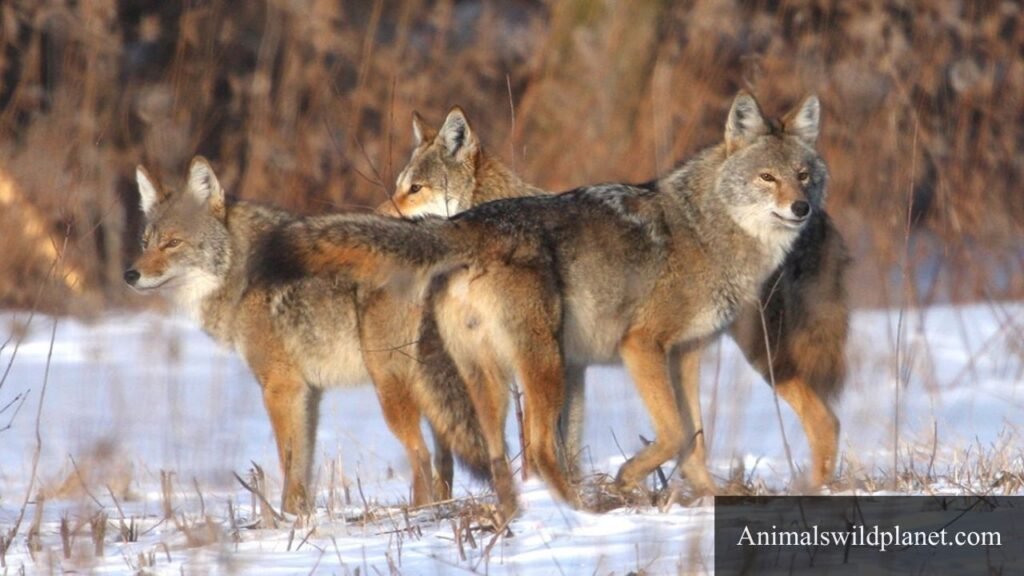
What sets coyotes apart from other predators is their versatility in diet. While they primarily feast on rabbits, they also incorporate a wide range of available food sources, from rodents to fruits, displaying a remarkable adaptability to changing seasons and habitat conditions.
Ferrets
Scientific Name: Mustela furo
Class: Mammalia
Ferrets, with their sleek bodies and playful demeanor, are often overlooked in discussions of natural predators. However, their instincts tell a different story. These agile hunters possess a unique combination of speed, stealth, and sharp instincts that make them quite effective in chasing down small prey, including rabbits.
Interestingly, ferrets rely not just on their physical attributes but also on their keen sense of smell. This sensory advantage allows them to detect rabbit burrows and scent trails, making them proficient hunters despite their small size. Moreover, their social behavior can enhance hunting effectiveness; ferrets often hunt in groups, coordinating efforts to flush out rabbits from their hiding spots, making them formidable even against the swift-footed creatures.
Bobcat
Scientific Name: Lynx rufus
Class: Mammalia
Bobcats, elusive and agile predators, are finely tuned to their habitats, making them formidable hunters in the wild. While they may not be the largest of felines, their prowess in stalking and ambushing prey like rabbits showcases their remarkable adaptations. With their keen eyesight and acute hearing, bobcats can detect even the slightest rustle in the underbrush, allowing them to pinpoint the location of a rabbit with impressive accuracy.
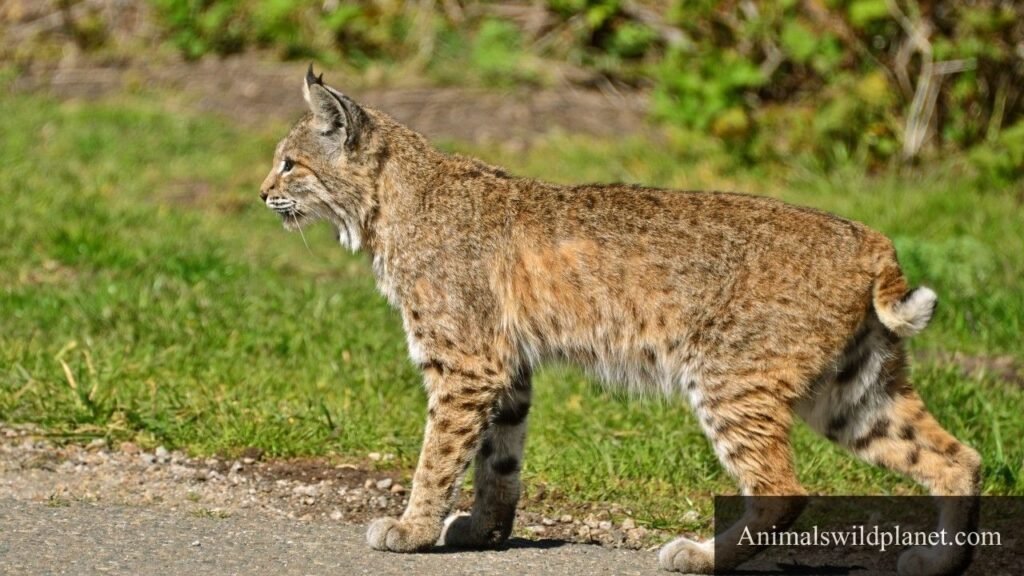
Their hunting strategy is a blend of stealth and speed. Bobcats often employ a patient approach, lying in wait for the perfect moment to pounce. When faced with a potential meal, such as an unsuspecting rabbit, they can leap several times their body length, effectively closing the distance in an instant. This agility not only contributes to their success as hunters but also plays a vital role in balancing the ecosystem, keeping rabbit populations in check and supporting the biodiversity of their shared environment.
Wolves
Scientific Name: Canis lupus
Class: Mammalia
Wolves, often regarded as one of the most formidable predators in the animal kingdom, showcase a remarkable adaptability in their hunting habits. While they primarily target larger prey like deer and elk, rabbits also form a significant part of their diet, particularly in areas where these smaller mammals are abundant.
What makes wolves fascinating is their strategic social structure; they often hunt in packs, employing coordinated tactics that increase their chances of capturing swift and agile prey like rabbits. This teamwork not only highlights their intelligence but also offers a glimpse into the social dynamics of wolf packs, underlining the importance of cooperation in the wild.
In addition to their hunting prowess, wolves play a critical ecological role. Their predation on rabbits helps regulate population numbers, preventing overgrazing and maintaining balance in the ecosystem.
Snakes
Scientific Name: Serpentes
Class: Reptilia
In the intricate web of nature, snakes play a pivotal role as both predator and prey, and their dietary preferences often highlight the delicate balance of ecosystems. Among these opportunistic hunters, many species have developed a taste for rabbits, showcasing remarkable adaptations that enhance their hunting prowess. Take the Eastern Diamondback Rattlesnake, for instance; with its keen sense of heat detection, it can sense the body heat of a rabbit even in the darkest of environments. This ability not only aids in their survival but also demonstrates the evolutionary arms race between predator and prey.
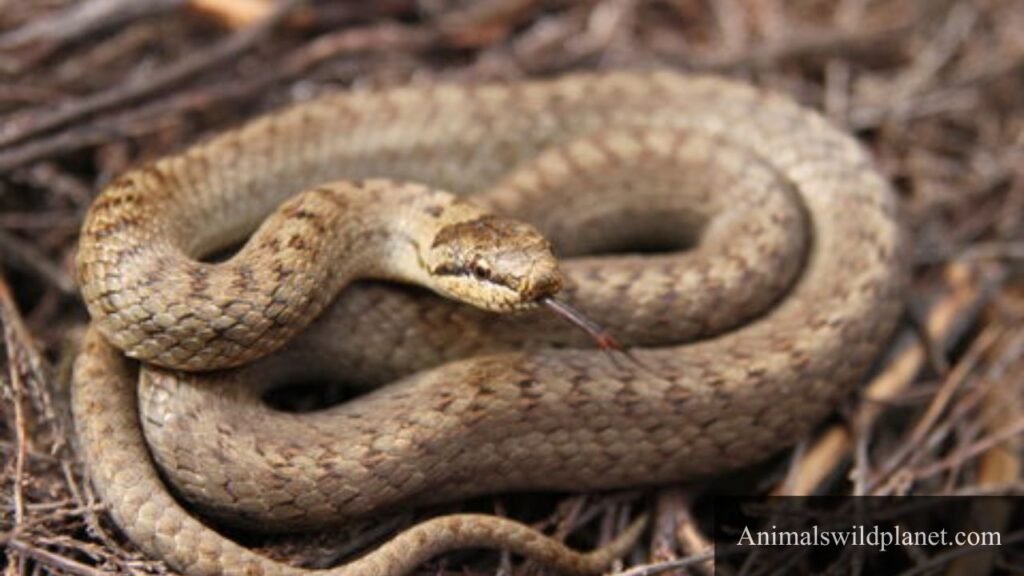
Moreover, the hunting strategy of snakes is as fascinating as it is effective. Unlike other predators that may chase down their meal, snakes often rely on ambush tactics. A well-camouflaged snake can remain motionless for hours, waiting patiently for an unsuspecting rabbit to venture too close. When the moment arrives, they strike with breathtaking speed, coiling around their prey or delivering a swift bite, showcasing the raw power and efficiency of nature’s design.
Badgers
Class: Mammalia
Badgers, often seen as small, stocky creatures lurking in the underbrush, possess a surprisingly diverse diet that includes rabbits. Their omnivorous nature allows them to adapt to varying environments, making them formidable hunters in their territory. With powerful claws designed for digging, badgers often excavate rabbit burrows, exploiting their own knowledge of the landscape. This instinctual behavior demonstrates not only their physical capabilities but also their strategic hunting acumen.
Interestingly, badgers’ social structures can enhance their hunting success. When foraging in groups, they can effectively coordinate attacks, overwhelming rabbits with teamwork. This collaboration is not strictly for sustenance; it also showcases the intricate dynamics within badger families, where the survival of the group is paramount.
European polecat
Scientific Name: Mustela putorius
Class: Mammalia
The European polecat, a sleek and agile carnivore, plays a pivotal role in controlling rabbit populations across its habitat. Known for its dark fur and distinctive masked face, this elusive creature is not just a charming mustelid but also a formidable predator. Unlike many of its peers, the polecat approaches hunting with a blend of stealth and cunning, often employing its keen sense of smell to locate burrows filled with unsuspecting rabbits. In the dense undergrowth of forests and grasslands, it can almost disappear, using the element of surprise to great effect.
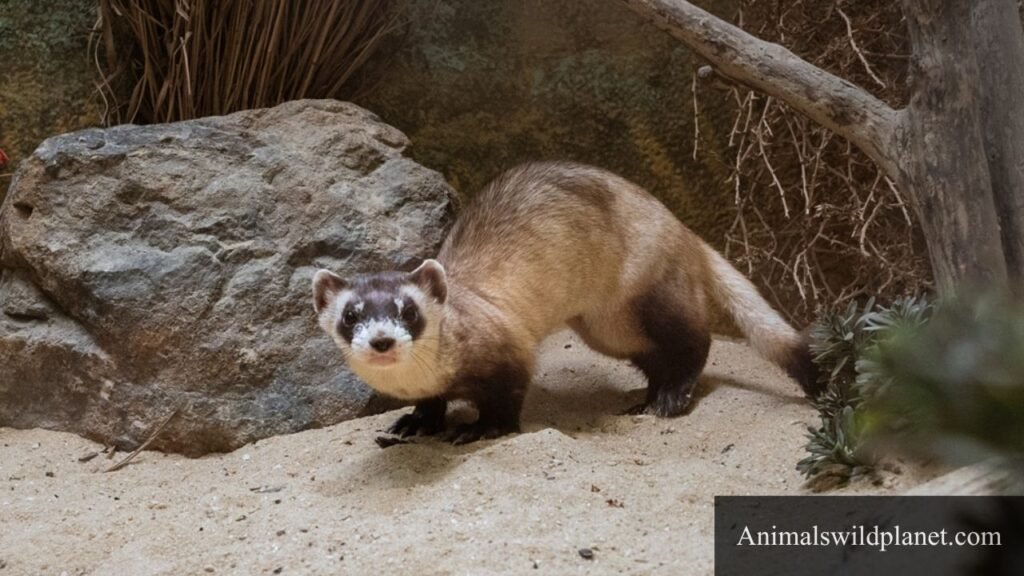
Interestingly, the polecat’s hunting strategy is not solely reliant on brute strength; it leverages its intelligence to navigate complex rabbit warren systems. Studies have shown that these animals often target younger or weaker rabbits, showcasing their adaptability and understanding of the balance of life. Their nocturnal habits also mean they can exploit a rabbit’s vulnerability when it is least alert, demonstrating a fascinating aspect of natural selection in action. As the ecosystem weaves together predator and prey, the European polecat serves as a reminder of the intricate connections that sustain wildlife dynamics.
Readmore: Explore Top 14 Animals That Eat Oranges.
Conclusion
The predation of rabbits by various animals plays a vital role in maintaining the ecological balance within their habitats. Predators such as foxes, hawks, and snakes help regulate the rabbit population, preventing overpopulation and the resulting strain on vegetation. Understanding these intricate relationships underscores the importance of each species in an ecosystem. Appreciating the natural instincts of predators can enhance our awareness of wildlife dynamics. As we continue to explore the wonders of nature, let’s advocate for the protection of these environments, recognizing that every creature has its place in the circle of life.
FAQs
What eats rabbits?
Rabbits have a variety of natural predators in the wild. Common animals that eat rabbits include foxes, hawks, eagles, and coyotes. These predators rely on their keen eyesight and speed to catch rabbits, particularly in open fields where rabbits are often found.
Do birds eat bunnies?
Yes, some birds do eat bunnies, especially young or small ones. Birds of prey, like hawks and eagles, can capture and consume rabbits if they’re small enough. They rely on their keen eyesight and swift diving skills to catch their prey.
Do bears eat bunnies?
Yes, bears do eat bunnies, although it’s not a primary part of their diet. Bears are omnivorous and will eat whatever is available, including small mammals like rabbits. While they typically prefer berries, fish, and other vegetation, they won’t hesitate to catch a bunny if the opportunity arises.
Do foxes eat rabbits?
Yes, foxes do eat rabbits. They are opportunistic predators, and rabbits are a common part of their diet. Foxes rely on their keen senses and agile hunting skills to stalk and catch these small mammals, especially in fields or woodlands where rabbits are abundant.
Do wolves eat bunnies?
Yes, wolves do eat bunnies. They are opportunistic hunters and will take advantage of smaller prey when it’s available. Rabbits make an easy target due to their abundance in many habitats where wolves roam.
Do raccoons eat rabbits?
Yes, raccoons do eat rabbits. Raccoons are opportunistic feeders, which means they will consume a variety of foods based on availability. Their diet mainly consists of fruits, nuts, insects, and small animals, including rabbits. While they may not be the primary predator of rabbits, they won’t hesitate to take advantage of an easy meal if the opportunity arises.