Top 13 Small Animals With Big Eyes (Pictures Included)
In this article, we’ll explore the fascinating world of small animals with big eyes and uncover why these distinctions are not just adorable, but crucial for their survival. From enhancing their vision to aiding in communication, these unique adaptations offer insights into the mysteries of nature. Join us as we delve into the captivating lives of these creatures and discover what makes them truly remarkable.
List of Small Animals With Big Eyes
Below is the list of small animals with big eyes:
- Tarsiers
- Japanese Dwarf Flying Squirrel
- Dragonfly
- Margay
- Slow Lorises
- Zebra Hind Spiders
- Sugar Glider
- Tree Frogs
- Galagos
- Goldfish Telescope
- Gecko
- Little Owls
- Chameleons
Tarsiers
Scientific Name: Tarsiidae
Class: Mammalia
Diet: Carnivore
Tarsiers are an extraordinary example of nature’s creativity, bringing a unique blend of charm and intrigue to the animal kingdom. These small primates, native to Southeast Asia, possess remarkably large eyes that can be up to 16mm in diameter — almost as large as their entire head! This adaptation allows them to see exceptionally well in low-light environments, making them adept nocturnal hunters. The sheer size of their eyes is not merely for show; it aids in essential survival skills, as they rely heavily on their keen vision to locate insects, small birds, and even small vertebrates in the dark.
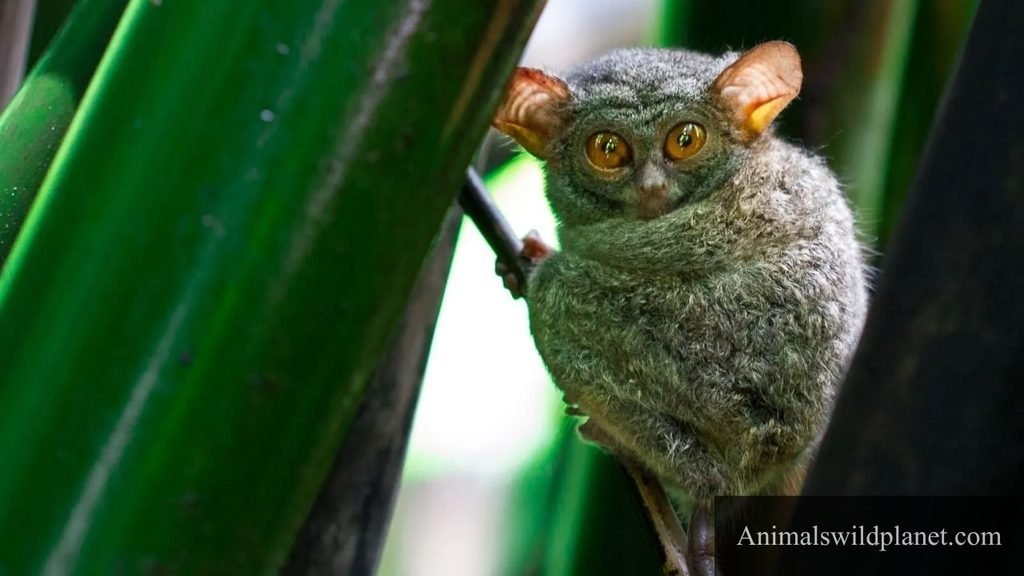
Beyond their striking appearance, tarsiers possess fascinating social behaviors. They are known to be both solitary and social, forming small groups when necessary but often preferring to hunt and rest alone. Their vocalizations — often described as a mix of trills and whistles — echo through the dense jungles, establishing both territory and home communication. As they cling effortlessly to branches, their elongated fingers and toes, equipped with gripping pads, reveal an evolutionary masterpiece perfectly suited for an arboreal lifestyle. Observing tarsiers in their natural habitat leaves an unforgettable imprint, highlighting how even the smallest creatures can hold immense beauty and complexity.
Japanese Dwarf Flying Squirrel
Scientific Name: Pteromys momonga
Class: Mammalia
Diet: Herbivore
The Japanese dwarf flying squirrel is a charming creature that captures the hearts of many with its oversized, expressive eyes. These tiny inhabitants of Japan’s forests are not just adorable; their large eyes are a remarkable adaptation for nocturnal life, allowing them to navigate and forage under the cover of night. Unlike many small mammals, which might scurry away from danger, this little squirrel has an astonishing ability to glide gracefully between trees, using a membrane stretched between its limbs.
This extraordinary adaptation not only aids in evasion but also allows them to access food sources that are often out of reach for terrestrial foragers. Their diet primarily consists of fruits, nuts, and tree sap, but it’s their unique social interactions that often leave observers in awe. Living mostly in small family groups, these flying squirrels communicate through a variety of high-pitched sounds, showcasing their social nature. Engaging with them in their natural habitat reveals a world bursting with life and energy, proving that sometimes, big personalities can reside in the smallest of packages.
Dragonfly
Scientific Name: Anisoptera
Class: Insecta
Diet: Carnivore
The dragonfly, often overshadowed by its more flamboyant counterparts in the insect world, possesses an enchanting allure that captivates nature lovers. Its large, multifaceted eyes, which can take up nearly half of its head, are not just for show; they provide an astonishing field of vision, allowing these agile predators to spot even the slightest movement in their surroundings. With nearly 30,000 lenses in each eye, a dragonfly can track its prey with precision, making it one of nature’s most efficient hunters.
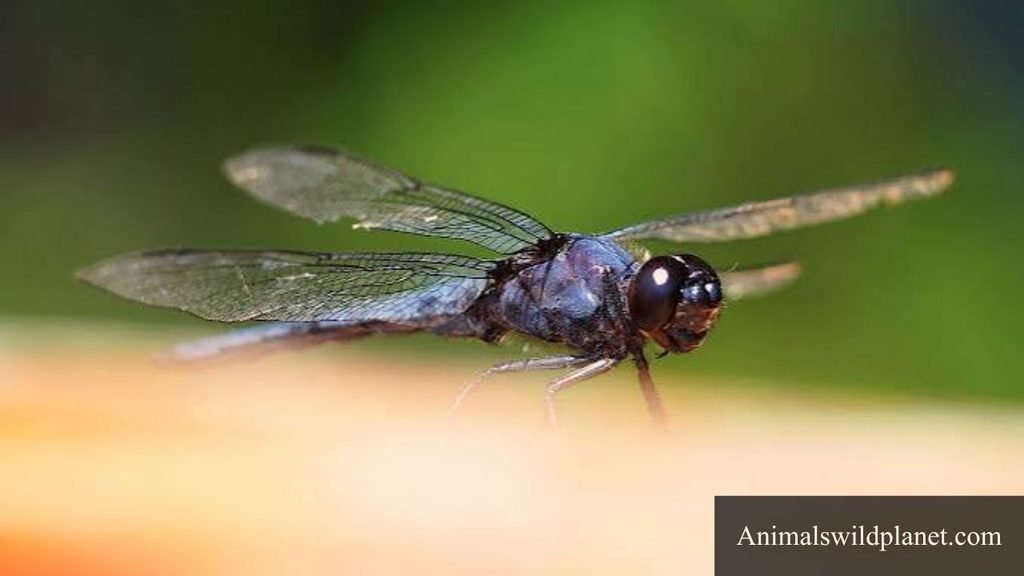
Beyond their impressive anatomy, dragonflies symbolize transformation and adaptability in many cultures. Their ability to thrive in various environments, from tranquil ponds to bustling wetlands, mirrors the resilience and tenacity often admired in the human spirit. Observing a dragonfly in flight can evoke a sense of wonder, as they dart and hover with an almost balletic grace. This adaptability, combined with their striking eyes and iridescent wings, makes dragonflies not just fascinating insects but also potent reminders of the beauty and fragility of our ecosystems.
Readmore: Explore Top 15 Animals With No Tails.
Margay
Scientific Name: Leopardus wiedii
Class: Mammalia
Diet: Carnivore
The margay, a small wildcat native to Central and South America, captivates with its striking appearance, particularly its large, expressive eyes. These eyes, adapted for night vision, enable the margay to navigate the dense underbrush of the rainforest with remarkable agility. Unlike many of its feline relatives, the margay showcases an impressive climbing ability, using its long limbs and flexible joints to traverse trees with ease. This arboreal lifestyle highlights their unique adaptations, such as their ability to rotate their ankles, allowing for remarkable maneuverability as they stalk their prey.
In addition to their physical attributes, the margay’s behavior adds another layer of fascination. They exhibit a wide range of vocalizations, from chattering to yowling, which play crucial roles in communication and territory establishment. Unlike larger cats that rely heavily on brute strength, margays embody a blend of stealth and strategy, often hunting small mammals and birds with calculated bursts of speed and precision. This adaptability, coupled with their enchanting appearance, makes them a symbol of the rich biodiversity found within their tropical habitats, beckoning every nature lover to appreciate the delicate balance of life in the wild.
Slow Lorises
Scientific Name: Nycticebus
Class: Mammalia
Diet: Omnivore
Slow lorises, with their enormous, expressive eyes, have a unique charm that sets them apart in the animal kingdom. These nocturnal primates possess a delicate blend of cute and eerie, as their large eyes are perfectly adapted for low-light environments, allowing them to navigate the jungle canopy with grace. More than just a striking feature, their big eyes serve a vital role in their survival, amplifying the faintest glimmers of movement during twilight. This adaptation speaks volumes about the complexities of evolution and the ingenious ways species have evolved to thrive in their habitats.
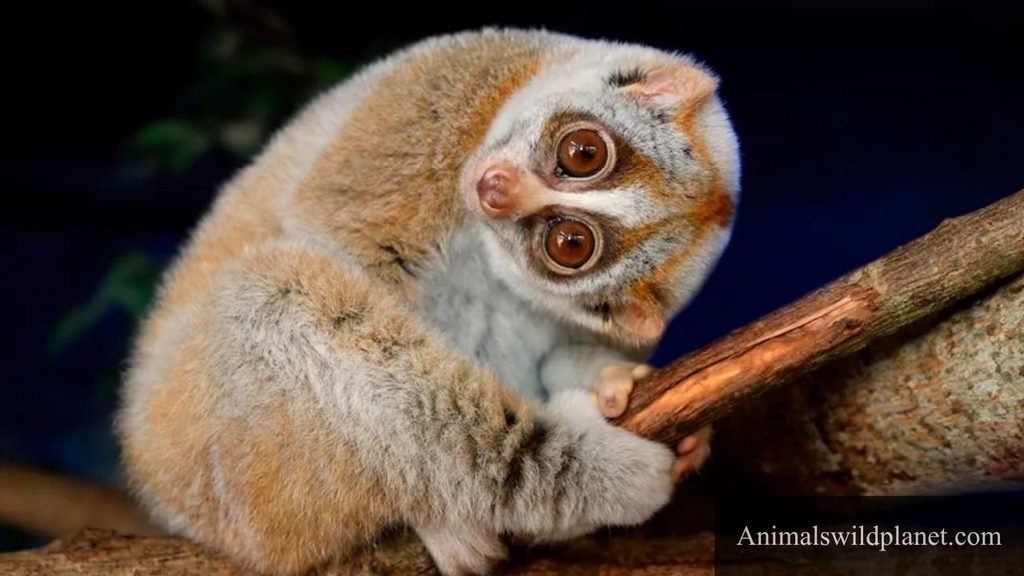
The allure of slow lorises extends beyond their physical appearance. Their behavior is equally captivating; they use a fascinating method of toxin transmission by secreting a potent venom through their elbows, a rarity among primates. This unique defense mechanism, coupled with their slow, deliberate movements, highlights an intriguing paradox: although these animals are among the slowest-moving primates, they’ve developed multiple strategies for survival. As arboreal creatures facing habitat loss and illegal wildlife trade, slow lorises remind us that beauty often comes with a fragile existence, urging us to appreciate and protect these remarkable beings before they disappear from our forests.
Zebra Hind Spiders
Scientific Name: Salticus scenicus
Class: Arachnida
Diet: Carnivore
Zebra hind spiders, often overlooked in the vast tapestry of small animal life, are a striking example of nature’s quirky design. With their oversized eyes, these diminutive arachnids boast a captivating look that lends them an air of curiosity and alertness. These oversized peepers aren’t just for show; they enhance their vision, enabling them to spot prey and potential threats with remarkable acuity. This adaptation is essential in their natural habitats, where quick reflexes can mean the difference between a successful hunt and a near miss.
In addition to their impressive eyesight, zebra hind spiders exhibit truly fascinating behavior. They engage in a unique hunting strategy that combines stealth and agility, leaping towards their unsuspecting prey with precision. This hunting style, coupled with their keen vision, makes them adept at thriving in a variety of environments, from grassy fields to garden corners. Furthermore, their striking patterns and colors mimic the environment, often providing excellent camouflage. Together, these traits not only create a mesmerizing visual appeal but also highlight the intricate balance of survival that exists in the animal kingdom.
Sugar Glider
Scientific Name: Petaurus breviceps
Class: Mammalia
Diet: Omnivore
The sugar glider, with its mesmerizing large eyes, captures the hearts of many animal enthusiasts and casual observers alike. These nocturnal marsupials boast a unique adaptation that allows them to effortlessly glide through the night skies, combining grace with an undeniable charm. Their oversized eyes are not just for show; they enhance their night vision, allowing them to navigate and forage among treetops in search of fruits and nectar, making them masters of their evening realm.
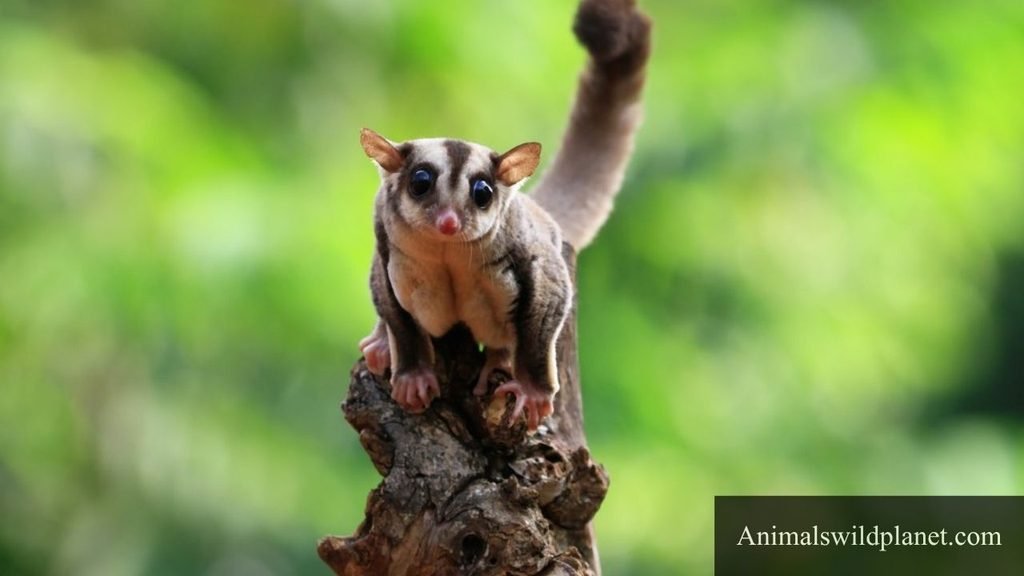
What sets sugar gliders apart from other small animals is their remarkable social nature. In the wild, they thrive in family units, communicating through a series of soft calls and vocalizations, creating a symphony of sounds that echo through the trees. This intrinsic sociability means that they engage in playful, acrobatic displays, often seen bounding from branch to branch in search of both food and affection. Observers are often struck by their inquisitive behavior, showcasing not only intelligence but also a strong desire for companionship that often leads these little creatures to form deep bonds with their human caretakers in captivity.
Tree Frogs
Scientific Name: Hylidae
Class: Amphibia
Diet: Carnivore
Tree frogs, with their large, luminous eyes, are captivating not only for their appearance but also for their unique adaptations. These amphibians thrive in arboreal environments, benefiting from their oversized peepers that provide an expansive field of vision, crucial for spotting both predators and prey. The vivid colors of their skin reflect an evolutionary leap — these hues serve as a warning to potential threats, showcasing their toxicity while simultaneously enhancing their allure.
Beyond their striking looks, tree frogs exhibit fascinating behaviors that emphasize their connection to their environment. For instance, their eyes are equipped with a reflective layer called the tapetum lucidum, which amplifies their vision in low light, allowing them to navigate the complexities of their habitat after dusk. The symbiotic relationship they share with various ecosystems underscores their importance; as both predators and prey, they play a vital role in maintaining ecological balance. Observing these agile creatures invites reflection on the intricate interdependencies present in nature — every glance into their wide, expressive eyes hints at untold stories of survival and adaptation.
Galagos
Scientific Name: Galagidae
Class: Mammalia
Diet: Omnivore
Galagos are remarkable nocturnal primates that captivate with their oversized eyes. These striking features are not merely for show; they serve a crucial function, allowing galagos to thrive in their dim forest habitats. With their large, expressive eyes, they possess excellent night vision, enabling them to navigate the treetops with surprising agility. This adaptation illustrates a fascinating evolutionary trade-off, as their visual prowess comes at the cost of being more vulnerable to predators in daylight.
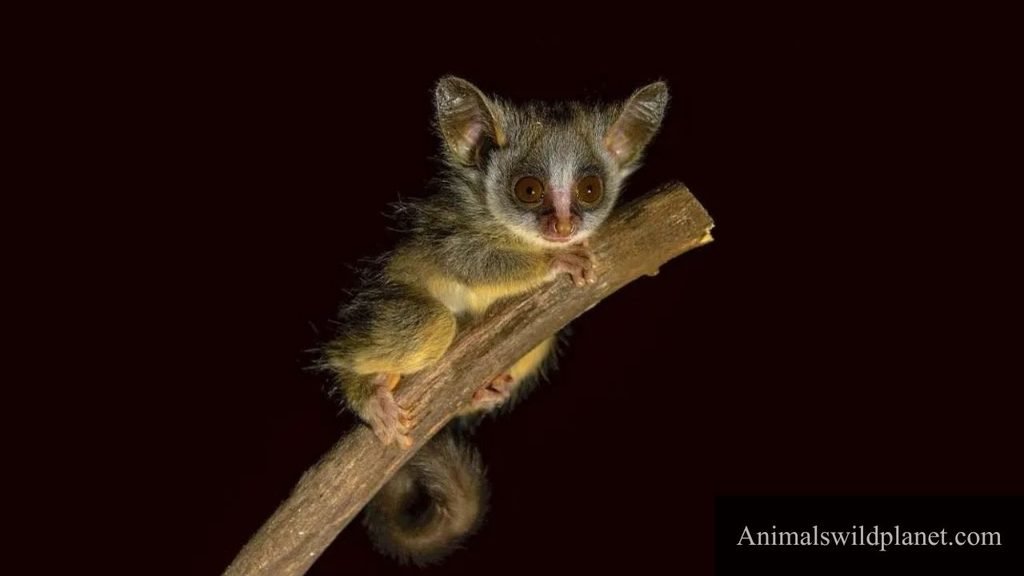
Beyond their captivating appearance, galagos exhibit a rich tapestry of social behaviors. They communicate through a variety of vocalizations, ranging from soft coos to loud cries, showcasing a complex social structure that facilitates bonding and territory establishment. Observing these small, agile creatures leap gracefully between branches is a reminder of nature’s ingenuity and the interconnectedness of ecosystems. As guardians of their forest homes, galagos play a vital role in seed dispersal, reinforcing the delicate balance of their environment. Their unique adaptations and social intricacies make them not just adorable, but a critical piece of the ecological puzzle.
Goldfish Telescope
Scientific Name: Carassius auratus
Class: Actinopterygii
Diet: Omnivore
The Goldfish Telescope, with its strikingly prominent eyes, embodies the aesthetic marvel of aquatic life. These fish, known for their unique bulging eyes that can seem almost otherworldly, offer a captivating perspective on adaptation in the animal kingdom. Their large peepers are not just for show; these extra-large lenses enhance their ability to navigate murky waters and spot food that other fish might miss. It’s fascinating to consider how such a seemingly whimsical feature serves a practical purpose in their survival.
Beyond their remarkable vision, Goldfish Telecope also embody a rich tapestry of colors and patterns, making them a popular choice for both aquarium enthusiasts and casual observers alike. Their vibrant hues, combined with the playful dance of their fins, evoke a sense of joy and tranquility. Yet, it’s crucial to recognize that maintaining their well-being extends beyond aesthetics — providing optimal tank conditions is vital for these unique creatures to thrive. In a world where beauty often overshadows practicality, the Telescope Goldfish invites us to appreciate the intersection of form and function within the natural realm.
Gecko
Scientific Name: Gekkonidae
Class: Reptilia
Diet: Carnivore
Geckos are fascinating little creatures, often recognized for their oversized, expressive eyes that seem to take in the world with endless curiosity. These big-eyed wonders are not just a quirky characteristic; their large eyes are adapted for extraordinary night vision, allowing them to thrive in the twilight hours when many predators are asleep. The exquisite structure of their retinas, packed with rod cells, enables them to detect minimal light, making them adept hunters in the dark.
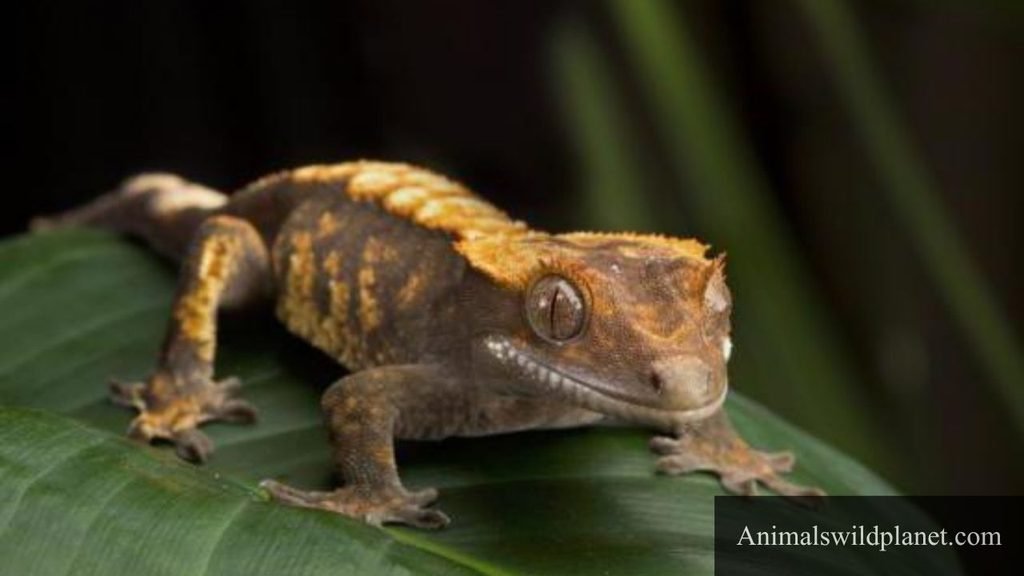
What truly sets geckos apart is their ability to see ultraviolet light, a spectrum often invisible to humans. This unique trait gives them an advantage in locating food and recognizing mates, illuminating a world filled with colors and patterns unseen to the naked eye. Their eyes also play a crucial role in their communication, as subtle shifts in pupil size can signal everything from aggression to readiness to mate. In the grand tapestry of the animal kingdom, geckos with their big, curious eyes remind us that size doesn’t determine capability; sometimes, the smallest beings have the most vibrant stories to tell.
Little Owls
Scientific Name: Athene noctua
Class: Aves
Diet: Carnivore
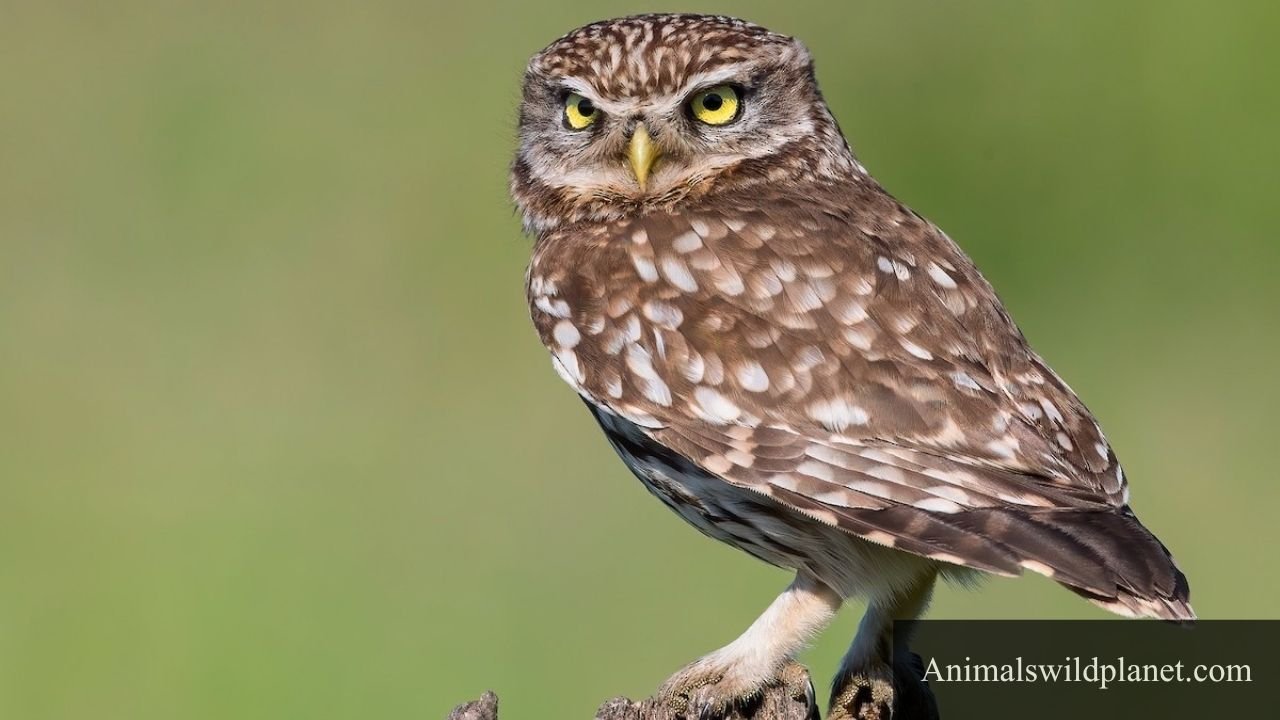
Little owls, with their strikingly large, expressive eyes, embody a fascinating blend of charm and mystery. These diminutive raptors, measuring just about 9 to 10 inches in height, are adapted for a life of nocturnal hunting, and their oversized eyes play a pivotal role in their survival. Unlike humans, the eyes of a little owl are fixed in their sockets, necessitating a swift head movement to survey their surroundings, which adds an elegant grace to their predatory prowess.
Beyond their physical allure, little owls possess a captivating social structure seldom noticed by casual observers. Unlike many solitary owl species, they often display strong familial bonds, roosting together and communicating through intricate calls that echo in twilight. This social behavior not only enriches their community life but also enhances their hunting success, reminding us that even the smallest members of the animal kingdom can possess profound complexities. Their large eyes, filled with curiosity as much as with the wisdom of the night, invite us to look deeper and appreciate the intricate ecosystems these small predators inhabit.
Chameleons
Scientific Name: Chamaeleonidae
Class: Reptilia
Diet: Carnivore
Chameleons are often celebrated for their remarkable color-changing abilities, but it’s their strikingly large eyes that truly set them apart in the world of small animals. These fascinating reptiles possess independently moving eyes that can rotate nearly 360 degrees, providing them a panoramic view of their surroundings. This almost cinematic vision is crucial for spotting both predators and prey in their lush, arboreal habitats.
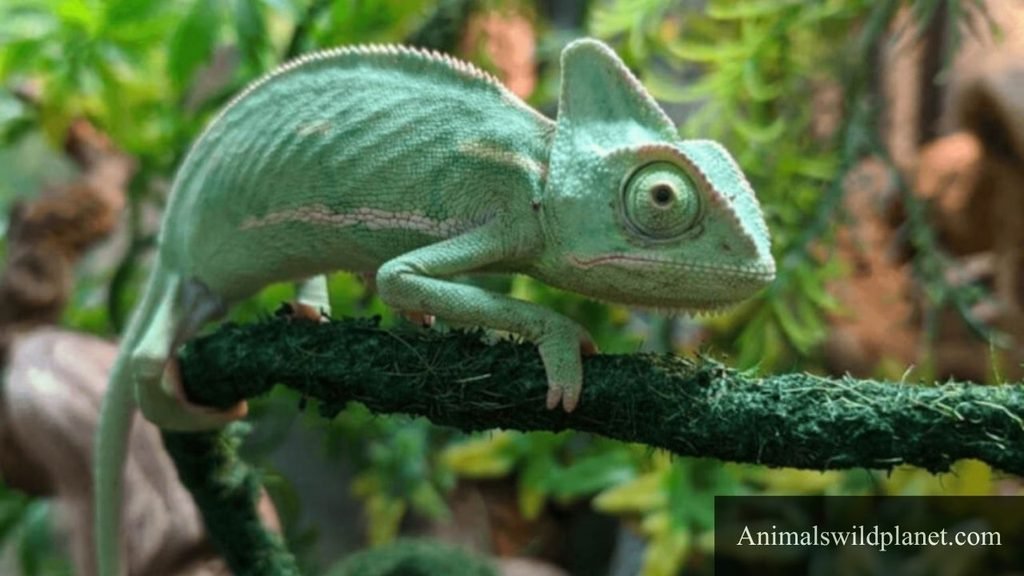
The size and structure of a chameleon’s eyes are a testament to their adaptability. The large, bulging orbs are not just for show; they enhance depth perception and help in calculating distances accurately, vital skills when darting out their sticky tongues to catch insects. Recent studies have shown that these animals possess color vision that extends into the ultraviolet spectrum, allowing them to detect patterns and signals invisible to the human eye. This unique ability not only aids in feeding but also plays a role in social communication among chameleons, who use color shifts and visual displays to convey emotions and intentions.
Readmore: Explore Top 27 Most Energetic Animals.
Final Words
Small animals with big eyes serve as a reminder of the incredible diversity of life on Earth. Their oversized peepers not only add to their charm but also help them navigate their environments in amazing ways. As we learn more about these captivating creatures, we also realize the importance of conservation efforts to ensure their habitats are preserved. By engaging with nature and supporting wildlife initiatives, we can play a part in safeguarding these vibrant species for future generations.
FAQs
What small animal has big eyes?
One small animal with notably big eyes is the bush baby, or galago. These nocturnal primates are native to Africa and have large, expressive eyes that help them see well in low light. Their eyes are not just for show; they provide excellent night vision, which is crucial for spotting insects and fruits in the dark. Another example is the tarsier, a tiny primate found in Southeast Asia. Tarsiers have some of the largest eyes relative to their body size of any mammal. Their huge eyes give them remarkable vision, allowing them to hunt insects and small vertebrates at night.
What is most cute animal with big eyes?
One of the cutest animals with big eyes has to be the slow loris. These primates have large, expressive eyes that give them an endearing, almost cartoonish appearance. Their big eyes help them see in low light, making them nocturnal cuties that charm everyone they encounter.