Top 18 Most Independent Animals (With Pictures)
In the wild, some species exemplify independence, showcasing remarkable survival skills without relying on others. This article explores the Most Independent Animals, highlighting their unique adaptations and behaviors. By understanding these solitary creatures, we gain insight into resilience and self-sufficiency that resonates not just in nature, but in our own lives.
List of Most Independent Animals in The World
Here is the list of independent animals in the world:
- Sloths
- Koala
- Jaguar
- Raccoons
- Polar Bear
- Octopus
- Snow Leopard
- Hawaiian Monk Seal
- Red Fox
- Great White Shark
- Cougar
- Orangutan
- Moles
- Tiger
- Crocodiles
- Cheetah
- Platypus
- Wolverine
Sloths
Scientific Name: Folivora
Class: Mammalia
Diet: Herbivore
Sloths, often perceived as the quintessential embodiment of laziness, actually display a remarkable blend of independence and survival instinct. Their slow movements are not just a quirky trait; they’re a masterful adaptation to avoid detection by predators in the lush canopies of Central and South America. This leisurely lifestyle allows sloths to conserve energy, a critical strategy given their low-calorie diet mostly consisting of leaves. By moving slowly and remaining virtually motionless, they become one with their surroundings, blending seamlessly with the foliage.
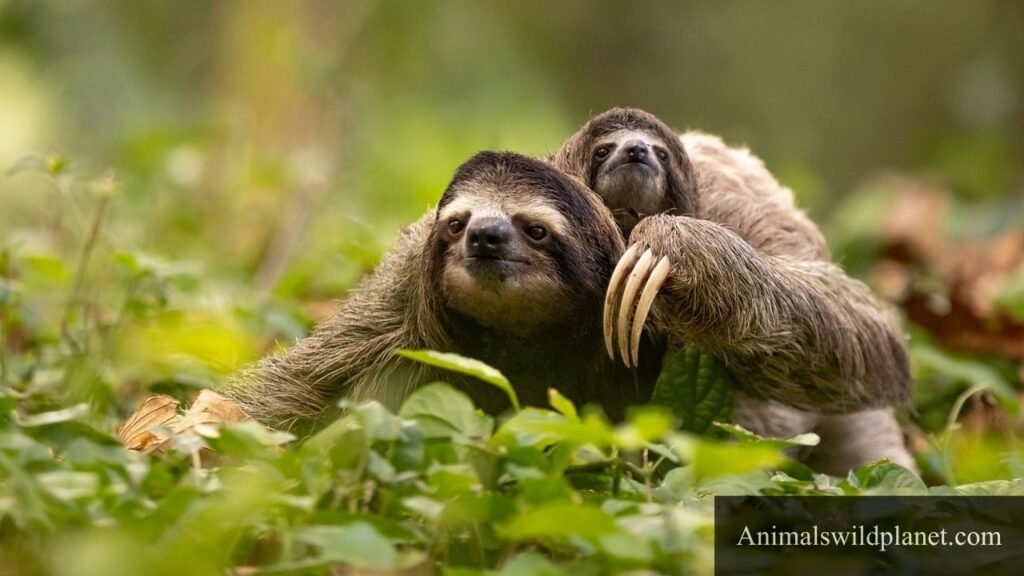
Despite their seemingly solitary nature, sloths are surprisingly social in their own right. They communicate through a series of vocalizations, often missed by casual observers, showcasing a nuanced social structure that might surprise those who view them simply as hermits of the tree branches. Moreover, sloths possess unique symbiotic relationships with the algae that grow on their fur, which not only provide camouflage but also support a diverse ecosystem. In this way, these independent creatures exemplify a delicate balance between solitude and interconnectedness, challenging our perceptions of solitary animals.
Koala
Scientific Name: Phascolarctos cinereus
Class: Mammalia
Diet: Herbivore
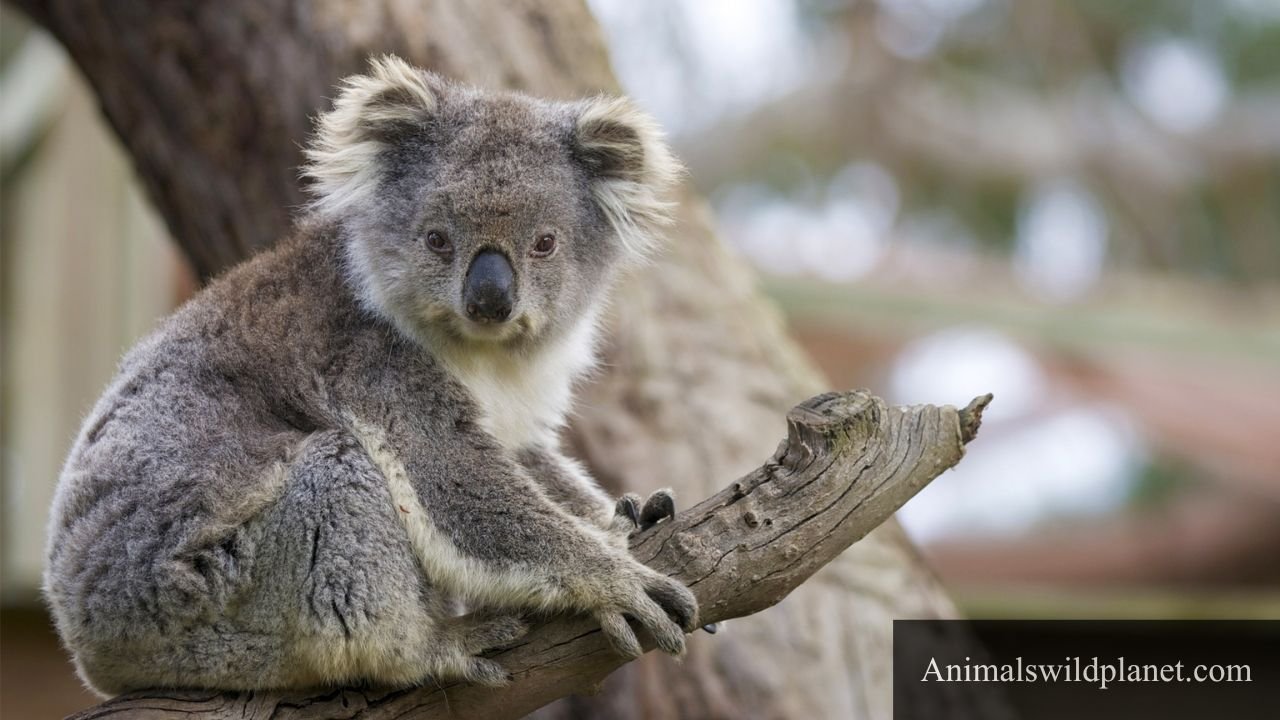
Koalas epitomize independence in the animal kingdom, thriving in the vast eucalyptus forests of Australia. Unlike many mammals that rely on social structures for survival, koalas are mostly solitary creatures. They possess a unique lifestyle defined by a diet exclusively consisting of eucalyptus leaves, which not only gives them a distinct flavor but also influences their independence. This strict dietary choice limits competition and allows them to roam their territories largely unfettered by others.
In their solitary existence, koalas showcase remarkable adaptability. Their slow metabolism means they can thrive on a minimal intake of food, often sleeping up to 18 hours a day to conserve energy. This lifestyle is essential for their survival, yet it also allows them room to explore their environment without the pressures of a social hierarchy. These marsupials communicate through a series of grunts and bellows, asserting their territory without the need for face-to-face interaction, further emphasizing their self-sufficient nature in a world where most animals find safety in numbers.
Jaguar
Scientific Name: Panthera onca
Class: Mammalia
Diet: Carnivore
The jaguar, often considered the epitome of independence in the animal kingdom, roams the dense jungles and sprawling wetlands of South America with a solitary confidence. Unlike their social feline relatives, such as lions, jaguars thrive in solitude, showcasing an intricate blend of strength and stealth. Their independence is deeply woven into their hunting strategies; they are primarily nocturnal, preferring to stalk prey alone under the cover of darkness. This allows them to capitalize on their powerful build and keen senses, making them apex predators.
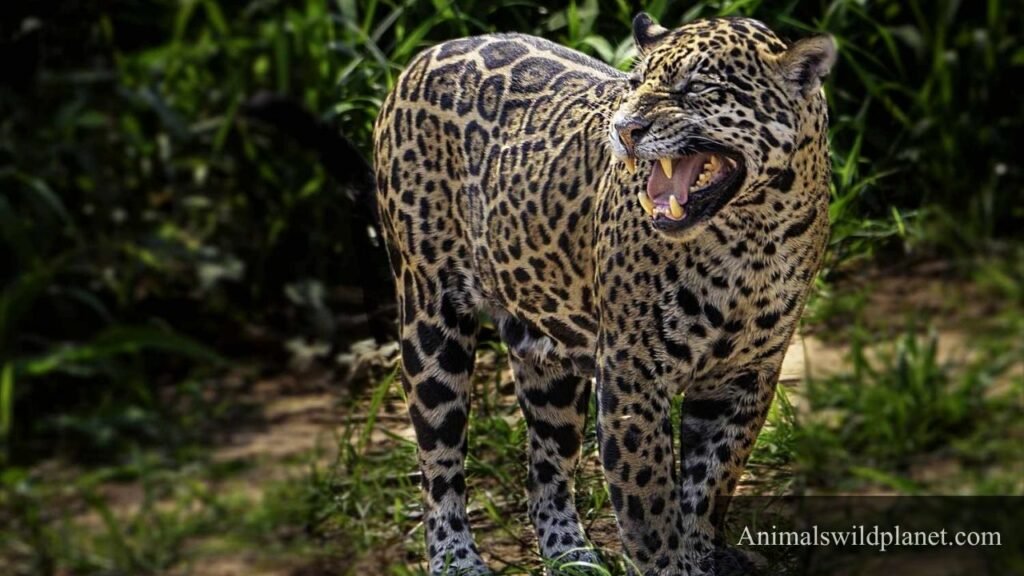
A jaguar’s unique approach to survival goes beyond mere hunting prowess. Their ability to adapt to diverse habitats — from rainforests to scrublands — highlights a remarkable resilience. While they possess the renowned strength to take down animals larger than themselves, such as capybaras and caimans, their individualistic nature often leads them to utilize ambush techniques, blending into their surroundings with groundbreaking camouflage.
Readmore: Explore Top 24 Shy Animals in The World.
Raccoons
Scientific Name: Procyon lotor
Class: Mammalia
Diet: Omnivore
Raccoons are often seen as the nimble bandits of the animal kingdom, with their dexterous paws and masked faces adding to their charm. But beyond their mischievous antics lies a fascinating blend of intelligence and adaptability that sets them apart. Researchers have found that raccoons possess the cognitive ability to solve complex puzzles, demonstrating problem-solving skills comparable to those of primates. This intellectual prowess allows them to thrive in diverse environments, from urban alleyways to dense forests, making them one of the most versatile mammals.
What truly sets raccoons apart, however, is their independence. These clever creatures have mastered the art of foraging without relying on communal support. A raccoon’s solitary nature allows it to adapt to ever-changing circumstances, be it scouring through trash cans for a late-night snack or skillfully navigating the complexities of urban life. Their acute sense of touch, especially in their forepaws, enables them to explore and manipulate their surroundings with remarkable finesse. As they balance between being wonderous scavengers and solitary adventurers, raccoons embody the spirit of independence in the wild.
Polar Bear
Scientific Name: Ursus maritimus
Class: Mammalia
Diet: Carnivore
Polar bears epitomize independence in the animal kingdom, thriving in the harsh, frozen tundras of the Arctic. Their solitary nature is a critical survival trait; these powerful predators roam vast territories in search of seals, their primary food source. Unlike many other mammals, polar bears don’t rely on social structures or packs for hunting. Instead, each bear is finely attuned to its environment, using a combination of strength and cunning to navigate the ice floes, adapting their strategies based on weather patterns and seasonal changes.
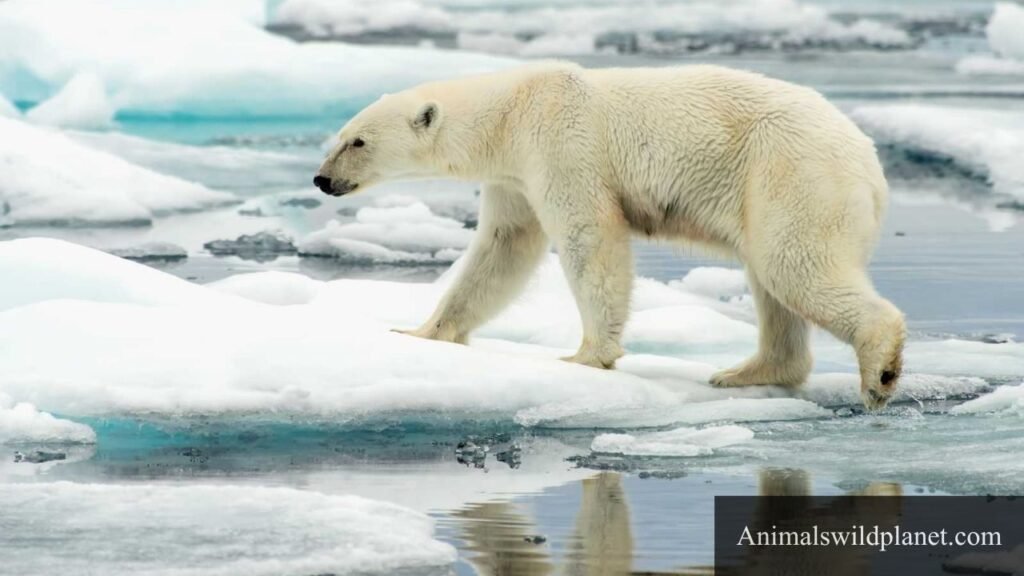
Interestingly, this independence comes with significant challenges. Climate change has drastically altered their habitat, melting ice reduces their hunting grounds and forces them to travel even further in search of food. This has led some researchers to explore how polar bears exhibit resilience, utilizing newfound adaptability through innovative hunting techniques and behaviors. This nuanced survival strategy illustrates not just their independence, but also their ability to evolve in response to environmental pressures, offering a poignant reminder of nature’s incredible resilience.
Octopus
Scientific Name: Octopus vulgaris
Class: Cephalopoda
Diet: Carnivore
The octopus, a creature of remarkable intelligence, exemplifies independence in the animal kingdom. These enigmatic cephalopods are not just masters of disguise; they possess a level of problem-solving skills that rivals some mammals. Studies have shown that octopuses can navigate mazes and even open jars to access food, showcasing their ability to adapt and innovate under pressure. This drive for autonomy fuels their existence in diverse underwater environments, from coral reefs to deep-sea trenches.
What makes octopuses particularly fascinating is their unusual method of self-defense. Instead of relying on physical strength or a herd mentality, they utilize their unique ability to camouflage and jet away from predators. Some species even release clouds of ink as a smokescreen, allowing them to escape unnoticed. This independent survival strategy highlights not just their physical prowess but also their cunning intelligence, emphasizing a solitary approach to life in an often dangerous ocean world.
Snow Leopard
Scientific Name: Panthera uncia
Class: Mammalia
Diet: Carnivore
The snow leopard, often dubbed the “ghost of the mountains,” embodies independence in both its solitary lifestyle and remarkable adaptability. With its thick, smoky-gray coat speckled with rosettes, this elusive feline blends seamlessly into the rugged terrains of Central Asia, where it roams with an air of quiet authority. Unlike other big cats that rely on packs for hunting and protection, the snow leopard thrives in solitude, showcasing an extraordinary ability to navigate steep cliffs and icy slopes, making it a master of its harsh environment.
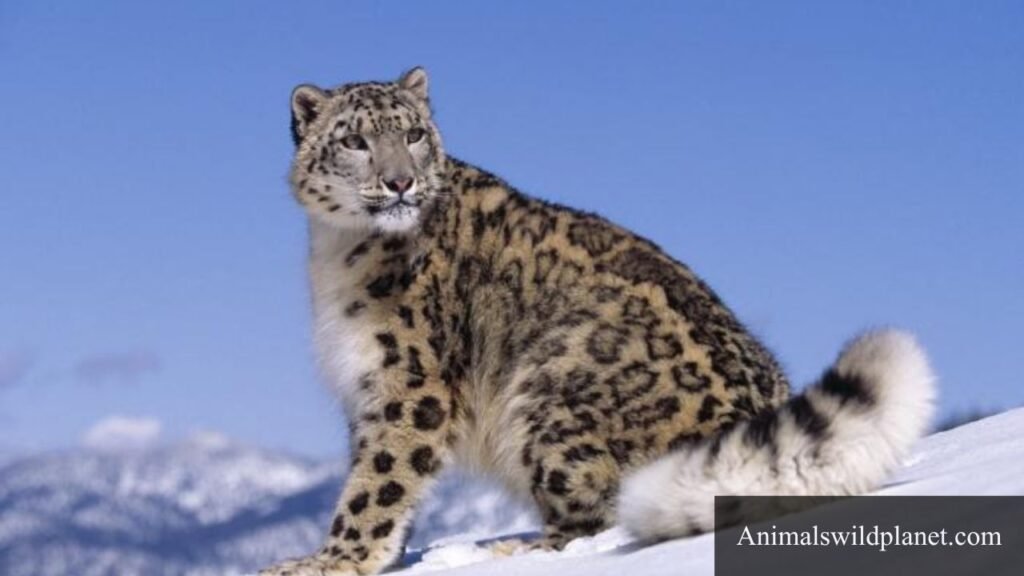
This solitary existence isn’t merely a survival tactic; it reflects a profound relationship with the wilderness. Snow leopards are opportunistic hunters, preying on species like ibex and blue sheep, yet they demonstrate remarkable patience, often stalking their targets from a distance, biding their time for the perfect moment. Their keen eyesight and acute understanding of the terrain transform hunting into an art form, revealing a strategic intelligence that is as captivating as it is effective. With their unique adaptations and elusive nature, snow leopards remind us of the intrinsic value of independence in the animal kingdom, embodying the delicate balance of survival where self-sufficiency is essential for thriving in one of the world’s most challenging habitats.
Hawaiian Monk Seal
Scientific Name: Neomonachus schauinslandi
Class: Mammalia
Diet: Carnivore
The Hawaiian monk seal, a rare marine mammal found exclusively in the warm waters surrounding the Hawaiian Islands, embodies resilience and independence. With fewer than 1,400 individuals estimated to remain, this species has adapted to life in the diverse and often harsh Pacific environment. Unlike many other seal species, Hawaiian monk seals display a remarkable level of self-sufficiency, often hunting for prey alone in depths that can reach over 600 feet. Their diet primarily consists of fish, squid, and crustaceans, showcasing an impressive ability to navigate the underwater landscape in search of food.
One of the most fascinating aspects of these seals is their behavior on land. They often haul themselves onto remote beaches to sunbathe or rest, showcasing a fascinating mix of playfulness and solitude. This independence extends beyond mere feeding habits; female monk seals demonstrate strong maternal instincts, carefully nurturing their young while also ensuring they can fend for themselves in a challenging ocean. While they face threats from climate change, habitat loss, and human interaction, the survival of the Hawaiian monk seal is a testament to the delicate balance of natural ecosystems and the critical need for conservation efforts. Their continued existence serves as a poignant reminder of the interconnectedness of life in the islands and the urgent need to protect these unique marine mammals.
Red Fox
Scientific Name: Vulpes vulpes
Class: Mammalia
Diet: Omnivore
The red fox, a symbol of cunning and adaptability, thrives in diverse environments, from urban landscapes to dense forests. Renowned for their striking reddish coats and bushy tails, these creatures exhibit a fascinating blend of independence and sociability. Unlike many mammals, red foxes are solitary hunters, relying on acute senses to track down prey, often utilizing innovative techniques that showcase their intelligence. This resourcefulness allows them to survive in various habitats, demonstrating their ability to adeptly navigate both natural and human-altered spaces.
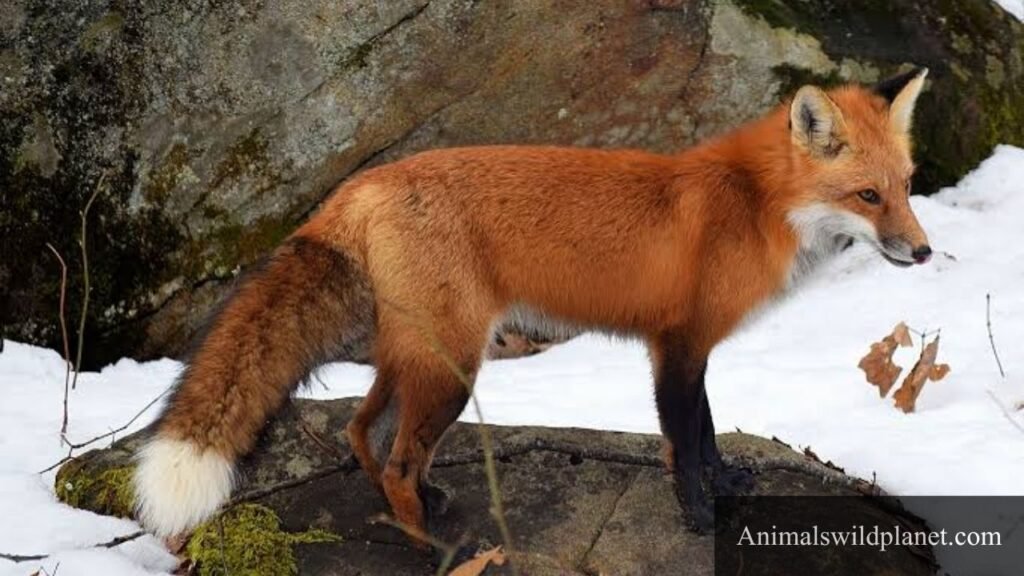
Moreover, red foxes possess a complex vocal repertoire that includes barks, howls, and screams, which serve as both communication methods and personal expressions. This vocal versatility highlights their social intelligence; while they prefer solitude during hunting, they engage in intricate family dynamics during breeding seasons. Their playful antics, often seen during twilight hours, reveal a side of these independent animals that resonates with the human spirit — showcasing joy, curiosity, and sheer adaptability in an ever-changing world.
Great White Shark
Scientific Name: Carcharodon carcharias
Class: Chondrichthyes
Diet: Carnivore
The great white shark, often misunderstood, epitomizes the essence of independence in the animal kingdom. As apex predators, these magnificent creatures roam vast oceanic territories, often traveling thousands of miles without the need for companionship or a steady feeding ground. This nomadic lifestyle not only showcases their self-reliance but also highlights their crucial role in maintaining the balance of marine ecosystems. Each great white is a solitary hunter, relying on keen senses and instinct to locate prey, reinforcing the notion that independence thrives in the depths of the ocean.
Moreover, the great white’s solitary nature fosters a fascinating aspect: adaptability. In varying environments, from coastal waters to deep-sea realms, they exhibit remarkable resilience, adjusting their hunting strategies based on available prey and environmental conditions. Their unique ability to regulate body temperature allows them to venture into colder waters, broadening their hunting grounds and survival options. This adaptability not only speaks to their independence but also to the evolutionary prowess that defines their existence, making them an enigmatic marvel of the sea.
Cougar
Scientific Name: Puma concolor
Class: Mammalia
Diet: Carnivore
The cougar, often referred to as the mountain lion or puma, is a master of adaptation and independence in the wild. With a range that spans from Canada to Patagonia, these solitary felines possess an astonishing versatility, enabling them to thrive in diverse habitats, from rugged mountains to arid deserts. Unlike many other big cats, cougars prefer solitude over social structures; they are vigilant hunters, relying on stealth and agility to stalk and ambush their prey. This independence is not merely a survival trait — it’s a reflection of their adaptability to the ever-changing landscapes they inhabit.
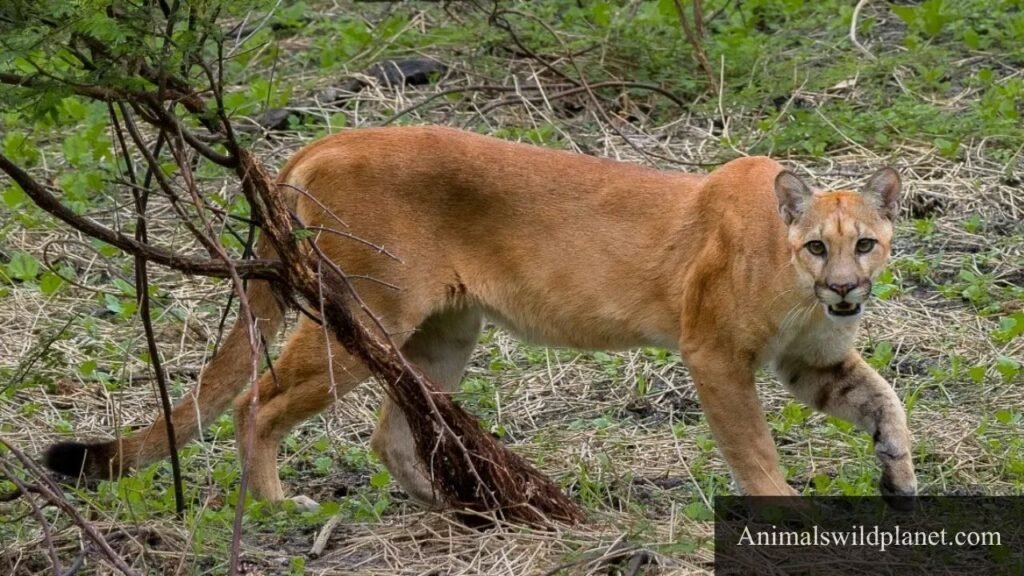
What sets cougars apart is their remarkable ability to remain elusive, often blending seamlessly into their environments. Their powerful, muscular build, combined with a keen sense of hearing and a notable ability to leap over obstacles, allows them to navigate their terrain with grace. Cougars are also highly territorial, using scent markings to communicate with others and maintain their domain. This solitary nature doesn’t detract from their social intelligence — female cougars invest significant time and energy rearing their young, showcasing a nuanced balance between independence and parental responsibility.
Orangutan
Class: Mammalia
Diet: Omnivore
Orangutans are remarkable not just for their intelligence, but also for their profound connection with their environment. These solitary creatures, often described as the “forest people,” demonstrate a unique adaptability, using tools with astonishing skill to extract insects and honey or to access hard-to-reach fruits. Their ability to move with grace through the treetops highlights their role as vital agents of seed dispersal, ensuring the health of their ecosystem.
In their independence lies a fascinating paradox. While they thrive alone, orangutans are deeply affected by the loss of their habitats due to deforestation, showcasing the delicate balance between independence and interdependence within their ecosystem. Their solitary nature means that when their numbers dwindle, the impact resonates far beyond their immediate surroundings. Conservation efforts aimed at preserving these magnificent creatures must not only focus on protecting them individually but also on safeguarding the intricate web of life they uphold in the rainforests of Borneo and Sumatra.
Moles
Scientific Name: Talpidae
Class: Mammalia
Diet: Insectivore
Moles, often overlooked in the grand tapestry of wildlife, possess a unique charm that speaks to their independence. These burrowing creatures navigate the underground world with a skill set honed for survival; their velvety fur, nearly velcro-like for soil passage, allows them to glide effortlessly through tunnels. Equipped with specialized claws, they are not just diggers but architects of complex subterranean structures that provide refuge and nurture ecosystems, aerating soil and facilitating plant growth.
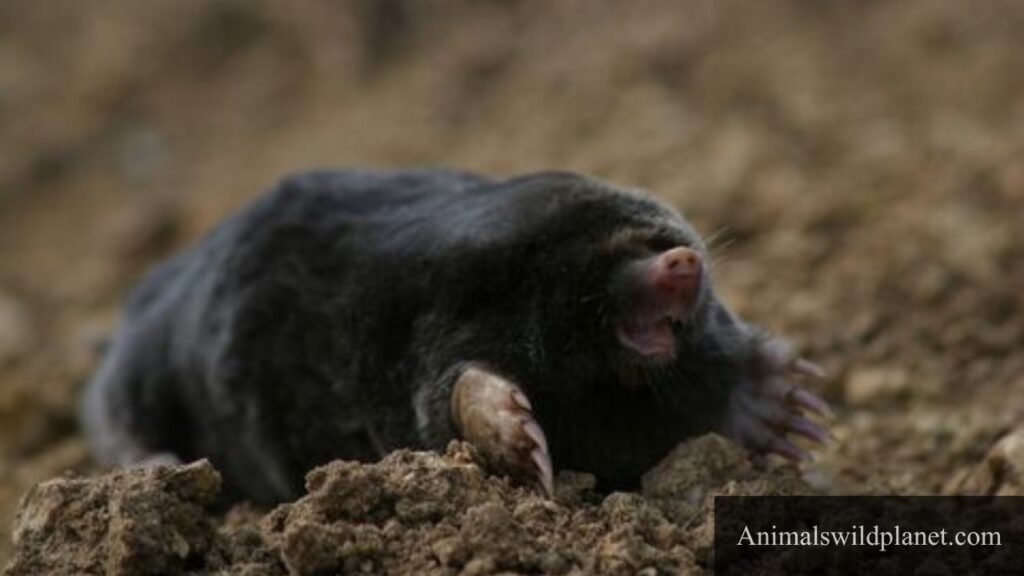
Their solitary nature is a testament to their adaptability, as moles spend most of their lives unseen, thriving in the shadows. This independence drives their very essence; they rely on sharp senses, especially touch and smell, to navigate the darkness. Interestingly, moles also play a crucial role in pest control, keeping insect populations in check.
Tiger
Scientific Name: Panthera tigris
Class: Mammalia
Diet: Carnivore
The tiger, an apex predator adorned with striking orange and black stripes, embodies independence in the animal kingdom. Far more than just a solitary hunter, each tiger’s markings are unique, like a fingerprint, allowing them to carve out a personal territory that can span up to 200 square miles. This vast domain is not just a space for hunting; it’s a complex social structure, where scent markings and vocalizations communicate their presence to rivals and potential mates. Unlike many other big cats, tigers engage in elaborate behaviors to establish boundaries, showcasing a remarkable blend of aggression and strategy that speaks to their evolved intelligence.
Yet, their solitary nature often belies the intricate social structures observed in their interactions, particularly between mothers and cubs. A mother tiger fiercely protects her offspring, teaching them survival skills, which illustrates a different kind of independence centered around nurturing and legacy. With the ongoing threats of habitat loss and poaching, the future of these independent spirits heavily hinges on our commitment to their conservation, urging us to reflect on our responsibility to uphold the sanctity of their wild existence.
Crocodiles
Scientific Name: Crocodylidae
Class: Reptilia
Diet: Carnivore
Crocodiles are fascinating creatures that embody the essence of independence in the animal kingdom. Unlike many of their reptilian cousins, crocodiles exhibit a unique blend of solitary and social behaviors, adapting to their surroundings with remarkable versatility. Their ability to thrive in diverse habitats — ranging from freshwater rivers to saltwater estuaries — highlights their evolutionary success. This adaptability speaks to their innate independence, allowing them to assert dominance in their territories, where they often rely on stealth and power to hunt effectively.
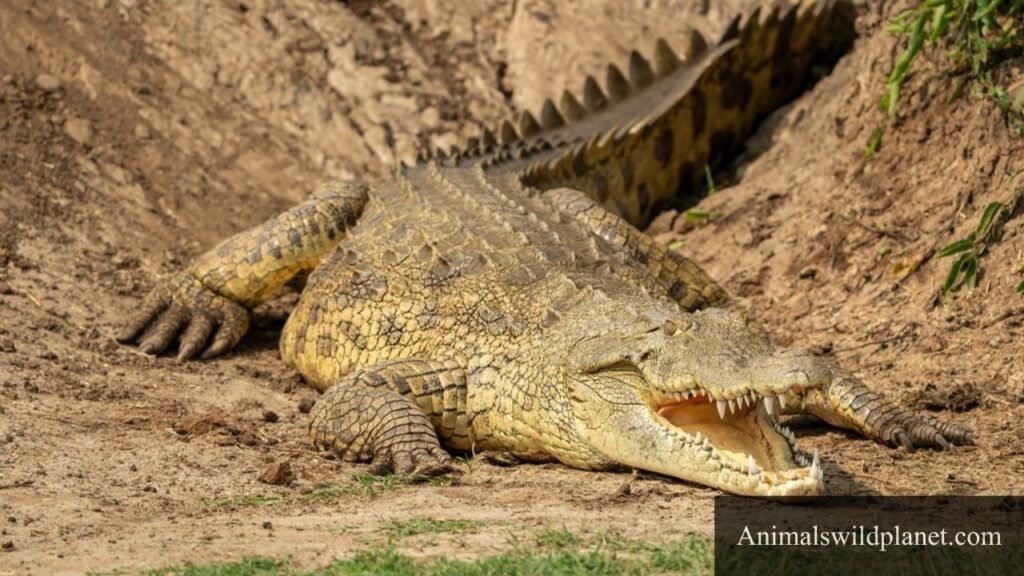
Interestingly, crocodiles have a complex social structure that belies their solitary nature. They communicate through a series of vocalizations, body postures, and even tactile interactions, fostering relationships, particularly during mating seasons. However, once nesting begins, the female transitions into a fiercely protective role, showcasing an independent yet nurturing side. This juxtaposition between solitary hunting and maternal instincts gives crocodiles an intriguing balance, demonstrating that their independence is not just about survival, but also involves a deep connection to their offspring — a delicate dance of resilience and responsibility in the wild.
Cheetah
Scientific Name: Acinonyx jubatus
Class: Mammalia
Diet: Carnivore
In the vast expanse of the African savannah, cheetahs stand as remarkable embodiments of independence and agility. Unlike their social feline cousins, these solitary hunters embrace a life dictated by personal prowess rather than pack dynamics. Their sleek bodies, adapted for speed, are not just a marvel of evolution; they serve as a testament to the cheetah’s ability to thrive alone in a world that often prioritizes communal survival. With their unique hunting strategies — relying on explosive bursts of speed rather than endurance — they redefine what it means to be a predator.
What’s particularly fascinating is their acute awareness of the environment. Cheetahs possess exceptional eyesight, enabling them to spot small prey from miles away, making their hunts a thrilling blend of technique and instinct. This visual prowess plays into their solitary nature: by observing and analyzing the habits of potential prey, they can strategize the most effective attack. Moreover, their independence extends beyond hunting; they also invest in nurturing their own cubs, teaching them the skills necessary for survival in an unforgiving landscape.
Platypus
Scientific Name: Ornithorhynchus anatinus
Class: Mammalia
Diet: Carnivore
In the realm of independent animals, few creatures spark as much intrigue as the platypus. This unique mammal, native to Australia, is a mesmerizing cocktail of traits: it’s a warm-blooded animal that lays eggs, has webbed feet like a duck, and a snout reminiscent of a beaver. Its evolutionary oddities challenge conventional classifications, forcing scientists to rethink the boundaries of mammalian characteristics. The platypus doesn’t just embody quirks; it thrives in them, showcasing how adaptability can flourish in the most unconventional forms.
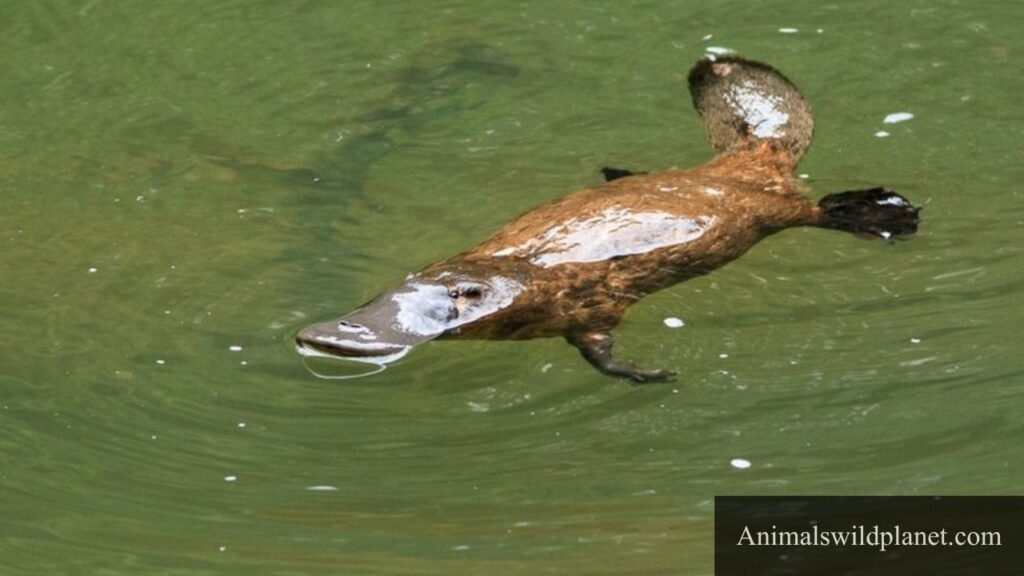
The independence of the platypus is evident not only in its solitary lifestyle but also in its remarkable feeding habits. It hunts underwater, using its sensitive bill to detect the electrical signals of prey, showcasing a level of sensory awareness rarely seen in animals. This self-sufficient forager exemplifies nature’s ingenious ways of survival, relying on intelligence and unique adaptations rather than social structures.
In an era where biodiversity is under threat, the platypus serves as a poignant reminder of the intricacies and wonders of nature, compelling us to reflect on our stewardship of such rare species and their habitats. With its independent lifestyle, the platypus embodies the spirit of survival and evolution, urging us to appreciate and protect the complex ecosystems that sustain them.
Wolverine
Scientific Name: Panthera uncia
Class: Mammalia
Diet: Carnivore
Wolverines are the ultimate symbol of tenacity and independence in the animal kingdom. Known for their fierce disposition and remarkable resilience, these animals thrive in some of the harshest environments on Earth, from the frigid Arctic tundra to rugged mountain terrains. Unlike many creatures that rely on social structures for survival, wolverines are solitary foragers, capable of traveling vast distances in search of food. This independence not only defines their hunting style but also showcases their adaptability — an essential trait for thriving in unpredictable ecosystems.
What truly sets wolverines apart is their unparalleled strength relative to size. Despite weighing only 20 to 30 pounds, they possess the formidable ability to take down prey much larger than themselves, including deer and caribou. This unique predatory strategy reflects their exceptional skills in scavenging and opportunism, as they often rely on leftovers from larger predators, showcasing a resourcefulness that mirrors human ingenuity. Their solitary nature does not diminish their impact on the ecosystem; rather, it enhances their role as both predator and scavenger, maintaining the delicate balance of their habitats. In many ways, wolverines embody the spirit of independence, a reminder that resilience and adaptability are often the keys to survival in a complex world.
Readmore: Explore Top 15 Stubborn Animals In The World.
Conclusion
The world is home to many independent animals that showcase remarkable adaptability and self-reliance. From the solitary yet magnificent snow leopard to the fiercely independent raccoon, these creatures demonstrate that survival often hinges on one’s ability to navigate the wild alone. Their unique traits, such as their solitary hunting methods and resourcefulness, serve as reminders of the beauty of nature’s design. As we learn more about these resilient species, we also uncover the importance of preserving their habitats and ecosystems. Let us appreciate and protect the independence of these animals by advocating for wildlife conservation efforts.
FAQs
What is the most independent animal in the world?
The snow leopard is often considered one of the most independent animals in the world. These elusive big cats thrive in the harsh mountain ranges of Central and South Asia, where they rely heavily on their solitary nature. Their independence is crucial for survival, as they need to navigate rugged terrains and hunt prey like ibex and blue sheep without relying on a pack.
What are the strong independent animals?
Big cats like tigers and leopards are solitary hunters, relying on their instincts and physical prowess to capture prey. They are fiercely territorial and prefer to roam alone, showcasing their strength and adaptability in the wild. Another example is the octopus. Highly intelligent, these creatures can solve problems and camouflage themselves effectively. They can hunt and fend for themselves in their ocean environments, often using clever tactics to escape predators.